Unfortunately, Tepláreň was neither the first nor the last
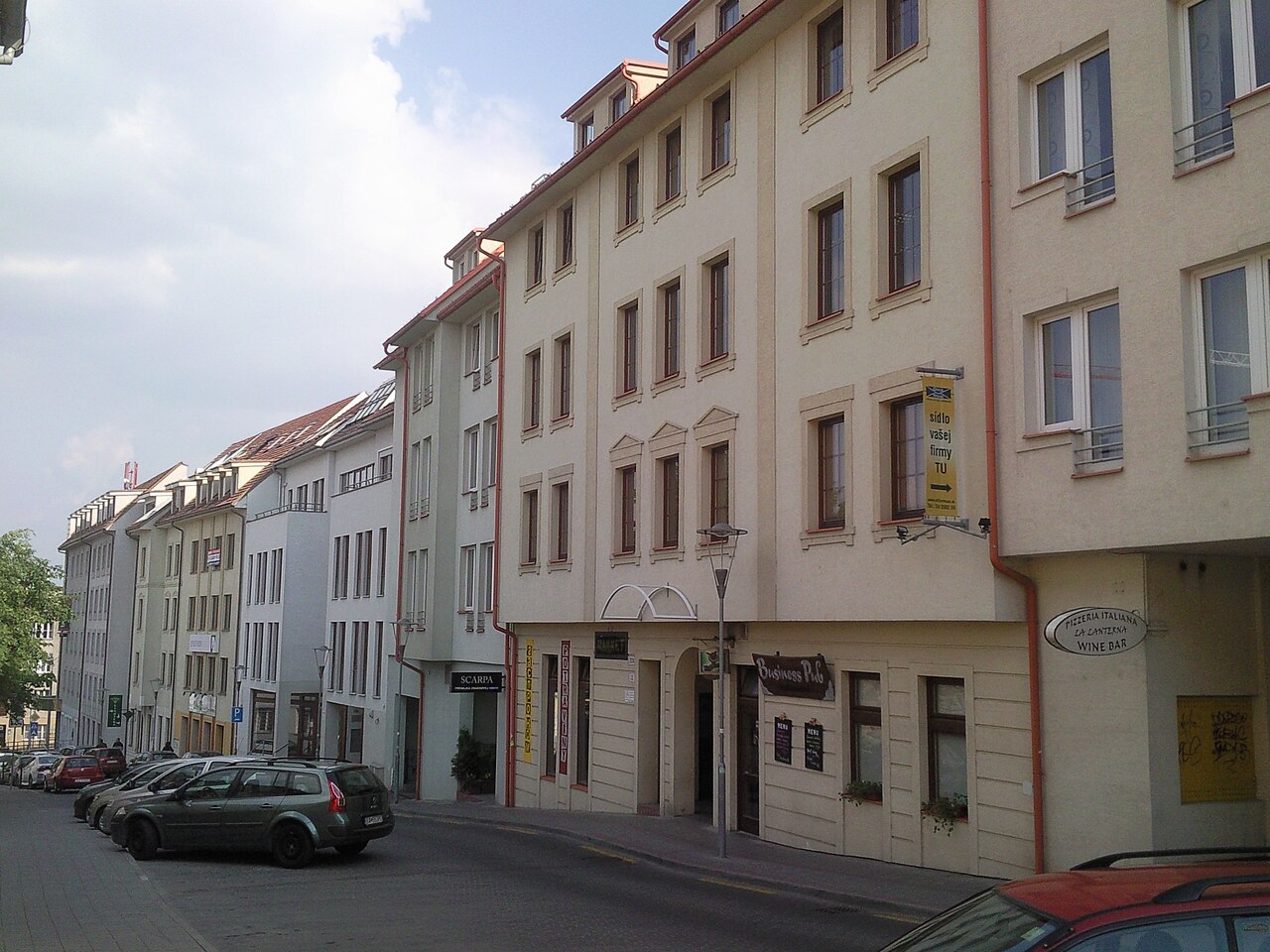
In October 2022, Slovakia was shaken by a terrorist attack on the Tepláreň restaurant in Bratislava, in which two young lives—those of Matúš Horváth and Juraj Vankulič—were cut short by a radicalized perpetrator.
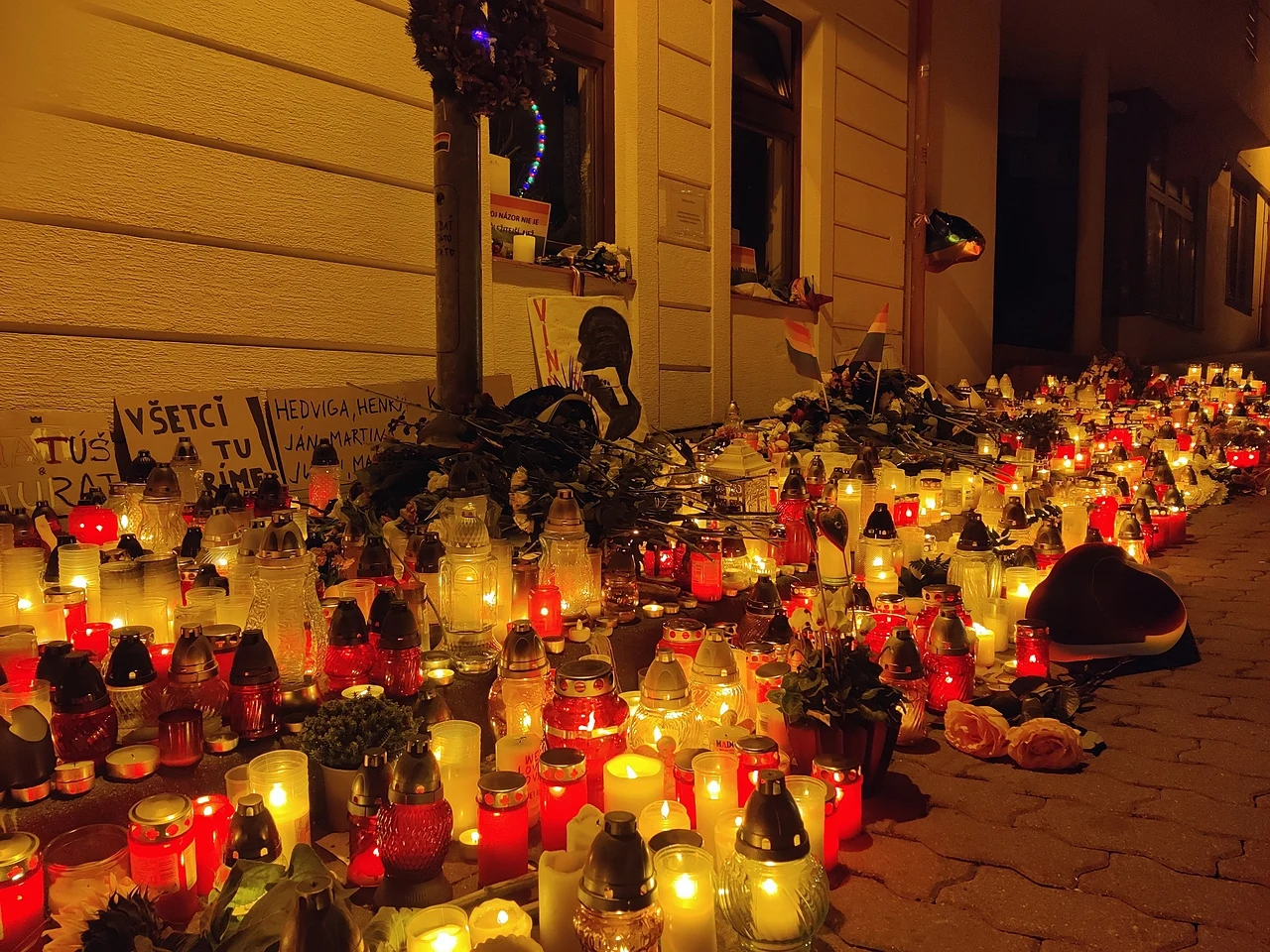
This tragic act has cruelly reminded us that hatred toward the LGBTQ+ community can kill even right here in our own community. While there may be legitimate differences of opinion regarding the legal recognition of same-sex unions, every mentally sound person must condemn violence and its incitement.
Similar terrorist and extremist attacks around the world clearly show, however, that this problem has deep global roots and that it is precisely their sexual orientation that unites the victims.
Politicians often deliberately fan the flames
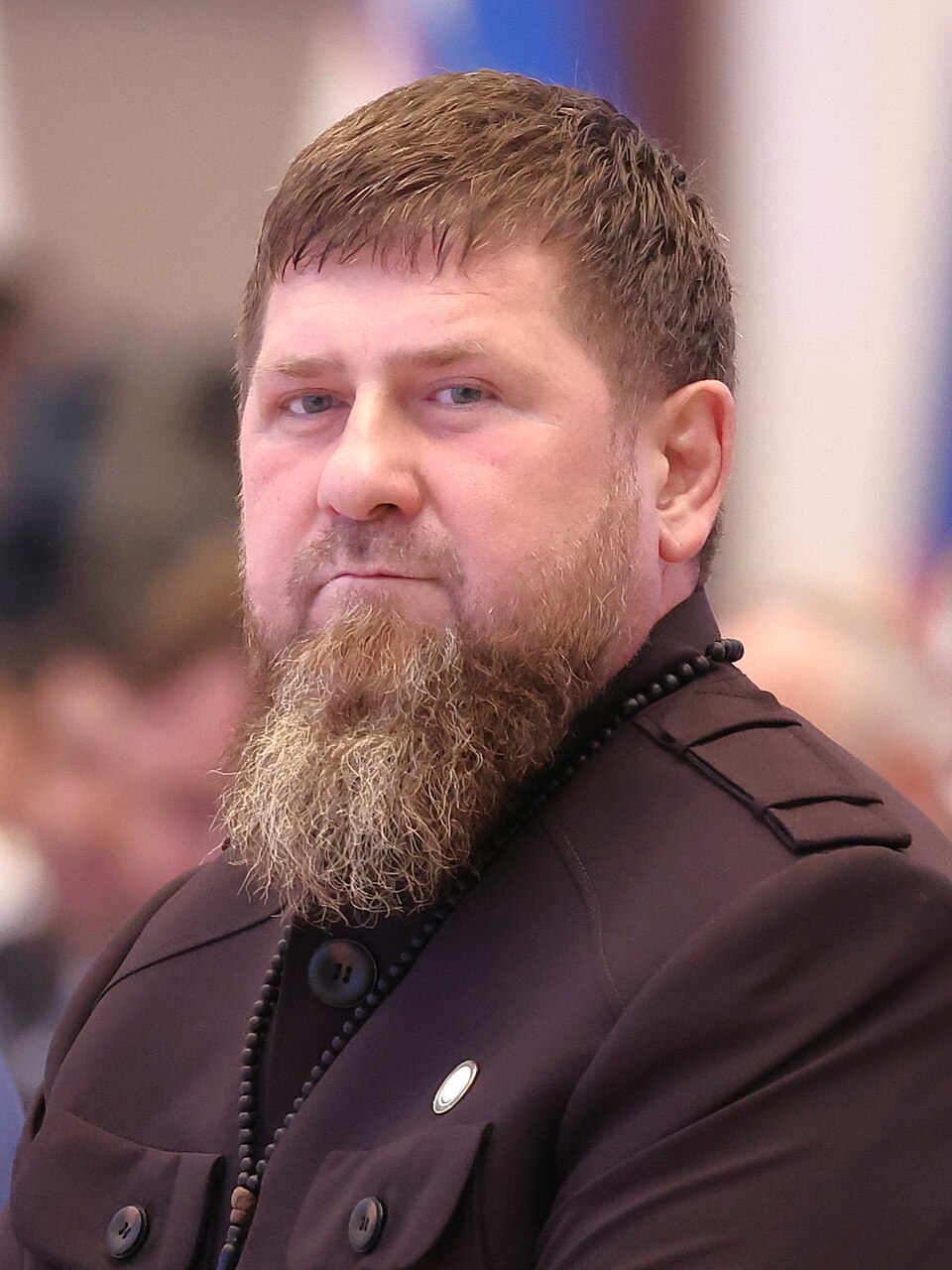
There is, in fact, a direct and demonstrable link between politicians’ rhetoric and the rise in hate crimes against minorities. Hostility and aggression toward LGBTI+ people are often deliberately incited by governments and state officials [12]. For example, in Chechnya, the systematic vilification of gay men and lesbians by state authorities has led to the abductions, torture, and murders of many people from this community [12].
A similar situation can be observed among our neighbors in Poland. There, open homophobic rhetoric from state authorities and the expansion of so-called “LGBT-free zones” are a daily reality for LGBTI people [9]. In Slovakia, according to human rights organizations, these people are frequently the target of propaganda and constant efforts by politicians to suppress their rights [12].
Unfortunately, the global trend in the number of extremist attacks based on sexual orientation shows a long-term deterioration of the situation. A wave of violence is on the rise, particularly against transgender people; from October 2020 to September 2021, as many as 375 murders of transgender people were recorded worldwide [12].
This alarming figure represented a seven percent increase over the previous year, making it the deadliest year since records began [12].
Hate Crimes
Crimes motivated by sexual orientation have a dark history, but some of them have managed to forever change society’s perspective.
A significant milestone was the homophobic murder of Matthew Shepard, who in 1998 in the U.S. state of Wyoming was robbed by two assailants who had offered him a ride home, brutally beat him, and chained him to a fence, resulting in his death [2].
Shepard’s death shocked the entire United States and fully exposed the inability of the judicial system at the time to investigate and punish attacks motivated by prejudice [3].

This horrific act ultimately had a massive and lasting impact on U.S. legislation regarding hate crimes. Ten years later, in 2009, the so-called Matthew Shepard Act was passed, which radically changed the definition of these crimes [10]. For the first time at the federal level, the law made it possible to prosecute all crimes committed on the basis of a victim’s sexual orientation, gender identity, or disability [3].
Common characteristics of recent terrorist attacks against the LGBTQ+ community—such as the shooting at the Pulse nightclub in Orlando—often include inspiration from extremist propaganda.
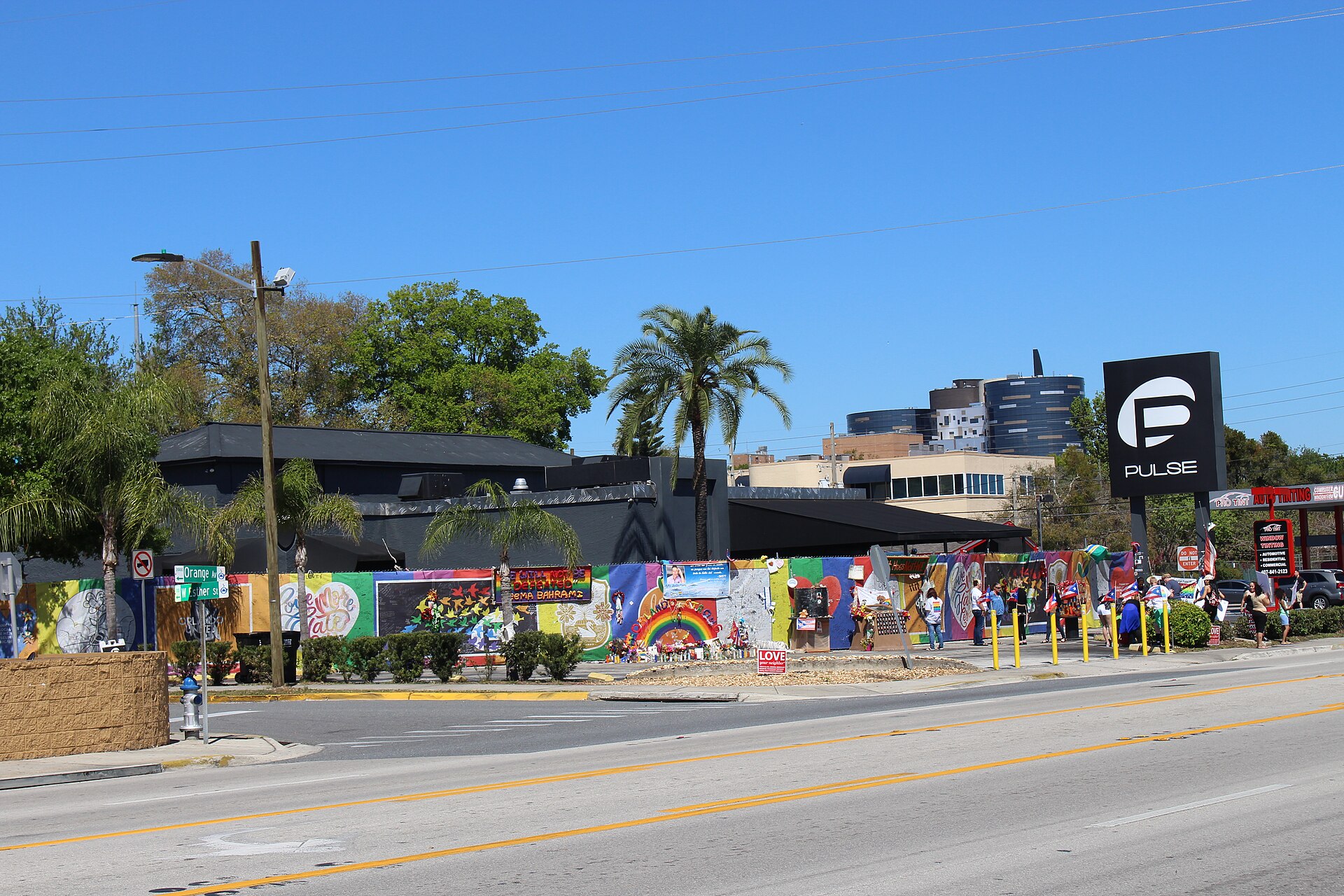
In 2016, the attacker, Omar Mateen, killed 49 people and seriously injured another 53, making it one of the worst attacks in U.S. history. [13]. Although the attacker was born in New York, according to the FBI, his actions bore the hallmarks of extreme radicalization inspired by foreign terrorist organizations and online propaganda [14].
The main motives behind this bloody Florida shooting were closely linked to Islamic extremism and a desire for revenge.
In conversations with police and during calls to the emergency hotline, Mateen identified himself as a soldier of Islam, pledged allegiance to the Islamic State, and demanded an end to U.S. airstrikes in the Middle East [11].
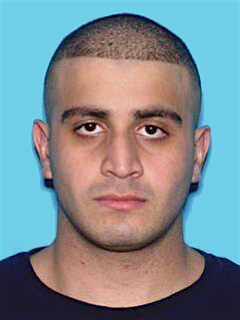
Although the network of terrorist websites that inspired him was quite confusing, investigators confirmed that it was a clear act of terrorism fueled by hatred [14].
It’s best not to come out in Muslim countries
Statistics on violence against LGBTQ people in Muslim countries are truly alarming and underscore the global scale of this problem.
For example, in Iraq—which has been labeled the most dangerous place for sexual minorities—more than 700 people have been murdered since the 2003 invasion solely because of their sexual orientation [4].
An extreme case was the terrorist organization Islamic State, which publicly executed 36 gay men in the territory it controlled by brutally throwing them off the roofs of high-rise buildings [4].
In other Muslim countries as well, minorities face severe persecution by state authorities. In Egypt, there have been reported cases of targeted raids on gay men, with courts abusing prostitution laws to imprison them and accusing them of debauchery [4]. In Lebanon, members of the community can be charged and tried at any time under a vague law prohibiting “unnatural acts” [7].
It is a harsh reality that in much of the world, homosexuality remains a serious criminal offense to this day. In total, there are 69 countries worldwide that have laws criminalizing homosexuality, with nearly half of these countries located on the African continent [8].
The Human Dignity Trust even reports that consensual sexual relations between adults of the same sex are illegal in as many as 67 countries worldwide [12].
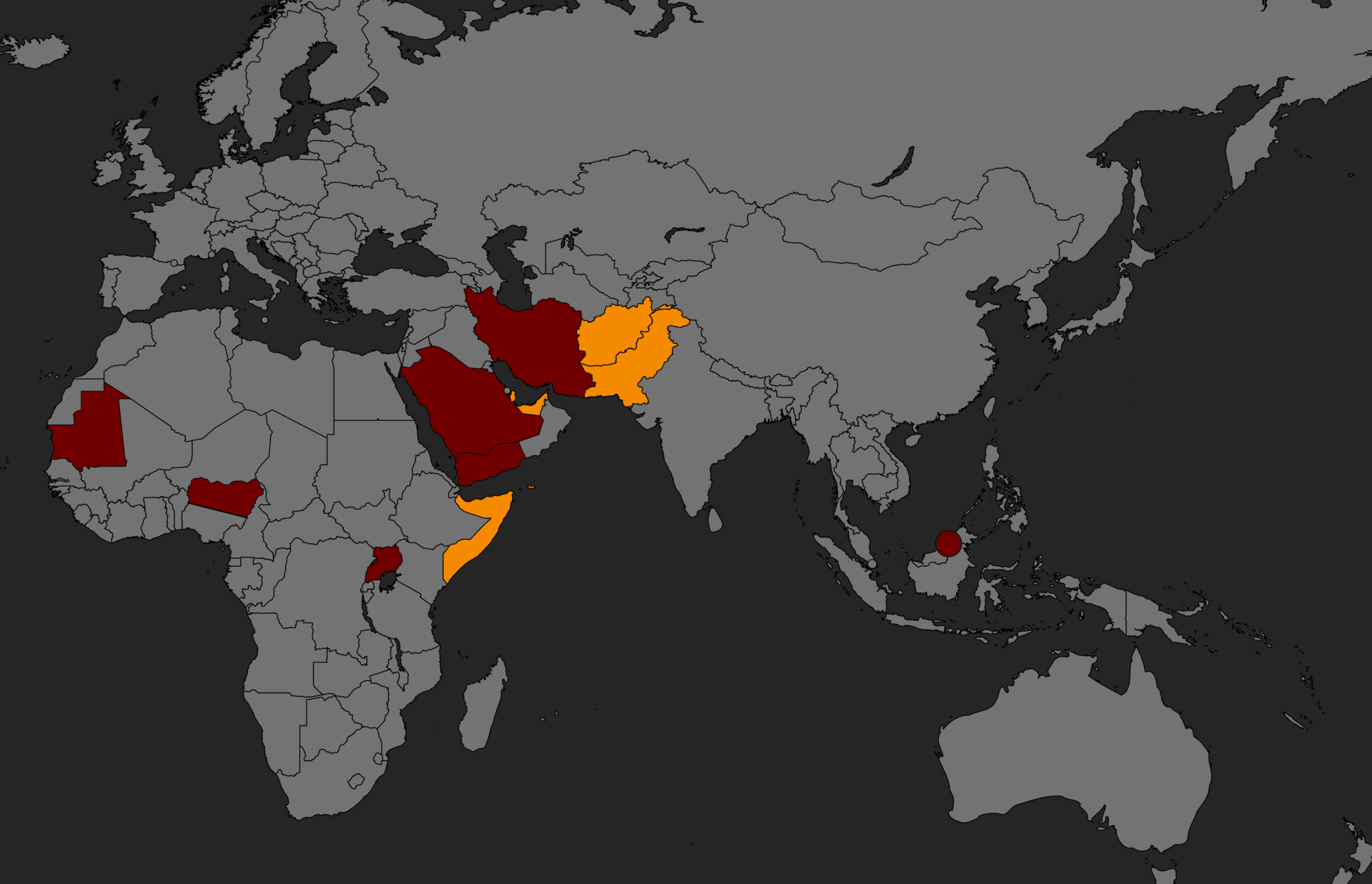
In many of these countries, the punishments are extremely inhumane, ranging from flogging to brutal executions. In at least seven countries worldwide—including Saudi Arabia, Yemen, Iran, and Afghanistan—same-sex relations are still punishable by death [4].
Legally, the death penalty is also a possibility in Sudan, Mauritania, Brunei, and the northern states of Nigeria, where strict Sharia law is enforced [6].
However, the danger is not limited to local residents but also extends to tourists in some popular vacation destinations. In the United Arab Emirates, homosexuality is prohibited, and the police reportedly have the right to determine whether travelers are homosexual upon arrival at the airport, which can lead to deportation or imprisonment [8].
The situation is similar in exotic Sri Lanka, where gay people must be extremely cautious, as they face up to 14 years in prison if caught [8].
When searching for an answer to the question of which countries are globally the safest and least safe for the LGBTQ+ community, we encounter extreme contrasts.

Logically, the aforementioned countries in the Middle East and Africa are among the by far least safe, but Forbes magazine, for example, also ranked Malaysia among the twenty most dangerous places for gay travelers [15].
In this Asian country, only 9 percent of residents considered homosexuality acceptable in surveys, and punishments include long prison terms or caning [15].
However, it must be noted that not all Muslim-majority countries automatically impose draconian punishments.
Similarly, sexual intercourse is fully legal in twenty Muslim-majority countries, including, for example, Albania, Kosovo, Kazakhstan, and Turkey [4]. Albania and Kosovo have even gone a step further and protect LGBT people through modern anti-discrimination laws [4].
The Promised Land
At the opposite end of the spectrum are countries that are perfect examples of tolerance, safety, and inclusivity. Scandinavia is arguably the most tolerant part of our planet, where members of the community have absolutely no fear of publicly expressing affection [5].
Countries such as Denmark, which legalized registered partnerships as early as 1989, or Norway, Sweden, and Iceland, are living proof that society can function without prejudice [5].

Outside the Nordic countries, Spain, for example, is an exceptionally safe haven and an extremely popular destination.
Its ranking on the ILGA-Europe index is among the highest, and the country can be considered one of the most progressive in the world regarding LGBT+ rights [1]. Amsterdam, for its part, has historically held the title of the absolute center of tolerance, and it was the Netherlands that, in 2001, became the very first country in the world to legalize same-sex marriage [5].
However, the global shift toward greater tolerance and progress is slow. So far, 28 countries worldwide recognize same-sex marriage, and 34 other countries provide at least some legal recognition of same-sex partnerships [8]. Slovakia is not yet among them.

It may come as a surprise to many that same-sex marriage is now legal even in countries such as Colombia, Cuba, Mexico, and as far away as Nepal [5].
List of References
[1] Cestovateľský sprievodca cez leto: Ktoré obľúbené destinácie Slovákov sú bezpečné pre queer ľudí, a ktoré už nie? https://duhovymagazin.sk/2024/07/cestovatelsky-sprievodca-cez-leto-ktore-oblubene-destinacie-slovakov-su-bezpecne-pre-queer-ludi-a-ktore-uz-nie
[2] Matthew Shepard byl z důvodu své sexuální orientace vylákán v říjnu 1998 dvojicí útočníků do okolí města Laramie, stát Wyoming. Útočníci ho zmlátili a připoutali k plotu, aby nemohl utéci, po 18 hodinách jej našel náhodný kolemjedoucí cyklista. Po šesti dnech zemřel. Pachatelé se hájili tím, že chtěli Sheparda pouze okrást, přítelkyně jednoho z obviněných však během jednoho z výslechů přiznala, že útočník jednal homofobně. Podrobně viz např. Matthew Shepard Foundation. About us. Matthewshepard.org [online]. Matthew Shepard Foundation, publikováno 2.7.2015, [cit.18.5.2017]. Dostupné z: http://www.matthewshepard.org/about-us/
[3] USA. 18 U.S.C. § 249, The Matthew Shepard and James Byrd, Jr., Hate Crimes Prevention Act of 2009
[4] LGBT lidé a islám – Wikipedie https://cs.wikipedia.org/wiki/LGBT_lid%C3%A9_a_isl%C3%A1m
[5] Vznik hnutia LGBT a najlepšie Pride sveta https://bubo.sk/blog/vznik-hnutia-lgbt-a-najlepsie-pride-sveta
[6] Islam, práva žien a sexuálne menšiny. Čo ukazujú zákony a štatistiky? Veľké porovnanie Európy a moslimského sveta https://www.24dnes.sk/aktualne/islam-prava-zien-a-sexualne-mensiny-co-ukazuju-zakony-a-statistiky-velke-porovnanie-europy-a-moslimskeho-sveta
[7] Z Blízkeho východu ľudia neutekajú iba pred vojnou, vo väčšine krajín je trestná aj homosexualita https://zivot.pluska.sk/reportaze/europy-neutekaju-iba-pred-vojnou
[8] Neuveríš, ale stále existujú. V týchto krajinách je byť gayom nezákonné, je medzi nimi aj dovolenkový raj Slovákov https://brainee.hnonline.sk/notsorry/news/spolocnost/lgbti/20360986-krajiny-kde-je-stale-nezakonne-byt-homosexualom
[9] Home Page - Amnesty Slovakia https://pripady.amnesty.sk
[10] Trestný čin z nenávisti: definícia, príčiny a príklady https://sk.alegsaonline.com/art/42786
[11] FBI zveřejnila přepis telefonátů střelce z Orlanda. Vynechala ale zmínky o IS https://radiozurnal.rozhlas.cz/fbi-zverejnila-prepis-telefonatu-strelce-z-orlanda-vynechala-ale-zminky-o-6237372
[12] Práva LGBTI+ ľudí sú ľudské práva https://www.amnesty.sk/prava-lgbti-ludi-su-ludske-prava
[13] Bývalý vojak zabil v bare pri Los Angeles dvanásť ľudí https://www.sme.sk/svet/c/sest-ludi-utrpelo-zranenia-pri-strelbe-v-bare-v-kalifornii
[14] Obama k streľbe v gay bare: Je to strašný masaker https://www.teraz.sk/zahranicie/k-masovej-strelbe-v-bare-v-orlande-sa-p/201381-clanok.html
[15] Práva LGBT komunity v Malajsii upírá premiér odsouzený za homosexuální styk | Asiaskop https://www.asiaskop.cz/analyzy-komentare/prava-lgbt-komunity-v-malajsii-upira-premier-odsouzeny-za-homosexualni-styk