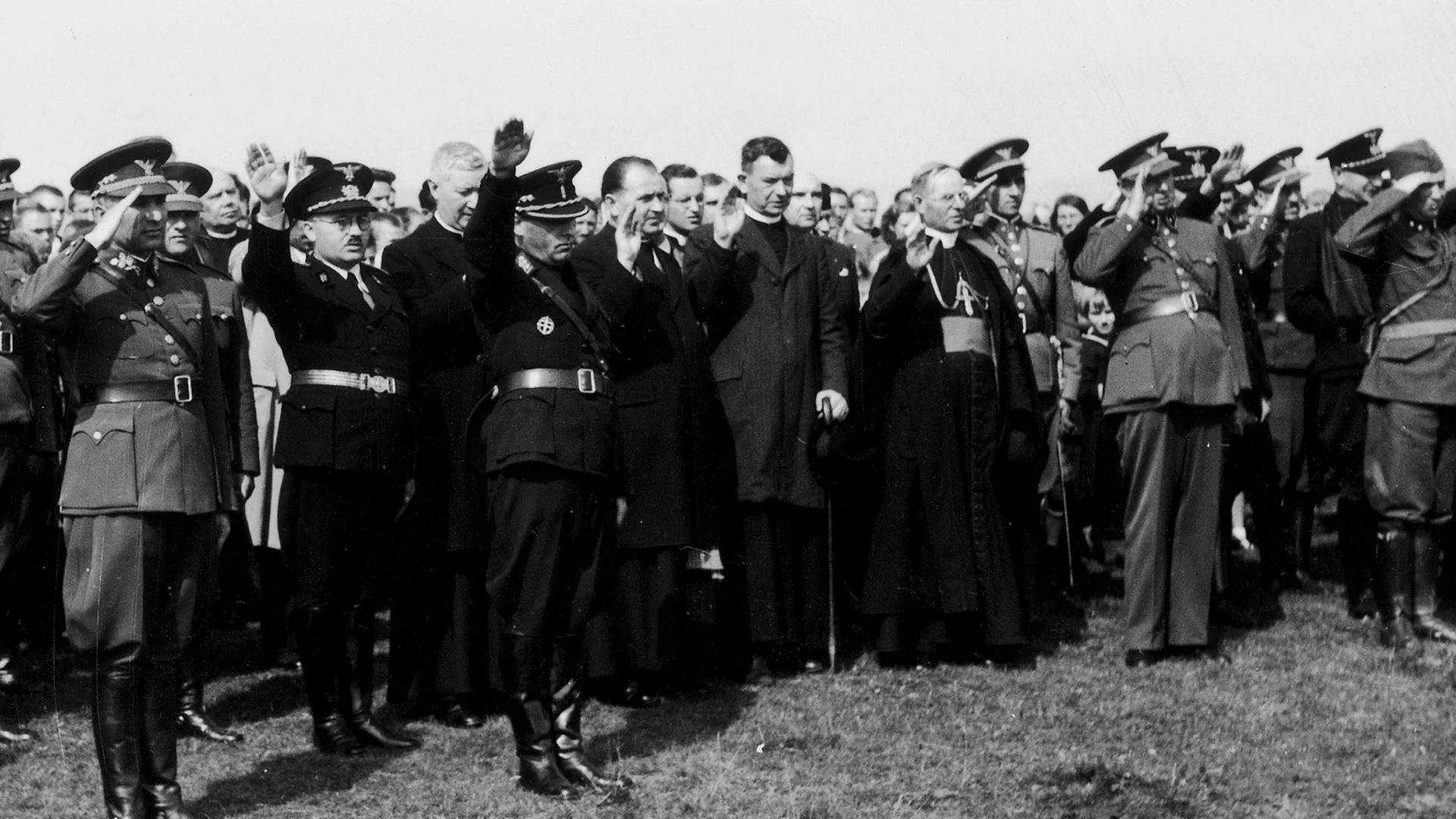
They wanted to curry favor with the Nazis. The Jewish Code is a dark stain on Slovakia’s history
These days, we are commemorating the 85th anniversary of the adoption and publication of the shameful Decree No. 198/1941 Slov. z. on the Legal Status of Jews, which has gone down in our history under the well-known name “Jewish Code.”
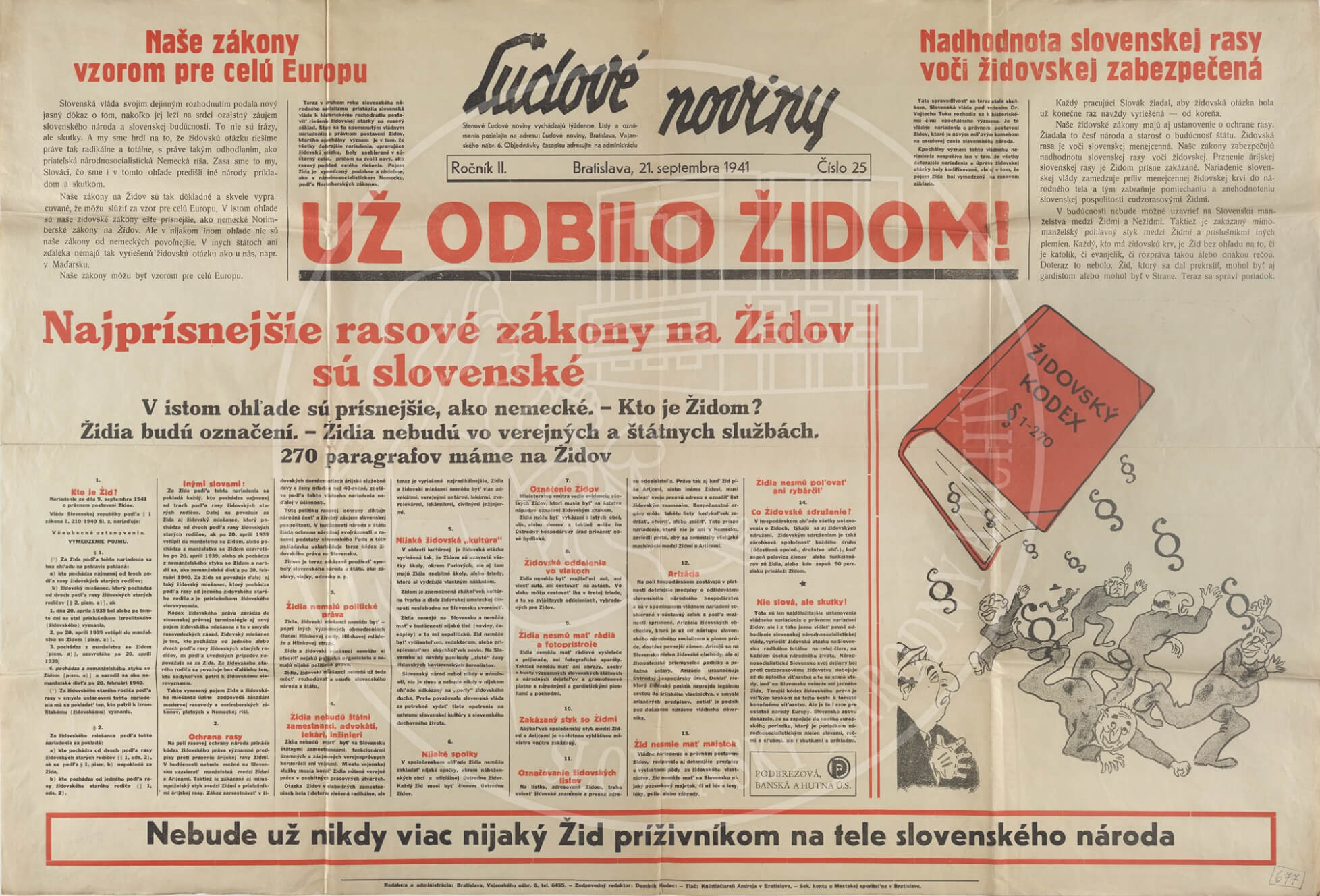
This extensive document, dated September 9, 1941, contained 270 paragraphs and became one of the darkest symbols of the anti-Jewish policies of the Ludak Slovak Republic [1].
It marked a turning point in a process that systematically stripped the Jewish population of their fundamental human and civil rights [1]. The adoption of the code was the result of mounting pressure from the German Third Reich, as well as the interests of the domestic totalitarian regime at the time [2].
A radical shift occurred in the summer of 1940 at a meeting in Salzburg, where the National Socialist German Workers’ Party (NSDAP) authoritatively imposed changes on the Slovak government [3]. Nazi Germany thus strengthened the position of domestic radicals and clearly defined the exact role of its satellite states [3].
When Nazi Germany Was a Model for the Slovaks
Slovak politicians were subsequently expected to make greater efforts to implement Nazi ideas and resolve the “Jewish question” strictly in accordance with the German racial model [3]. The Slovak National Council, through Constitutional Law No. 210/1940, authorized the government to resolve the “Jewish problem” for one year, thereby granting it full powers [4].
The government was then able to issue decrees without parliamentary approval, with the aim of completely excluding Jews from Slovak economic and social life [5]. Based on this authorization, the Slovak government adopted the aforementioned Jewish Code, which defined the term “Jew” on a strict racial basis [6].
It is considered one of the harshest anti-Semitic legal norms in modern European history, fully comparable to the German Nuremberg Laws [7].
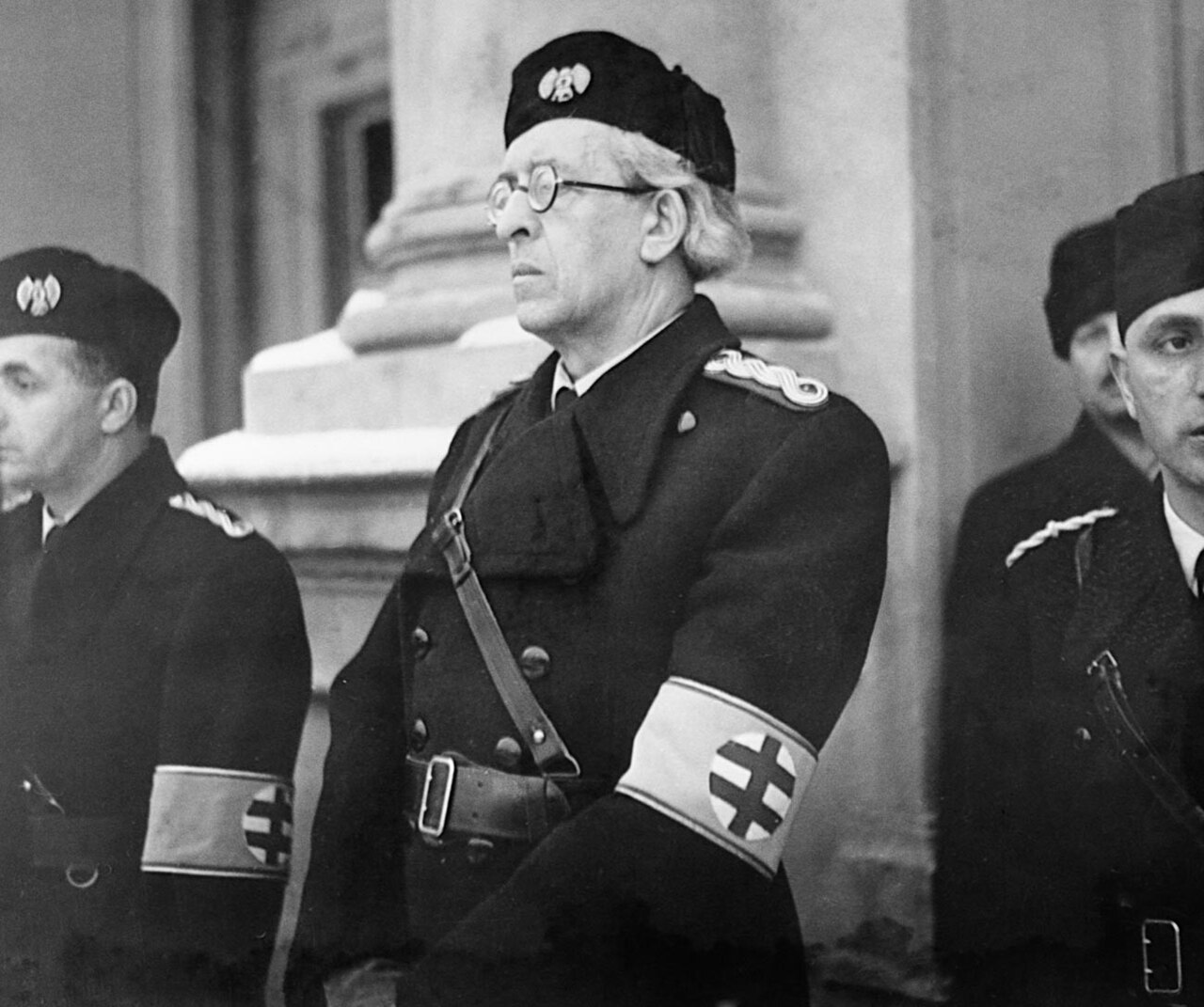
The fact that Slovak officials acted voluntarily and on their own initiative is further evidenced by the official press boasting that the code was, in some respects, even stricter than the German standards [8].
The fundamental justifying myth of the politicians of that time was the claim that all measures were taken solely under pressure from Hitler’s Germany. While it is indisputable that German influence objectively existed, the decisive role here was played by the efforts of Hlinka’s Slovak People’s Party (HSĽS) [7].
The regime simply sought to play the anti-Semitic card in a highly pragmatic and calculating manner to consolidate its own power [2].
Many constitutional officials of the Slovak Republic bear full responsibility for this cruel anti-Jewish policy and the subsequent Holocaust. The decree was adopted by a government led by the radical Vojtech Tuka, who, along with Alexander Mach, was among the staunchest advocates of German influence [9].
Other influential ministers of the time also signed the code, such as Jozef Sivák, Mikuláš Pružinský, Gejza Medrický, and Ferdinand Čatloš [10].
Tiso Was Also Responsible
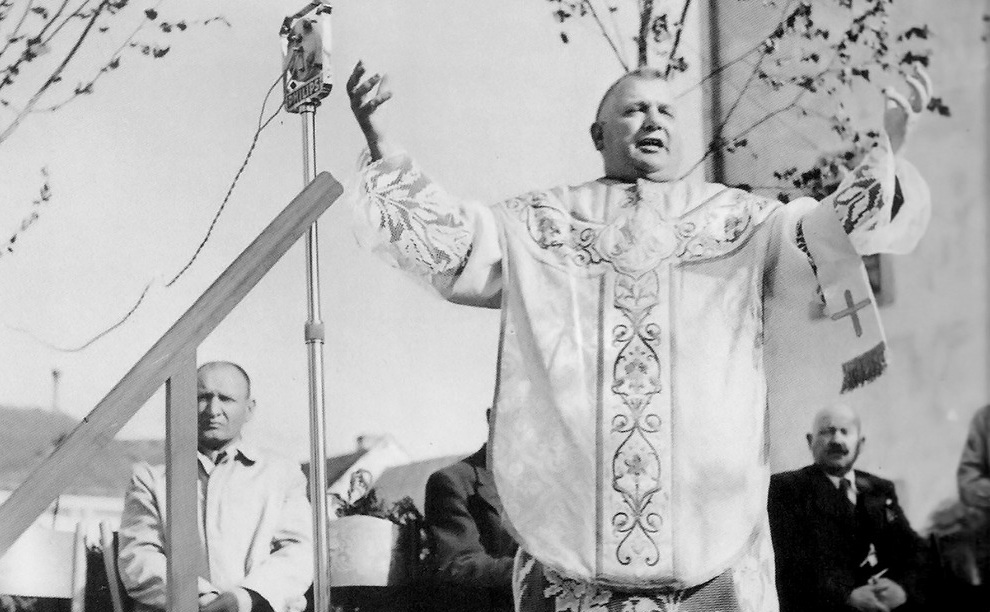
Although the Jewish Code was not subject to formal approval by parliament or the president, the Slovak government issued it with the knowledge and full support of President Jozef Tiso [8].
Tiso’s role in the national tragedy is compounded by the fact that he was not only prime minister during the period of autonomy but also the supreme commander of the Hlinka Guard [9]. Furthermore, after the Code was adopted, the president publicly defended its strictness and emphasized—for example, at a rally in Holíč on August 15, 1942—that the insolence of the Jews had to be met with a harsh response [11].
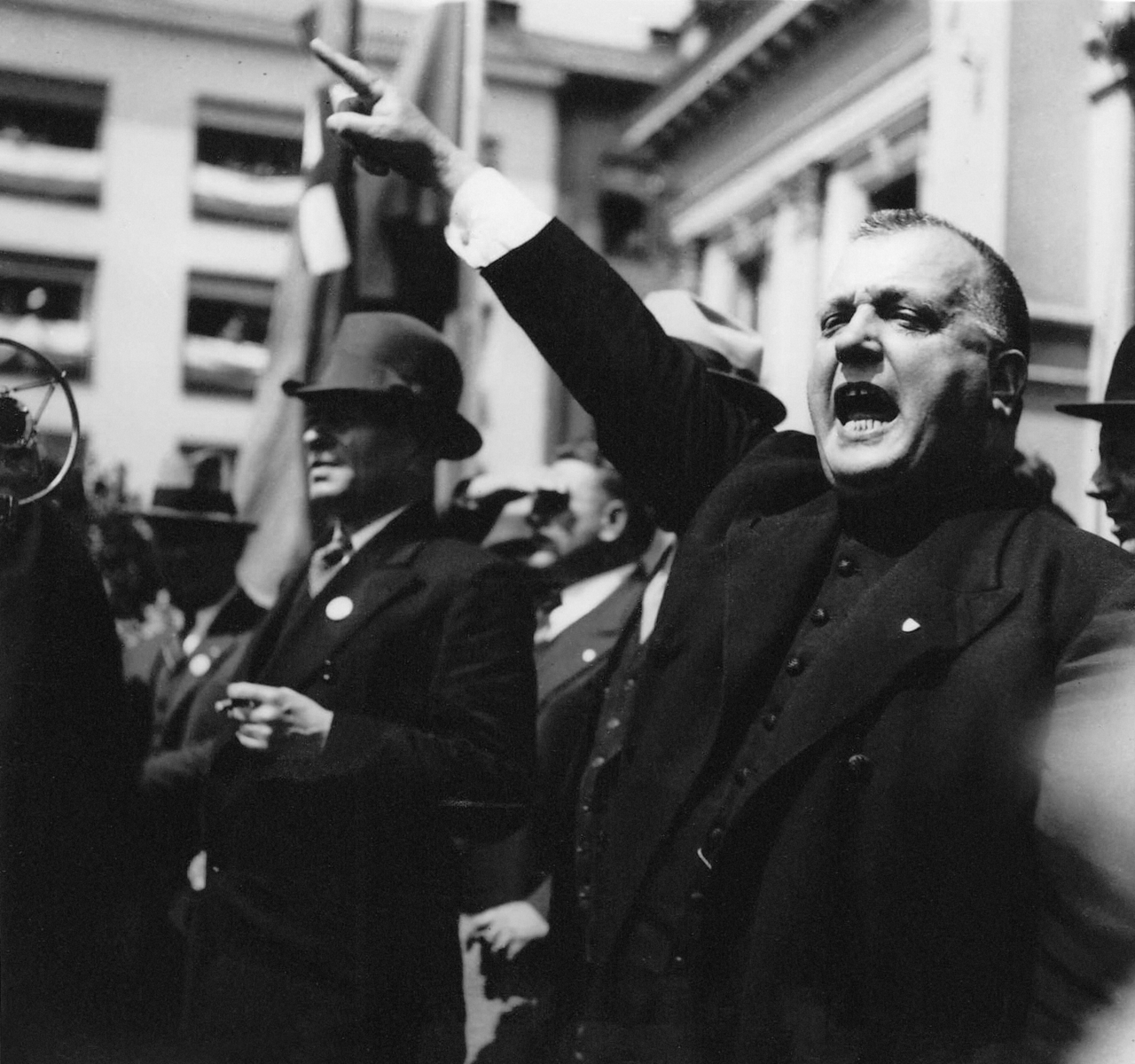
Jozef Tiso, however, liked to emphasize—and did so often—that he personally had pushed through a system of exemptions in the Jewish Code. Section 255 did indeed grant him the authority to grant partial or complete presidential exemptions, which prompted thousands of desperate pleas from Jewish citizens across the country [12].
These exemptions, however, could be revoked by the state at any time without giving a reason, and they did not relieve the president himself of political responsibility at all [12].
Many trained lawyers and government officials were also deeply involved in the process of drafting anti-Jewish legislation. Anton Vašek served as head of the Fourteenth Department of the Ministry of the Interior and later even authored an extensive publication on Jewish legislation [9].
Jozef Martinka, for example, sought an ideological justification, absurdly arguing that the same laws could not apply to Jews because they were allegedly not bound by the Fifth Commandment [7].
Devastating Impact on Slovak Jews
The consequences of the adoption of this decree for the Jewish community were devastating and drastically affected every single aspect of their daily lives. The new definition of the term “Jew” was based on racial principles, as a result of which people who had previously not been considered Jews at all were unexpectedly included among those persecuted [13].
In addition, the code introduced into Slovak legislation a completely new, derogatory legal term: “Jewish mixed-race person” [13]. Based on the Jewish Code and a subsequent decree from the Ministry of the Interior, Jewish residents over the age of six were required to wear a visual identifier [11].
This humiliating identifier was a yellow six-pointed Star of David, which they were required to purchase themselves and sew firmly and visibly onto their outer clothing [11]. The law also immediately prohibited marriages between Jews and non-Jews, while knowingly engaging in extramarital relations was strictly punishable by up to five years in prison [10].
The measures adopted completely destroyed the fundamental civil and political rights of the Jewish minority at that time. Jews permanently lost their right to vote; Jewish members of parliament lost their seats and were no longer permitted to be elected to any public administrative bodies [14].
All existing Jewish associations and organizations were dissolved, and their interests could be represented exclusively by the Central Jewish Office, based in Bratislava [14].
In the areas of the economy and the liberal professions, the code systematically eliminated Jews’ opportunities to earn a living. The law expressly prohibited them from practicing medicine, pharmacy, notary services, civil engineering, and veterinary medicine [12].
They were also dismissed en masse from public service positions and were prohibited from employing non-Jewish domestic help in their households [12].
Part of this expropriation process was the so-called “Aryanization” of Jewish property, which was subsequently transferred to non-Jewish citizens of Slovakia [15]. By October 1941, all Jewish businesses had been liquidated or “Aryanized,” transforming this proud community into a socially dependent group [14].
Jews were not even allowed to keep everyday items such as radios, cameras, sports equipment, or even winter fur coats [16].
Furthermore, the state imposed extremely strict regulations on the financial resources and lifetime savings of Jewish families. The code mandated that cash be deposited into restricted accounts, and Jews were not allowed to carry more than one thousand crowns per adult [12].
To cover their basic living expenses and those of their families, they were allowed to withdraw a total of no more than 500 crowns per week from a bank [12].
The Jewish Code also radically infringed upon the constitutional right to freedom of movement and travel within the country. Jews were barred from traveling in first- and second-class train cars, were not allowed to use dining cars or sleeping cars, and required special written permission to leave their municipality [12].
Interior Minister Alexander Mach subsequently issued a decree that severely restricted their freedom of movement under threat of strict penalties [12].
Lawmakers went into bizarre detail, restricting Jews even in the most ordinary human activities. Incomprehensibly, the code prohibited them from fishing, driving a motor vehicle, owning national symbols, and even owning gramophone records with national songs [12].
Furthermore, state security agencies were granted the unlawful right to conduct personal or home searches at any time without a written court order [12].
The religious, cultural, and educational life of the entire community was also significantly disrupted. Jewish students were immediately expelled from all public schools, and they were strictly prohibited from receiving any private instruction [14].
Religious ceremonies were permitted only in buildings whose external appearance did not reveal that they were used for worship or prayer [12].
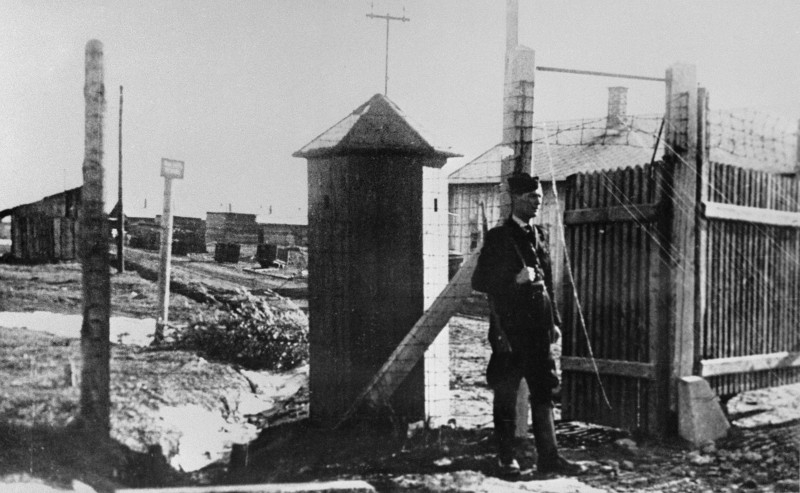
Section 22 of the Jewish Code mandated that Jewish residents between the ages of 16 and 60 perform forced labor. It was precisely this section that became a symbol of the tragedy, as the government invoked it when it launched mass deportations in March 1942 [11].
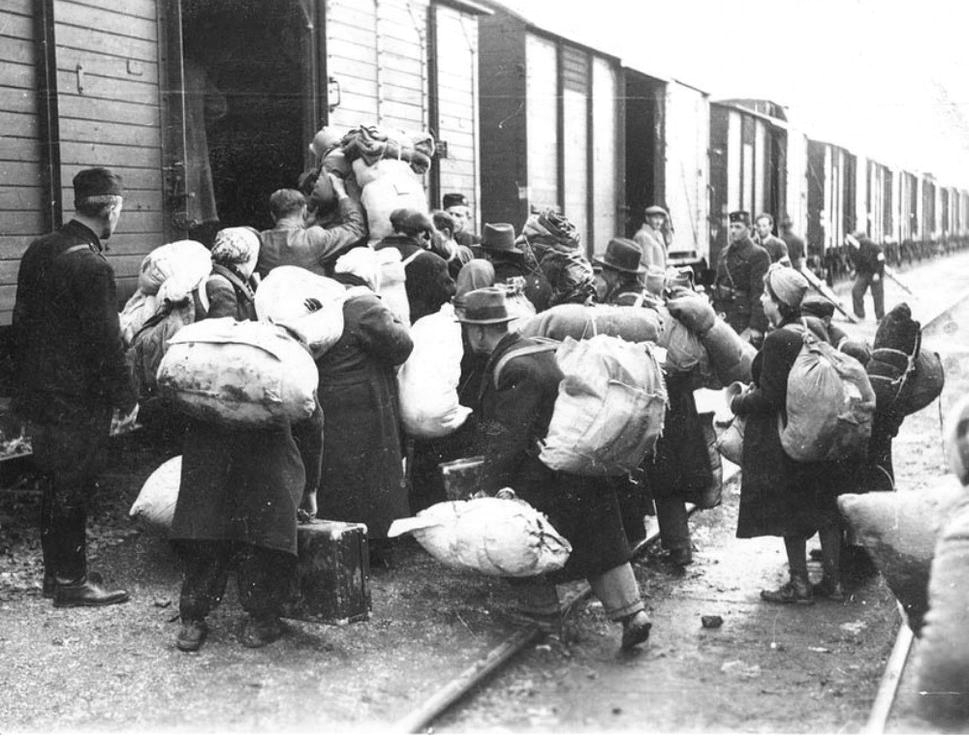
The roundup of Jews prior to the deportations took place in special centers, with the government establishing labor camps in Sereď, Nováky, Ilava, and Oremov Laz [17], [18]. As a result of these laws, more than 70,000 Jews were transported from Slovakia to extermination camps, where the overwhelming majority of them met a brutal death [15].
It is a chilling fact of Slovak history that the German Reich actually paid 500 Reichsmarks for the deportation of every single citizen [19]. Through this inhumane act, the Slovak government willingly sent its own citizens to certain death [20].
Only a few had a conscience
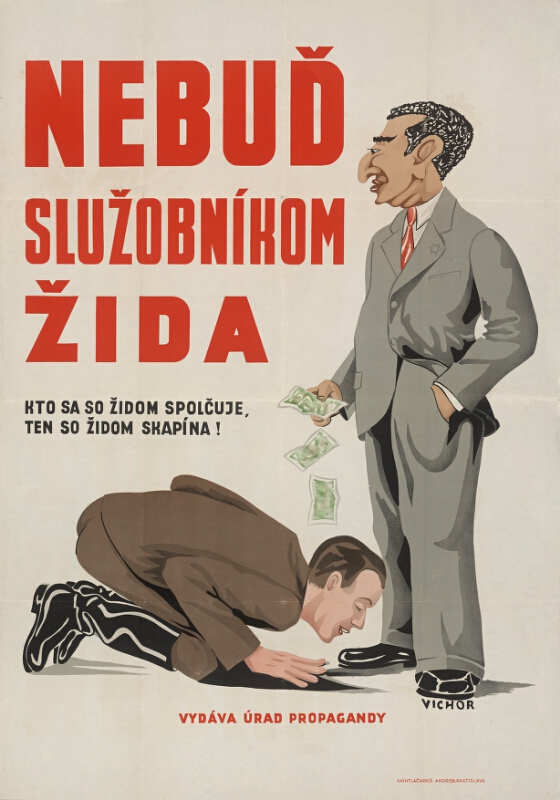
Contemporary society in Slovakia viewed the introduction of these cruel laws in 1941 in a highly polarized manner. On the one hand, massive anti-Jewish propaganda succeeded in changing the perception of a large segment of society, as it had long and falsely portrayed Jews as exploiters and enemies of the nation [21].
The pro-government press was dominated by sickening enthusiasm, with the daily newspaper *Slovák* boasting that “Jewish rule” had finally been decisively brought to an end [11].
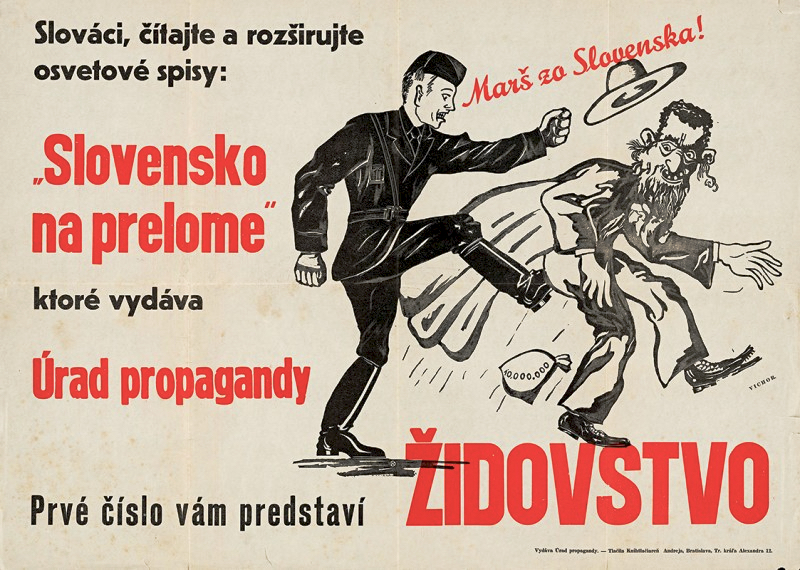
Anti-Semitism, long entrenched in Slovak society, was spread almost perfectly by Hlinka’s Slovak People’s Party. There are documented cases of exceptionally frequent and ruthless actions by ordinary citizens aimed at depriving Jews of their basic means of livelihood [22].
The armbands further widened the psychological divide among the population, and verbal and physical attacks began to occur on the streets, even by children [22].
On the other hand, however, the Jewish Code did not enjoy universal support at the time of its unexpected adoption. Resentment was fueled not only by persecution but also by widespread defection, ruthless careerism, and corruption, which were associated primarily with the Aryanization of property [18].
Ordinary people were often disillusioned, and in this regard, their anger and hatred were directed primarily at the wealthy “Aryanizers” and members of the Hlinka Guard [18].
Representatives of the Catholic Church and some of the affected economic institutions also spoke out against the adoption of the code. In a lengthy memorandum addressed to Tiso and Tuka, Catholic bishops demanded that at least all baptized Jews be exempted from the code’s provisions [19].
Economic circles, such as the influential Union of Slovak Banks, in turn called for an amendment to the provisions, as the banks themselves were suffering massive losses in the process of uncontrolled “aryanization” [19].
Contemporary Politicians on the Code: Is a Verbal Condemnation Enough?
Today, the Jewish Code is viewed as a dark chapter in our history and one of the absolute darkest moments in Slovak history. On the occasion of its somber anniversary, current Slovak politicians officially and strongly condemn this racist legal norm.
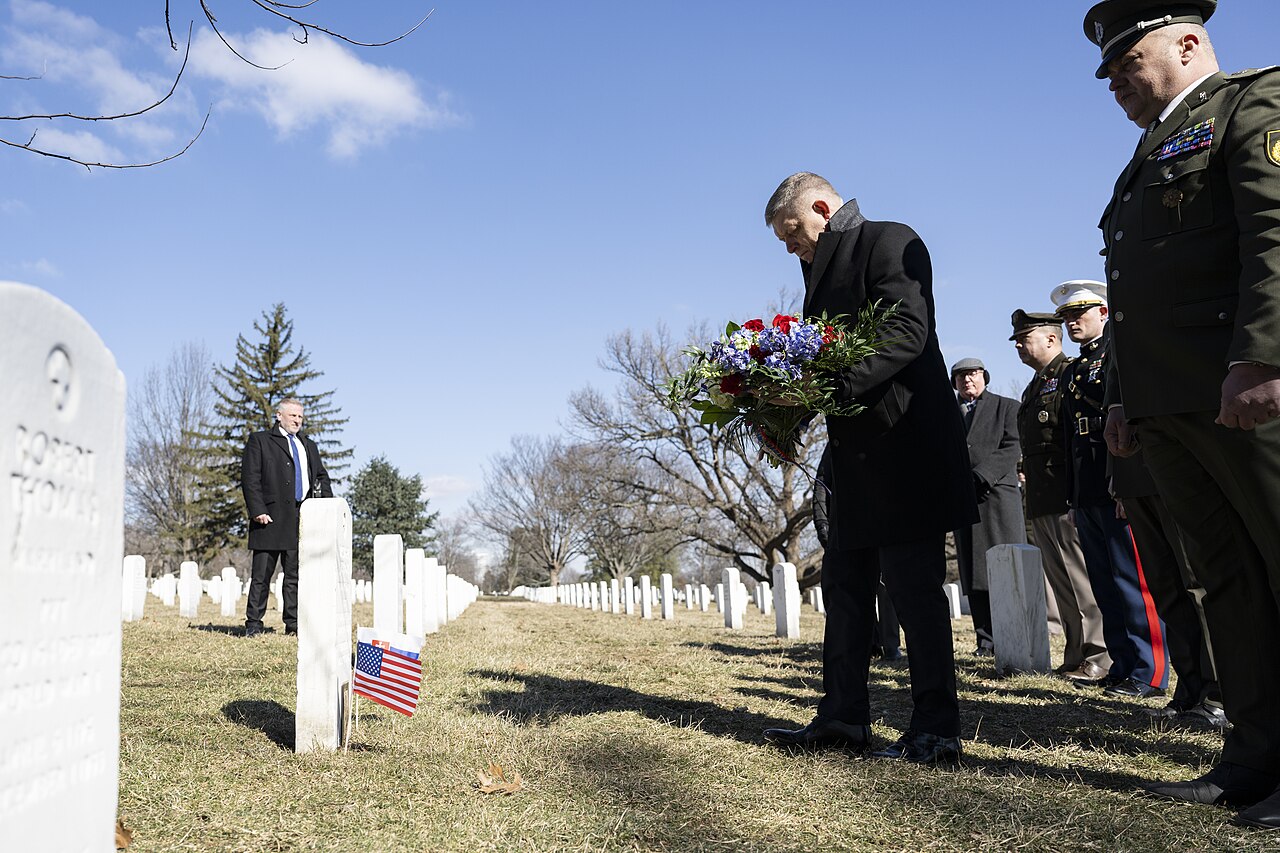
Current President Peter Pellegrini directly described the historic code as a very sad reminder of a tragic period in Slovakia’s history [23].
Prime Minister Robert Fico also officially stated in his remarks that he considers the government’s 1941 decision to be an exceptionally negative event [23].
Representatives of the Freedom and Solidarity (SaS) party, specifically Branislav Gröhling and Mária Kolíková, strongly emphasized that racism and anti-Semitism must not be tolerated even in today’s politics [1]. They emphasized that the code serves as a permanent reminder of how quickly the state can transform discrimination and injustice into part of its own rules [1].
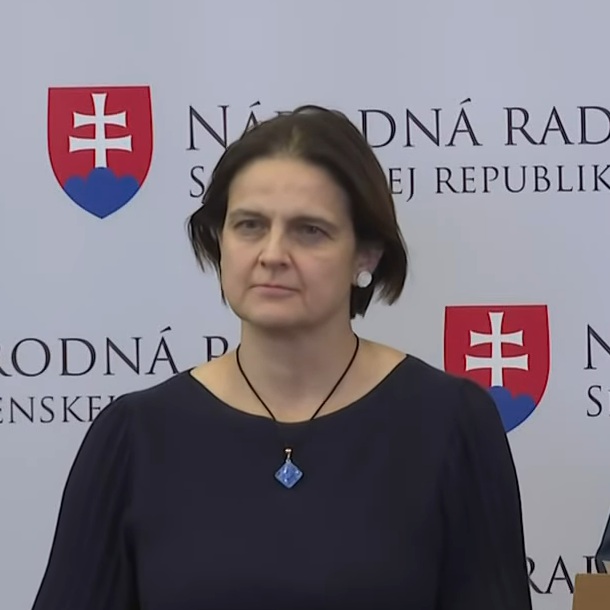
Despite these formal gestures, however, a segment of the political spectrum still refuses to fully condemn the ideology that gave rise to the code, or downplays it in their statements.
While many modern politicians have learned to lay wreaths at Holocaust memorials, they continue to foster prejudice against minorities in society for the sake of their own goals [24]. It is particularly striking that we encounter intolerant remarks from people in high government office, which sends a dangerous signal to the public [24].
Historical prejudices expressed by Ján Slota, chairman of the coalition party SNS, as well as Mečiar’s offensive comments about the Jewish ancestry of his political opponents in parliament, serve as cautionary examples [24].
This approach is extremely dangerous because when politicians base their popularity on hatred toward entire groups of people, populism and extremism are given the green light once again [1].
Today, we are watching with great concern as neo-fascism and neo-Nazism are once again given a real chance, with this “brown” danger on the rise throughout Europe [25].
“It’s their own fault.” Beware the underlying current of stereotypes in society
The attitude of contemporary Slovak society toward the Jewish minority remains relatively complex and is rife with persistent stereotypes from the past.
For a large part of the majority population, the traditions and values of Judaism represent an interesting yet still unknown and mysterious realm, to which the well-known rule “hic sunt leones” (here live lions) applies [26].
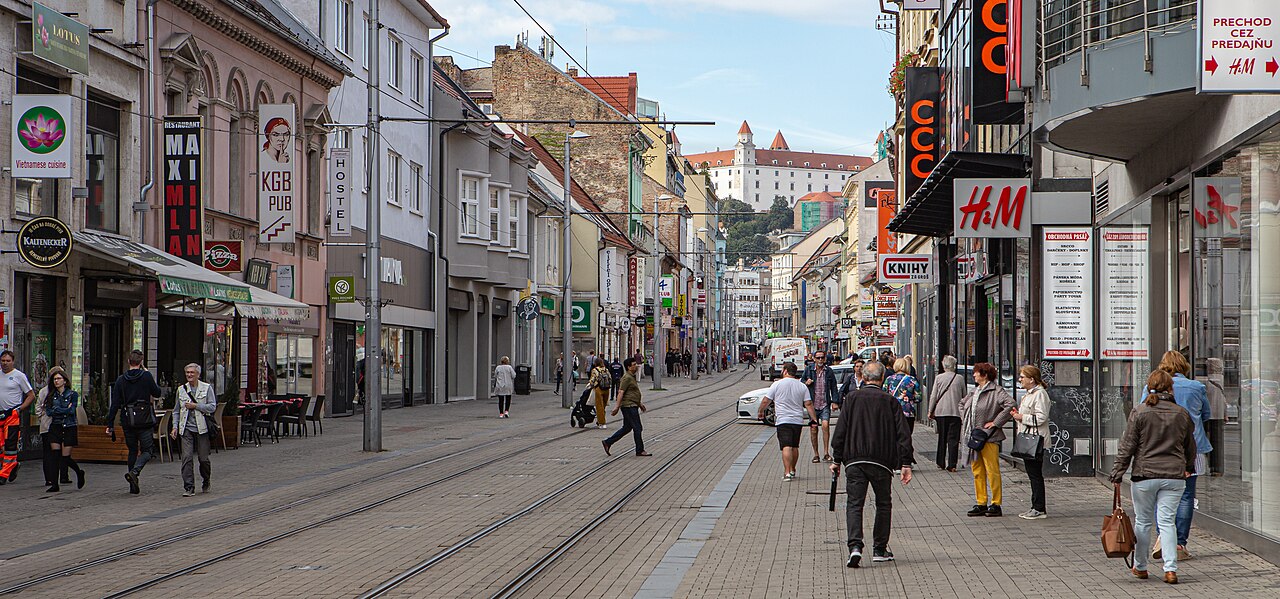
Many institutions, such as the Holocaust Documentation Center, are now working to help the community dispel the myth of “Jewish secrecy,” which is still held by a segment of the public [26].
Unfortunately, the level of antisemitism in Slovakia today is once again on the rise compared to the recent past. While overt anti-Semitism was suppressed immediately after the war, the communist era brought state-directed repression and hidden, latent hatred [26].
The results of recent sociological research by Oľga Gyárfášová clearly show that as many as 73.9% of respondents from the Jewish community have experienced verbal attacks because of their background, and over 3% have also experienced physical violence [26].
It is surprising and sad that an openly anti-Semitic stance is not uncommon even among some representatives of the Slovak Catholic Church today. A cautionary example is Father Emil Floriš of Čadca, who, during a public sermon in September 2014, shockingly stated that Jews were to blame for the Holocaust [27].
These events serve as a stark wake-up call and demonstrate that the hatred, which took shape in the code decades ago, seems to bother many people not at all today [16].
Clear, systematic, and long-term measures are essential to improve Slovak society’s attitude toward Jews and to eliminate prejudice. Experts unanimously agree that the absolute priority is thorough education in human rights and direct historical reflection [28].
In schools, it is not enough to simply add a formal history class; children must be provided with more in-depth information and should be required to visit sites of historical significance, such as the former camp in Sered [25].
Another important step is open public discussion of the Holocaust and regular screenings of powerful documentary films for the younger generation. For if society as a whole knew in detail the names and fates of the Holocaust victims, anti-Semitism would certainly not resurface as easily as we see today [16].
Together, we must protect our democratic institutions and never allow them to be fatally abused by supporters of totalitarian regimes [15].
Finally, politicians themselves must not tolerate moral lapses or the trivialization of national history in parliament or in the public sphere.
Civic initiatives are calling on the highest constitutional officials not to demonstrate their moral standing merely through verbal statements, but above all by imposing strict political consequences for any manifestations of intolerance [24].
For if we persist in silently tolerating racism in today’s politics, it can mean only one thing: that we have learned absolutely nothing from the tragedy of the Jewish Code [1].
List of References
[1] SaS | Nenávisť sa nesmie stať normálnou súčasťou politiky. História ukázala, kam až môže viesť https://www.sas.sk/clanok/12014/nenavist-sa-nesmie-stat-normalnou-sucastou-politiky-historia-ukazala-kam-az-moze-viest
[2] Ivan Kamenec and Madeline Vadkerty, Anti-Semitism and the Ľudák Regime, paper delivered online at a conference conducted under the auspices of the Holocaust Documentation Center in Bratislava, September 8, 2020, entitled Slovakia and the Holocaust: Histories and Legacies of a Model Nazi Ally. To be published. See: https://www.facebook.com/events/1512682472237102/?ref=newsfeed
[3] K Salzburgu bližšie pozri Lipták, Ľubomír. Príprava a priebeh salzburských rokovaní roku 1940 medzi predstaviteľmi Nemecka a slovenského štátu. 1965, in: Historický časopis 13, sv. 3, s. 326-365.
[4] Bližšie pozri - Tesnopisecké správy Snemu Slovenskej republiky, 43. zasadnutie z 3. septembra 1940. S SR 1939-1945, 43. schůze, část 1/1 (3. 9. 1940)
[5] § 1 ods. 1 úst. zákona č. 210/1940 Sl. z.
[6] Rebekah Klein-Pejšová: Dejiny Židov na Slovensku
[7] O niektorých mýtoch v dejinách vojnovej Slovenskej republiky https://uniba.sk/spravodajsky-portal/detail-aktuality/back_to_page/nasa-univerzita/article/o-niektorych-mytoch-v-dejinach-vojnovej-slovenskej-republiky
[8] Židovský kódex vydala vláda vojnovej Slovenskej republiky pred 85 rokmi https://www.epochtimes.sk/zidovsky-kodex-vydala-vlada-vojnovej-slovenskej-republiky-pred-85-rokmi_102090.html
[9] Vašek, A. Protižidovské zákonodarstvo na Slovensku. Bratislava: 1942.
[10] Židovský kódex Slovenský zákonník
[11] Strašný zákon, ktorý odstraňoval Židov - Komentáre - Názory - pravda.sk https://www.pravda.sk/nazory/komentare/clanok/600068-strasny-zakon-ktory-odstranoval-zidov
[12] Pred 75 rokmi u nás prijali hanebný Židovský kódex, pozrite si, čo obsahoval https://www.rusyn.sk/pred-75-rokmi-u-nas-prijali-hanebny-zidovsky-kodex-pozrite-si-co-obsahoval
[13] Zodpovedni | Holokaust.sk https://www.holokaust.sk/historia/slovensko-1938-1945/kto-bol-kto/zodpovedni
[14] POLLÁK, Miroslav; ŠVORC, Peter, Milan Olejník, Patrik Dubovský, Zuzana Kollárová, Ružena Kormošová Spišské exody v 20. storočí. Levoča- Bratislava: Občianske združenie Krásny Spiš a Kalligram, spol. s.r.o., 2015. 228 s. ISBN 978-808101-883-1. Kapitola Ružena Kormošová: Židia na Spiši a ich exody.
[15] Židovský kódex - Mladí proti fašizmu https://www.mladiprotifasizmu.sk/zidovsky-kodex
[16] Obrali ich o mená aj ľudskosť: Prečo sa do Európy opäť vracia nebezpečný antisemitizmus? (videopodcast) | Aktuality.sk https://www.aktuality.sk/clanok/QAjZDhJ/obrali-ich-o-mena-aj-ludskost-preco-sa-do-europy-opat-vracia-nebezpecny-antisemitizmus-videopodcast
[17] Riešenie židovskej otázky v SR ~ Dejepis – Referáty | Zones.sk https://www.zones.sk/studentske-prace/dejepis/13744-riesenie-zidovskej-otazky-v-sr
[18] Slovenská republika (1939 – 1945) - Wikipédia https://sk.wikipedia.org/wiki/Slovensk%C3%A1_republika_(1939_%E2%80%93_1945)
[19] Židovský kódex sme mali krutejší ako nacisti, prijali ho pred 78 rokmi | ta3 https://ta3.com/clanok/158437/zidovsky-kodex-sme-mali-krutejsi-ako-nacisti-prijali-ho-pred-78-rokmi
[20] Pellegrini navrhuje vládu PS a Smeru. A tvári sa, že to myslí vážne – Téma.21 https://tema21.cz/clanek/pellegrini-navrhuje-vladu-ps-a-smeru-a-tvari-sa-ze-to-mysli-vazne
[21] Microsoft Word - Ema Balá~ová, MIchaela }elonková, Poprad.docx http://www.klubsk.net/Listy/Balazova_a_kol.pdf
[22] Výpoveď Mirjam Frankelovej, 18. 11. 2004, Yehud, Izrael, video, archív Jána Hlavinku. In: Hlavinka, J. Židovská komunita v okrese Medzilaborce v rokoch 1938 – 1945, s. 138.
[23] Židovský kodex z doby války je stinnou stránkou Slovenska, uvedli politici - Křesťan dnes https://www.krestandnes.cz/zidovsky-kodex-z-doby-valky-je-stinnou-strankou-slovenska-uvedli-politici
[24] Storin Internet Klient https://www.nrsr.sk/web/dynamic/Download.aspx?DocID=275460
[25] [PDF] Pamäť národa 3/2017 https://www.upn.gov.sk/publikacie_web/pamat-naroda/pamat-naroda-03-2017.pdf
[26] [PDF] Peter Salner ŽIDIA NA SLOVENSKU PO ROKU 1989 | SAV https://www.sav.sk/uploads/monography/40/137/fulltext/10211219%C5%BDidia%20na%20Slovensku%20po%20roku%201989.pdf
[27] Kňaz Emil Floriš z Čadce počas kázne v septembri 2014 uviedol: Židia si za holokaust môžu sami. Židia si mohli za holokaust sami, kázal kňaz v Čadci - SME
[28] Pred 80 rokmi Slovensko prijalo Židovský kódex https://www.aktuality.sk/clanok/qc7yt6d/pred-80-rokmi-slovensko-prijalo-zidovsky-kodex