Vojtaššák cannot be beatified. A comprehensive understanding of the person is decisive.
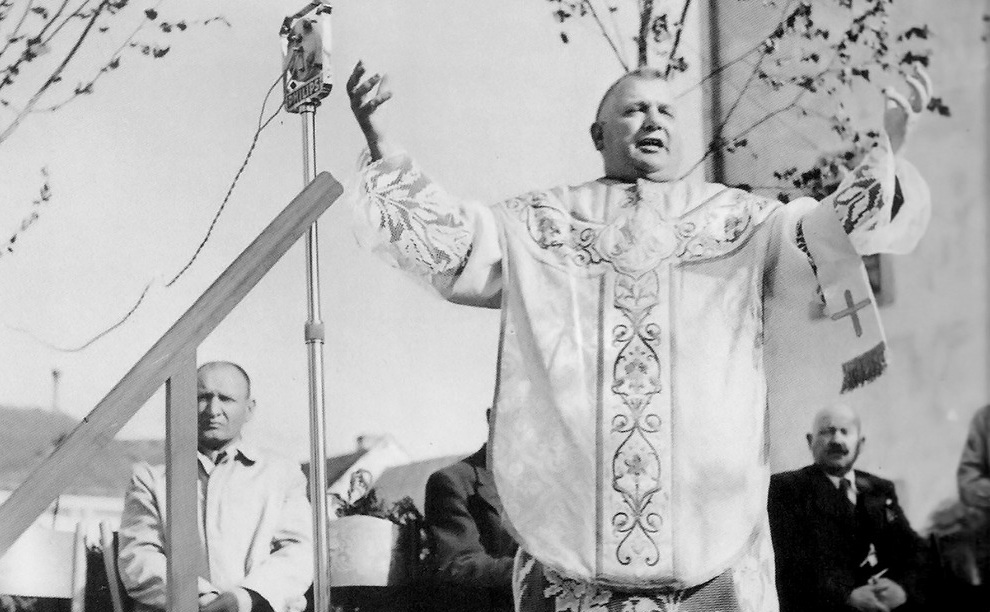
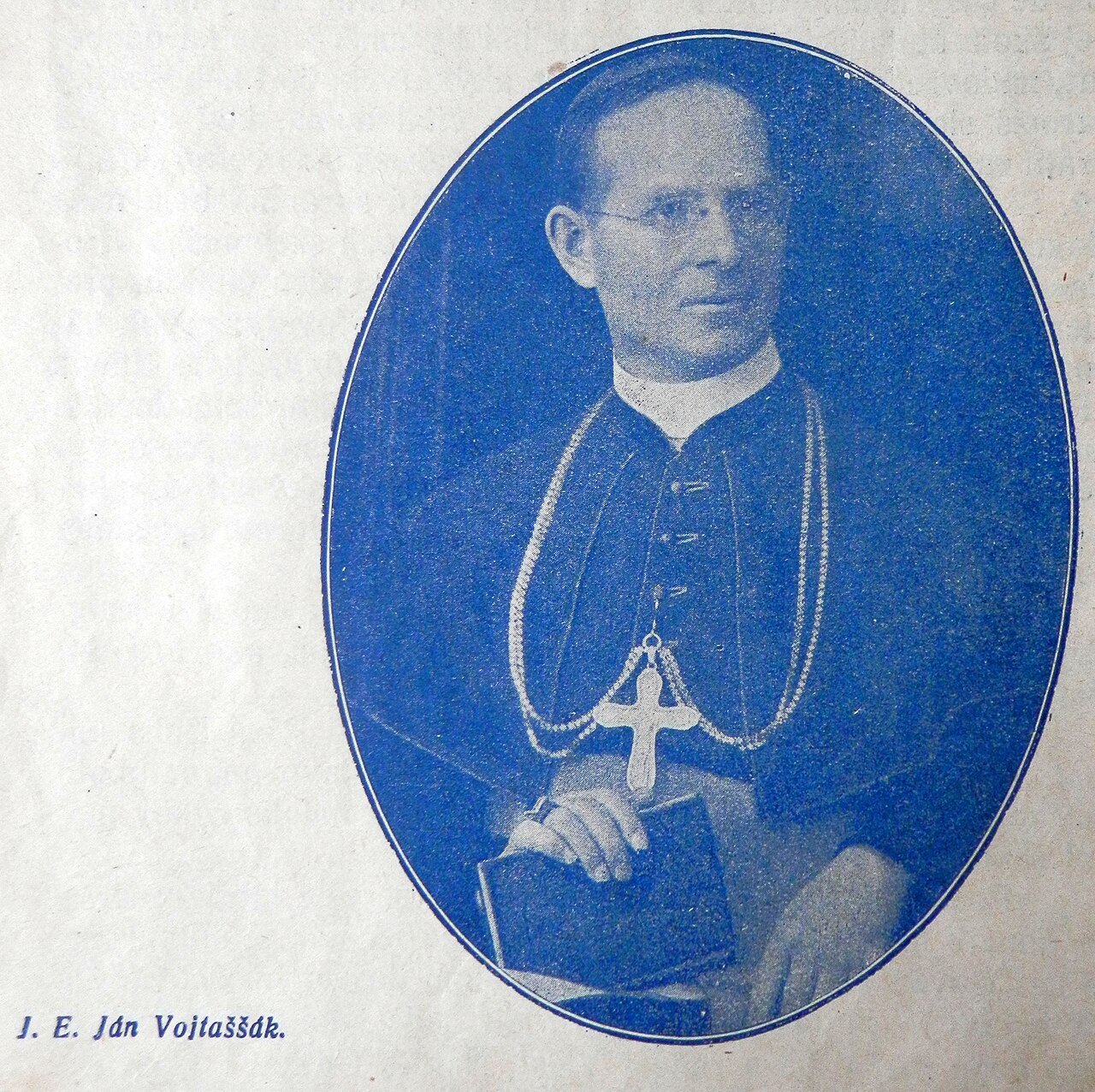
The figure of Ján Vojtaššák, the former Bishop of Spiš, ranks among the most debated and controversial figures in modern Slovak history. His life story combines selfless charitable work and brutal martyrdom in communist prisons, but also political collaboration and moral failings during the existence of the wartime Slovak Republic.
It is precisely this extreme contrast that explains why the question of his possible beatification remains, to this day, the subject of fierce social and historical debates.
The ecclesiastical process of preparing for his beatification on the grounds of martyrdom for the faith began in the Diocese of Spiš in 1996 at the initiative of Pope John Paul II [1].
In 2003, however, in response to strong criticism from historians and Jewish organizations, the Holy See suspended the process and stated that it did not consider beatification appropriate at this time [2,14].
After many years of delays and investigations, the Secretariat of State of the Holy See decided in October 2019 to reopen the case based on the submission of new archival documents [3,24].
The so-called Roman phase of the beatification process is currently underway and has reached an exceptionally important stage. In the Vatican, historians from the Dicastery for the Causes of Saints were presented with an extensive document on his martyrdom, known as the *Positio super martyrio* [5,15], for their review.
If this comprehensive scholarly work receives a positive opinion from historians and subsequently from theologians as well, the final decision on beatification will rest solely with the Pope himself [15].
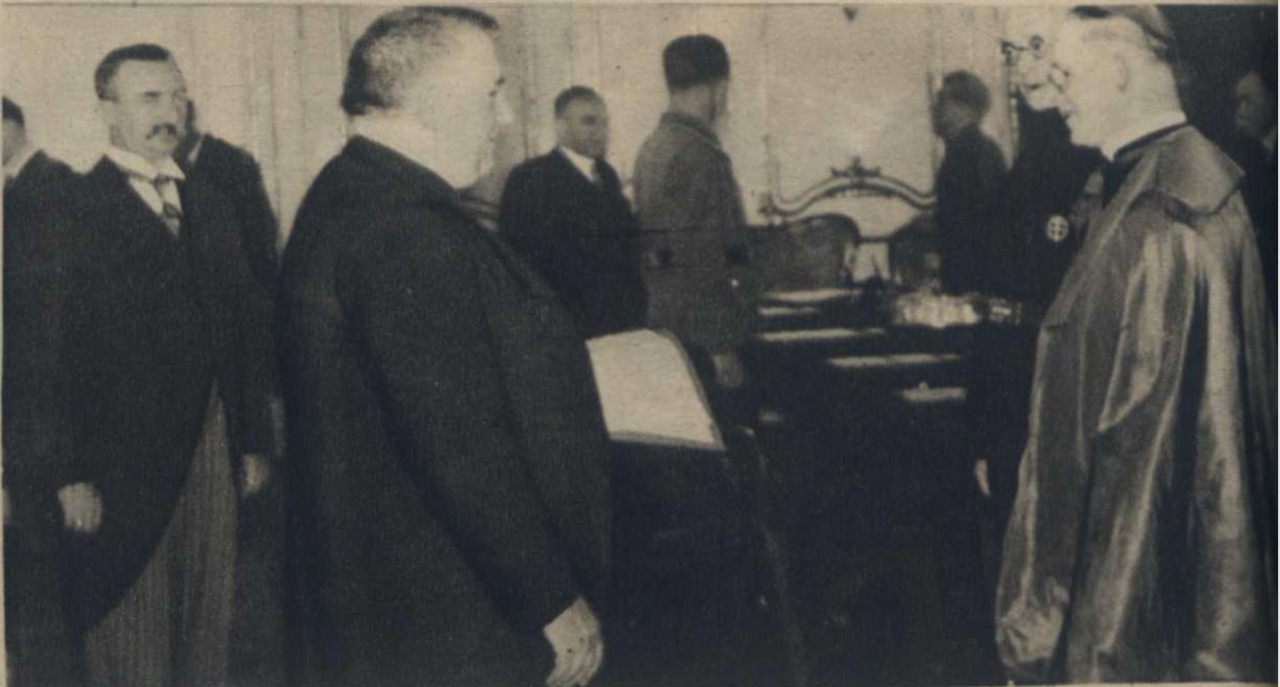
Aid to Poor Catholics
His supporters often highlight certain public activities. The effort to elevate the bishop to sainthood is based primarily on his unyielding stance against the communist regime and his significant contributions to the development of the Church.
Vojtaššák played a key role in the rise of Slovak Catholicism after 1918. It is particularly worth noting that he led Catholic Charities and was the initiator of many church associations [18].
During his tenure, 49 school buildings were constructed in the diocese; he initiated the establishment of several orphanages—for example, in Spišské Vlachy and Ružomberok—as well as a children’s home in Mokrad [1,10,24].
The bishop was also deeply involved in media activities; he founded and edited the magazine *Svätá rodina* and established the *Lev* printing house and publishing house in Ružomberok [1,10]. He devoted considerable attention to the education of the clergy, expanded the seminary in Spišská Kapitula, and supported further studies abroad for gifted priests, for example in Rome and Jerusalem [1,10,12].
His supporters also like to emphasize that he led an exceptionally modest and ascetic life, while providing material assistance to poor students through scholarships [10,18].
According to them, Vojtaššák also distinguished himself as an advocate for the poor and oppressed even during the time of the Kingdom of Hungary, when he was actively involved in the nationalist-political movement alongside Andrej Hlinka [25].
He is also said to have supported the development of the Slovak intelligentsia and university students, for whom he had the Charitas Institute established in Bratislava to provide housing for female students [24].
His generosity, zeal, and pastoral activities during this period thus painted a picture of a devoted spiritual shepherd [25].
A Victim of the Communist Trial
The most difficult period of his life—which today forms the core of the efforts toward his beatification—began after the advent of Communist totalitarianism. On the night of September 15–16, 1950, members of the State Security arrested him and transported him directly to a pretrial detention facility in Prague-Ruzyně [11].
Subsequently, in January 1951, a politically motivated and staged trial of the so-called “treasonous bishops” took place in Bratislava, in which Ján Vojtaššák, Michal Buzalka, and Pavol Gojdič [11,22].
The charges of military treason, high treason, and espionage were entirely fabricated and based on coerced confessions manipulated using Stalinist methods [11].
Bishop Vojtaššák, who was already over seventy years old at the time, was given an exemplary sentence of 24 years’ imprisonment, confiscation of his property, and a massive fine [11,13,22].
During his long years in brutal prisons such as Ilava, Leopoldov, and Valdice, he faced physical and psychological torture and humiliation and was forced to perform menial labor, a fate he was expected to bear with deep humility [13,24,26].
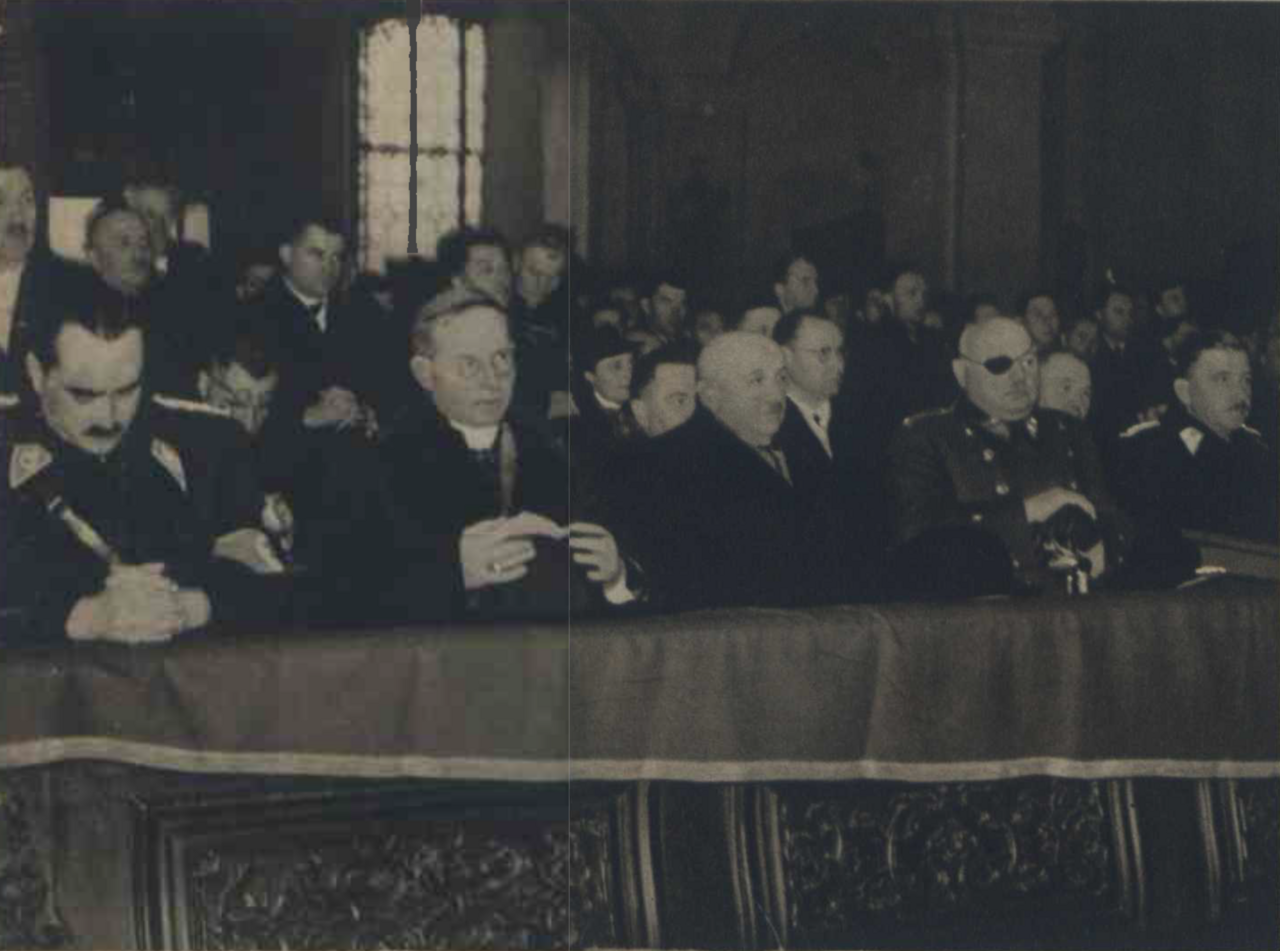
Vojtaššák was conditionally released from prison, his health severely compromised, only after an amnesty was granted in October 1963 [11,22].
However, the communist regime strictly prohibited him from residing in Slovakia, and he was therefore forced to live in exile at a charity home in Senohraby, Czech Republic, and later in Říčany near Prague [12,13,26]. He died there in 1965; he was not civically and judicially rehabilitated—with the absurd verdict overturned—until after the fall of the regime in 1990 [12,13].
A Supporter of the People’s Party Regime and the Deportation of Jews
Despite this indisputable suffering and martyrdom, there are extremely serious arguments against his beatification, which are directly related to his political involvement during World War II.
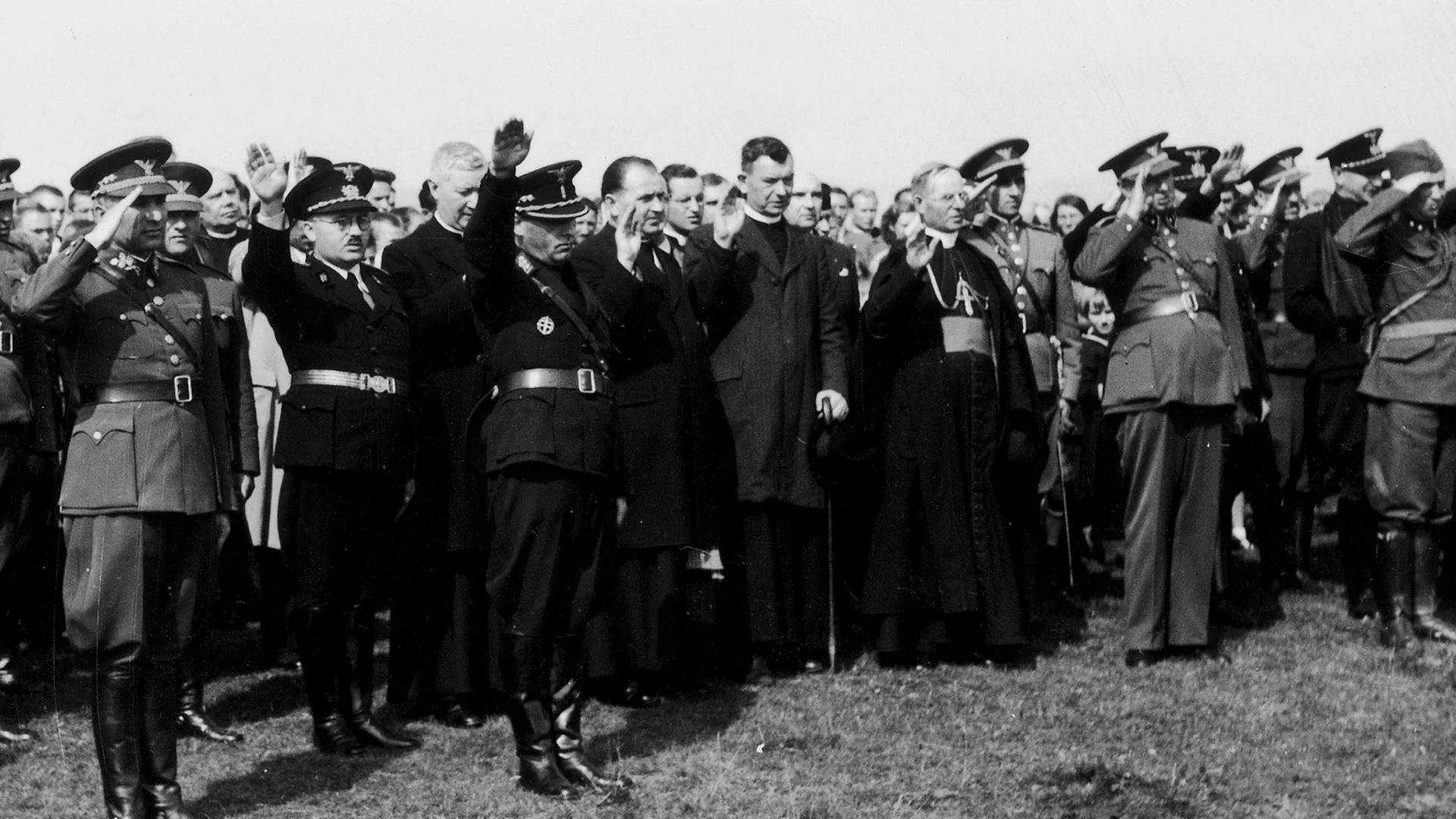
From 1940 to 1945, he served as a member and later as vice-chairman of the State Council, which, according to the constitution of the time, was the highest supervisory body of the Slovak State [9].
By taking this step, he assumed a political office and became directly involved in the power structures of the Ludak regime, having accepted the position even before he officially requested the Vatican’s approval [4,7,18].
Critics from among domestic and foreign historians and Jewish organizations continue to point out his indifference to the oppression and mass deportations of Slovak Jews [4,9,17].
Giuseppe Burzio, the Vatican’s chargé d’affaires in Bratislava, reported in diplomatic correspondence that Vojtaššák had taken a completely passive stance toward the inhumane deportation plan and, in conversation, had suggested that Jews were Slovakia’s worst enemies [6,17].
He even welcomed with satisfaction a report from Augustín Morávek, chairman of the Central Economic Office, stating that the state had made statistical progress in the removal of Jews and had increased the tally [9,20].
He “Aryanized” Jewish property
An even darker light is cast on the bishop by his proven direct participation in the state-directed process of the Aryanization of Jewish property.
In November 1941, Vojtaššák personally signed an Aryanization application for the transfer of the Baldovce Spa—which originally belonged to the Jewish owner Ladislav Fried—to the ownership of the Diocese of Spiš [9]. He concluded his request to the head of the relevant office at the time with the People’s Party salute “Na stráž!” (“On guard!”), and the diocese subsequently acquired this lucrative property [9].
In addition to the aforementioned spa, the Diocese of Spiš also participated in the “Aryanization” of agricultural property and a distillery in Betlanovce [8].
In January 1942, Vojtaššák also personally urged the chairman of the State Land Office to expedite a decision regarding the remaining property belonging to the Jewish citizen Silberstein [8]. According to many historians, including Ivan Kamenec and Ján Hlavinka, these specific actions are, from both a legal and moral standpoint, absolutely and unequivocally indefensible [4].
Equally deplorable is his notorious denunciation during a State Council meeting in February 1943, when he directly alerted the authorities to a specific individual. Vojtaššák publicly stated that Alexander Lőrincz was living in Spišské Podhradie, having remained there as a Jew, after which this man was deported to the concentration camp in Nováky just eleven days later [12,15].
Although some of his defenders claim that he was a questionable communist rather than an ordinary citizen, denouncing someone to a camp solely because of his heritage does not stand up to the standards of Christian morality [4,21].
Another contentious issue is his attitude toward the Polish minority and Polish priests, toward whom, according to contemporary accounts, he is said to have displayed harsh, ultra-nationalist intolerance.
Vatican representative Giuseppe Burzio stated in his reports that Vojtaššák expelled Polish priests from their parishes and cynically described himself as a man whose humanity toward them was almost sinful [17].
For this reason, Burzio clearly stated to the Vatican that one could hardly expect a bishop with a reputation as such a great chauvinist to be any more sensitive toward the Jewish community [17].
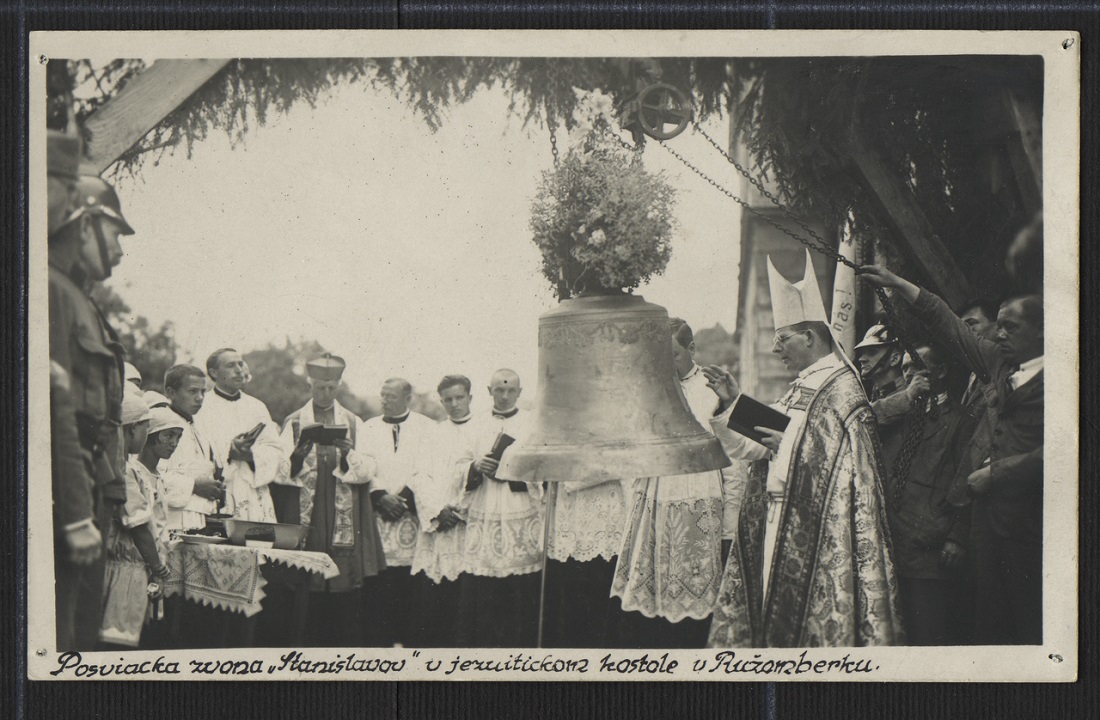
On the other hand, the bishop’s defenders point out that the church hierarchy—and Vojtaššák along with it—ultimately spoke out against state persecution. In 1941, Vojtaššák joined a memorandum by the Slovak bishops that strongly condemned racism as a doctrinal heresy, and in March 1943 he signed a joint pastoral letter opposing further deportations [18,19,21].
It is also said that in 1943 he wrote an emotional letter to Interior Minister Alexander Mach about the atrocities in the camps, which, according to some historians, may have influenced the Slovak government’s decision not to resume the bloody transports [6,16,18].
Historians’ Clear Stance
Contemporary historians and experts evaluate these actions quite differently, creating two irreconcilable camps. Historian Hana Kubátová emphasizes that a person can be part of a persecutory regime in one historical situation and a victim in another, and that one does not logically preclude the other [23].
Vatican archivist Johan Ickx even openly labeled him a Nazi sympathizer and an arrogant liar in his recent book, a characterization that some church historians—often his supporters, however—have sharply rejected [3,19].
When assessing whether Ján Vojtaššák should be beatified, it is absolutely necessary to consider the full complexity of his character.
On the one hand, there is the undeniable suffering he endured during the communist dictatorship and his unwavering faith during the most severe persecution of the Catholic Church [18]. On the other hand, however, we see a proactive politician and high-ranking constitutional official of a totalitarian state who bears a certain share of responsibility for the tragedy of thousands of his own fellow citizens [7,17].
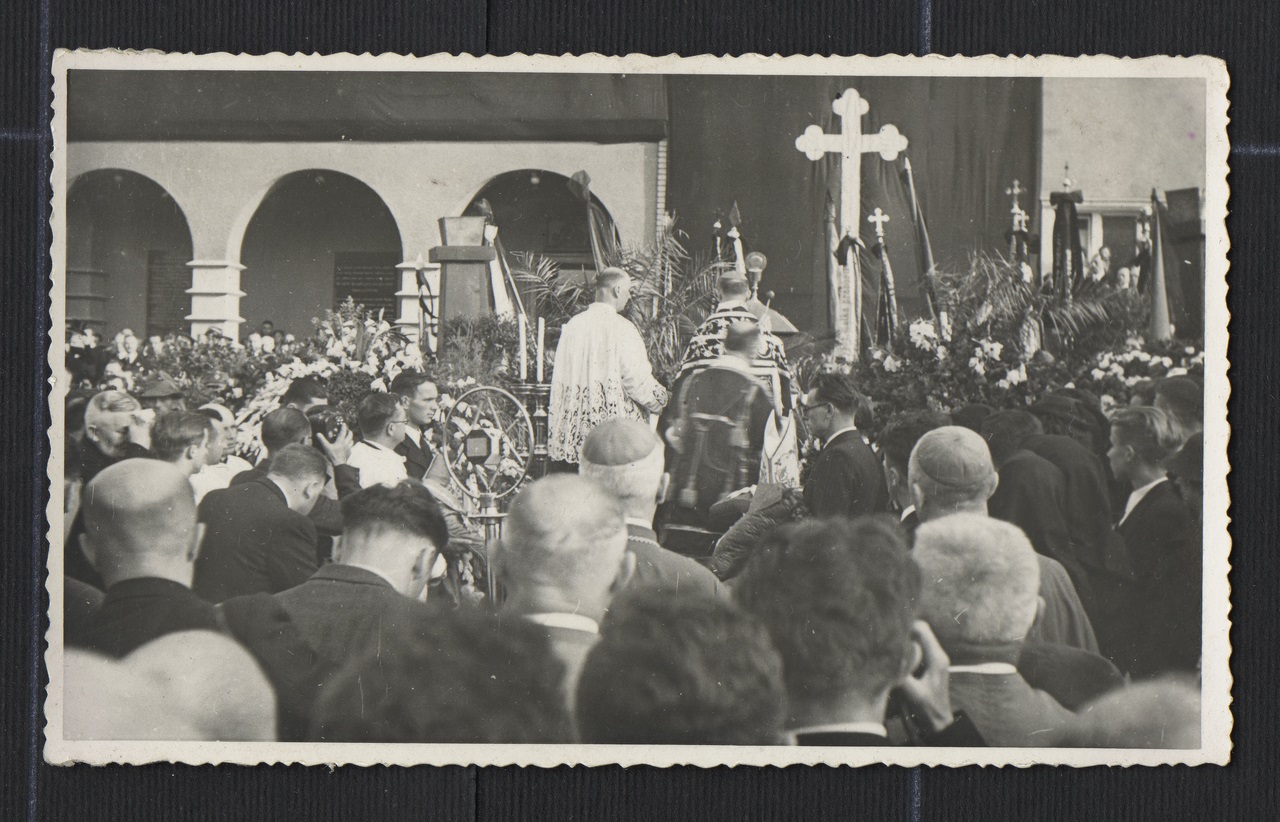
Beatification is not merely a simple act of acknowledging suffering, but also the formal presentation of a person as a perfect model of Christian virtues for society as a whole.
From my perspective, however, it is very difficult— indeed impossible, to regard as an unquestionable moral model someone who personally participated in the Aryanization of others’ property and was actively involved in the highest organs of a state governed by racial legislation [9,17].
Catholic priest and historian Marek Vadrna aptly pointed out that although Vojtaššák was unjustly convicted and imprisoned, this tragic period must under no circumstances obscure his previous actions [8].
If the Church is to be the true conscience of the nation, it must be able to critically assess even the failures of its own highest leaders. Elevating Bishop Vojtaššák to sainthood at this time would constitute a dangerous trivialization of the Ludak regime and a direct disrespect toward the victims of the Holocaust [2,15].
For these reasons, I firmly believe that the process of his beatification should not be successfully completed, because his fatal moral failings during World War II disqualify his otherwise heroic resistance to communism.
List of References
[1] CHALUPECKÝ, Ivan. VOJTAŠŠÁK, Ján. In: Lexikón katolíckych kňazských osobností Slovenska. Bratislava: Lúč, 2000. ISBN 80-7114-300-6. S.1474–1475.
[2] BALÁZS, Marián. Šovinista, arizátor a spolutvorca ľudáckeho režimu má byť blahorečený? To naozaj?. Denník N(Bratislava: N Press), 2021-05-21. Dostupné online [cit. 2026-08-11]. ISSN 1339-844X.
[3] GAZDA, Imrich. Kauza Vojtaššák Blahorečenie ešte nie je na dohľad, ale proces sa pohol dopredu. Denník Postoj(Bratislava: Postoj Media), 2021-11-10. Dostupné online [cit. 2026-08-11]. ISSN 1336-720X.
[4] GETTING, Peter. Cirkev znova skúša blahorečiť biskupa Vojtaššáka, ktorý sa angažoval za Slovenského štátu. SME(Bratislava: Petit Press), 2021-05-14. Dostupné online [cit. 2026-08-11]. ISSN 1335-4418.
[5] Program biskupov: Sväté omše, púte a ďalší liturgický program [online]. Bratislava: Konferencia biskupov Slovenska, 2026-08-10, [cit. 2026-08-13]. Dostupné online.
[6] KERNOVÁ, Miroslava. Ján Vojtaššák: mučeník či kontroverzná postava? Proces blahorečenia trvá už desať rokov. SME(Bratislava: Petit Press), 2006-01-19. Dostupné online [cit. 2026-08-11]. ISSN 1335-4418.
[7] MIKUŠOVIČ, Dušan. Biskup Vojtaššák mal blízko aj k Hlinkovej garde. Jeho blahorečenie je teraz o krok bližšie. Denník N(Bratislava: N Press), 2026-08-13. Dostupné online [cit. 2026-08-14]. ISSN 1339-844X.
[8] KREMPASKÝ, Ján. Arizátor a kolaborant, potom mučeník? V cirkvi sa ozývajú aj hlasy proti blahorečeniu Vojtaššáka. SME(Bratislava: Petit Press), 2026-08-14. Dostupné online [cit. 2026-08-15]. ISSN 1335-4418.
[9] HLAVINKA, Ján; KAMENEC, Ivan. Spory o biskupa Vojtaššáka: Politické a spoločenské aktivity Jána Vojtaššáka v rokoch 1938 – 1945. Bratislava: Dokumentačné stredisko holokaustu, 2008. Dostupné online. ISBN 978-80-969857-1-5.
[10] 12. Ján VOJTAŠŠÁK (1921–1965).In:Spišskí biskupi v histórii [online]. Spišské Podhradie: Spišská Kapitula, [cit. 2026-08-12]. Dostupné online.
[11] LETZ, Róbert. Dokumenty k procesu s katolíckymi biskupmi Jánom Vojtaššákom, Michalom Buzalkom a Pavlom Gojdičom. 1. vyd. Bratislava: Ústav pamäti národa, 2007. 373 s. Dostupné online. ISBN 978-80-969296-6-5.
[12] Spišský biskup Ján Vojtaššák, ktorého nespravodlivo odsúdili za velezradu, sa narodil pred 145 rokmi [online]. Bratislava: Slovenská televízia a rozhlas, 2022-11-14, [cit. 2026-08-13]. Dostupné online.
[13] Vykonštruovaný proces s predstaviteľmi cirkvi: Biskupa Spišskej diecézy Jána VOJTAŠŠÁKA bývalý režim nezlomil https://alianciazanedelu.sk/archiv/494
[14] Pred 50 rokmi zomrel biskup Ján Vojtaššák. Dočká sa blahorečenia? | Postoj https://svetkrestanstva.postoj.sk/5288/pred-50-rokmi-zomrel-biskup-jan-vojtassak-docka-sa-blahorecenia
[15] Kauza blahorečenia Vojtaššáka / Proces podľa Trstenského napreduje, židia sa ohradili. PS tvrdí, že cirkev by sa mala od neho dištancovať https://svetkrestanstva.postoj.sk/198690/proces-podla-trstenskeho-napreduje-zidia-sa-ohradili-a-ps-tvrdi-ze-cirkev-by-sa-mala-od-neho-distancovat
[16] (Nielen kubínsky) spor o biskupa Vojtaššáka – Médiá KU https://media.ku.sk/zumag/zumag_publicistika/nielen-kubinsky-spor-o-biskupa-vojtassaka
[17] Kauza biskupa Jána Vojtaššáka | Holocaust https://www.holocaust.cz/zdroje/clanky-z-ros-chodese/ros-chodes-2001/leden-10/kauza-biskupa-jana-vojtassaka
[18] Prof. Róbert Letz: Vojtaššák si uvedomoval, že katolíci musia byť aktívni https://www.tkkbs.sk/view.php?cisloclanku=20150805025
[19] Za pravdivý obraz biskupa Vojtaššáka – RÍMSKOKATOLÍCKA CIRKEV, FARNOSŤ SPIŠSKÁ BELÁ https://rkfarnost.spisskabela.sk/za-pravdivy-obraz-biskupa-vojtassaka
[20] Biskup Vojtaššák a jeho temná fašistická minulosť: A ako sa ÚPN angažuje v jeho rehabilitácii - Miroslav Pomajdik - Blog - Pravda https://miroslav.blog.pravda.sk/2016/08/19/biskup-vojtassak-a-jeho-temna-fasisticka-minulost-a-ako-sa-upn-angazuje-v-jeho-rehabilitacii
[21] TÉMA: Proces s Vojtaššákom po 15 rokoch https://www.postoj.sk/2417/tema-proces-s-vojtassakom-po-15-rokoch
[22] Politicky proces s tromi biskupmi v roku 1951 - www.postoveznamky.sk https://www.postoveznamky.sk/politicky-proces-s-tromi-biskupmi-v-roku-1951
[23] Vatikán ide posudzovať blahorečenie biskupa Vojtaššáka. Za vojny arizoval majetky Židov https://news.refresher.sk/208711-Vatikan-ide-posudzovat-blahorecenie-biskupa-Vojtassaka-Za-vojny-arizoval-majetky-Zidov
[24] Otec biskup Ján Vojtaššák https://rudinska.fara.sk/index.php/2-uncategorised/237-otec-biskup-jan-vojtassak
[25] Tri tváre biskupa https://www.tyzden.sk/casopis/1398/tri-tvare-biskupa
[26] Biskup Ján Vojtaššák (1877–1965) – slovenský mučeník komunizmu - https://christianitas.sk/biskup-jan-vojtassak-1877-1965-slovensky-mucenik-komunizmu