The Father of the Nation Behind Bars
For many, Hashim Thaçi embodied Kosovo’s long-standing dream of independence, but today his political story bears more of a resemblance to a dark ancient tragedy.
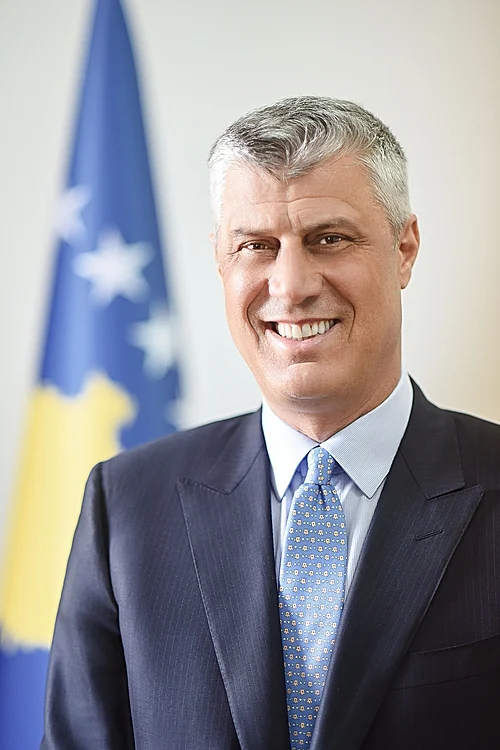
The once-celebrated leader, who traded his rebel uniform for the pressed suit of a statesman, recently received a devastating verdict from a special European court in The Hague, Netherlands [1,2].
The former Kosovar president and father of an only son was sentenced to 25 years in prison for war crimes, bringing one of the most controversial chapters in modern European history to a surprising close [1,2].
A Philosopher in the Struggle for Independence
His dramatic rise to the pinnacle of power began against the backdrop of the 1990s, when the former Yugoslavia was gradually disintegrating in a bloody civil war.
At the time, Thaçi was studying philosophy in Pristina, but due to mounting tensions, he went into political exile in Switzerland, from where he later returned to fight for his homeland’s independence [1,2].
He soon became a key figure in the newly formed Kosovo Liberation Army (KLA), which capitalized on the population’s disappointment with the failure of passive resistance and launched an armed guerrilla war against Serbian forces [2].
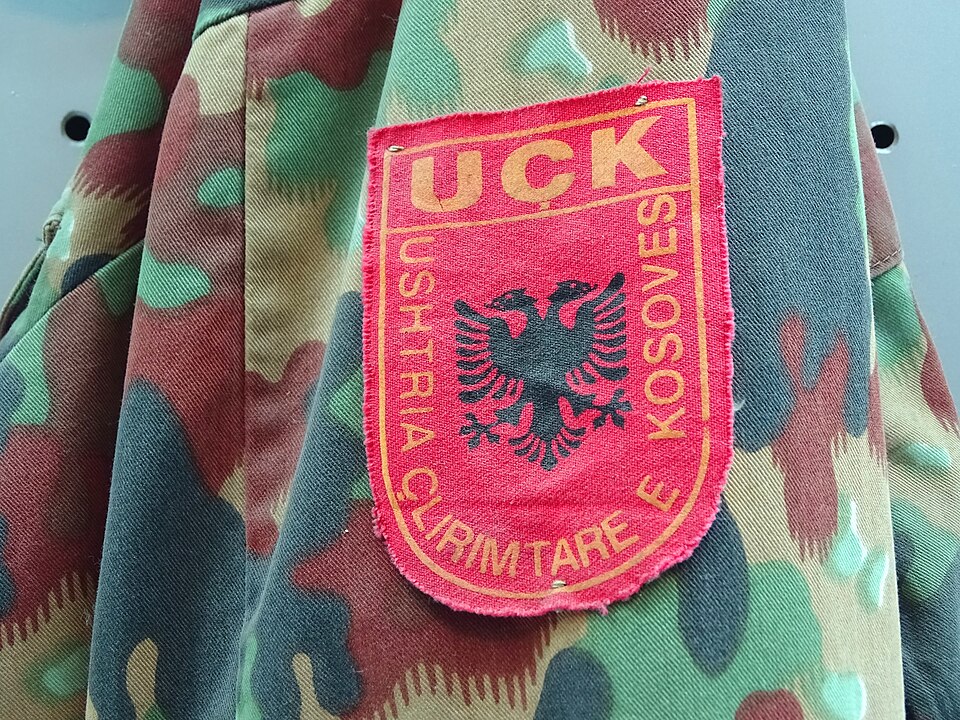
In 1993, he officially joined the KLA’s inner circle, and as early as May of that year, he led—together with Ilaz Kodra—a major armed attack against Serbian police in Glogovac [2].
He later took part in the rebels’ first major battle at Rezalla and, in absentia, was sentenced by a Serbian court in Pristina to ten years in prison for acts of terrorism [2].
Due to his remarkable ability to constantly cross borders in secret and evade enemy security forces, he quickly earned the well-known nickname “Snake” among his comrades-in-arms [1,2].
The Voice of Reason
During this brutal ethnic conflict, he served as political director and one of the highest-ranking military commanders of the entire partisan resistance [1,2].
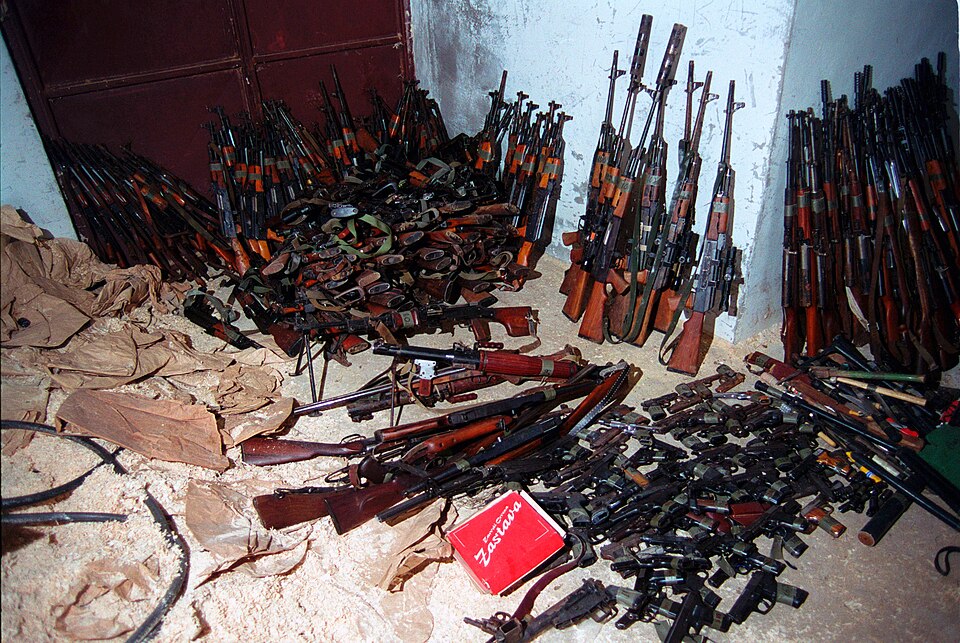
He was responsible not only for formulating strategic objectives but also, in neighboring Albania, for actively securing funding for the army’s operations, smuggling weapons, and providing military training to new recruits [2].
Thanks to these diplomatic and organizational efforts, he gradually managed to form the strongest and most influential faction within what had previously been a highly fragmented rebel army [2].
A major diplomatic breakthrough in his international career occurred in February 1999 during the crucial peace negotiations at the Rambouillet Castle in France.
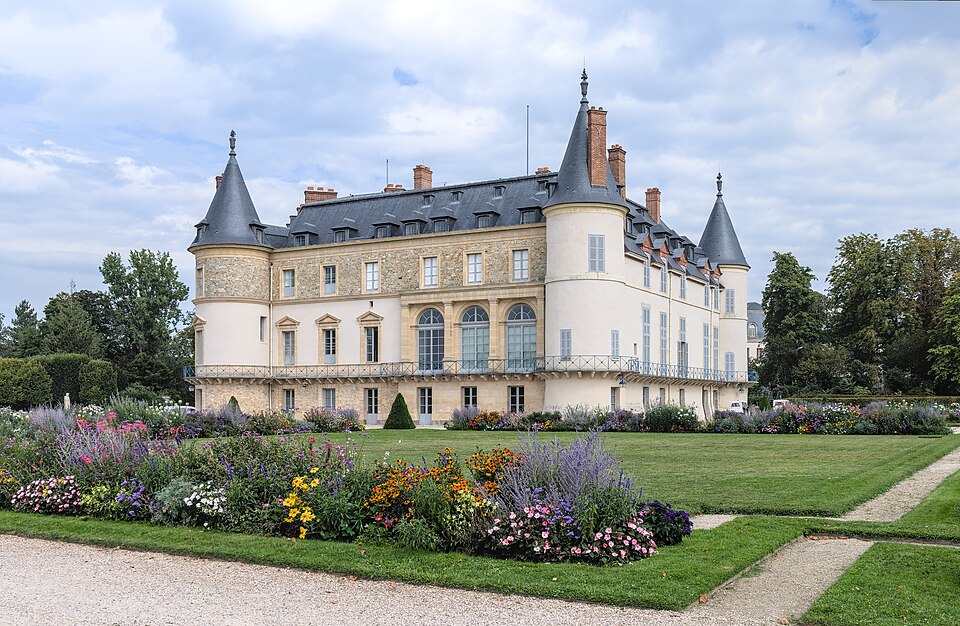
Western diplomats took a great liking to him at that time and, unlike other radical rebels, viewed him as a constructive “voice of reason” with whom it was possible to reach a reasonable agreement [2].
As the chief leader of the Kosovar negotiating team, he even publicly agreed to and signed a Western-sponsored peace proposal, which, however, the stubborn Serbian government of the time resolutely refused to accept [2].
Success in Politics
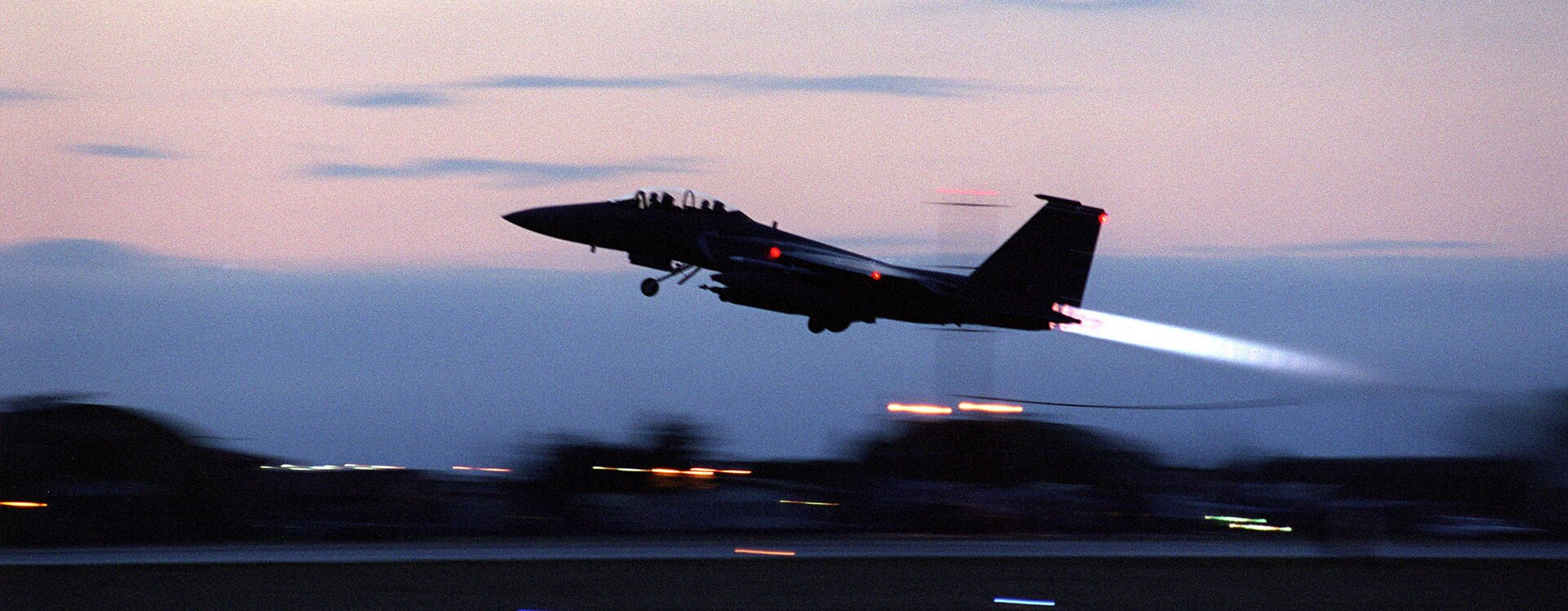
Following NATO’s military intervention—which involved airstrikes and the subsequent withdrawal of Serbian forces—Thaçi demonstratively laid down his arms and definitively entered the arena of European politics [2].
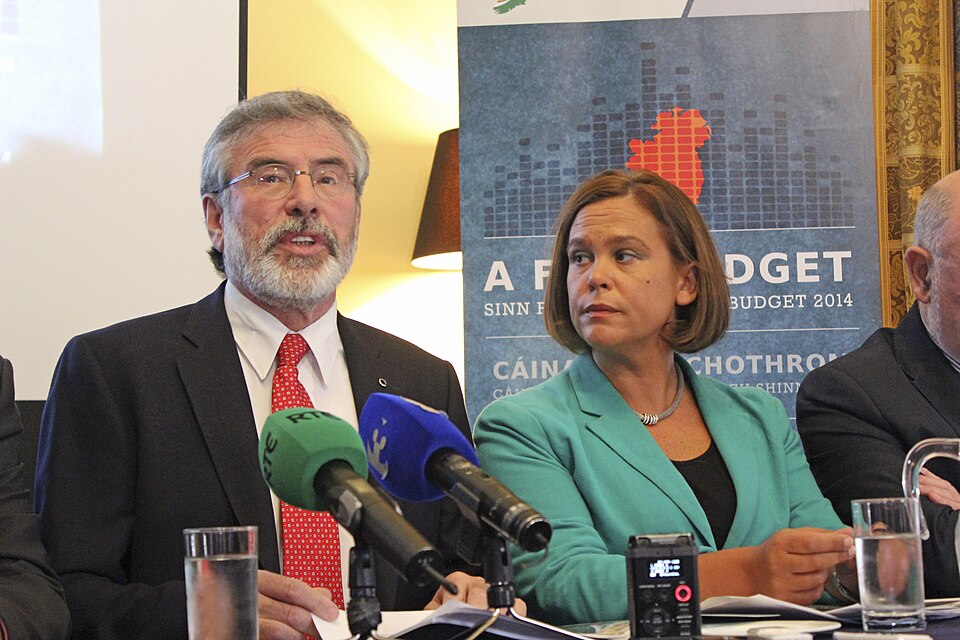
In the West, journalists began to familiarly refer to him as the “Kosovar Gerry Adams,” comparing him to the famous leader of the political wing of the Irish Republican Army, who had also transitioned into a political career [2].
Immediately after the war, he founded the Democratic Party of Kosovo (PDK), which emerged directly from the ranks of the guerrilla movement and quickly gained enormous power in the elections [2].
Prime Minister
Following his political party’s decisive victory in the November 2007 parliamentary elections, Thaçi was officially appointed Prime Minister in January 2008 [2].
Less than a month later, on February 17, 2008, he achieved the greatest statesmanlike triumph of his life when he formally declared Kosovo’s unilateral independence from Serbia in parliament [1,2].
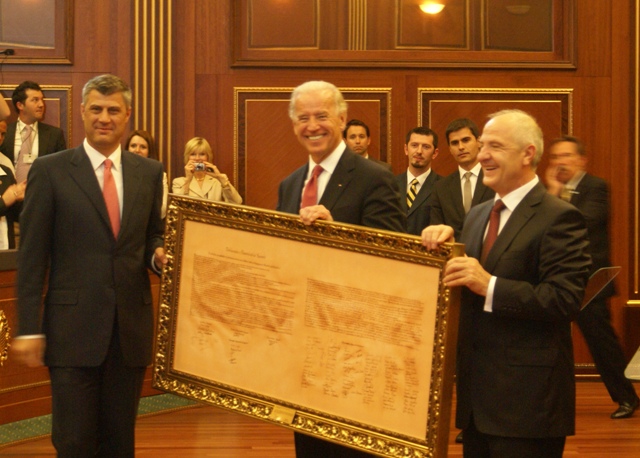
He subsequently masterfully navigated exceptionally complex negotiations that secured de facto international recognition for Pristina, for which he was later rewarded in 2016 with the office of President of the Republic [2,3].
Thaçi has long liked to cast himself as the only politician capable of leading the country into the European Union, but his media image has gradually begun to fade even on the domestic scene [2].
While he and his inner political circle were, according to rumors, amassing immense wealth, many ordinary Kosovars faced deep economic disappointment and exhausting crises amid a 35 percent unemployment rate [2].
Part of the discontented political opposition even repeatedly released tear gas in the parliament building in protest against his proposed compromise agreements with Serbia [2].
Moreover, his stellar career was constantly and systematically overshadowed by the dark shadows of war and extremely serious allegations from international investigative bodies.
Organ trafficking?
As early as 2010, the Council of Europe published a scathing investigative report by Swiss Senator Dick Marty, which directly identified Thaçi as the main leader of the so-called “Drenica Group” [2].
This document shocked the world with its claim that his criminal network was involved in organized crime and the black market trade in human organs from murdered Serbs after the war [2,3].
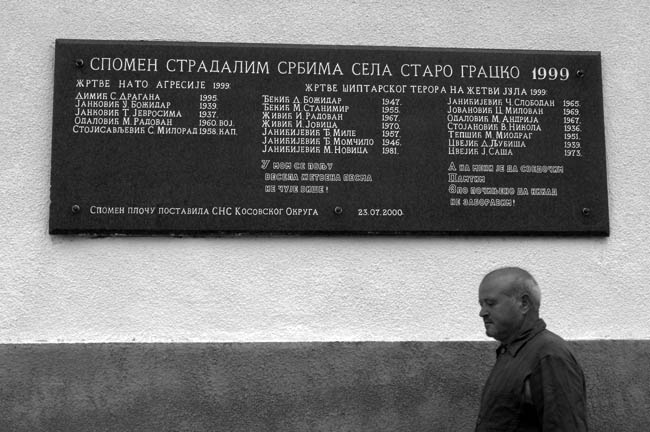
However, the complete disaster for his political legacy came in November 2020, when a special tribunal in The Hague filed a comprehensive ten-point indictment against him [2,3].
Thaçi resigned with immediate effect from his lucrative position as President of Kosovo and, after declaring that he rejected these charges, voluntarily traveled to the Netherlands to be taken into custody [1,2,3].
However, the indictment by the Special Prosecutor’s Office was chilling and contained dozens of charges, including murder, cruel torture, inhumane treatment, and the forced disappearance of hundreds of citizens [2,3].
The Trial
The three-year trial, which was followed worldwide, revealed to a horrified European public truly chilling details about the systematic criminal operations of the former partisan army.
According to U.S. Presiding Judge Charles Smith, the accused commanders devised a sophisticated joint criminal plan and established a network of secret detention centers in Kosovo and Albania [1].
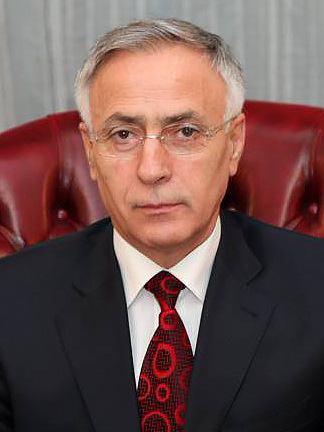
Under catastrophic and inhumane conditions, they imprisoned, brutally tortured, and cold-bloodedly murdered not only Serbs and Roma but also political opponents from among their own Kosovo Albanians [1,2,3].
The International Court has clearly demonstrated that Thaçi personally participated in these heinous crimes, which included, for example, the arrest and brutal interrogation of thirteen dissenting members of parliament in the villages of Qirez and Baicë [1].
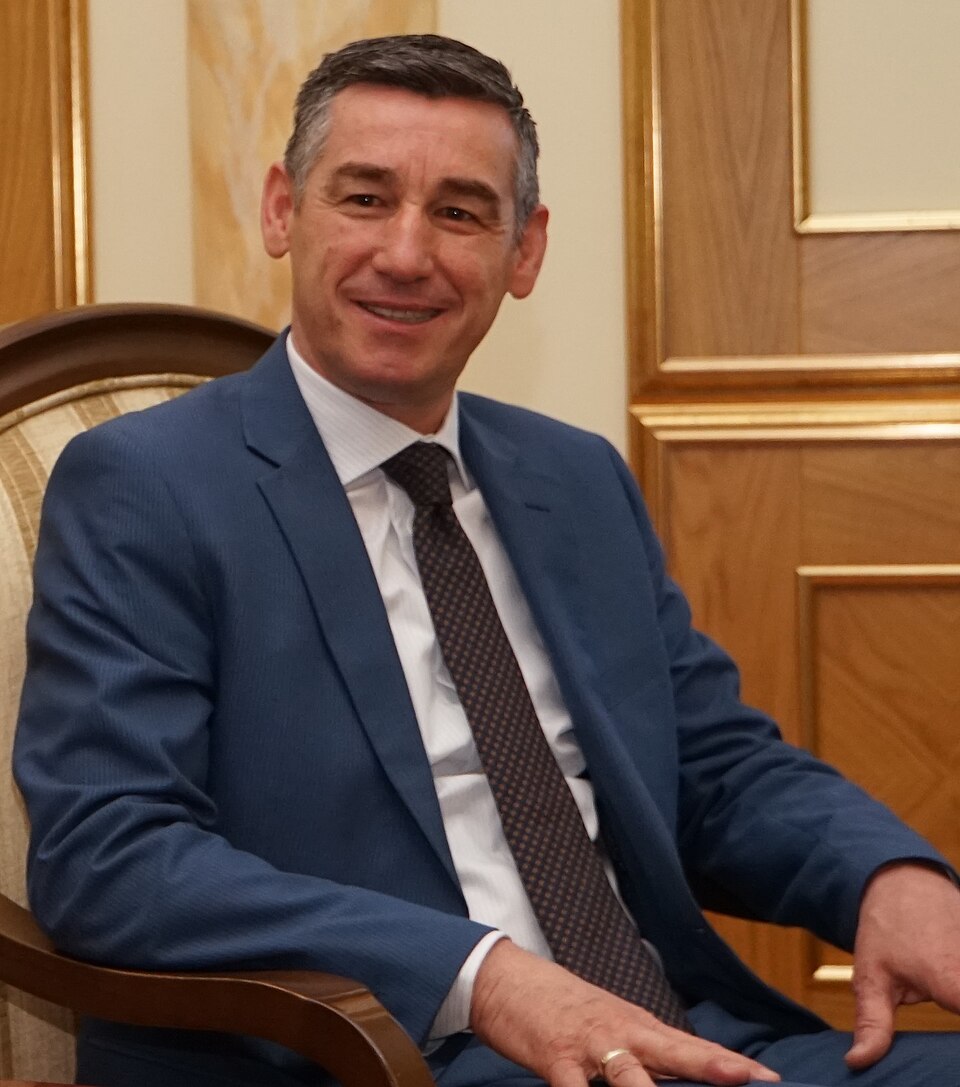
According to the judges, he was also personally responsible for the unlawful detention, brutal transfer, and subsequent tragic murder of a man named Behajdin Allaqi [1].
Interestingly, however, the court acquitted him of the direct charges of crimes against humanity because the prosecution failed to prove that there had been a widespread and systematic attack on the civilian population [1].
Nevertheless, in its ruling on Wednesday, the European tribunal ultimately found Hashim Thaçi guilty on four particularly serious counts relating to brutal war crimes [1].
The tribunal definitively held him responsible for the brutal murders of 96 people, the cruel treatment of 49 people, the widespread torture of 303 prisoners, and the arbitrary detention of up to 385 victims [1,2].
For all these crimes, the judges imposed an exceptionally harsh sentence of 25 years’ imprisonment, while three other accused comrades-in-arms also received heavy sentences [1].
Locals are unhappy with the verdict
This landmark court verdict sparked a deafening wave of anger across Kosovo, a sense of immense historical injustice, and deep nationwide disappointment.
Thousands of his longtime supporters across the country watched the reading of the verdict on giant screens right in the streets, with many, tears in their eyes, chanting the battle cry “KLA” in unison [1].
Masked and enraged demonstrators subsequently attacked the windows of the main building of the EULEX mission on the outskirts of Pristina with stones to express their dissent [1].
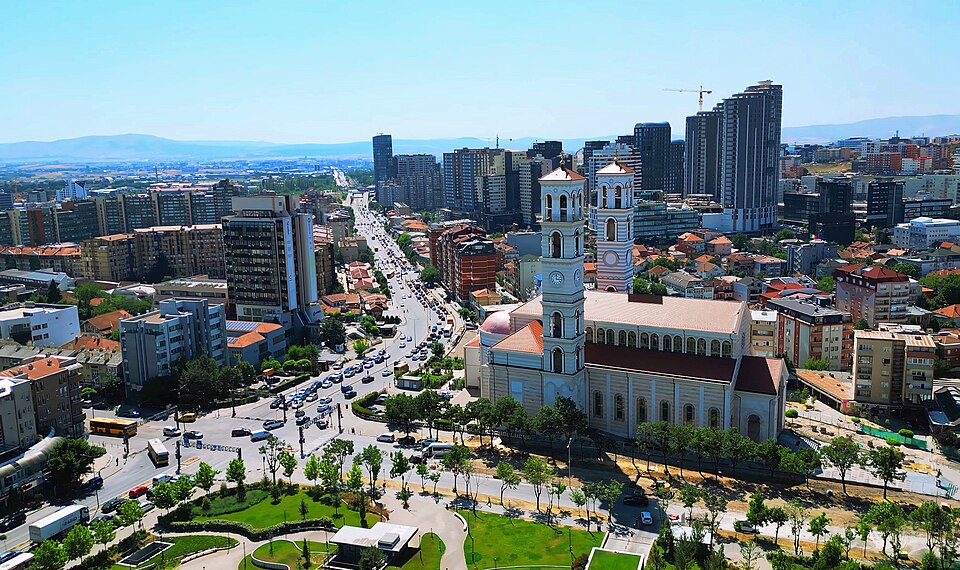
For the overwhelming majority of older Kosovar Albanians, Hashim Thaçi—along with his convicted comrades-in-arms—remains an untouchable national hero and liberator of their beloved homeland [1,4].
Ahead of the trial, the streets of the capital were flooded with hundreds of posters bearing their portraits, illuminated digital clocks counting down the time until the verdict, and slogans glorifying the heroes of war and peace [1,2,4].
The current Prime Minister of Kosovo, Albin Kurti, strongly condemned the international court’s decision and, like the acting president, expressed the state’s strong institutional support for the imprisoned men [1].
Veterans of the rebel army even promptly organized massive demonstrations in support of the commanders—not only in Pristina, but also in neighboring Tirana, Skopje, Strasbourg, and right outside the court in The Hague [4].
These people adamantly claim that the international tribunal is, by its very nature, unacceptably biased and is merely attempting to distort the heroic history of their national liberation struggle [3,4]. Former fighter Raif Pllana described the verdict in the town square as an extreme disgrace and angrily declared to reporters that, from this day forward, there is no longer any peace for Kosovo [1].
The verdict is not enough for the Serbs
While Kosovar citizens view their former fighters exclusively as victims of political injustice, in neighboring Serbia, for understandable reasons, the social mood is quite different [1,3].
Serbian President Aleksandar Vučić, however, reacted with considerable skepticism to the 25-year sentence handed down to the feared KLA leader and expressed serious concern that, following the announced appeals, the verdict may ultimately not stand at all [1].
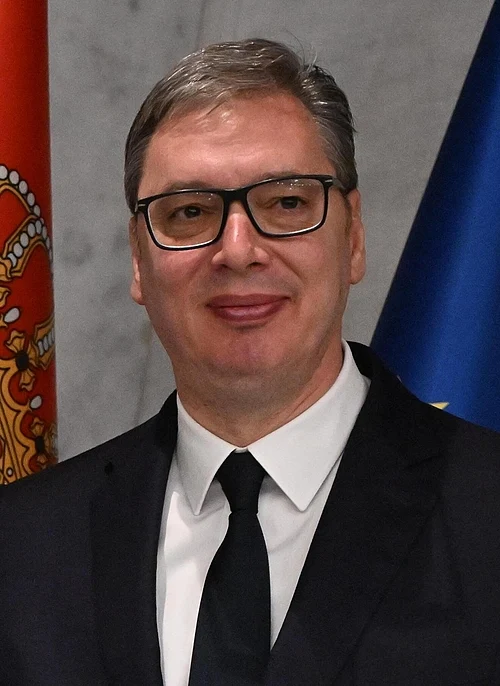
Although the European Union tribunal acted in the name of basic justice, Vučić bitterly complained during a live broadcast about the alleged long-standing anti-Serb bias of the international judicial community [1].
According to the Serbian president’s angry remarks, no one in a position of authority has yet held anyone accountable for the most serious war crimes committed against the Serbian population during the civil war [1]. “Serbs are always perceived as war criminals, while others are liberators and heroes,” Vučić declared in frustration regarding the historic verdict [1].
This diametrically opposed perception shows that the deep wounds of war, ethnic tensions, and enormous historical injustices on both sides of the Balkans remain unhealed even after many decades.
The new generation no longer remembers the horrors
Kosovo itself, however, is currently undergoing rapid generational change, and as much as forty percent of today’s population consists of young people under the age of twenty-five who did not experience the war at all [3].
While these young citizens fully respect the sacrifice of the heroes of the local resistance against repressive Serbian oppression, their primary concerns are obtaining visas, better jobs, and a modern education [3].
They refuse to feel perpetually trapped in a dark and turbulent past, and according to many analysts, they are no longer willing en masse to take to the streets to rescue corrupt political veterans [3].
The story of Hashim Thaçi thus remains, for the international public, an endlessly fascinating study of the thin and blurred line between a courageous partisan liberator and a ruthless war criminal.
From a young, idealistic student who deftly evaded police units as the elusive “Snake,” he rose to become a respected leader who, with his own hands, built and declared an internationally recognized independent Kosovo [1,2].
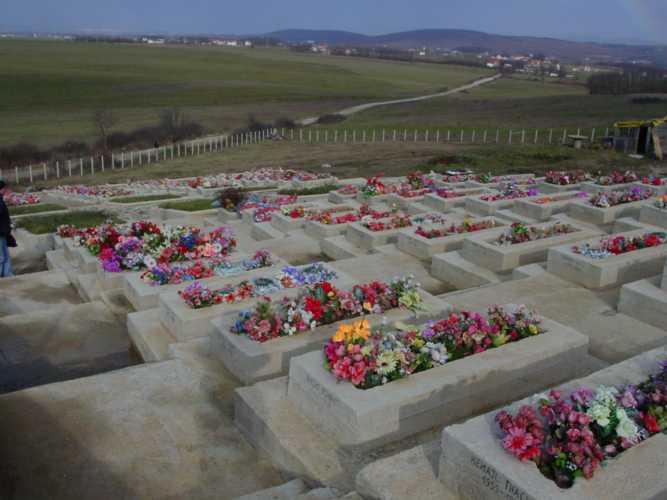
Although he now spends his days behind bars in a prison in The Hague, on the faded billboards across his complex homeland, he remains an untouchable icon of sacrifice and bloodshed [1,2].
List of References
[1] Kosovo's ex-President Thaci sentenced to 25 years in prison for war ... https://www.npr.org/2026/09/16/g-s1-143560/kosovo-former-president-war-crimes
[2] Hashim Thaci | Biography & Facts https://www.britannica.com/biography/Hashim-Thaci
[3] Kosovo: War Crimes Indictment Advances Justice | Human Rights Watch https://www.hrw.org/news/2020/06/25/kosovo-war-crimes-indictment-advances-justice
[4] Former Kosovo President Hashim Thaci Faces Verdict for Alleged War Crimes | The Hague News | Al Jazeera https://www.aljazeera.com/news/2026/9/16/former-kosovo-president-hashim-thaci-faces-verdict-for-alleged-war-crimes