The Process That Changed the World
Today, exactly 80 years ago, verdicts were handed down in one of the most important trials in human history.
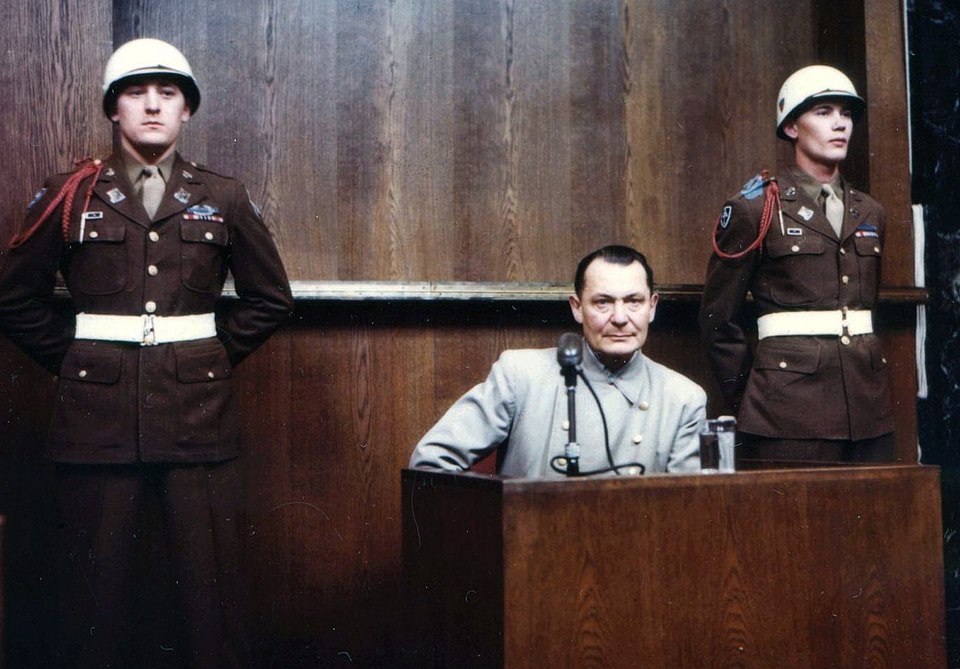
The International Military Tribunal in Nuremberg, which handed down its final verdicts on October 1, 1946, permanently changed the face of international law [9].
How should the Nazis be punished?
However, at the outset, Allied leaders did not agree at all on how the defeated Nazi leaders should be punished.
The Soviet Union and Joseph Stalin preferred a politically staged trial with a predetermined outcome, followed by mass executions, which were intended to demonstrate the Nazis’ guilt and bolster claims for reparations [1,7,13].
In contrast, British Prime Minister Winston Churchill and U.S. Secretary of the Treasury Henry Morgenthau favored immediate executions without trial, as they feared the failure of the trial and the retroactive application of the law [1,7]. In their view, only identification would be necessary, after which punishment would be carried out immediately.
U.S. Secretary of War Henry Stimson played a key role in changing this radical approach, stubbornly insisting on a proper trial. He advocated the idea that punishing these men in a legitimate and dignified manner would have a far greater moral impact on future generations [7].
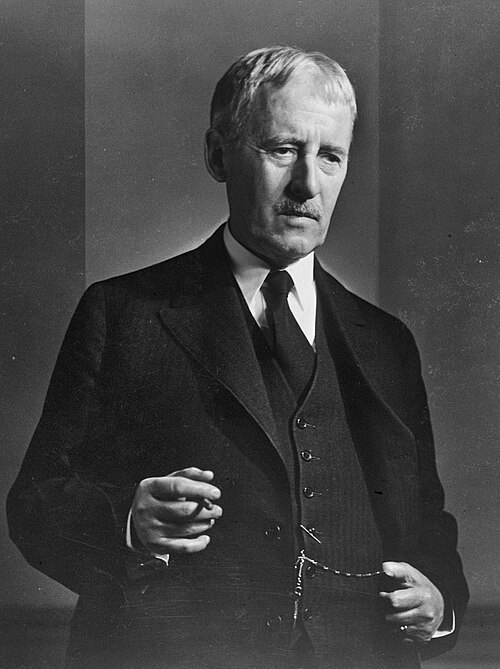
The Allies eventually realized that mass executions without trial would violate the very principles of justice they sought to represent to the world after the war.
The United States insisted on a legitimate public trial that would support democratic reform in Germany and demonstrate the superiority of the Western legal system [1,13]. At the same time, this was intended to prevent the Germans from claiming in the future that their confessions had been coerced under duress [9,13].
A key factor in shaping the indictment was a plan by Murray Bernays, a young Jewish lawyer working for the U.S. War Department.
He proposed that Nazi leaders be tried for criminal conspiracy, which strikingly resembled the prosecution of an organized crime syndicate [7]. This tactical approach subsequently facilitated the American prosecutors’ plans to formally convict entire Nazi organizations and their members [2,7].
A Symbolic Venue
In addition to punishing the guilty, the public trial was intended to serve as a sweeping historical lesson for the defeated Germans and to definitively delegitimize their traditional elite. The prosecution sought to gather irrefutable evidence of Nazi war crimes in order to preserve an accurate historical record of them for future generations [1,13].
The ancient Bavarian city of Nuremberg became the venue for this historic trial. This decision was motivated primarily by its profound symbolism, as the city was the cradle of Nazism and the site of massive party rallies in the 1930s [7,13,14].
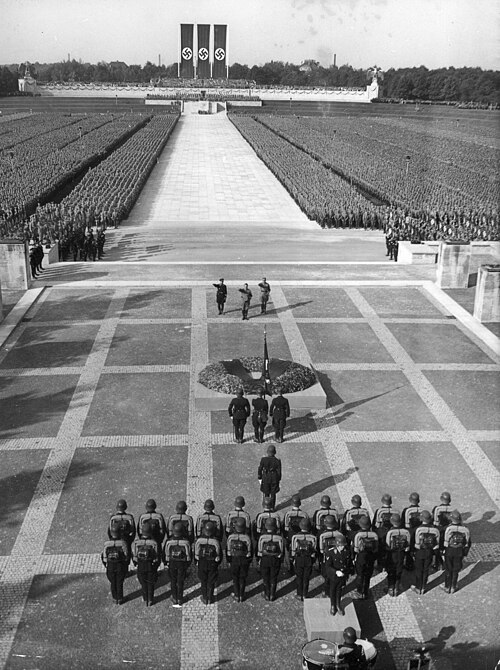
Holding the trial in the very heart of former Germany was intended to clearly demonstrate a public reckoning with Nazi crimes right where they began [13].
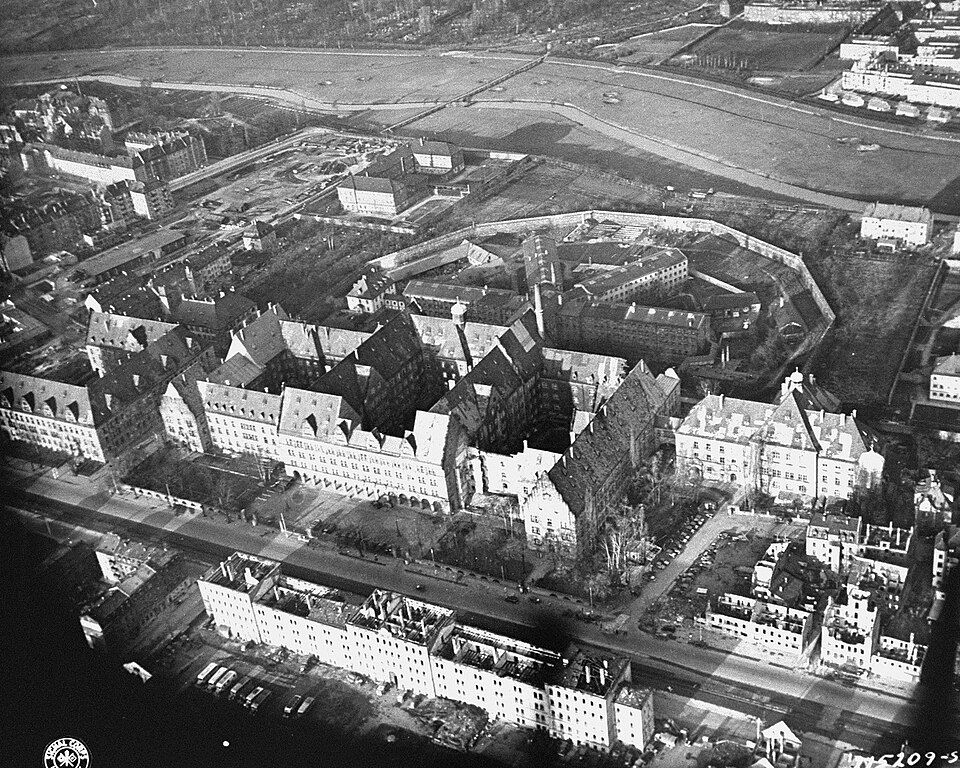
In addition to symbolism, however, purely practical and infrastructural reasons also played a role in the choice of location, as Germany’s major cities had been destroyed. The Palace of Justice in Nuremberg remained relatively undamaged after the bombing and offered sufficient space for the vast number of representatives from the four Allied nations [1,5,23].
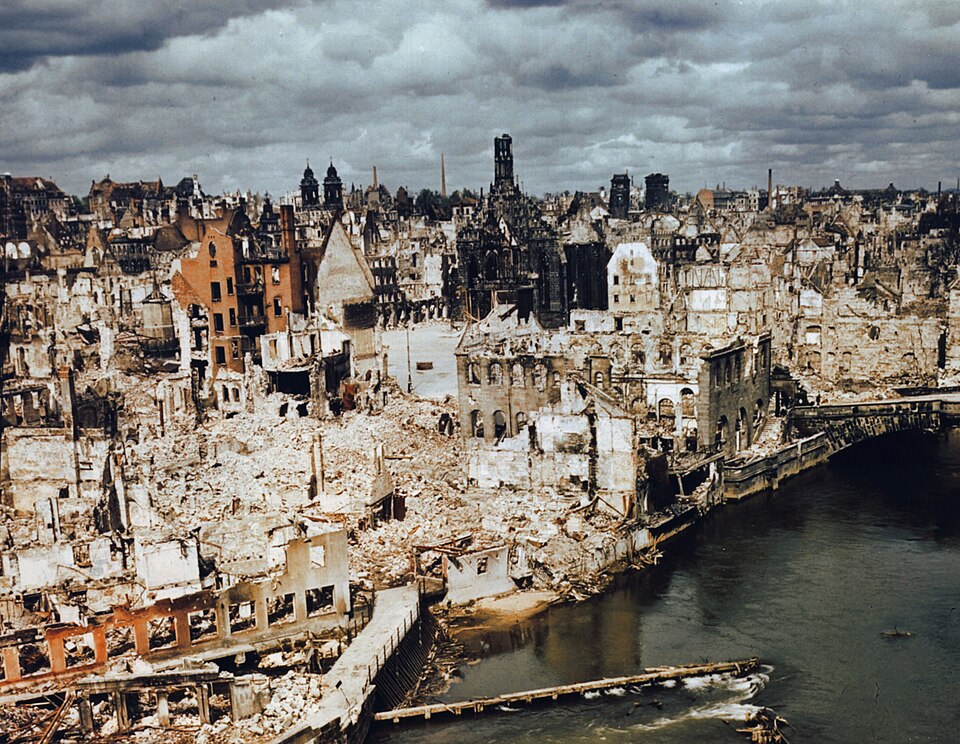
Moreover, this extensive judicial complex also included a large prison, which significantly simplified logistics and the secure transport of the defendants. Another important political factor in the selection was that the city was located in the American occupation zone, and the U.S. was the main driving force behind the entire process [5,16].
A Legal Earthquake
From a legal perspective, the Nuremberg Trials brought about a complete revolution and established entirely new standards in international law. For the first time ever, the tribunal formally declared that the planning and waging of a war of aggression constitutes the gravest international crime [1,13].
Another key innovation was the inclusion of the concept of “crimes against humanity,” which made it possible to punish Nazi leaders for the brutal persecution of their own citizens [15,18].
Based on the adopted Nuremberg Charter, four main charges faced by the arrested Nazis were subsequently precisely defined. These were participation in a common plan or conspiracy, planning and waging a war of aggression, war crimes, and crimes against humanity [3,10].
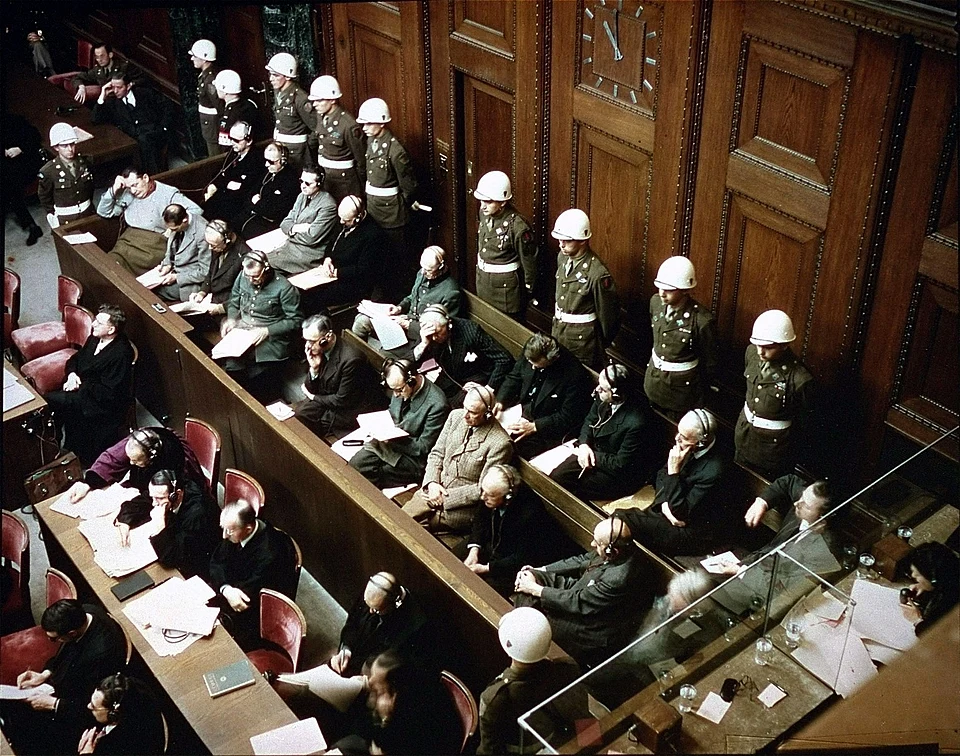
A fundamental legal precedent lay in the fact that the court held specific individuals—rather than entire states—accountable for violations of international law. Furthermore, the tribunal’s statutes prevented the defendants from invoking sovereign immunity and definitively stripped them of this traditional state protection [1,15].
At the same time, the court categorically rejected the common defense used by criminals based on the excuse of following orders from superiors. Such conduct could no longer be considered a valid justification for a crime, although the judges could take it into account as a mitigating circumstance in certain cases [1,18].
Thanks to these revolutionary steps, the Nuremberg Trials are today regarded by legal experts as the true beginning of international criminal law [1]. This strong legal foundation later directly inspired the adoption of the Universal Declaration of Human Rights and the Genocide Convention of 1948 [13,14].
In the 1990s, these same principles led to the creation of ad hoc tribunals for the former Yugoslavia and Rwanda and, ultimately, to the establishment of the permanent International Criminal Court (ICC) [1,20].
Judges and the Prosecution
The tribunal was composed of representatives from the four Allied powers, with each participating country nominating one presiding judge and one alternate. The presiding judge was the British Sir Geoffrey Lawrence, although in practice, the American judge Francis Biddle wielded enormous informal authority [1,6,9].
Convictions required a majority vote of all four judges, but Lawrence had the formal right to cast the deciding vote [9].
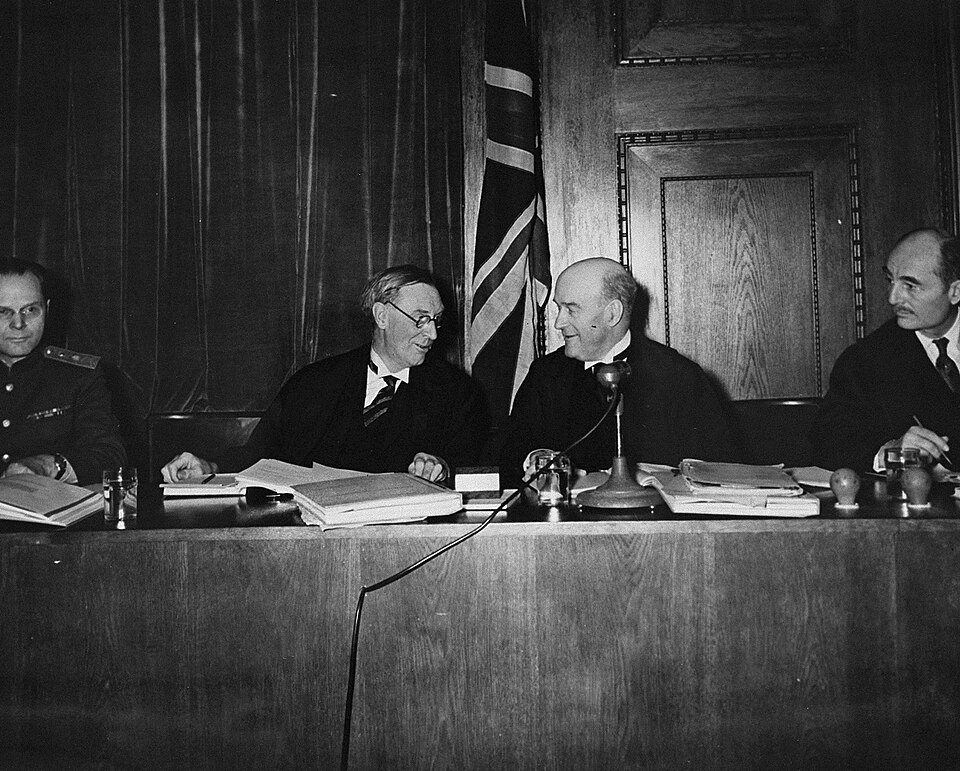
France was represented at the tribunal by Professor of Criminal Law Henri Donnedieu de Vabres, and the Soviet Union by Major General Iona Nikitchenko.
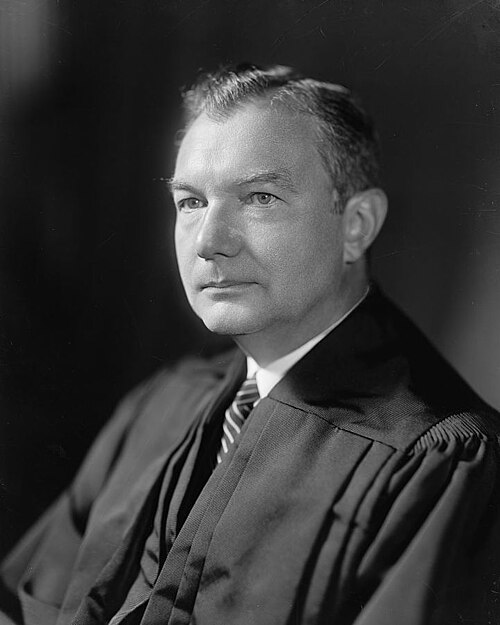
The prosecution was led by four chief prosecutors, the most prominent of whom was undoubtedly U.S. Supreme Court Justice Robert H. Jackson [1,9,17]. It was he who had already played a decisive role in the arduous negotiations over the Nuremberg Charter and who also delivered the historic opening and closing arguments [9].
The chief British prosecutor was Hartley Shawcross, while France was represented first by François de Menthon and, after his resignation, by Auguste Champetier de Ribes. The Soviet prosecution was ultimately led by Prosecutor Roman Rudenko, who was selected for his exceptional oratory skills [1,6].
The Perpetrators
Twenty-one of the 24 originally indicted top leaders of Nazi political, economic, and military life took their seats in the dock. However, the most influential Nazis—such as Adolf Hitler, Heinrich Himmler, and Joseph Goebbels—escaped justice by committing suicide at the end of the war [9,22].
The highest-ranking defendant and the central figure of the trial was Hermann Göring, commander of the German Air Force and Hitler’s designated successor—in other words, the second-in-command of the Third Reich.
Other infamous figures included former Deputy Führer Rudolf Hess, Foreign Minister Joachim von Ribbentrop, and Commander-in-Chief of the Armed Forces Wilhelm Keitel [1,11,13]. Also on trial were Nazi ideologue Alfred Rosenberg and Hans Frank, the Governor-General of occupied Poland [13,24].
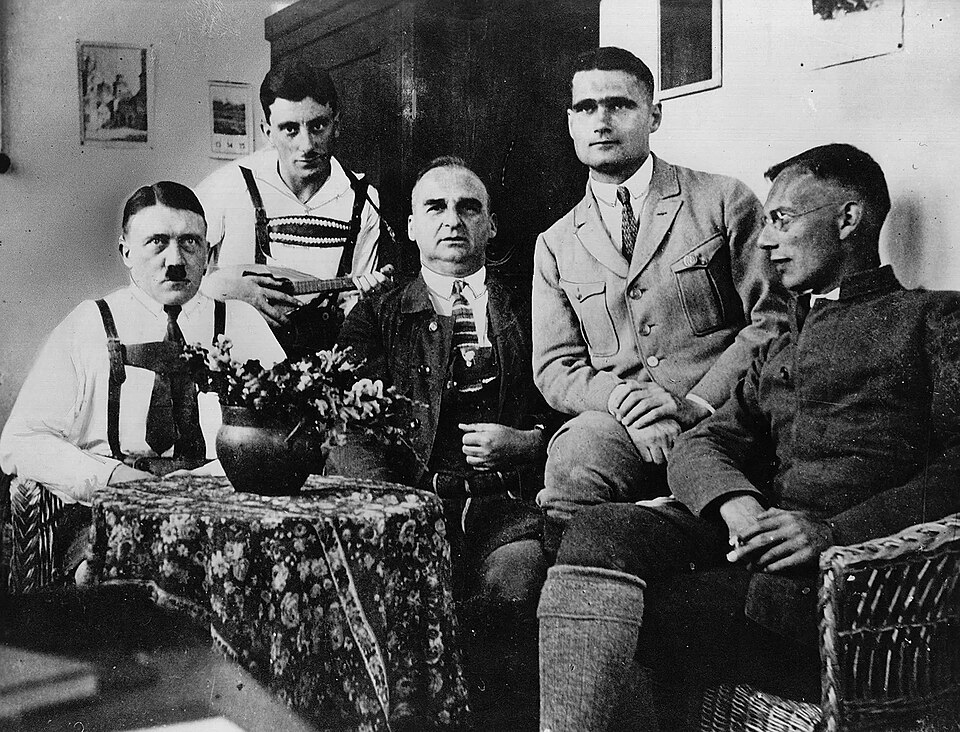
However, some prominent defendants did not appear in court at all because they had fled, died, or were deemed unfit to stand trial.
The most unpopular of the defendants was undoubtedly Julius Streicher, publisher of the mildly pornographic and fiercely anti-Semitic weekly *Der Stürmer*. No one liked Streicher, and Göring was his personal enemy, especially since Streicher had claimed that Göring’s daughter had been conceived through artificial insemination.
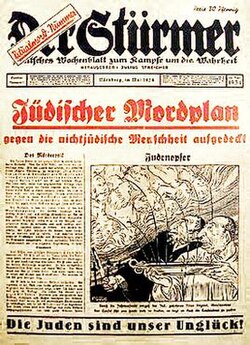
Some trials were held in absentia, as was the case with Martin Bormann, whom the Allies did not yet know at the time had perished while fleeing Berlin [9,22].
German industrialist Gustav Krupp avoided trial due to poor health following a stroke, and the leader of the German Labor Front (which was essentially the labor unions), the alcoholic Robert Ley, committed suicide shortly before the trial began [4,9,22].
Sentences
After more than ten months and 216 court sessions, the final verdicts were handed down on October 1, 1946.
After lengthy deliberations, the judges handed down twelve death sentences (including one for the absent Bormann) and sentenced three defendants to life imprisonment [1,10,15].
Four other men were sentenced to prison terms ranging from ten to twenty years, to be served at Spandau Prison in Berlin [1,11,15].
Three surprised defendants, including diplomat and former Hitler deputy chancellor Franz von Papen and former president of the Reichsbank Hjalmar Schacht, managed to secure acquittals.
These verdicts resulted from an unexpected stalemate among the judges and took observers at the time by surprise [1,18].
Nazi architect Albert Speer received a twenty-year sentence because he convinced the judges of his capacity for rehabilitation, while Fritz Sauckel, the organizer of forced labor, was sentenced to death by hanging [1].
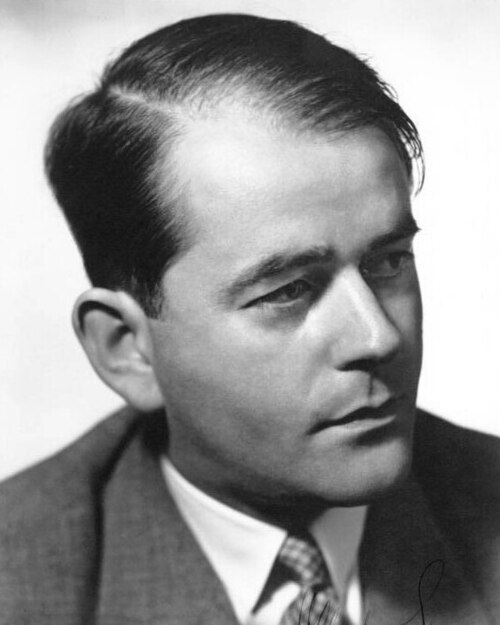
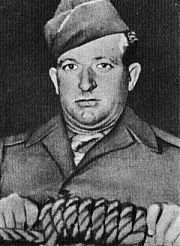
The death sentences were carried out between 1:30 and 3:00 a.m. on October 16, 1946, by hanging in the gymnasium of the Nuremberg prison.
The bodies of those executed were subsequently cremated in Dachau, and their ashes were discreetly scattered into the Isar River to prevent the site from becoming a place of pilgrimage [9,14].
The main defendant, Hermann Göring, however, escaped execution, as he committed suicide in his cell just a few hours before the scheduled execution using a smuggled cyanide capsule; as a result, only 10 of the convicted were ultimately hanged [7,9,14].
The Trials Continue
The Allied reckoning with Nazism did not end with this first major trial, however. Although a second international tribunal had originally been planned, it never took place due to growing disagreements and the onset of the Cold War between the superpowers [1,14].
Instead, between 1946 and 1949, twelve additional military trials were held in the same Nuremberg courtroom, organized exclusively by the United States [1,12].
In these so-called Nuremberg follow-up trials, a total of 177 Nazi officials stood trial before American military tribunals. Among them were not only SS officers and commanders of the Einsatzgruppen mobile extermination units, but also civilian bureaucrats, diplomats, and doctors [1,10,19].
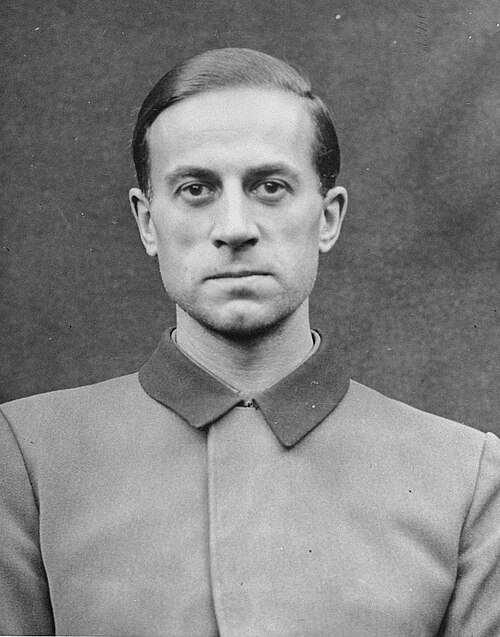
Thanks to these trials, the public learned shocking details from the Doctors’ Trial, which exposed the horrors of human experimentation and the forced euthanasia program [1,19].
A separate chapter was devoted to the trials of representatives of the private sector, such as the cases involving industrial giants like Flick, IG Farben, and Krupp.
These German industrialists were charged with the massive use of slave labor, the plundering of property in occupied countries, and the financing of SS atrocities [1]. For example, Alfried, the son of the ailing Gustav Krupp, was sentenced to twelve years in prison in one of these economic trials [1,3].
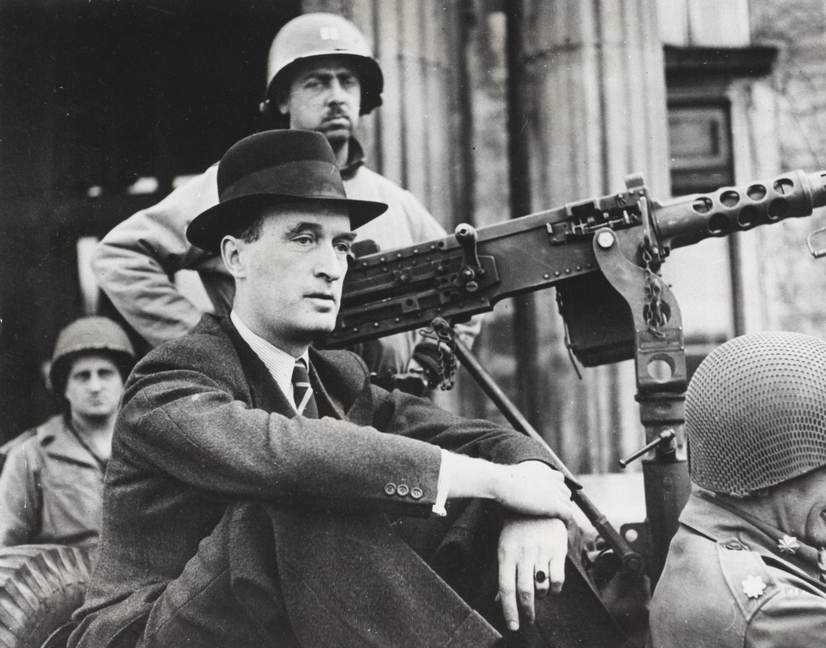
These trials convincingly demonstrated the enormous extent to which the broad German elite from all spheres of society contributed to the functioning of the Nazi dictatorship. Of the defendants, 24 were sentenced to death, 20 to life imprisonment, and nearly a hundred received prison terms [12,19].
However, many of the imprisoned Nazi criminals were released early during the 1950s thanks to political pardons [10,19].
In addition to the American trials themselves, the search for war criminals continued for decades afterward around the world.
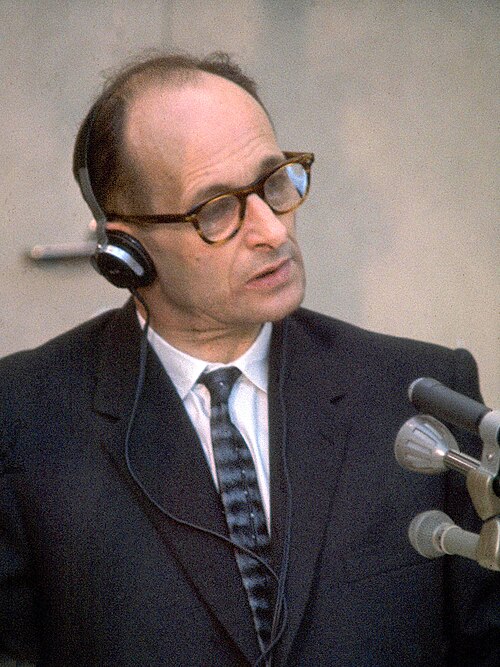
For example, Nazi hunters managed to track down Adolf Eichmann in Argentina; he was subsequently brought to trial in Israel and executed in 1962 [11].
Cultural Impact
The Nuremberg Trials thus remain to this day one of the most studied trials in history, one that has also left a deep mark on popular culture. As early as 1961, the famous and acclaimed film *Judgment at Nuremberg* was released, which compellingly dramatized the postwar quest for justice and the punishment of the guilty [1,8,21].
The power and moral legacy of this historic event clearly continue to fascinate filmmakers and contemporary audiences around the world to this day.
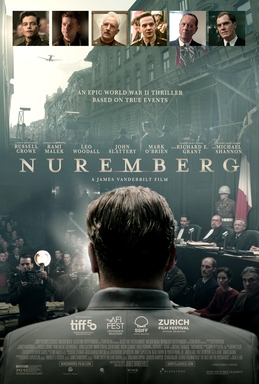
This is evidenced, for example, by the 2000 television miniseries, as well as the brand-new film *Nuremberg*, which was released in theaters worldwide in 2025 [1,18]. The film depicts a gripping confrontation between Hermann Göring, portrayed by actor Russell Crowe, and an American psychiatrist played by Rami Malek [13,18].
List of References
[1] Nuremberg trials - Wikipedia https://en.wikipedia.org/wiki/Nuremberg_trials
[2] Tomuschat, Christian (2006). "The Legacy of Nuremberg." Journal of International Criminal Justice. 4 (4): 830–844. doi:10.1093/jicj/mql051.
[3] List of defendants at the International Military Tribunal - Wikipedia https://en.wikipedia.org/wiki/List_of_defendants_at_the_International_Military_Tribunal
[4] Clapham, Andrew (2003). "Issues of complexity, complicity, and complementarity: from the Nuremberg Trials to the dawn of the International Criminal Court." In Philippe Sands (ed.). From Nuremberg to the Hague: the future of international criminal justice. Cambridge University Press. ISBN 0-521-82991-7. The tribunal’s eventual decision was that Gustav Krupp could not be tried due to his condition, but that “the charges against him in the Indictment should be retained for trial at a later date if the defendant’s physical and mental condition permits.”
[5] Choice of Nuremberg as the venue for the trials | Memorium Nuremberg Trials https://museums.nuernberg.de/memorium-nuremberg-trials/permanent-exhibition/courtroom-600/choice-of-nuremberg
[6] Judges and Prosecutors of the IMT | Memorium Nuremberg Trials https://museums.nuernberg.de/memorium-nuremberg-trials/the-nuremberg-trials/the-international-military-tribunal/the-tribunal
[7] Watch The Nuremberg Trials | American Experience | Official Site | PBS https://www.pbs.org/wgbh/amex/nuremberg
[8] The Subsequent Nuremberg Trials: An Overview https://famous-trials.com/nuremberg/1908-overview
[9] International Military Tribunal at Nuremberg | Holocaust Encyclopedia https://encyclopedia.ushmm.org/content/en/article/international-military-tribunal-at-nuremberg
[10] The Nuremberg Trials | The National WWII Museum | New Orleans https://www.nationalww2museum.org/war/topics/nuremberg-trials
[11] Nazis on Trial in Nuremberg | American Experience | Official Site | PBS https://www.pbs.org/wgbh/americanexperience/features/nuremberg-nazis-trial
[12] The Subsequent Nuremberg Trials 1946–1949: Digitalization Project Launched | FAU https://www.fau.eu/2025/02/news/the-subsequent-nuremberg-trials-1946-1949-digitalization-project-launched
[13] The Real History Behind the Nuremberg Trials | HistoryExtra https://www.historyextra.com/period/second-world-war/nuremberg-trials-who-tried-why-verdicts-ww2-real-history
[14] 10 Things You May Not Know About the Nuremberg Trials | HISTORY https://www.history.com/articles/10-things-you-may-not-know-about-the-nuremberg-trials
[15] Nuremberg Trials | Summary, Significance, Defendants, History, Judges, Sentences, & Why They Happened | Britannica https://www.britannica.com/event/Nurnberg-trials
[16] Trumpets and Trials: How Nuremberg Rewrote German History https://www.insightvacations.com/blog/nuremberg
[17] The Nuremberg Courtroom | Holocaust Encyclopedia https://encyclopedia.ushmm.org/content/en/article/the-nuremberg-courtroom
[18] Friday Essay: The Nuremberg Trials at 80 – Could Such a Reckoning Ever Happen Again? https://theconversation.com/friday-essay-the-nuremberg-trials-at-80-could-such-a-reckoning-ever-happen-again-267313
[19] The Subsequent Nuremberg Trials | Memorium Nuremberg Trials https://museums.nuernberg.de/memorium-nuremberg-trials/the-nuremberg-trials/the-subsequent-nuremberg-trials
[20] Nuremberg Laws, Trials, and Human Rights | OER Project https://www.oerproject.com/OER-Materials/OER-Media/HTML-Articles/Origins/Unit8/Nuremberg-Laws-Nuremberg-Trials
[21] Subsequent Nuremberg trials - Wikipedia https://en.wikipedia.org/wiki/Subsequent_Nuremberg_trials
[22] The defendants of the IMT | Memorium Nuremberg Trials https://museums.nuernberg.de/memorium-nuremberg-trials/the-nuremberg-trials/the-international-military-tribunal/the-defendants
[23] Nuremberg: The Changing Meanings of a City · Holocaust Centre North https://holocaustcentrenorth.org.uk/blog/nuremberg-the-changing-meanings-of-a-city
[24] International Military Tribunal: The Defendants | Holocaust Encyclopedia https://encyclopedia.ushmm.org/content/en/article/international-military-tribunal-the-defendants