
A New Threat: Hantavirus? The Role of Shipping in the Spread of Diseases in the Past
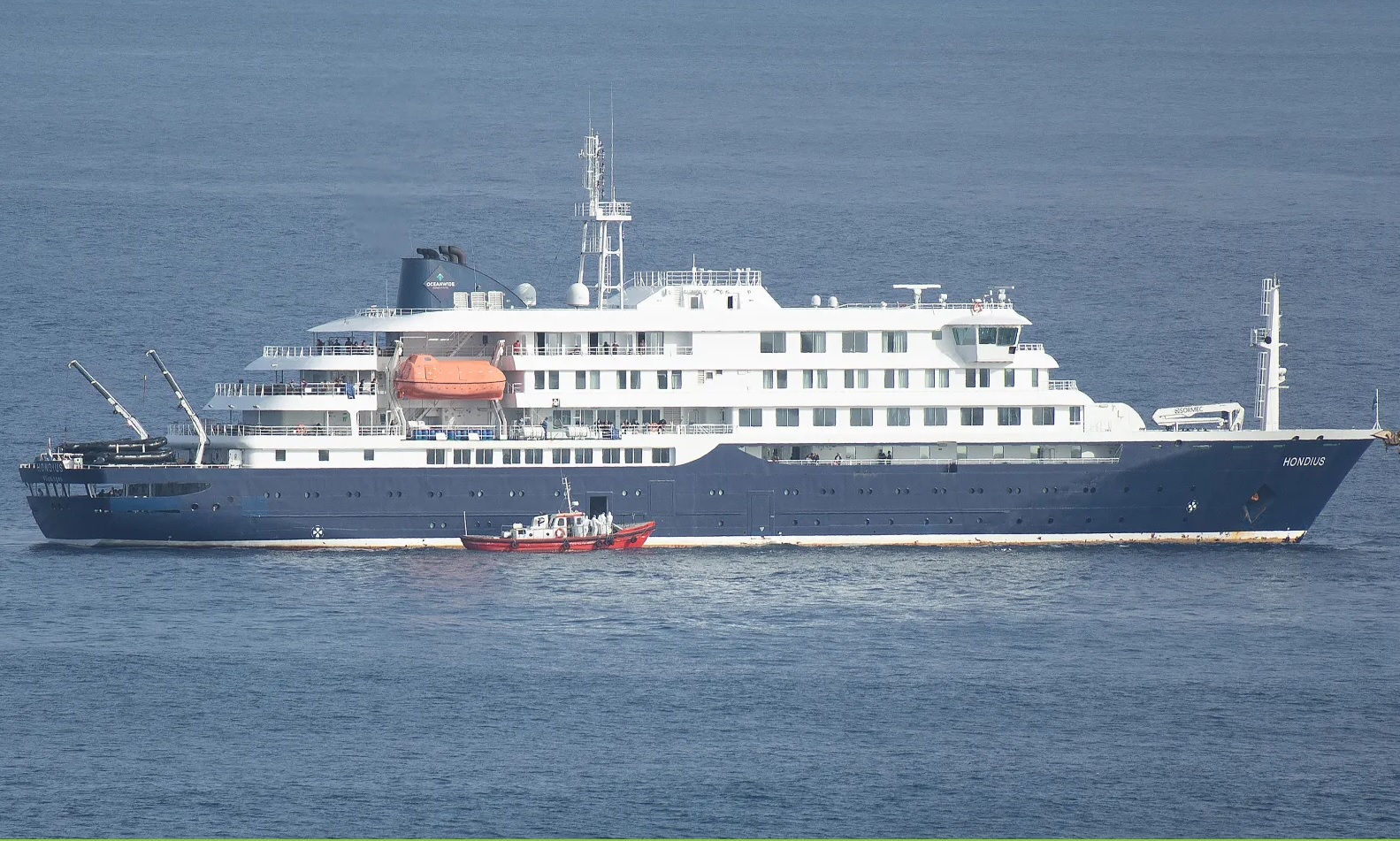
More than 150 people, including 17 Americans, are currently confined to their cabins aboard a luxury cruise ship off the coast of West Africa. The ship, en route from Cape Verde to the Canary Islands, has been stranded at sea due to a suspected outbreak of the rare hantavirus. At least seven people have fallen ill and three have died, prompting the World Health Organization to investigate whether this virus, commonly spread by rodents, has begun to spread among humans. [6]
Ships as Vectors of Disease
This recent incident is by no means an anomaly in human history, but rather a continuation of a centuries-old phenomenon. Cruise ships and maritime vessels in general serve as ideal environments for the spread of disease because they are dense, semi-enclosed ecosystems. [6] Thousands of people from different corners of the world share a common space, food, air, and surfaces on these vessels for several days. [6]
Ships are often referred to as “floating Petri dishes,” where infections can spread extremely quickly. [5] Cramped living quarters, communal buffet-style dining, and inadequate medical facilities compared to land-based hospitals all contribute to this high vulnerability. [4,6] Shared surfaces, such as handrails and elevator buttons, quickly become hotspots for the transmission of pathogens. [6]
The very design and operation of these vessels also play a significant role. Ventilation systems in enclosed spaces can facilitate the spread of airborne viruses, especially if there is no access to fresh air on board. [4,13] Furthermore, crew rotation between voyages allows for the transmission of pathogens among different groups of passengers, which often leads to chain outbreaks. [6]
From a historical perspective, ships have radically altered the global ecology of pathogens by connecting previously isolated populations. Transoceanic voyages after 1492 opened unprecedented pathways for the circulation of diseases, a process that was later significantly accelerated by the Industrial Revolution. [2] It was the introduction of steamships in the 19th century that shortened travel times to such an extent that an infected person could not recover during the voyage and thus carried the disease to a new port. [26]
The Scythe of Humanity: The Black Death
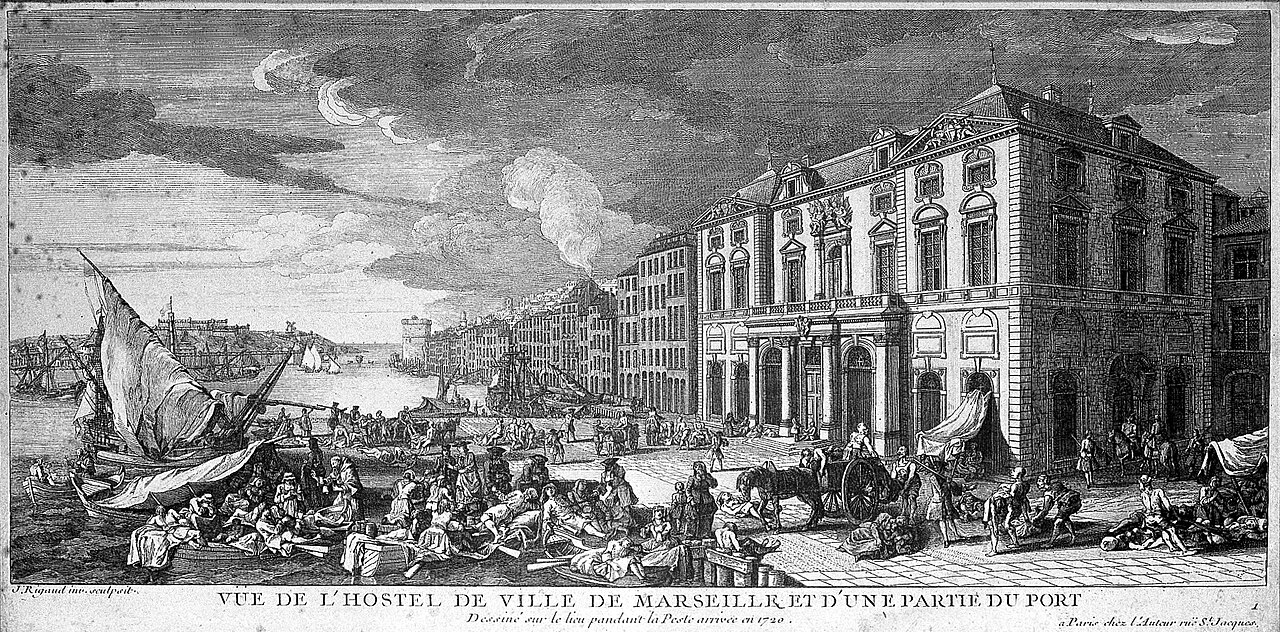
One of the most devastating examples of this mechanism was the bubonic plague epidemic. The Black Death spread along Europe’s trade routes precisely because of rats infected with fleas that traveled on merchant ships. [22] In the winter of 1346–1347, Genoese merchants brought the disease to the port of Caffa on the Black Sea. [8]
Subsequently, in 1347, twelve infected ships docked at the Sicilian port of Messina, from where the plague spread unstoppably throughout the world. [22] The plague soon struck key ports such as Marseille, Rome, and Florence, and by 1348 it had reached as far as London, with devastating consequences. [22] Ships carrying large numbers of crowded passengers thus posed an enormous risk of introducing pathogens into new areas. [2]
A Killer Called the Spanish Flu
During World War I, the Spanish flu also spread catastrophically on ships. Hundreds of thousands of American soldiers traveling on overcrowded military transports across the Atlantic provided the virus with ideal conditions for transmission. [22] In the U.S. Army alone, more than 36,000 soldiers died of the flu before even arriving in France, with over 12,000 of them perishing directly on the transport ships. [19]
Fast military vessels carrying large numbers of people, such as the Australian ship HMAT Boonah with more than a thousand passengers, experienced an extremely high rate of infection transmission. [18] The USS Leviathan, designed for a much smaller number of people, carried 9,000 soldiers and 2,000 crew members, making any attempt to isolate the sick impossible. [26] In these cramped conditions, the airborne flu easily infected a huge number of people, and the ships became literal death traps. [26]
Historical captains and doctors faced enormous challenges in managing these outbreaks, with quarantine serving as their most effective tool. The concept itself originated in the Middle Ages, when Venice introduced a 40-day isolation period in the 14th century for ships arriving from plague-stricken areas. [7,22] Although doctors in 1918 understood the importance of quarantine, the urgency of the war often meant that authorities did not close ports, and sick soldiers continued on their journeys. [19,26]
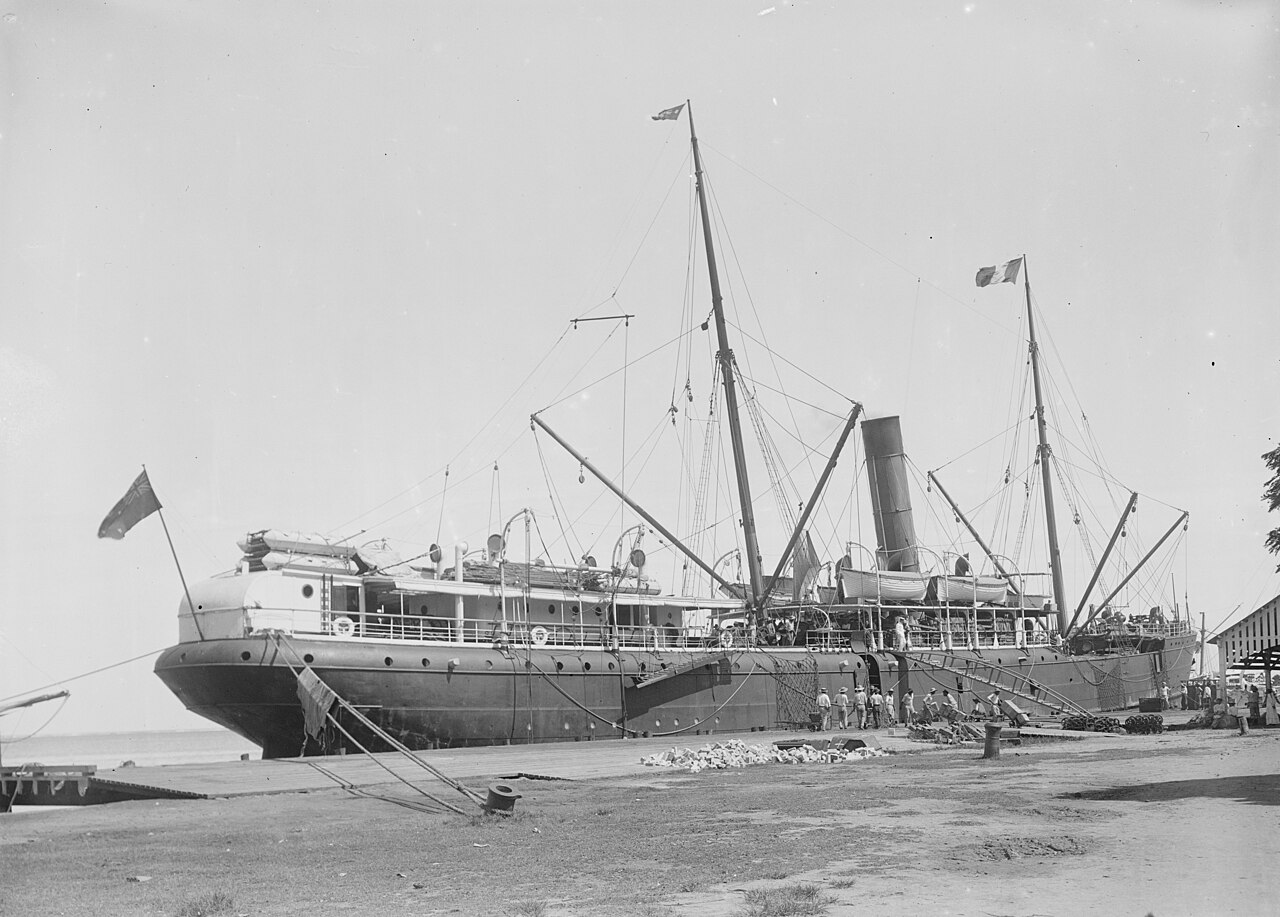
Some government authorities at the time did not fully realize that even seemingly healthy people could carry the virus and infect new communities. [3] However, those jurisdictions that implemented strict maritime quarantine, such as American Samoa, successfully protected their populations and recorded no deaths from the flu. [26] These historical experiences clearly demonstrated that the physical isolation of infected individuals on board and port controls are absolutely essential. [7,26]
The Unforgettable COVID-19
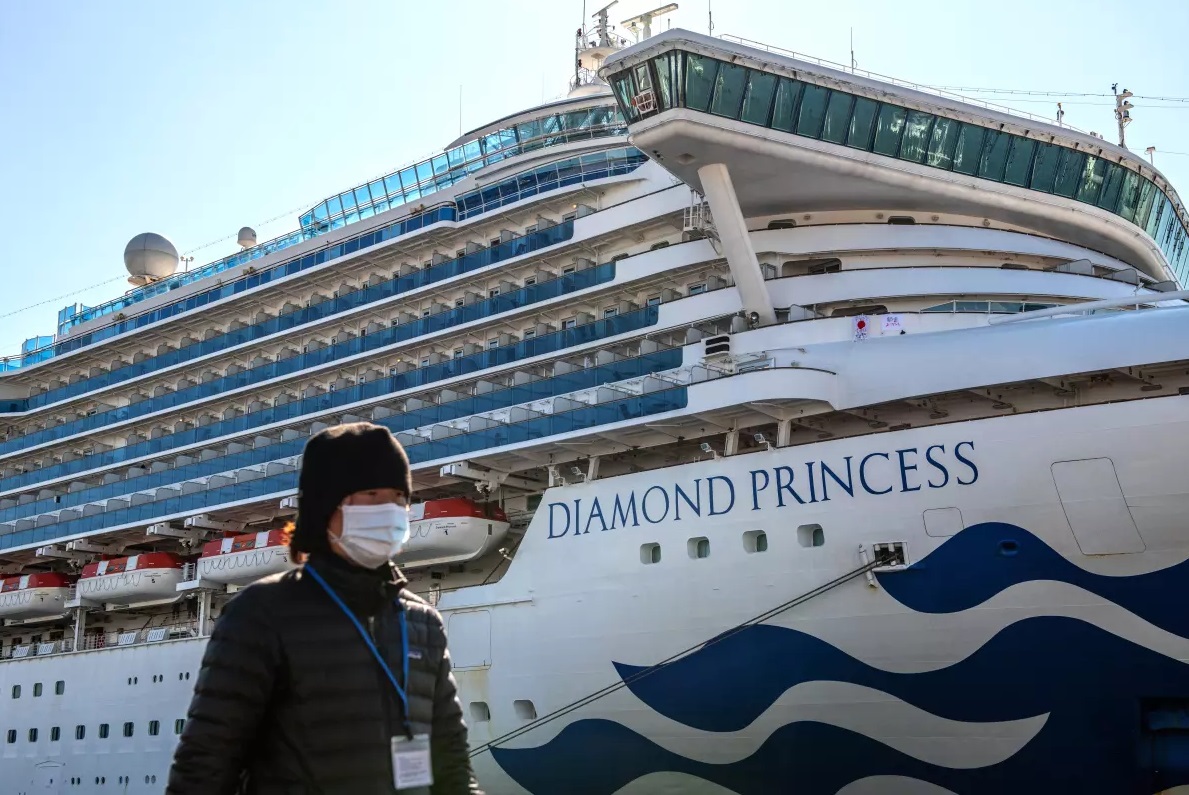
The modern era has brought new challenges, as was fully evident during the COVID-19 pandemic and the well-known case of the Diamond Princess cruise ship. In early 2020, this British ship, carrying 3,711 passengers and crew, was stranded in a two-week quarantine off the coast of Yokohama, Japan. [5,6] Japanese authorities conducted more than 3,000 tests, which helped scientists understand how quickly the virus spreads in confined spaces, including through asymptomatic carriers. [20]
As a result of close contact and touching contaminated surfaces, more than 700 people became infected, and ten died from the disease. [6,20] An important finding, however, was that before people were isolated in their cabins, each person infected an average of more than seven others. [20] Once strict cabin quarantine was implemented, the virus’s reproduction rate fell below one, confirming its high effectiveness. [20]
International Regulations for Shipping
We now know that effective modern measures against the spread of disease at sea must be systematic and internationally coordinated. The World Health Organization (WHO) adopted the International Health Regulations (IHR 2005), which aim to protect public health and standardize health requirements on ships. [5] According to these regulations, the captain of a ship arriving from abroad must report any suspected infectious disease to port authorities even before the ship docks. [1]
The Maritime Declaration of Health is also an extremely important tool, as it helps ports identify risks associated with the crew’s health in a timely manner. [14] Experts recommend implementing comprehensive cleaning programs, disinfection, improved ventilation, and plans for the timely isolation of infected individuals. [6,17] Military vessels, for example, use a method of zoning the ship and creating gas-tight sections so that, in the event of an outbreak, individual work teams can be hermetically sealed off. [13,20]
However, the spread of pathogens is not limited to human passengers but also involves the ship’s cargo and ballast water. Ballast water contains a large number of microbes and bacteria; for example, the discharge of contaminated ballast water may have introduced cholera into Peru in 1991. [24,28] This incident triggered a massive epidemic in Latin America, resulting in more than one million infections and thousands of deaths. [28]
It is not only humans but also insects carried on board ships that play a significant role in the spread of disease. Dangerous disease vectors, such as the tiger mosquito, which transmits the dengue virus, are thus often introduced into coastal regions. [21] These mosquitoes spread along human trade routes and can survive long voyages, thereby expanding their native range globally. [23]
The demographics of today’s passengers also provide an interesting example of ships’ susceptibility to rapid outbreaks of epidemics. Cruises are extremely popular among older adults, who often have long-term health conditions or weakened immune systems. [4,6] In such an environment, even a common respiratory virus can progress to pneumonia, while a highly contagious strain of a pandemic virus can have devastating consequences for the entire ship. [4,6]
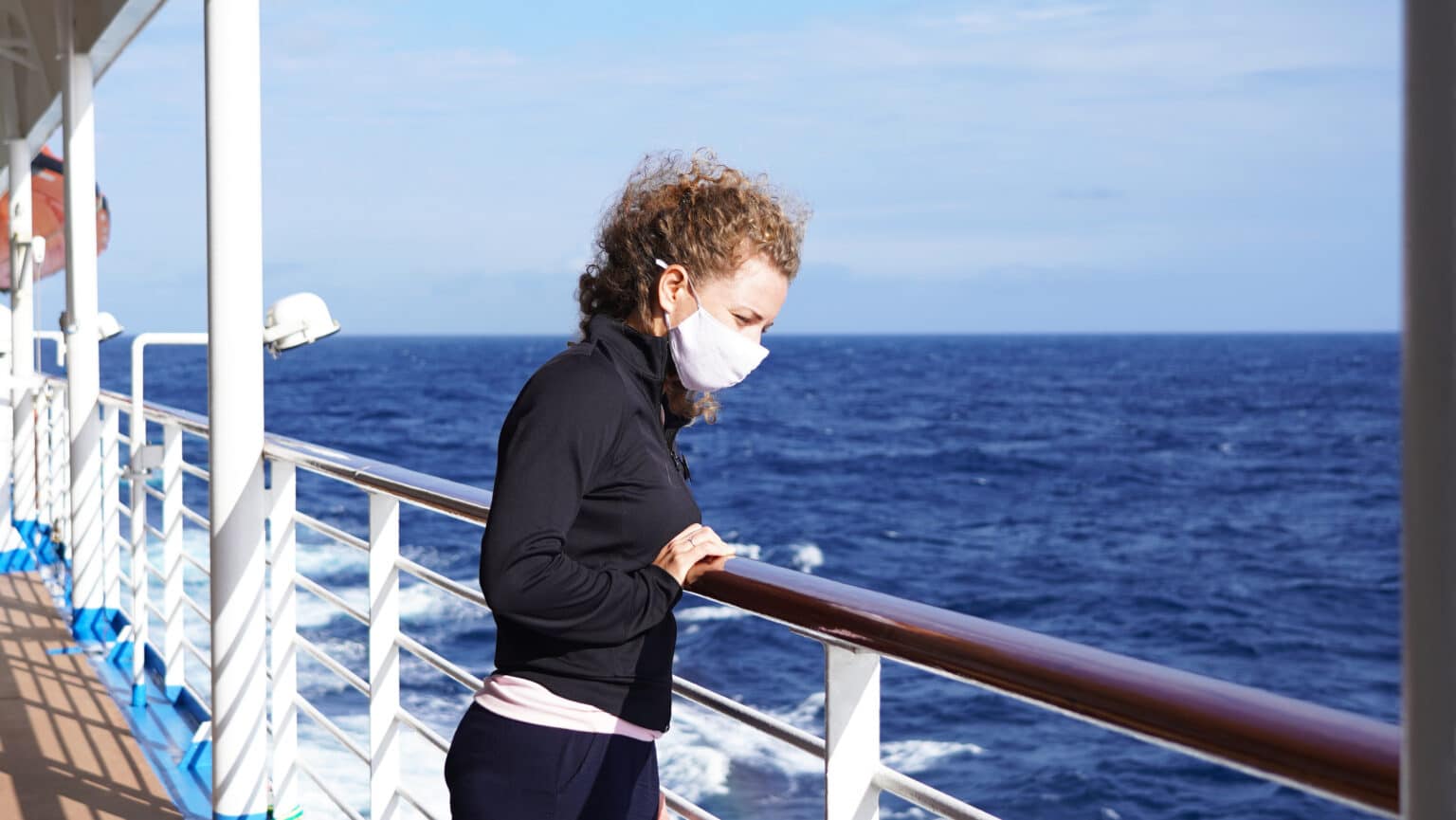
Human behavior poses another enormous risk factor in this confined environment. Some passengers conceal their illness because they do not want to be isolated or pay for medical care, thereby unknowingly and freely spreading the infection. [25] Neglecting hand hygiene, especially after using the restroom, is the main cause of norovirus transmission via contaminated serving tongs in ship buffets. [25]
Historical records from 1918 document in detail the enormous role that maritime transport and port connectivity played in the spread of disease. The port of New York, which at the time had hundreds of piers and served as the main departure point for American troops, faced an extraordinary onslaught of infections. [27] Ships such as the Norwegian Bergensfjord and the French Rochambeau heralded the first wave of the outbreak, which subsequently led to a general health quarantine of the entire port. [27]
In remote Arctic regions such as Labrador, visits by ships caused a veritable catastrophe for the isolated communities there. The mission ship SS Harmony and the coastal steamer SS Sagona, which had visited various infected ports during their voyages, carried the virus to the vulnerable inhabitants of Inuit settlements. [3] When hundreds of local residents began showing signs of the disease, government officials realized the fatal mistake they had made in allowing the ships to depart with asymptomatic carriers on board. [3]
In addition to common infections, antimicrobial resistance—which maritime transport quietly exacerbates—poses an especially hidden threat. Ships facilitate the transmission of drug-resistant bacteria to coastal populations through interactions in ports, waste disposal, and the exchange of food supplies. [9,10] An infected sailor can thus introduce resistant strains into countries thousands of kilometers away from the original outbreak. [12,11]
Lessons from the Past—Hope for the Future
The spread of diseases by ships continues to provide us with valuable lessons for preventing future global pandemics. Both history and the present show that diseases are tenacious stowaways that exploit the extensive shipping routes to disembark in entirely new environments. [26] It is precisely for this reason that experts continually call for a proactive global surveillance system for the early detection and sequencing of pathogens. [26]
Securing ports as primary entry points requires that they have adequate medical equipment for detection and immediate response. [16] Technological advances, including artificial intelligence and telemedicine, may significantly aid in the early diagnosis of diseases among at-risk seafarers in the future. [15] Experts from the fields of epidemiology, history, and ecology must continue to actively collaborate to better understand the link between human movement and the rate of pathogen spread. [2,18]
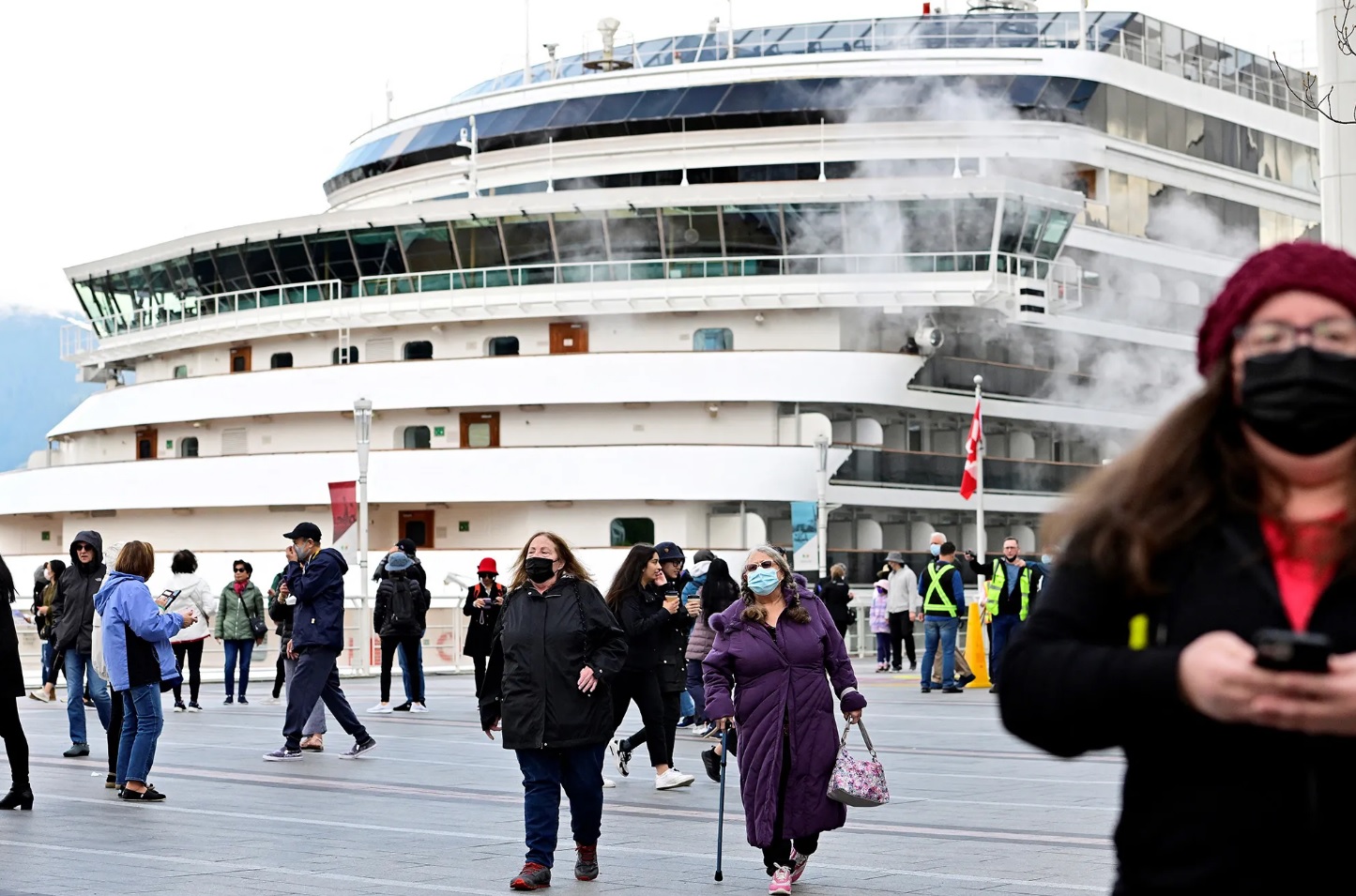
In the military sector, these hard lessons from history have already been translated into updated and effective pandemic strategies. Following mass outbreaks on military vessels, the U.S. Navy implemented mandatory pre-deployment testing and temporary restrictions on shore leave in foreign ports. [13] These experiences have shown that the key to maintaining the crew’s health and safety is rigorous contact tracing and the immediate quarantine of all infected individuals. [13]
Successfully combating pandemics therefore requires a change in approach not only from national governments but also from shipping companies themselves. Financial aid for shipping companies should be strictly conditional on the implementation of measures to prevent the spread of dangerous zoonotic diseases. [24] The ongoing digitization of maritime supply chains offers enormous potential for improving the traceability of transported cargo and the early detection of health threats. [24]
The current quarantine of passengers on a cruise ship off the coast of Cape Verde due to a suspected hantavirus case thus serves as an extremely stark reminder. [6] Ships have historically been—and continue to be—hotspots for the spread of serious diseases, and if these risks are not addressed, they can easily become triggers for global catastrophes. [22] Only constant vigilance, adherence to health regulations, and timely isolation can effectively and sustainably halt this undesirable transmission via ships. [6,26]
List of References:
[1] Infectious Disease | The Association of Port Health Authorities https://porthealthassociation.com/infectious-disease/
[2] Transoceanic pathogen transfer in the age of sail and steam - PMC https://pmc.ncbi.nlm.nih.gov/articles/PMC11287167/
[3] Global Relations and the Spanish Influenza https://www.heritage.nf.ca/articles/society/spanish-flu-impact.php
[4] Why Are Cruise Ships Prone to Disease Outbreaks? | Mirage News https://www.miragenews.com/why-are-cruise-ships-prone-to-disease-outbreaks-1667659/
[5] Covid-19 crisis calls for IMO health security regulations for ports and ships https://www.financialnigeria.com/covid-19-crisis-calls-for-imo-health-security-regulations-for-ports-and-ships-blog-554.html
[6] Why cruise ships create an ‘ideal’ environment for disease — and the worst-case scenarios - AOL https://www.aol.com/articles/why-cruise-ships-create-ideal-201801813.html
[7] United Nations - i - INFECTIOUS DISEASES AND MARITIME LAW Ruria Iteraera https://www.un.org/depts/los/nippon/unnff_programme_home/fellows_pages/fellows_papers/iteraera_0910_kiribati.pdf
[8] UN-General Assembly, A/64/278, 10 August 2009.
[9] Adebisi YA, Bamisaiye A, Prisno DE 3rd. Antimicrobial resistance on ships: a narrative review. Infect Dis Now. 2025; 55(2):105027. https://doi.org/10.1016/j.idnow.2025.105027..
[10] Scott J, Lucas R, Snoots R. Maritime medicine. Emerg Med Clin North Am. 1997;15(1):241–9.
[11] Memish ZA, Venkatesh S, Shibl AM. Impact of travel on international spread of antimicrobial resistance. Int J Antimicrob Agents. 2003;21(2):135–42. https://doi.org/10.1016/s0924-8579(02)00363-1.
[12] Lucas D, Corman V, Jensen OC, Denisenko I, Lucero-Prisno DE, Canals ML. Maritime workers and their global health: need to improve scientific knowledge and prevention. J Glob Health. 2022;12:03031. https://doi.org/10.7189/jogh.12.03031.
[13] Future directions of infection control and risk management on military vessels: a narrative review - Brewster - Journal of Public Health and Emergency https://jphe.amegroups.org/article/view/8322/html
[14] Rosa M López-Gigosos, Marina Segura, 1 Rosa M Díez-Díaz, Isabel Ureña, et al., “Maritime Declaration of Health (MDH) as a tool to detect maritime traffic-related health risks: analysis of MDH forms submitted to Spanish ports, October 2014 to March 2015,” Euro Surveill 22, no. 24 (June 2017: 30551, doi:10.2807/15607917.ES.2017.22.24.30551.
[15] Taha Talip Türkistanlı and Coşkan Sevgili, “Awareness of health risks and communicable diseases among undergraduate maritime students,” International Maritime Health 69, no. 2 (June 2018):142-148, doi:10.5603/IMH.2018.0021.
[16] World Health Organization, “Handbook for management of public health events on board ships,” January 2016, https://www. who.int/publications/i/item/9789241549462.
[17] Setting Sail for Health: A Comprehensive Guide to Ship Sanitation https://www.linkedin.com/pulse/setting-sail-health-comprehensive-guide-ship-imran-muzawar-1sdbe
[18] How pioneering ocean voyages transmitted diseases far and wide https://www.gavi.org/vaccineswork/how-pioneering-ocean-voyages-transmitted-diseases-far-and-wide
[19] H-022-1 Influenza Epidemic https://www.history.navy.mil/content/history/nhhc/about-us/leadership/director/directors-corner/h-grams/h-gram-022/h-022-1.html
[20] Smriti Mallapaty. “What the cruise-ship outbreaks reveal about COVID-19”, “Nature” Journal, 26 March 2020 https://www.nature.com/articles/d41586-020-00885-w
[21] How Does Travel Influence Spread of Disease? https://www.news-medical.net/health/How-Does-Travel-Influence-Spread-of-Disease.aspx
[22] How ‘Death Ships’ Spread Disease Through the Ages | Ancient Origins https://www.ancient-origins.net/news-history-archaeology/death-ships-0013723
[23] Human Mobility and the Global Spread of Infectious Diseases: A Focus on Air Travel - PMC https://pmc.ncbi.nlm.nih.gov/articles/PMC7106444/
[24] How Shipping can Help to Avoid Pandemics | Global Maritime Hub https://globalmaritimehub.com/how-shipping-can-help-to-avoid-pandemics.html
[25] From COVID to gastro, why are cruise ships such hotbeds of infection? https://theconversation.com/from-covid-to-gastro-why-are-cruise-ships-such-hotbeds-of-infection-217534
[26] From Berth to Death | Hakai Magazine https://hakaimagazine.com/features/from-berth-to-death/
[27] A Hundred Years Apart: NYC During the 1918 Flu and 2020 COVID Pandemics https://blog.eoscu.com/blog/a-hundred-years-apart-nyc-during-the-1918-flu-and-2020-covid-pandemics
[28] Guthmann JP. Epidemic cholera in Latin America: spread and routes of transmission. J Trop Med Hyg. 1995;98:419–27.PubMedGoogle Scholar