The Biggest Beer Festival
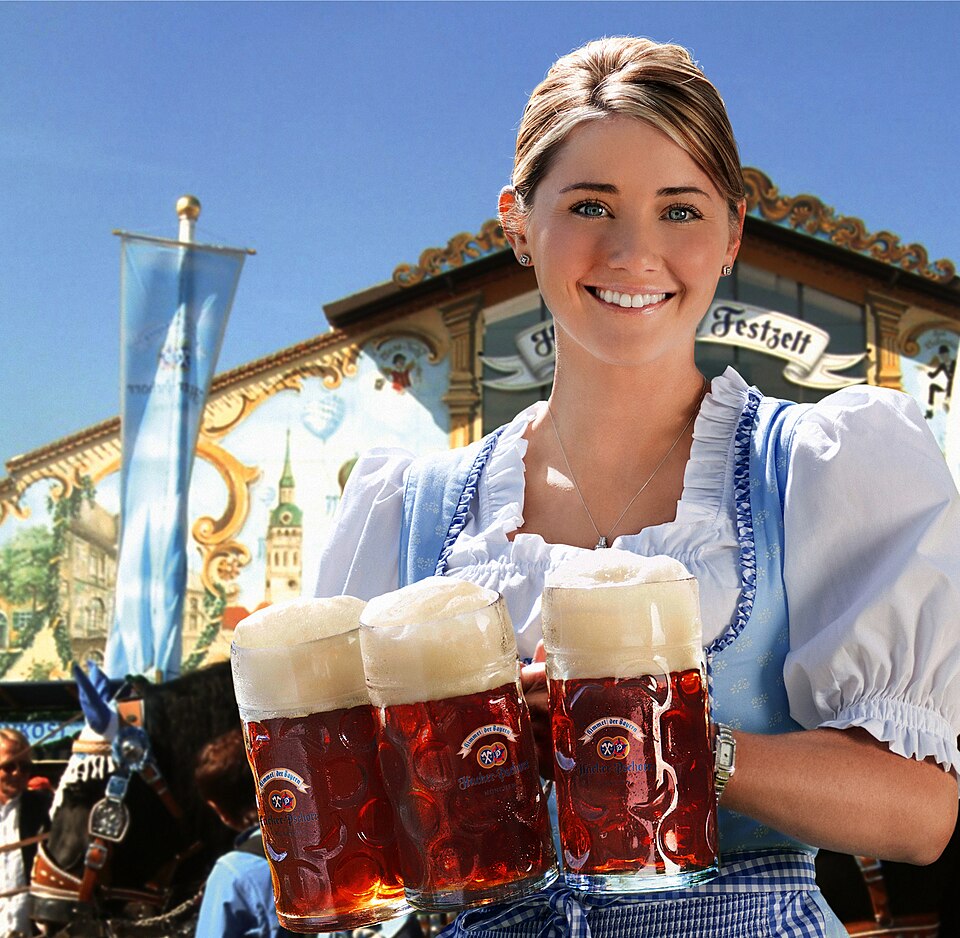
Oktoberfest in Munich, the worlds largest beer and folk festival, attracts millions of enthusiastic visitors to its grounds every year [13,14].
A Lavish Wedding
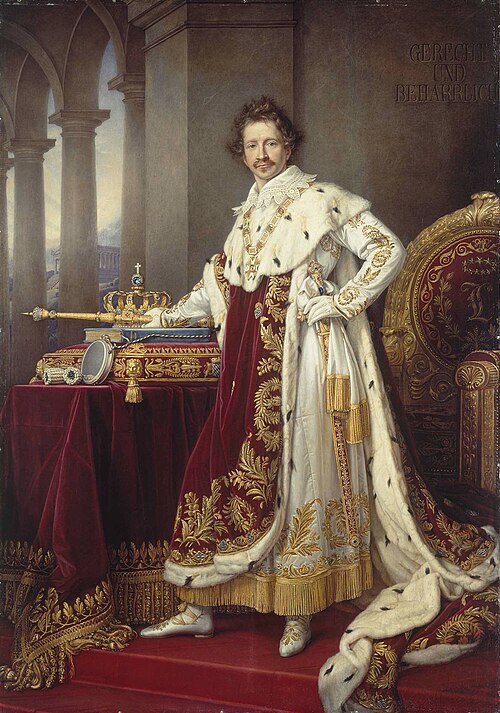
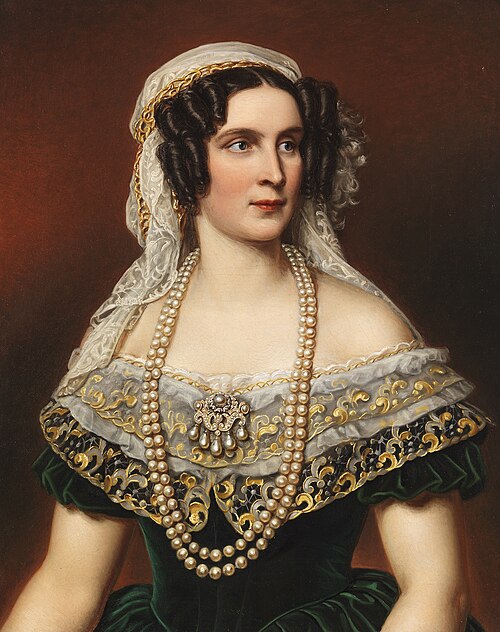
However, its origin has nothing to do with beer, but rather with a grand royal wedding that took place more than two hundred years ago [13]. When Bavarian Crown Prince Ludwig married Princess Therese von Sachsen-Hildburghausen on October 12, 1810, a huge celebration was organized for the citizens at the city gates [1,22].
The site of these joyful celebrations was later named Theresienwiese, or “Theresa’s Meadow,” in honor of the noble bride, and the festival is still held there today [22].
Part of this event, which also served as a symbol of national unity for the young Kingdom of Bavaria, were fascinating horse races, a parade, and a public banquet [19]. The races, organized by National Guard member Andreas Michael Dall’Armi, were a huge success, so the city decided to make the event an annual tradition [1,13].
Interestingly, in those early years, the festival was primarily a celebration of agriculture and sports, not a mass drinking spree of the golden brew [7].
Beer was served only sparingly in small wooden booths on the meadow, and it took decades for it to become the main attraction of the festivities [13].
The festival continued to take shape in 1811, when an agricultural exhibition aimed at supporting local farmers was ceremoniously added to the program [1,22].
Munich Takes the Lead
The following year, 1818, brought another innovation to the event’s history when the very first carousels—featuring two swings—and stalls offering delicious refreshments appeared on the meadow [24]. When the city of Munich itself took over the organization a year later, a historic decision was made that the festivities would be held continuously without exception [1].
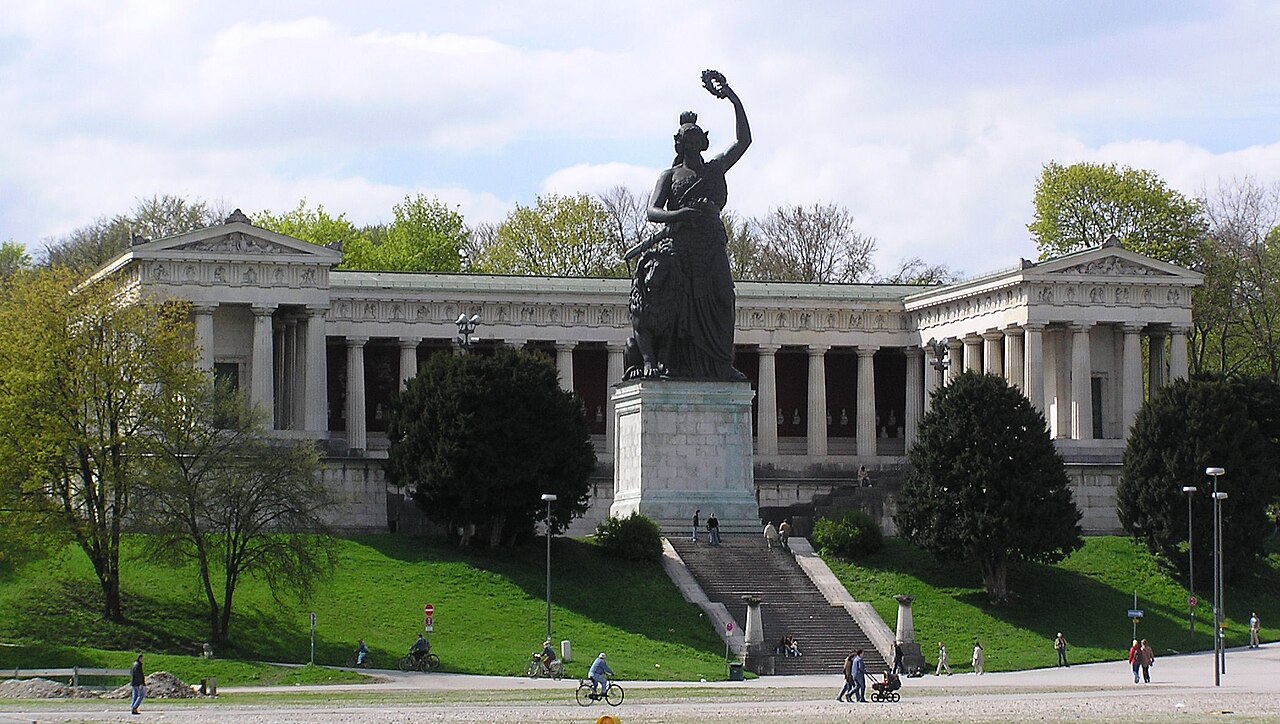
Another immensely important visual and symbolic milestone came in 1850, when a massive statue of Bavaria was unveiled on the site, where it continues to watch over the festivities to this day [4].
A Shift in Timing
As the years passed and the festival’s popularity grew, the organizers quickly realized that the traditional October weather in Bavaria had become too cold. To increase comfort for spectators and extend the festival’s duration, the event was strategically moved to the more favorable and warmer days of September starting in 1872 [24].
However, a truly pivotal turning point for lovers of the hoppy beverage did not occur until the late 19th century—more precisely, after 1886—when the festival grounds were illuminated for the first time by groundbreaking electricity [4,13].
As early as the 1890s, small taverns were definitively replaced by gigantic beer tents, which were massively sponsored directly by the major Munich breweries [13,17].
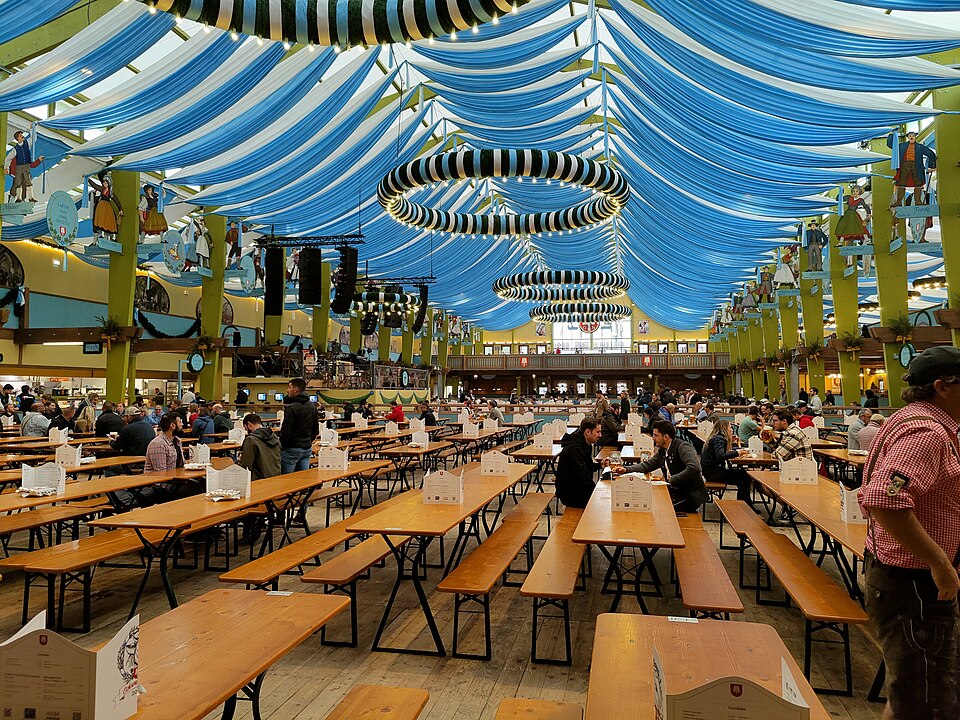
These majestic festival venues offered space for crowds of thousands, nonstop live brass band music, and unprecedented quantities of the beloved beer [13].
In addition to drinking, visitors could also indulge in delicious roast chicken, which made its debut here as an absolute culinary novelty in 1885 [4].
Parades
Fascinating parades and processions are now an integral part of the festivities, with the most significant one making its grand debut in 1887 [20].
At that time, the owners of the enormous beer tents and brewery employees rode into the meadow together for the first time on beautifully decorated horses and carriages [4].
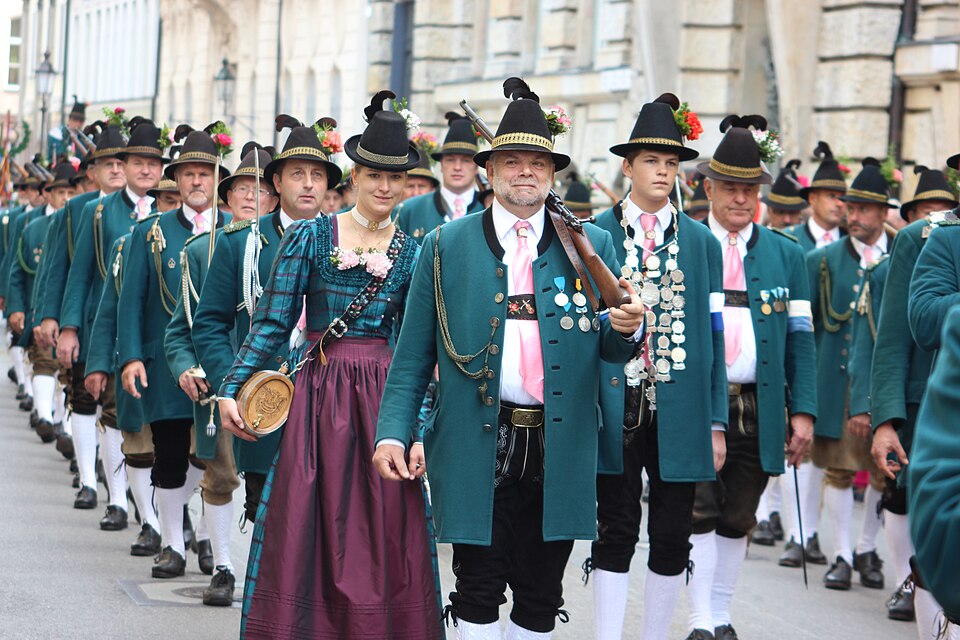
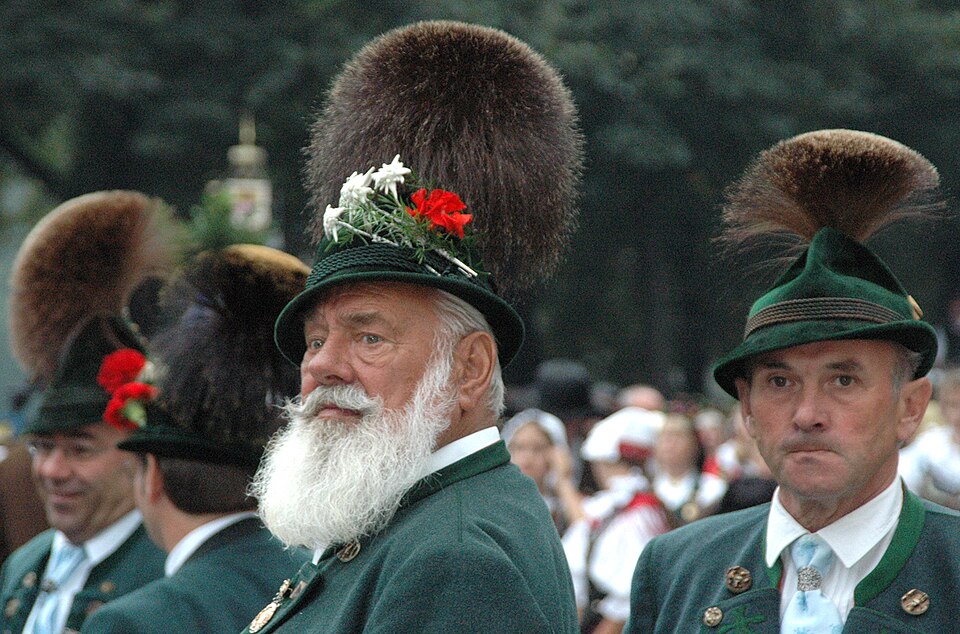
To this day, this festive, traditional-costumed parade through the city is proudly led by the so-called “Münchner Kindl,” a figure of a girl dressed in a traditional black-and-yellow monk’s habit [4].
Surprisingly, the iconic opening ritual as we celebrate it today emerged relatively late, not until the mid-twentieth century [8].
Since 1950, at exactly noon, the mayor of Munich has tapped the first keg of beer and, with a joyful cry of “O’zapft is!” (It’s tapped!), officially kicks off the festivities [8,20].
He then traditionally presents the first tapped mug to the Bavarian prime minister, after which a loud volley of twelve gunshots underscores the festive moment [1,20].
By the 1960s, the event had definitively transformed into a world-famous mega-festival; paradoxically, however, it was precisely in 1960 that the original horse races quietly disappeared from the festival [1].
A Bomb and a Canceled Festival
Unfortunately, the mass celebrations were not always joyful, and the history of this exceptional event was deeply marked by a terrible tragedy in 1980 [4]. A brutal bomb attack at the main entrance claimed the lives of thirteen innocent victims and injured over two hundred unsuspecting visitors [13].
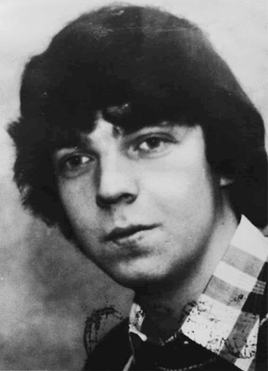
The attack was carried out by Gundolf Köhler, a geology student and extremist with ties to neo-Nazi groups, who also became a victim when the bomb he had placed in a trash can exploded prematurely.
Although the city councilors had once vowed to hold the festival annually, political events, brutal wars, and deadly diseases forced its cancellation more than twenty times [19].
The first long hiatus came very early on, specifically in 1813, due to the forced involvement of Bavarian soldiers in the bloody Napoleonic Wars; it was precisely in October of that year that Napoleon was decisively defeated at Leipzig in what was, until then, the largest battle in European history [1].
In the later periods of the 19th century, devastating cholera epidemics struck, bringing the celebrations to a sudden halt, for example, during the critical years of 1854 and 1873 [19].
The dawn of the 20th century brought with it terrifying global conflicts that completely silenced the boisterous Munich festivities for many years.
Throughout World War I, from 1914 to 1918, the festival was completely canceled and was subsequently replaced for a time only by the much more modest Autumn Festival [10,19].
During this bleak postwar period, due to poverty, regular beer could not be sold; only beverages with an alcohol content of less than two percent were permitted [10].
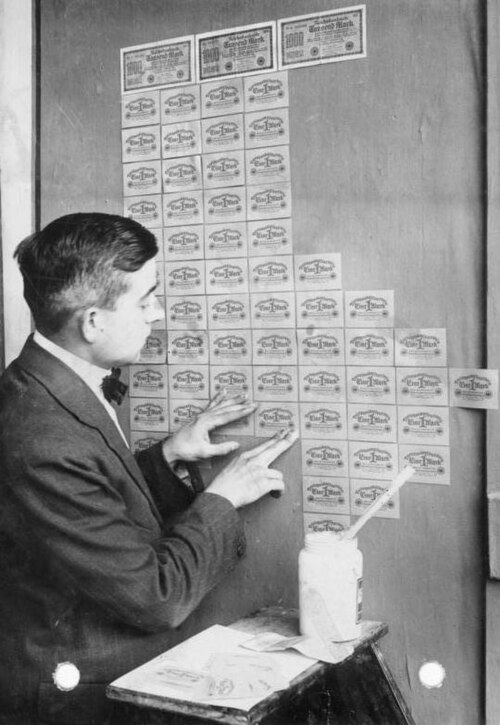
The festival suffered another particularly severe blow from the harsh postwar poverty and the notorious hyperinflation of the Weimar Republic, which led to the event being canceled in 1923 and 1924 [19].
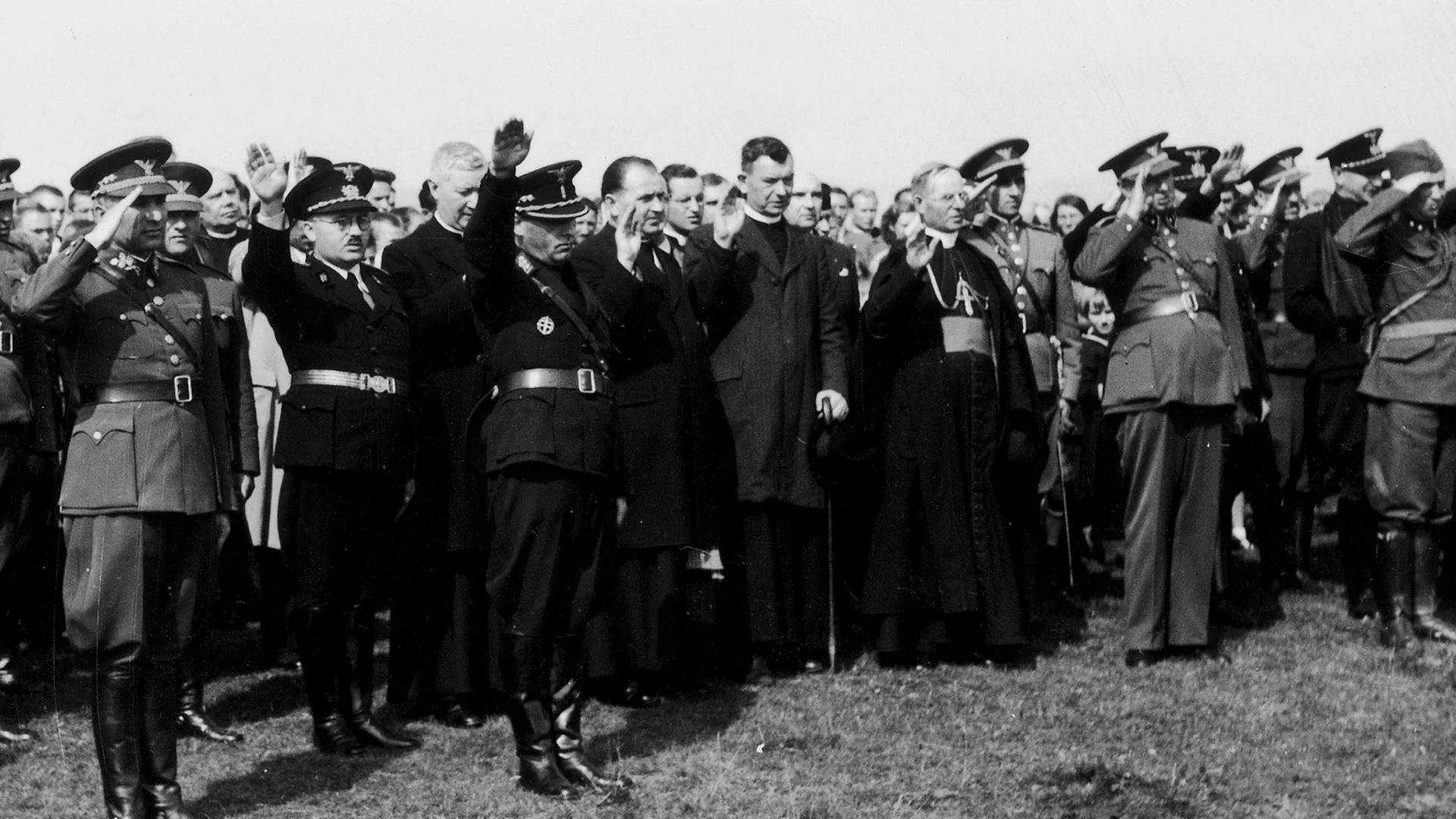
Adolf Hitler’s regime subsequently cast a dark shadow over the cultural history of the celebrations; in 1938, it politically renamed the event the “Greater German People’s Festival” [19]. The Nazi Party itself, incidentally, was born in Munich’s beer halls over mugs of golden brew.
World War II logically caused another long hiatus from 1939 to 1945, followed only by a cautious and slow revival of traditions [19].
From 1949 onward, Oktoberfest ran continuously throughout the second half of the century without any major restrictions or local political constraints [3].
It was only halted by the massive global coronavirus pandemic, which forced its unexpected widespread cancellation in 2020 and 2021 for health reasons [3]. Fortunately, the return to carefree mass celebrations at the famous Theresienwiese came as early as 2022, and since then, the cultural festivities have been in full swing once again [3].
Oktoberfest Today
Today’s typical Oktoberfest lasts 16 to 18 days, always beginning in the fall in mid-September and usually ending on the first Sunday in October [17,18].
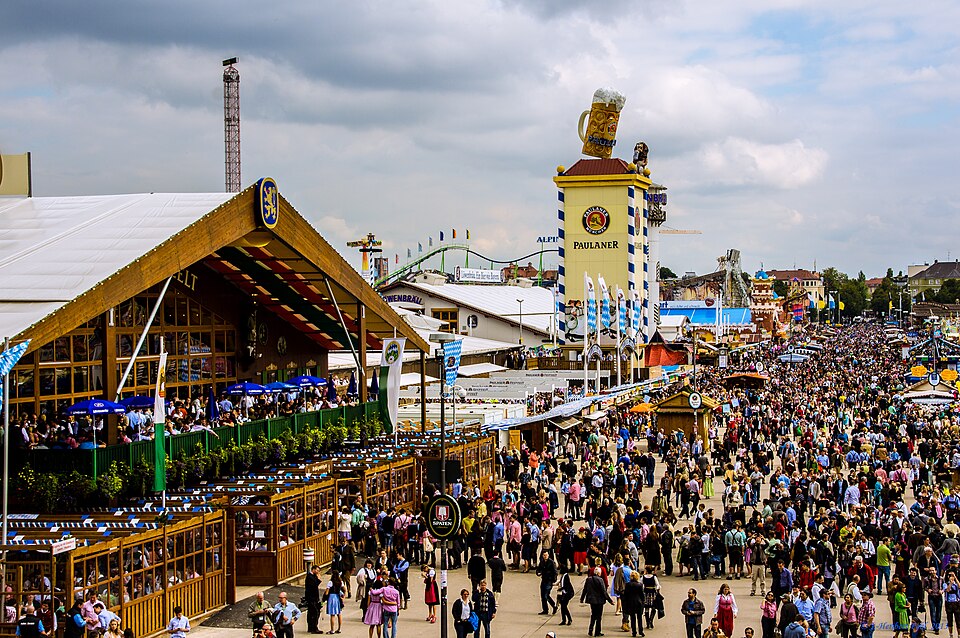
A special exception occurs only if the German national holiday, Unity Day (October 3), falls on a Monday or Tuesday, in which case the festivities are automatically extended [24].
The entire vast grounds then come alive with a lively atmosphere and an exciting amusement park every day starting at 10:00 a.m., and the festivities continue until nearly midnight [18].
However, to maintain a pleasant atmosphere suitable for families and older citizens despite the vast amount of alcohol consumed, a strict “quiet Oktoberfest” policy has been in effect since 2005 [20]. Until 6:00 p.m., the bands performing in the tents are permitted to play only traditional brass band music, with the volume strictly limited to 85 decibels [20].
It is only after this evening cutoff time that the music stages are definitively taken over by loud pop hits, which is extremely effective in preventing early rowdiness among guests [20].
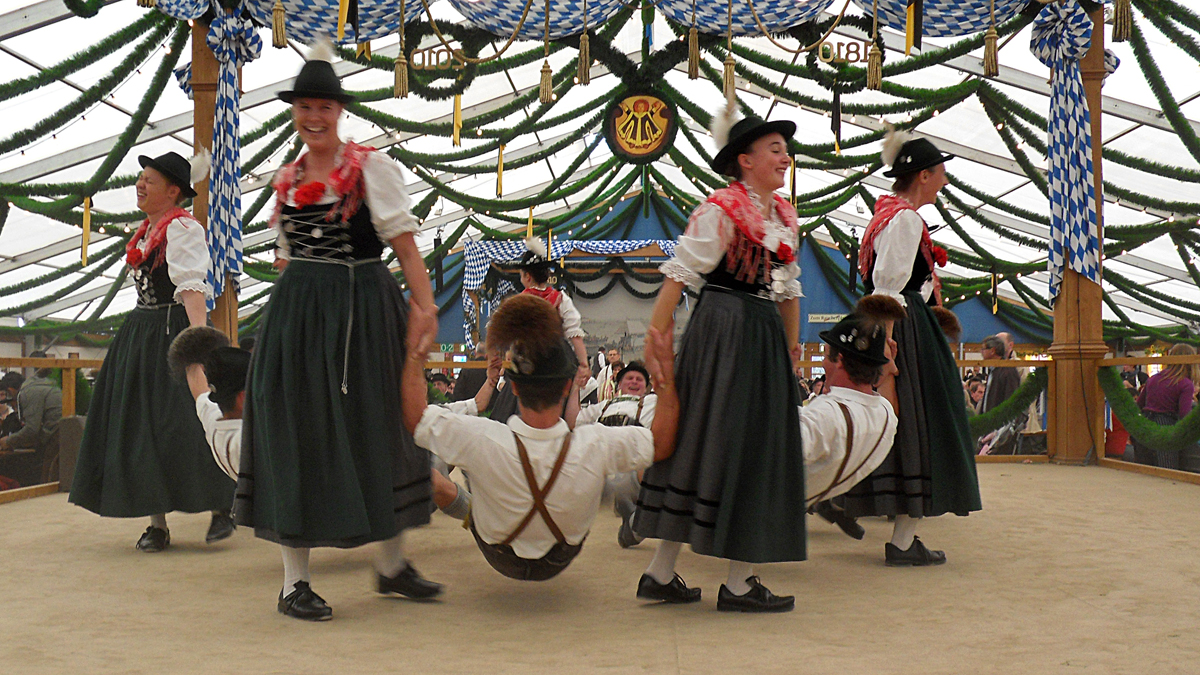
Inside the enormous tents, visitors love to pair their beer with exceptionally hearty and traditional German delicacies. Every year, astronomical quantities of classic sausage, excellent sauerkraut, and the aforementioned crispy roasted chickens are consumed here [15,23].
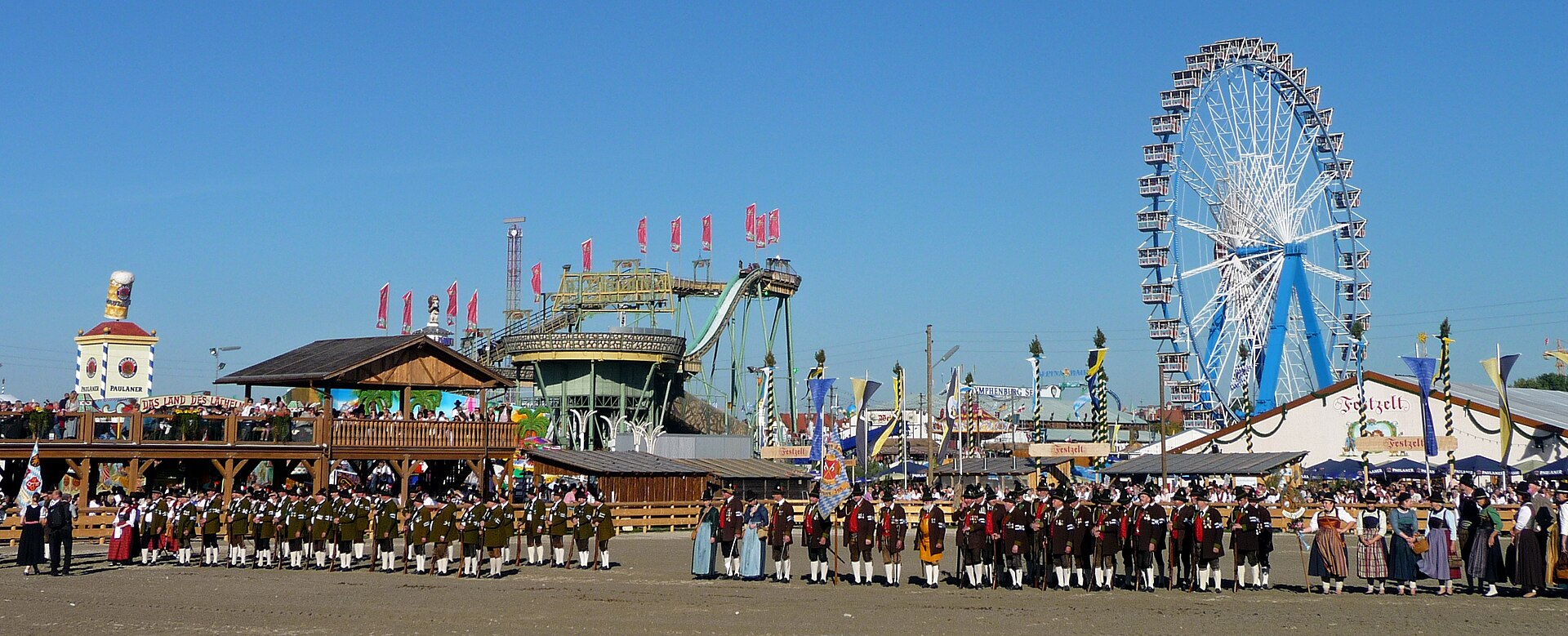
For younger visitors and families with small children, there are dozens of twinkling fairground attractions, including majestic Ferris wheels and even roller coasters [4].
Although Oktoberfest naturally serves today as a shining model for various other European celebrations, many German experts point out that it is merely a commercially massive version of ordinary Volksfests [2]. Right in Germany, it faces successful competition from the massive Cannstatter Volksfest in Stuttgart, where, however, people from outside historic Bavaria no longer wear traditional costumes on such a massive scale [2].
A pleasant, significantly smaller, and—above all—much less touristy local alternative is the equally popular Gäubodenvolksfest in the nearby Bavarian town of Straubing [2].
The incredible phenomenon of Oktoberfest has gradually and confidently spread from Europe to the entire world, and enthusiastic versions of the festival are also organized in the U.S., China, Brazil, and Canada [9].
These international commercial events differ from the Munich original primarily in that they often take place exclusively in October and usually last only a single, fast-paced weekend [8].
Only six local breweries
The most fundamental cultural difference, however, lies in the alcohol itself, which is subject to uncompromising historical standards on German soil [23].
In fact, on Munich’s vast Oktoberfest grounds, only six historic and strictly regulated municipal breweries are permitted to serve their delicious brews [9].
Every beer served must strictly comply with the ancient Bavarian purity law, known internationally as the Reinheitsgebot, and must be physically brewed exclusively within the city limits [18,23].
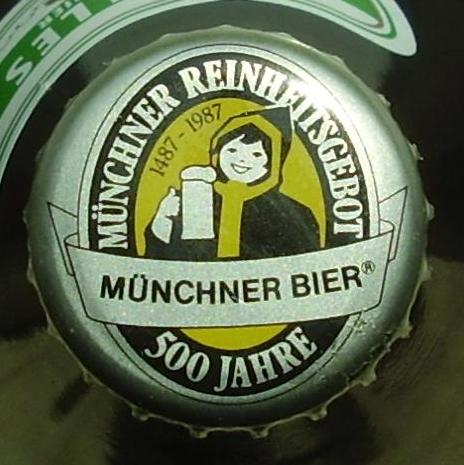
For many years now, the only Bavarian brands with this exclusive special permit have been Paulaner, Spaten, Hofbräu, Augustiner, Hacker Pschorr, and the famous Löwenbräu [18].
In the rapidly advancing 21st century, the famous festival faces many new environmental challenges and is slowly transforming into a visionary model of modern sustainability [21].
A Vision for the Future
For example, the current Oktoberfest runs entirely on local green electricity, while the water collected from the massive washing of beer mugs is intelligently recycled for use in hundreds of restrooms [9].
Furthermore, the Munich City Council promptly introduced an innovative points system for vendors, through which it strictly evaluates sustainable practices with the ambitious goal of achieving complete climate neutrality on the festival grounds [9].
The organizers of this massive event have already quite successfully managed to significantly reduce the amount of waste generated, which has dropped from 247 metric tons in 2008 to just 91 metric tons in 2023 [21].
Festival cuisine is also undergoing a very radical ecological transformation, where vegan and gluten-free alternatives now easily find their way onto the menu alongside meat-heavy dishes [21]. Many of the massive tents now, without exception, offer only strictly certified organic chicken and place much greater emphasis on authentic local ingredients [21].
In addition to this remarkable and dynamic shift toward sustainability, the festival has also been transformed by extensive digitization and a continuous effort to establish the highest possible safety standards [11,21].
Enthusiastic visitors make extensive use of user-friendly mobile apps and modern cashless payment wristbands, while innovative virtual tours further enhance the appeal of this luxury event on an international scale [6,11].
Since 2003, the physical safety of women and vulnerable girls in the crowded throng has been continuously protected by a special “Safe Space” zone and discounted nighttime taxis [21].
All of these groundbreaking changes clearly demonstrate how masterfully this ancient Bavarian event keeps pace with global trends without losing its historic folkloric spirit [5,21]. The future of this mass event therefore looks exceptionally promising in the 21st century, and the festival continues to demonstrate tremendous economic vitality and resilience worldwide.
Even in the face of rising global costs and unpredictable risks, it manages to generate fabulous revenues for the local economy every year, far exceeding one billion euros [9].
The strategic approach of the astute organizers in Munich, who have masterfully balanced the preservation of two-century-old traditions with the implementation of green innovations, is a clear guarantee of both cultural and commercial survival [12].
Future editions of this unforgettable, massive celebration are already carefully planned; for example, in the aforementioned year 2026, crowds will gather from September 19 to October 4 [18].
Thus, an increasingly green, supremely safe, and still just as incredibly joyful beer festival is in the works—one to which enthusiastic visitors will happily raise a toast for generations to come [16,21].
List of References
[1] The History of Oktoberfest https://www.oktoberfesthaus.com/blogs/okt/39278209-the-history-of-oktoberfest
[2] 23 Festivals in Germany OTHER Than Oktoberfest You Need To Attend - WanderInGermany https://www.wanderingermany.com?p=1183
[3] War, Bombs, Cholera, Corona: When Oktoberfest Had to Be Canceled - Oktoberfest.de https://www.oktoberfest.de/en/magazine/war-bombs-cholera-and-the-history-of-oktoberfest
[4] The History of Oktoberfest in Munich - muenchen.de https://www.muenchen.de/en/events/oktoberfest/history-oktoberfest-munich
[5] Oktoberfest: Cultural Significance, Beer Varieties, and Festive Foods - european-quartet.com https://european-quartet.com/oktoberfest-cultural-significance-beer-varieties-and-festive-foods
[6] Oktoberfest – Leavenworth, Washington https://leavenworth.org/oktoberfest
[7] Oktoberfest - A Detailed History & Celebration Guide https://www.craftmastergrowlers.com/oktoberfest-history-celebration-guide
[8] How Oktoberfest Became a September Tradition | HISTORY https://www.history.com/articles/oktoberfest-history-date
[9] Premium Lederhosen & Dirndl Collections https://lederhosens.com/blogs/news/oktoberfest-economic-impact
[10] Has Oktoberfest Ever Been Canceled? https://www.oktoberfesttours.travel/2020/04/21/has-oktoberfest-ever-been-cancelled
[11] Oktoberfest Origins: Customs, Global Influence & Cultural Impact https://travelioo.com/oktoberfest-origins-customs-and-global-influence
[12] The Munich Oktoberfest: From Local Tradition to Global Capitalism Case Study Solution, Strategy Case Solution | Assignment Help https://fernfortuniversity.com/essay/strategy_case/munich-oktoberfest-local-tradition-global-capitalism-1318
[13] What Are the Origins of Oktoberfest? | HISTORY https://www.history.com/articles/oktoberfest-origins
[14] Oktoberfest | Definition, History, Traditions, Outfits, & Facts https://www.britannica.com/topic/Oktoberfest
[15] How did Oktoberfest start, and whose idea was this anyway? - Christian County Now https://christiancountynow.com/news/267762-how-did-oktoberfest-start-and-whose-idea-was-this-anyway
[16] Oktoberfest: A Deep Dive into Germany's Iconic Beer Fest - https://socialstudieshelp.com/oktoberfest-a-deep-dive-into-germanys-iconic-beer-fest
[17] Oktoberfest: History and Traditions - Hempler's Foods https://hemplers.com/oktoberfest-history-and-traditions
[18] Oktoberfest Munich, Germany 2026 & 2027: What You Need to Know https://www.oktoberfesttours.travel/oktoberfest-munich
[19] Oktoberfest Cancellations Throughout History | Craft Beering https://www.craftbeering.com/oktoberfest-cancelled-timeline-oktoberfest-cancellations
[20] Oktoberfest History: Origins of the Festival https://www.oktoberfesttours.com/oktoberfest/history-of-oktoberfest
[21] Tradition Meets Sustainability and Vegan Diversity | COCOON HOTELS https://cocoon-hotels.com/en/cocoon-magazin/oktoberfest-tradition-meets-sustainability-and-vegan-diversity
[22] The Origins of Oktoberfest: A Royal Celebration https://www.mayflowercruisesandtours.com/the-origins-of-oktoberfest-royal-celebration
[23] The History & Traditions of Oktoberfest in Munich, Germany https://www.oktoberfesttours.travel/oktoberfest-munich/history-tradition
[24] Overview of the History of Oktoberfest in Munich & How It Got Started https://www.bigboytravel.com/europe/germany/munich/oktoberfest/the-history-of-okt