Down with the flu!
Vaccination is one of the most effective public health tools in human history.
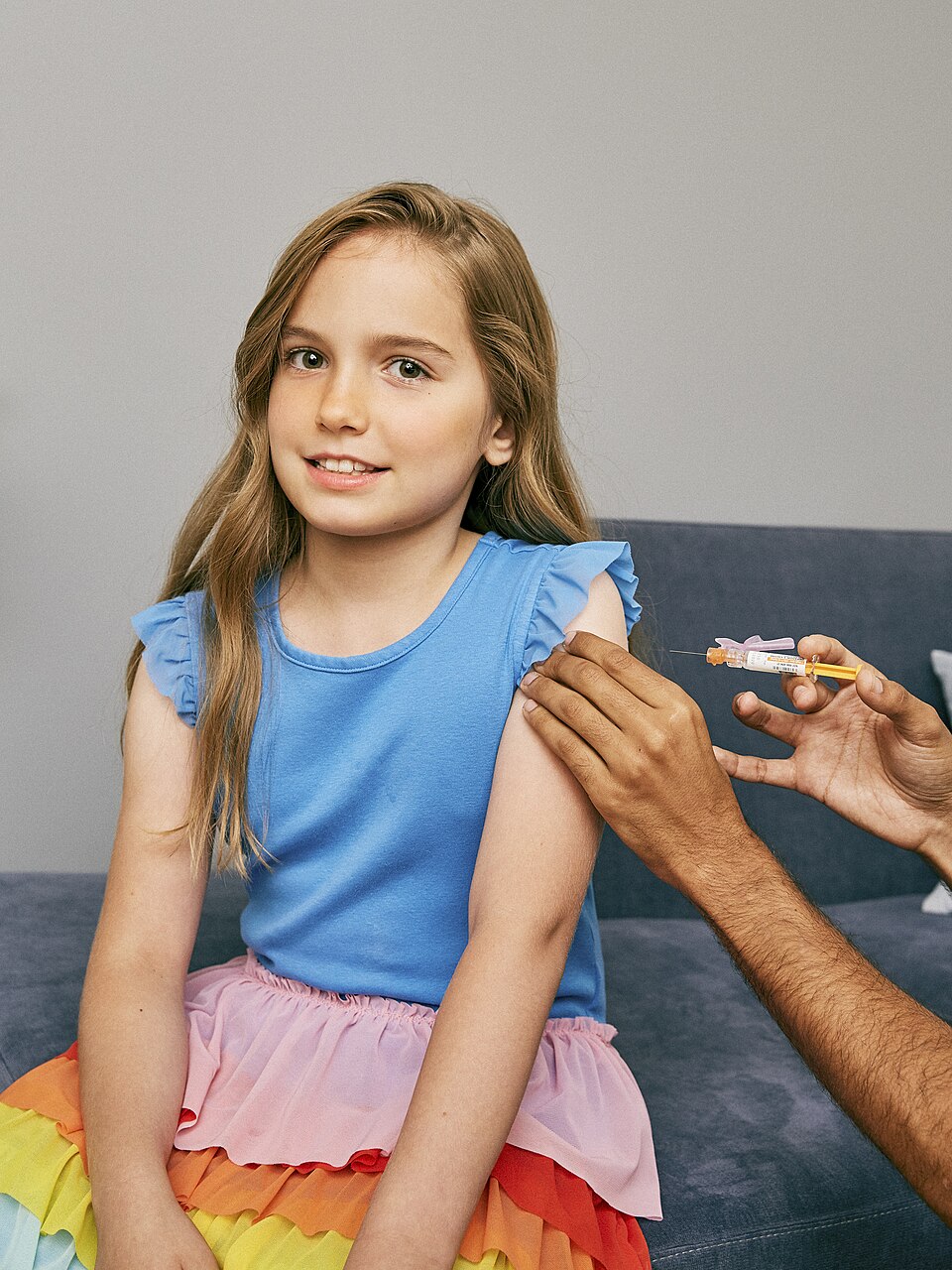
Thanks to widespread immunization, 3.5 to 5 million deaths from various infectious diseases are prevented each year [4]. An integral part of this fascinating story of medical progress is the ongoing battle against the ever-changing seasonal flu virus.
The “Spanish” Killer
The origins of the influenza vaccine date back to the grim period of the devastating Spanish flu pandemic of 1918–1919.
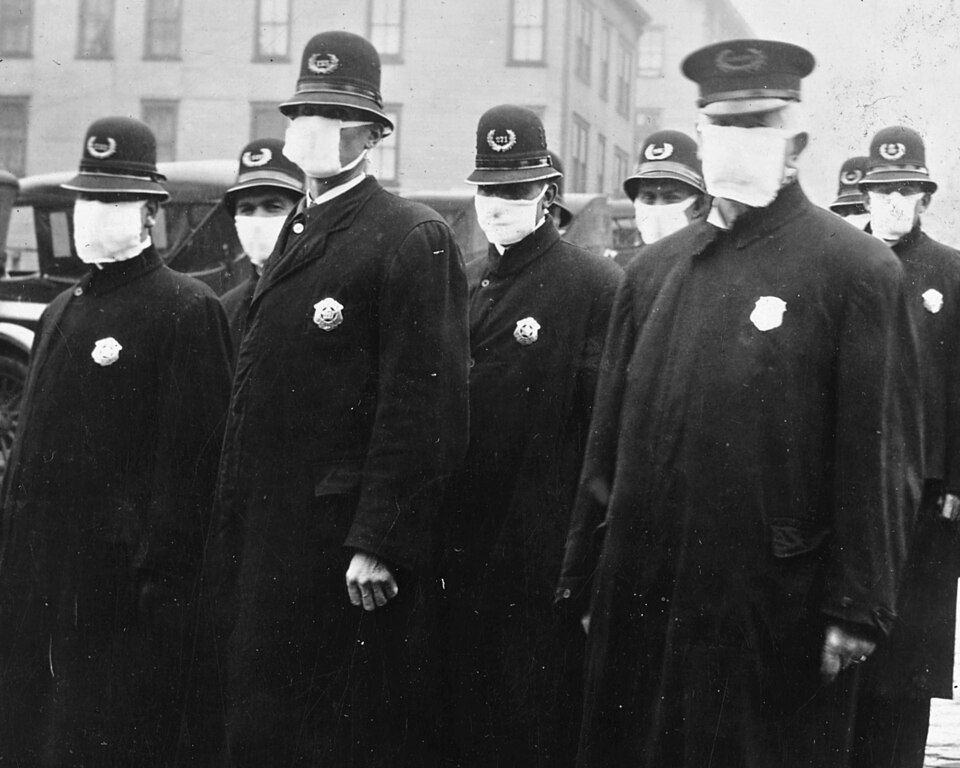
This catastrophe claimed the lives of an estimated 20 to 50 million people worldwide, including one out of every 67 American soldiers [25].
Protecting the troops thus logically became an absolute priority for the United States Army [25].
As early as 1918, the U.S. Army Medical School tested the first two million doses of an early vaccine.
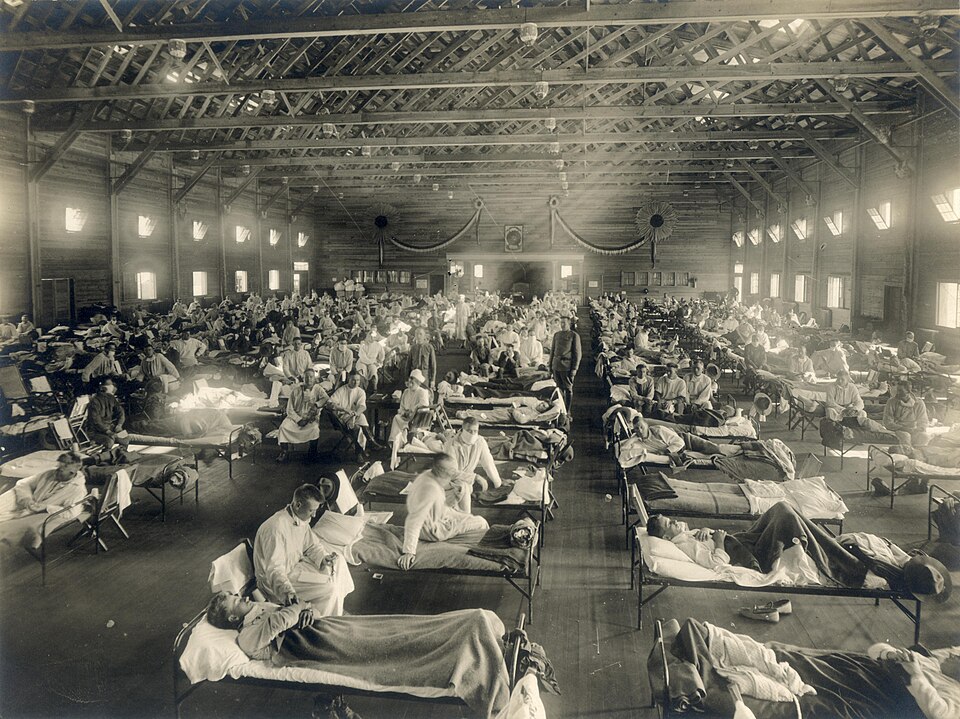
However, these initial attempts yielded inconclusive results, and a true breakthrough required several more decades of scientific research [25].
A major breakthrough did not occur until the influenza virus itself was studied more thoroughly in the 1930s.
Research
New clinical trials of vaccines using so-called inactivated virus began in the mid-1930s on British soldiers [15], [22].
In 1937, a pivotal study was conducted in England in which military units were administered a vaccine derived from an inactivated strain isolated from mouse lungs [16]. Subsequently, research intensified again in the United States with significant support from the military [22].
In 1938, renowned researchers Thomas Francis Jr. and Jonas Salk succeeded in protecting U.S. military forces against this disease [17], [18].
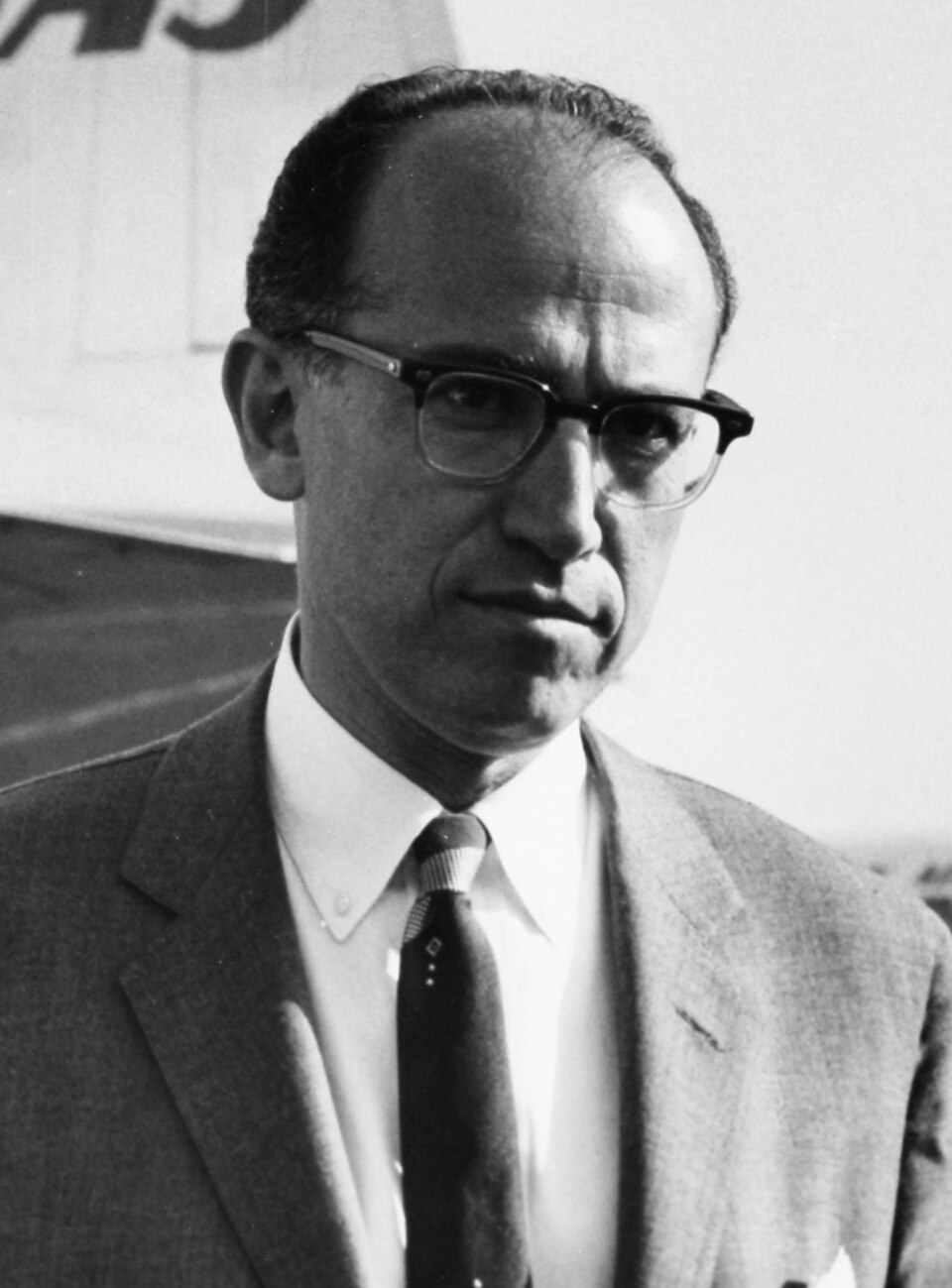
They developed the first inactivated vaccine, which offered protection against both influenza A and B [22]. The vaccine was officially approved for military use in the U.S. in 1945 and subsequently in 1946 for the general civilian population as well [22], [24].
The work on this vaccine had a tremendous impact on the overall history of global vaccination. Jonas Salk later drew on his valuable experience from this research to develop an extremely important vaccine against polio in 1952 [17], [18]. That same year, the World Health Organization (WHO) established the first global surveillance system for circulating influenza strains [20].
The Evolving Vaccine “Cocktail”
This innovative surveillance system enabled experts to determine the correct composition of seasonal vaccines based on the epidemiology of the previous season [20].
In response to another deadly pandemic from 1957 to 1958, the U.S. Surgeon General recommended annual vaccination for specific at-risk groups in 1960.
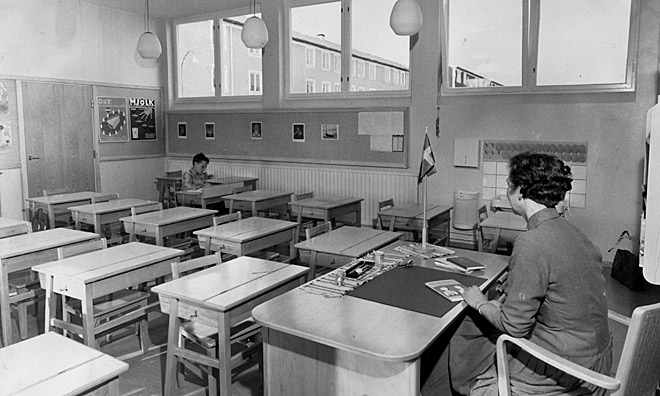
He classified people with chronic diseases, seniors over 65, and pregnant women as vulnerable groups [9].
Support for Vulnerable Groups
Target groups for seasonal vaccination have gradually expanded across countries, but the focus on the most vulnerable has remained.
To this day, the WHO prioritizes vaccination for pregnant women, children under five, seniors, healthcare workers, and patients with underlying medical conditions [40].
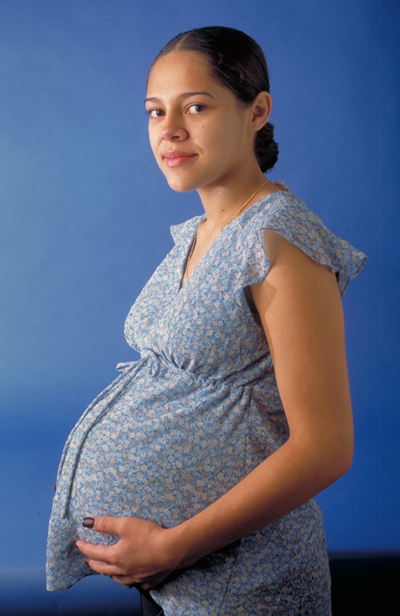
The United States has even implemented a recommendation to vaccinate all individuals older than six months [5], [9].
Health authorities in densely populated Hong Kong have adopted an interesting approach to protecting at-risk populations.
Experts there recommend vaccination not only for the usual vulnerable groups but also for laboratory staff, poultry workers, and personnel at pig slaughterhouses [37].
In this way, they are actively working to prevent the potential transmission of animal viruses to the human population.
The Silent Killer
The reasons for prioritizing these groups are clearly supported by alarming medical statistics from around the world. In the United States alone, an estimated 40 million people fell ill during the 2023–2024 flu season [1].
This surge led to 470,000 hospitalizations and claimed as many as 28,000 lives, including 724 children [1].
This respiratory disease regularly takes the heaviest toll among the elderly.
During the aforementioned U.S. flu season, seniors over the age of 65 accounted for as many as 68% of all deaths and half of all hospitalizations [1].
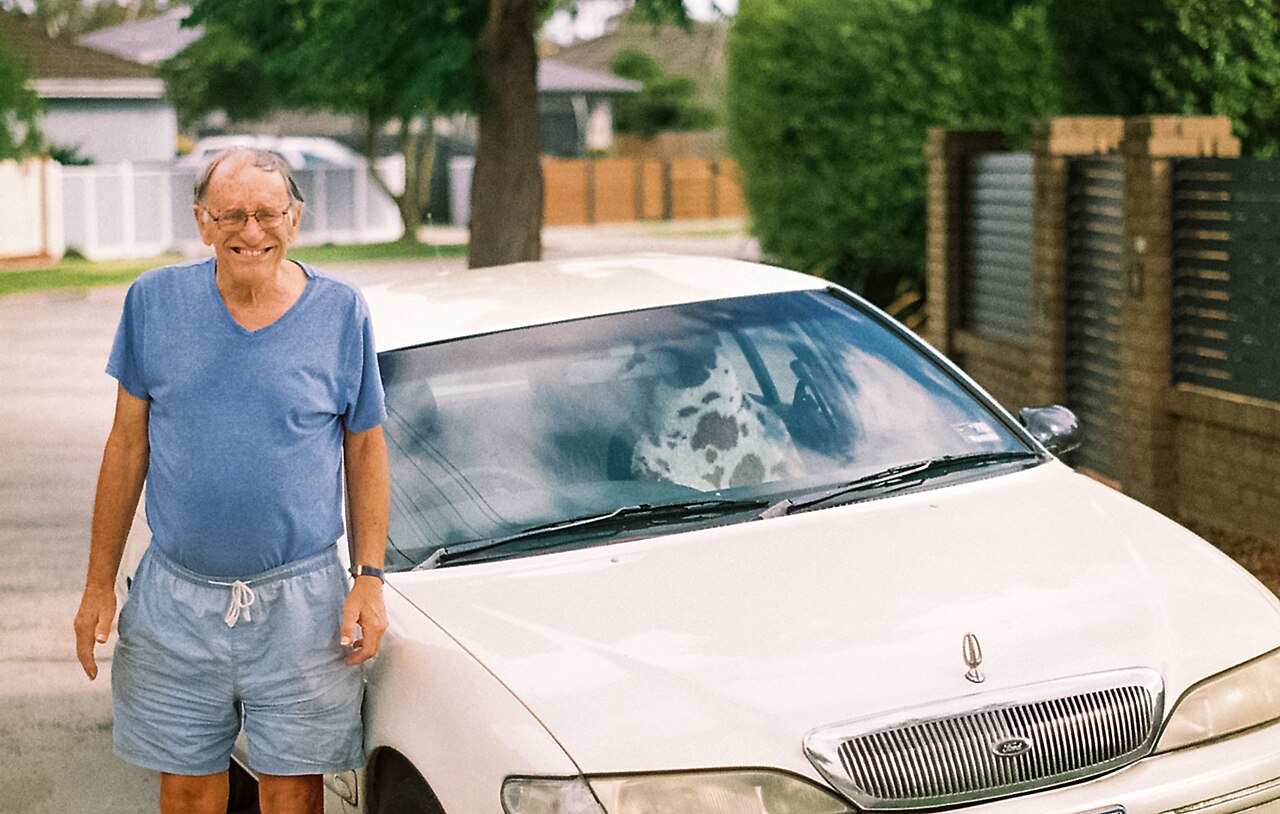
In older people, the effectiveness of the standard vaccine decreases due to the aging of the immune system, a phenomenon known as immunosenescence [19].
In response to this specific problem, U.S. authorities approved a special high-dose vaccine in 2009.
This innovative formulation contains four times the amount of antigens as the traditional vaccine, thereby providing much better protection for older patients [19].
Protecting seniors is all the more important because they are among the groups most susceptible to serious lung and heart complications associated with the infection [10].
Widespread Lack of Interest
Although the benefits of vaccination are medically indisputable, voluntary uptake among the global population remains surprisingly low. A recent large-scale meta-analysis, which included more than 500 studies from 68 countries, revealed a global average vaccination rate of only 24.9% [29].
The results clearly show that, on a global scale, only about a quarter of people seek out the vaccine.
However, some countries significantly deviate from the global average in these statistics and set an example for the world.
The clear leader is South Korea, where approximately 86% of the population receives the seasonal flu vaccine each year [28].
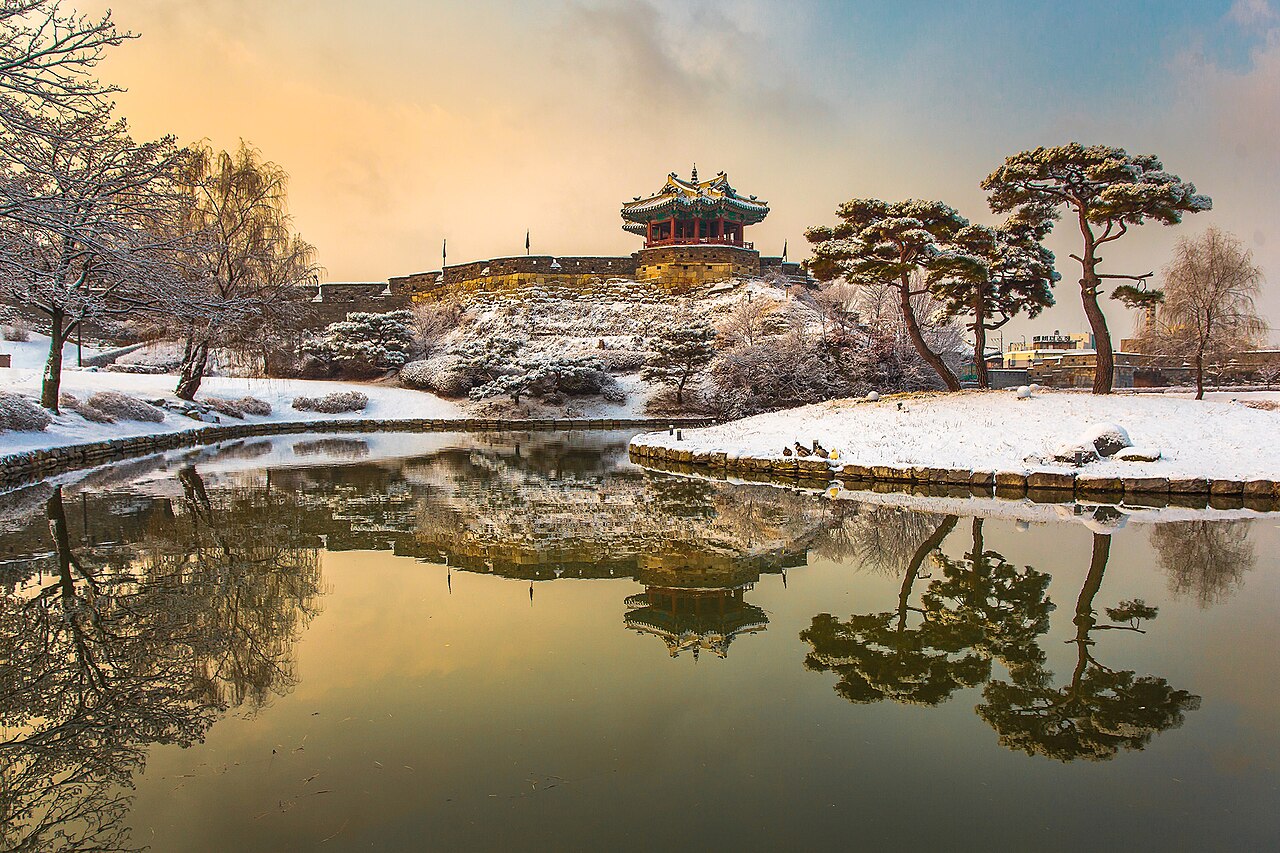
Another successful country is Chile, which—along with South Korea—is the only one to exceed the “magic” 80 percent threshold [28].
In Europe, there are relatively significant differences in vaccination coverage among the at-risk population aged 65 and older. While England and Denmark have some of the highest coverage rates among OECD countries, Germany and Belgium have the lowest [14].
The success of prevention often depends on the design of national health policies and the accessibility of the vaccines themselves.
For example, in Australia and Italy, flu vaccines are offered to at-risk population groups completely free of charge [11], [27].
Taiwan has a similarly generous policy for people over 65, which local experts consider the main reason for the high vaccination rate among seniors [26].
An even more decisive step was taken in Saudi Arabia, where the Ministry of Health mandated annual vaccination for all healthcare workers [32].

Governments and international organizations are striving to promote vaccination through various creative means to overcome public apathy.
The WHO, for example, creates social media content and educational videos focused on how vaccines are made and why they save lives [40].
Local public health campaigns, in turn, are working to make vaccines more accessible to young people by administering them outside of hospitals—for example, at workplaces or universities [26].
The COVID Era
The recent COVID-19 pandemic has undoubtedly brought about a fundamental shift in the perception and practice of flu vaccination.
In 2020, experts from around the world warned of a dire scenario known as a “twindemic”—the simultaneous and equally severe spread of the coronavirus and the flu [23].
This well-founded fear of hospital overcrowding immediately spurred a massive increase in demand for the seasonal vaccine [13].
During the first phase of the pandemic in the 2020–2021 season, vaccination rates rose significantly worldwide compared to the pre-pandemic period [2].

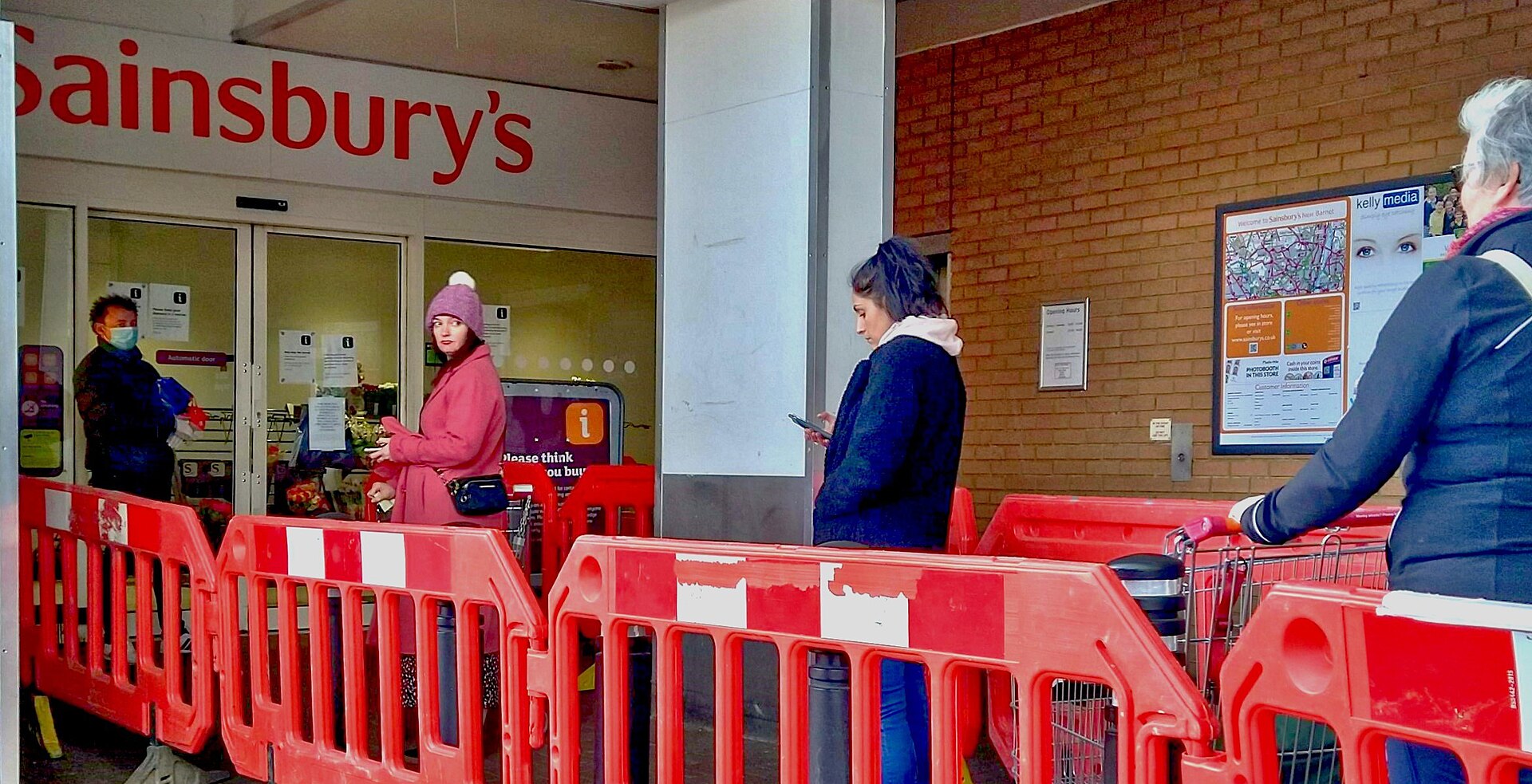
For example, in the United States, the number of doses administered at the end of 2020 increased by 9% compared to previous seasons [33]. In Greece, during this critical period, vaccination coverage rose from a solid 76% to an impressive 83% [30].
There was also extreme demand for protection in Australia, where the government moved quickly to implement innovative logistical measures.
The government made vaccinations available in open parking lots, community centers, and churches so that people could safely maintain social distancing [12]. Demand was so enormous that the government had to ask Seqirus to expedite the production of an additional two million vaccine doses [11], [12].
The pandemic also forced many healthcare workers—who are a high-risk group due to their contact with patients—to reevaluate their priorities.
At one Italian oncology institute, staff vaccination rates reached a historic high of 53.8% during the pandemic season [27].
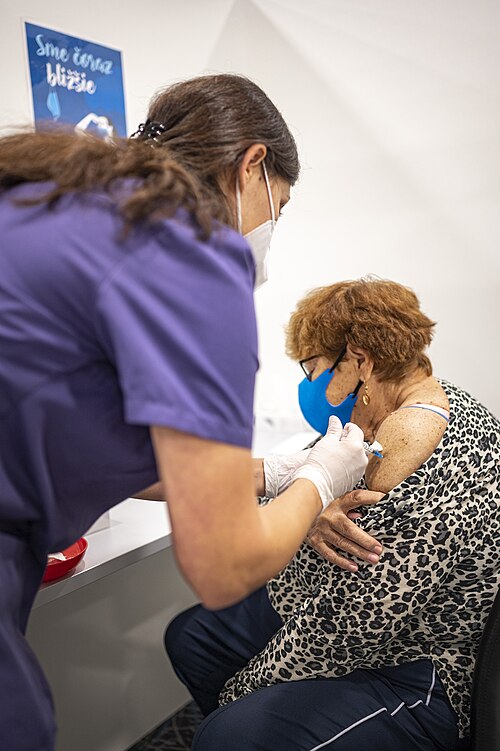
This represented a massive increase of nearly 30% compared to the period before the emergence of the novel coronavirus [27].
All signs pointed to humanity having adopted a more responsible approach to the prevention of respiratory infections. In addition to the desire to protect oneself and others, fear of the severity of the disease itself—at a time of limited access to healthcare—also played an important role [34].
However, this unexpected boom in flu vaccinations did not last long, and once the main threat had subsided, an unexpected decline followed.
Post-Pandemic Decline
As early as the 2021–2022 seasons and subsequently in the years 2022–2024, global statistics began to show a steep downward trend [2], [21].
In the United States, an annual decline in vaccination rates of 2.3 percentage points was recorded, while in the U.S. as a whole, the adult vaccination rate fell by a total of 21% [21], [31]. Paradoxically, the decline affected most notably those groups for whom the flu is most dangerous.
In the U.S., vaccination rates among seniors over 65 fell from nearly 65% to 49.2% [21].

American pediatricians also observed a drastic decline among young children and adolescents. During the pre-pandemic winter, more than 56% of young people were vaccinated, but by the 2022–2023 season, this figure had fallen to just 43.6% [42].
This alarming trend is also confirmed by data from states that previously had nearly exemplary results from their immunization campaigns.
In South Korea, a global leader in this area, vaccination rates fell by more than 10% across the board [38]. This decline occurred despite the existence of free national programs, particularly among seniors and chronically ill patients with lower incomes and educational levels [38], [39].
Experts in Australia have reported the same demographic issue. The vaccination rate there among people over 65 has recently plateaued at around sixty percent, which is well below the figures from previous successful seasons [41].
Many experts predicted that months of constant focus on the coronavirus would lead to widespread vaccine fatigue in society [10].
Global scientific studies unequivocally confirm this pessimistic assumption. The reduced willingness to get vaccinated was undoubtedly driven not only by the aforementioned vaccine fatigue but also by the mistaken belief that masks and social distancing had completely eliminated the threat of the flu [6].
However, the uncontrolled spread of online misinformation played an unprecedented role in this global failure.
The false myths that accompanied the rollout of COVID-19 vaccines have dangerously spilled over into people’s attitudes toward the regular seasonal flu vaccine [35], [36].
Experts agree that this widespread wave of misinformation has seriously eroded the trust that had previously existed in science and public health practices [7], [8].
To return to safe vaccination coverage rates, the world will need to systematically rebuild lost public trust and revive an understanding of individual health risks [3].
List of References
[1] Preliminary Estimated Flu Disease Burden 2023–2024 Flu Season|Flu Burden|CDC. Available online: https://www.cdc.gov/flu-burden/php/data-vis/2023-2024.html (accessed on 17 December 2024).
[2] McLean, H.Q.; Belongia, E.A. Influenza Vaccine Effectiveness: New Insights and Challenges. Cold Spring Harb. Perspect. Med. 2021, 11, a038315.
[3] Epidemiological Transitions in Influenza Dynamics in the United States: Insights from Recent Pandemic Challenges https://www.mdpi.com/2076-2607/13/3/469
[4] WHO. Vaccines and immunization: World Health Organization; 2025 [Available from: https://www.who.int/health-topics/vaccines-and-immunization#tab=tab_1
[5] CDC. Seasonal Flu Vaccine Basics. Centers for Disease Control and Prevention; 2024 [Available from: https://www.cdc.gov/flu/vaccines/index.html
[6] CDC. About Estimated Flu Burden. Centers for Disease Control and Prevention; 2024.
[7] Welch VL, Metcalf T, Macey R, Markus K, Sears AJ, Enstone A, et al. Understanding the Barriers and Attitudes toward Influenza Vaccine Uptake in the Adult General Population: A Rapid Review. Vaccines (Basel). 2023; 11 (1): 180. doi: doi:10.3390/vaccines11010180 PMID:36680024 PMCID:PMC9861815
[8] Skyles TJ, Stevens HP, Obray AM, Jensen JL, Miner DS, Bodily RJ, et al. Changes in Attitudes and Barriers to Seasonal Influenza Vaccination from 2007 to 2023. J Community Health. 2024; 49 (2): 207 – 17. doi: doi:10.1007/s10900-023-01277-7 PMID:37697225
[9] Influenza Historic Timeline 1930 and Beyond | Pandemic Influenza (Flu) | CDC https://archive.cdc.gov/www_cdc_gov/flu/pandemic-resources/pandemic-timeline-1930-and-beyond.htm
[10] Flu season 2021/22 is approaching: flu vaccination may be more important than ever to protect the most vulnerable | IFPMA https://www.ifpma.org/insights/flu-season-2021-22-is-approaching-flu-vaccination-may-be-more-important-than-ever-to-protect-the-most-vulnerable
[11] Stepping up flu vaccine supply - Seqirus to supply additional two million flu vaccines to Australia . 19 April 2020. https://www.seqirus.com.au/news/seqirus-to-supply-additional-two-million-flu-vaccines-to-australia (Accessed 8 July 2020).
[12] What If Flu and COVID-19 Overlap? Australia Is Trying to Avoid That Scenario . Healthline. 11 May 2020.https://www.healthline.com/health-news/australia-dealing-with-possible-flu-covid-combination (Accessed 8 July 2020).
[13] Seasonal influenza vaccination during a pandemic - PMC https://pmc.ncbi.nlm.nih.gov/articles/PMC7553691
[14] Adult flu vaccination coverage | Nuffield Trust https://www.nuffieldtrust.org.uk/resource/adult-flu-vaccination-coverage
[15] Davenport FM. The search for the ideal influenza vaccine Post-graduate Medical Journal 1979 55 78 86 doi:10.1136/pgmj.55.640.78 PMCID:PMC2425372 PMID:461277
[16] Francis T. Vaccination against influenza Bull World Health Org 1953 8 725 741 PMID:13094502 PMCID:PMC2554195
[17] Parodi V, Florentiis D, Martini M, Ansaldi F. Inactivated influenza vaccines: recent progress and implications for the elderly Drugs Aging 2011 28 93 106 PMID:21275435 doi:10.2165/11586770-000000000-00000
[18] Barberis I, Martini M, Iavarone F, Orsi A. Available influenza vaccines: immunization strategies, history and new tools for fighting the disease J Prev Med Hyg 2016 57 E41 E46 PMID:27346939 PMCID:PMC4910442
[19] Falsey AR, Treanor JJ, Tornieporth N, Capellan J, Gorse GJ. Randomized, double-blind controlled phase 3 trial comparing the immunogenicity of high-dose and standard-dose influenza vaccine in adults 65 years of age and older J Infect Dis 2009 200 172 180 PMID:19508159 doi:10.1086/599790
[20] WHO Global Influenza Surveillance Network (GISN) http://www.who.int/influenza/gisrs_laboratory/en/ [Accessed 20/9/2016].
[21] The impact of the COVID-19 pandemic on influenza vaccination: A multi-year interrupted time series analysis https://www.sciencedirect.com/science/article/pii/S1201971225002395
[22] The “History” of the Flu Vaccine From 1940 to 2030? - FluCamp https://flucamp.com/the-history-of-the-flu-vaccine-from-1940-to-2030
[23] Identification of groups at high risk for under-coverage of seasonal influenza vaccination: A national study to inform vaccination priorities during the COVID-19 pandemic - PMC https://pmc.ncbi.nlm.nih.gov/articles/PMC8677422
[24] /teams/global-influenza-programme/vaccines
[25] https://artsandculture.google.com/story/wwVRjxWcNcJiqw
[26] Differences and Disparities in Seasonal Influenza Vaccine, Acceptance, Adverse Reactions, and Coverage by Age, Sex, Gender, and Race - PMC https://pmc.ncbi.nlm.nih.gov/articles/PMC8551304
[27] How has COVID-19 pandemic changed flu vaccination attitudes among an Italian cancer center healthcare workers? - PMC https://pmc.ncbi.nlm.nih.gov/articles/PMC8903766
[28] Flu Vaccination Rates by Country 2026 https://worldpopulationreview.com/country-rankings/flu-vaccination-rates-by-country
[29] Chen C, Liu X, Yan D, Zhou Y, Ding C, Chen L, Lan L, Huang C, Jiang D, Zhang X, et al. Global influenza vaccination rates and factors associated with influenza vaccination. Int J Infect Dis. 2022;125:153–163. doi: 10.1016/j.ijid.2022.10.038.
[30] Arriola CS, El Omeiri N, Azziz-Baumgartner E, Thompson MG, Sotomayor-Proschle V, Fasce RA, Von Horoch M, Enrique Carrizo Olalla J, Aparecida Ferreira de Almeida W, Palacios J, et al. Influenza vaccine effectiveness against hospitalizations in children and older adults—data from South America, 2013–2017. A test negative design. Vaccine: X. 2019;3:100047. doi: 10.1016/j.jvacx.2019.100047.
[31] Nogareda F, Gharpure R, Contreras M, Velandia M, Lucia Pacis C, Elena Chevez A, Azziz-Baumgartner E, Salas D. Seasonal influenza vaccination in the Americas: progress and challenges during the COVID-19 pandemic. Vaccine. 2023;41(31):4554–4560. doi: 10.1016/j.vaccine.2023.06.024.
[32] Alkathlan M, Khalil R, Alhemaidani MF, Alaed GH, Almutairi SM, Almalki HA, Alghofaili RH, Al-Wutayd O. Trends, uptake, and predictors of influenza vaccination among healthcare practitioners during the COVID-19 pandemic flu season (2020) and the following season (2021) in Saudi Arabia. J Multidiscip Healthcare. 2021;Volume 14:2527–2536. doi: 10.2147/JMDH.S330029.
[33] Roman PC, Kirtland K, Zell ER, Jones-Jack N, Shaw L, Shrader L, Sprague C, Schultz J, Le Q, Nalla A, et al. Influenza vaccinations during the COVID-19 pandemic — 11 U.S. Jurisdictions, September–December 2020. MMWR Morb Mortal Wkly Rep. 2021;70(45):1575–1578. doi: 10.15585/mmwr.mm7045a3.
[34] Kong G, Lim N-A, Chin YH, Ng YPM, Amin Z. Effect of COVID-19 pandemic on influenza vaccination intention: a meta-analysis and systematic review. Vaccines. 2022;10(4):606. doi: 10.3390/vaccines10040606.
[35] Puertas EB, Velandia-Gonzalez M, Vulanovic L, Bayley L, Broome K, Ortiz C, Rise N, Vera Antelo M, Rhoda DA. Concerns, attitudes, and intended practices of Caribbean healthcare workers concerning COVID-19 vaccination: a cross-sectional study. Lancet Reg Health–Am. 2022;9:100193. doi: 10.1016/j.lana.2022.100193.
[36] Soo RJJ, Chiew CJ, Ma S, Pung R, Lee V. Decreased influenza incidence under COVID-19 control measures, Singapore. Emerg Infect Dis. 2020;26(8):1933. doi: 10.3201/eid2608.201229.
[37] Centre for Health Protection - Frequently Asked Questions on Seasonal Influenza Vaccination for the 2026-27 Season in Hong Kong https://www.chp.gov.hk/en/features/100764.html
[38] Kim DJ, Cho KH, Kim S, et al. Influenza vaccination before and during the COVID-19 pandemic in the elderly in South Korea. J Infect Public Health, 2023; 17, 503−8.
[39] Guan HY, Zhang LD, Chen XZ, et al. Enhancing vaccination uptake through community engagement: evidence from China. Sci Rep-UK, 2024; 14, 10845.
[40] Immunization, Vaccines and Biologicals https://www.who.int/teams/immunization-vaccines-and-biologicals/diseases/seasonal-influenza
[41] National Centre for Immunisation Research and Surveillance (2024) Influenza vaccination cumulative % coverage by age group – all people. NCIRS. https://ncirs.org.au/influenza-vaccination-coverage-data/all-people-2020-2024-ytd (accessed 11 August 2024)
[42] Rane MS, Gopalan G, Nahmias J, Rinke ML, Teasdale CA. Influenza vaccination trends among children and adolescents, 2017-2023. JAMA Netw Open. 2026;9(6):e2617332. doi:10.1001/jamanetworkopen.2026.17332