Hamas proclaims: Israel must be destroyed!
October 7, 2023, will forever be etched in the history of the Middle East as the day one of the bloodiest attacks on Israel was launched.
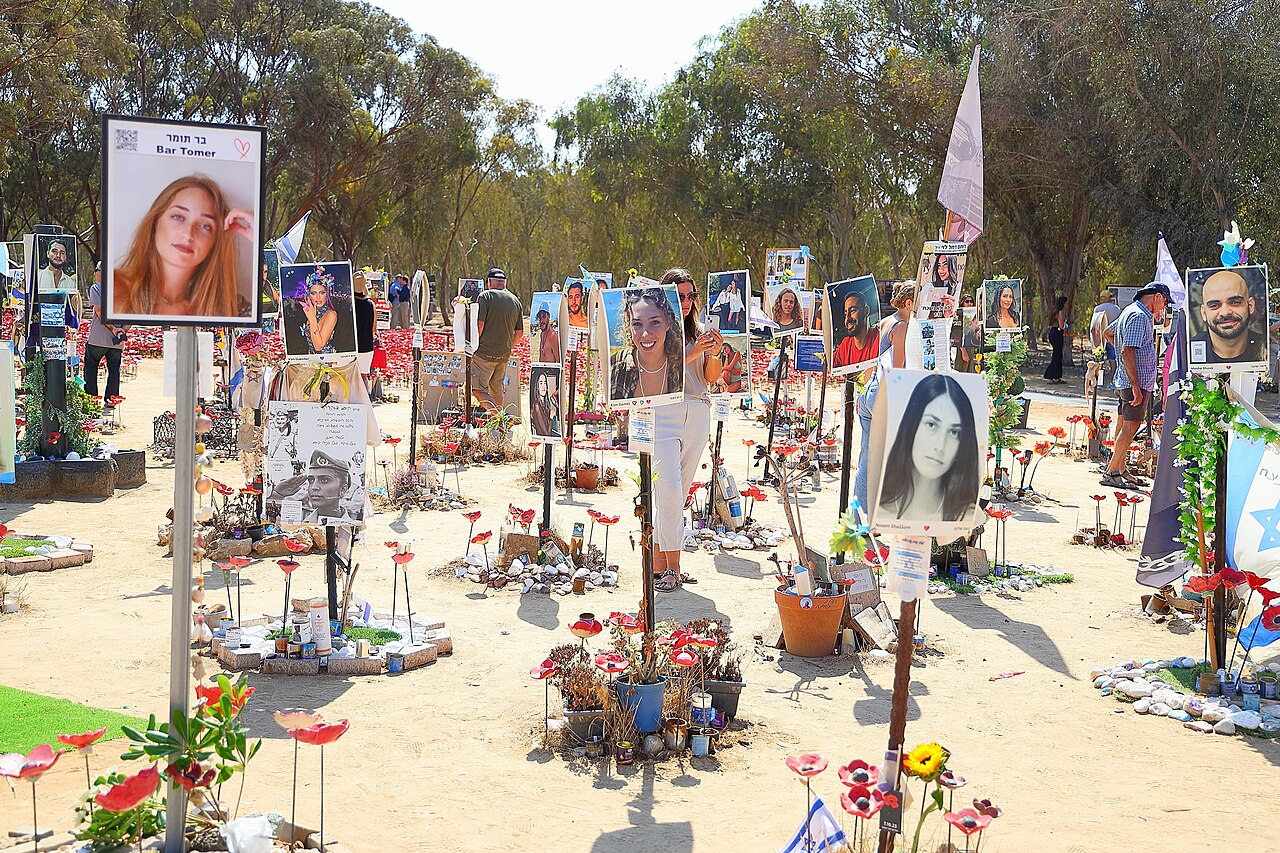
This moment not only triggered a devastating war in Gaza, but also plunged the entire region into ongoing political and humanitarian chaos. Behind this unprecedented attack stands the Hamas movement, whose strategic moves and radical motivations continue to shape global politics to this day.
Unassuming Beginnings
To understand this complex conflict, it is essential to take a closer look at the perpetrator of the attack itself. Who exactly makes up Hamas, what are its true goals, and how did it manage to establish such a dominant position? Let’s lift the veil together on the history and inner workings of this tightly structured organization.

The Hamas movement—an Arabic acronym meaning “Islamic Resistance Movement”—was founded in December 1987 [34,63,68]. This occurred during the outbreak of the First Intifada, a mass Palestinian uprising directed against the Israeli occupation at the time [14,28,33,34].
Hamas was originally established as a new political wing and a direct offshoot of the Egyptian Muslim Brotherhood operating in the Gaza Strip [30,34,63].
The Palestinian cleric Sheikh Ahmed Yassin is historically regarded as the movement’s principal founding father [30,34,47,63].
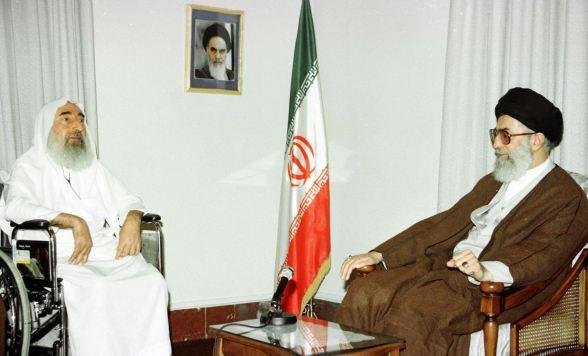
Along with him, a close circle of other leaders contributed to the movement’s founding, including prominent figures such as Abdel Aziz Ali Abdul Majid al-Rantisi, Muhammad Taha, and Ibrahim Al-Yazouri [11,12,13,30].
Yassin and his associates succeeded in transforming the underground networks of the Muslim Brotherhood into an entirely new, autonomous organization that combined religious fundamentalism with a military wing [47,57].
The goal is clear
From the very beginning, Hamas’s political goals have been exceptionally clearly and radically defined. In its founding charter of 1988, the movement declared that its ultimate goal is the destruction of Israel and the establishment of an Islamic society throughout the historic territory of Palestine [34,63,66].
The movement’s charter rejected any peaceful solutions and asserted that the Palestinian question could be resolved exclusively through armed jihad [18,30].
Over the years, Hamas has sought to make certain tactical improvements to its international image.
In 2017, it issued a new political document in which it conditionally accepted the idea of a Palestinian state within the 1967 borders, but continued to staunchly refuse to formally recognize Israel’s right to exist [15,35,48,57].
Despite these cosmetic changes and its distancing from the Muslim Brotherhood, the movement has never abandoned its long-standing ideological vision of establishing a single Islamic state [16,17,48].
Terrorists Want to Restore the Caliphate
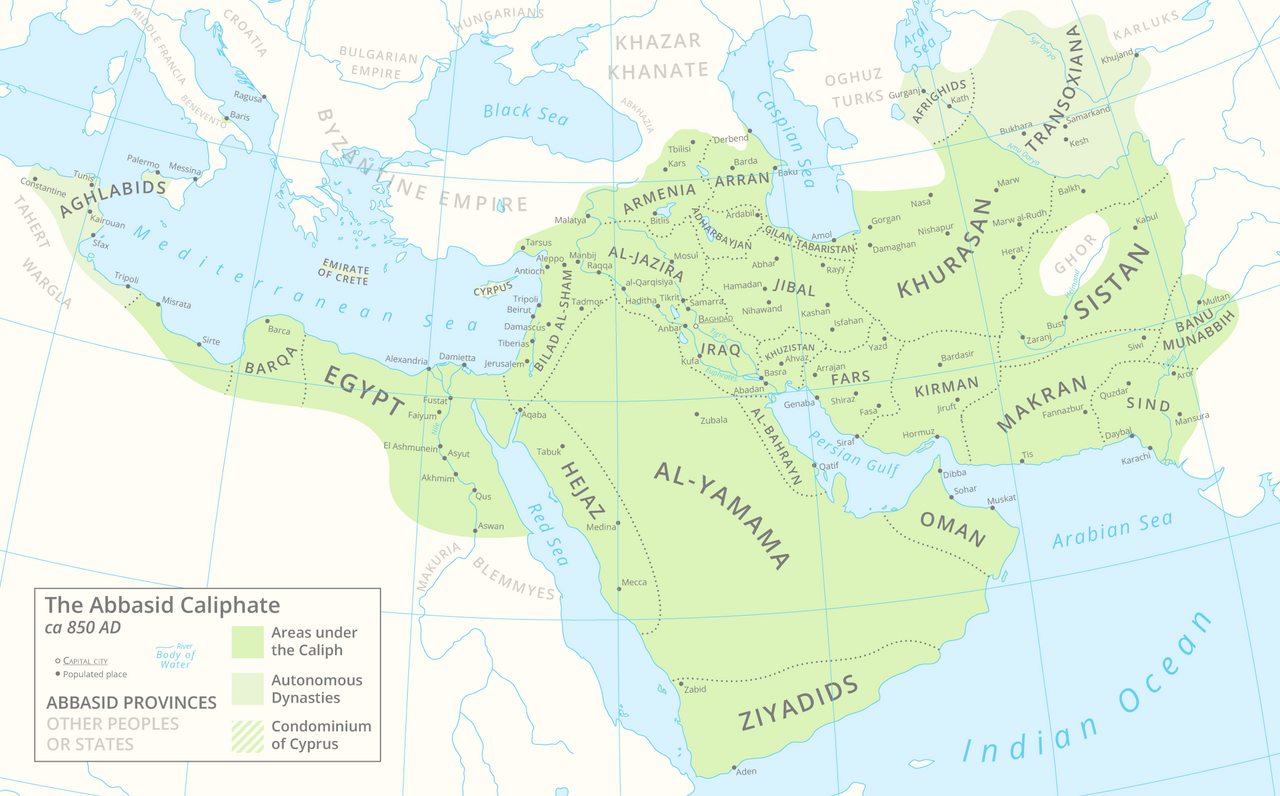
In its fundamental theology, Hamas is in complete agreement with other Islamist groups that yearn to restore the medieval Islamic caliphate in the Middle East. It differs from them only in that it views the destruction of the State of Israel as a necessary and first phase of this global effort [1].
For this organization, armed resistance is a key element of its identity and the only relevant tool for achieving Palestinian self-determination [28,48].
Given its extreme ideology and long history of bloody attacks, including suicide bombings targeting civilians, the international community has responded very unequivocally.
Dozens of countries around the world have officially designated Hamas as a dangerous terrorist organization [19,34,65].
The United States did so as early as 1995 and 1997, and was gradually joined by key players such as the European Union, Canada, Japan, and the United Kingdom [20,21,33,59,70].
Many other countries, such as Australia, New Zealand, Paraguay, Costa Rica, and Ecuador, have imposed similar strict sanctions. However, some of these countries had previously designated only the military wing of the movement—known as the Izz al-Din al-Qassam Brigades—as a terrorist organization [19,21,22,33,59].
It remains noteworthy, however, that the United Nations (UN) does not designate Hamas as a terrorist group, while countries such as Qatar and Turkey have in the past provided it with valuable sanctuary and support [27,56,69].
Taking Control of Gaza
Hamas’s path to absolute political power in the Gaza Strip began rather unexpectedly with its entry into official politics. In January 2006, the movement shocked the entire world when it won the Palestinian parliamentary elections by a landslide, defeating its longtime secular rival, the Fatah party, which had been led by Yasser Arafat from 1959 to 2004 [3,23,28,49].
Hamas won as many as 74 of the 132 parliamentary seats, which immediately triggered enormous security and political tensions throughout the region [49,64].
This fragile and unstable situation did not last long, as it quickly culminated in an extremely bloody civil war in June 2007.
In the course of a single week of brutal street fighting, Hamas completely crushed Fatah’s security forces and assumed absolute military and political control over the Gaza Strip [4,30,34,50,58].
The remaining Fatah leaders and fighters were driven out of Gaza, and their formal power has since been limited to the occupied West Bank [4,28,58,62].

The speed, precision, and brutality of this strategic victory were staggering to many analysts. The operation had been carefully planned by Hamas months in advance and even involved secretly tunneling under Fatah’s strategic buildings [60].
This marked a crushing defeat not only for Fatah but also for the United States and Israel, which had previously sought to heavily arm and train their secular Palestinian allies [60].
The Fateful Attack
Less than two decades later, Hamas pulled off another, far more shocking feat, specifically on that fateful October 7, 2023. Overcoming Israel’s state-of-the-art defense system, known as
“Iron Wall,” was the result of a well-planned, two-year deception campaign [2,10].
Hamas successfully convinced Israeli intelligence agencies that its sole priority was now the economic development of Gaza and that it wanted to avoid any major war [10,40].
The operational secrecy surrounding this massive attack was absolutely crucial to its success and unprecedented.
Palestinian militants avoided using cell phones and coordinated their plans exclusively via handheld radios, which Israel’s elite Unit 8200 had previously stopped monitoring as a priority [10].
Although Israel had access to a secret Hamas document titled “Jericho Wall,” which described the invasion in detail, intelligence analysts fatally misjudged it as unrealistic and exaggerated [51,52].
The early morning attack itself began with a brilliantly timed phase that the movement’s internal videos refer to as the “blinding plan.” The militants made massive use of inexpensive commercial drones equipped with explosives to methodically destroy Israeli communication towers, sensors, and automated machine-gun systems along the fence [2,51,54].
With this innovative move, they virtually completely paralyzed the Israeli army’s command system and literally blinded its otherwise robust defenses [2,54].
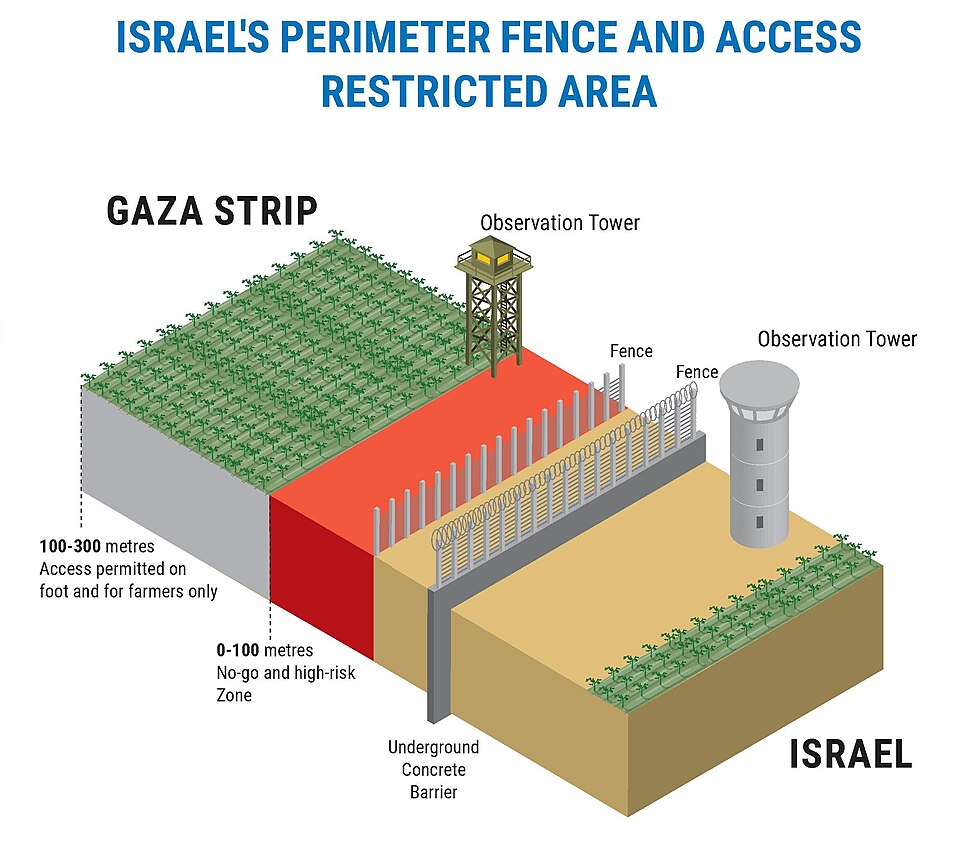
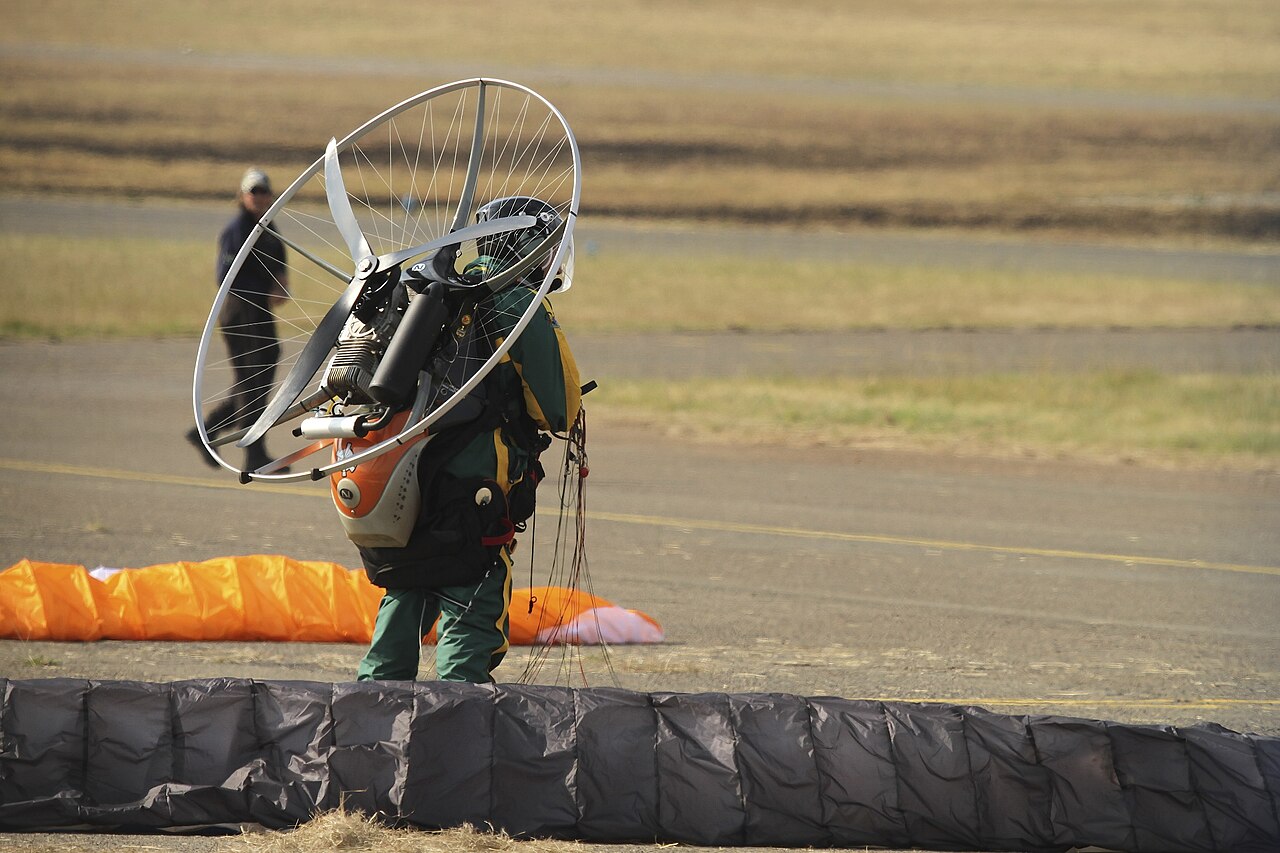
Subsequently, Hamas forces rapidly used explosives and bulldozers to breach the smart border fence at dozens of different locations [2,36,53]. In less than a few minutes, thousands of militants poured into southern Israel—not only on motorcycles and in vans, but also from the air using motorized paragliders [2,36,51].
The extremely expensive, billion-dollar barrier was simply not designed to withstand the massive onslaught of such a large and coordinated terrorist army [2].
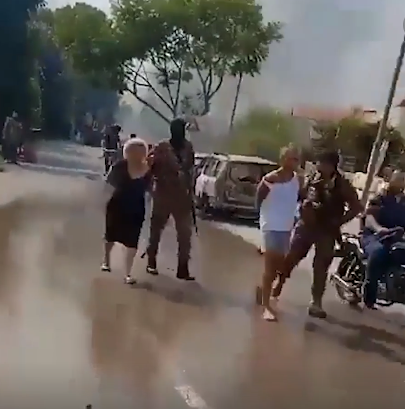
What did Hamas ultimately hope to achieve with this unprecedented and brutal attack? At the tactical level, their immediate goal was to kidnap hundreds of Israeli soldiers and civilians and take them to Gaza in order to secure the future release of thousands of Palestinian prisoners [24,25,37].
Strategic Failure
At the same time, they justified this bloody attack to the world as a legitimate response to Israel’s policies toward the Al-Aqsa Mosque and the expansion of Jewish settlements [26,55].
At the highest strategic level, however, the movement’s leaders were hatching far more ambitious and apocalyptic plans. As declassified internal documents clearly show, Hamas sincerely hoped to provoke a massive, multi-front war in which Hezbollah, Iran, and other radical allies from the so-called Axis of Resistance would become fully involved [10,37,41,55].
The ultimate strategic goal of this chaos was to bring about the immediate collapse of Israel and definitively end its power in the region [37,38,39].

At the same time, the movement in Gaza felt a desperate need to revive its faded “image of resistance,” as its own civilian government was failing to bring any prosperity to the population [29].
Last but not least, the radicals sought to deliberately sabotage Israel’s historic diplomatic rapprochement with Arab states, particularly the key normalization with Saudi Arabia [29,55]. It was an all-or-nothing gamble on their part, in which they risked a devastating backlash in the hope of permanently changing the political rules of the game [29].
Looking back from today’s perspective, can we say that Hamas actually achieved its long-sought goal?
On the one hand, it succeeded in brutally shattering the previous sense of Israeli invincibility, thereby shifting the regional discourse in favor of a radical narrative [29,55]. Israel suffered a massive national shock and loss of life that day, while the militants successfully abducted approximately 250 hostages [24,34].
However, the movement failed catastrophically in its most fundamental and important strategic objective.
The expected devastating regional war did not break out immediately, as both Iran and the Lebanese Hezbollah were genuinely taken by surprise by the attack and opted only for limited, carefully calibrated responses [42,43,47].
According to available sources, Hezbollah leaders described this operation as a so-called “catastrophic success,” which merely selfishly imposed an unexpected fait accompli on all of its allies [44,45].
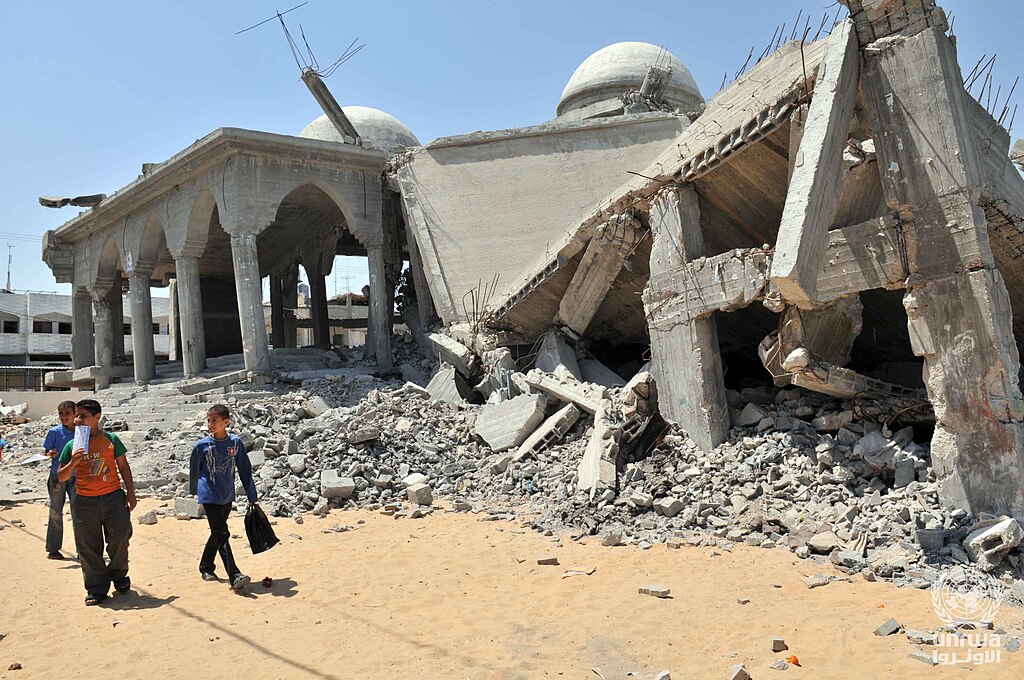
The fatal and devastating consequences of the massive Israeli military operation ultimately likely far exceeded even the expectations of Hamas’s own leaders. The movement found itself in a war for sheer survival, and its long-standing governing infrastructure in Gaza was practically razed to the ground [10,46,47].
Instead of a celebrated triumph and the collapse of its enemy, this terrorist group is now literally fighting for its very physical existence [10].
Will Hamas survive the retaliation?
This logically brings us to the final and crucial question: Does Hamas even have a chance to survive this devastating war as a functioning organization?
The answer from military and intelligence experts is surprising but very clear—Hamas will undoubtedly survive, though the question remains as to exactly what form it will take [1].
Although Israel has killed thousands of its fighters and destroyed strategic tunnels, the movement no longer has the strength to repeat its attacks, but it will not disappear entirely [1,61].
Hamas’s conventional military strength will likely never again be as formidable as it was before October 2023. Nevertheless, the movement—as an ideology and a deeply rooted social network—will most likely continue to thrive within Palestinian society without difficulty [1,32].
Analysts agree that the organization is intertwined with the general population in Gaza through a vast network of charities, schools, and mosques that Israeli bombs cannot erase from people’s minds [32,56].
Radical peace plans seeking the permanent disarmament of the movement have also appeared on the diplomatic table. For example, a plan reportedly announced by U.S. President Donald Trump in July 2026 required Hamas, following Israel’s withdrawal, to hand over heavy weapons and relinquish administrative power in Gaza [5,6,7,8,34].
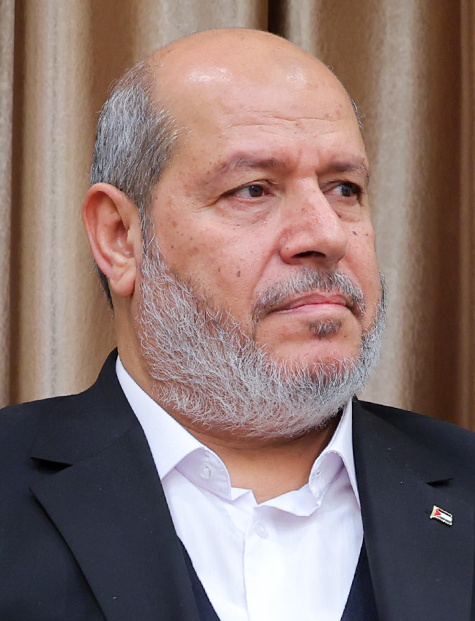
According to peace envoys at the time, Hamas could theoretically remain politically active, but only on the absolute condition that it renounce any armed conflict [9,67].
The future and ultimate form of Hamas thus depend most on whether a truly functional and competent institutional alternative emerges in Gaza after the war.
Such an alternative would have to be able to ensure daily order and security far more effectively than the radicals have done [67]. If Israel does not end this war with a clear political solution, Hamas will simply transform into an indestructible guerrilla network and will continue to loom as a bloody shadow over the ruins of the Gaza Strip [31,61].
List of References
[1] What Will Happen to Hamas - Philadelphia Jewish Exponent https://www.jewishexponent.com/what-will-happen-to-hamas
[2] Failure at the Fence | FRONTLINE | PBS | Official Site | Documentary Series https://www.pbs.org/wgbh/frontline/documentary/failure-at-the-fence
[3] Boudreaux, Richard (January 7, 2007). "Abbas outlaws Hamas's paramilitary Executive Force". The Boston Globe. Archived from the original on January 17, 2007. Retrieved October 30, 2010.
[4] Black, Ian; Tran, Mark (June 15, 2007). "Hamas takes control of Gaza". The Guardian. London. Archived from the original on August 31, 2013. Retrieved June 3, 2010.
[5] "Hamas says group-backed Gaza government resigns to hand power to Palestinian technocrats". Haaretz. July 6, 2026.
[6] "Trump says 'Board of Peace' reaches Gaza disarmament deal". Reuters. July 31, 2026.
[7] “Trump Announces Deal for Hamas to Disarm in Gaza, but Many Hurdles, Uncertainty Remain.” Deccan Herald. Associated Press. July 31, 2026.
[8] "Hamas: No disarmament prior to Israel’s withdrawal from the Gaza Strip." Haaretz. Reuters. July 31, 2026.
[9] "Hamas can survive politically by giving up weapons and armed conflict, peace envoy says". Bbc.com. May 13, 2026.
[10] Guard down: deconstructing the October 7 failurehttps://www.realinstitutoelcano.org/en/analyses/guard-down-deconstructing-the-7-october-policy-defence-and-intelligence-failure
[11] "Hamas founder Muhammad Taha passed away". World Bulletin. November 12, 2014. Archived from the original on October 24, 2020. Retrieved October 19, 2023.
[12] Downs, Ray. "Hamas leader dead after 'accidental' gunshot to the head". UPI. Archived from the original on December 7, 2023. Retrieved January 31, 2024.
[13] Dalloul, Motasem A (December 14, 2017). “Interview with Dr. Ibrahim Al-Yazouri, a founder of Hamas.” Middle East Monitor.
[14] Higgins, Andrew (January 24, 2009). “How Israel Helped to Spawn Hamas.” The Wall Street Journal. Archived from the original on September 26, 2009. Retrieved January 25, 2023. When Israel first encountered Islamists in Gaza in the 1970s and 1980s, they appeared to be focused on studying the Quran, not on confrontation with Israel. The Israeli government officially recognized a precursor to Hamas called Mujama Al-Islamiya, registering the group as a charity. It allowed Mujama members to establish an Islamic university and build mosques, clubs, and schools. Crucially, Israel often stood aside while the Islamists and their secular, left-wing Palestinian rivals battled—sometimes violently—for influence in both Gaza and the West Bank. “When I look back at the chain of events, I think we made a mistake,” says David Hacham, who worked in Gaza in the late 1980s and early 1990s as an expert on Arab affairs in the Israeli military. “But at the time, nobody thought about the possible consequences.” Israeli officials who served in Gaza disagree on the extent to which their own actions may have contributed to the rise of Hamas. They blame the group’s recent rise on outside forces, primarily Iran. This view is shared by the Israeli government. “Hamas in Gaza was built by Iran as a foundation for power, and is backed through funding, training, and the provision of advanced weapons,” Mr. Olmert said last Saturday. Hamas has denied receiving military assistance from Iran.
[15] “Hamas accepts a Palestinian state with the 1967 borders: Khaled Meshaal presents a new document in which Hamas accepts the 1967 borders without recognizing the State of Israel.” Al Jazeera. May 2, 2017.
[16] Scott Atran, Robert Axelrod (2008). “Reframing Sacred Values” (PDF). Negotiation Journal. 24 (3): 221–246. doi:10.1111/j.1571-9979.2008.00182.x. Archived (PDF) from the original on January 21, 2024. Retrieved March 20, 2024.
[17] Alsoos, Imad (2021). "From jihad to resistance: the evolution of Hamas's discourse in the framework of mobilization". Middle Eastern Studies. 57 (5): 833–856. doi:10.1080/00263206.2021.1897006. S2CID 234860010.
[18] "The Charter of Hamas (1988) (full text, translated at the Hebrew University in Jerusalem)". Intelligence Resource Project. Federation of American Scientists. Archived from the original on November 15, 2023. Retrieved November 15, 2023.
[19] "UN General Assembly rejects US resolution to condemn Hamas". Deutsche Welle. December 7, 2018.
[20] The World Almanac of Islamism: 2014, American Foreign Policy Council/Rowman & Littlefield, 2014, p. 15.
[21] According to Michael Penn, (Japan and the War on Terror: Military Force and Political Pressure in the US-Japanese Alliance, I.B. Tauris 2014, pp. 205–06), Japan initially welcomed the democratic nature of the elections that brought Hamas to power and only imposed conditions on its aid to Palestine after the Bush Administration exerted intense pressure on Japan to change its policy.
[22] “Lists associated with Resolution 1373.” New Zealand Police. July 20, 2014. Archived from the original on December 25, 2018. Retrieved August 16, 2014.
[23] "Who are Hamas?". London: BBC News. January 26, 2006. Archived from the original on January 24, 2016. Retrieved September 23, 2010.
[24] Sherwood, Harriet (October 17, 2023). “Hamas says 250 people held hostage in Gaza.” The Guardian. ISSN 0261-3077. Retrieved August 1, 2025.
[25] Al Jazeera Staff. "Hamas says it has enough Israeli captives to free all Palestinian prisoners." Al Jazeera.
[26] "Fears of a ground invasion of Gaza grow as Israel vows 'mighty vengeance'". Al Jazeera. October 7, 2023. Archived from the original on October 8, 2023. Retrieved October 8, 2023.
[27] 9 out of 195 countries have designated Hamas as a terrorist organization. | Comsure, Jersey https://www.comsuregroup.com/news/9-out-of-195-countries-have-designated-hamas-as-a-terrorist-organisation
[28] History Illustrated: The story of Hamas and its fight for Palestine | Israel-Palestine conflict | Al Jazeera https://www.aljazeera.com/gallery/2023/10/11/history-illustrated-the-story-of-hamas-and-its-fight-for-palestine
[29] Hamas’ October 7 Attack: The Tactics, Targets, and Strategy of Terrorists https://www.csis.org/analysis/hamas-october-7-attack-tactics-targets-and-strategy-terrorists
[30] Hamas | Ethnic and Cultural Studies | Research Starters | EBSCOhost https://www.ebsco.com/research-starters/ethnic-and-cultural-studies/hamas
[31] Ending the War | The Washington Institute https://www.washingtoninstitute.org/policy-analysis/ending-the-war
[32] How Hamas Still Holds Power in Gaza, More Than 2 Years Into the War - The Media Line https://themedialine.org/top-stories/how-hamas-still-holds-power-in-gaza-more-than-2-years-into-the-war
[33] Hamas’ Izz al-Din al-Qassam Brigades https://www.aph.gov.au/parliamentary_business/committees/house_of_representatives_committees?url=pjcis%2Ffive_terrorist%2Freport%2Fappendix+d.pdf
[34] What Is Hamas? | Council on Foreign Relations https://www.cfr.org/backgrounders/what-hamas
[35] presented a new document
[36] A detailed look at how Hamas secretly crossed into Israel - ABC News https://abcnews.com/International/detailed-hamas-secretly-crossed-israel/story?id=103917182
[37] Letter from Yahya al-Sinwar to Ismail Haniyah, June 19, 2022. Link.
[38] “Notes from the Movement’s Leadership with Al-Haj Ismail Qaani, Beirut, June 27, 2021.” Link.
[39] Telegram from Haniyah to Al-Sinwar, July 1, 2022. Link.
[40] Ronen Bergman, Adam Rasgon, and Patrick Kingsley, “Secret Documents Show Hamas Tried to Persuade Iran to Join Its Oct. 7 Attack,” New York Times, October 12, 2024.
[41] Ben Caspit, “Hamas Leaders’ October 7 Letter Reveals Attack Strategy and Plea to Hezbollah,” Jerusalem Post, June 24, 2025, and Ben Caspit, “The Plan of Destruction: Al-Sinwar and Al-Deif’s Letter to Nasrallah and Iran on October 7,” Walla, June 23, 2025.
[42] According to Israel’s Mossad, “intelligence sources reveal that the leaders of Iran and Hezbollah were deeply surprised and had not been notified in advance of the intention to launch the massacre of October 7.” Channel 12 TV, April 26, 2025.
[43] Al-Manar, November 3, 2023, and Al-Manar, November 11, 2023.
[44] Sune Engel Rasmussen, Summer Said, Benoit Faucon, and Stacy Meichtry, “Iran’s ‘Axis of Resistance’ Faces Moment of Truth After Attacks on Israel, U.S. Base,” Wall Street Journal, January 30, 2024.
[45] Al-Manar, January 12, 2024.
[46] Full article: The Strategic Origins of Hamas’s October 7 Attack https://www.tandfonline.com/doi/full/10.1080/1057610X.2026.2613426
[47] Inside Hamas: How It Thinks, Fights, and Governs - Combating Terrorism Center at West Point https://ctc.westpoint.edu/inside-hamas-how-it-thinks-fights-and-governs
[48] Khaled Hroub, “A Newer Hamas? The Revised Charter,” Journal of Palestine Studies 46:4 (2017): pp. 100–111.
[49] “The Palestinian Parliamentary Election and the Rise of Hamas,” House of Commons Research Paper 06/17, March 15, 2006.
[50] “Internal Strife.”
[51] Ronen Bergman and Adam Goldman, “Israel Knew Hamas’s Attack Plan More Than a Year Ago,” New York Times, November 30, 2023.
[52] “Where was the IDF on Oct. 7? – with Ronen Bergman,” #240, Call Me Back Podcast with Dan Senor, June 27, 2024.
[53] “Report: New IDF assessment shows some 6,000 Gazans invaded Israel on Oct. 7,” Times of Israel, August 31, 2024.
[54] Daniel Byman, Riley McCabe, Alexander Palmer, Catrina Doxsee, Mackenzie Holtz, and Delaney Duff, “Hamas’s October 7 Attack: Visualizing the Data,” CSIS, December 19, 2023; Mia Jankowicz, “How Hamas likely used rudimentary drones to ‘blind and deafen’ Israel’s border and pave the way for its onslaught,” Business Insider, October 10, 2023.
[55] Ohad Merlin, “Hamas releases propaganda documentary denying atrocities, blaming Israel for civilian deaths on Oct. 7,” Jerusalem Post, January 22, 2024.
[56] “US warns Turkey against hosting Hamas leaders,” Reuters, November 18, 2024; “Netanyahu says getting rid of Hamas chiefs in Qatar would remove main obstacle to Gaza deal,” Reuters, September 13, 2025.
[57] Hamas – European Council on Foreign Relations https://ecfr.eu/special/mapping_palestinian_politics/hamas
[58] Arab News | 2007 - Hamas takes over the Gaza Strip https://www.arabnews.com/news/2007-hamas-takes-over-the-gaza-strip-2597224
[59] Senator Collins, Bipartisan Group Urge U... | U.S. Senator Susan Collins https://www.collins.senate.gov/newsroom/senator-collins-bipartisan-group-urge-un-to-designate-hamas-as-a-terrorist-organization
[60] Battle for Gaza: Hamas Jumped, Provoked, and Pushed | Brookings https://www.brookings.edu/articles/battle-for-gaza-hamas-jumped-provoked-and-pushed
[61] Explainer: The Status of Hamas in Gaza After October 7 | J Street https://jstreet.org/updates/explainer-status-hamas-gaza-after-october-7
[62] ECF - Economic Cooperation Foundation: Hamas Takeover of the Gaza Strip (2007) https://ecf.org.il/issues/issue/244
[63] Hamas in Perspective: Origins and Evolution. Global Affairs. University of Navarra https://en.unav.edu/web/global-affairs/hamas-en-perspectiva-origenes-y-evolucion
[66] EU court removes Hamas from list of terrorist organizations - BBC News https://www.bbc.com/news/world-middle-east-30511569
[67] Can Hamas maintain its grip in post-war Gaza? | The Jerusalem Post https://www.jpost.com/opinion/article-830046
[68] The Palestinian Hamas: https://ciaotest.cc.columbia.edu/book/mishal/intro.html
[69] Global Sanctions Dashboard: How Hamas raises, uses, and moves money - Atlantic Council https://www.atlanticcouncil.org/blogs/econographics/global-sanctions-dashboard-how-hamas-raises-uses-and-moves-money
[70] Hamas and PIJ | Global Sanctions https://globalsanctions.com/region/hamas-pij