Will Russia attack Poland? It wouldn´t be the first time.
Polish Prime Minister Donald Tusk recently issued a stark warning that Russia could attack a NATO member country within months, not years [5]. In light of this imminent threat, he called for ensuring the political and logistical readiness of the entire eastern flank of the alliance in the event of Russian aggression [5]. Tusk even openly expressed concern about whether the United States would actually fulfill its alliance commitments in the event of an attack on Europe [5].
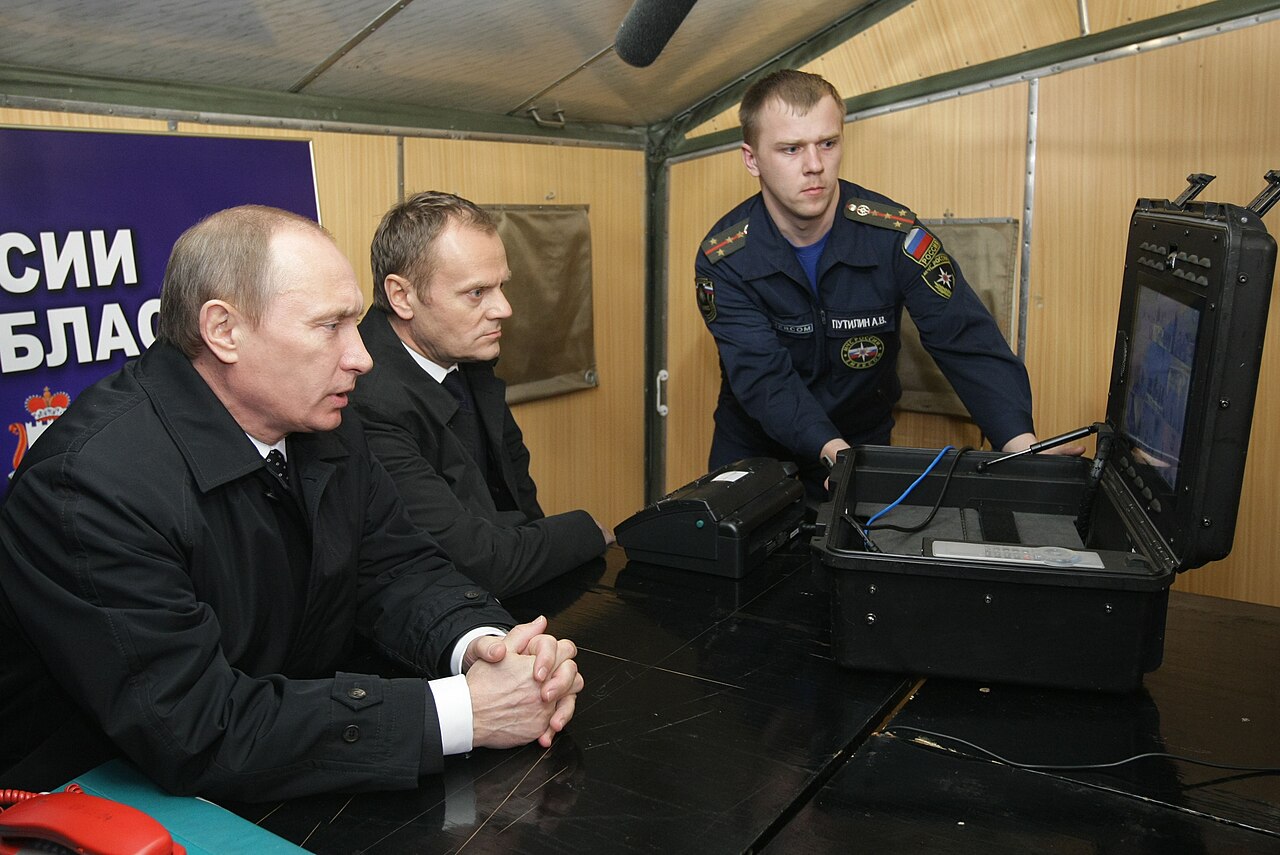
These strong words come after Russian drones repeatedly violated Polish airspace [5]. Tusk complained that some NATO allies tended to ignore this incident, even though, in his view, it was a well-planned provocation against Poland [5]. Furthermore, former Russian President Dmitry Medvedev arrogantly told Europeans that their peaceful slumber was definitively over, which, according to Tusk, requires full attention and vigilance [9].
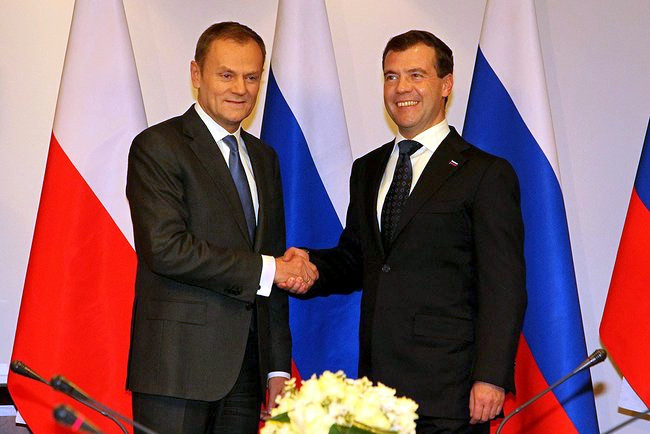
A Complex History
Historical relations between the two nations began to take shape as early as the tenth century, when early Poland and Kievan Rus’ adopted Christianity. While Poland aligned itself with the Roman Catholic Church and the Latin language in 966, Rus’ adopted Byzantine Orthodoxy somewhat later [1], [10]. With these steps, they directed their cultural affinities toward different parts of the world: Poland gained access to the technological innovations of the West, while Rus’ preserved its local identity through the use of Old Church Slavonic [1], [10].
Their early interactions were often marked by territorial conflict, as both states fought from the outset for control over the borderlands known as the kresy [1]. The region of the Red Castles, through which an important and exceptionally lucrative trade route ran from Kraków to Kyiv, was the focus of their intense interest [10]. As a result of these tensions, in 1018 the Polish ruler Bolesław the Brave invaded Rus’ and briefly conquered Kyiv itself [10].
The Conquest of the Kremlin
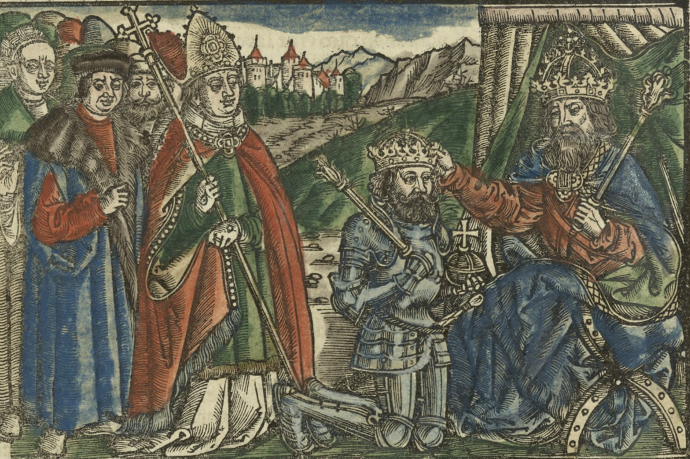
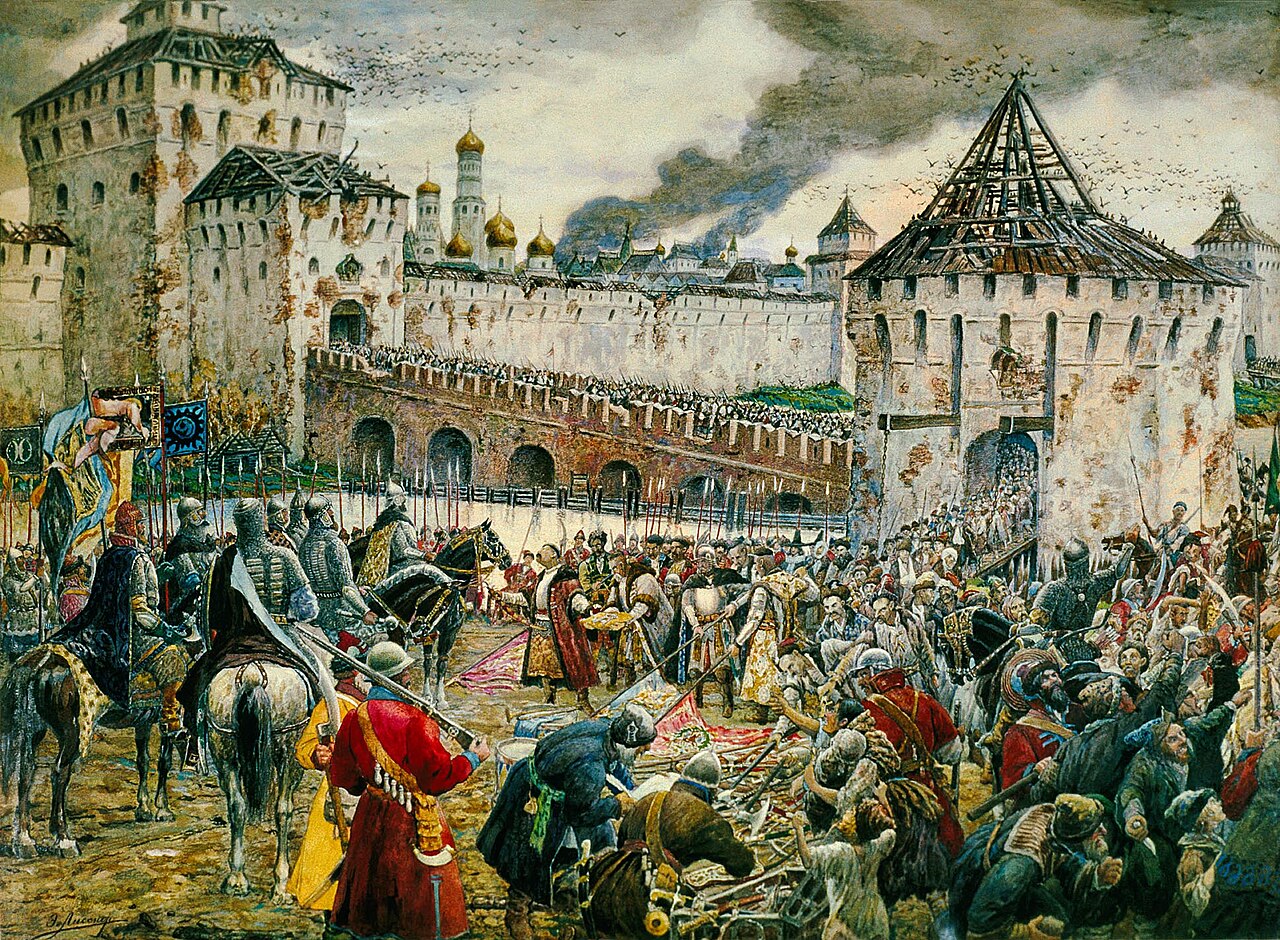
Attempts at complete subjugation by one side or the other continued throughout history, with dominance constantly shifting. A pivotal moment came in the early 17th century, when the Polish-Lithuanian Commonwealth took advantage of Russia’s weakness following the extinction of the ruling Rurik dynasty, and Polish troops led by Hetman Żółkiewski successfully marched on Moscow [7], [14], [17]. From September 1610 to November 1612, a Polish military garrison held the Moscow Kremlin until it was driven out by a Russian patriotic uprising [14], [17]. The Poles thus held out in Moscow much longer than Napoleon, who was forced to retreat in 1812 after only five weeks.
The Partition of Europe’s Largest State
The Russian state, however, survived this occupation and, in the following century, grew into by far the largest empire in this part of Europe [17]. During the 18th century, by contrast, the Polish-Lithuanian Commonwealth faced serious internal problems that destabilized it and brought it to the very brink of anarchy [14]. It was then that Russia launched its most devastating power play, organizing—in collaboration with Prussia and Austria—three successive partitions of Polish territory [2], [11].
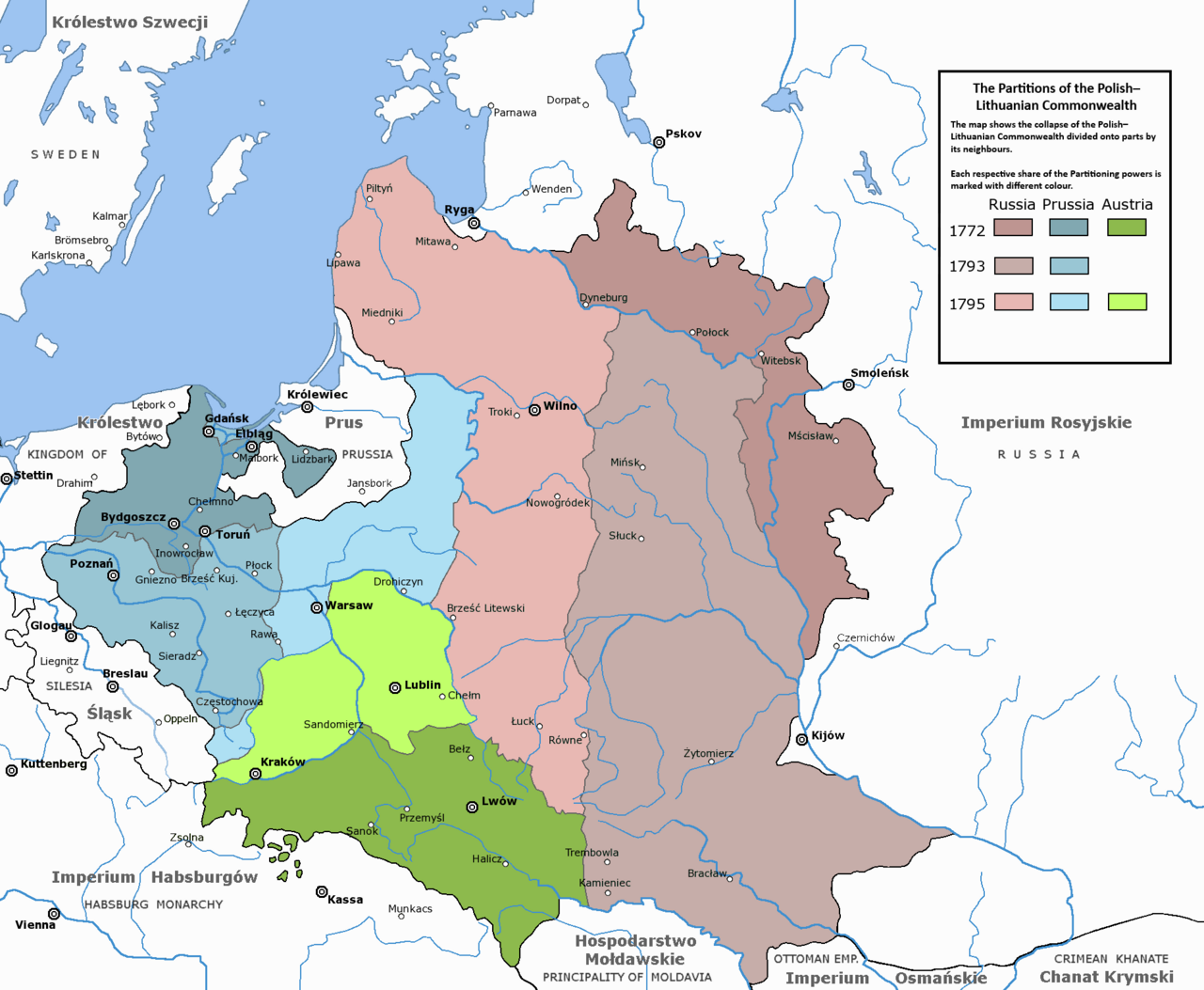
Russian Empress Catherine the Great was deeply concerned about the revolutionary ideas contained in the Polish Constitution of 1791, which she regarded as a dangerous contagion of democratic ideas [14]. The partitions of 1772, 1793, and 1795 themselves signified the complete loss of Polish independence, thereby erasing the Polish state from the map of Europe for a long time [2], [14]. Russia gained by far the largest share from this aggressive partition, controlling as much as 82 percent of the original Polish territory after the Congress of Vienna [11].
Independence
Poland regained its long-awaited freedom only after World War I, but almost immediately had to face a new existential threat from the East. The Polish-Soviet War of 1920 and the subsequent Polish victory at Warsaw saved the country from the installation of a puppet communist regime [4]. However, this bloody conflict further deepened the historical antagonism and left Soviet Russia with a sense of profound humiliation [4].
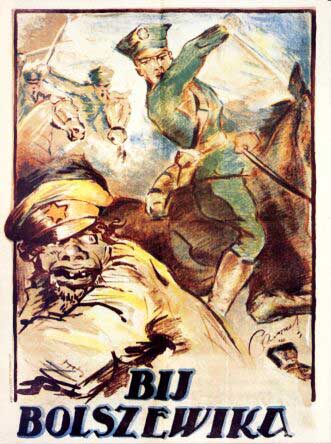
The peace terms agreed upon in Riga lasted less than twenty years before Moscow’s attention once again turned, with deadly consequences, toward its western neighbor [4]. During World War II, Nazi Germany and Soviet Russia effectively partitioned Poland for the fourth time, causing the country to once again lose its hard-won statehood [11], [12]. Following the German invasion, the Red Army also entered Polish territory on September 17, 1939, under the pretext of protecting the population in the east [15].
Katyn and the Warsaw Uprising
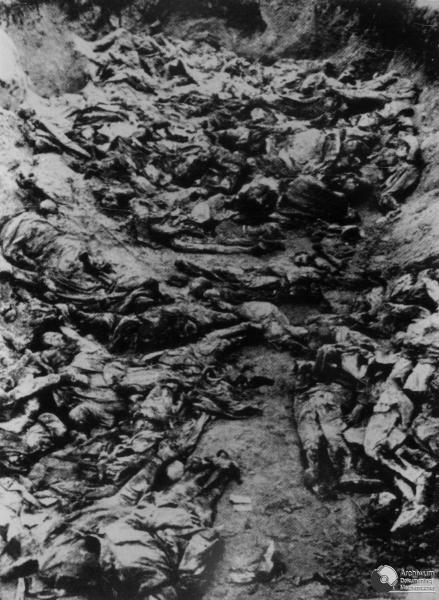
The Soviet Union fully occupied the eastern territories, with tens of thousands of Polish citizens and intellectuals ending up in labor camps or being brutally murdered [7], [20]. The most notorious example of this brutal terror is the Katyn massacre, where Soviet forces executed thousands of captured Polish officers [7]. In total, approximately 150,000 Polish citizens perished during the Soviet occupation, while German occupation policies claimed the lives of over five million people [19].
Another tragic example of calculated Soviet cynicism was the massive Warsaw Uprising, which broke out in August 1944 under the leadership of the Polish Home Army [7], [16]. While Polish patriots fought heroically against the Nazis, Joseph Stalin deliberately halted the Red Army’s advance and allowed the Germans to raze the capital to the ground [7], [16]. Stalin viewed the independent Polish military resistance as an obstacle to building a postwar society exactly according to Soviet ideals [7].
East of the Iron Curtain
After the war, Poland’s fate was definitively sealed at the conferences in Yalta and Potsdam, which many Poles viewed as a betrayal by the Western Allies [13], [19]. The country lost nearly half of its pre-war territory in the east, for which it received compensation in the form of former German territories shifted to the west [13]. Consequently, Poland became a de facto one-party state and a satellite of the Soviet Union, which imposed a communist system on it against the will of the people [18], [12].
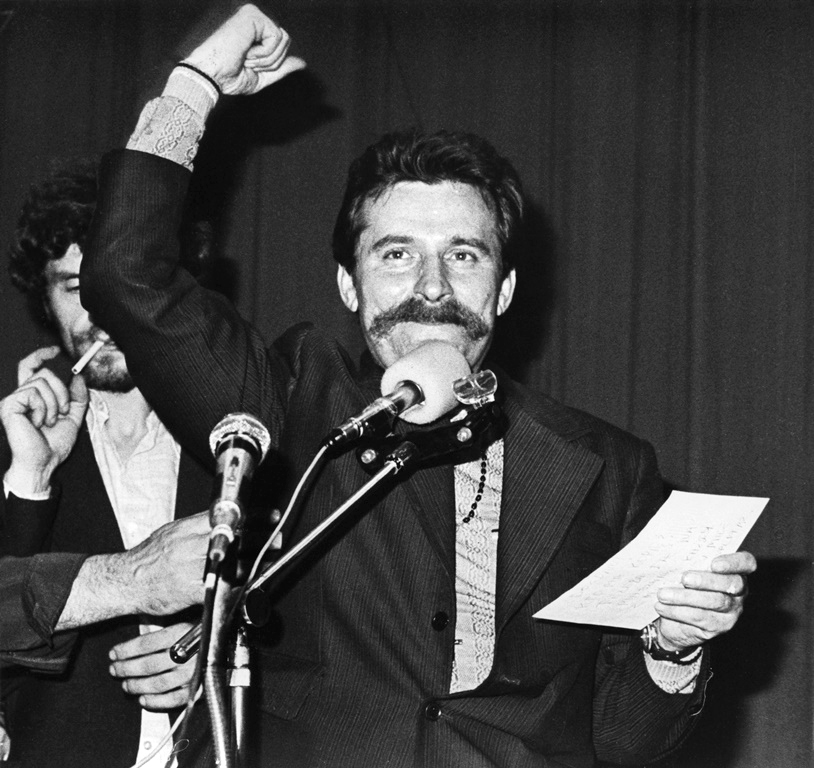
Throughout the subsequent era of socialism, the Polish economy was strictly subordinated to the needs of the Soviet Union [7]. While the country became urbanized to a certain extent, the communist government ruled through repression and suppressed any expressions of discontent among its own working class [18], [7]. Nevertheless, Polish society retained strong religious faith, and long-standing resistance to the regime eventually culminated in the emergence of the independent trade union movement Solidarity [7].
Perspective
Were there any periods of truly peaceful and constructively cooperative relations at all in this turbulent history? For the greater part of the past millennium, the relationship was characterized by deep alienation, persistent hostility, and efforts toward military or political dominance [3]. Paradoxically, the only apparent exception to this rule was the period of communist rule, when the Soviet Russians viewed the Poles, at least formally, as their strategic allies [15].
Currently, however, Polish-Russian relations are once again at a freezing point, and the geopolitical forecasts of European leaders are far from optimistic [7], [6]. The Latvian intelligence services, for example, are strongly warning that Moscow is planning military provocations directly against the Baltic states or Poland itself [8]. Russia is expected to resort to hybrid attacks, such as missile or drone incursions, to test the resilience of the Western military alliance [5], [8].
Polish Prime Minister Donald Tusk has therefore warned, above all, about the coming months, which could be truly critical and pivotal for the security of the entire continent [5]. In light of these real threats, European countries are beginning to work on a plan that would ensure the continent’s effective defense even without the direct involvement of the United States [5]. Part of these preparations already includes joint military exercises between France and Poland, which directly simulate the use of nuclear weapons against Russian targets [5].
So what is Prime Minister Tusk’s overall message to contemporary Western civilization? In his words, we must not allow ourselves to be paralyzed by fear, but must thoroughly prepare for all possible security scenarios [5]. Tusk insists that any hostile actions by Russia must immediately be met with a firm and unequivocal response from the entire civilized world [5].
List of References
[1] P. Wandycz, Soviet-Polish Relations, 1917–1921, (Cambridge, Mass., 1969).
[2] I.I. Kostiushko (ed.), The Polish-Soviet War 1919–1920: Previously Unpublished Documents and Materials, vol. 1, (Moscow, 1994), doc. 116, p. 189; The Red Book: A Collection of Diplomatic Documents on Russian-Polish Relations, 1918–1920, (Moscow, 1920)
[3] See Chapter 1: Historical Conflict and the Great War, 1914–1918, for further details.
[4] [PDF] Soviet-Polish Relations 1919–1921 – Enlighten Theses https://theses.gla.ac.uk/663/1/2009crollphd.pdf
[5] Tusk: Russia Could Attack a NATO Country Within Months, Not Years https://militarnyi.com/en/news/russia-attack-nato-within-months-not-years
[6] NATO’s Eastern Flank Must Brace for Russian ‘Escalation’ https://tvpworld.com/94009085/polands-tusk-warns-nato-eastern-flank-faces-russian-escalation
[7] POLAND – Russia's Periphery https://russiasperiphery.pages.wm.edu/western-borderlands/poland
[8] Russia preparing possible 'provocation' in the Baltic states or ... https://www.theguardian.com/world/2026/jun/26/russia-provocation-baltic-states-poland
[9] Tusk urges NATO to wake up after Russia’s chilling threat to the EU https://tvpworld.com/93556762/polands-tusk-urges-nato-action-after-medvedev-threatens-eu
[10] Contemporary Relations between Poland and Ukraine https://www.peterlang.com/document/1058259
[11] Partitioning of Poland | History | Research Starters | EBSCO Research https://www.ebsco.com/research-starters/history/partitioning-poland
[12] Poland After WW2 | Overview & History - Lesson | Study.com https://study.com/academy/lesson/post-war-poland-soviet-occupation-social-unrest-economic-depression.html
[13] Western betrayal - Wikipedia https://en.wikipedia.org/wiki/Western_betrayal
[14] Polish-Lithuanian Commonwealth https://dlab.epfl.ch/wikispeedia/wpcd/wp/p/Polish-Lithuanian_Commonwealth.htm
[15] [PDF] Russian-Polish Relations: A Long Way From Stereotypes to ... https://ciaotest.cc.columbia.edu/olj/int/int_0503b.pdf
[16] S. N. Burin, A New History, 10th edition, a textbook for general education schools for 9th grade. Drofa. Moscow. 2000, p. 187.
[17] How the Poles Captured Moscow? - Kuryer Polski [en] https://kuryerpolski.us/en/Page/View/jak-polacy-zdobyli-moskwe
[18] Poland. History. People’s Republic of Poland. (Poland. History. People’s Republic of Poland.) Archived May 9, 2012, at the Wayback Machine. PWN Encyclopedia, Polish Scientific Publishers PWN, 2010. Retrieved February 28, 2014.
[19] Institute of National Remembrance. (2009). Poland’s Human and Material Losses in 1939–1945. IPN.
[20] Anders, W. (1949). An Army in Exile. Macmillan.