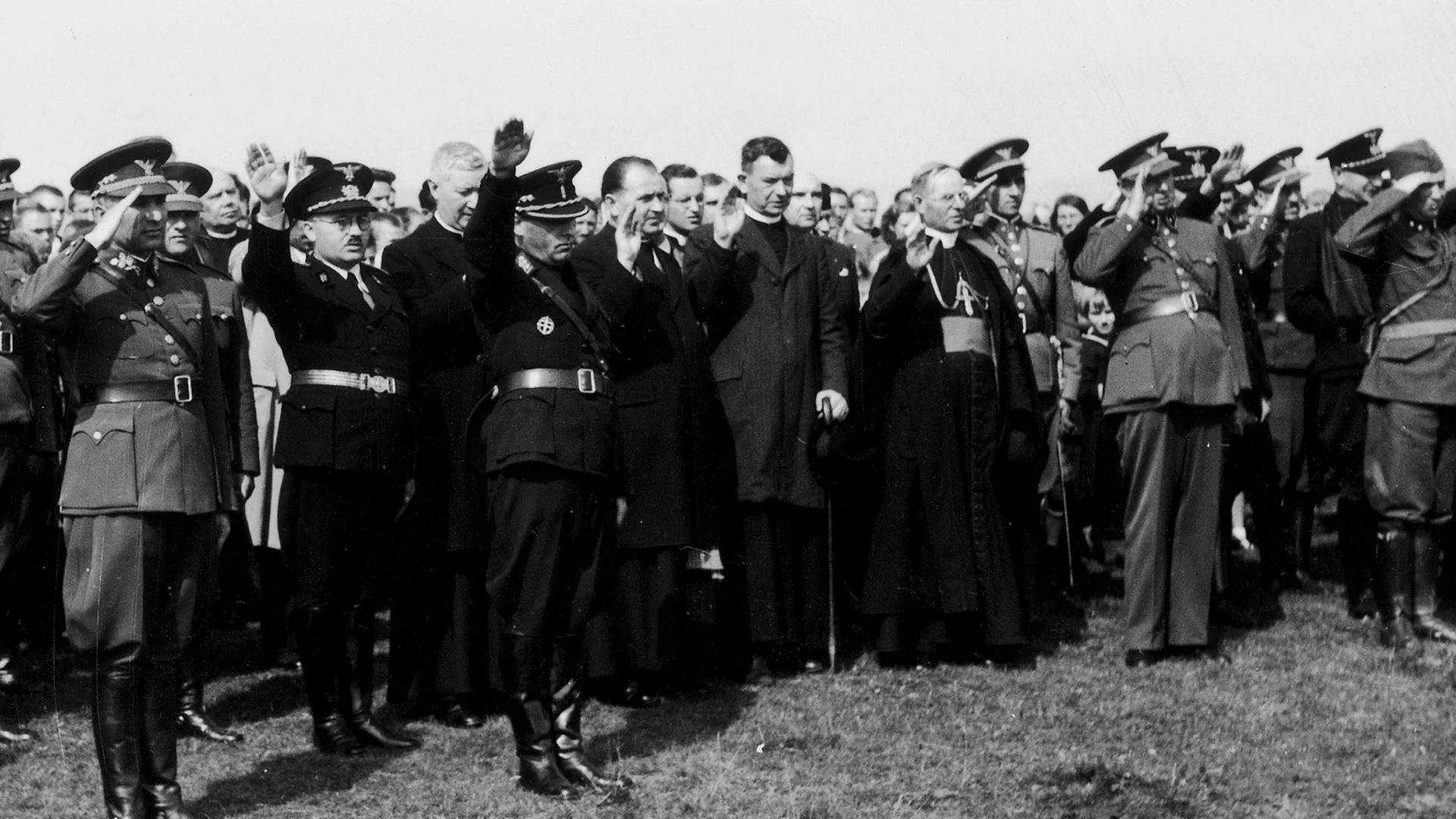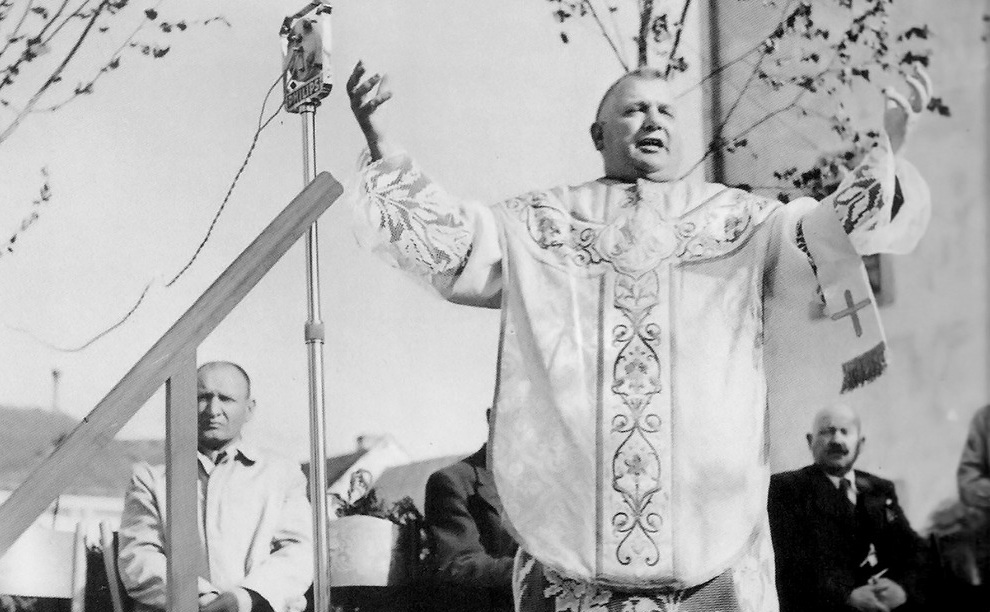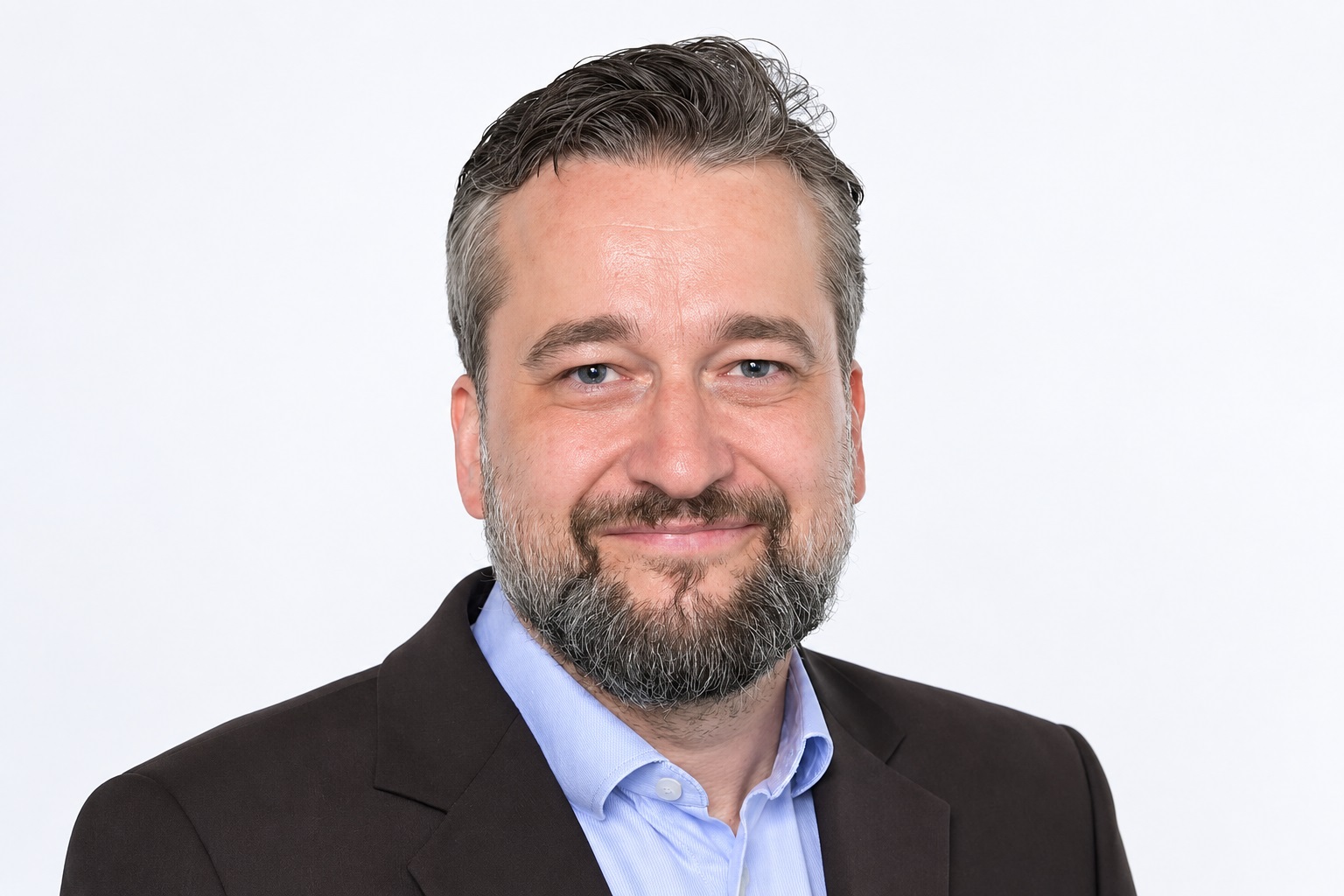
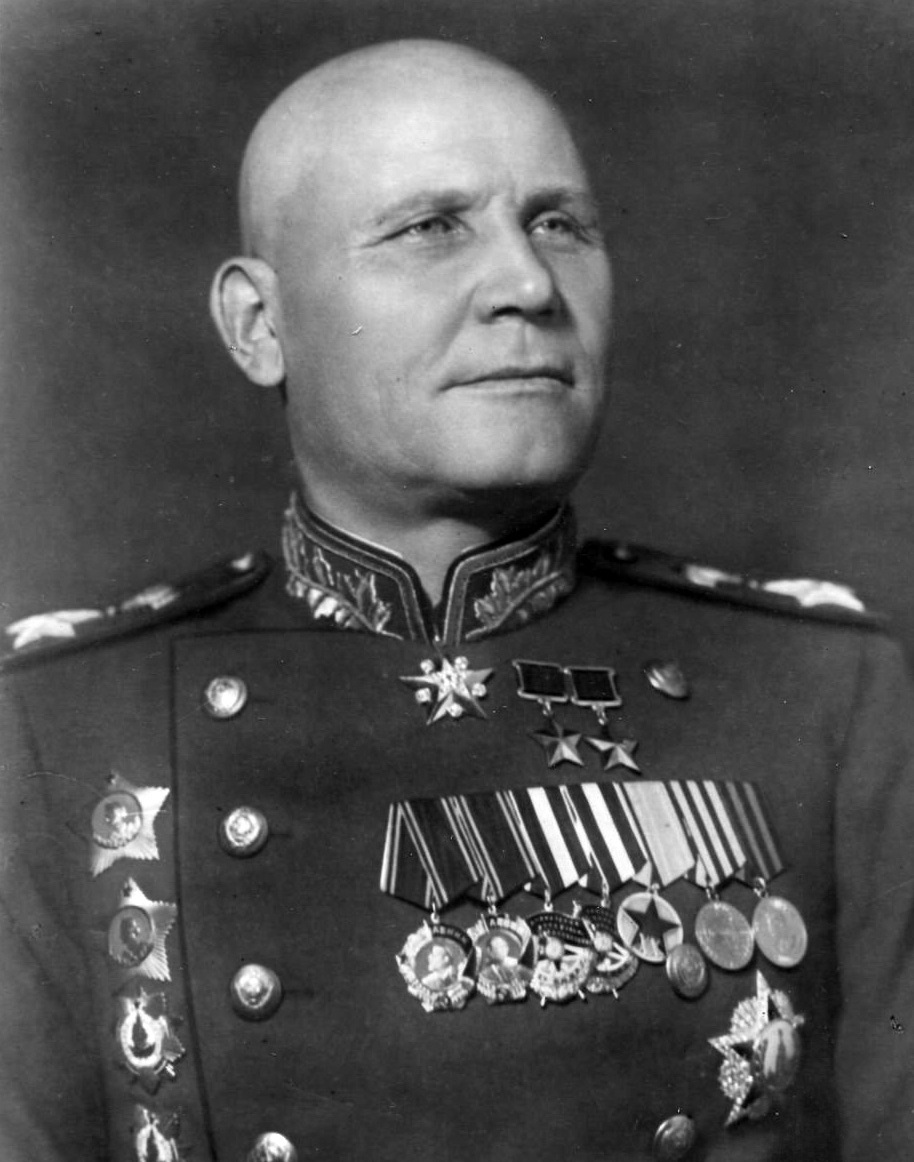
Does Konev deserve a statue in Slovakia?
In the village of Kružlová in eastern Slovakia, a statue of Soviet Marshal Ivan Konev was recently unveiled in a ceremony. [10]
The ceremony was attended by Minister of Agriculture Richard Takáč, Member of the European Parliament Ľuboš Blaha, Russian Ambassador Sergei Andreev, and Jaroslav Demian, chairman of the Slovak Union of Anti-Fascist Fighters. [10], [12]
This event sparked heated debate in society, as he is an extremely controversial figure from a historical perspective. [13]
The Dukla Massacre
Marshal Konev’s name is associated with Slovakia primarily through the Carpathian-Dukla Offensive, which he led in the fall of 1944 as commander of the 1st Ukrainian Front. [21], [25]
The purpose of this military campaign across the Carpathians was to provide rapid, direct military assistance to the Slovak National Uprising. [5]
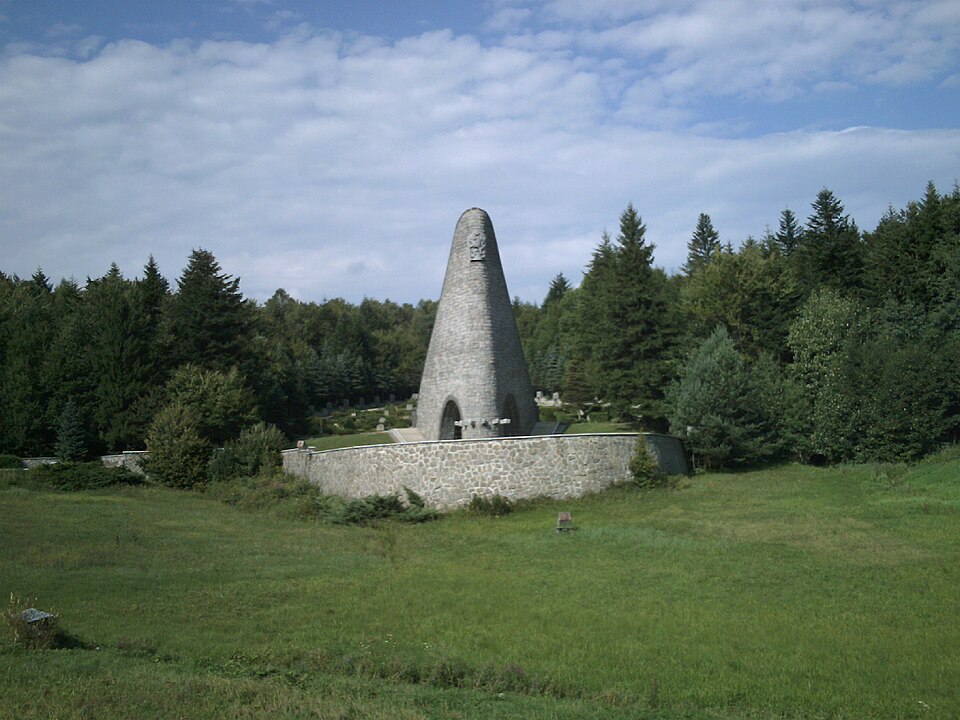
From the outset, however, it was more of a political gesture; the operation ultimately did not end in unambiguous success and unfolded under extremely unfavorable conditions. [5]
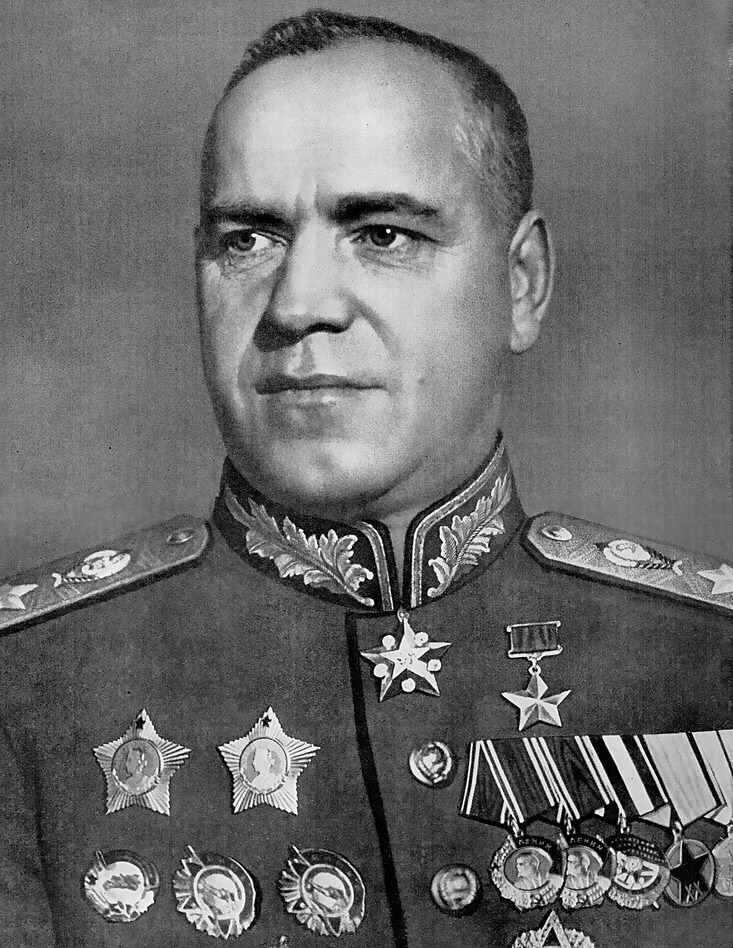
Ivan Konev’s military abilities had already been called into question in the early stages of World War II, when, in the fall of 1941, he failed catastrophically as commander of the Western Front at Vyazma. [21], [22]
His troops suffered a catastrophic defeat there, for which Joseph Stalin even wanted to have him executed. [21] General Dmitry Pavlov, for example, had previously met his end at the execution ground for failure; he was shot exactly one month after the outbreak of the war, on July 22, 1941.
His life was saved at that time by the future Marshal Georgy Zhukov, against whom Konev later informed on and plotted during the Stalinist purges. [17], [21]
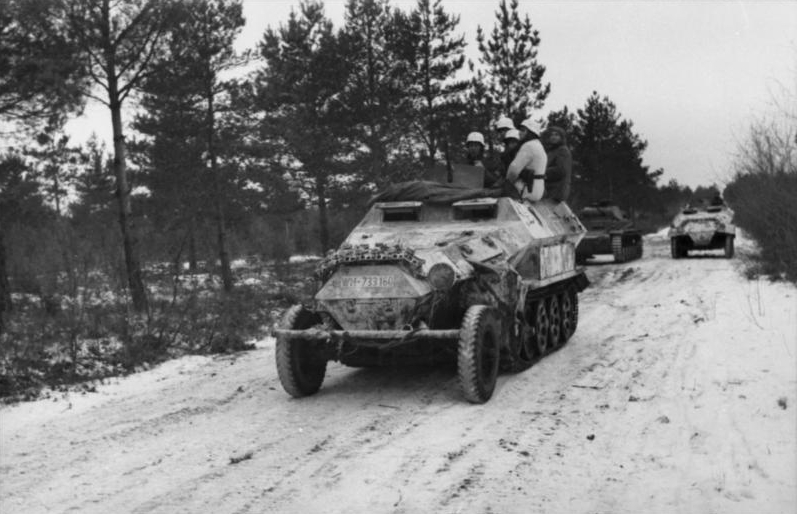
From a military standpoint, the Carpathian-Dukla Operation was a massive waste of human and material resources, as the troops were given only four days to prepare for it. [5]
The result was exceptionally heavy casualties, with approximately 21,000 Soviet and 1,800 Czechoslovak soldiers killed in the region, while another 88,000 were wounded. [3], [4]
Instead of taking responsibility, however, Marshal Konev quickly found “scapegoats” to blame for the slow advance of the front and the mounting casualties. [2], [25]
Historians today point out that the course of the operation itself revealed a fatal underestimation of the nature of the mountainous terrain on the part of the command. [5]
Among all the Soviet marshals, Konev was perhaps the most reckless when it came to the lives of his own soldiers, in the spirit of the motto “nas mnogo” [21].
Further evidence of this failure was the order to attack issued despite the fact that the artillery needed to destroy the German bunkers lacked ammunition, causing soldiers to fall literally as if in a slaughterhouse. [11]
SMERSH abducts Citizens
Konev’s dark side was fully revealed immediately after the war in May 1945. [14] When he arrived in Prague at the head of the troops, the Soviet military counterintelligence agency SMERSH began illegally arresting and deporting hundreds of Czechoslovak citizens to labor camps in the USSR. [14], [21]
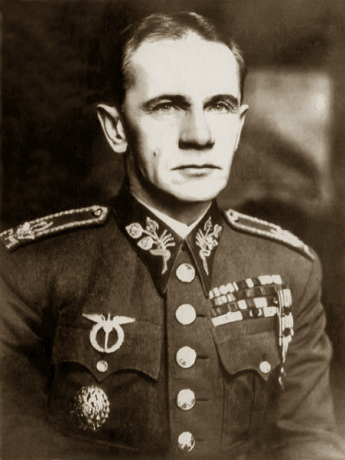
These abductions of people of Russian nationality—who had fled into exile from the Bolsheviks as early as 1917—took place with his explicit or tacit consent. [14], [16] Even earlier, as the front slowly moved through Slovak territory, thousands of people were deported to the gulags; the incomplete list of names compiled by the Institute of National Memory includes 7,422 people.
Executioner of the Hungarian Revolution
In November 1956, Ivan Konev, as commander-in-chief of the Warsaw Pact armed forces, led a massive invasion of Hungary. [7], [8]
He personally oversaw Operation Whirlwind, during which Soviet tanks brutally suppressed the Hungarian anti-communist uprising for freedom. [1], [6], [8]
This bloody intervention claimed between 2,000 and 5,000 civilian lives and forced more than 200,000 Hungarians to flee en masse to the West. [14], [23]
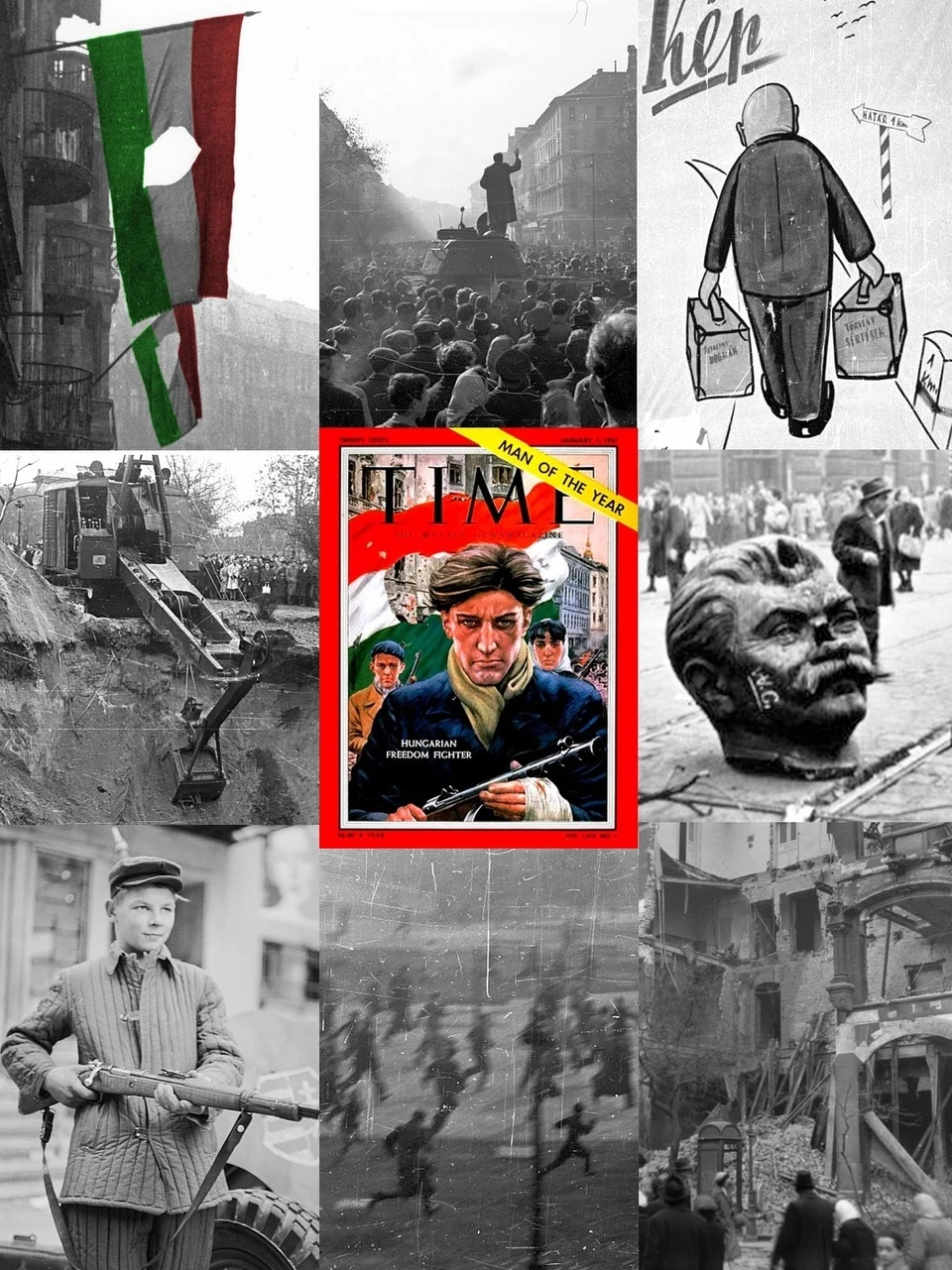
The events in Hungary rank among the most tragic episodes of the Cold War, during which Konev had the blood of innocent people on his hands. [18], [19]
This military assault on Budapest marked the definitive end of hopes for Hungarian democracy. [23] Konev’s own granddaughter even defended this suppression of the uprising much later as a legitimate attempt to stop “unrepentant fascists.” [18]
The Berlin Wall
Unfortunately, however, the marshal’s biography is also full of other historical failures and scandals, such as the decision to bomb Mladá Boleslav shortly after the end of the war, in which 150 civilians, including children, were killed. [6], [14]
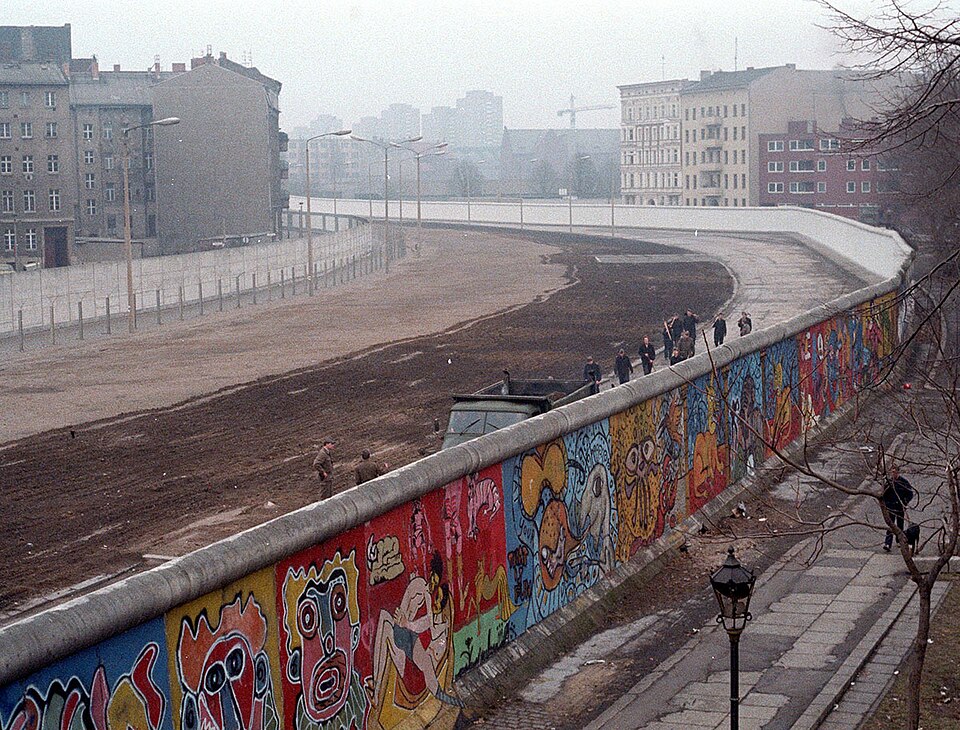
In the early 1960s, he served as commander of Soviet forces in Germany, where, during the crisis, he personally oversaw the construction of the infamous Berlin Wall. [13], [14], [21]
Several sources also criticize him for having traveled to Prague with a delegation in May 1968 to survey the terrain for a potential invasion by Warsaw Pact forces, although some historians question his actual influence on this event, and it appears that his role there was merely ceremonial. [17], [20]
To Build or to Tear Down?
The idea of erecting a monument to this commander in Slovakia was revived by Prime Minister Robert Fico, who respectfully promised this plan to Russian President Vladimir Putin during a meeting in Moscow. [6], [13]
At the monument’s unveiling, Minister Richard Takáč argued that we should not link the past—from eighty years ago—with current events in the world. [9], [10]
MEP Ľuboš Blaha went even further, labeling critics of the statue as “progressive barbarians” and calling information about Konev’s involvement in planning the 1968 occupation a “total hoax.” [10]
The issue of monuments to Soviet commanders became particularly sensitive after the Prague 6 city council removed the statue of Konev, a move that Ján Čarnogurský criticized as an attempt to revise the outcome of World War II. [26]
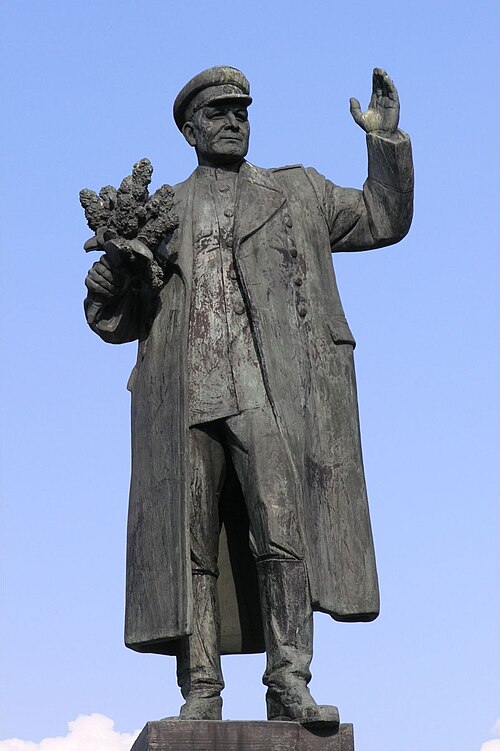
Consequently, the domestic opposition reacted with great outrage to the statue’s unveiling in Slovakia, labeling the move as kowtowing to Moscow. [15]
MP Juraj Krúpa even declared that erecting a statue of such a Russian potentate was a terrible thing and that, following a potential change in government, it would certainly be removed. [15]
Statues of similarly controversial figures do not unite contemporary society; on the contrary, they fatally divide it. [24]
While Ivan Konev is a hero and liberator to a certain group of people, for a vast part of Europe he remains, above all, a symbol of Soviet oppression, aggression, and totalitarian rule. [9], [24]
According to critics, honoring this marshal with a bronze statue in the midst of an ongoing war—one that employs the same rhetoric of “brotherly aid”—is an act of utter indifference to the cries of the victims. [9]
Furthermore, from the perspective of historical facts: Although Konev commanded at Dukla, he subsequently moved north to Poland, and the territory of Slovakia was thus liberated primarily by troops of the 2nd Ukrainian Front under the command of Marshal Malinovsky, including the Romanian Royal Army and the 1st Czechoslovak Army Corps led by future President Svoboda.
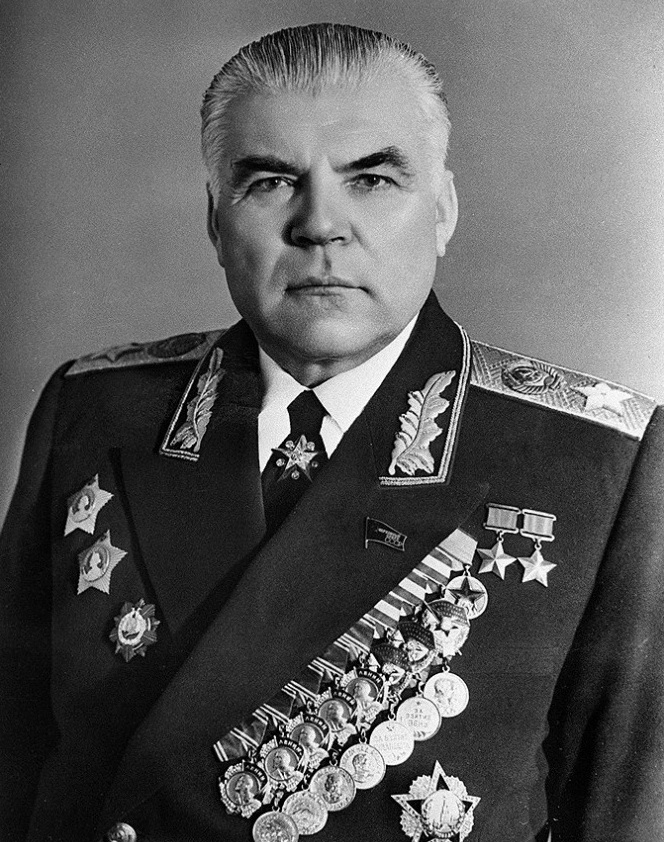
This raises a legitimate and profound question: Should a modern and democratic society even erect monuments to specific historical leaders with blood on their hands? [9]
Perhaps it would be far more appropriate for the national memory to commemorate instead the collective anonymity of the ordinary soldiers and unfortunate souls who once truly laid down their lives here for freedom. [9], [10]
Such a controversial monument does not stand in public space today as a sincere token of gratitude, but rather as chilling proof that we have learned absolutely nothing from our own distorted history. [9]
List of References
[1] The Hungarian Revolution 1956 | ENRS https://enrs.eu/article/the-hungarian-revolution-1956
[2] kvd-spravodajca-1-2025.pdf http://www.kvd-liptov.sk/index_htm_files/kvd-spravodajca-1-2025.pdf
[3] There Were No Victims at Dukla, Only Heroes - Nové slovo [online]. [cited 2016-09-20]. Available online. Archived 2017-04-25 from the original.
[4] Slepcov, I., 2005, “The Victims of Dukla in Light of the Dispute Over the Number of Red Army Casualties in World War II.” Archived January 10, 2014, at the Wayback Machine. Military History, pp. 116–123
[5] The Carpathian-Dukla Operation https://sk.wikipedia.org/wiki/Karpatsko-duklianska_oper%C3%A1cia
[6] Fico spoke with Putin about his plan to erect a monument to Soviet Marshal Konev https://www.epochtimes.sk/fico-spoke-with-putin-about-his-plan-to-erect-a-monument-to-soviet-marshal-konev_37049.html
[7] Ivan Konev - Wikipedia https://en.wikipedia.org/wiki/Ivan_Konev
[8] Lszl Borhi: Containment, Rollback, Liberation, or Inaction? The United States and Hungary in the 1950s http://www.coldwar.hu/publications/rollback.html
[9] Marshal Konev and the Art of Slovak Politicians in Covering Each Other’s Backs - Focused on https://zamerane.sk/analyzy-nazory/marsal-konev-a-umenie-slovenskych-politikov-kryt-si-navzajom-chrbat-2deb932afb
[10] A new statue of Marshal Ivan Konev was unveiled in Slovakia https://www1.pluska.sk/spravy/marsal-konev-na-slovensku-soviet-ma-sochu-blaha-buraca
[11] SNP4 :: sokolne.sk https://obcianske-zdruzenie-sokolne.webnode.sk/snp4
[12] A statue of a Soviet marshal in Slovakia pleased Russia. The Czech Republic, where the monument was removed, was labeled a “lousy hole” | ta3 https://www.ta3.com/article/1075157/statue-of-a-soviet-marshal-in-slovakia-pleased-russia-the-czech-republic-where-the-monument-was-removed-was-labeled-a-"lousy-hole"
[13] Fico and Putin want to erect a monument to Marshal Konev in Slovakia. Prague got rid of it as a symbol of the Soviet past | ta3 https://www.ta3.com/article/994429/fico-and-putin-want-to-erect-a-monument-to-marshall-konev-in-slovakia-prague-got-rid-of-it-as-a-symbol-of-the-soviet-past/2
[14] City councilors have made their decision: Marshal Konev will lose his honorary citizenship of Prague – Příbramský deník https://pribramsky.denik.cz/from-the-region/marshal-konev-to-lose-honorary-citizenship-of-prague-20220509.html
[15] MP Krúpa would remove the statue of Konev. Russia will condemn this, according to the embassy https://standard.sk/1328369/poslanec-krupa-by-sochu-koneva-odstranil-rusko-to-odsudi-znie-z-ambasady
[16] Ivan Stepanovich Konev https://cs.wikipedia.org/wiki/Ivan_Kon%C4%9Bv
[17] Controversial Konev: the marshal who liberated Prague and “crushed” the Hungarian uprising. ČT24 [online]. Czech Television, January 3, 2018 [cited September 29, 2025]. Available online.
[18] Archived August 31, 2019, at the Wayback Machine. Sputnik. August 24, 2019.
[19] NOVÁK, Martin. The attack began at dawn. The ruthless Konev crushed the Hungarian uprising, showing no regard for civilians. Aktuálně.cz [online]. September 10, 2019 [cited May 7, 2025]. [Available online].
[20] Historian: Konev arrived unexpectedly to assess the situation in Czechoslovakia. However, his reports did not determine the decision to invade. Aktuálně.cz [online]. Economia, August 21, 2018. [Available online].
[21] What You Need to Know About the Soviet Marshal from World War II for Whom Fico Wants to Build a Memorial https://www.rusyn.sk/what-you-need-to-know-about-the-soviet-marshal-from-world-war-ii-for-whom-fico-wants-to-build-a-monument
[22] The historian’s view – Nikogda ně zabuděm https://konev.pametnaroda.cz/biography
[23] On this Day, in 1956: the Red Army attacked Budapest and crushed the Hungarian Revolution – Kafkadesk https://kafkadeskdotorg.wordpress.com/2020/11/04/on-this-day-in-1956-the-red-army-attacked-budapest-and-crushed-the-hungarian-revolution
[24] Prague mayor under protection after reports of a Russian plot - France 24 https://www.france24.com/en/20200427-prague-mayor-under-protection-after-reports-of-russian-plot
[25] 80th Anniversary of the Carpathian-Dukla Operation – Association of Soldiers of the Slovak Republic https://zvazvojakov.sk/80-vyrocie-karpatsko-duklianskej-operacie
[26] It Was Removed in Prague. Čarnogurský Would Like to Transport the Statue of Russian Marshal Konev to Slovakia https://hnonline.sk/world/2133021-it-was-removed-in-prague-carnogursky-would-like-to-transfer-the-statue-of-russian-marshal-konev-to-slovakia