Masaryk and Others: Unexplained Deaths of Politicians
The mysterious deaths of politicians represent a dark chapter in history that, even decades later, raises many unanswered questions. Currently, the renewed investigation into the death of Jan Masaryk, the only non-Communist minister in the Czechoslovak government at the time, is coming to the forefront of public interest [11].
On Wednesday, in early September, experts from the Czech police began exhuming his remains from the family grave in the village of Lány near Prague [1,9].
Murder or suicide?
The goal of this step is to use state-of-the-art forensic methods that could help shed light on the circumstances of his death in 1948 [1,9]. In January of this year, the Czech police reopened the case and are investigating it on suspicion of murder [3,9]. This turn of events was prompted by the discovery of new diplomatic and intelligence archives from the U.S., the United Kingdom, and France [8].
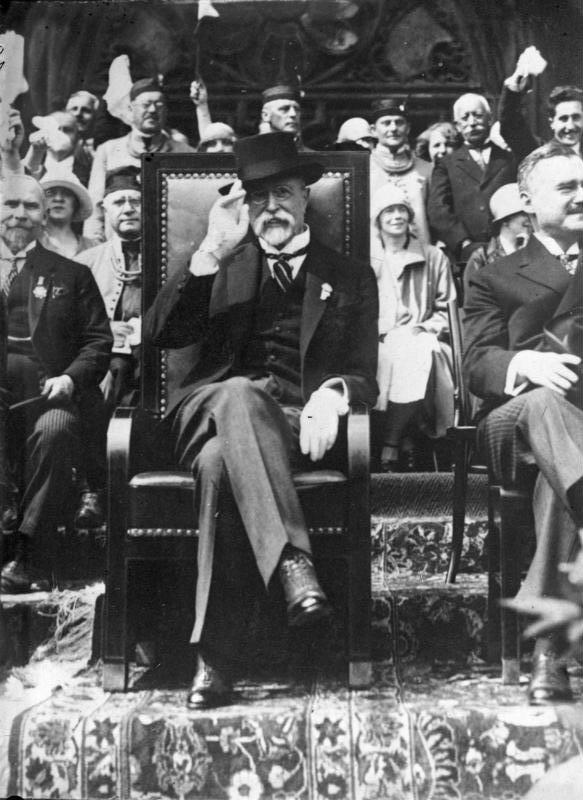
Investigators intend to compare these new findings with existing evidence to uncover any potential new connections [8]. Their goal is to confirm or refute the various hypotheses that have been linked to this case for nearly 80 years [3,8]. Examining the remains themselves is expected to be a key step toward understanding the facts of the entire case [8].
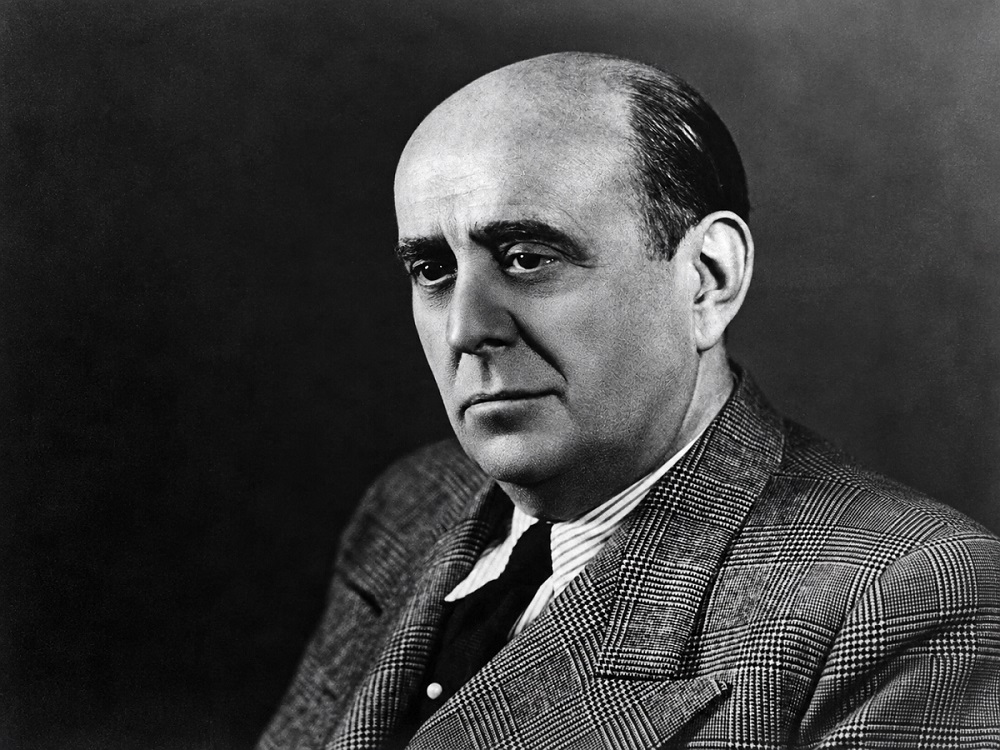
The son of the first Czechoslovak president, Tomáš Garrigue Masaryk, died under unclear circumstances on the night of March 9–10, 1948 [9]. His body was found beneath the windows of his apartment, and the official version put forth by the newly established Communist regime claimed it was a suicide [1,2]. However, a detailed examination of the circumstances led the lead investigator of the subsequent case, Major Ilya Pravda, to conclude that it was a premeditated murder [10].
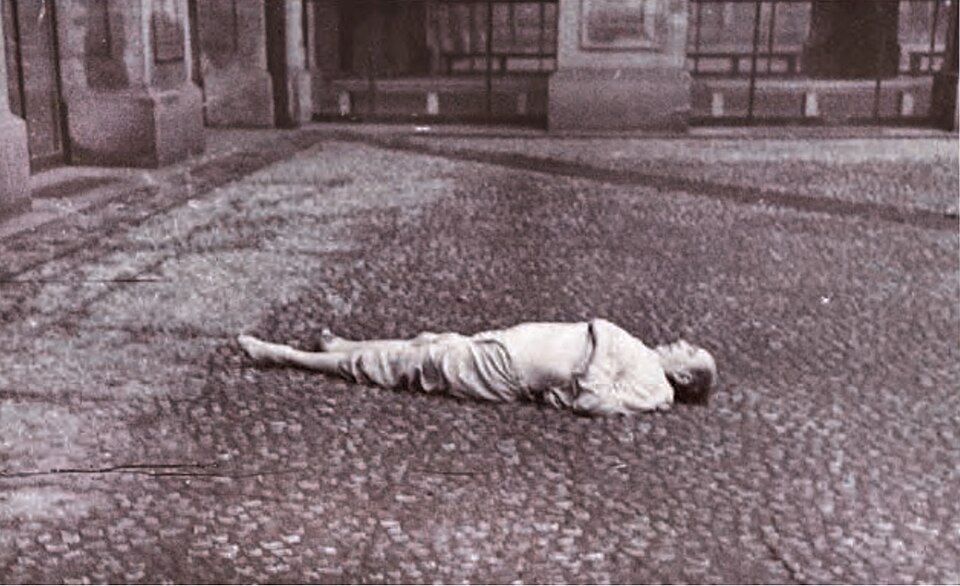
The official suicide theory is refuted by several pieces of compelling evidence found directly at the crime scene. Masaryk’s apartment was in disarray, and one of the pillows was even found in the bathtub [10]. Furthermore, experienced forensic investigators used precise calculations to rule out the possibility that, in a suicide, the body could have landed on the tile floor at the exact angle and distance at which Masaryk was found [10].
Another strong argument against suicide is the fact that the minister was planning to marry his longtime girlfriend, Marcia Davenport, and subsequently emigrate to the United States [10].
Questions are raised by the suspiciously rapid conclusion of the initial investigation as early as March 12 and the removal of the case from the non-Communist investigator [10]. Shortly thereafter, police physician Josef Teplý, who was the first to examine the body, also died, and on May 27, 1948, an unknown assailant in Prague shot and killed NKVD agent Major Augustin Schramm, who was reportedly in Masaryk’s apartment on that fateful night.
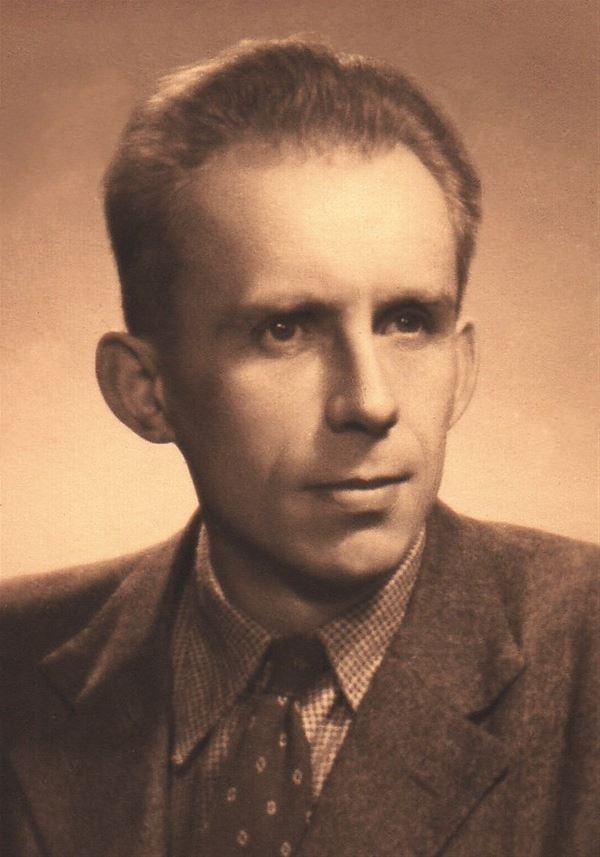
For these reasons, Major Pravda had previously concluded the investigation by stating that it was a murder, even though investigators did not have sufficient evidence to convict a specific individual [10]. New archival materials could thus definitively clarify whether there was more to Masaryk’s death than what communist propaganda claimed [8].
Dark Times
Masaryk, however, was not the only Czechoslovak politician whose death remained shrouded in mystery. For example, Karol Šmidke died in Bratislava on December 15, 1952, at the age of 55, under circumstances that remain unclear to this day [12]. According to historian Jan Rychlík, he was supposed to have been killed in a car accident; according to his contemporary Ladislav Holdoš, who after falling out of grace spent several years sorting uranium in Jáchymov, Šmidke died during an interrogation.
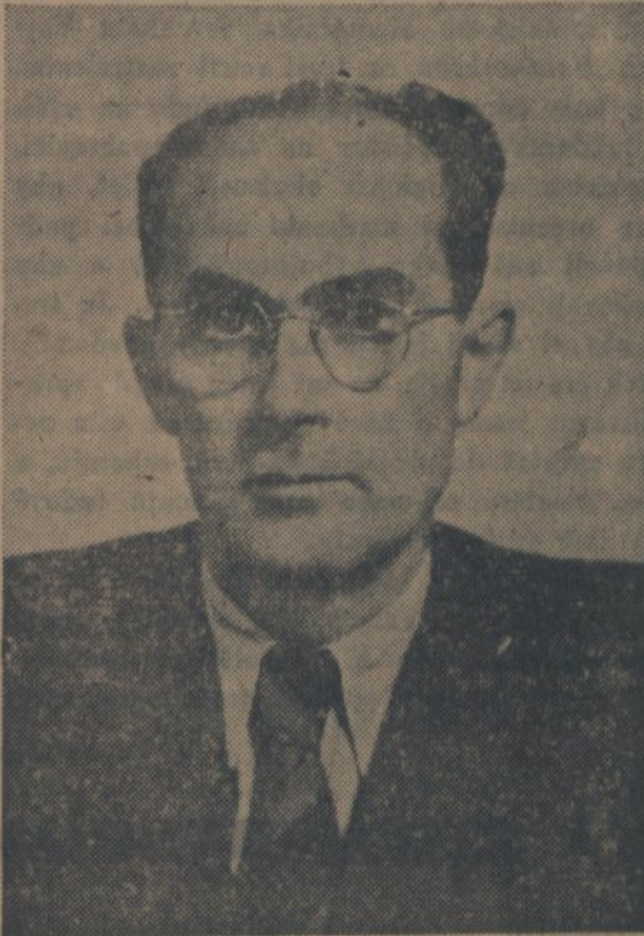
Tragic fates also befell the Hungarian political elite in interwar Czechoslovakia, many of whom were unable to return to their homeland and died abroad [13].
A larger group of these Hungarian politicians died in exile, with ten passing away in Hungary, two in the United States, and one in Chile. Their deaths and circumstances are extremely varied and remain partly unexplained to this day [13]. Such a decimation of the elite had negative consequences for the entire minority community, as it lost the internal strength to defend itself against coercion by those in power [13].
In the modern history of the Slovak Republic, the case of opposition politician Ján Ducký was a massive political shock. Until 1998, Slovakia had not recorded a single murder of a politician, but the drastic demise of this former prominent official tragically changed that statistic [5]. The investigation into this crime was not satisfactorily concluded, and the exact motives of the perpetrators were not conclusively established [5].
The reasons for eliminating politicians vary, but they are often linked to power struggles or massive economic interests. In the case of Ducký’s murder, discussions on the political scene centered on a possible connection to efforts to take control of the Slovak gas industry, as well as on the influence of the intense political campaign at the time [5].
Public and Covert Assassinations
Totalitarian regimes often used political assassinations as a tool to maintain power, but their methods and cover-ups changed over time.
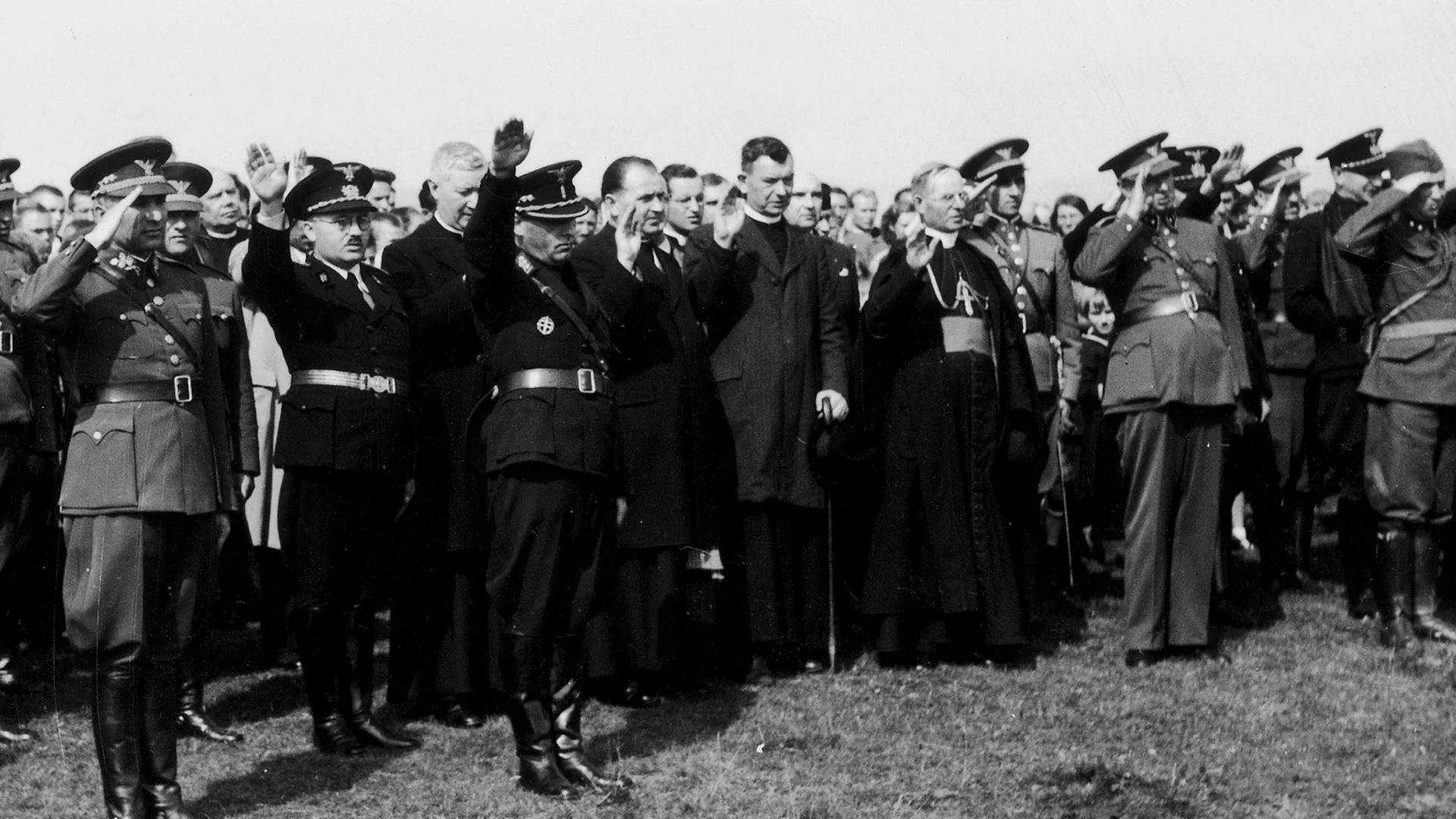
While in the 1950s, the executions of Communist officials were publicly paraded as a warning, later on the State Security Service preferred quieter methods [7,11]. The concept behind the trials of the 1950s was based on the needs of Soviet foreign policy and Stalin’s theory regarding enemy infiltration of communist parties [7].
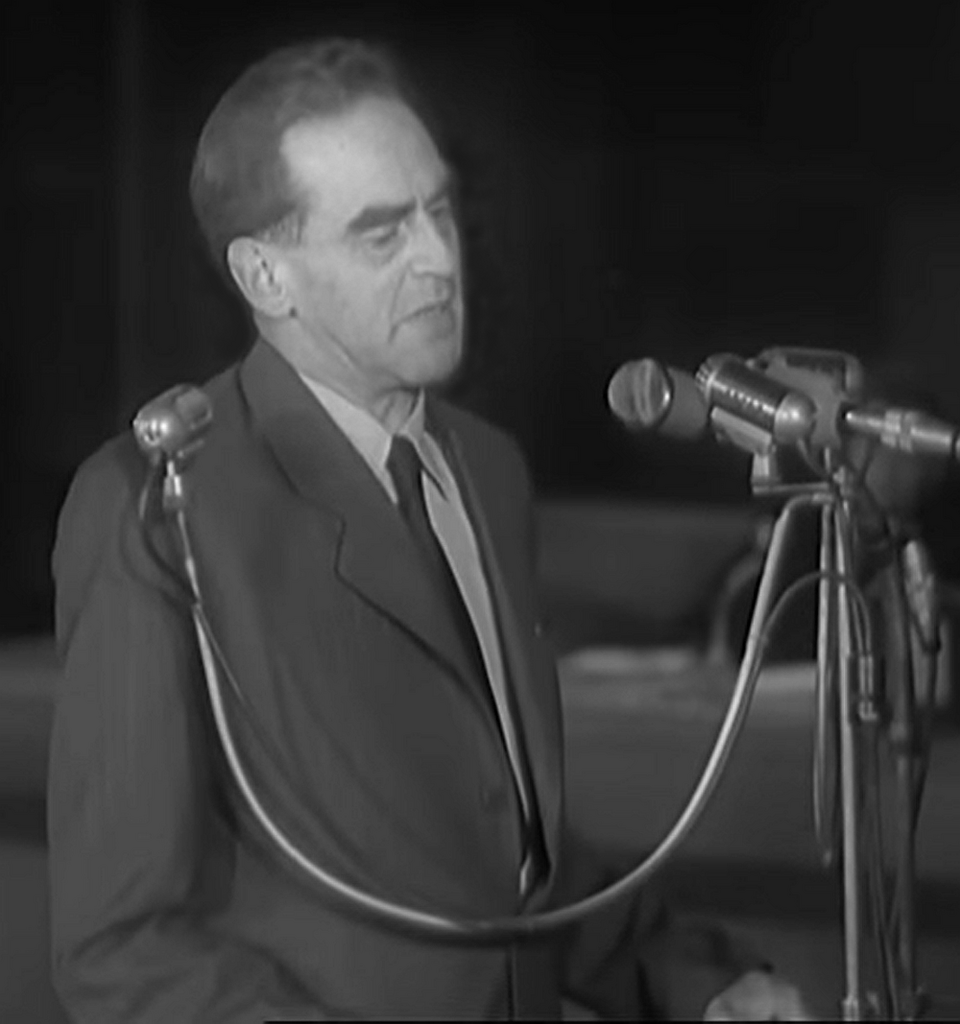
Later, police repression included terrorist acts and apparently even police murders, which the authorities deliberately staged as accidents or suicides [11].
Similar attacks on prominent political figures have shocked society many times and have not spared other continents either [6]. Pakistan’s first prime minister, Liaquat Ali Khan, was assassinated on October 16, 1951, in Rawalpindi during a public meeting of the Muslim League [6].
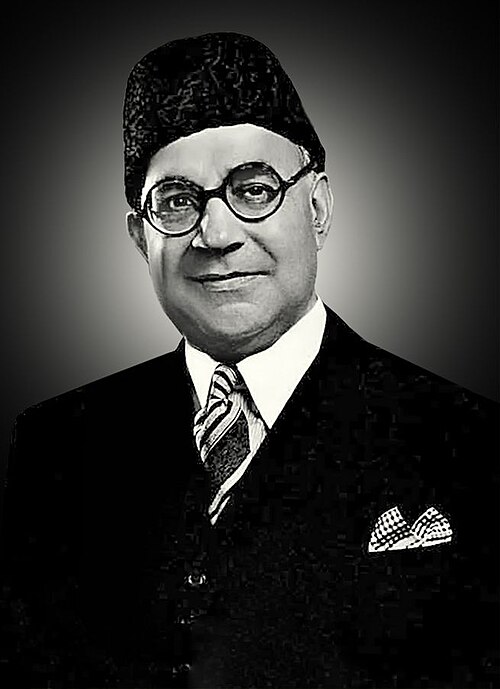
The assailant, Saeed Akbar, was shot dead by police at the scene just minutes after the assassination, which significantly deepened the mystery surrounding this murder [6].
How the assassin even managed to get to the scene of the crime remains unclear to this day. The police officer who shot Akbar later testified that he had received the order to kill him from a senior police official [6]. People sitting nearby pounced on the shooter moments after he fired two shots and literally tore him to pieces [6].
Unresolved deaths and political assassinations leave deep scars on society and have long-term, highly damaging consequences. The responses of state authorities sometimes fail to instill confidence in the public that the culprit will be identified, but rather instill a sense of fear of anonymous groups [5].
Such recklessness highlights how important it is to address crime professionally and not to condition the population to tolerate it [5].
Criminal cases and murders ultimately have a devastating impact on the international standing of the entire country. These acts have significantly damaged Slovakia’s reputation worldwide, causing the country to lag behind in its integration into European structures [4]. Rating agencies took note of the deteriorating indicators, which led to a loss of investment-grade status and higher costs for government borrowing abroad [4].
List of References
[1] Exhumation – Latest articles on Nový Čas https://www.cas.sk/tag/exhumacia
[2] Exhumation Aims to Shed Light on Jan Masaryk’s Death https://standard.sk/1298661/exhumacia-ma-pomoct-objasnit-smrt-jana-masaryka
[3] Police in the Czech Republic have begun exhuming the remains of Jan Masaryk https://www1.pluska.sk/spravy/policia-zacala-exhumovat-ostatky-jana-masaryka-chce-objasnit-jeho-smrt
[4] Slovaks were shaken by unsolved political murders https://hnonline.sk/focus/publicistika/1664183-slovakmi-otriasli-neobjasnene-politicke-vrazdy
[5] National Council of the Slovak Republic, 1998–2002, 9th Session, Part 1/8 (Jan. 19, 1999) https://www.psp.cz/eknih/1998nr/stenprot/009schuz/s009001.htm
[6] 5 Political Assassinations That Shocked the World! https://www.cas.sk/news/foreign-news/shocking-assassination-of-charlie-kirk-31-5-murders-of-political-figures-that-shocked-the-world?itm_modul=tag_articles_list&itm_brand=novycas&itm_template=tag&itm_area=list_pagination_1&itm_position=15
[7] Seventy years ago, several Communist officials were executed https://spravy.stvr.sk/2022/12/pred-70-rokmi-si-rozsudky-smrti-vypoculi-viaceri-slovenski-komunisticki-funkcionari
[8] Experts are exhuming the remains of Jan Masaryk for an investigation https://www1.pluska.sk/spravy/experti-exhumuju-pozostatky-jana-masaryka-co-odhalia-po-78-rokoch
[9] Czech police have begun the exhumation of Jan Masaryk’s remains to investigate his death https://hnonline.sk/world/96300066-czech-police-have-begun-the-exhumation-of-jan-masaryk's-remains-to-clarify-the-circumstances-of-his-death
[10] Three Possible Causes of Jan Masaryk’s Death https://www.pohrebnictvo.sk/tri-mozne-priciny-smrti-jana-masaryka
[11] Czechoslovakia from 1948 to 1989 - Wikipedia https://sk.wikipedia.org/wiki/%C4%8Cesko-Slovensko_v_rokoch_1948_a%C5%BE_1989
[12] “I Was a Five-Year-Old Enemy of the State. Because of My Grandfather,” HN, October 3, 2014, online. Archived July 15, 2015, at the Wayback Machine
[13] [PDF] The Hungarian (Political) Elite in Interwar Czechoslovakia – An Outline ... https://forumhistoriae.sk/sites/default/files/08-simon-attila-madarska-politicka-elita-nacrt-temy.pdf