A state funeral for the mastermind behind the massacre?
Ratko Mladić, the former commander of Bosnian Serb forces and also known as the “Butcher of the Balkans,” died yesterday at the age of 84 in the hospital at the UN prison in The Hague, Netherlands [1,14].
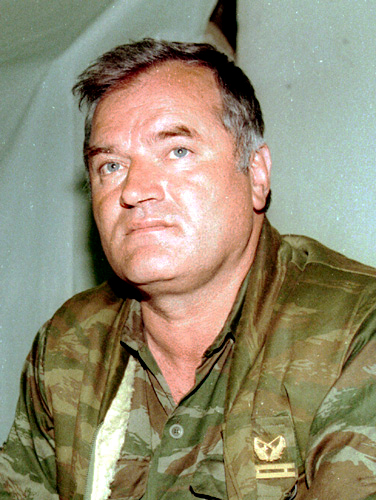
This man went down in history, sadly, as the chief architect of the worst atrocities in Europe since the end of World War II (which remained true at least until Russia’s invasion of Ukraine in 2022), for which he faced international condemnation [9,27]. His death yesterday thus definitively closed, after many long years, one of the bloodiest and darkest chapters in modern European history [5].
An Ambitious Man
Before he became a globally feared war criminal, Mladić was building a standard career in the communist Yugoslav People’s Army, known by the acronym JNA [9,18]. Born in 1942, he successfully graduated from the prestigious military academy in Belgrade in 1965, joined the ruling Communist Party, and became an ambitious career soldier [1,24].
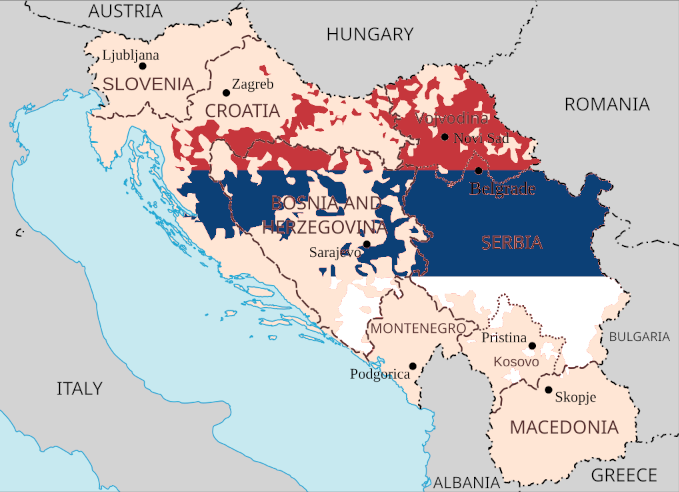
He subsequently worked his way up systematically from lower ranks to become a brigade commander, with his military career gaining extraordinary momentum precisely during the violent breakup of Yugoslavia [24].
Bosnian Hell
From May 1992, this radical officer headed the General Staff of the Army of the Serbian Republic in Bosnia and Herzegovina, where he had direct control over extensive military operations [25]. His units then began a brutal siege of Sarajevo, accompanied by constant shelling and targeted sniper attacks terrorizing innocent civilians [4,13].
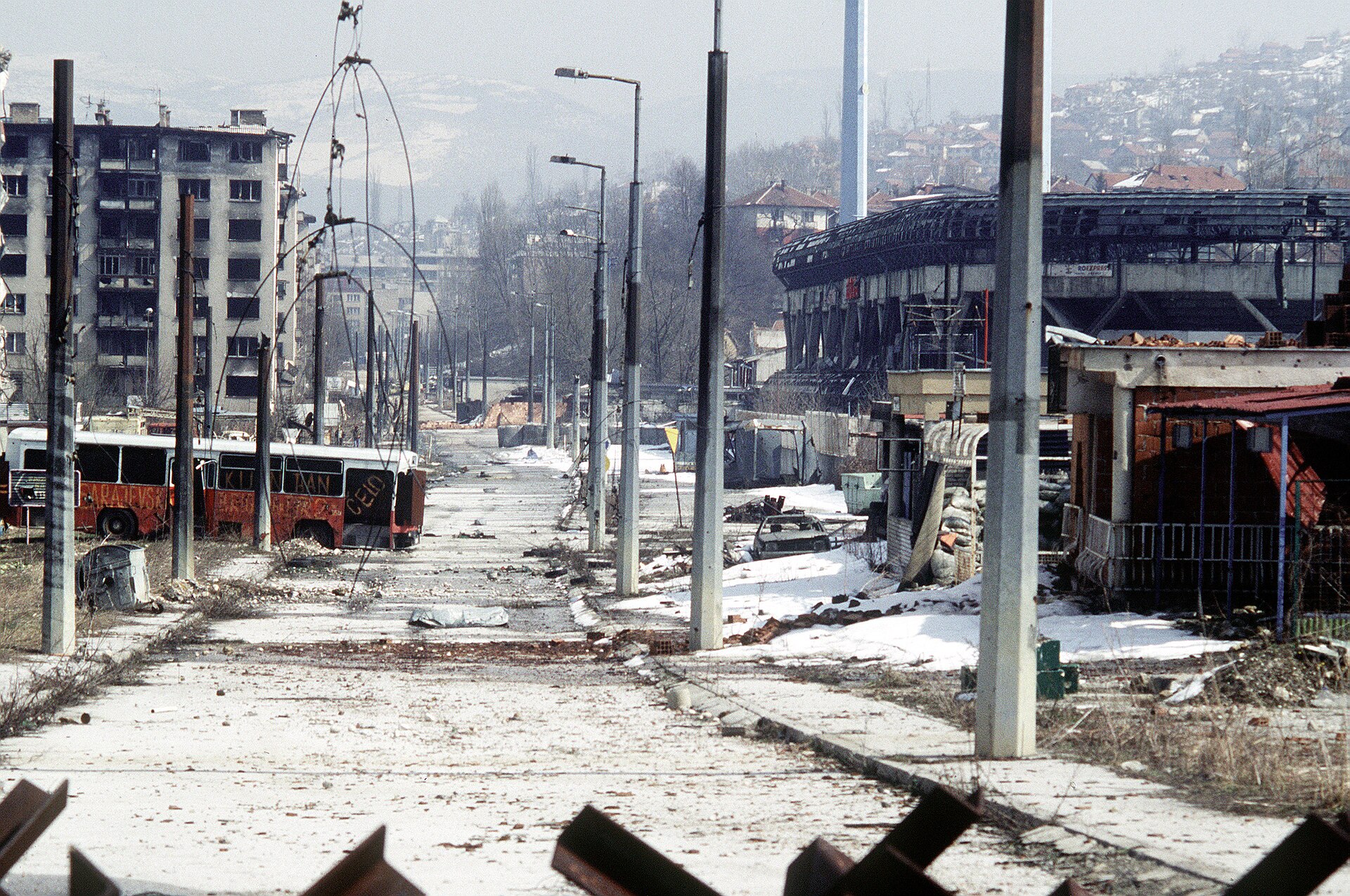
It was during this period that he earned a reputation as a ruthless commander, but the worst bloodshed under his command was yet to come [1,13].
In July 1995, Mladić’s armed units launched a massive attack on the Muslim enclave of Srebrenica, which had been formally designated a “safe area” under UN protection [1,24].
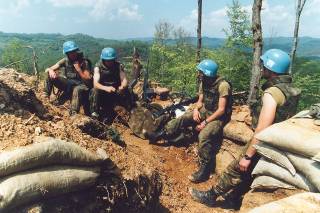
Serbian troops blocked all access roads, set up ambushes, and even stole vehicles and uniforms from the peacekeeping forces to deceive the Bosnian Muslims and force them to make concessions [2]. The Dutch members of the UN peacekeeping force, poorly armed and facing overwhelming odds, naively and mistakenly believed Mladić’s solemn promises that the local residents would be safe in his hands and surrendered [9,24].
The self-assured general had his triumphant entry into the conquered Srebrenica carefully filmed by his staff and declared before the cameras that he was presenting this town to the Serbian people as a historic gift [9,24]. Before the eyes of the world, he boasted that the time had finally come to take revenge on the “Turks” in this region, referring to the Ottoman Empire’s suppression of the Serbian uprising as far back as 1804 [2,24].
With cold cynicism, he informed the captured Muslim representatives that it depended solely on them and their cooperation whether their people would survive or vanish from this world forever [23].
The next day, Mladić skillfully played the role of a benevolent savior in front of the cameras, handing out candy to frightened Muslim children and promising everyone a safe exit from the enclave [9,24]. He even patted one of the small children reassuringly on the head—an image that has been forever etched in the memories of the survivors as a symbol of utter lies and pretense [27].
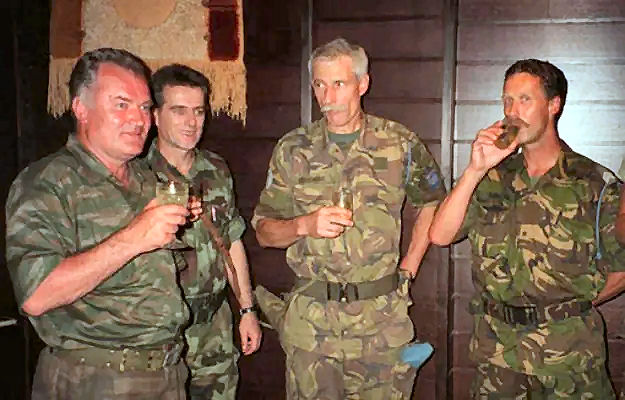
Yet while this propaganda spectacle was unfolding, in the background thousands of men and young boys were already being secretly prepared for mass execution [9,24].
Mladić, together with his officers, ruthlessly sorted through the desperate refugees and forcibly separated all men over the age of 16 from their families and loved ones [23,27]. Over the next ten days, his Serbian forces systematically and mercilessly massacred more than 8,000 Bosnian Muslims who had previously sought refuge in the city [2,16].
To this day, it remains by far the deadliest massacre in Europe since World War II and the only officially recognized case of genocide on the Old Continent since the war [5,27].
To cover up the traces of this brutal extermination, Mladić ordered the bodies of thousands of victims to be dumped into hastily dug mass graves using heavy bulldozers [14,27].
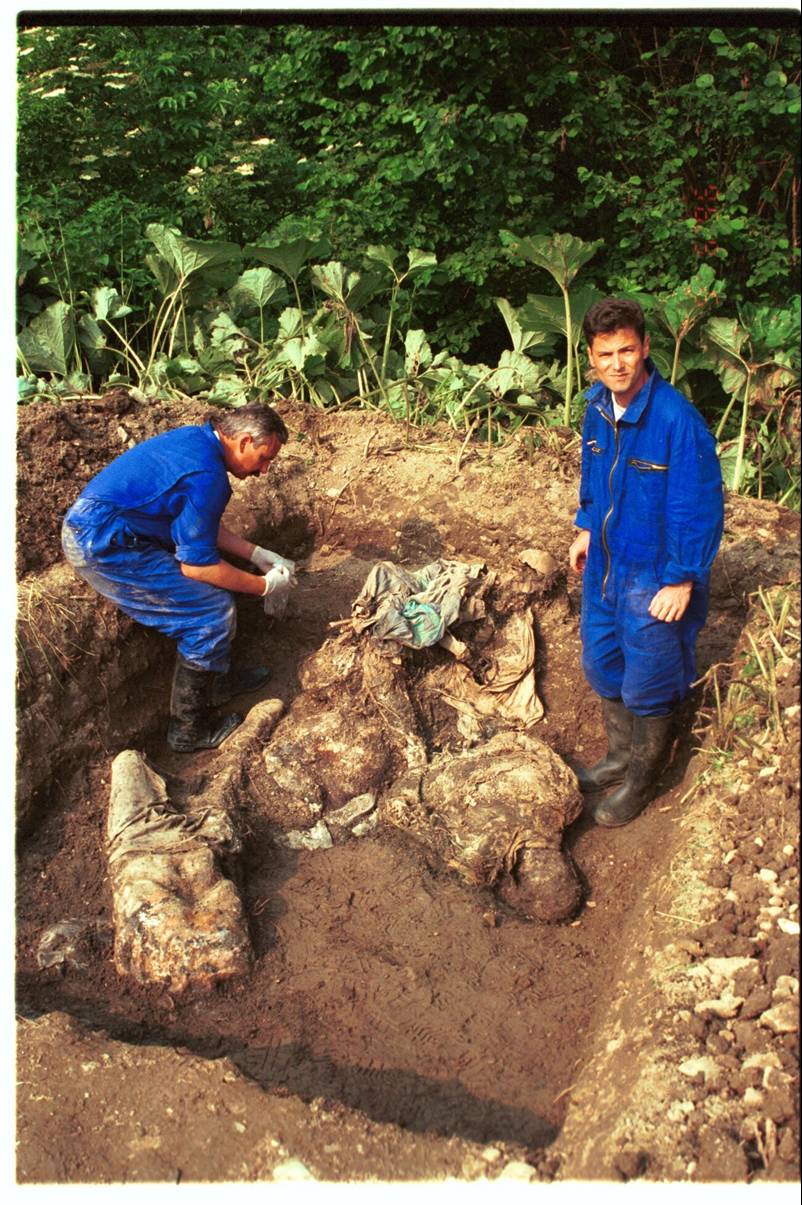
Later, soldiers even systematically dug up these graves and secretly moved the victims’ remains to remote locations in the mountains to hinder the investigation by the international tribunal [13,14]. This massive, meticulously organized massacre could only have taken place thanks to the army, which was strictly and directly controlled by Mladić himself from the highest positions of power [15,23].
Delayed Justice
After the bloodshed in Yugoslavia ended, Mladić successfully hid and evaded justice for many years, relying heavily on the support of local Serbian ultra-nationalists [2,25]. It was not until May 2011 that this wanted criminal was finally arrested, bringing to a close his more than fifteen-year period on the run [25,27]. His arrest was immediately followed by a closely watched and complex trial before the International Criminal Tribunal for the former Yugoslavia, based in The Hague, Netherlands [25,27].
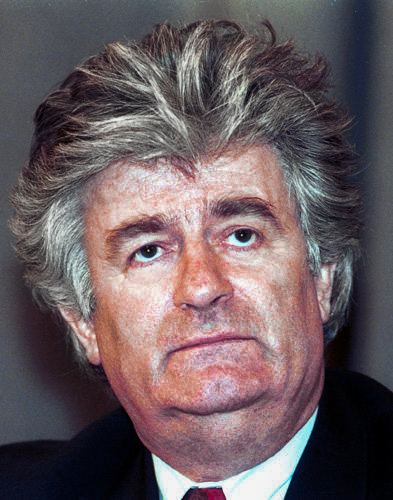
After a lengthy presentation of evidence, the court reached a clear conclusion that Mladić, together with Radovan Karadžić, President of the Republika Srpska in Bosnia, and Slobodan Milošević, President of Serbia itself, was part of a criminal conspiracy aimed at eliminating Bosnian Muslims [9,14]. During the tense court proceedings, he often lost his temper; for example, in 2017, he angrily shouted at the judges present, calling them all liars [9].
In November 2017, he was finally found guilty of genocide, crimes against humanity, and various war crimes, for which he was sentenced to life in prison [4,25].
In June 2021, the international court definitively rejected his final appeal, thereby legally confirming his life imprisonment [15,20]. This convicted man spent his very last years in a prison in The Hague, although his lawyers repeatedly requested his release on increasingly serious health grounds [9,19].
They argued, in particular, that his overall condition was deteriorating rapidly and that death could occur at any moment, but the tribunal uncompromisingly rejected these humanitarian requests every time [1,9].
A funeral with full honors?
The former general ultimately died at the age of 84, following a series of strokes, in the hospital wing of the UN detention facility [15,24]. Although his health was failing at the time of his death and he suffered from several ailments, the international court had previously determined that the level of medical care in the Netherlands met all prescribed standards [15,24]. The news of the death of this once-powerful military leader was first reported to the global public by Serbian state media [5,26].
Shortly after his death, Serbia sparked a massive international scandal by declaring that it was prepared to immediately transport his body from The Hague and hold a state funeral for him [3]. The Serbian Minister of Justice publicly confirmed the intention to bury this man with full state honors, which understandably caused deep consternation among the surviving victims of the massacres [3].
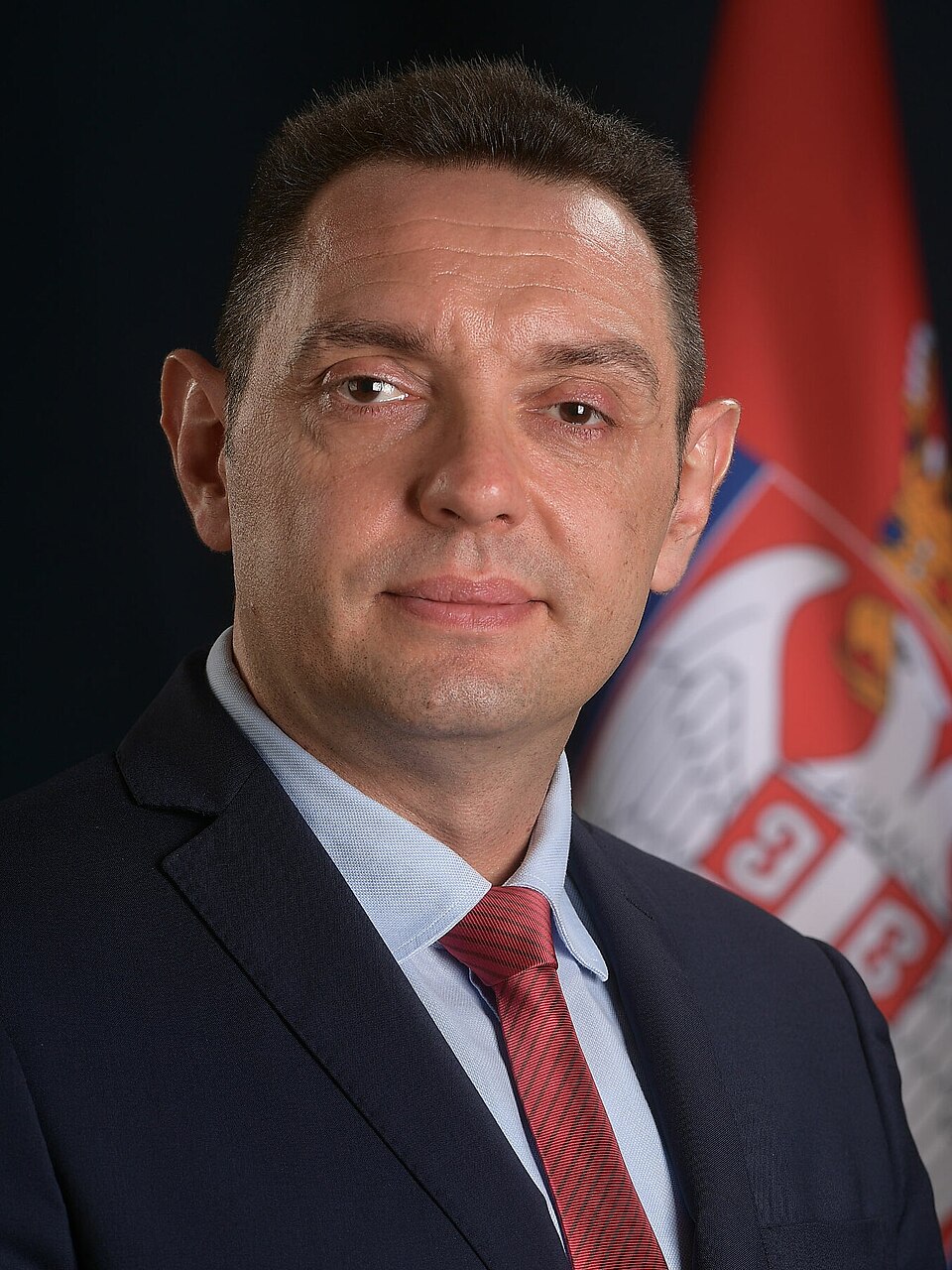
For the families of the Bosnian victims, the prospect of such a lavish funeral right in Belgrade is a fresh, exceptionally painful wound and an unprecedented insult to their memory [3].
Many observers view this provocative move as official government endorsement of the actions of a man whom the international tribunal has unequivocally convicted of genocide in Srebrenica [3]. From a regional perspective, this seriously threatens the already fragile balance within the structures of Bosnia and Herzegovina, where institutions based on the division of power among different ethnic groups are under enormous political pressure [3]. Moreover, the glorification of convicted war criminals in Belgrade or Banja Luka directly emboldens radical extremists who are speaking ever more openly about secession or changing historical borders [3].
Who has managed to evade justice?
Among other things, this diplomatic misstep by the government also strategically complicates Serbia’s already complex relations with the European Union, as the country remains a candidate country [3]. Brussels has repeatedly and emphatically signaled that genuine reconciliation and respect for the decisions of international courts are absolutely fundamental expectations for countries seeking to join the Union [3]. If Serbia does indeed hold this celebratory funeral, it will likely slow its European integration even further and significantly undermine key investment decisions by Western partners [3].
From the perspective of historical justice, the Mladić trial was also the last major trial of the International Criminal Tribunal for the Former Yugoslavia at the first instance [6,21]. Since its establishment in 1993, this special body has officially indicted a total of 161 individuals for war crimes [7,12]. Of this large number of accused, exactly 90 perpetrators were ultimately successfully convicted and subsequently sentenced for their inhumane acts [4,7].
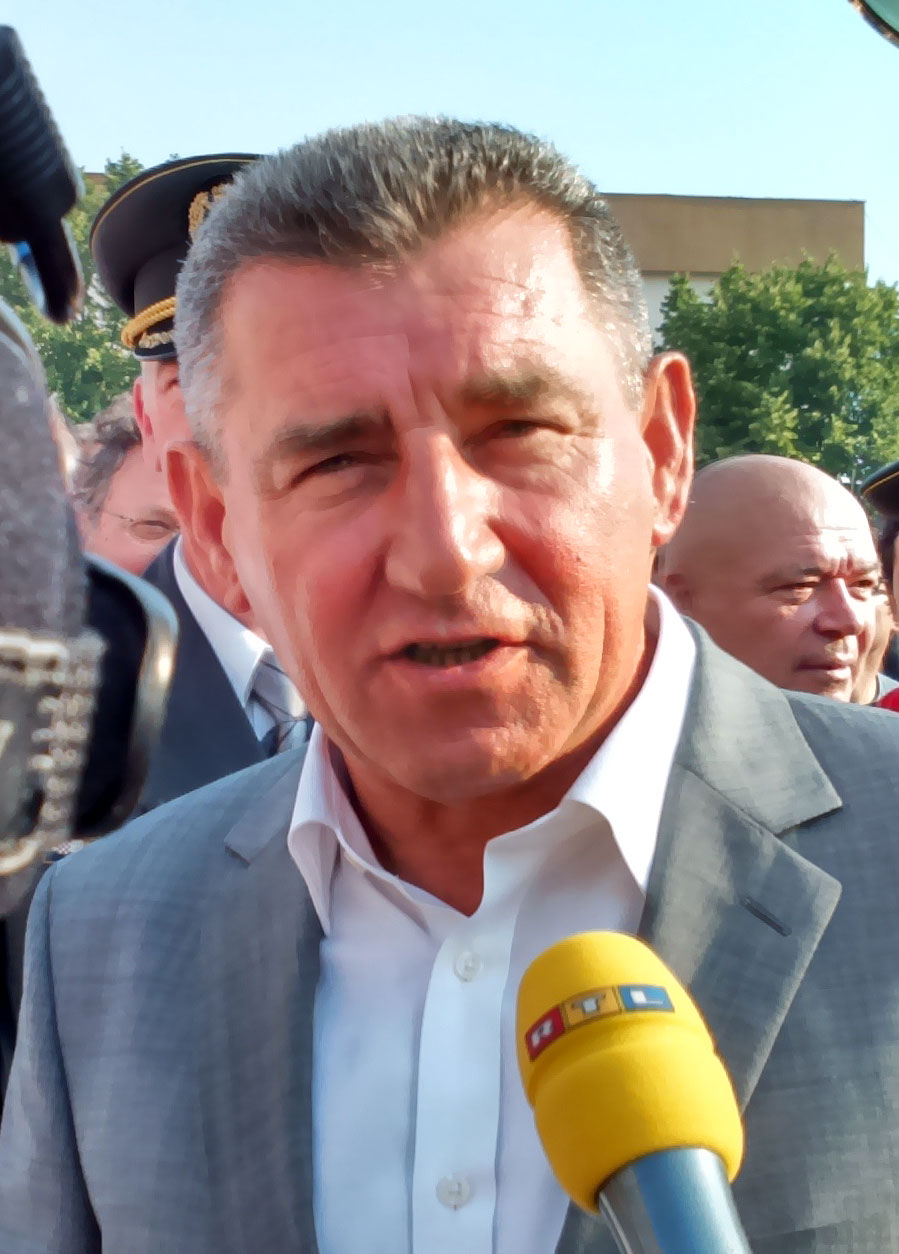
Although the tribunal prosecuted only a select group of the highest-ranking political and military leaders, by no means did all of the principal perpetrators of the atrocities ultimately serve their sentences [10,22]. Some of the most prominent defendants, such as Croatian generals Ante Gotovina and Mladen Markač, were fully acquitted after their original convictions were overturned on appeal [8,11].
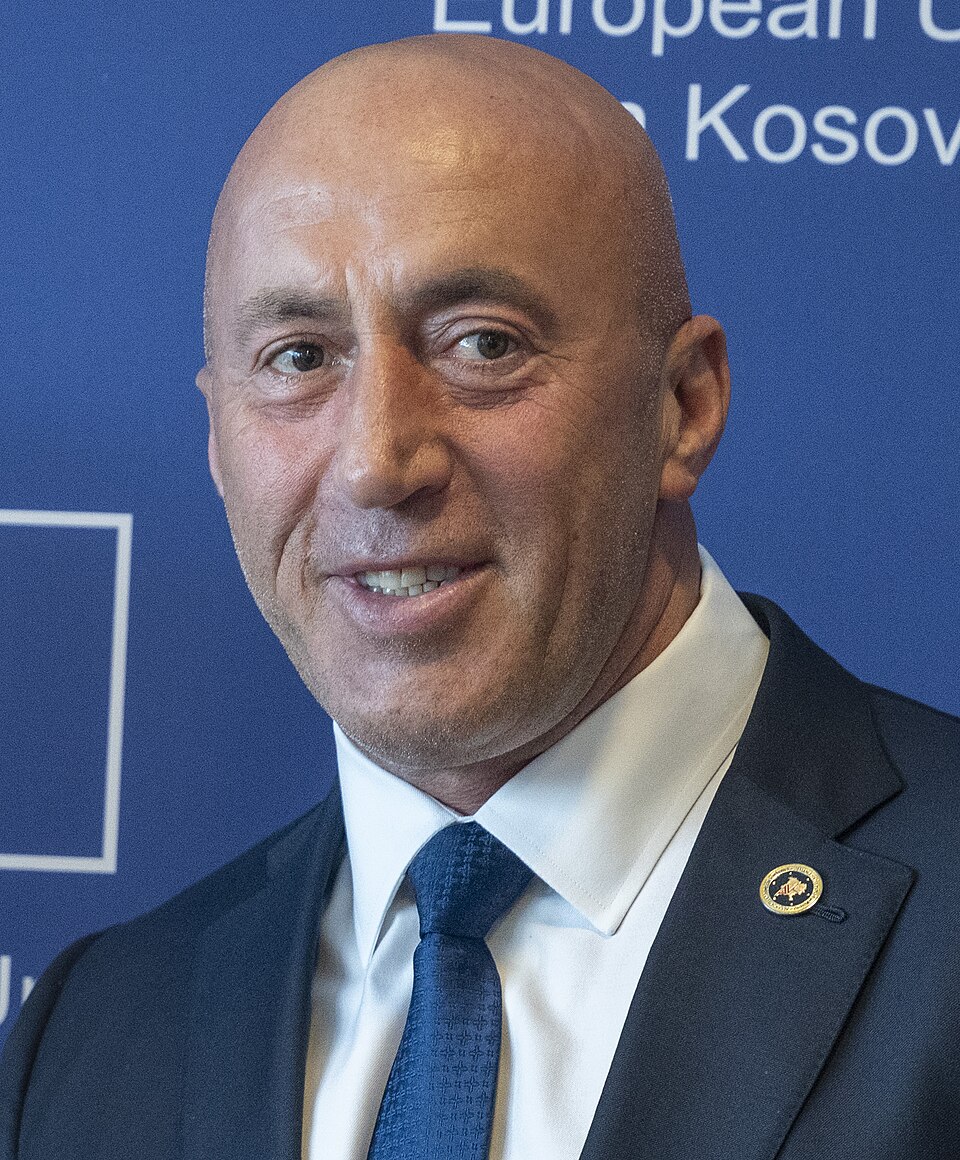
A similarly surprising fate befell former Kosovar Prime Minister Ramush Haradinaj, who was also cleared of all charges after a long legal battle [8].
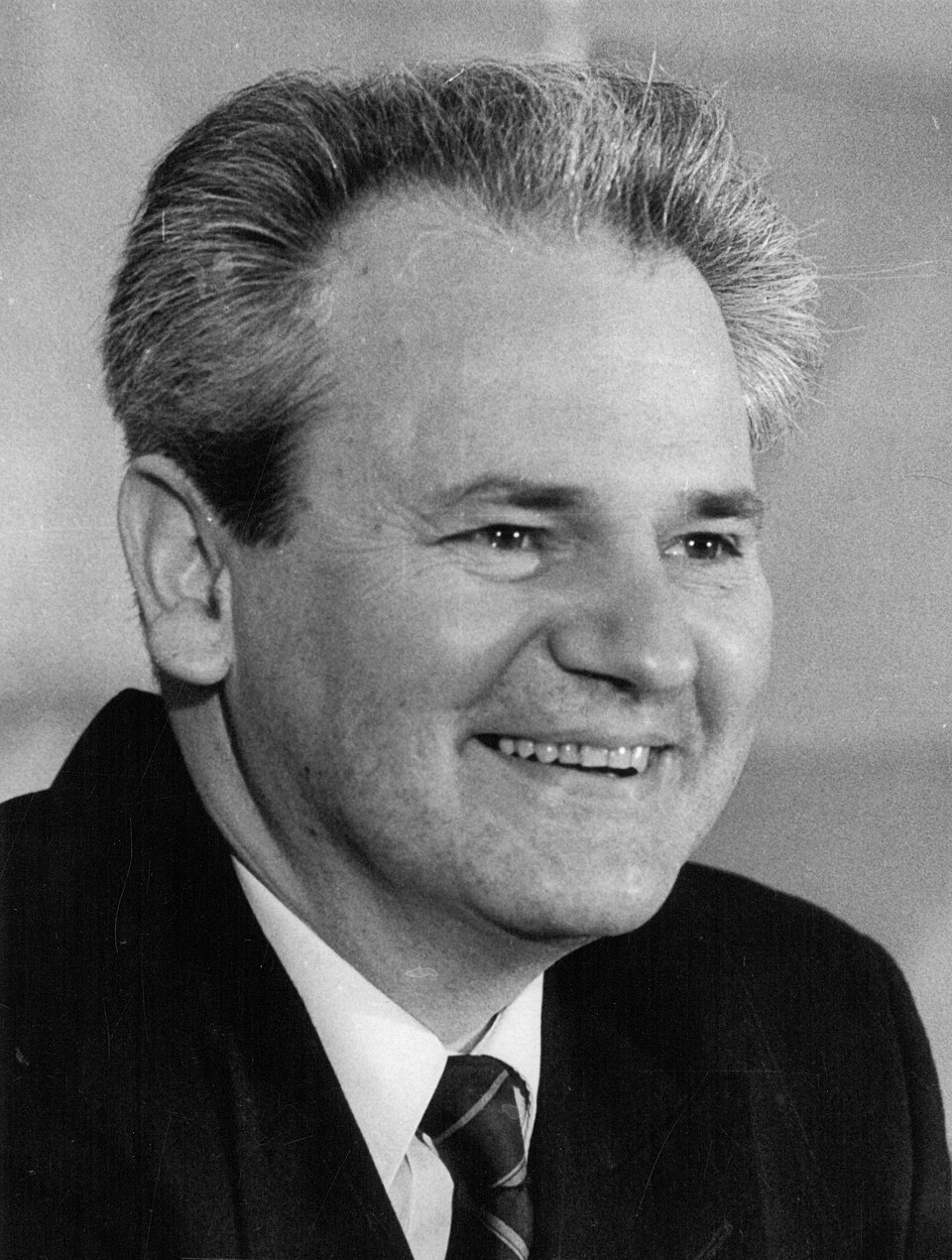
Perhaps the best-known case of a perpetrator of exceptionally serious crimes who escaped formal punishment was that of former authoritarian Serbian President Slobodan Milošević [9,28]. This politician was the first sitting president ever to be indicted by an international court, facing serious charges of genocide in Bosnia, Croatia, and Kosovo [9,17].
In March 2006, however, just a few months before the expected sentencing, he died unexpectedly of a heart attack in his prison cell, bringing his trial to a premature end without any verdict [9,28].
List of References
[1] Ratko Mladić, Bosnian-Serb general dubbed the “Butcher” ... https://www.cnn.com/2026/08/27/europe/ratko-mladic-bosnian-serb-dead-intl
[2] The Srebrenica Genocide in the Context of the War of Aggression https://srebrenica.org.uk/what-happened/history/introduction-srebrenica
[3] Serbia’s Plan to Bury Ratko Mladić With State Honors Risks… https://hamerintel.com/data/articles/16007
[4] International Criminal Tribunal for the former Yugoslavia https://worldwithoutgenocide.org/genocides-and-conflicts/bosnia/icty
[5] Ratko Mladić, the Murderous 'Butcher of Bosnia,' Dies at 83 https://www.nytimes.com/2026/08/27/world/europe/ratko-mladic-dead.html
[6] "Ratko Mladic found guilty." The Guardian. November 22, 2017.
[7] "Infographic: ICTY Facts & Figures" (PDF). International Criminal Tribunal for the former Yugoslavia. February 2016. Retrieved March 27, 2016.
[8] "Croatian President Shuns Jeremić's UN Debate". Balkan Insight. March 29, 2013. Retrieved April 9, 2013.
[9] Ratko Mladić, former general convicted of genocide in Bosnia ... https://www.reuters.com/world/bosnian-serb-general-ratko-mladic-convicted-genocide-has-died-un-official-says-2026-08-27
[10] List of convicted war criminals - Wikipedia https://en.wikipedia.org/wiki/List_of_convicted_war_criminals
[11] Borger, Julian (November 16, 2012). "War crimes convictions of two Croatian generals overturned". The Guardian.
[12] Ratko Mladic sentenced to life imprisonment for international crimes committed in Bosnia and Herzegovina https://www.fidh.org/en/issues/international-justice/ad-hoc-and-hybrid-tribunals/ratko-mladic-convicted-to-life-imprisonment-for-international-crimes
[13] Ratko Mladić | Military History and Science https://www.ebsco.com/research-starters/military-history-and-science/ratko-mladic
[14] Convicted Bosnian Serb war criminal Ratko Mladić dies https://www.aljazeera.com/news/2026/8/27/bosnian-serb-general-ratko-mladic-has-died-un-official-says
[15] Ratko Mladic: The 'Butcher of Bosnia' Who Was Convicted ... https://www.rferl.org/a/ratko-mladic-bosnia-dead-war-crimes-yugoslavia/33740750.html
[16] Former Bosnian Serb military leader Ratko Mladic dies at 84 https://www.dw.com/en/ex-bosnian-serb-military-leader-ratko-mladic-dead-at-84/a-78531323
[17] ICTY - Center for Global Law and Justice | Resource Hub https://cgljresourcehub.law.northeastern.edu/human-rights-law/international-criminal-law/icty
[18] Block, Robert. "The Madness of General Mladic by Robert Block." The New York Review of Books. Retrieved May 26, 2011.
[19] Ratko Mladic – Amended Indictment, from the UN’s ICTY website, October 10, 2002.
[20] "Srebrenica massacre: UN court rejects Mladic genocide appeal". BBC News. June 8, 2021. Retrieved June 8, 2021.
[21] ICTY official website: The Cases Archived May 3, 2015, at the Wayback Machine
[22] War criminals could escape justice | News | Al Jazeera https://www.aljazeera.com/news/2006/10/6/war-criminals-could-escape-justice
[23] Timeline: Ratko Mladić and His Role in War Crimes During the Bosnian War | FRONTLINE | PBS | Official Site | Documentary Series https://www.pbs.org/wgbh/frontline/article/timeline-ratko-mladic-and-his-role-in-war-crimes-during-the-bosnian-war
[24] Ratko Mladić, the 'Butcher of Bosnia', dies in The Hague https://www.theguardian.com/world/2026/aug/27/ratko-mladic-the-butcher-of-bosnia-dies-aged-84
[25] MLADIĆ, Ratko (MICT-13-56) | UNITED NATIONS | International Residual Mechanism for Criminal Tribunals https://www.irmct.org/en/cases/mict-13-56
[26] Ratko Mladic has died https://www.justiceinfo.net/en/164054-ratko-mladic-has-died.html
[27] Ratko Mladic, a former Bosnian Serb warlord who oversaw ... https://www.pbs.org/newshour/world/ratko-mladic-ex-bosnian-serb-warlord-who-oversaw-atrocities-dies-in-prison-at-84
[28] International Criminal Tribunal for the Former Yugoslavia https://hmd.org.uk/learn-about-the-holocaust-and-genocides/bosnia/international-criminal-tribunal-for-the-former-yugoslavia