An eye for an eye?
The death penalty is perhaps the oldest form of justice, but recent events in the U.S. state of Tennessee have once again sparked a global debate about its justification.

This has never happened before
On September 30, 2026, a historically unprecedented attempt to execute inmate Christa Pike took place here. This case shocked not only the American public but also the international community monitoring human rights developments [3,30].
Christa Pike, convicted of the 1995 murder of her classmate, 19-year-old Colleen Slemmer, was set to become the first woman executed in Tennessee in the last two hundred years [26].

A fatal failure occurred during the administration of two doses of pentobarbital, a barbiturate commonly used in lethal injections in the U.S. [7,26]. Although state officials claimed they had followed the established protocol exactly, the sequence of events clearly indicated the opposite [30,34].
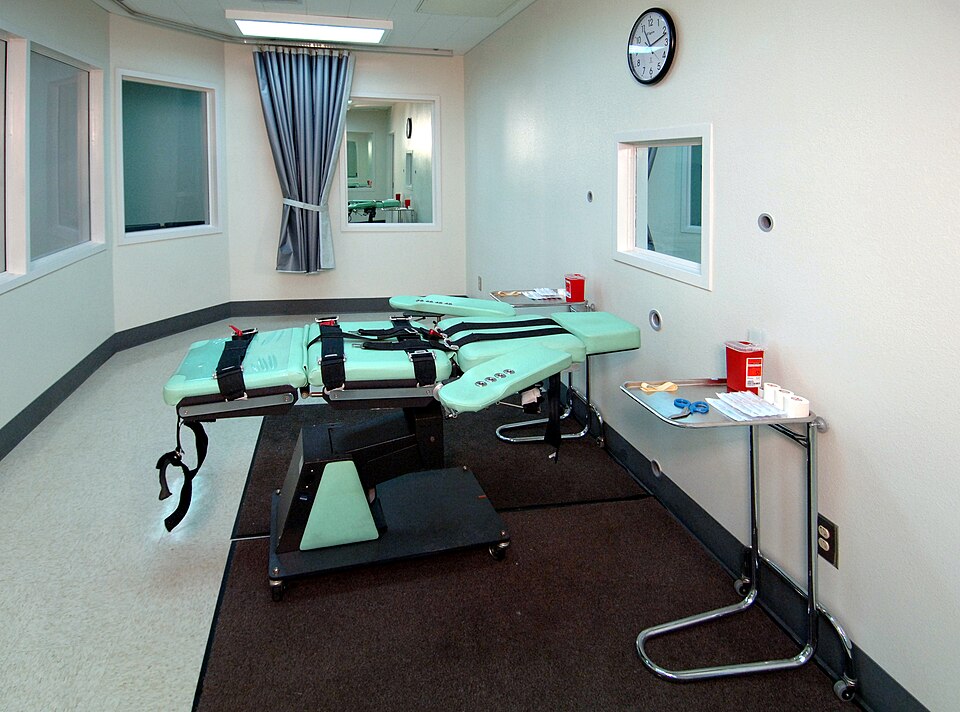
The condemned woman’s attorneys had warned the court in advance that, due to her health condition and exceptionally poor veins, inserting an intravenous cannula would be very difficult [7,26]. Eyewitnesses, including journalists and her attorney Randy Spivey, confirmed that at least seven needles were inserted into her left arm [3,26].
One of these needles even appeared to be bent at a ninety-degree angle when it was being pulled out of her body after an unsuccessful attempt [3,26].
Pentobarbital is a chemical that causes severe burning upon direct contact, including with the skin, tissue, and veins [26]. Christa Pike herself complained of pain during the procedure, and witnesses heard her say that the vein in her arm might burst and ask if it was really supposed to hurt that much [7,28].
Subsequently, loud snoring and sounds resembling choking began to emanate from her throat, lasting nearly an hour until the execution was finally halted [7,28,30].
After this gruesome spectacle, paramedics intervened, and an ambulance transported the woman, who was in critical condition, to Vanderbilt University Medical Center in Nashville [3,28]. There, doctors immediately placed her on a ventilator, and on October 5, 2026, her medical team even concluded that brain death had definitely occurred [3,28].

To everyone’s utter surprise, however, she regained consciousness the following morning and began to speak, a recovery her representatives described as medically unprecedented [26,28].
As early as October 10, 2026, she was discharged from the hospital and returned to the Deborah K. Johnson Rehabilitation Center, where she had previously spent over thirty years [28].
In light of her botched execution, a pressing question arose in American society: Should the survivor now be granted a pardon and an automatic commutation of her sentence to life imprisonment? However, Robin M. Maher, executive director of the Death Penalty Information Center, pointed out to the public that there is no legal precedent for granting a pardon after surviving an execution [30].
In the modern era of capital punishment, no other prisoner has survived the direct injection of lethal chemicals into the body [3,7]. Although seven people before her survived such an execution attempt, in all of these exceptional cases, the process was halted before the lethal agent was actually injected [3].
Ironically, the same doctor, Mark Fowler, who oversaw the failed execution of Tony Carruthers in May—which was halted because a suitable vein could not be found—was present at Christy Pike’s execution.
In response to this scandal, Governor Bill Lee suspended all executions until the end of the year and ordered an independent investigation of the entire system, while Department of Corrections Director Frank Strada resigned [3,7].
Meanwhile, a Davidson County court ordered officials to carefully preserve all evidence related to this failure, including medical waste and communication logs [7]. Pike herself remains angry and confused, but according to her lawyers, she is well aware of the reality of the situation.
She is currently suffering from pneumonia, has a blood clot in her arm, and, due to her inability to swallow, cannot eat normally on her own [26].
The First Opponent in History
The idea of completely abolishing the death penalty is by no means a modern invention; its intellectual roots stretch back to the Enlightenment of the eighteenth century. Until that time, the death penalty was accepted almost universally, until the first scholars came forward openly calling for its abolition [35].
The first Enlightenment philosopher to advocate in detail for the abolition of executions in his work was the renowned Italian thinker Cesare Beccaria [1,8].
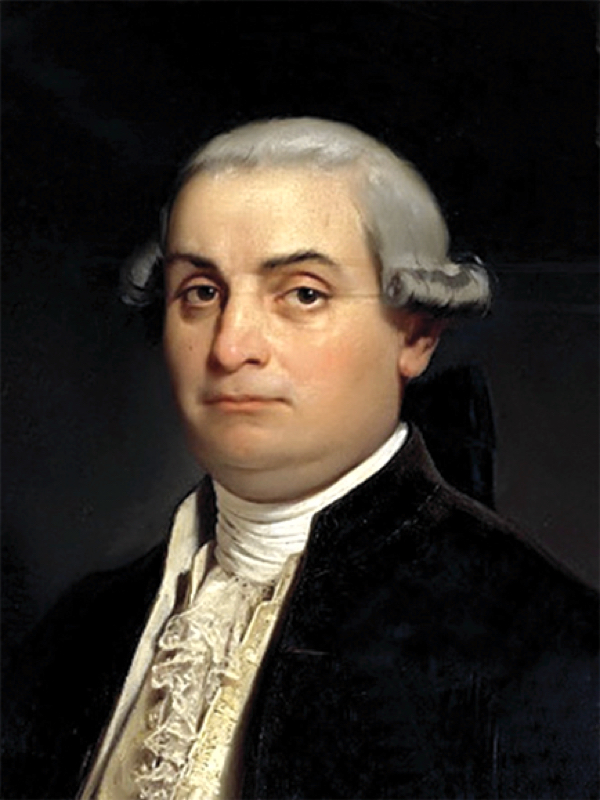
In his groundbreaking 1764 essay titled “On Crimes and Punishments,” Beccaria rationally argued that the death penalty is excessive and ineffective in deterring offenders from committing crimes [8,29].
This groundbreaking work, along with the writings of his contemporary Giuseppe Pelli of Florence, had an enormous impact on contemporary society as a whole [29,35].
Together, these men spurred the emergence of powerful abolitionist movements across Europe and the United States, thereby forever changing the perspective on criminology [29,35].
A Habsburg Pioneer
The first state in modern history to abolish the death penalty nationwide was the Grand Duchy of Tuscany under Grand Duke Leopold II of Habsburg.
This occurred on November 30, 1786, when this son of Maria Theresa and future Emperor of the Holy Roman Empire abolished capital punishment and ordered the immediate destruction of all instruments of execution in his realm [10].
Even before this official ban, however, executions had already been suspended de facto since 1769 [10].

Another important historical milestone in the abolition of this cruel practice came in 1824, when the Kingdom of Tahiti became the first legislative assembly in the world to officially abolish the death penalty. Convicts in this exotic Pacific nation no longer faced execution; instead, their sentences were commuted by law to exile on uninhabited islands, of which the country had plenty [10].
Venezuela became the first truly independent sovereign state to permanently abolish the death penalty for absolutely all crimes [21,29].
Venezuela took this revolutionary step in 1863 during the presidential term of Juan Crisóstomo Falcón, although some other sources cite the abolition as early as 1853 [21,24]. This landmark event occurred shortly after the country successfully achieved its definitive independence from the Spanish Empire [29].
Venezuela thus forever inscribed itself in world history as a pioneer in building a more humane and just society that protects human life [29]. Venezuela was followed by San Marino in 1865 and Costa Rica in 1877; by 1900, there were three countries in the world without the death penalty.
The Stance of the Popes
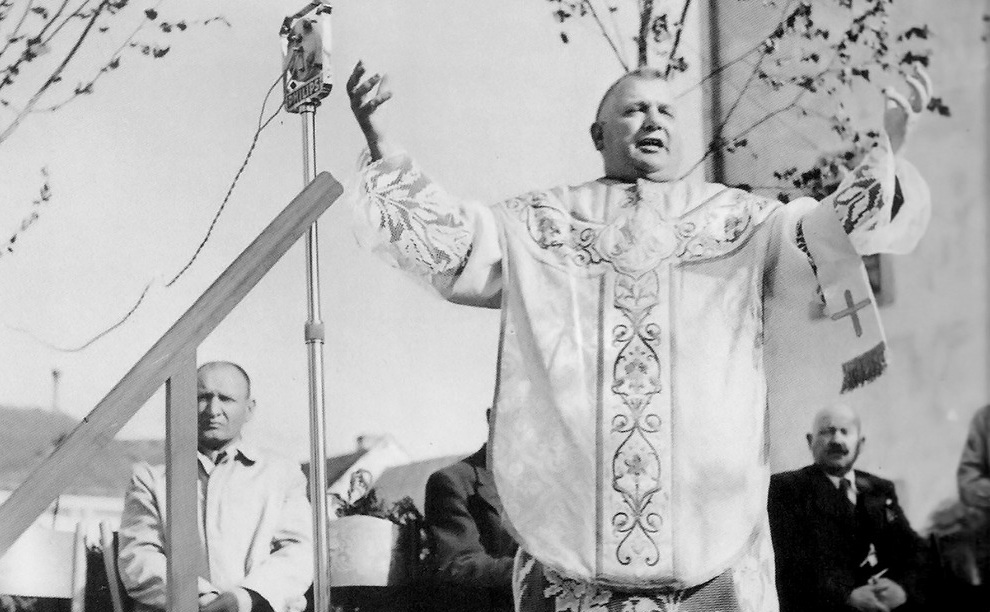
The Catholic Church is also an exceptionally influential and powerful voice in this global effort today, and its stance on the death penalty has undergone an interesting evolution over the past decades. In his famous 1995 encyclical *Evangelium vitae*, Pope John Paul II still advocated the idea that the death penalty should be used only in extreme cases.
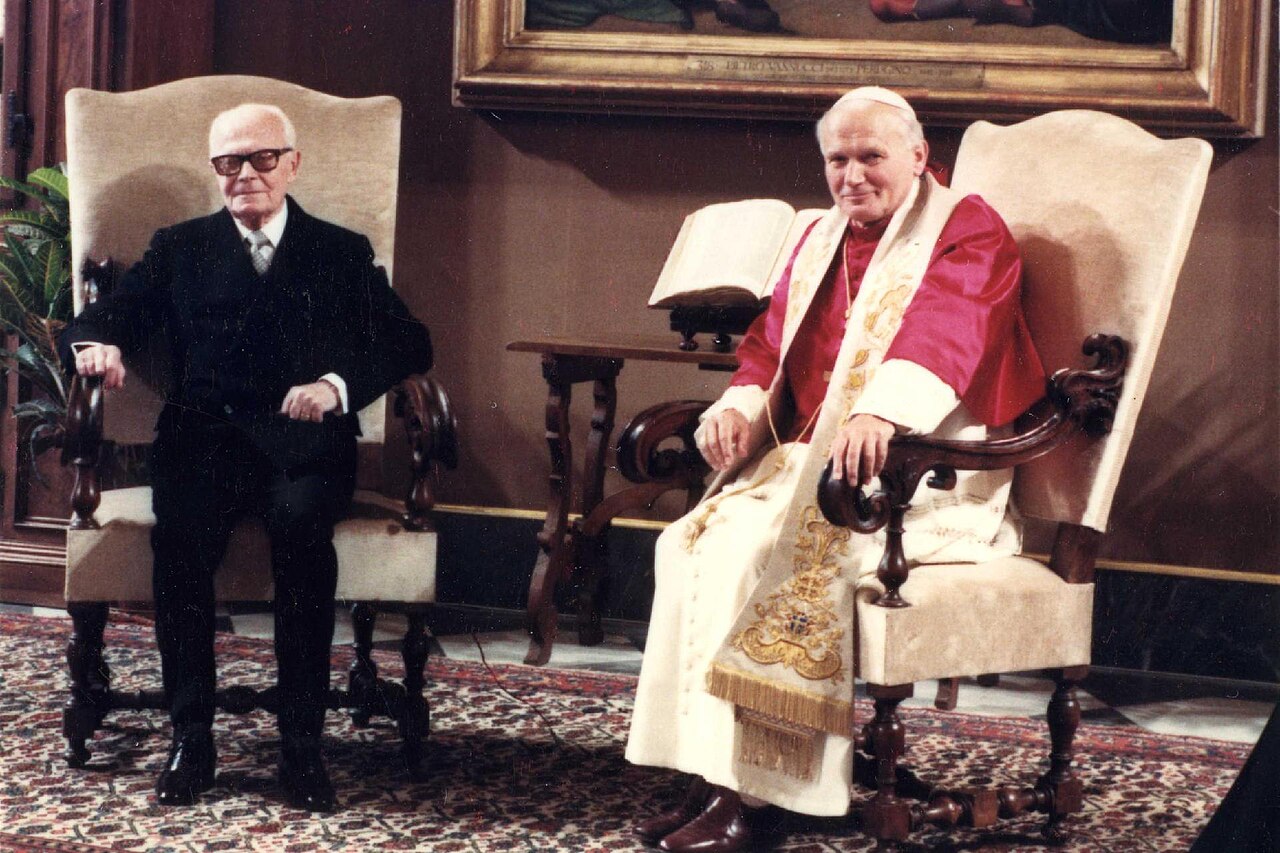
According to him, execution was justifiable only if it represented the sole means of ensuring the survival and defense of society against a specific offender [4].
However, John Paul II added in the same breath that, thanks to continuous improvements in the security of prison systems, such cases of absolute necessity are very rare today, if not practically nonexistent [4,22].
His approach thus did not completely rule out the death penalty in theory, but it reduced its actual application to an absolute minimum [4,22].
The current Pope Francis directly built upon this idea, but took it to a much more radical and definitive level within Church teaching.
In 2018, Pope Francis officially amended the Catechism of the Catholic Church and openly declared that the death penalty is inadmissible and unacceptable under any circumstances [4,9,31].
Francis argues that execution is a direct attack on the inviolability and dignity of the human person, thereby sharply contradicting God’s plan for humanity. In his words, this inherent human dignity is never lost, not even after the commission of the most serious and heinous criminal acts [4,31].
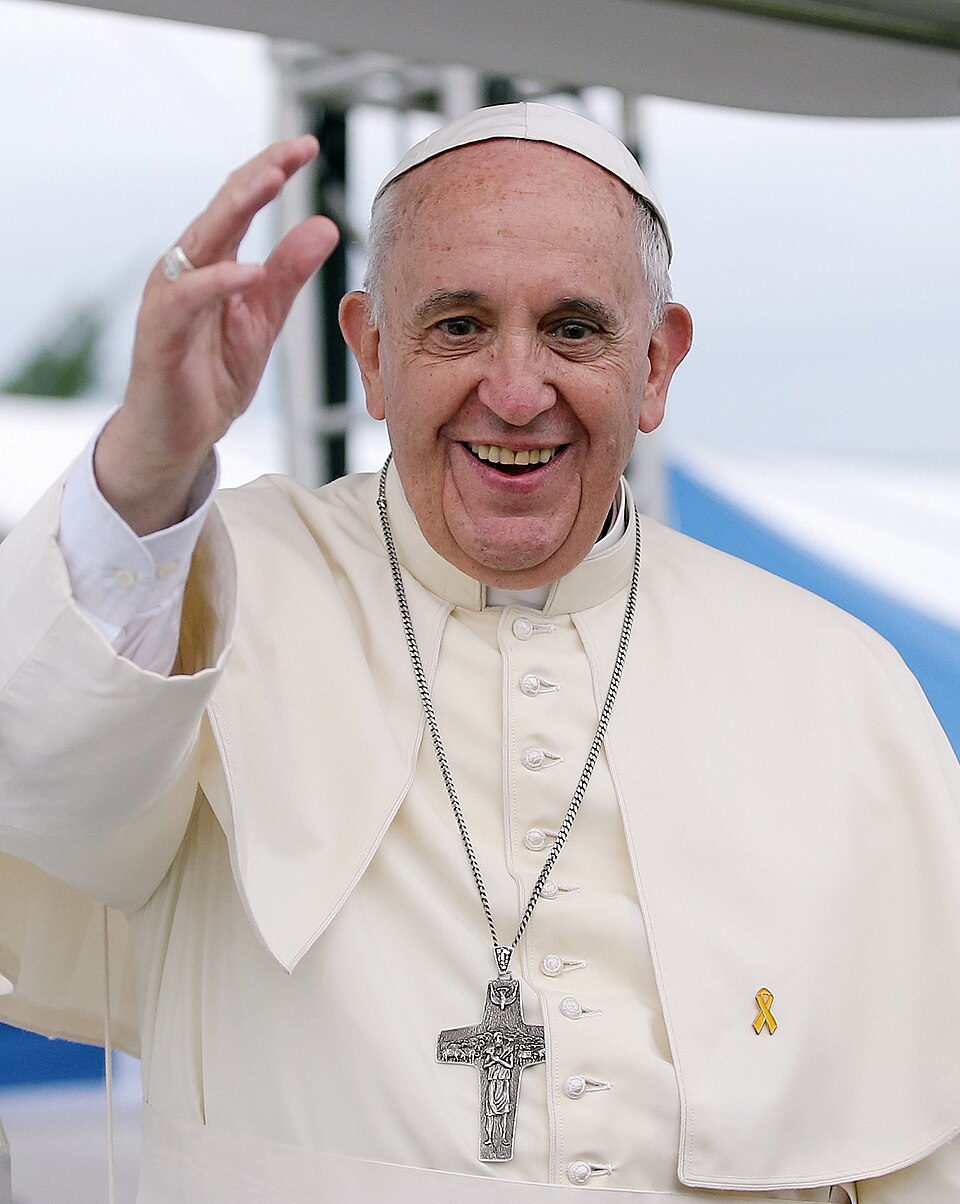
Under Francis’s leadership, the Church has clearly asserted that capital punishment not only fails to bring true justice to victims but rather fosters blind vengeance in society [4].
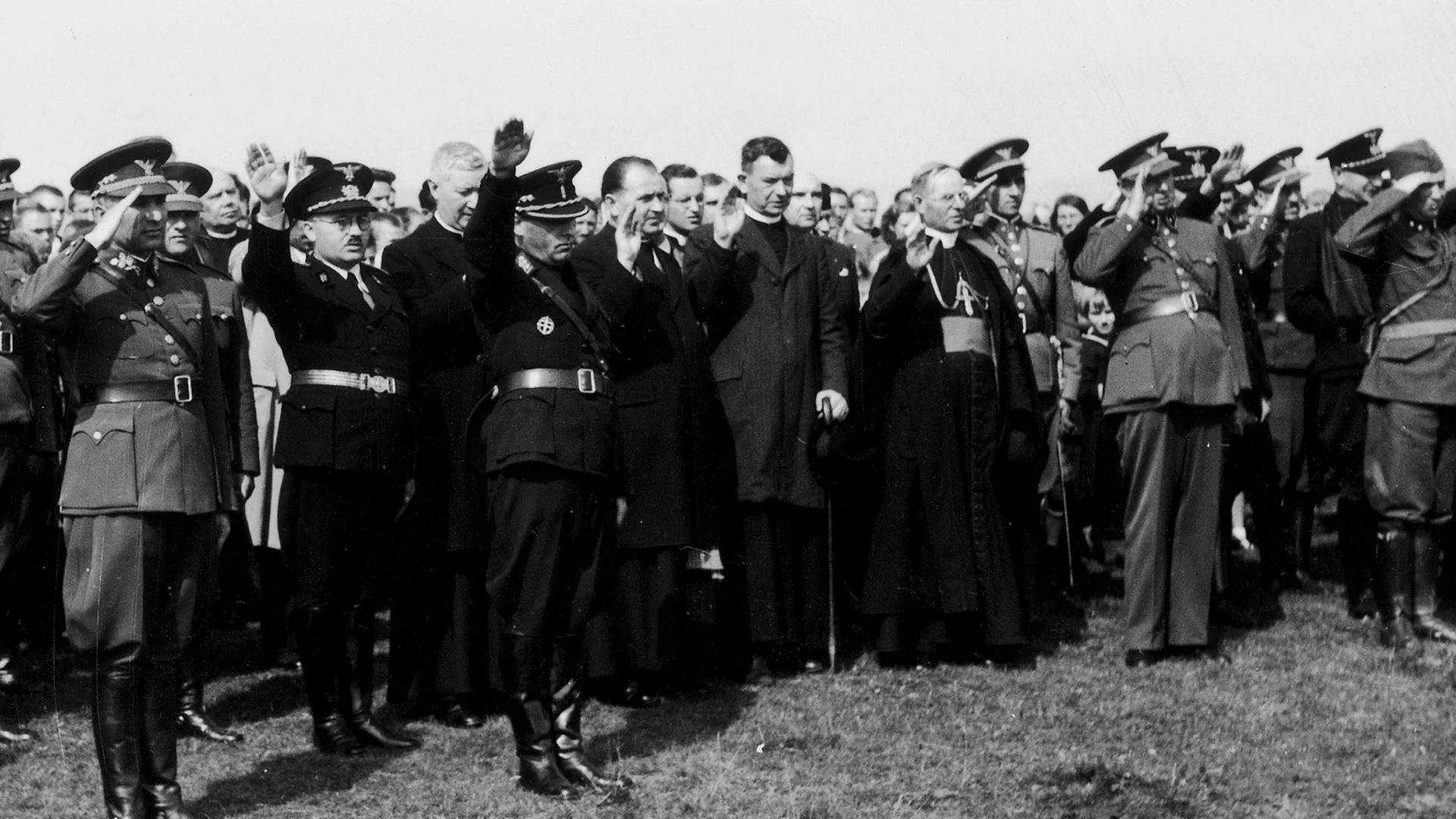
The Catholic Church has therefore actively and with great determination committed itself to working toward the complete and worldwide abolition of this capital punishment [4,31].
This is a monumental historical milestone that reflects the fact that the modern state has sufficient means to isolate criminals without permanently depriving them of the chance for repentance.
Live on the Internet
These uncompromising positions of the Vatican have a tremendous impact on efforts to abolish the death penalty even within the United States [31]. Pope Francis’s strong statements have encouraged legislative initiatives fighting against the death penalty, for example, in the U.S. states of Washington and New Hampshire [32,33].
In New Hampshire, local lawmakers even attempted to override a recent gubernatorial veto to pass legislation permanently abolishing the death penalty [33].
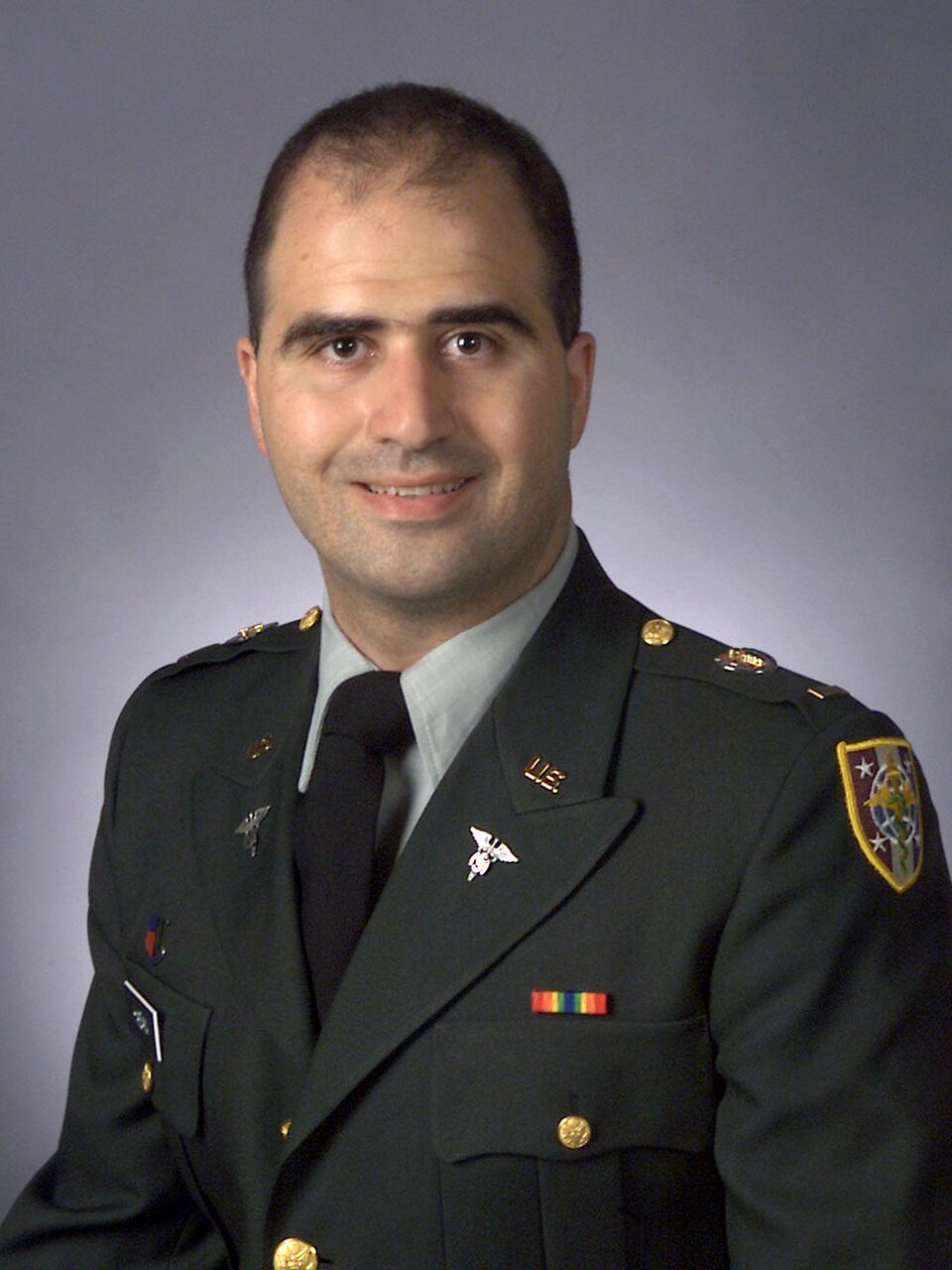
However, the U.S. federal judiciary continues to occasionally schedule executions, as evidenced by the Pentagon’s statement regarding the fate of a military officer convicted of the mass shooting at Fort Hood.
This particular public execution for a crime committed in 2009 is even set to be controversially broadcast live via the internet [6].
Equally troubling is the situation at the Guantánamo Bay military base, where many detainees still face the threat of the death penalty despite controversies surrounding the entire defense system [23].
One of the prominent detainees at Guantánamo, for example, is Abd al-Rahim al-Nashiri, who was accused of planning a devastating terrorist attack on the U.S. ship USS Cole [23].
Amnesty International, for its part, actively draws attention to cases such as that of Jack Greene, for whom it led a massive global campaign in 2017 [23].
Greene was sentenced to death back in 1992 for the murder of Sidney Burnett, which only illustrates the extreme length of the wait in the U.S. justice system [23].
Death for Treason, Drugs, Apostasy, or Rape
Despite strong abolitionist movements, many other countries around the world still proudly retain the death penalty in their criminal codes. It is most frequently and commonly imposed for truly serious crimes against individuals and the state, such as premeditated murder, terrorism, genocide, treason, and war crimes [13,14].
Within military justice systems around the world, the most common grounds for imposing the death penalty are primarily offenses such as cowardice in battle, desertion, insubordination, or mutiny—all aimed at maintaining discipline within the military, without which it cannot function [13].

However, a shocking fact in light of international law remains that a surprisingly high number of states continue to actively execute their citizens even for nonviolent drug offenses [23].
It is estimated that as many as thirty-two or thirty-five sovereign countries worldwide still retain the death penalty for various drug-related crimes [5,15].
International human rights law, however, strictly limits the application of capital punishment to only the most extreme crimes directly associated with intentional killing [25].
Punishing ordinary drug trafficking, domestic production, or even mere possession of drugs with execution does not in any way meet this strict international requirement [25].
Nevertheless, people are very frequently sentenced to death for drug-related offenses in conservative countries such as China, Indonesia, Iran, Malaysia, Saudi Arabia, Singapore, and Vietnam [15].
Even more absurd are cases from Singapore in Asia or the states of Georgia and Idaho in the U.S., where the death penalty is theoretically permissible even for the crime of kidnapping; however, in reality, it cannot be imposed due to a decision by the U.S. Supreme Court [13,17,18].
All 1,600 people executed in the U.S. since the resumption of executions (not a single execution took place between 1967 and 1977, and states amended their laws following the U.S. Supreme Court’s 1972 decision) were convicted of murder, mostly with aggravating circumstances such as multiple homicides, kidnapping, rape, or torture. Even in the U.S. today, a “regular” murder will most likely result in “only” a prison sentence.
Sexual and religious crimes constitute a separate and highly problematic category worldwide, and they are ruthlessly punished, particularly in strictly Islamic states.
People there face a real threat of the death penalty for adultery, premarital sex, homosexuality, as well as for renouncing the official state religion or for blasphemy [13]. In extremely rare cases, the state can quite legally execute you even for alleged magic and witchcraft, which continues to happen in Saudi Arabia [19,20].
Bangladesh has recently taken a completely opposite approach to sexual crimes; following nationwide outrage, it approved the death penalty for rapists in 2020.
This was in response to a video that was leaked to the public showing the brutal gang rape of a woman, at a time when sexual violence was surging across the country [16].
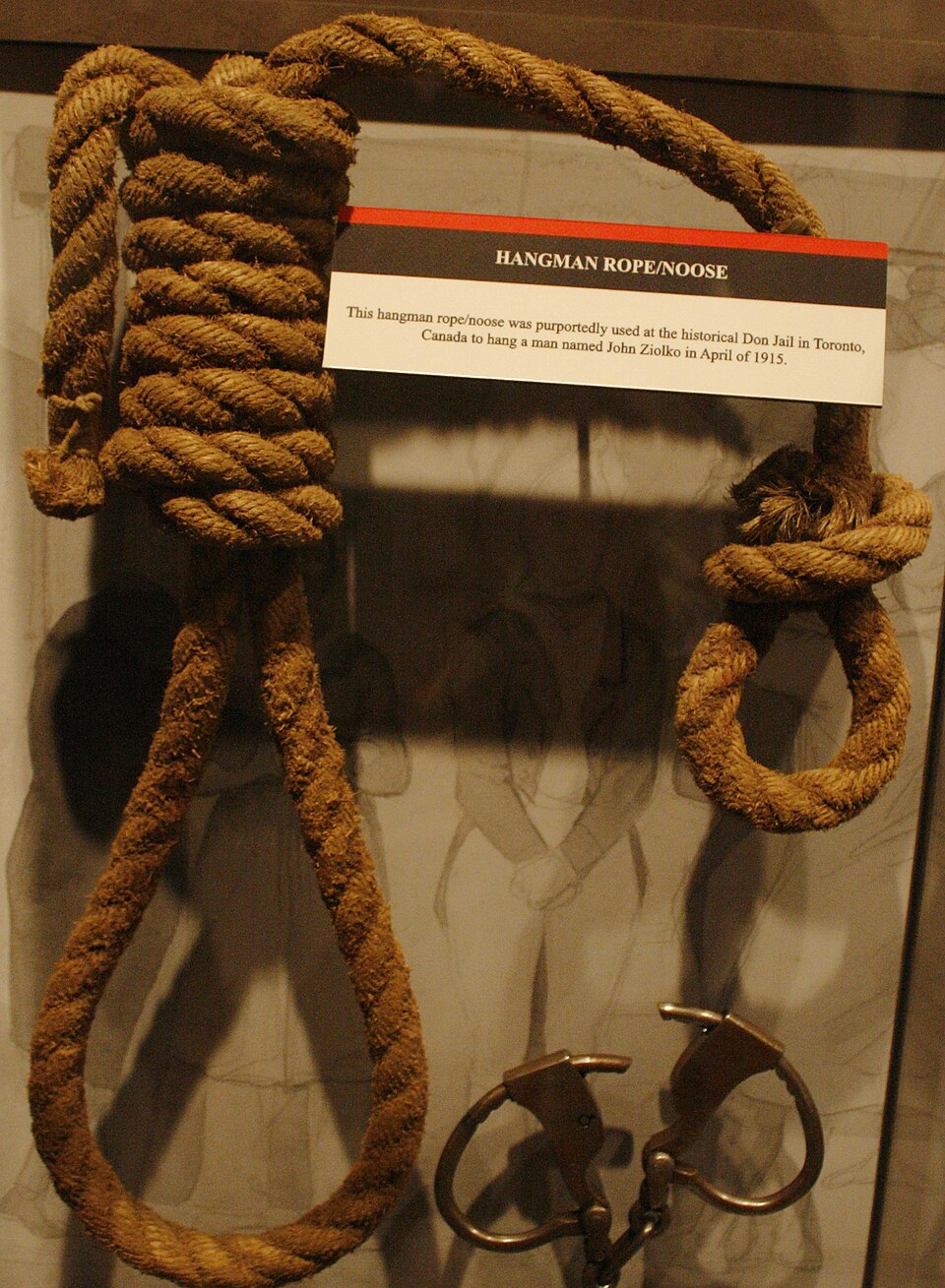
India took a similarly harsh and populist step in 2018 when, through a swift executive order, the government approved the death penalty for the rape of girls under the age of twelve [16].
A Global Shift Away from the Death Penalty
From a global perspective, however, there is currently a clear trend toward an unstoppable retreat from these drastic methods of institutional killing.
The most recent and most notable country to definitively abolish the death penalty in its legislation—as recently as August 2026—was Lebanon in the Middle East [25,27].
Through this landmark historical vote, the Lebanese Parliament immediately commuted all death sentences already imposed to ordinary life imprisonment [27].

This exceptionally important and symbolic decision made Lebanon the first Arab state in history to adopt such modern and progressive legislation protecting life [27,36].
Overall, with this gesture, Lebanon became the 114th country in the world to completely abolish the death penalty for all existing crimes [11,27]. The country had deliberately kept the death penalty on the books for over two decades, even though the last executions there actually took place as recently as January 2004 [27].
Shortly before Lebanon’s success, the Asian country of Kazakhstan also took a huge step forward, having fully abolished the death penalty from its laws as early as 2021. Kazakhstan thus became, after the Russian Federation, the very last post-Soviet republic in the world to officially abolish this form of capital punishment [29].
This was followed by an exceptionally successful and fruitful year in 2022, during which Papua New Guinea, the Central African Republic, Equatorial Guinea, and Zambia all completely banned executions [2].
Guinea, also in Africa, recently made history as the milestone 20th country in sub-Saharan Africa to abandon this drastic practice for good for all types of crimes [23]. Furthermore, it is certain that many other countries, which are already taking concrete legislative steps, will join this humane list in the near future.
Legislative changes aimed at abolition are currently awaiting final approval in the national parliaments of Burkina Faso, Bosnia and Herzegovina, Guatemala, and Mali [5].
Other extremely important constitutional processes and reviews of national legislation are actively underway in African countries such as Ghana, Sierra Leone, Zimbabwe, Tanzania, Tunisia, and the island nation of Trinidad and Tobago [5].
The Central African Republic, Cambodia in Asia, and Chad have also taken significant political steps directly aimed at the official ratification of international treaties and agreements on the abolition of the death penalty [25].
Also of interest in this context is the world’s youngest state, South Sudan, which has declared its direct support for the abolition of the death penalty at the United Nations but is still awaiting the difficult and necessary amendment of its own constitution [12].
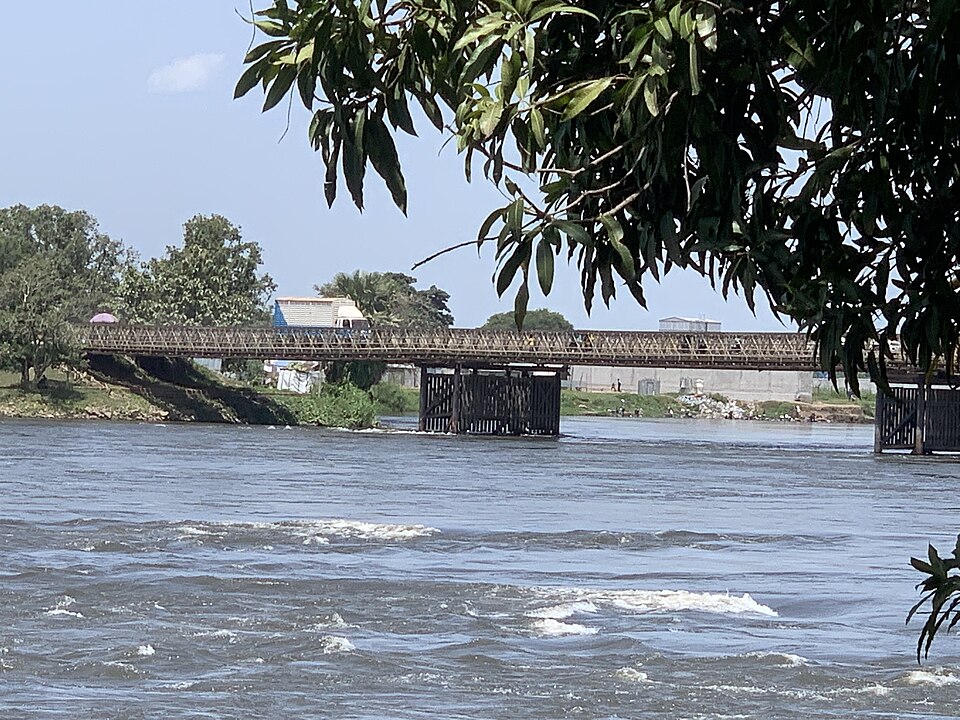
Some politically less committed countries, such as The Gambia and the aforementioned Vietnam, have at least initially significantly reduced the number of crimes for which citizens face formal execution [25].
However, despite global progress, the tragic case of the botched execution of Christy Pike in Tennessee remains a grim warning and a reminder to the entire world of the importance of completely abolishing these practices [3,30].
It clearly demonstrates that a 100 percent painless, just, and humane execution is, in many ways, merely a dangerous illusion that simply has no place in the modern civilized world, whether we believe that the state should not have the right to impose this punishment or argue, on practical grounds, that the risk of executing one innocent person is not worth the just retribution of many guilty ones.
List of References
[1] "Foreword: The Death Penalty in Decline: From Colonial America to the P" by John Bessler https://scholarworks.law.ubalt.edu/all_fac/95
[2] Countries That Have Abolished the Death Penalty Since 1976 | Death Penalty Information Center https://deathpenaltyinfo.org/policy-issues/policy/international/countries-that-have-abolished-the-death-penalty-since-1976
[3] Christa Pike | Death Penalty Information Center https://deathpenaltyinfo.org/tag/christa-pike
[4] Catholic Church and capital punishment - Wikipedia https://en.wikipedia.org/wiki/Catholic_Church_and_capital_punishment
[5] Moving away from the Death Penalty https://www.ohchr.org/Lists/MeetingsNY/Attachments/27/moving_away_from_death_penalty_web.pdf
[6] A Vague, Redacted Execution Protocol in Tennessee Draws Scrutiny - The New York Times https://www.nytimes.com/2026/10/10/us/politics/tennessee-lethal-injection-protocol-christa-pike.html
[7] Judge orders that Christa Pike execution evidence be preserved : NPR https://www.npr.org/2026/10/07/nx-s1-5993628/judge-orders-that-christa-pike-execution-evidence-be-preserved
[8] Marcello Maestro, "A pioneer for the abolition of capital punishment: Cesare Beccaria." Journal of the History of Ideas 34.3 (1973): 463–68. online
[9] Taylor Graham, E. (3 June 2021). "The Death Penalty Is a Failed Sacrifice". Homiletic & Pastoral Review. Retrieved 24 April 2023.
[10] Alexandre Juster, L'histoire de la Polynésie française en 101 dates : 101 événements marquants qui ont fait l'histoire de Tahiti et ses îles, Les éditions de Moana, 2016 (ISBN 9782955686010), p. 40
[11] "Lebanon: Abolition of death penalty a landmark victory affirming justice must be rooted in human rights". Amnesty International. 11 August 2026. Retrieved 6 October 2026.
[12] "South Sudan says death penalty remains until constitution amended – Sudan Tribune: Plural news and views on Sudan". Sudan Tribune. Archived from the original on 28 February 2014. Retrieved 11 February 2014.
[13] "Shot at Dawn, campaign for pardons for British and Commonwealth soldiers executed in World War I". Shot at Dawn Pardons Campaign. Archived from the original on 3 July 2006. Retrieved 20 July 2006.
[14] Ohlin, Jens David (2005). "Applying the Death Penalty to Crimes of Genocide". The American Journal of International Law. 99 (4): 747–777. doi:10.2307/3396668. ISSN 0002-9300. JSTOR 3396668. S2CID 145298403.
[15] Girelli, Giada (2019). The Death Penalty for Drug Offences: Global Overview 2018. London: Harm Reduction International. ISBN 978-0-9935434-8-7.
[16] "Which countries punish rape with the death penalty? | The Jerusalem Post". The Jerusalem Post | JPost.com. 13 October 2020. Retrieved 20 September 2026.
[17] "2019 Georgia Code Title 16 – Crimes and Offenses Chapter 5 – Crimes Against the Person Article 3 – Kidnapping, False Imprisonment, and Related Offenses § 16-5-40. Kidnapping". Justia.com. Archived from the original on 9 December 2020. Retrieved 20 July 2021.
[18] "Idaho Statutes: Title 18: Crimes and Punishments". Idaho Legislature. Archived from the original on 8 December 2020. Retrieved 20 July 2021.
[19] Jacobs, Ryan (19 August 2013). "Saudi Arabia's War on Witchcraft". The Atlantic. Archived from the original on 18 December 2016.
[20] "The Anti-Sorcery Squad of Saudi Arabia – Mysterious Universe". mysteriousuniverse.org. Archived from the original on 2 January 2017.
[21] First abolition of death penalty | Guinness World Records https://www.guinnessworldrecords.com/world-records/first-abolition-of-death-penalty
[22] The Catholic Church, Pope Francis, and the Penalty of Death | Harvard Divinity School https://www.hds.harvard.edu/news/2018/08/02/catholic-church-pope-francis-and-penalty-death
[23] Research Shows a Global Trend Towards Abolition of the Death Penalty, But More Work Remains | Amnesty International USA https://www.amnestyusa.org/reports/research-shows-a-global-trend-towards-abolition-of-the-death-penalty-but-more-work-remains
[24] A History of the Abolition of the Death Penalty | LawTeacher.net https://www.lawteacher.net/free-law-essays/criminal-law/history-of-death-penalty.php
[25] European and World Day against the Death Penalty, 10 October 2026: Joint statement by the High Representative of the European Union and the Secretary General of the Council of Europe | EEAS https://www.eeas.europa.eu/eeas/european-and-world-day-against-death-penalty-10-october-2026-joint-statement-high-representative_en
[26] The lethal injection drug used in Christa Pike’s botched execution was just used to execute Jamaal Howard in Texas. A look at the two cases | CNN https://www.cnn.com/2026/10/08/us/texas-tennessee-lethal-injection-execution-hnk
[27] Lebanon makes history and becomes the first Arab country to abolish the death penalty | Demócrata https://www.democrata.es/en/international/lebanon-makes-history-and-becomes-the-first-arab-country-to-abolish-the-death-penalty
[28] 911 call transcript from botched Christa Pike execution released https://www.wsmv.com/2026/10/12/911-call-transcript-botched-christa-pike-execution-released
[29] Which was the first country to abolish the death penalty? - Resto NYC https://www.restonyc.com/which-was-the-first-country-to-abolish-the-death-penalty
[30] Botched US execution prompts global calls to scrap death penalty https://www.lemonde.fr/en/international/article/2026/10/01/botched-us-execution-prompts-global-calls-to-scrap-death-penalty_6758152_4.html
[31] https://www.cnn.com/2018/08/02/europe/pope-death-penalty-intl/index.html
[33] https://ejusa.org/the-fight-to-end-the-death-penalty-lives-on-in-new-hampshire/
[34] Christa Pike survived lethal injection: What's next? - WBAL https://www.wbaltv.com/article/christa-pike-survived-lethal-injection-whats-next/73994367
[35] Rethinking Capital Punishment: The Pre-History of the Abolition of the Death Penalty | Faculty of History University of Cambridge https://www.hist.cam.ac.uk/publication/rethinking-capital-punishment-pre-history-abolition-death-penalty
[36] Lebanon becomes first Middle East country to abolish death penalty – Ya Libnan https://yalibnan.com/2026/08/12/lebanon-becomes-first-middle-east-country-to-abolish-death-penalty