Are We Facing the Black Death?
The recent death of a 28-year-old employee at a research institute in Siberia caused a stir in the media and reignited age-old fears of infection [35].
A Dark Echo of the Past
This tragic event reminds us of a disease that shaped history in the past and inexorably transformed human society.
The incident itself occurred on October 2, 2026, in the city of Irkutsk, where an employee of the anti-plague institute succumbed to severe pneumonia [20], [35].
Russian authorities have not officially confirmed a plague infection and have classified the cause of death as pneumonia of unknown origin [20]. According to official reports, the authorities claim that no laboratory accident involving pathogenic material occurred [37].

Despite these reassuring statements, nearly 200 people who had come into contact with the woman were isolated and placed under medical observation as a precautionary measure [34], [37].
However, all tests for highly dangerous pathogens, including plague, reportedly yielded negative results [20].
The World Health Organization (WHO) identified no evidence of ongoing transmission of the disease and did not recommend any travel restrictions [20].
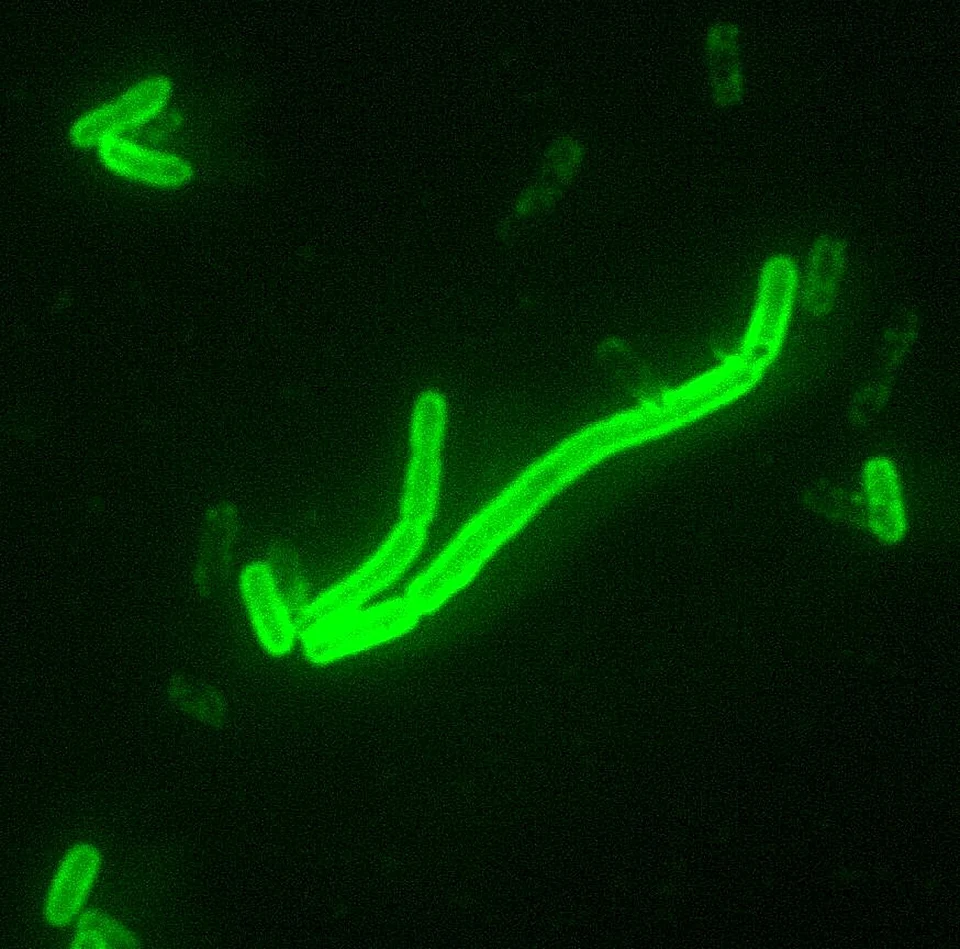
Yersinia pestis: An Enemy of Humanity
When exactly did this invisible microscopic killer first appear in human history? The oldest known scientific evidence of the plague comes from Siberia, dating back approximately 5,500 years [4].
Traces of this bacterium’s DNA were found in the teeth of eighteen ancient hunters and gatherers at four prehistoric burial sites [4].
A 2018 study even confirmed the presence of the plague in an ancient Swedish tomb [2].
This finding suggests that the disease may have contributed to the so-called Neolithic Collapse around 3000 BCE, when the European population declined significantly for unknown reasons [3], [2].
The origin of all modern strains of the bacterium was ultimately traced to graves in Kyrgyzstan dating to 1338 and 1339 [23], [24].
The first historically documented and massive plague epidemic was the so-called Justinian Plague, which struck the advanced Byzantine, or Eastern Roman, Empire in 541 [31], [36].
The epidemic spread via rats on grain ships from Egypt, and the disease soon killed tens of thousands of people a day [17], [41].

At that time, an estimated 25 million people in the Mediterranean region perished, with the disease taking the heaviest toll on the inhabitants of port cities [31].
The Black Death Changes the Rules of the Game
However, the pandemic known as the Black Death became the worst and deadliest epidemic in human history [5], [31].
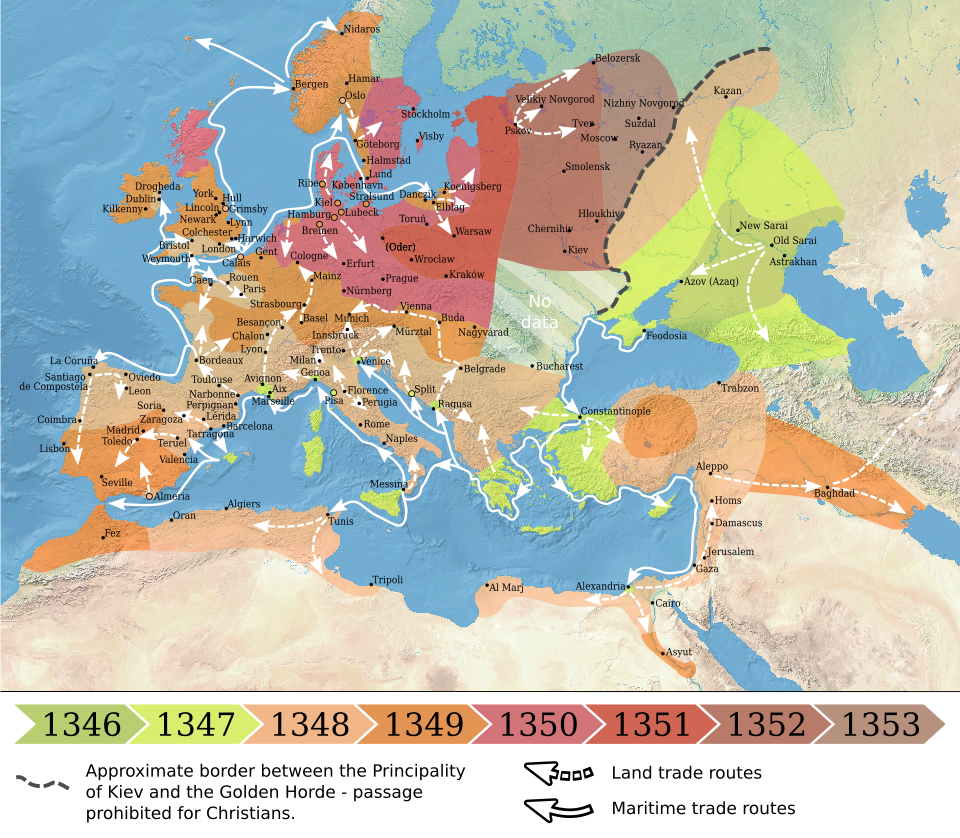
It struck unexpectedly and, between 1346 and 1353, devastated vast swaths of Europe, Africa, and Asia [31]. The death toll from this massive catastrophe is estimated at 50 to 200 million people, making it by far the deadliest non-viral epidemic in history [6], [7], [29], [31].
The consequences of the medieval Black Death were literally apocalyptic for the society of that time.
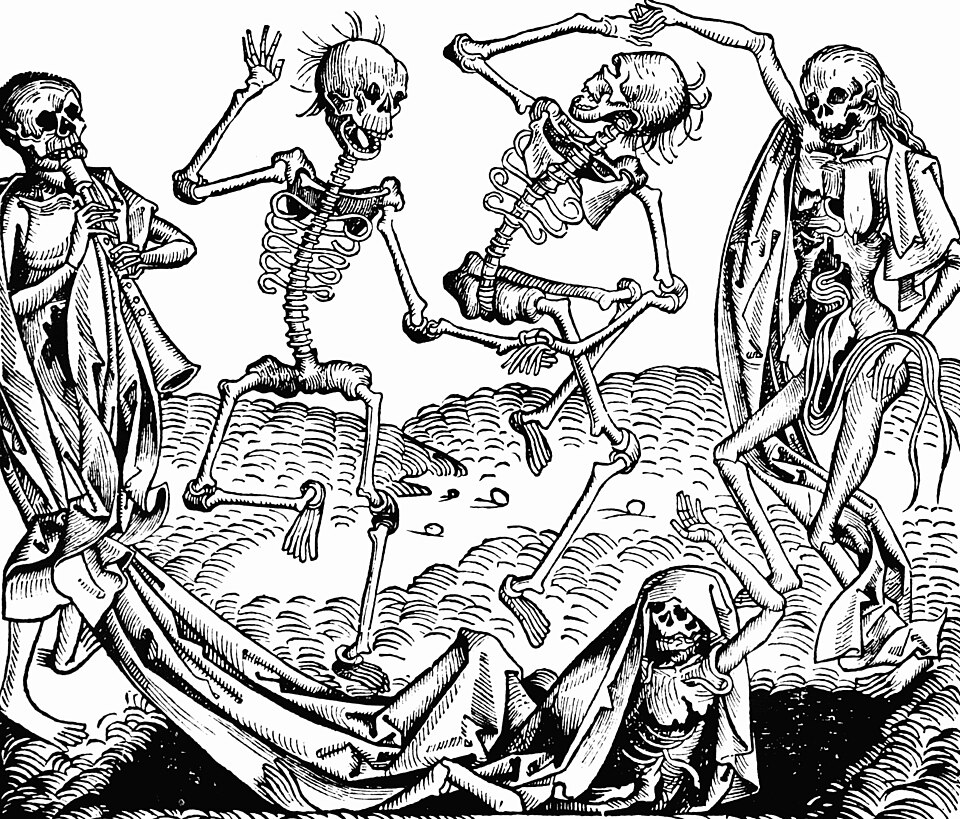
In Europe alone, 20 to 60 percent of the entire population at that time perished [8], [9], [10]. Its impact on the Middle East was similarly devastating, where approximately one-third of the total population succumbed to the disease [8], [9], [10].
The labor shortage that followed the pandemic increased the value of labor and contributed significantly to the end of the Middle Ages, although this was a long process. It also shook the authority of the Church, paving the way for reform movements ranging from Wycliffe and Hus to Martin Luther.
Three Forms of the Plague
Although it is commonly referred to simply as “the plague,” the disease caused by the bacterium Yersinia pestis has several distinct clinical forms [1], [30].
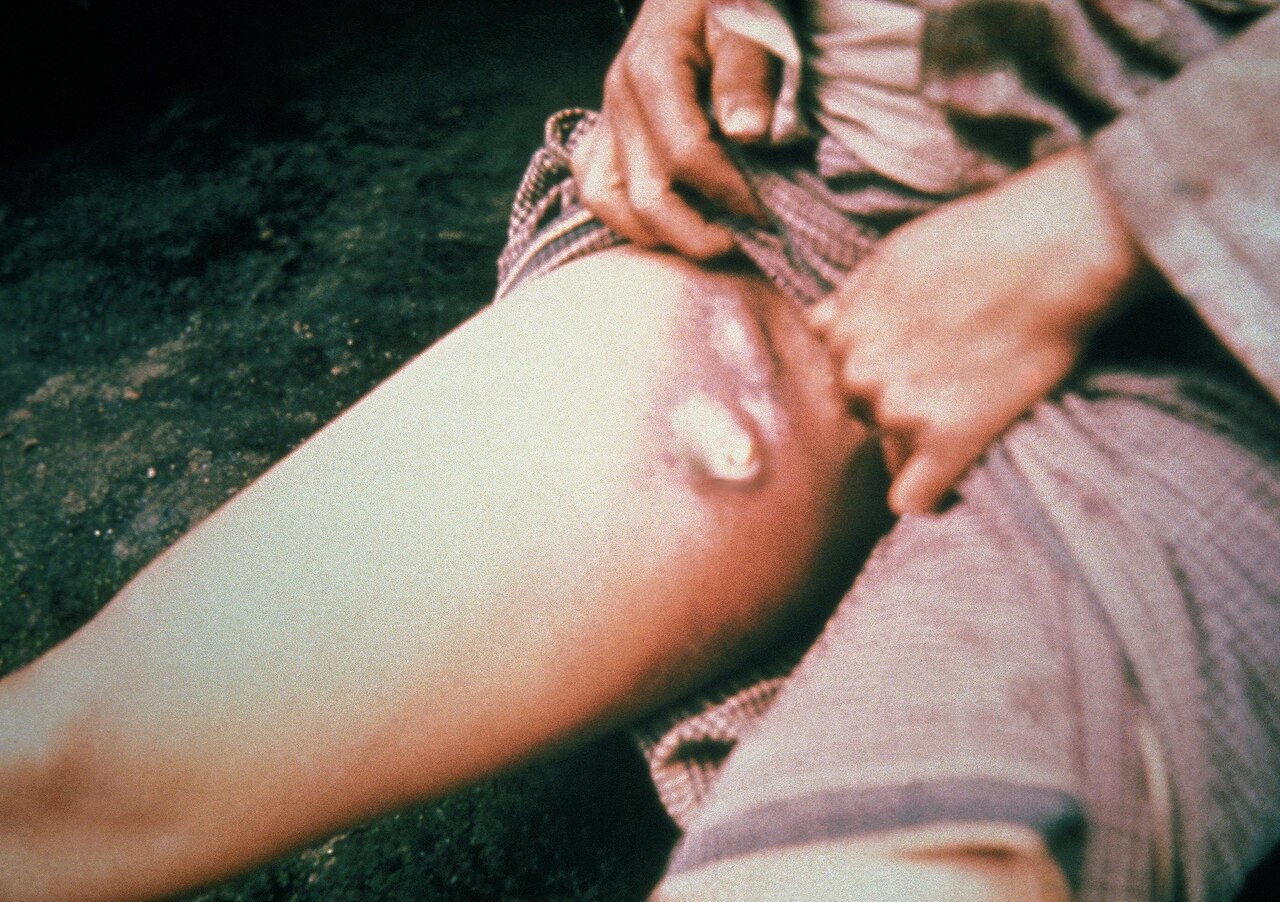
The main medical difference between the two best-known types—bubonic and pneumonic plague—lies in the site of the primary infection [15], [30].
Bubonic plague affects the lymphatic system in most cases, while the rarer pneumonic plague directly damages the respiratory tract and lungs [30].
Bubonic plague, or glandular plague, is generally the most common form of this historical disease [1], [35].
A characteristic symptom is an extremely painful and swollen lymph node, known as a bubo, which most commonly forms in the groin, armpit, or directly on the neck [1], [35].
These lymph nodes are often filled with pus and are accompanied by a rapidly rising fever, dizziness, chills, and extreme physical weakness [1], [32], [33].
Unlike the classic bubonic form, pneumonic plague is significantly rarer, accounting for only about 3 percent of cases, yet it is by far the deadliest [21], [34].
After brief initial flu-like symptoms, the patient develops severe pneumonia with shortness of breath and sharp chest pain [32], [33].
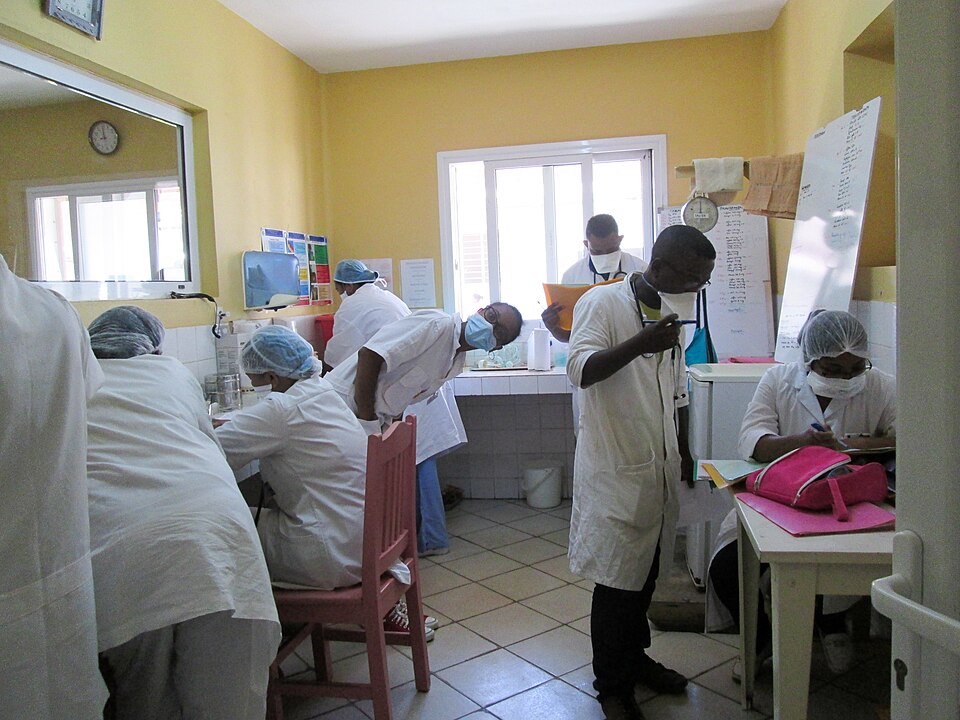
Another major and extremely alarming symptom is a severe cough accompanied by the coughing up of bright red blood and watery mucus [11], [14], [35].
The progression of pneumonic plague in the patient’s body is so extremely rapid that the immune system often does not even have time to form the typical enlarged lymph nodes [11].
The mortality rate for untreated pneumonic plague ranges from 90 to 100 percent, and death without treatment usually occurs within a few days [11], [21].
It is therefore crucial to initiate specific antibiotic treatment in an infected patient within eighteen to twenty-four hours of the first symptoms [27], [34].
The third form of plague, accounting for about 10 percent of all cases, is septicemic plague, in which the infection enters the bloodstream directly and causes blood poisoning; without treatment, death is certain.
Rats and Fleas
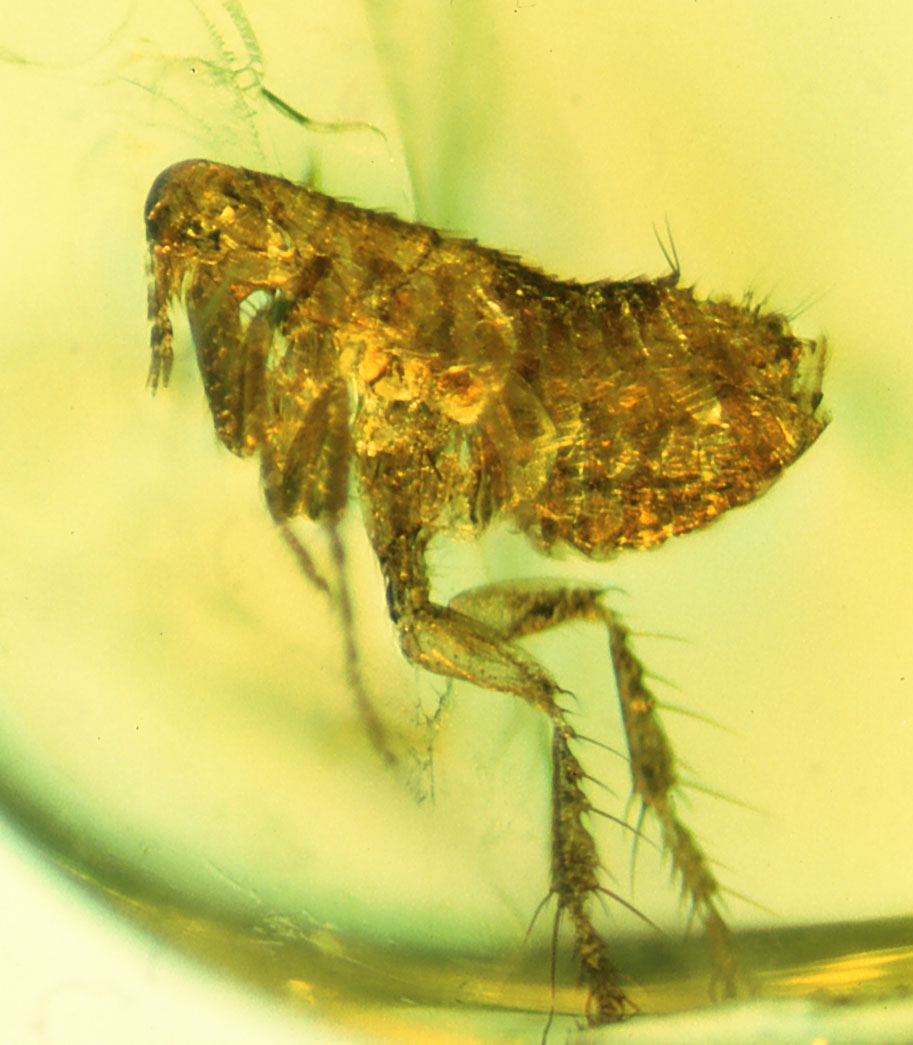
The different forms of plague also differ radically in the specific way they are transmitted to a human host. Both bubonic and septic plague are most commonly spread by the bite of an infected flea, such as the plague flea (Xenopsylla cheopis), which has previously fed on the blood of an infected rodent [1], [21].
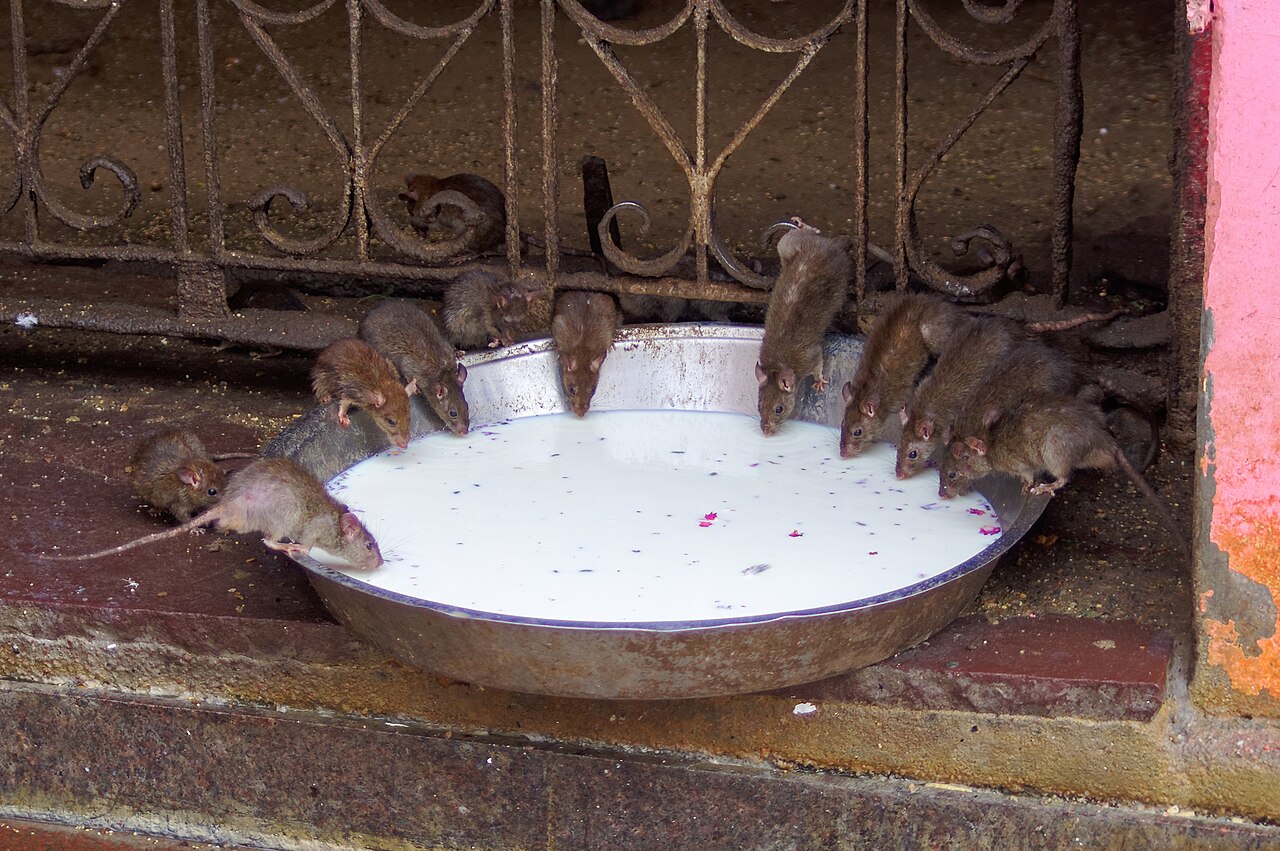
The infection can also enter the human body directly through broken skin when handling contaminated bodily fluids or infected animal tissues [19], [22].
In contrast, pneumonic plague poses a huge epidemiological risk because it is the only form capable of spreading directly from person to person through the air [19], [35].
It is transmitted unnoticed through infectious respiratory droplets when an infected person coughs or sneezes [19], [34].
In practice, such transmission usually requires direct and close contact with a patient at a distance of less than two meters [19], [38].
In addition to other people, infected domestic animals can, surprisingly, also be a source of dangerous infectious droplets of pneumonic plague.
Domestic cats, in particular, can fatally infect their owners or veterinarians through these droplets; they typically become ill after eating an infected wild rodent [19], [38].
It should also be noted that if ordinary bubonic plague is not treated in a patient in a timely manner, the aggressive bacteria can penetrate the lungs and cause what is known as secondary pneumonic plague [22], [32].
Quarantine and Antibiotics
The question remains: how did modern humanity ultimately manage to halt the mass spread of these apocalyptic plague epidemics?
As early as the fourteenth century, the prosperous Croatian city of Dubrovnik instituted a thirty-day isolation period for arrivals, which was later extended and given the famous Italian name “quarantino” [13].

Improvements in general sanitary conditions, the early isolation of patients, and strict preventive measures against rats in large cities gradually and significantly curtailed the spread of the disease [28], [40].
The true scientific breakthrough did not occur until the late nineteenth century, when medicine finally began to understand the biological nature of this ancient disease.
In 1894, the bacterium Yersinia pestis itself was identified in Hong Kong, and four years later, scientists also discovered the important role played by fleas as vectors [12], [18].
Thanks to this, targeted measures to control rats and insect transmission could finally be implemented, effectively suppressing the emergence of new epidemic outbreaks [39].
It was not until the discovery of modern, effective antimicrobial agents that the deadliest disease in human history was definitively brought under control.
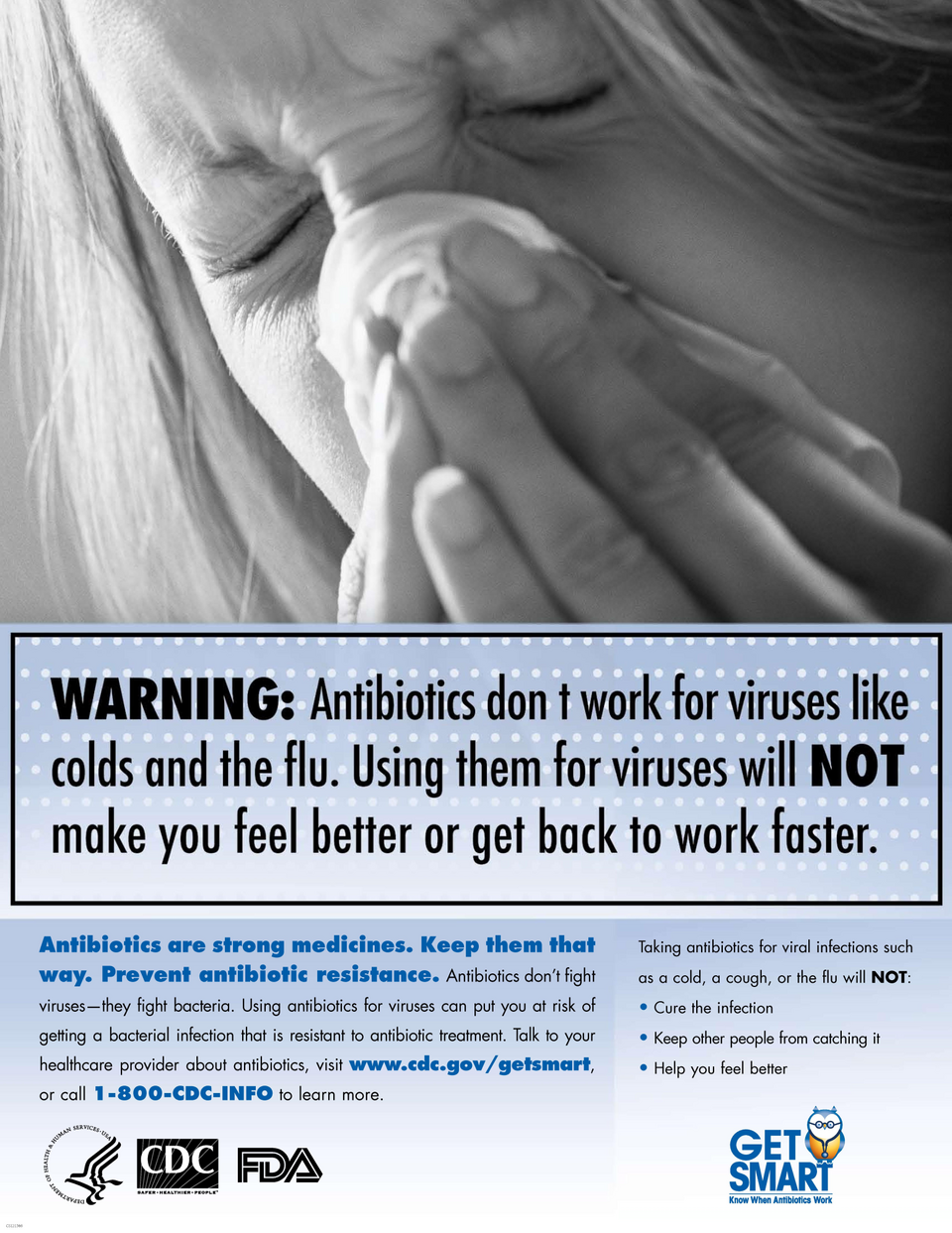
The successful era of treatment began in the 1930s with sulfonamides, and from 1947 onward, these were joined by powerful antibiotics such as streptomycin [18].
Early diagnosis of the disease and immediate administration of appropriate antibiotics can now reliably save lives even in the most severe pulmonary form [25], [34].
A Potential Threat for the Future?
Does the current critical situation in Siberia, where fears of pneumonic plague have recently emerged, pose a real global threat?
Experts unanimously agree that the likelihood of a large-scale catastrophe is negligible and that the situation bears no resemblance to the terrifying early days of the recent COVID-19 pandemic [1], [34].
This is because we know exactly what disease we are dealing with, and we have immediate, accurate diagnostic tools available for its early detection [1].
Fears of a global threat are also tempered by the extremely important fact that the deadly plague bacteria are not developing resistance to prescribed medications at all.
In fact, there is absolutely no scientific evidence that the pathogen Yersinia pestis is evolving in a dangerous direction toward high resistance to current, proven antibiotics, which could pose a major problem [34].
Many major countries, such as the United States, even prudently maintain massive stockpiles of medications in case of a biological attack, which further reduces the risk of a pandemic [26].
Moreover, the tragic case in Irkutsk, Russia, clearly demonstrated just how crucial a timely public health response is in today’s interconnected world [37].

Swift preventive measures by the government, the immediate closure of several hospitals, and close medical monitoring of two hundred contacts prevented a full-blown local outbreak [37].
It is precisely these proven standard procedures that today enable the timely detection of any isolated infectious case and prevent it from escalating into a mass epidemic [22], [37].
It is true, however, that this disease, with its dark medieval legacy, still survives unnoticed in some remote mountainous regions of Asia [16].
Pneumonic plague, of course, remains extremely deadly without timely intervention, but today, thanks to good hygiene and inexpensive antibiotics, it is considered a very rare disease [36].
As health experts themselves emphasize, the year 2026 will certainly not turn into a dark Middle Ages, and we are by no means threatened by a new version of the Black Death [34].
List of References
[1] What is pneumonic plague? https://health.ucdavis.edu/news/headlines/what-is-pneumonic-plague/2026/10
[2] Rascovan N, Sjögren KG, Kristiansen K, Nielsen R, Willerslev E, Desnues C, Rasmussen S (January 2019). "Emergence and Spread of Basal Lineages of Yersinia pestis during the Neolithic Decline". Cell. 176 (1–2): 295–305.e10. Bibcode:2019Cell..176..295R. doi:10.1016/j.cell.2018.11.005. PMID 30528431.
[3] Zhang, Sarah (6 December 2018). "An Ancient Case of the Plague Could Rewrite History". The Atlantic. Archived from the original on 13 November 2019.
[4] "Ancient teeth from Siberia rewrite the plague's timeline, dating back to over 5,500 years ago". Associated Press via WTOP News. 17 June 2026. Retrieved 22 June 2026.
[5] Lawton, Graham (25 May 2022). Wilson, Emily (ed.). "Plague: Black death bacteria persists and could cause a pandemic". New Scientist. London. ISSN 0262-4079. Archived from the original on 30 May 2022. Retrieved 31 May 2022.
[6] Sources for deaths: Aberth 2021, p. 1; Benedictow 2021, pp. 869–877; Christakos et al. 2005[page needed]
[7] Mukherjee, Andy (29 March 2020). "Economic life after Covid-19: Lessons from the Black Death". The Economic Times. Archived from the original on 21 June 2020. Retrieved 4 April 2020.
[8] Aberth 2010, pp. 9–13.
[9] Alchon 2003, p. 21.
[10] Howard J (6 July 2020). "Plague was one of history's deadliest diseases – then we found a cure". National Geographic. Archived from the original on 2 December 2020. Retrieved 3 December 2020.
[11] Byrne 2004, pp. 21–29
[12] Simond, P.-L. (October 1898). "La propagation de la peste" [The spread of the plague]. Annales de l'Institut Pasteur (in French). 12 (10): 625–687. Archived from the original on 18 July 2024. Retrieved 18 July 2024. From p. 674: "Nous avon pratiqué un certain nombre de fois l'examen microscopique du contenu intestinal des puces recueillies sur les rats spontanément pestiférés, et dans plusieurs cas nous avons constaté la présence d'un bacille morphologiquement semblable à celui de la peste." ("We carried out a number of times microscopic examinations of the intestinal contents of fleas [which were] collected from rats [which had become] infected with plague, and in several cases we noted the presence of a bacillus [which was] morphologically similar to that of the plague.")
[13] Sehdev PS (November 2002). "The origin of quarantine". Clinical Infectious Diseases. 35 (9): 1071–1072. doi:10.1086/344062. PMID 12398064.
[14] Plague (Bubonic/Pneumonic) - IAFF https://www.iaff.org/infectious-disease/diseases/plague-bubonic-pneumonic
[15] "Plague". www.who.int. Archived from the original on 19 March 2017. Retrieved 14 March 2017.
[16] Wilson, Mark (24 March 2020). "The untold origin story of the N95 mask". Fast Company.
[17] https://www.history.com/news/6-devastating-plagues
[18] https://www.sciencedirect.com/science/article/pii/S1198743X14608582
[19] How Plague Spreads | Plague | CDC https://www.cdc.gov/plague/causes/index.html
[20] Pneumonia of undetermined etiology - the Russian Federation https://www.who.int/emergencies/disease-outbreak-news/item/2026-DON620
[21] Comparison between Pneumonic and Bubonic Plagues | Difference Between https://www.differencebetween.net/science/health/comparison-between-pneumonic-and-bubonic-plagues
[22] Plague Fact Sheet https://www.pa.gov/content/dam/copapwp-pagov/en/health/documents/topics/documents/diseases-and-conditions/Plague%20.pdf
[23] Spyrou MA, Musralina L, Gnecchi Ruscone GA, Kocher A, Borbone PG, Khartanovich VI, Buzhilova A, Djansugurova L, Bos KI, Kühnert D, Haak W, Slavin P, Krause J (23 June 2022). "The source of the Black Death in fourteenth-century central Eurasia". Nature. 606 (7915): 718–724. doi:10.1038/s41586-022-04800-3. PMC 9217749. PMID 35705810.
[24] Wilson C (15 June 2022). "Origin of Black Death finally found in bacteria from Kyrgyzstan graves". www.newscientist.com. New Scientist.
[25] Jullien S, Dissanayake HA, Chaplin M (2020-06-26). Cochrane Infectious Diseases Group (ed.). "Rapid diagnostic tests for plague". Cochrane Database of Systematic Reviews. 2020 (6) CD013459. doi:10.1002/14651858.CD013459.pub2. PMC 7387759. PMID 32597510.
[26] Tamparo C, Lewis M (2011). Diseases of the Human Body. Philadelphia, PA: F.A. Davis Company. p. 70. ISBN 978-0-8036-2505-1.
[27] Dennis DT, Gage KL, Gratz N, Poland JD, Tikhomirov E. Wkly Epidemiol Rec. 1999;74:281–9. [PubMed]
[28] History of plague - Wikipedia https://en.wikipedia.org/wiki/History_of_plague
[29] Wade, Nicholas (October 31, 2010). "Europe's Plagues Came From China, Study Finds". New York Times. Retrieved November 2, 2010.
[30] Bubonic Plague vs. Pneumonic Plague: What's the Difference? https://www.respiratorytherapyzone.com/bubonic-vs-pneumonic-plague
[31] Outbreak: 10 of the Worst Pandemics in History - MPH Online https://www.mphonline.org/worst-pandemics-in-history
[32] PLAGUE http://www.idph.state.il.us/bioterrorism/factsheets/plague.htm
[33] Glatter KA, Finkelman P. History of the plague: An ancient pandemic for the age of COVID-19. Am J Med. 2021;134(2):176-181.
[34] What is pneumonic plague? What to know after woman in Russia diesmysteriously https://www.nbcnews.com/health/health-news/plague-suspected-russia-lab-pneumonic-siberia-symptoms-treatment-rcna601589
[35] Russia plague outbreak scare: Pneumonic or bubonic? Key differences, symptoms & risks - BusinessToday https://www.businesstoday.in/world/story/russia-plague-outbreak-scare-pneumonic-or-bubonic-key-differences-symptoms-risks-559424-2026-10-05
[36] Plague: Overview, Symptoms, and Types (Bubonic, Septicemic and Pneumonic) https://www.webmd.com/a-to-z-guides/plague-faq
[37] Suspected Plague Event in Irkutsk, Russia: Lessons on Early Response - WHN https://whn.global/suspected-plague-event-in-irkutsk-russia-lessons-on-early-response
[38] Plague https://www.nmhealth.org/publication/view/help/1009
[39] Theilmann J, Cate F (2007). "A Plague of Plagues: The Problem of Plague Diagnosis in Medieval England". The Journal of Interdisciplinary History. 37 (3): 374. JSTOR 4139605.
[40] Barenblatt D (2004). A Plague upon Humanity. pp. 220–221.
[41] Deadliest Outbreaks and Pandemics in History https://www.rwjf.org/en/insights/blog/2013/12/the_five_deadliesto.html