Will Trump turn out to be a lame duck?
U.S. midterm elections serve as an important barometer of public opinion toward the incumbent president [21].
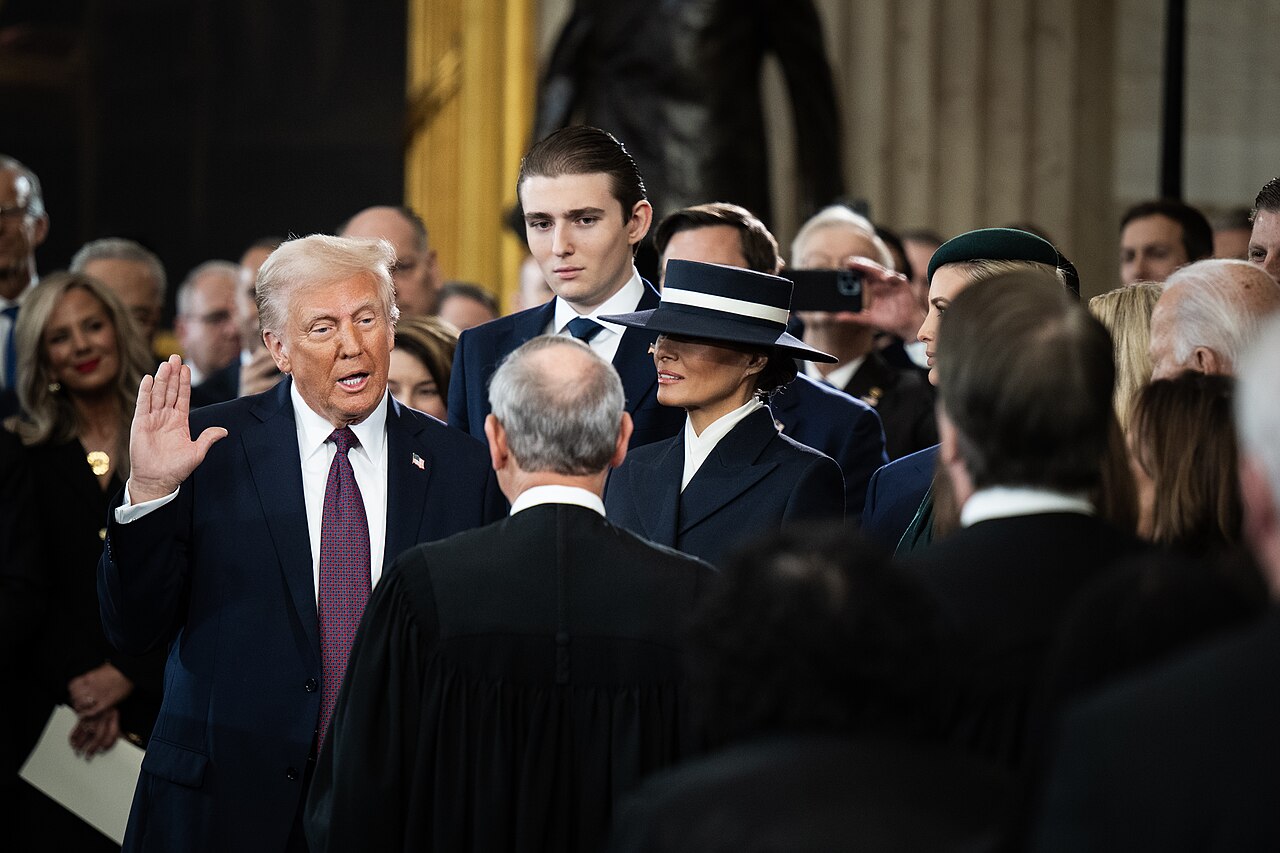
They are generally viewed as a referendum on the head of state’s performance, with the party in the White House historically losing a significant number of seats [11,12]. Analysts suggest that this phenomenon occurs because opposition voters are motivated to go to the polls due to dissatisfaction with the incumbent president [21].
The Opposition Takes the Lead
This ironclad pattern in American politics means that the president’s party almost always suffers a defeat [5,12]. From 1934 to 2018, the president’s party lost an average of 28 seats in the House of Representatives and four seats in the Senate in these elections [20].
These elections thus often play a key role in shifts of power between political parties [20].
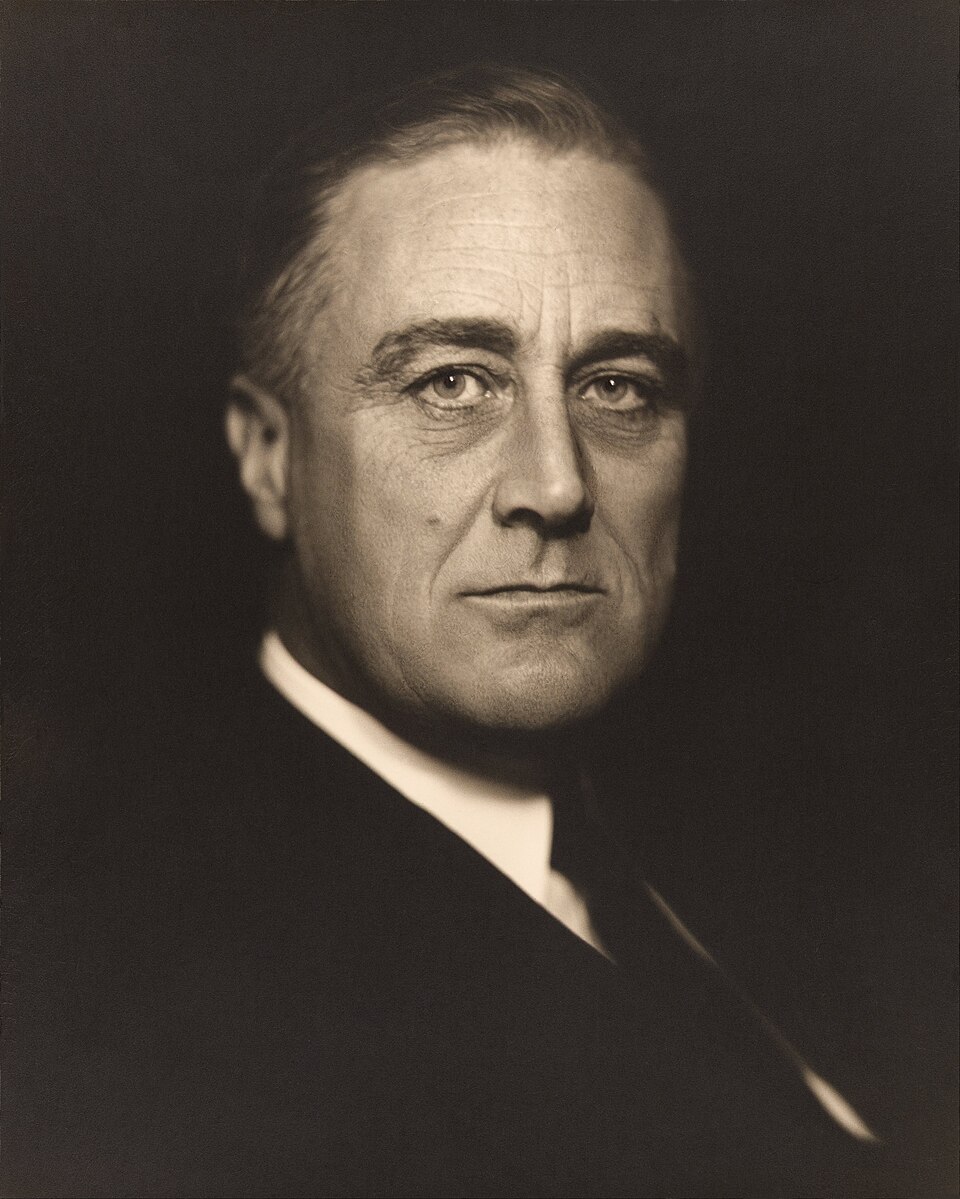
Gains in seats for the president’s party during midterms are more of a historical anomaly than the rule. Since the Reconstruction of the American South following the Civil War, very few leaders have managed to win seats in both chambers of Congress during midterms, with the most notable exceptions being Franklin D. Roosevelt in 1934 and George W. Bush in 2002 [9,13].
In addition to them, Bill Clinton also managed to improve his party’s standing in the House of Representatives in 1998, when his party gained five seats thanks to voters’ opposition to Republican efforts to impeach him [6,9].
It’s Not Just the Skin That Itches
An even more daunting phenomenon for American presidents is the so-called “six-year itch.” This is a political pattern that occurs during the sixth year of a two-term president’s administration, characterized by significant public dissatisfaction and the loss of a substantial number of seats in Congress [4,9].
The loss of seats during the second midterm elections is usually much more pronounced than during the first [8,12].
This term was first used by Republican strategist Kevin Phillips in 1973 and is inspired by the concept of the “seven-year itch” in relationships, when a crisis typically occurs after this period [4].

Political scientists attribute this phenomenon to the fact that U.S. presidents often face a barrage of scandals and voter fatigue during their second term [10,14]. For many voters, it becomes clear after six years that not all promises will be fulfilled, and so they give political opponents a chance [10].
Presidential Paralysis
When a president loses control of Congress, his legislative power is significantly paralyzed, and he often becomes what is known as a “lame duck.” Losing control of the House of Representatives, for example, means that the opposition takes control of committees and gains the authority to issue subpoenas and conduct investigations [17].
Without the opposition party’s support, it is nearly impossible to pass any significant legislative proposals [1].
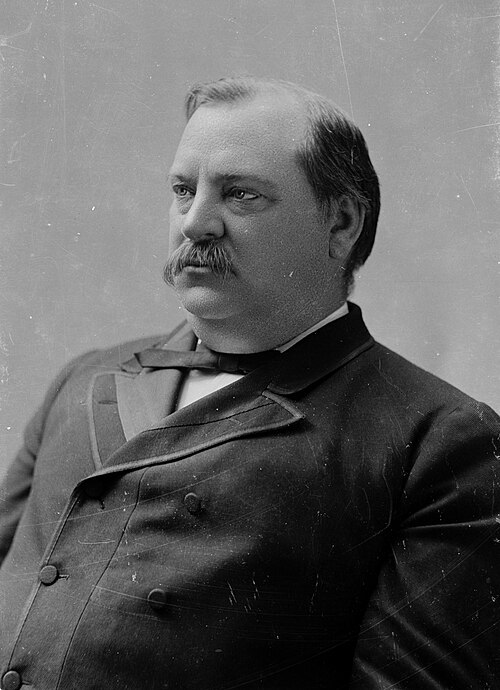
History records several instances in which crushing defeats turned presidents into political outsiders. The “sixth-year phenomenon,” for example, caused Grover Cleveland in 1894, Woodrow Wilson in 1918, and George W. Bush in 2006 to completely lose control of Congress [9].
In 1946, Senator J. William Fulbright even called on President Harry Truman to resign in favor of the Republican Speaker of the House following a heavy defeat [7].
Will Trump face a third impeachment?
As for Donald Trump, he will formally become a lame duck on the day he announces his retirement from politics [15].
However, as he suffered a significant loss in Congress after the election and lost control of both chambers, the opposition could immediately launch investigations into his administration and block his key campaign promises [2].
In that case, pushing through the regular legislative agenda would become extremely difficult [19].

For Donald Trump, the 2018 elections were already a bitter experience that fundamentally changed the dynamics of his first administration. At that time, the Democrats created what was known as the “blue wave,” winning a majority in the House of Representatives by gaining 40 seats, but the Republicans retained and expanded their control of the Senate [1,7].
The result was a divided government, which allowed Democrats to block Trump’s legislation and launch aggressive investigations into his taxes and alleged ties to Russia [1,16].
The new Democratic majority in the House subsequently led to Trump facing two impeachment trials over the next two years [15].
On the other hand, however, retaining control of the Republican Senate provided him with a crucial political lifeline. Thanks to his control of the upper chamber, he was able to continue confirming his nominees for federal judges and cabinet members without Democratic support [1,18].
When presidents lose control of Congress and cannot govern through new legislation, they typically change their political strategy.
If an opposition-controlled House blocks the administration, the head of state often stops relying on standard legislation and switches to governing by presidential executive orders [3].
Donald Trump has already demonstrated in the past that he is prepared and willing to actively use such executive orders [16].
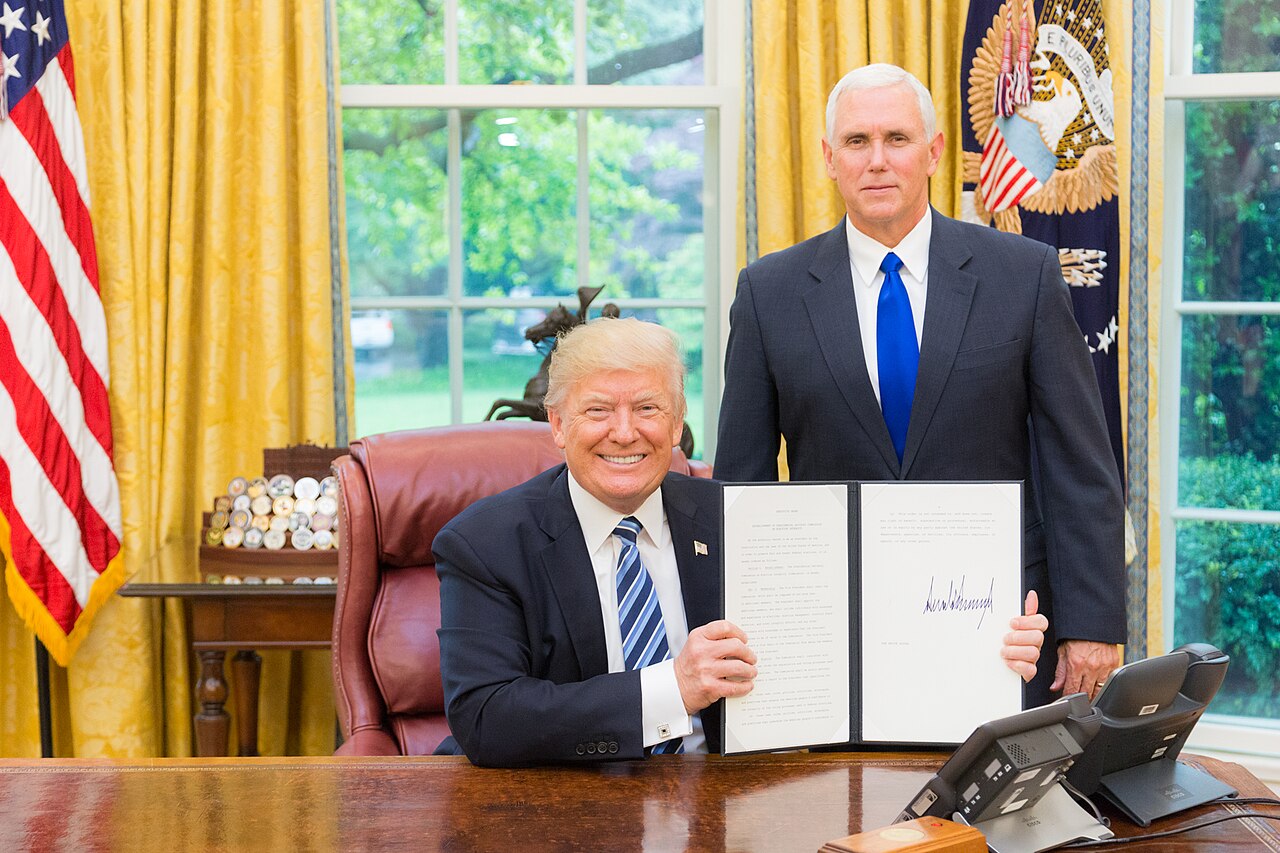
Another common tactic of presidents facing political gridlock is to shift their focus to international initiatives and foreign policy [3].
In Trump’s case, this could mean a closer focus on issues such as trade with China, where he can completely bypass the House of Representatives [16].
From a domestic policy perspective, defeated presidents often find it convenient to have a clear political opponent on whom they can pin the blame for any economic problems [2].
Defeat Does Not Necessarily Mean the End
Despite the apparent hopelessness following crushing losses in the midterms, the fate of U.S. presidents is not always sealed. History is full of success stories of leaders who managed to rise from the political ashes and win re-election [7].
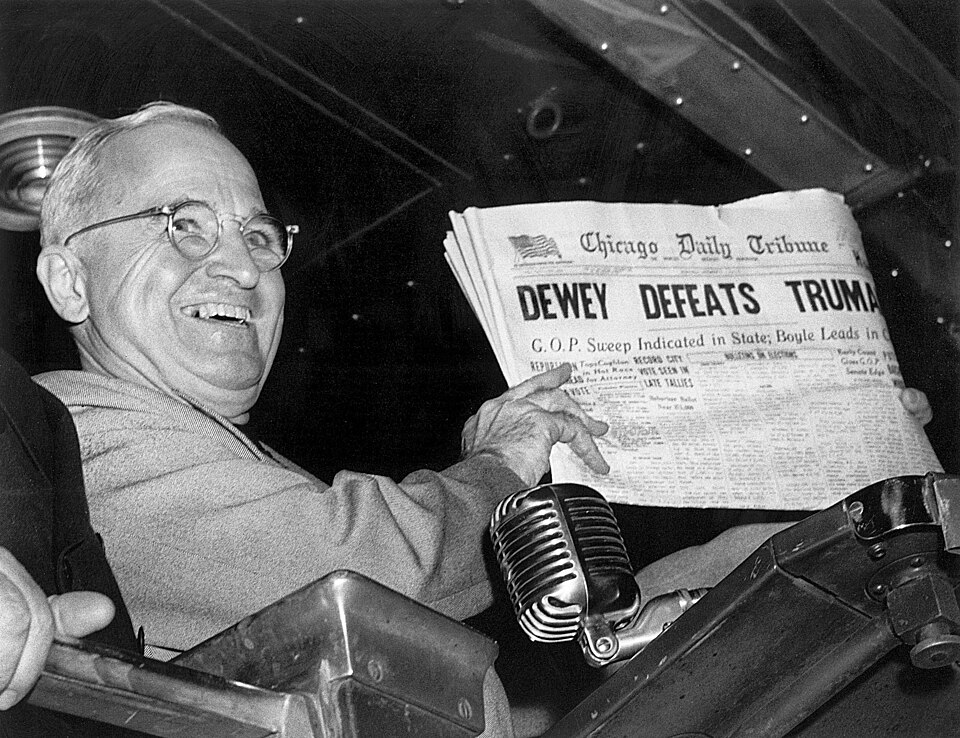
A prime example is Harry Truman, who, after a heavy defeat in 1946, successfully ran a campaign against the so-called “do-nothing Congress” and won in 1948 [7,20].
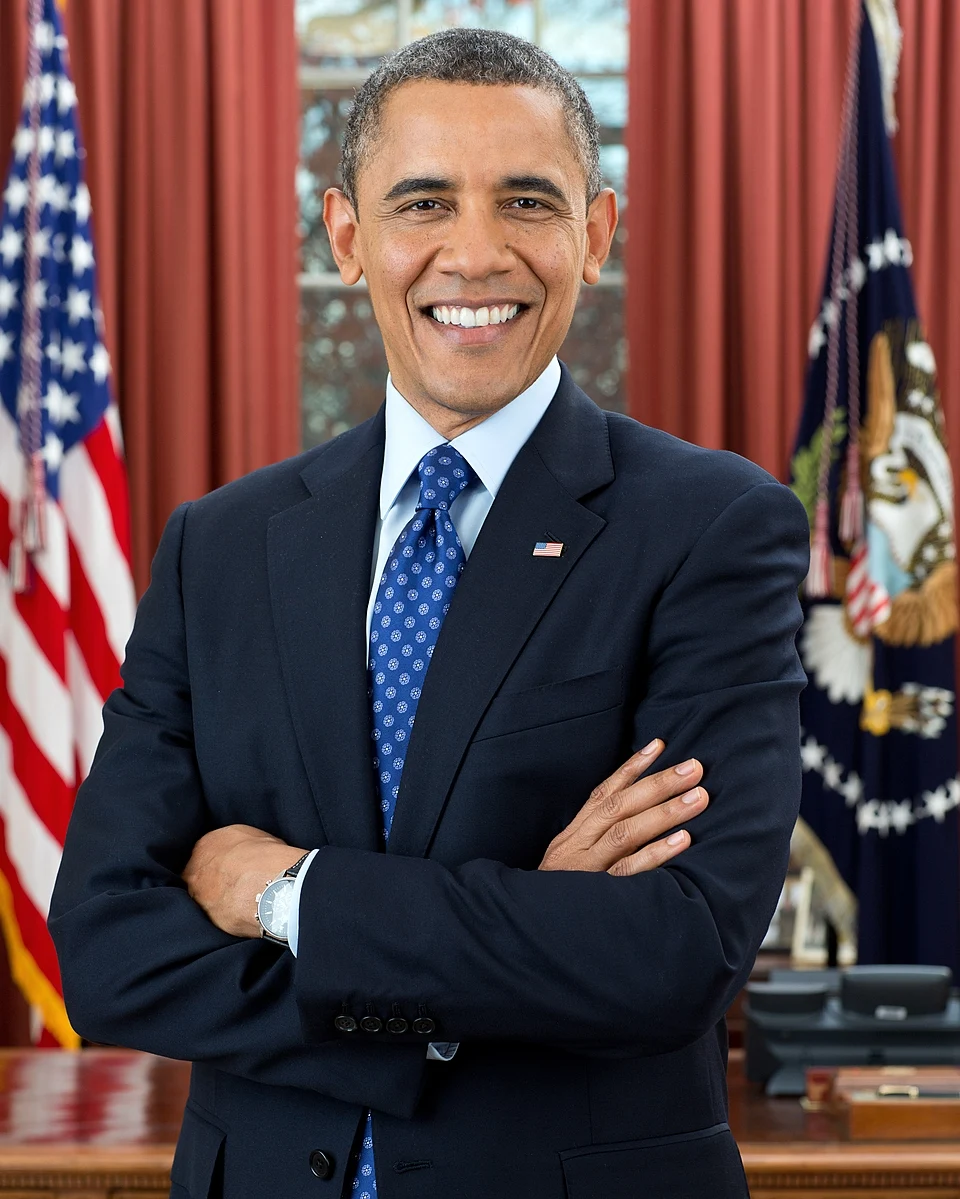
Bill Clinton and Barack Obama pulled off a similar feat; both lost control of the House during their first terms [2].
After losing 54 seats in 1994, Clinton shifted toward the political center, signed a social security reform bill, and managed to win over moderate voters [7].
Obama, in turn, after a crushing defeat in 2010, reduced unemployment and held his minority coalition together, which earned him a second term in 2012 [7].
Ronald Reagan, too, suffered losses in midterm elections, but he remained extremely popular with Americans and comfortably won re-election in 1984, securing 525 of 538 electoral votes and 17 million more votes than his opponent, Walter Mondale [7].
These examples clearly demonstrate that although midterm elections are often a nightmare for an incumbent president, they do not necessarily spell the end of his presidency. It will therefore be particularly interesting to see what strategy Donald Trump chooses if the most pessimistic election scenarios come to pass for him.
List of References
[1] What do the midterm results mean for Trump? https://www.dw.com/en/us-midterm-elections-2018-what-do-the-results-mean-for-donald-trump/a-46186821
[2] Mid-term elections 2018: Trump hails 'tremendous success' https://www.bbc.com/news/world-us-canada-46125121
[3] The 2018 midterm elections not so bad for President Trump – GIS Reports https://www.gisreportsonline.com/r/2018-midterm-elections-trump
[4] The Six-Year Itch: A Political Pattern in U.S. Presidential Elections https://medium.com/@chelsealynnqueen94/the-six-year-itch-a-political-pattern-in-u-s-presidential-elections-288c92f69f34
[5] http://www.theatlantic.com/past/politics/polibig/ornstein.htm
[6] Reports of The Six-Year Itch have been greatly exaggerated https://thepolitic.org/reports-of-the-six-year-itch-have-been-greatly-exaggerated
[7] 5 Times Presidents Lost Big in the Midterms But Won (or nearly won) Reelection — History News Network https://www.hnn.us/article/5-times-presidents-lost-big-in-the-midterms-but-wo
[8] "Explaining Midterm Election Outcomes: A New Theory and an Overview of Existing Explanations" (PDF).
[9] Six-year itch - Wikipedia https://en.wikipedia.org/wiki/Six-year_itch
[10] Does the 6-Year Itch Spell Doom for Obama? – Mother Jones https://www.motherjones.com/kevin-drum/2014/08/six-year-itch-spelling-doom-obama
[11] Which historical trends affect midterm elections for incumbent presidents? | Britannica https://www.britannica.com/question/Which-historical-trends-affect-midterm-elections-for-incumbent-presidents
[12] Six-Year Itch https://politicaldictionary.com/words/six-year-itch
[13] Party shading shows which party controls chamber after that election.
[14] Kevin Drum – Page 103 – Mother Jones https://www.motherjones.com/kevin-drum/2014/page/47?page=103
[15] US midterms 2026: What Donald Trump will do next https://www.smh.com.au/world/north-america/what-donald-trump-will-do-after-the-midterms-lose-or-lose-20261030-p618yw.html
[16] The 2018 U.S. midterm elections: Impact on Trump's presidency and Middle East policy | Brookings https://www.brookings.edu/events/the-2018-u-s-midterm-elections-impact-on-trumps-presidency-and-middle-east-policy
[17] 2018 United States elections - Wikipedia https://en.wikipedia.org/wiki/2018_United_States_elections
[18] Prokop, Andrew (November 5, 2018). "The midterm elections are about whether Republican power will be checked". Vox. Retrieved November 11, 2018.
[19] https://abc3340.com/news/nation-world/trump-says-government-will-halt-if-dems-investigate-him
[20] United States midterm elections | Definition, History, Results, & Facts https://www.britannica.com/topic/midterm-election
[21] United States midterm election | Law | Research Starters | EBSCOhost https://www.ebsco.com/research-starters/law/united-states-midterm-election