Liberty, Equality, Fraternity, and Protests
The French are no strangers to taking to the streets en masse to express their dissatisfaction.
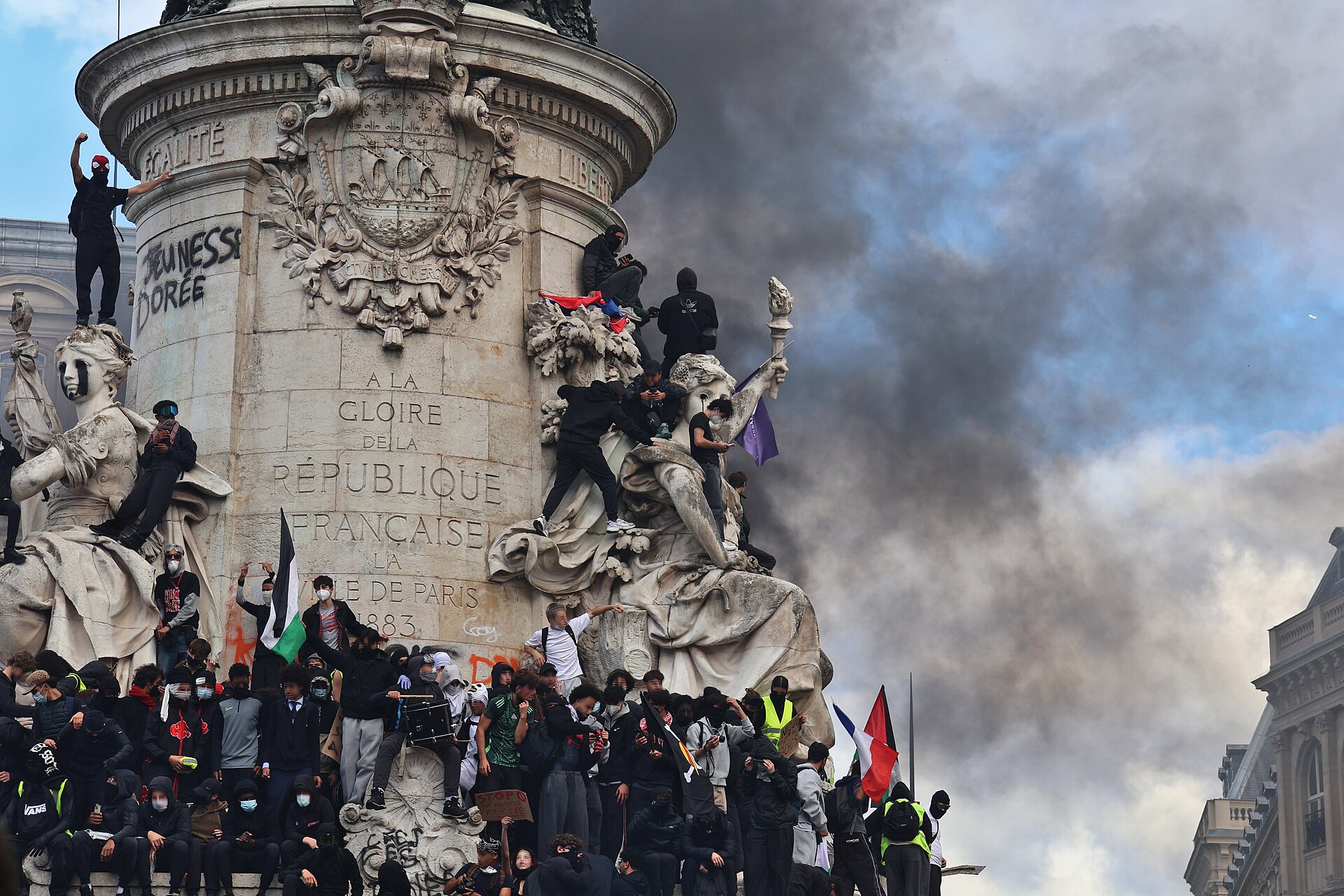
While democracy has long since replaced the overthrown monarchy in the country, the tradition of the masses venting their anger in the streets of Paris remains, to a large extent, historically unchanged [5].
Sociologists and experts agree that France does indeed have a much stronger culture of street protests than many other European countries [5].
Part of the National Culture
This deeply rooted phenomenon is an integral part of the French national mentality, which was shaped and founded by the famous revolution.
Since those bloody times, the French people have learned to speak to those in power in a completely direct manner, particularly through mass demonstrations [5].
Memories of these massive uprisings remain indelibly etched in the French psyche to this day and continue to influence their political life [5].
If we take a closer look at the nature of native-born French people, we find that they have a natural inclination toward radicalism, are constantly dissatisfied, and often rebel.
It could be said that we in Slovakia share this perpetual dissatisfaction with politics with them, though we lack that extreme revolutionary dimension [6].
Unlike in Slovakia, French citizens have an immensely long historical tradition of public assemblies, radical civic associations, and strong labor unions [18].
The Great Revolution
The roots of this persistent street radicalism date back to the successful storming of the Bastille on July 14, 1789, which is celebrated today as a national holiday and the symbolic beginning of the entire revolution, although in reality the revolution began on May 5, 1789, when the Estates-General, convened by the king, met for the first time in Versailles [2].
On that fateful day, the angry residents of Paris demanded that everyone be armed to defend themselves against the royal army; they stormed the Hôtel des Invalides to seize thousands of rifles and then marched on the Bastille to obtain supplies of gunpowder [2].
The defenders of the state prison surrendered only after a fierce battle, for which the frenzied crowd immediately “rewarded” them with a massacre in which the governor’s head was cut off with a knife [2].
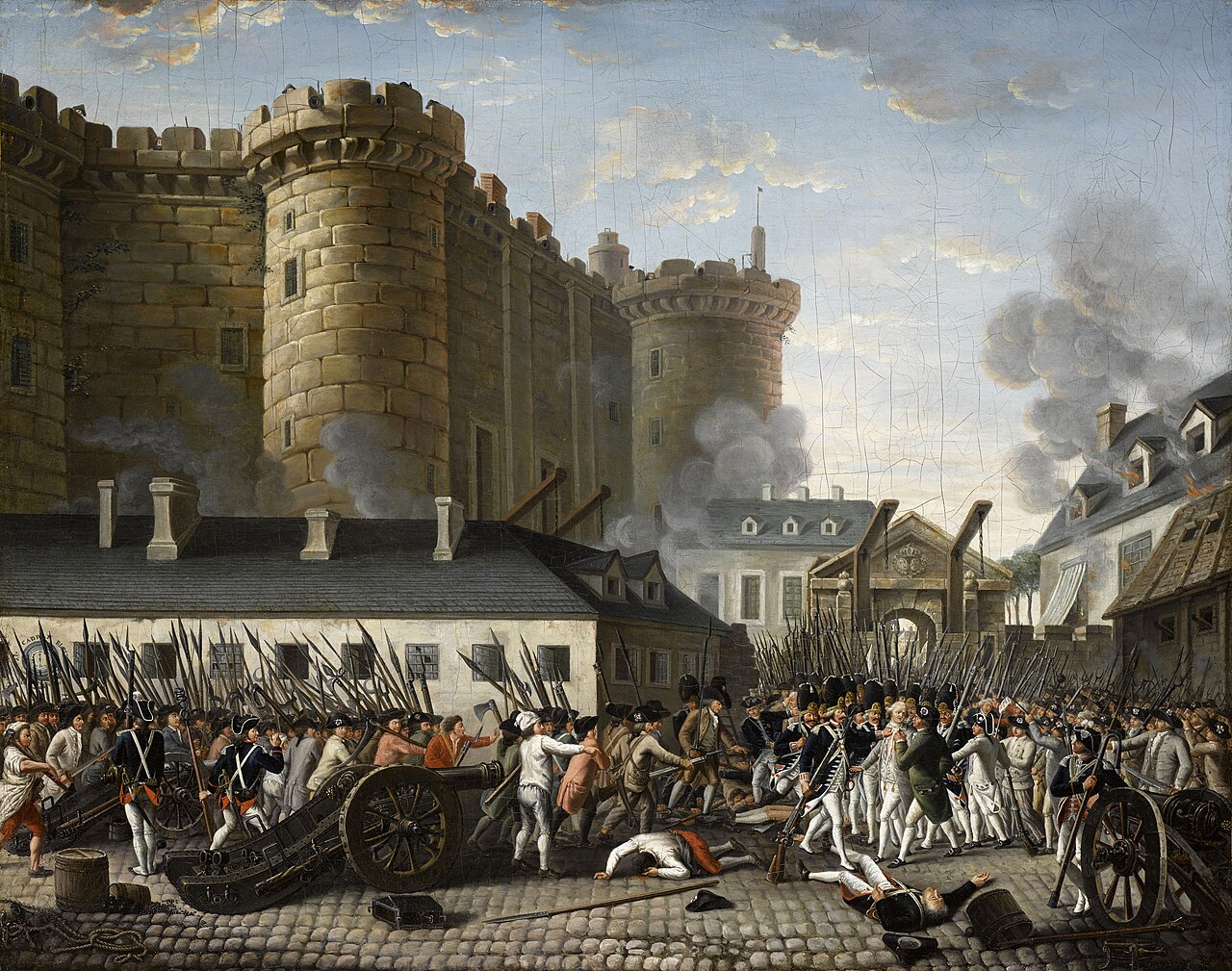
From this historic moment on, the revolutionary events began to gain momentum, and bloody demonstrations began to directly and forcefully shape state policy.
Several historians even assert with conviction that the true driving force behind the French Revolution was not lofty Enlightenment ideals, but above all brutal violence and terror [16].
From its very beginning, the French Revolution drew its immense political energy directly from mass unrest and the streets [16].
The popular uprising of August 10, 1792, during which the mob massacred nearly six hundred members of the king’s Swiss Guard, led to the definitive fall of the hated monarchy and can thus be described as the “second” revolution [4].
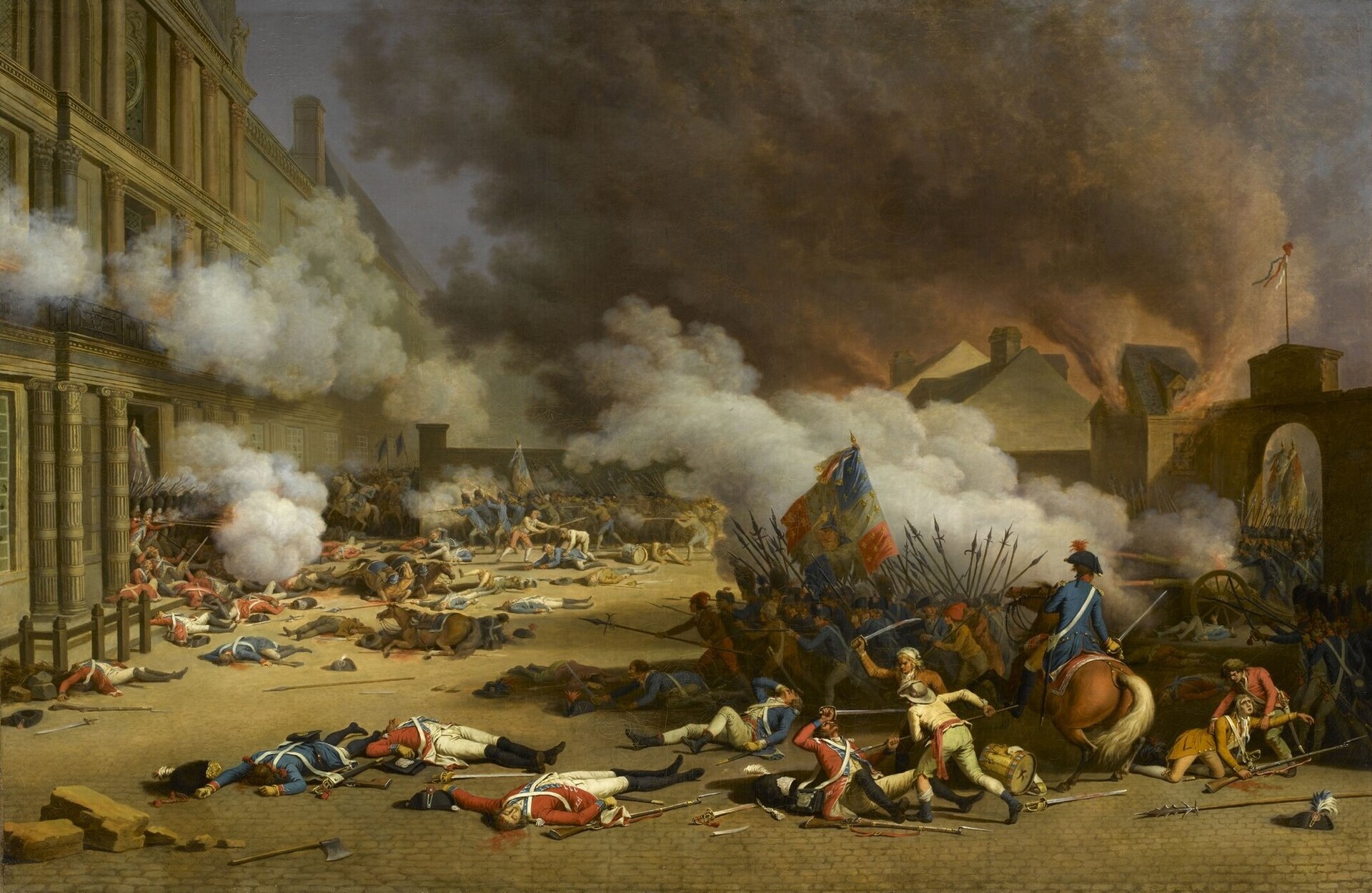
Consequently, the king’s right to rule was abolished, and just one month later, on September 21, 1792, the First Republic was solemnly proclaimed [2].
Intimidation of Parliament
The intimidation of the National Convention by ordinary Parisians during the First Republic from 1792 to 1795 was almost a daily occurrence and fundamentally altered the course of modern history.
The events of September 1792 brought another wave of uncontrolled terror when frenzied crowds of Parisians stormed the city’s prisons.
There, they killed more than half of the prisoners, including nobles, clergy, political prisoners, and common criminals [4]. These exceptionally bloody atrocities, which claimed over 1,200 victims, went down in history textbooks as the so-called September Massacres and fully demonstrated the immense destructive power of the streets [4].
At that time, the foreign threat only served to constantly escalate political unrest, while the overwhelming fear of a counterrevolution led to further mass violence [4].
The conflicts subsequently culminated at the turn of May and June 1793 in an exceptionally powerful popular uprising by the so-called sans-culottes in the streets of Paris [3]. These radical members of the lower classes successfully overthrew the Girondist parliamentary faction and, through political pressure, secured the arrest of dozens of their moderate deputies [2,3].
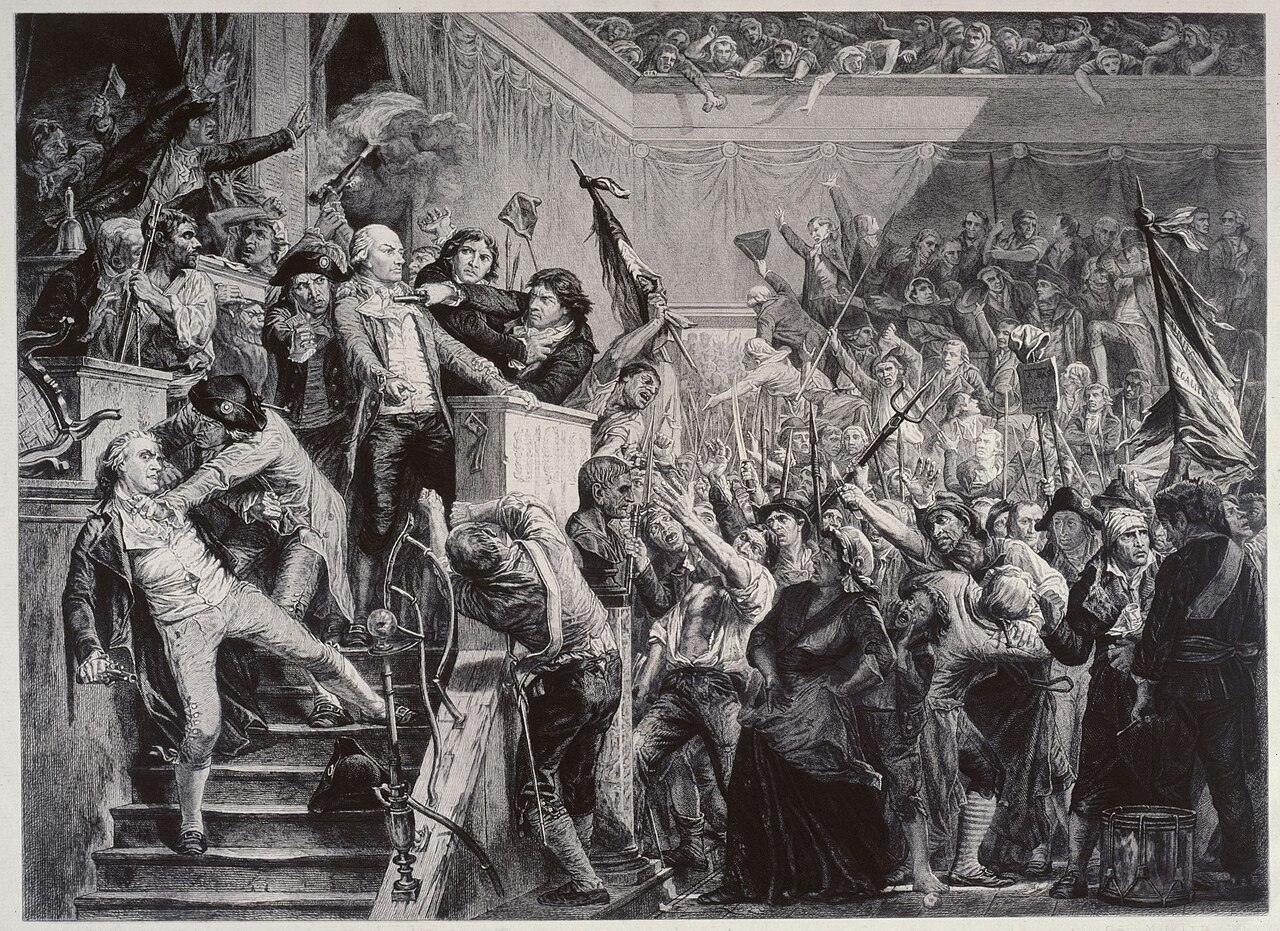
The pressure from the revolutionary masses on the defenseless Convention continued; for example, on September 5, an enraged crowd surrounded its building.
Under this menacing popular pressure, the deputies hastily enacted legislation establishing a revolutionary army, which was to immediately pursue suspects and accelerate the confiscation of property [3].
The constant existential fear for one’s own life sparked enormous public resistance, which ultimately led directly to the overthrow and execution of the Jacobin leader Maximilien Robespierre himself in July 1794 [2,16].
The Popular Counterrevolution
Meanwhile, in the countryside, a completely different type of bloody resistance was taking place, one that was sharply directed against the anti-religious radicalism of Paris.
The most famous of these was the monarchist and Catholic uprising in the Vendée, where the rural population fiercely defended their priests against the Republican army, even to the point of death [2].
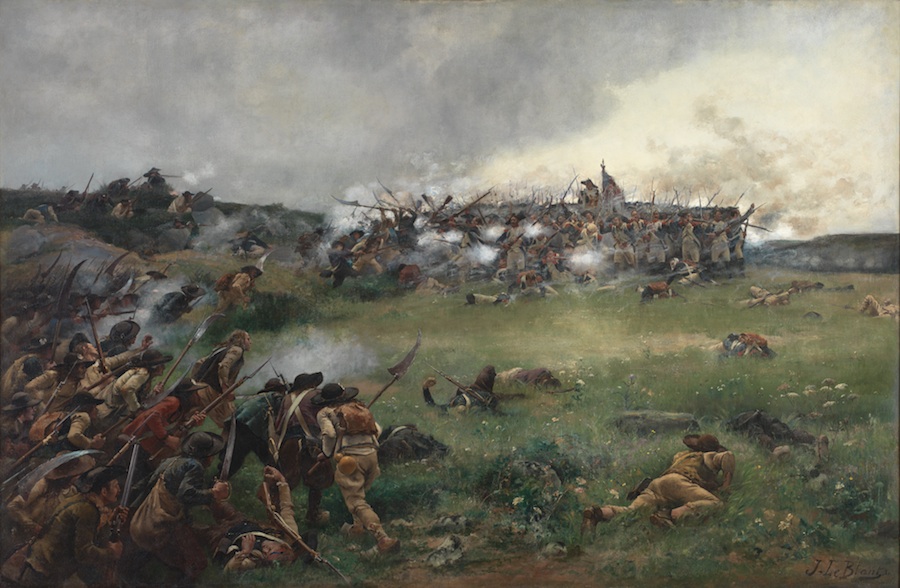
The fundamental difference in the goals of the urban and rural revolutions ultimately ended in utter disaster in the form of a long and devastating civil war [2].
The period of the Jacobin dictatorship later directly fueled a fanatical hunt for the republic’s internal enemies, unleashing an exceptionally bloody and ruthless reign of terror [8].
So-called revolutionary tribunals were established, which routinely punished both real and alleged enemies of the state without a proper trial, with the blood in some Parisian squares reportedly reaching up to the ankles [2,8].
This terrifying reign of the guillotine ultimately consumed even its own architects and brought a cruel death to tens of thousands of innocent victims [8,19].
In the spring of 1795, massive armed uprisings broke out once again in Paris and the nearby suburb of St. Antoine, directed once more against the Convention.
The rebels, who had long suffered from poverty and severe hunger, this time demanded not only bread but also the immediate adoption of the 1793 Constitution [3]. Faced with this desperate situation, the Convention did not hesitate; it immediately sent the army into the streets and, to be on the safe side, ordered the rebellious suburb to be completely and thoroughly disarmed [3].
Later that same year, an armed uprising even broke out in the wealthy districts of Paris, where residents loudly demanded new and free elections.
The defense of the threatened Convention was then entrusted to a young artillery officer, Napoleon Bonaparte, who did not hesitate to strategically position the cannons and definitively disperse the insurgents with a volley of grapeshot [9].
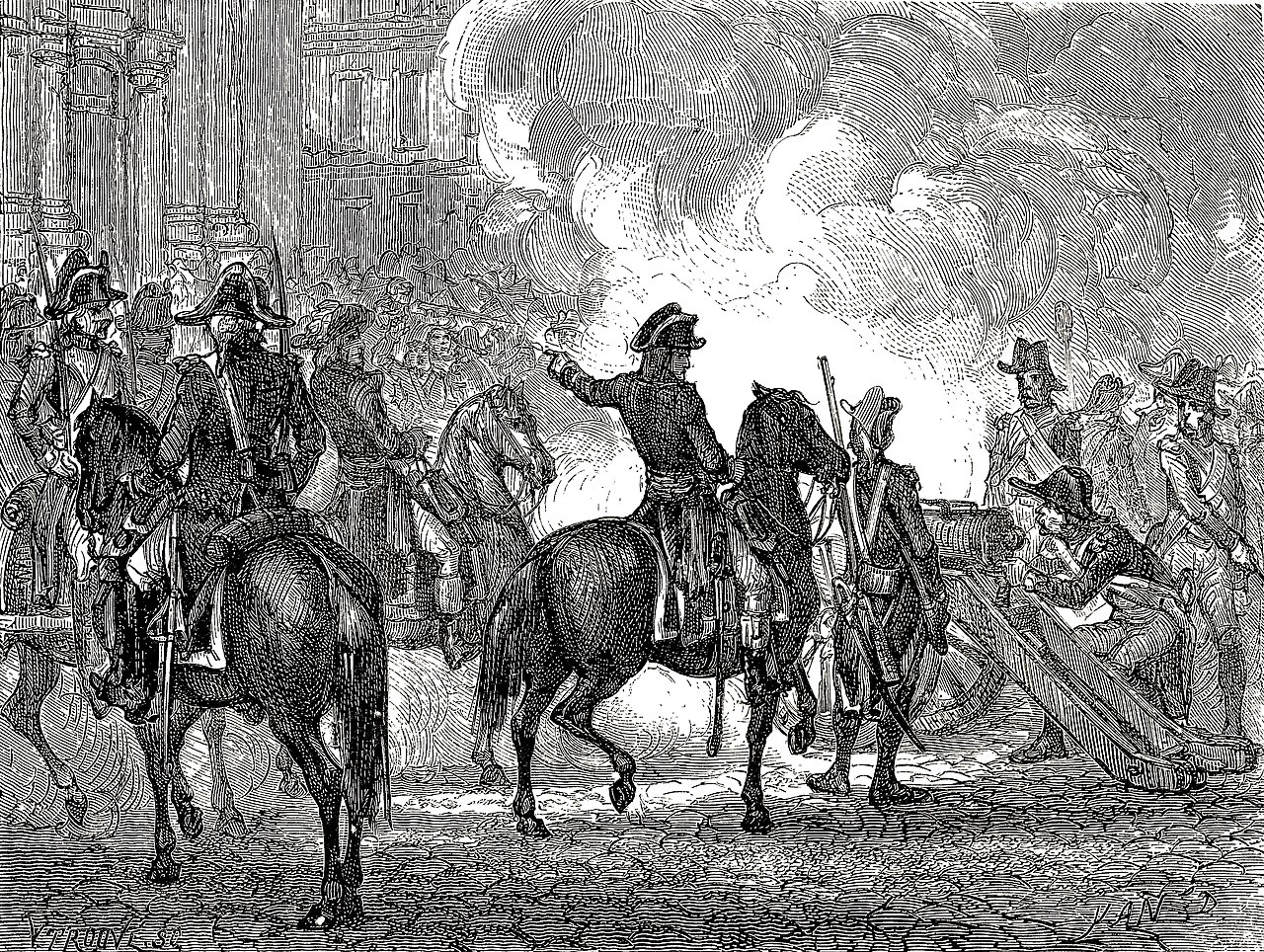
This exceptionally successful artillery defense of the institutions became Bonaparte’s great ticket to the realm of immense military glory and rapid political rise [9].
Regime Changes Fueled by the Streets
Throughout the turbulent nineteenth century, France experienced several dramatic shifts in civil governments, accompanied by constant attempts to return to absolutism [10]. Demonstrations and armed street protests played an absolutely crucial role in these frequent and radical changes in the political regimes of the time.
Three times over the course of forty years—specifically during the revolutionary years of 1830, 1848, and 1870–1871, popular uprisings in Paris succeeded in overthrowing the established governments [17].
During the so-called July Revolution in the summer of 1830, what began as small demonstrations in Paris escalated into massive uprisings and the widespread construction of barricades [12].
The main cause was the repressive policies of King Charles X, the younger brother of the executed Louis XVI, who strictly banned critical press, thereby depriving typesetters and many artisans of their livelihoods [9].
This massive and exceptionally bloody protest, during which the rebels drove the army out of Paris, ultimately led to the successful overthrow of the Bourbon monarchy and the subsequent establishment of a more liberal constitutional monarchy under the leadership of Charles’s cousin, Louis-Philippe [12].
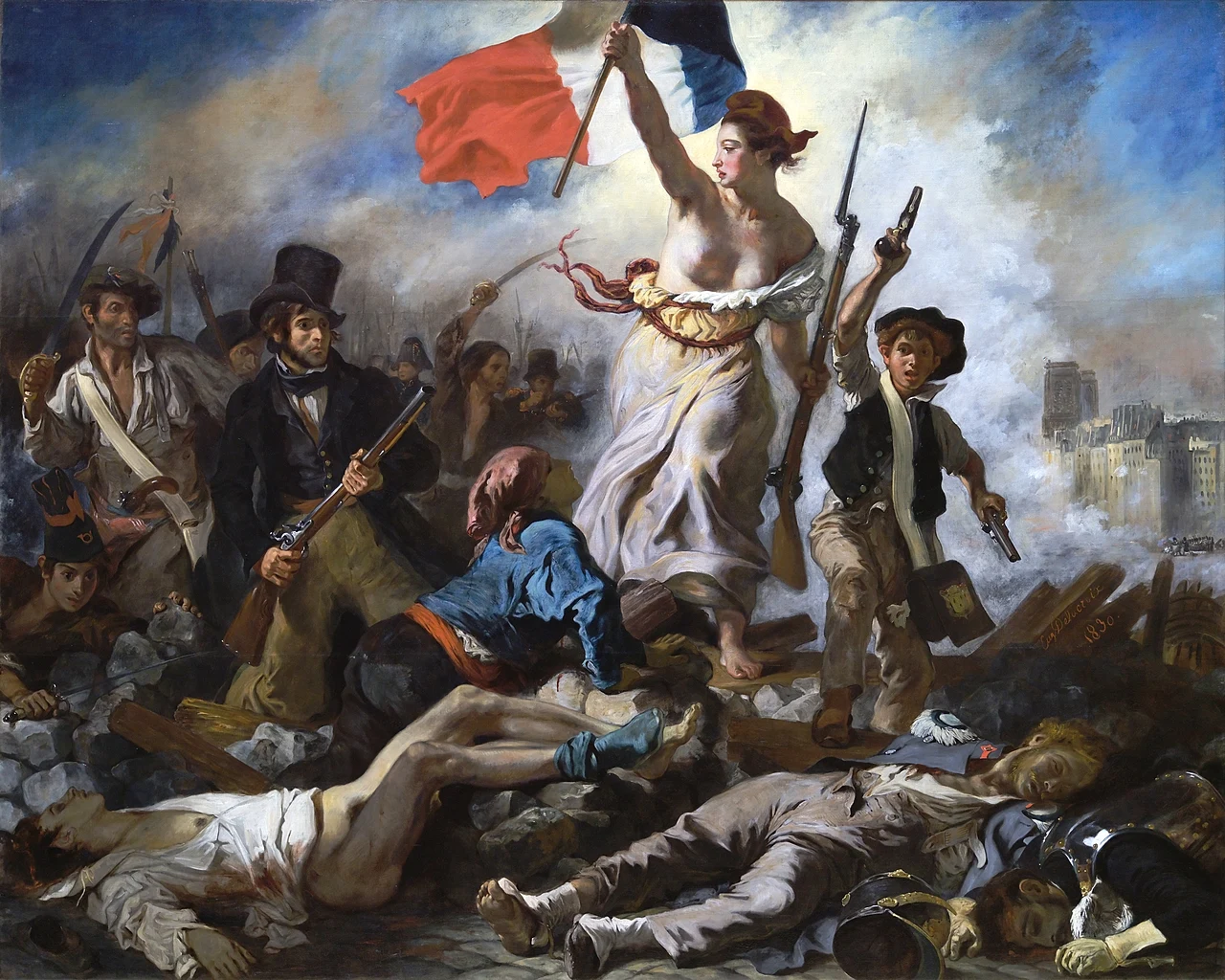
Interestingly, Hugo’s famous novel *Les Misérables* actually describes the failed republican uprising of 1832, which sought to continue the revolution of two years earlier, rather than the Great Revolution of 1789 [19].
However, another massive regime change came with the pan-European revolution of 1848, which in France was driven primarily by citizens’ efforts to expand universal suffrage [15].
Rapid industrialization and unplanned urbanization at that time created massive social unrest that the reigning monarch, Louis-Philippe, simply could not quell [19].
During this period, the so-called “reform banquets” played an important role; initially, they served as a non-parliamentary activity uniting radical republicans and disaffected townspeople [15].
However, when the government, due to concerns and bad weather, prevented one of these mass gatherings from taking place, a veritable revolutionary inferno broke out in the streets of Paris [19].
Paris was instantly transformed into a battlefield between various political factions, and, as in 1830, the army was unable to control the situation [19].
Faced with these deadly, violent barricades and the immense discontent of the crowd, King Louis-Philippe chose to abdicate as a preventive measure, thereby once again paving the historical path to a republic [19].
Redevelopment Due to Unrest
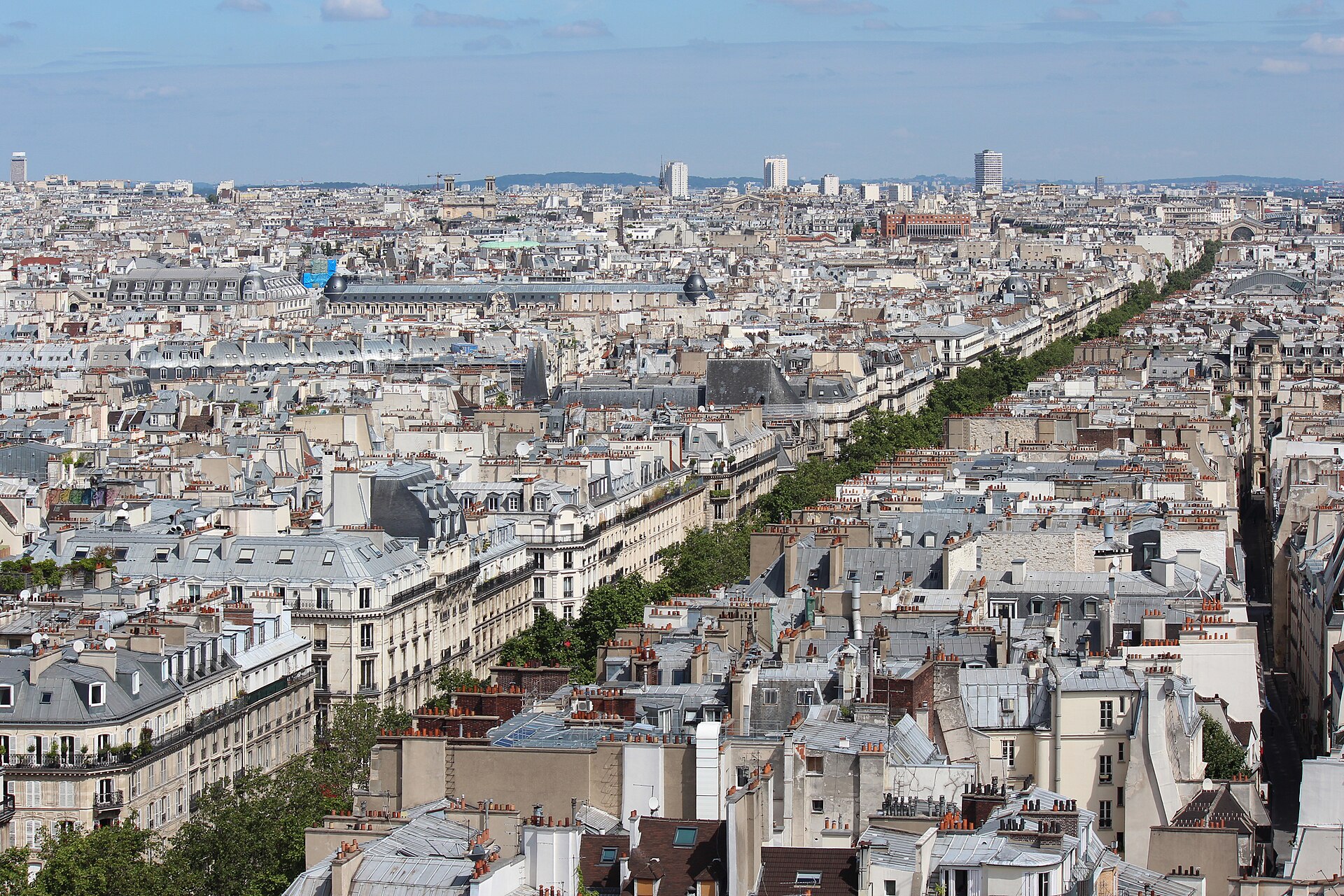
Fear of these constant mass protests later compelled Emperor Napoleon III, with the help of Baron Haussmann, to radically transform Paris’s narrow streets into wide boulevards [5].
This massive urban planning project, begun in 1853, gave birth to the modern city, though its primary goal was actually to prevent rebels from erecting narrow barricades [5].
The historian Hippolyte Taine later analyzed these mass psychoses in detail and viewed the uncontrollable revolutionary mob as a thoroughly irrational and exceptionally destructive force [19].
In his view, all popular uprisings and riots represented nothing more than a regrettable and barbaric collapse of civilized public order [19].
In contrast, other experts and left-wing historians argue that the crowds in the streets were, in fact, always clearly structured and served as a logical political tool for the poor [19].
Failures
However, not all mass demonstrations in French history have achieved a successful regime change, a prime example being the right-wing attempt to overthrow the republic on February 6, 1934.
In a sharp reaction to the well-known Stavisky corruption scandal, massive anti-government demonstrations took place at that time, which ultimately culminated in a brutal coup attempt [10].
Fortunately, however, far-right and authoritarian groups such as Action Française and the Croix de Feu failed in their dubious endeavor [10].
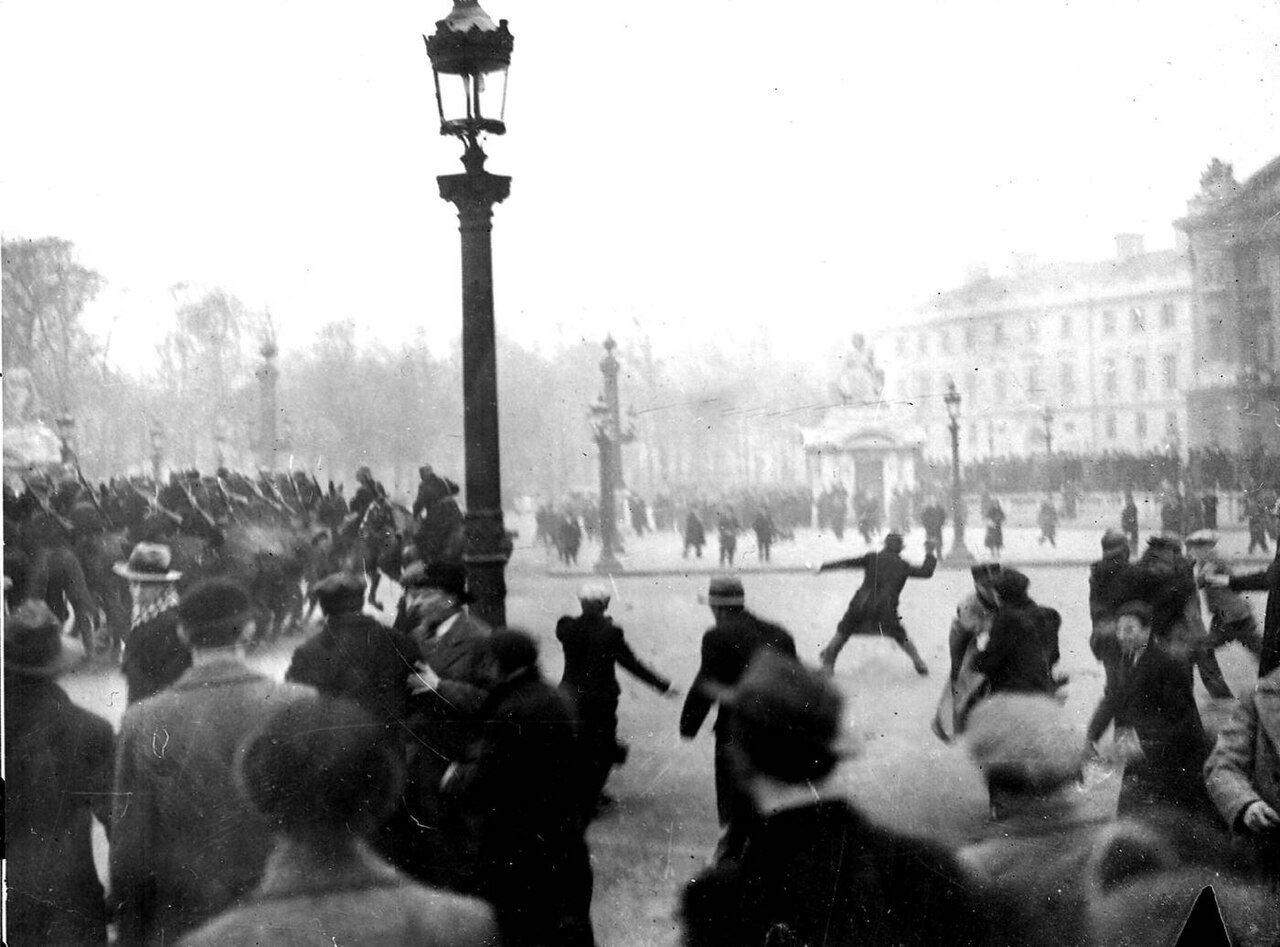
Although this particular anti-government protest was ultimately unsuccessful, it had very serious and bloody political consequences for society as a whole.
Fifteen people were shot and killed during the riots in the turbulent streets of Paris at that time, which only confirms the long-standing violent nature of French protest culture [10].
The political impact itself, however, was quite significant despite the coup’s definitive failure, as these tense and crisis-ridden events gradually led to the fall of two governments, although the Third Republic held on until its defeat by Germany in June 1940 [10].
Not Just the Sexual Revolution of 1968
When we fast-forward to the second half of the twentieth century, we find the famous unrest of May 1968, which shares many common features with the recent Yellow Vests movement.
More than fifty years ago, disgruntled students at the Sorbonne in Paris erected high barricades, thereby seeking to forcefully challenge the conservative social status quo of the time; among other things, they objected to the fact that male students were barred from women’s dormitories [5].
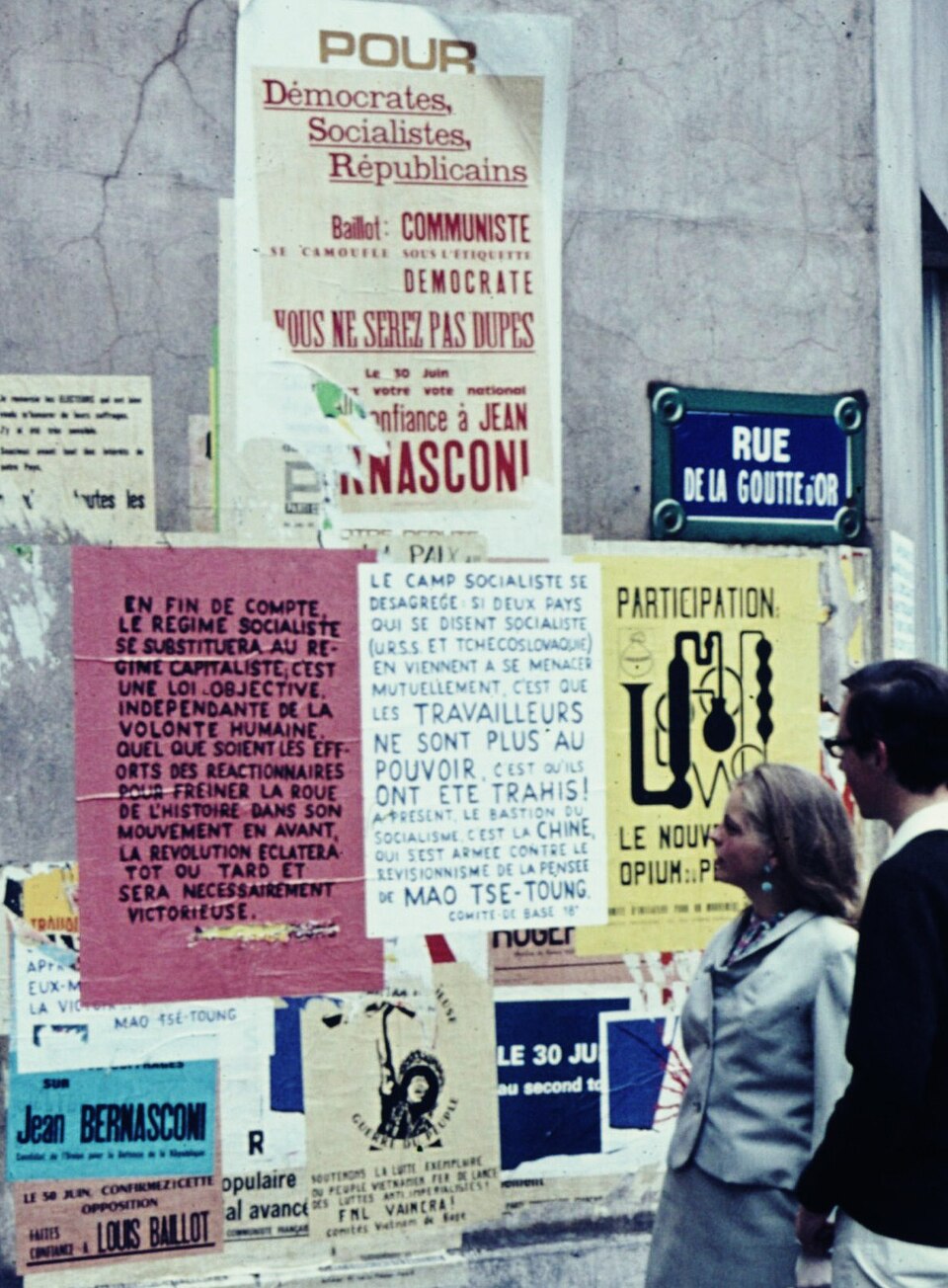
The violence perpetrated by state authorities against the demonstrators subsequently drove even ordinary workers into the streets, and a nationwide movement involving nine million participants, fueled by a general strike, ultimately brought France to its knees [5].
This massive left-wing protest in 1968 succeeded because it led to a staggering 35 percent increase in the minimum wage and an overall 10 percent rise in wages [5].
At the same time, however, these weeks of unrest completely undermined the legitimacy of then-President Charles de Gaulle, who, although he won the election shortly after the protests, was ultimately forced to resign the very next year [5].
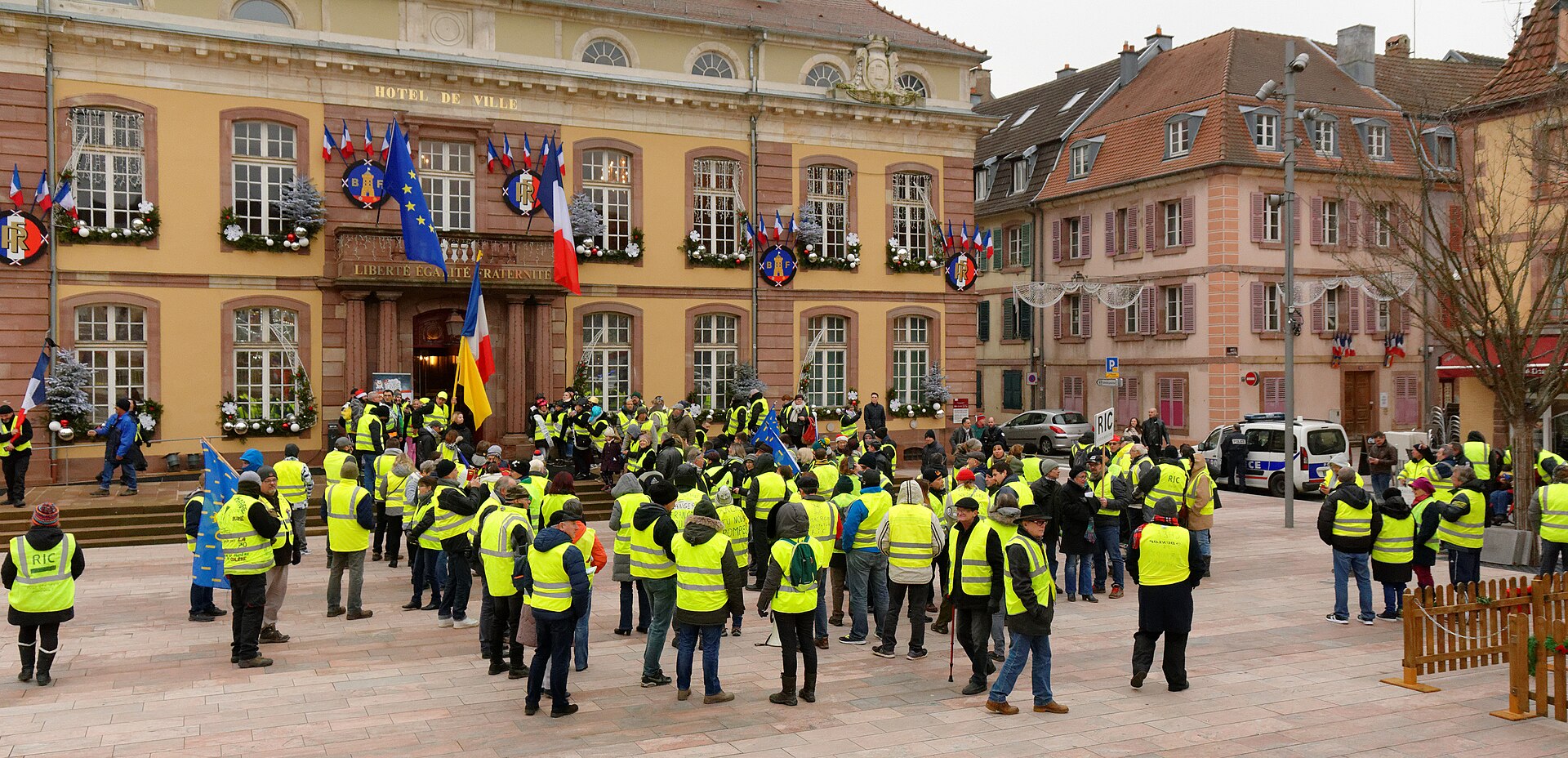
In fact, the modern Yellow Vests movement recently employed very similar tactics, as it also erected barricades, promised to massively disrupt the country’s functioning, and openly defied law enforcement [5].
Yellow Vests Against Gas Prices
The fundamental difference, however, is that while the social protests of 1968 were successful, the government’s concessions to the Yellow Vests did nothing to appease the demonstrators.
Protesters repeatedly described the concessions as utterly insufficient and too late, and due to stagnant wages, some radicals even sought to directly overthrow the government [5].
Their long national tradition of revolt thus resists, with incredible tenacity, any modern state efforts to suppress it once and for all [5].
Once again, it is not only students who are rebelling
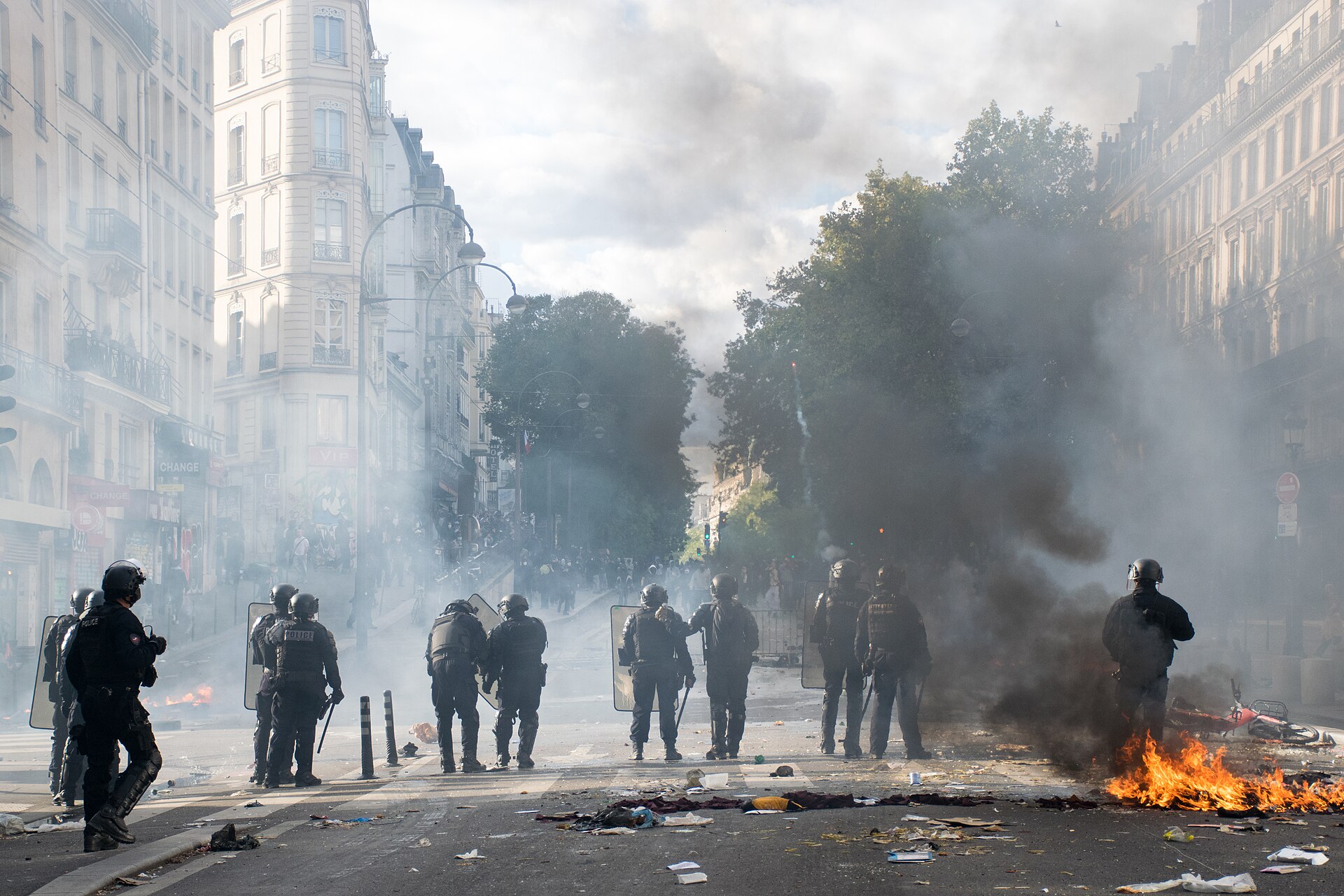
The current ongoing demonstrations, which are once again accompanied by exceptionally brutal violence, arson, and looting, once again have very strong economic and social undertones.
For example, participants in this weekend’s unrest are sharply highlighting, in particular, poor study conditions, insufficient scholarship amounts, and the overall dysfunction of the education system [18].
At the same time, these are, of course, also very vocal protests against the ever-rising cost of living, long-term unemployment exceeding nine percent, and frustration over exorbitant taxes [5,13].
Unfortunately, a significant portion of these originally legitimate demonstrations now regularly escalates into serious violence, targeted looting, and exceptionally violent clashes with law enforcement [13].
For the national police and special riot police, this immense intensity of genuine street violence poses a truly serious and exhausting security challenge [18].
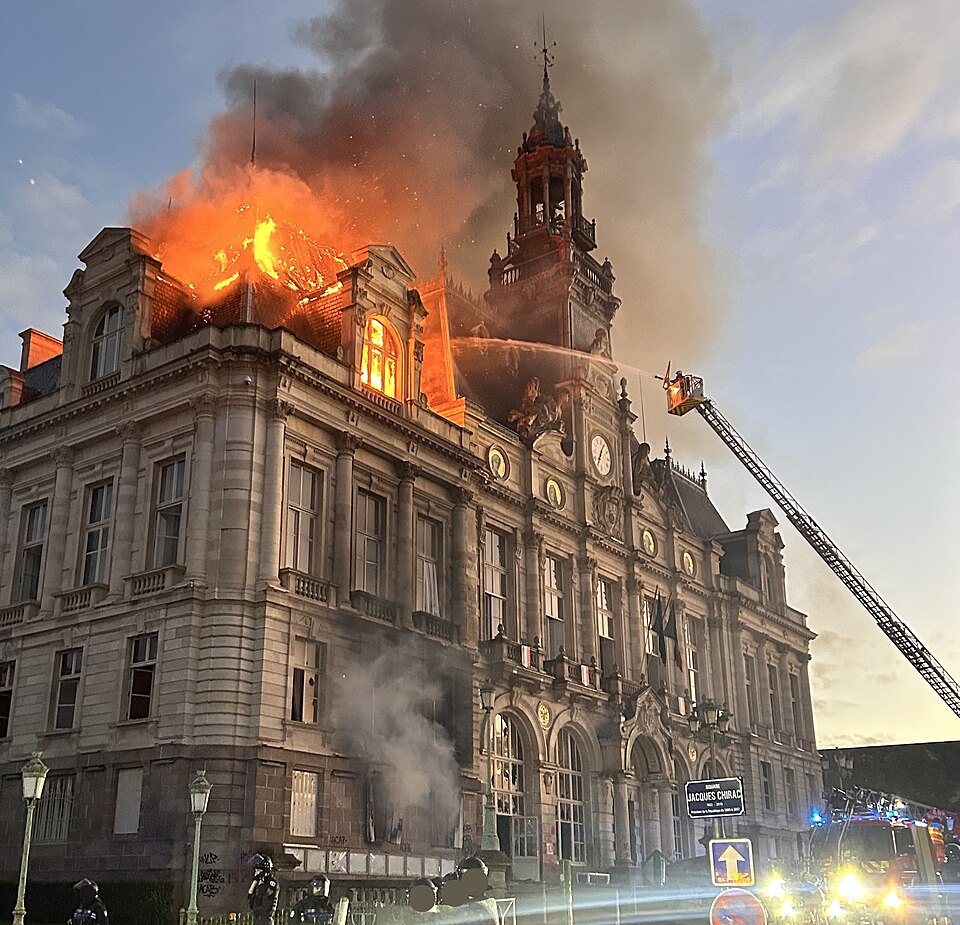
Particularly alarming are those cases in which even ordinary people who are not participating in the demonstrations at all become victims of brutal attacks [18].
Closely linked to this massive scale of violence, a number of pessimistic voices are beginning to be heard in the country, warning of the impending collapse of the entire state.
Is France facing a civil war?
Extremely grim phrases such as “war” or even “an acute threat of an impending civil war” are being bandied about with increasing frequency on the streets and in the national media [11].
Incumbent President Emmanuel Macron himself has already publicly warned that the irresponsible platforms of the far right and far left could very easily lead France straight into civil war [1].
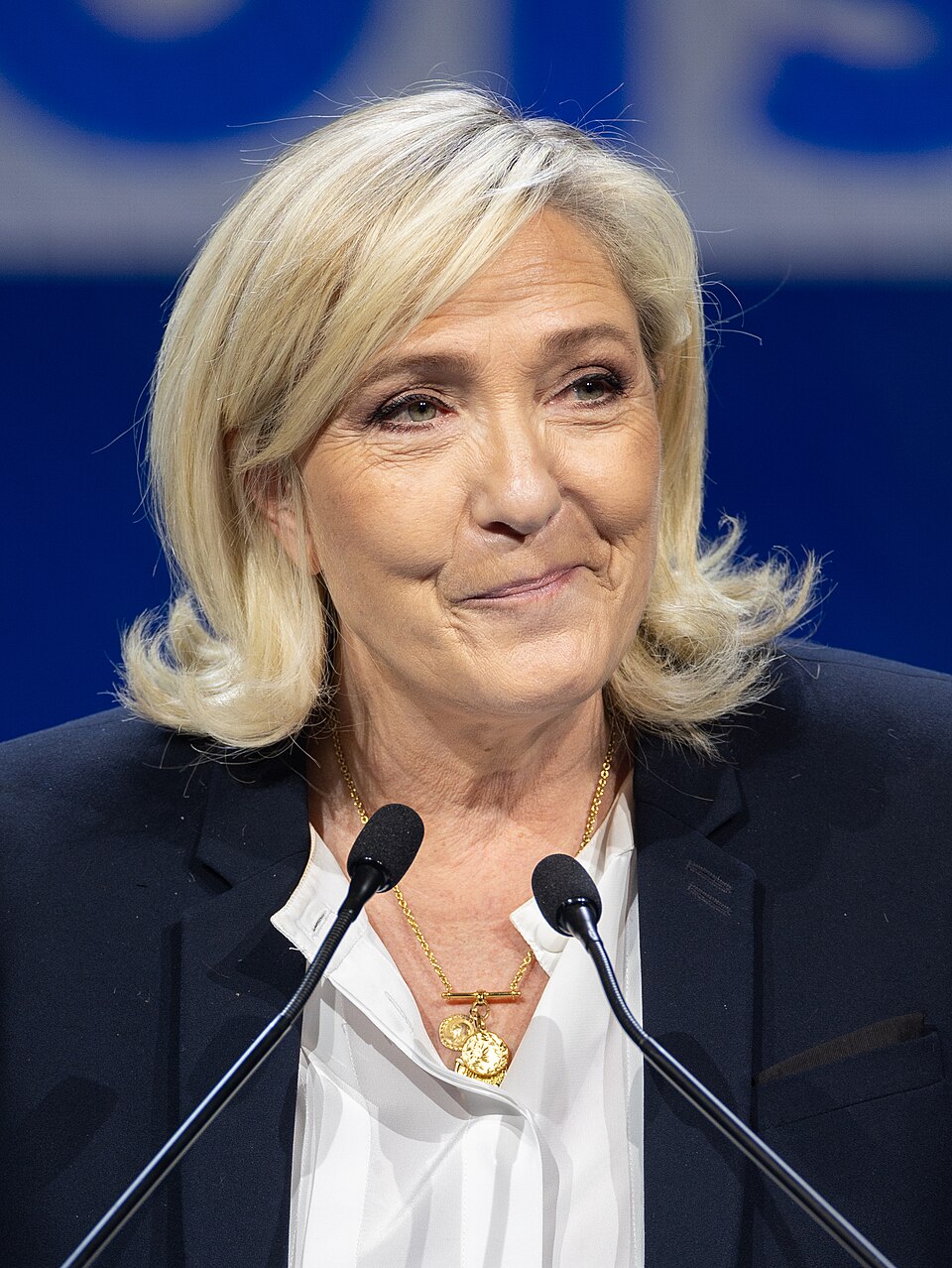
For years, several right-wing politicians, such as Éric Zemmour and Marine Le Pen, have also been very successfully building their aggressive political campaigns on a similar wave of media scaremongering [11].
Former French generals and soldiers have even issued a warning that if the government does not promptly resolve the problem of Islamism, the military may intervene forcefully, which would certainly spark a civil war [7].
Well-known experts from the intelligence community, meanwhile, add that the ongoing confrontation between Muslims and far-right supporters currently poses an even greater threat to the country than terrorism itself [20].
Russian Senator Alexei Pushkov also commented on the situation in a highly radical and international context, directly labeling the ongoing unrest in France over migration as a civil war [14].
Domestic security experts, however, do not directly predict such an outright catastrophic turn of events and are trying to rationally calm the extremely tense situation in society.
They emphasize that, despite everything, the country has vast and long-standing experience with large-scale protests as well as with the necessary tactical mobilization of security forces [18].
Whether today’s frustrated demonstrators will ultimately succeed in pushing through at least some of their extensive demands remains an open question for now.
Despite the truly dramatic and fiery footage from some of the conflict-ridden streets, however, life continues as usual without incident in much of France [18].
The French authorities responding to the unrest have vast strategic experience, and the overwhelming majority of security experts firmly believe that they will ultimately be able to prevent the situation from deteriorating further [18].
The current ongoing street unrest is thus, by all accounts, merely yet another historical manifestation of how the French have been actively and vociferously expressing their civic discontent for over two centuries.
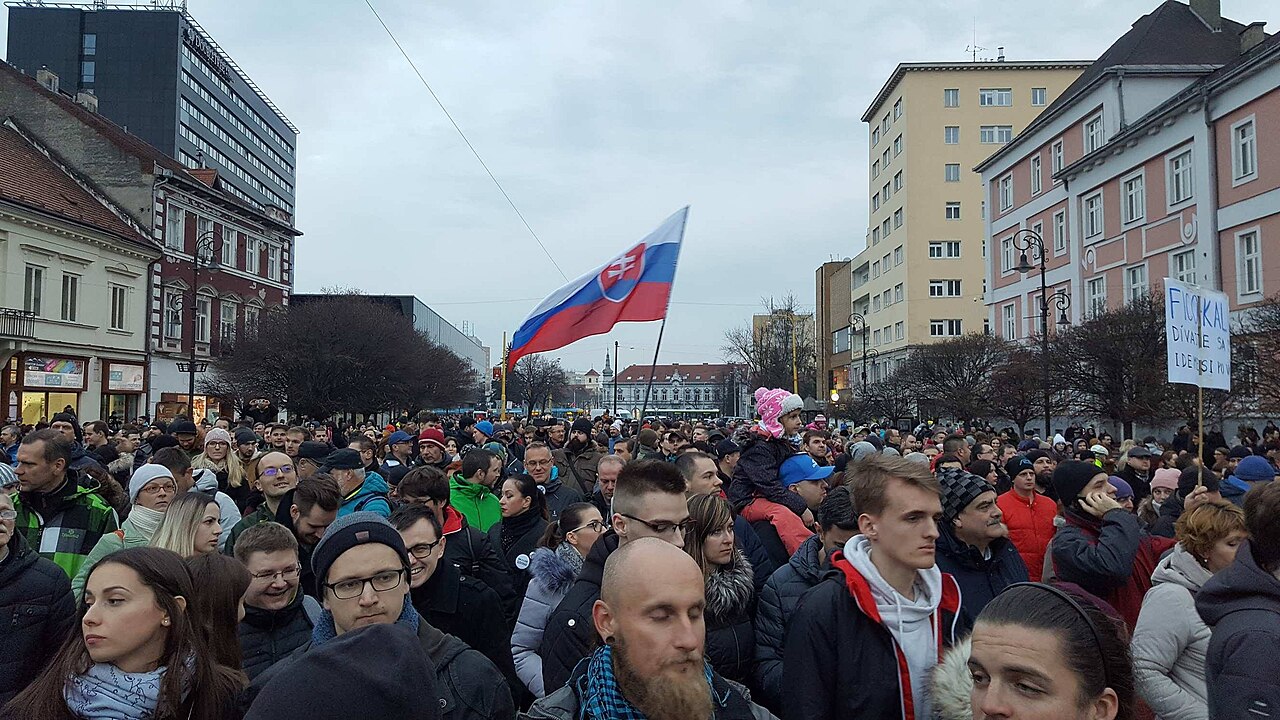
The country has undergone many difficult historical upheavals, and many agree that the mass abandonment of Christianity has further strengthened revolutionary tendencies there [6]. Its current institutions were shaped precisely by these turbulent revolutionary processes, which ultimately led the country from absolutism to a fully democratic republic [12].
In conclusion, it can certainly be said that violent street unrest and burning barricades are truly an inseparable part of France’s turbulent national tradition. Although such mass protests may seem frightening to us from the comfort and safety of Slovakia, for many Parisians, they are just another inevitable chapter in an endless drama.
List of References
[1] Macron hovorí o extrémoch, ktoré môžu viesť k občianskej vojne. Voľby ukážu zodpovednosť Francúzov, tvrdí https://hnonline.sk/svet/96156020-macron-hovori-o-extremoch-ktore-mozu-viest-k-obcianskej-vojne-volby-ukazu-zodpovednost-francuzov-tvrdi
[2] FRANCÚZSKA REVOLÚCIA https://cloud8i.edupage.org/cloud/FRANCUZSKA_REVOLUCIA%281%29.pdf?z%3AFi8%2FInmFEDl7zC6RCr%2FZin2qFdk8jHpQ%2FeGxQw9Xv0xLcHKZxemK31m1Qpo%2FZQMz=
[3] Veľká francúzska revolúcia - Wikipédia https://sk.wikipedia.org/wiki/Ve%C4%BEk%C3%A1_franc%C3%BAzska_revol%C3%BAcia
[4] Prvá Francúzska republika - Wikipédia https://sk.wikipedia.org/wiki/Prv%C3%A1_Franc%C3%BAzska_republika
[5] Aux barricades! France’s long history of revolt - France 24 https://www.france24.com/en/20181207-france-yellow-vest-protests-aux-barricades-long-history-revolt
[6] Hrozí vo Francúzsku občianska vojna? - https://christianitas.sk/skutocne-moze-vo-francuzsku-hrozit-obcianska-vojna
[7] http://christianitas.sk/generali-varuju-macrona-pred-obcianskou-vojnou-vo-francuzsku/
[8] Francúzska revolúcia ~ Dejepis | Zones.sk https://www.zones.sk/studentske-prace/dejepis/22197-francuzska-revolucia
[9] REVOLÚCIA https://eknizky.sk/wp-content/uploads/2024/01/Revolucia.pdf
[10] Dejiny Francúzska - Wikipédia https://sk.wikipedia.org/wiki/Dejiny_Franc%C3%BAzska
[11] Krajná pravica vo Francúzsku straší občianskou vojnou https://www.startitup.sk/europska-krajina-sa-zmenila-na-bojove-peklo-krajna-pravica-uz-hovori-o-obcianskej-vojne
[12] July Revolution | History | Research Starters | EBSCOhost https://www.ebsco.com/research-starters/history/july-revolution
[13] The Moscow Times (https://www.themoscowtimes.com/2026/10/19/the-suicidal-fall-of-europe-russia-reacts-to-riots-in-france-a94021)
[14] „Vo Francúzsku prebieha občianska vojna.“ Moskva udrela na Macrona, nepokoje spája aj s Ukrajinou - Svet - Správy - pravda.sk https://www.pravda.sk/spravy/svet/clanok/2062427-protesty-vo-francuzsku-macron-rusko-media-chaos-rabovanie-poziare-peskov-moskva
[15] The European Experience - 3.5.2 Protest and Social Movements in Modern History (ca. 1800–1900) https://books.openbookpublishers.com/10.11647/obp.0323/ch38.xhtml
[16] Veľká francúzska revolúcia – fakty a úvahy - https://christianitas.sk/velka-francuzska-revolucia-fakty-a-uvahy
[17] The Revolutionary Century? Revolts in Nineteenth-Century France | Springer Nature Link https://link.springer.com/chapter/10.1057/9781137316516_12
[18] Štúdio 24: Násilnosti vo Francúzsku môžu podľa Jančoka znamenať debakel ľavice | joj24.sk https://joj24.noviny.sk/studio-joj-24/1275430-studio-24-nasilnosti-vo-francuzsku-mozu-podla-jancoka-znamenat-debakel-lavice
[19] Revolutions in France: 1789, 1830, 1848 - France: Women in the Revolution - Research Guides at Library of Congress https://guides.loc.gov/women-in-the-french-revolution/revolutions-rebellions/1789-1830-1848-timeline
[20] Francúzsko je na hrane občianskej vojny. Prečo policajti, vojaci a tajné služby bijú na poplach https://standard.sk/391121/francuzsko-je-na-hrane-obcianskej-vojny-preco-policajti-vojaci-a-tajne-sluzby-biju-na-poplach