Cancel or Postpone the Vote? Will Ortega Cross the Electoral Rubicon
When Nicaraguan President Daniel Ortega recently announced that his country would no longer hold elections, the international community was shocked. This drastic measure was aimed at the opposition to prevent it from taking power. [11] Originally, the next presidential election was scheduled to take place in November 2027. [2]
From Revolutionary to Dictator
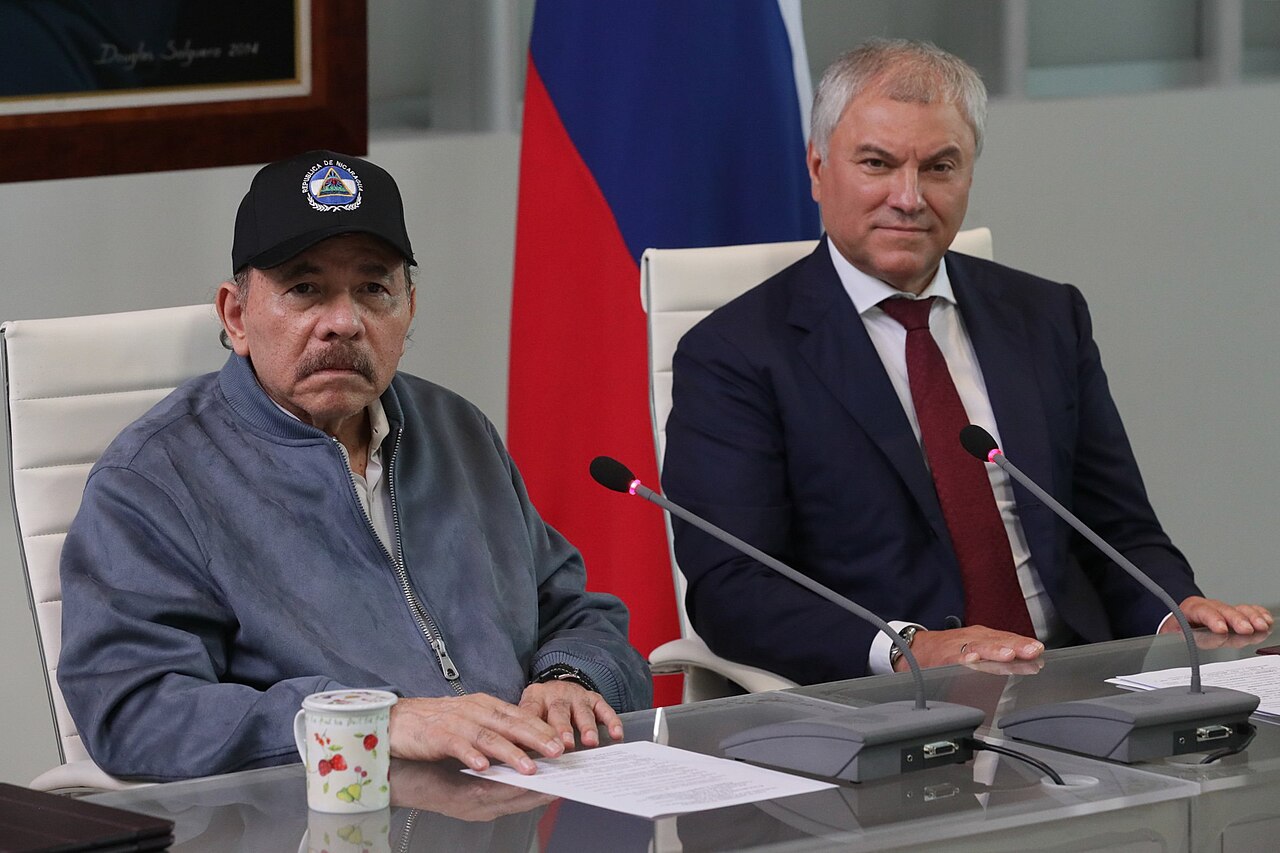
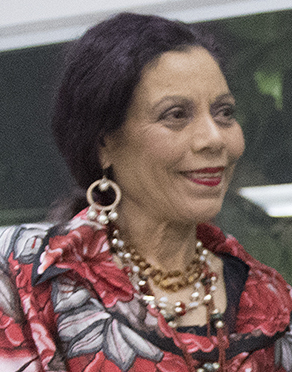
Ortega, 80, who has been in power since 2007, made this statement during celebrations marking the 47th anniversary of the Sandinista Revolution. [3,19] Together with his wife and co-president, Rosario Murillo, they canceled the elections, arguing that the opposition was using them merely as a tool to seize power. [3,19] When asked about any future elections, Ortega was clear: “Never, never, never.” [2]
Analysts view this drastic step as Nicaragua’s definitive transition to a family dictatorship. [11] Ortega and Murillo are evidently concerned that even the slightest political relaxation could create conditions for dissent and threaten their monopoly on power. [2] In January 2025, the government-controlled Congress even extended the presidential term from five to six years. [18]
Reactions to such a brutal suspension of citizens’ political rights were not long in coming. The Nicaraguan government’s move was sharply criticized by the United Nations, the Organization of American States, and the European Union. [10] Furthermore, the UN Human Rights Council accused the Ortega government of turning the country into an authoritarian state that routinely violates human rights. [14]
Will he get away with it?
Are dictators usually punished for such audacity, or do they get away with it unscathed? U.S. Secretary of State Marco Rubio described Ortega’s pledge to cancel the elections as a threat to U.S. national security and called on allies to mount a coordinated response. [3] The Trump administration has imposed visa restrictions on more than 2,000 Nicaraguan officials, and the U.S. itself has been imposing sanctions on the country since 2018. [3,10]
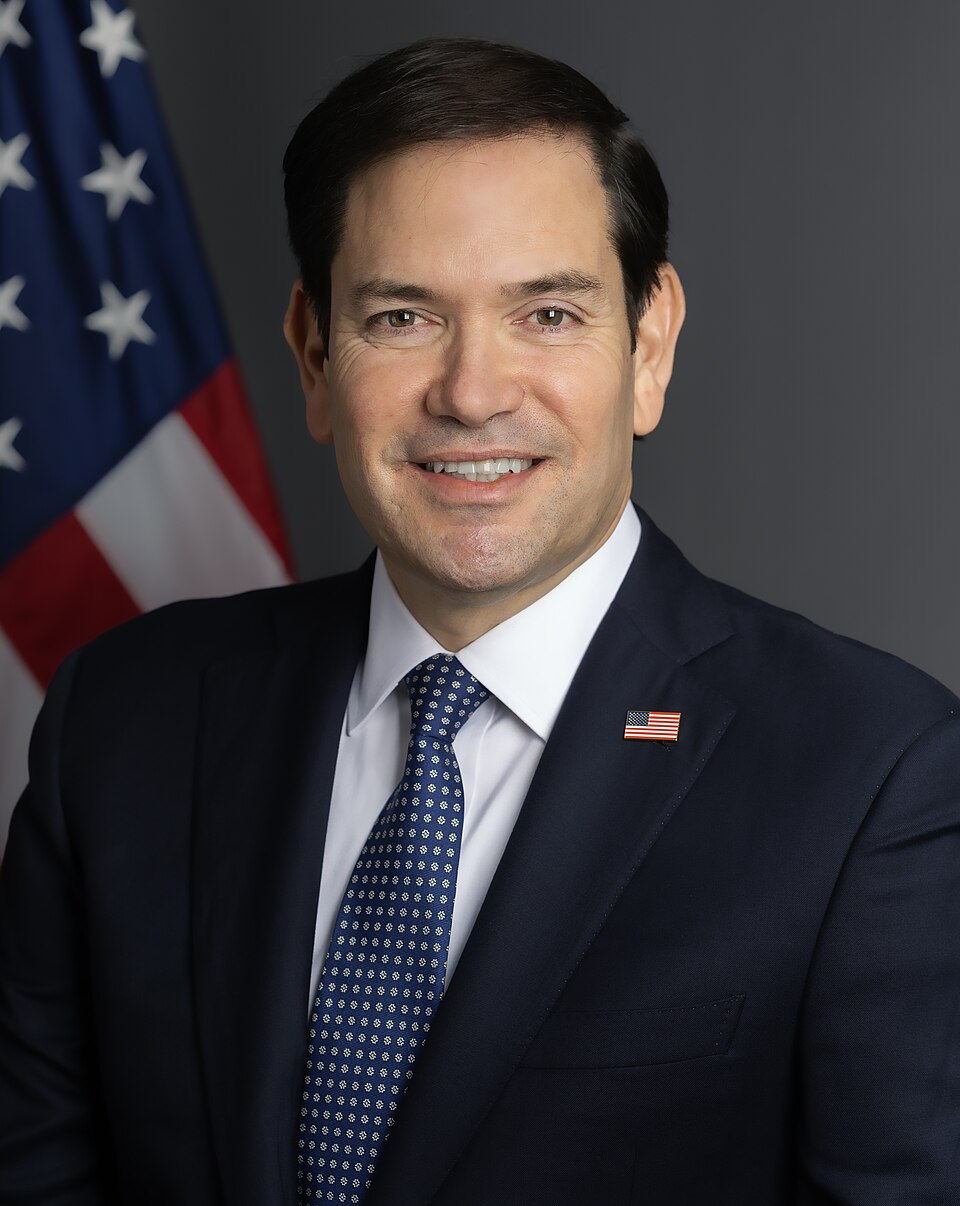
Although the cancellation of the elections has sparked international pressure and a diplomatic freeze in relations, the Trump administration, despite its strong rhetoric, has not taken any other significant action against Managua. [3,18] As for whether the authoritarian leader will be directly removed from office as a result of this move, the available historical records on this case remain silent. Thus, on the international stage, the primary penalties for canceling the elections remain targeted sanctions and political isolation. [10,14]
Postponement Is Not the Same as Cancellation
In the history of world politics, however, we must strictly distinguish between the permanent cancellation of elections and their temporary postponement. While Ortega permanently canceled the elections in order to retain power, the postponement of elections is used in times of extreme crisis, such as wars. [2,20] The fundamental difference lies in the fact that postponement prioritizes the stability of the state over a return to democratic processes until it is truly safe to do so. [13]
An interesting historical precedent in this regard is provided by Great Britain and France during World War II. Faced with an existential threat, both countries decided to postpone their elections until the war ended. [6] In the United Kingdom, this postponement even required primary legislation that directly repealed provisions of the law in effect at the time. [4]
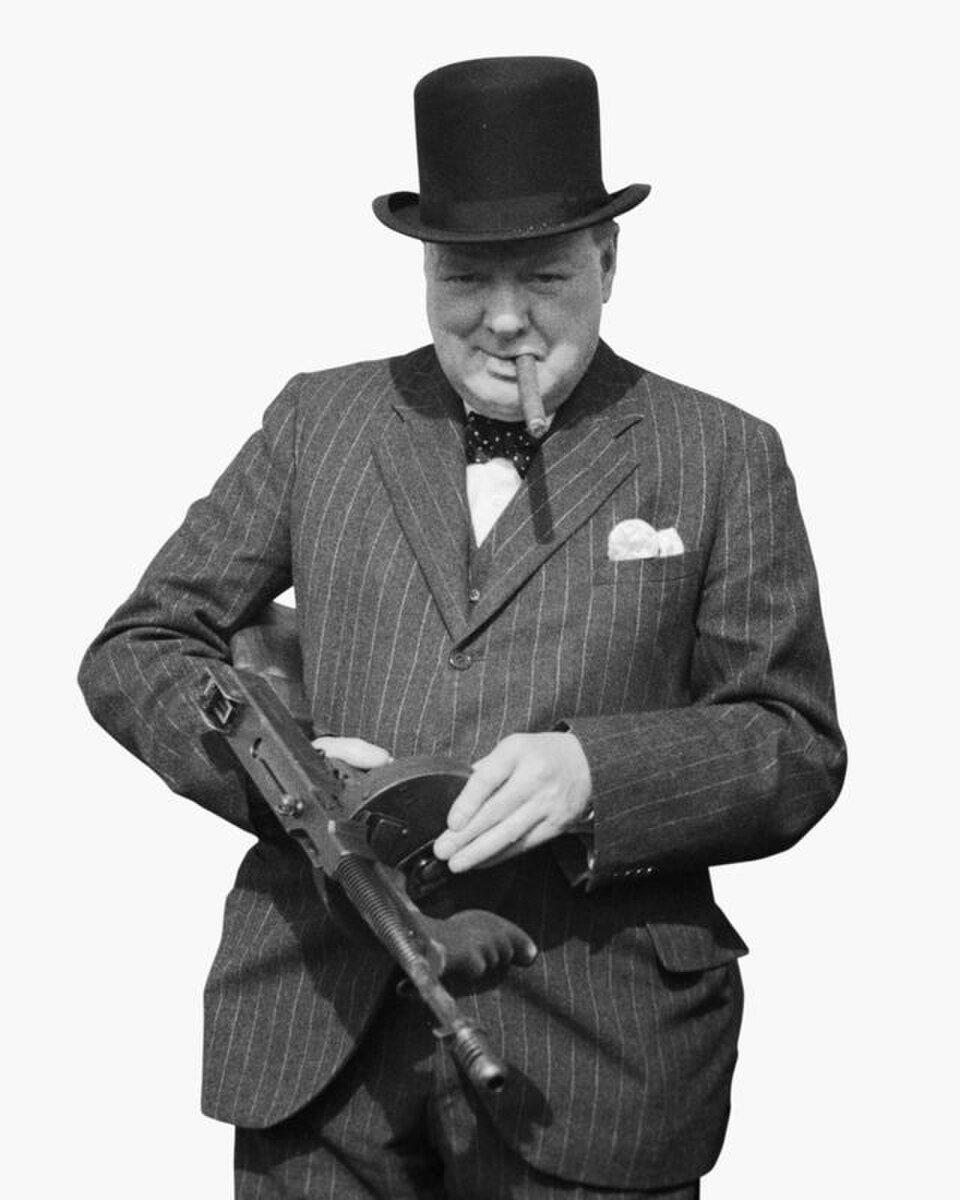
The British elections scheduled for 1940 were postponed, and the country was led by a stable wartime coalition government. [13] During the war, a so-called “electoral truce” was in effect among the political parties, under which they agreed not to take any action against one another. [15] The next elections in Great Britain were not held until July 5, 1945—almost ten years after the last ones in November 1935. [13,15]
British citizens did not return to the polls until a definitive military victory in Europe had been secured. [13,20] This cautious approach ensured that the electoral process would proceed safely and, above all, without external interference from the ongoing conflict. [20] The country’s leadership was then able to return, quite legitimately, to established democratic norms and the proper functioning of the state. [13]
Ukraine vs. the U.S.
A similar, yet strictly constitutionally enshrined, scenario for postponing elections can currently be observed in neighboring Ukraine. The Ukrainian Constitution completely prohibits the holding of parliamentary elections while martial law is in effect in the country. [7,21] This serves as a strong safeguard against constitutional amendments during wartime, intended to prevent a potential democratic decline. [21]
In addition, there are two other laws in Ukraine that also prohibit presidential and municipal elections from being held during martial law. [12] For this compelling reason, neither the 2023 parliamentary elections nor the presidential elections scheduled for March 2024 took place. [8,17] Ukrainian President Volodymyr Zelenskyy thus legitimately remains in office, as, according to Article 108 of the Constitution, he serves until the newly elected president takes office. [1,5]
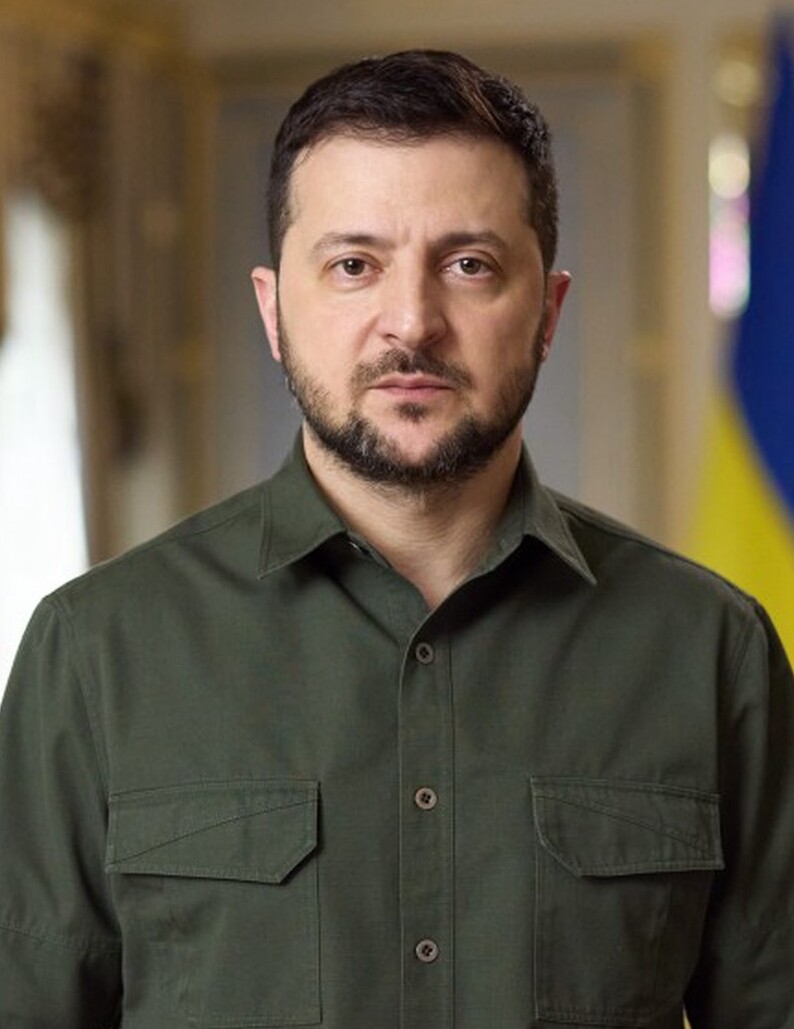
The reasons for this postponement in Ukraine are not autocratic; on the contrary, they are intended to protect the very essence of democracy. Holding elections under martial law and in the face of full-scale aggression would directly violate international standards for free elections. [1] Security risks, bans on assembly, and necessary wartime censorship make free political competition and the expression of the will of the people impossible. [1]
Russian claims that Zelenskyy loses his legitimacy after five years are therefore completely inaccurate and legally unfounded. [7] Fair elections require more than just a one-day ceasefire, as they need sufficient time for campaigning without the constant threat of bombardment. [16] Postponing the elections in Ukraine thus effectively prevents the collapse of state governance into uncertainty and ensures crucial constitutional continuity. [20].
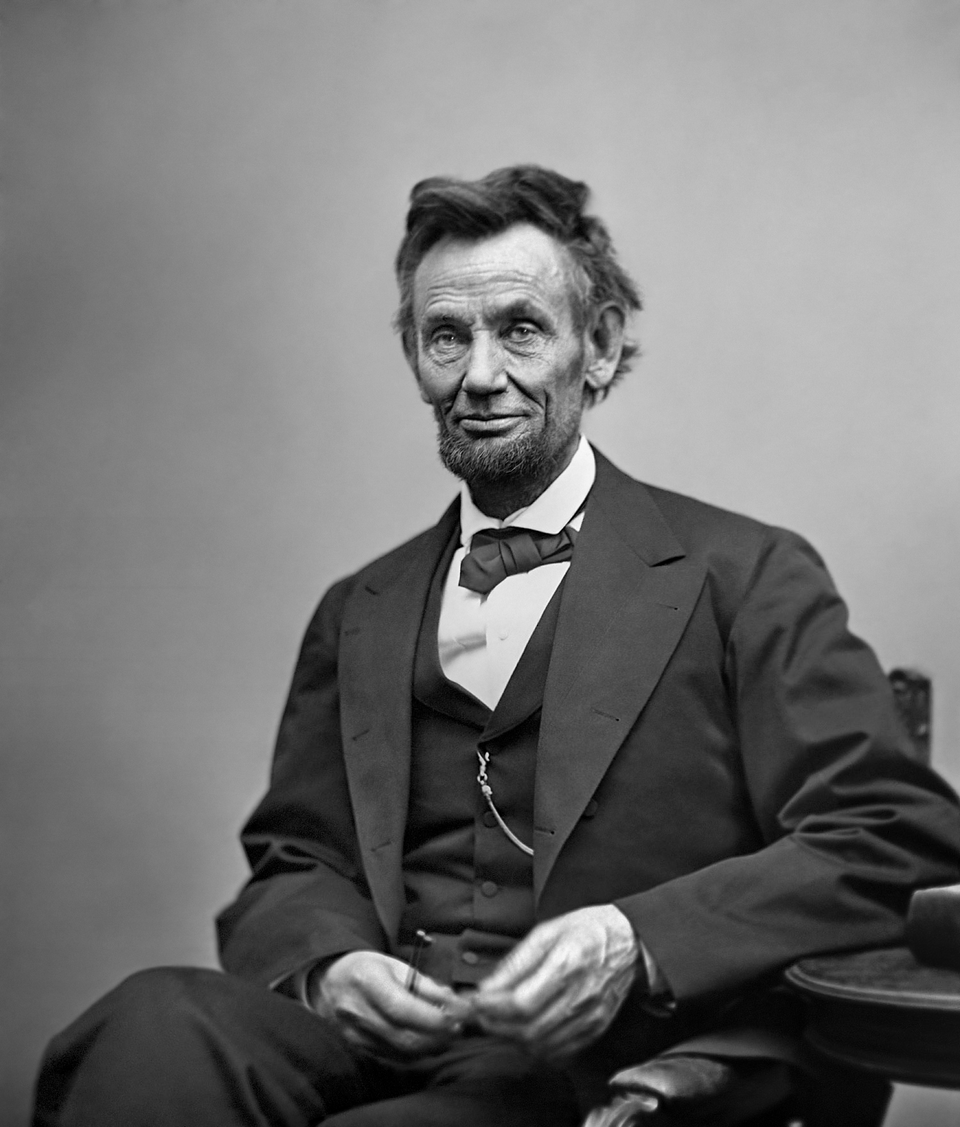
Criticism from Trump, who called for elections as soon as possible, can also be understood as an expression of a different American tradition, where elections have never been postponed. Even in the midst of a bloody civil war, Lincoln was reelected on November 8, 1864, although it is true that voting took place in only 25 states and not in the other 9 Confederate states, which the federal army had not yet managed to occupy by election time (in the occupied Confederate states of Tennessee and Louisiana, elections were held, but their electors’ votes were ultimately not counted—Lincoln won in both).
While Ortega canceled the election to silence his opponents forever, the postponement of elections during wartime serves a completely different, protective purpose. A wartime postponement in the United Kingdom or Ukraine is a necessary constitutional measure to protect the population from imminent danger. [9,20] This involves a temporary sacrifice of citizens’ political rights, intended to ensure that democracy will function at full strength once peace returns. [13,20]
List of References
[1] Legal information on the impossibility of holding elections under martial law – Civil Network OPORA - European Platform for Democratic Elections https://epde.org?news=legal-information-on-the-impossibility-of-holding-elections-under-conditions-of-martial-law-civil-network-opora
[2] Nicaragua’s Ortega Says No More Elections, Extending 20-Year Rule https://www.npr.org/2026/07/21/nx-s1-5902228/nicaragua-ortega-no-elections
[3] Rubio: Nicaragua Election Cancellation Threatens U.S. Security https://www.yahoo.com/news/politics/articles/rubio-nicaragua-election-cancellation-threatens-122139756.html
[4] General Election Dates 1832–2024 https://commonslibrary.parliament.uk/research-briefings/sn04512
[5] Abdurasulov, Abdujalil (November 25, 2023). "Ukraine war: Fierce row erupts over 2024 election". BBC News. Retrieved November 26, 2023.
[6] Wartime Election Administration Decisions in Ukraine “He ... https://crees.ku.edu/sites/crees/files/2025-06/2025LairdEssayCompetition_WhenNotHoldingElectionsIsTheMostDemocraticThingToDo_graduate%20student%20%281%29.pdf
[7] Constitution of Ukraine (Constitution, Article 83) (in Ukrainian). Verkhovna Rada of Ukraine. 1996.
[8] Deprez, Fabrice (October 4, 2023). "Ukraine Is Already Working on Its Next Election. The challenges of holding a vote in wartime are both small and big—and often unexpected." Foreign Policy.
[9] As the Ukrainian president’s term officially ends during martial law, the Constitutional Court may be asked to rule on the timing of future elections | ConstitutionNet http://constitutionnet.org/news/ukrainian-presidents-term-officially-ends-during-martial-law-constitutional-court-may-be-asked
[10] Ortega says Nicaragua will hold no more elections — MercoPress https://en.mercopress.com/2026/07/20/ortega-says-nicaragua-will-hold-no-more-elections
[11] President of Nicaragua stated that the country will no longer hold elections | УНН https://unn.ua/en/news/president-of-nicaragua-stated-that-the-country-will-no-longer-hold-elections
[12] Ukraine’s Presidential Elections Amid War: Political, Legal, and Security Challenges | Wilson Center https://www.wilsoncenter.org/blog-post/ukraines-presidential-elections-amid-war-political-legal-and-security-challenges
[13] Explainer: Conducting elections during war https://www.idea.int/news/explainer-conducting-elections-during-war
[14] Nicaragua’s Ortega Moves to Abolish Elections https://thehill.com/policy/international/5980908-nicaragua-daniel-ortega-presidential-elections
[15] The General Election, 1945 https://www.gresham.ac.uk/watch-now/general-election-1945
[16] https://tass.ru/interviews/26449083; https://tass.ru/politika/25968559
[17] Ukraine: Freedom in the World 2026 Country Report | Freedom House https://freedomhouse.org/country/ukraine/freedom-world/2026
[18] Lawmakers in Nicaragua move to abolish elections | AP News https://apnews.com/article/nicaragua-elections-daniel-ortega-0478ca85d013ac0348176f237ce7d416
[19] Nicaragua Cancels Next Year's Elections as Ortega Declares 'No More Elections' | Aju Press https://www.ajupress.com/view/20260722050470233
[20] Ukraine’s Constitutional Order in Wartime https://verfassungsblog.de/ukraines-constitution-in-wartime
[21] Ukraine Country Report 2026 https://bti-project.org/en/reports/country-report/UKR