Climate change could destroy civilizations
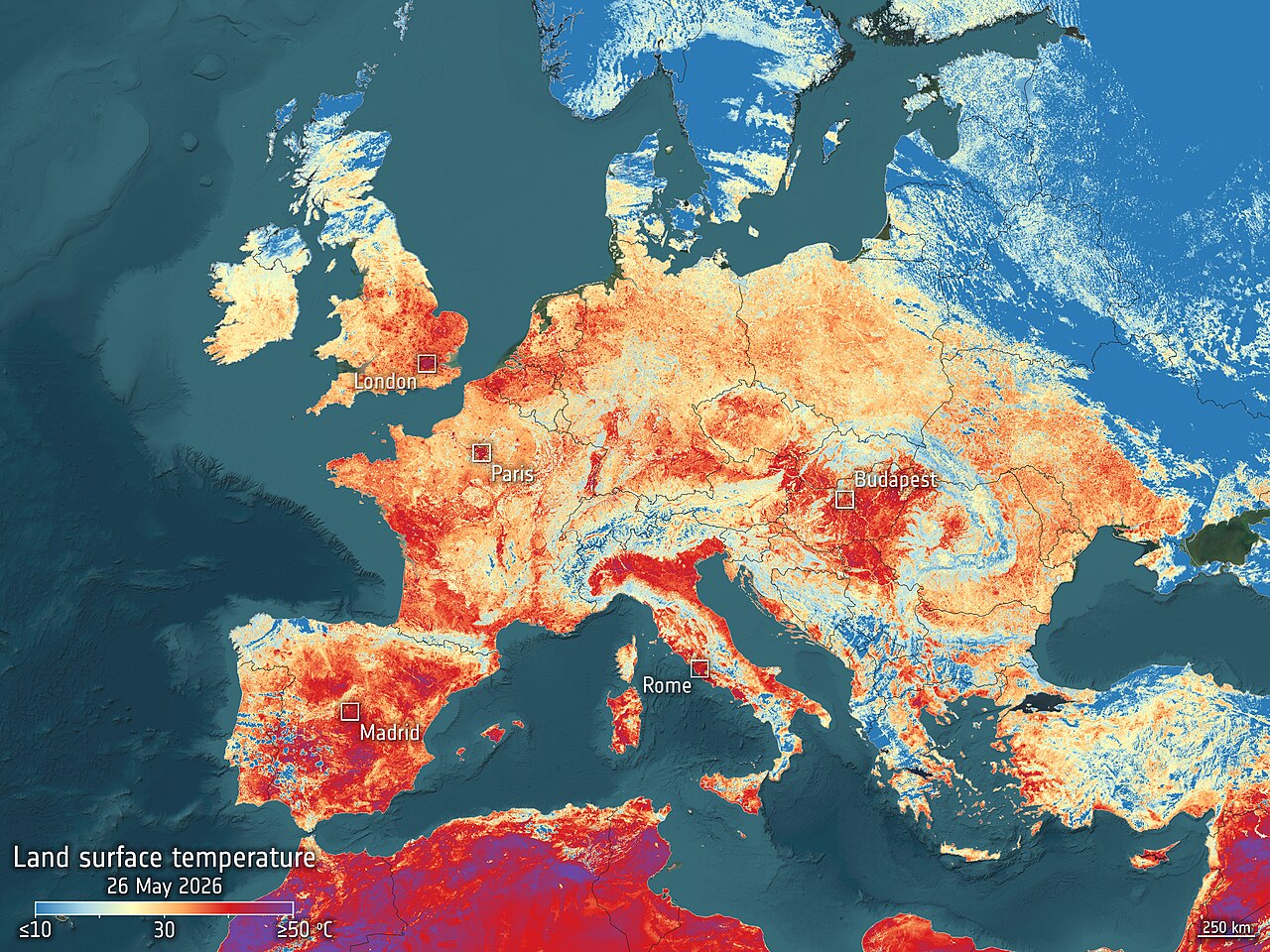
The heat waves that struck Europe in 2003 and 2010 are unprecedented compared to any similar events throughout the entire 20th century. The two hottest summers in Europe in the last 500 years occurred after 2001 and were associated with extreme heat waves that claimed thousands of lives.
The Rise of Extreme Weather
Research suggests that global warming over the past century has at least doubled the likelihood of such extreme heat waves.
While we recorded only about 20 heat waves per decade before 1991, this number has risen inexorably to 40 or more in the last two decades. The fact that the last two decades have been exceptionally prone to heat waves is also evidenced by the fact that 10 of the 15 most severe heat waves occurred after 1991.
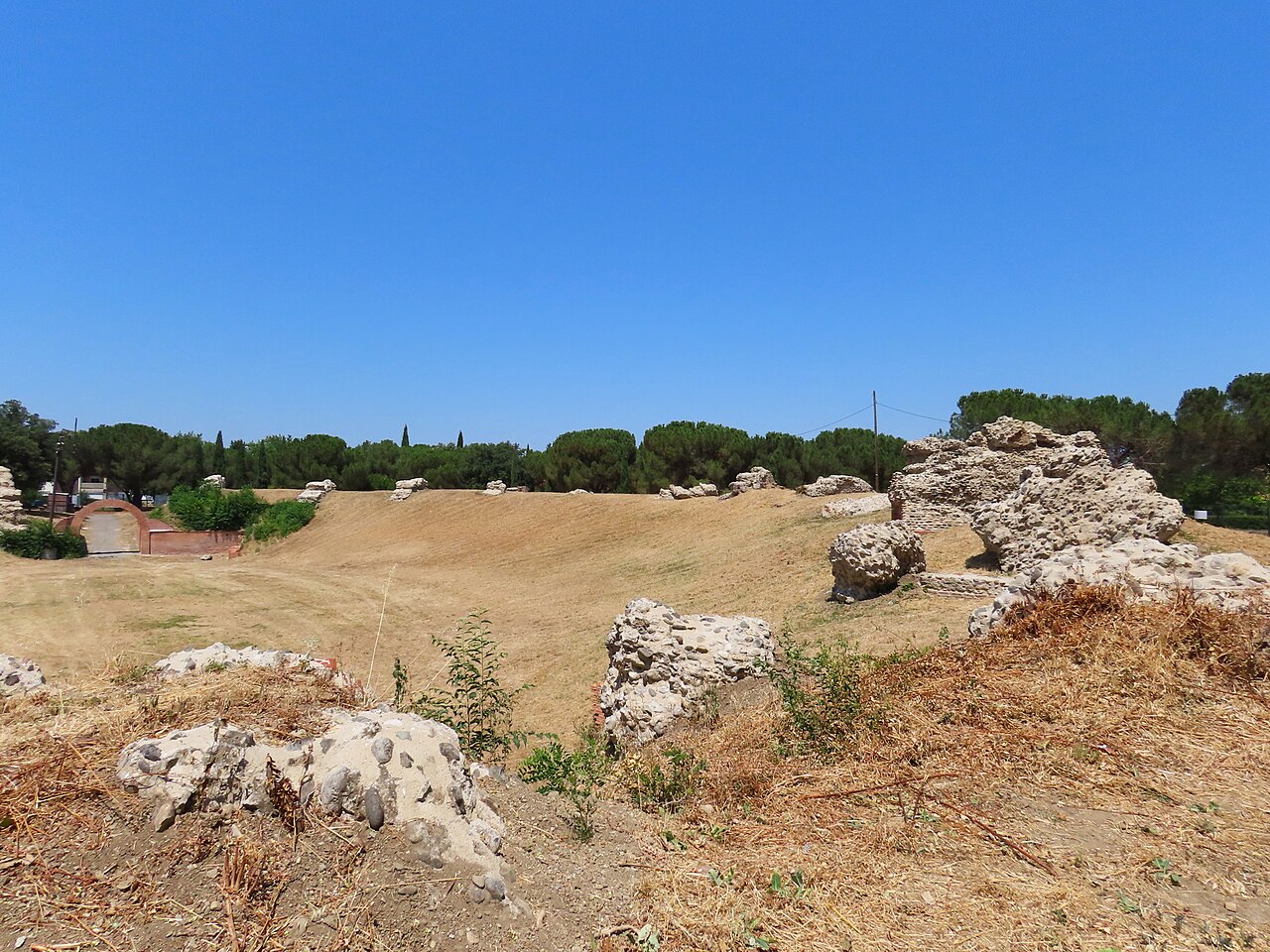
These current episodes of extreme weather are absolutely exceptional in the context of historical measurements in our region, not only in terms of their consequences but also their duration.
Droughts and heat waves are among the extremes to which human societies find it very difficult to adapt [1]. If an extreme drought lasts for several years, migration is inevitable, as it is impossible to grow enough food—a fact that was also evident in the 1930s in the U.S. during the era known as the “Dust Bowl” [1].
Looking back at history, however, we find that climate change has very often been the main driving force behind the rise and fall of entire advanced civilizations around the world [13].
Climate Destroys Empires
A well-known example of this is the fall of Egypt’s Old Kingdom, which was unexpectedly devastated by a prolonged drought millennia ago.
This anomaly affected northeastern Africa between 2200 and 2150 BCE and led to unusually low flood levels on the Nile River [9]. The river’s flow then dropped to a 200-year low, plunging the empire into a period of severe famine and resulting in catastrophic social collapse [3].
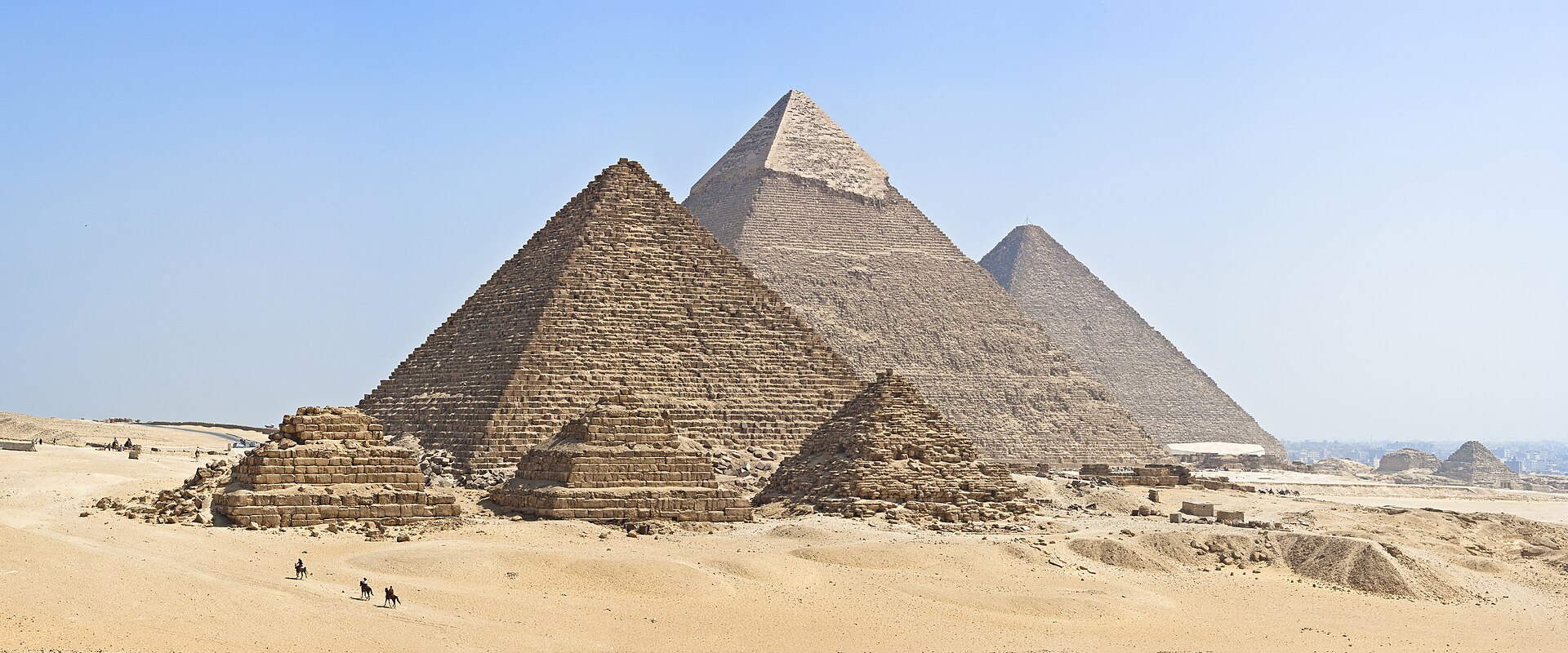
The famine was so devastating that, according to historical sources, the lack of food drove the population to cannibalism and a brutal civil war [3].
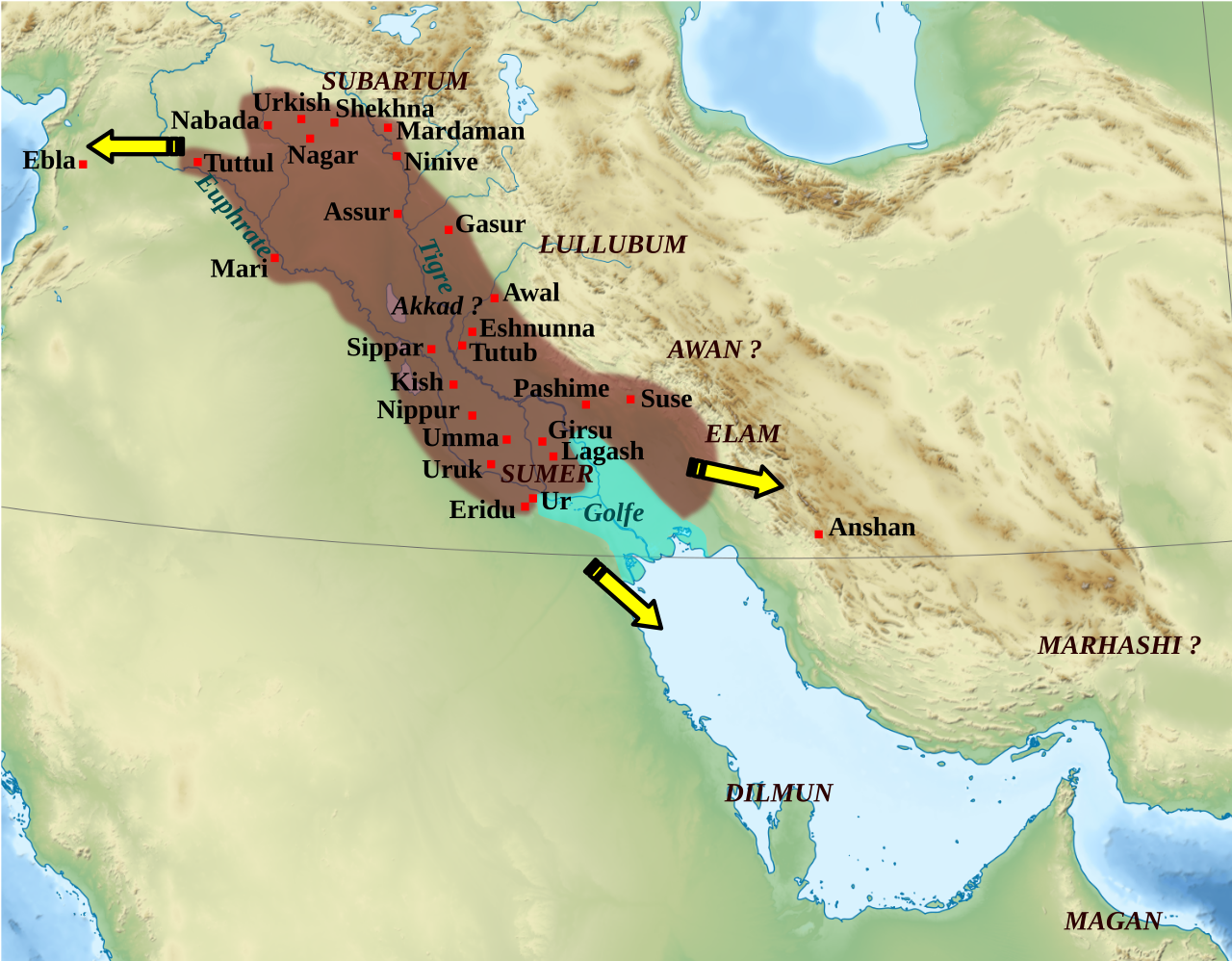
Experts link this situation to the so-called 4.2-kiloyear phenomenon, a massive megadrought that swept through Africa and Asia, destroying not only the Akkadian Empire in Mesopotamia but also the civilization in the Indus River Valley [4]. Findings from clay tablets and sedimentary deposits clearly describe massive crop failures and the total collapse of the society of that time, which people viewed through the lens of religious grief [17].
However, the collapse of the Old Kingdom was not caused solely by climatic drought, as Egypt at that time had already been suffering from serious internal and economic problems for years [3]. International trade had collapsed, the state treasury was losing money by financing expensive temples, and, on top of that, the country was ravaged by a devastating crisis linked to the succession to the throne [3].
The drought itself thus served more as a spark that finally ignited the accumulated conflicts and revealed that the failing state was not flexible enough to survive the ecological crisis [17].
The End of the Bronze Age
Climate change played a very similar role in the so-called Late Bronze Age Collapse, when the eastern Mediterranean experienced an extreme trend of cooling and drying [16].
Analyses of pollen grains from this period point to a decline in large plants and trees, confirming the onset of a massive, roughly 300-year-long drought that began 3,200 years ago [16]. These adverse climatic changes logically undermined agricultural production in the palace centers, making the overpopulated settlements in the cities of that time unsustainable in the long term [15].
The ancient Hittites, for example, found themselves in an exceptionally dire situation at that time, facing an extremely devastating drought, particularly between 1198 and 1196 BCE [21]. Tree rings from this crisis period confirm that these were the three driest years the region had experienced in more than six long centuries [21].
The resulting food shortage undermined tax collection, weakened support for a strong army, and caused the people to seriously doubt whether the gods were even on the side of the ruling royal family [21].
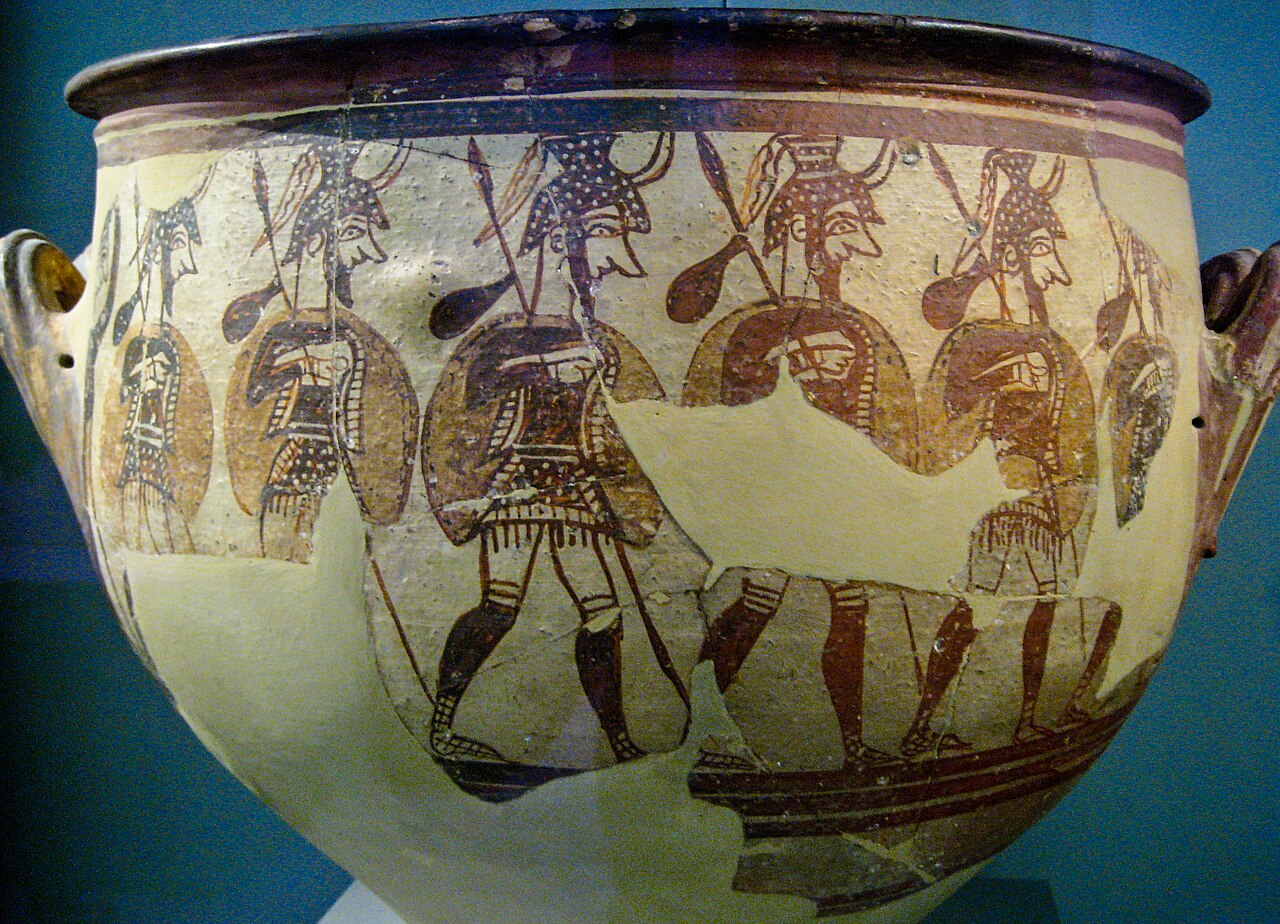
The social domino effect continued as waves of cold, drought, and famine in the north eventually forced desperate groups of people to attack the wealthy, settled civilizations in the south [15].
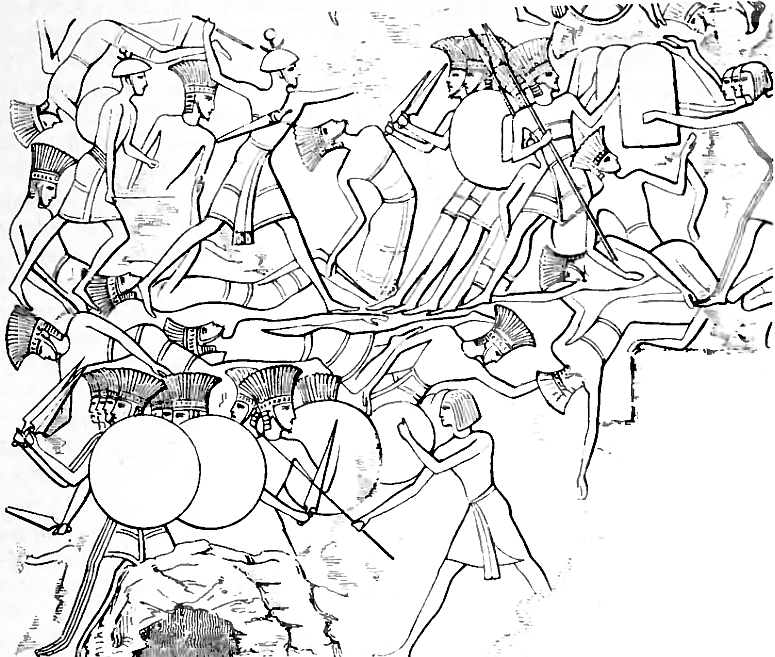
The weakened states were subsequently unable to resist massive invasions by mysterious seafaring peoples, who had apparently been driven from their homelands precisely by the catastrophic depletion of natural resources [16]. Food shortages and migrating masses, combined with the sudden disruption of international trade, thus contributed significantly to the tragic demise of the complex societies of that time [16].
The Mysterious Collapse of the Maya
However, if we were to look for a civilization most frequently associated with the deadly impact of weather, it would undoubtedly be the well-known collapse of the Maya in Central America.
Research on cave sediments and minerals from Lake Chichancanab has clearly confirmed that between the years 800 and 1000 CE, an intense megadrought struck the Yucatán Peninsula [14]. This was the most extreme and driest period in the past 7,000 years, leading to a catastrophic disruption of the otherwise vast Mayan agricultural production [25].
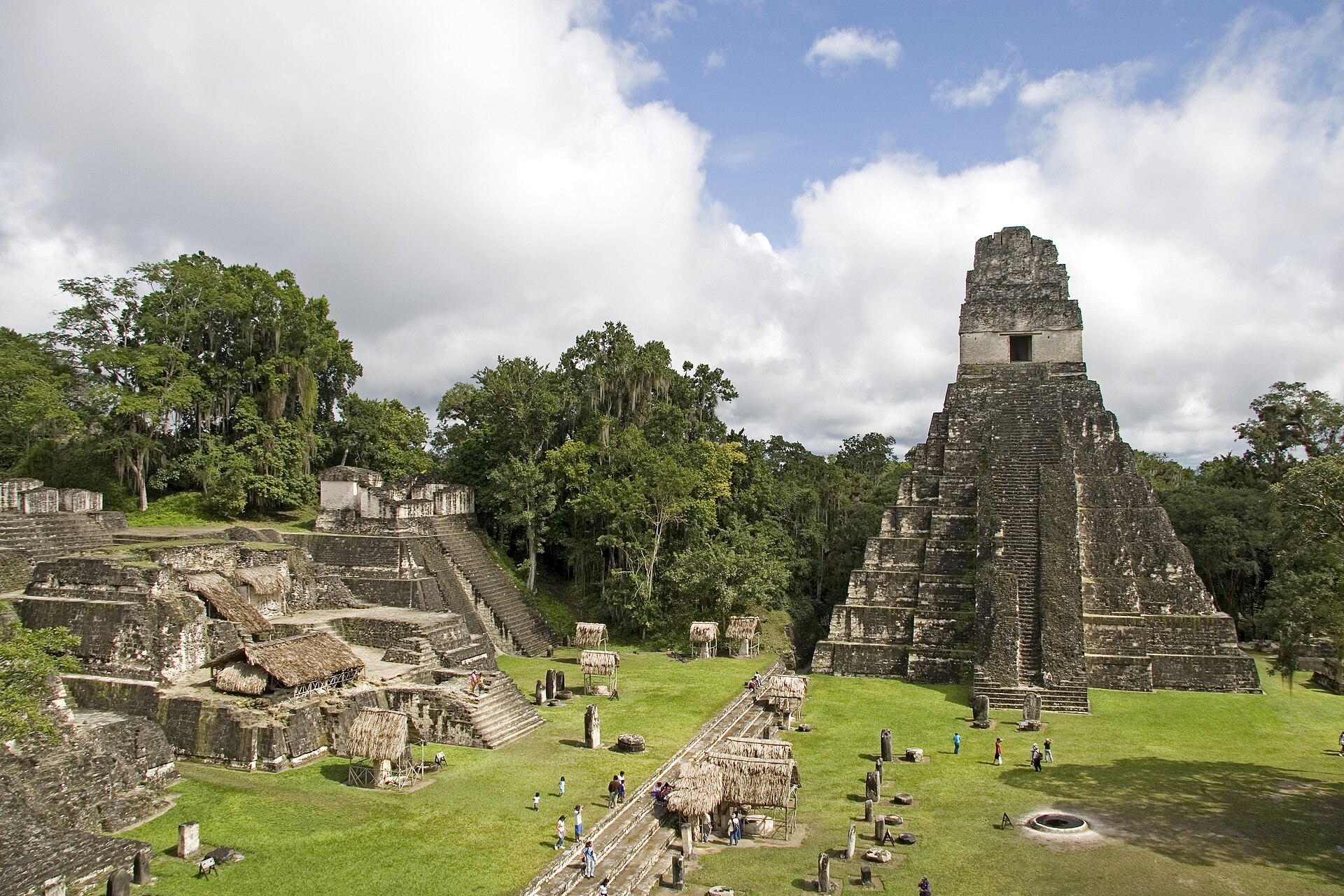
However, in this particular case, the devastating lack of necessary moisture was significantly exacerbated by poor decisions made by the Maya themselves and their aggressive interference with the natural environment.
They cleared so much of the surrounding vegetation that they directly intensified the already ongoing climatic aridity to truly monstrous proportions [14]. In a desperate combination with extreme overpopulation, the rapid spread of disease, and subsequent internal wars over the last drops of water, their complex system ultimately imploded [26].
But did this prolonged extreme drought truly mark the definitive end of the Maya civilization, as is so often claimed in popular literature?
In fact, many rigorous scholars expressly dislike the term “collapse,” since several parts of the Maya civilization clearly survived and continued to thrive in other forms [10]. These resilient inhabitants simply shifted their former center of power from the southern lowlands to northern Yucatán, where they successfully prospered in the years that followed [10].
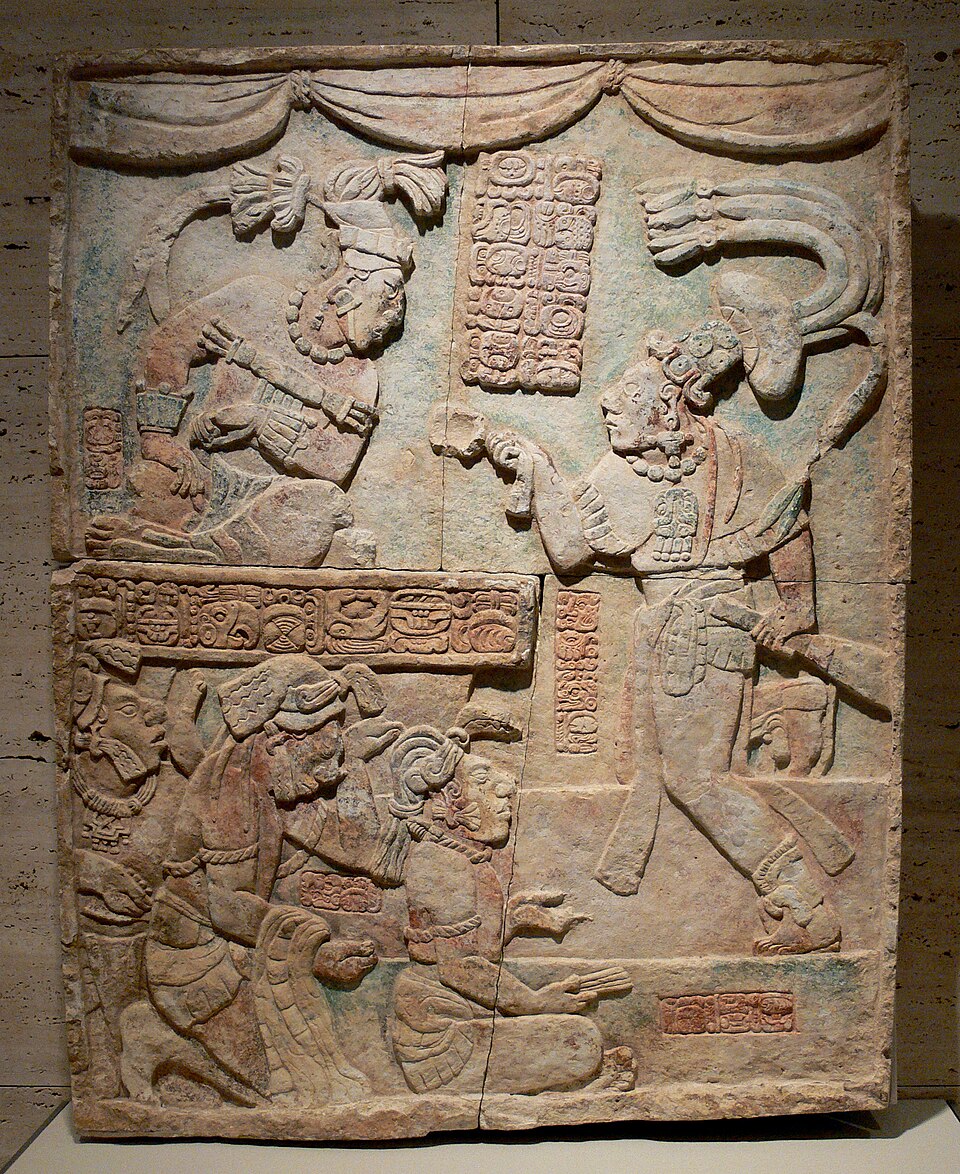
The myth of the complete Mayan extinction is also clearly refuted by the fact that while some regions were completely abandoned, other communities experienced only minor upheavals and continued to thrive [11]. The latest scientific findings confirm that the inhabitants of the western Maya lowlands did not suffer from any shortages at all, but enjoyed an unproblematic abundance of basic agricultural resources [23].
Their small farming settlements even modified the surrounding landscape so skillfully that they protected themselves from drastic fluctuations in precipitation and, in doing so, directly increased their much-desired harvests [23].
The way in which these ancient societies managed to adapt to extreme water scarcity ranks among the most remarkable demonstrations of our technological prowess. Technically speaking, the Maya themselves lived in a seasonal desert and built their entire advanced civilization solely on the ingenuity of massive rainwater harvesting [12].
To successfully survive the dry months, they channeled the collected rainfall into specially prepared quarries and natural depressions, from which—thanks to careful sealing—the water did not seep into the ground [25].

In the ancient city of Tikal alone, they had so many well-designed reservoirs that they were able to fully meet the drinking water needs of roughly 10,000 people for a full year and a half [25].
Wherever it was at all possible, they utilized vast natural underground aquifers and chasms, which they accessed by persistently digging deep wells [25]. They also artificially constructed elaborate, massive reservoirs directly on the summits of steep hills and, using the force of gravity, distributed water through canals into immensely complex irrigation networks [25].
The Art of Irrigation
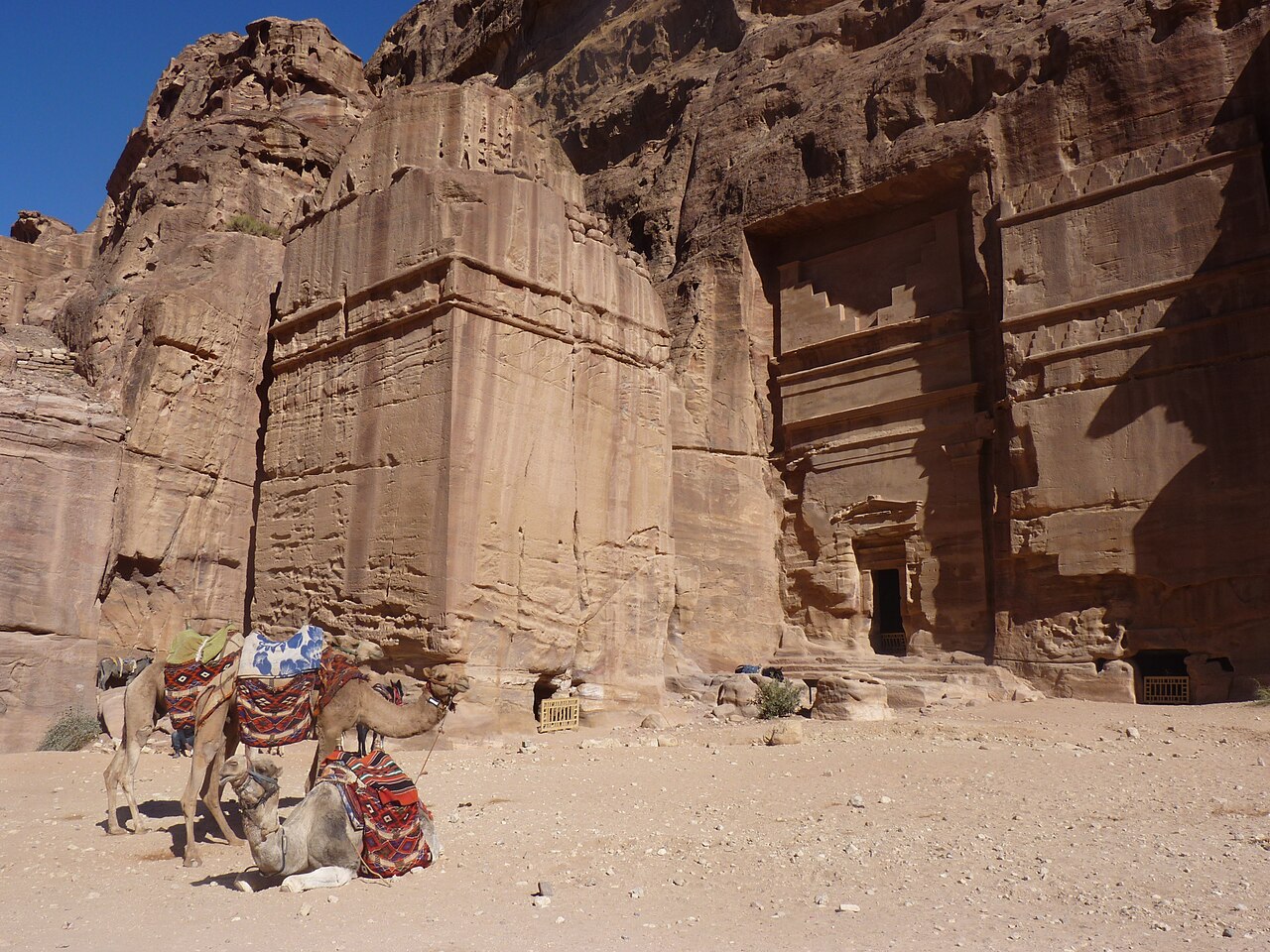
Many other ancient civilizations also boldly relied on very similar water management marvels, successfully surviving dramatic climate changes thanks to their innovations. A prime historical example is the Nabataeans in the famous rock-cut city of Petra in present-day Jordan, who literally mastered desert hydrology, tamed flash floods, and stored water in perfect stone cisterns [17].
The Inca Empire, in turn, purposefully reshaped the terrain in the inhospitable Andes by constructing intelligent terraces and gigantic reservoirs that served as a protective buffer against the unpredictable Andean climate [17].
In Southeast Asia, the inhabitants of the legendary Khmer Empire and their monumental capital, Angkor Wat, earned the prestigious title of “hydraulic city” thanks to their skills [26].
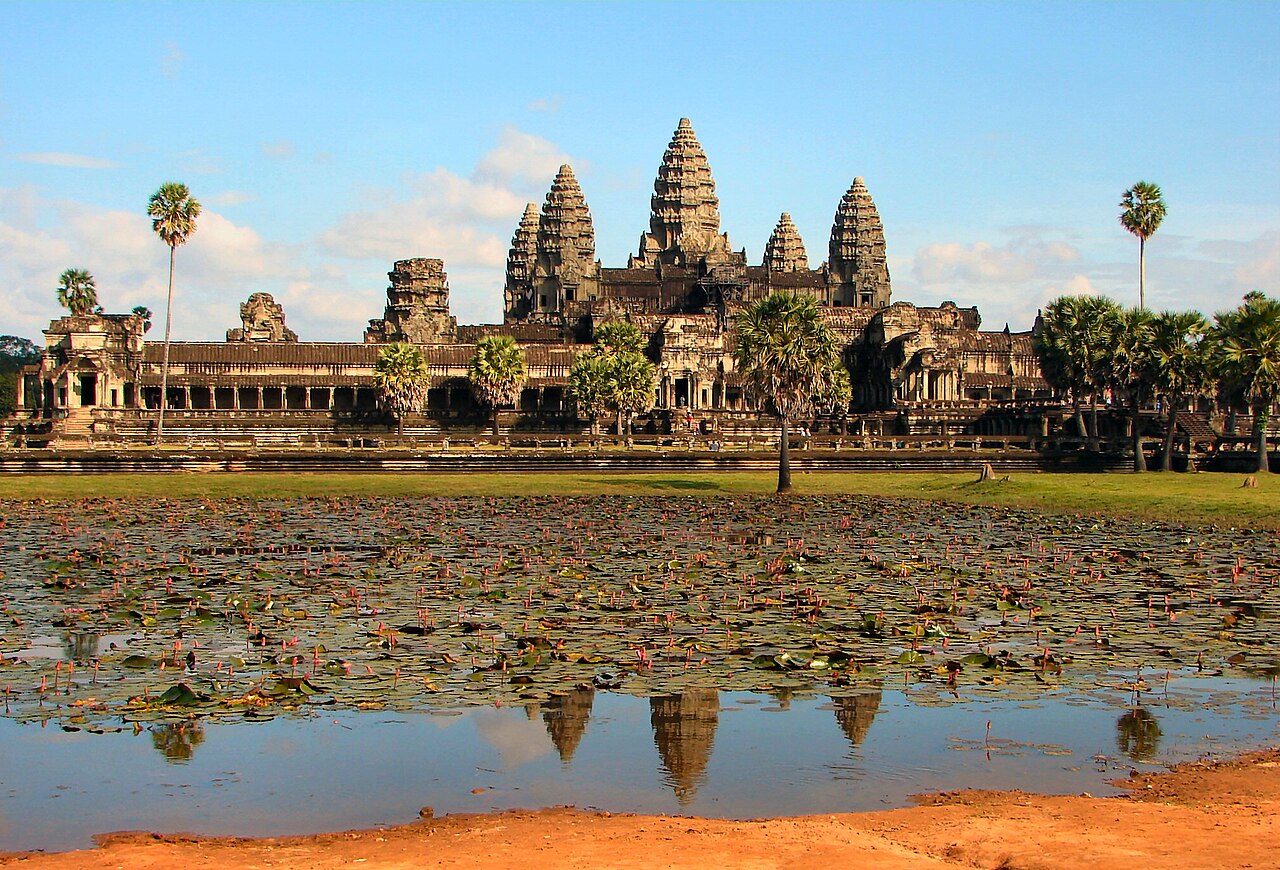
To masterfully cope with the devastating summer monsoons, they transformed the surrounding landscape with a vast network of reservoirs, pools, dikes, and canals that directly supported agriculture and provided flood protection [22].
The Tiwanaku people, in turn, adapted to the harsh South American climate by utilizing vast numbers of terraced fields and groundbreaking technologies that maintained stable food production despite the terrible weather [26].
These dramatic climatic upheavals were often best weathered by societies that, rather than adopting a rigid bureaucratic regime, maintained an exceptionally flexible structure and a diverse diet.
For example, Japan’s Jōmon culture weathered these changes unscathed in part because it cultivated chestnuts on a large scale, which ideally supplemented their regular hunting and fishing catches [18]. People moved flexibly in response to changes in their scarce water resources, created artificial ecological niches for small game, and successfully cooperated across vast regions [18].
Even in Egypt, with its far more complex hierarchy, their later tremendous success stemmed from shrewd government policies that reassessed their goals in a timely manner and promptly built long-term granaries for impending periods of drought [3].
These inhabitants did not even hesitate to change their long-established patterns of behavior; they rotated their crops, and their modern Egyptian successors still disinfect seeds today to maximize germination in parched soil [3].
The golden key to survival was thus not only skillful local measures but, above all, open geopolitical cooperation, in which Egypt itself unexpectedly came to the rescue of its arch-enemies, the starving Hittites, with massive shipments of grain [3].
What lies ahead for us?
From this disturbing account of devastating collapses and historical warnings, a natural fear arises as to whether climate change might ultimately cause the complete collapse of our modern civilization.
The current UN Secretary-General regularly criticizes the empty promises of political leaders in his speeches and warns that we are currently walking together down a fast track straight toward a global climate catastrophe [19].
In a warning recently signed by more than 14,700 scientists from 158 countries around the world, experts remind us that climate change could render vast areas of the Earth completely uninhabitable [20].
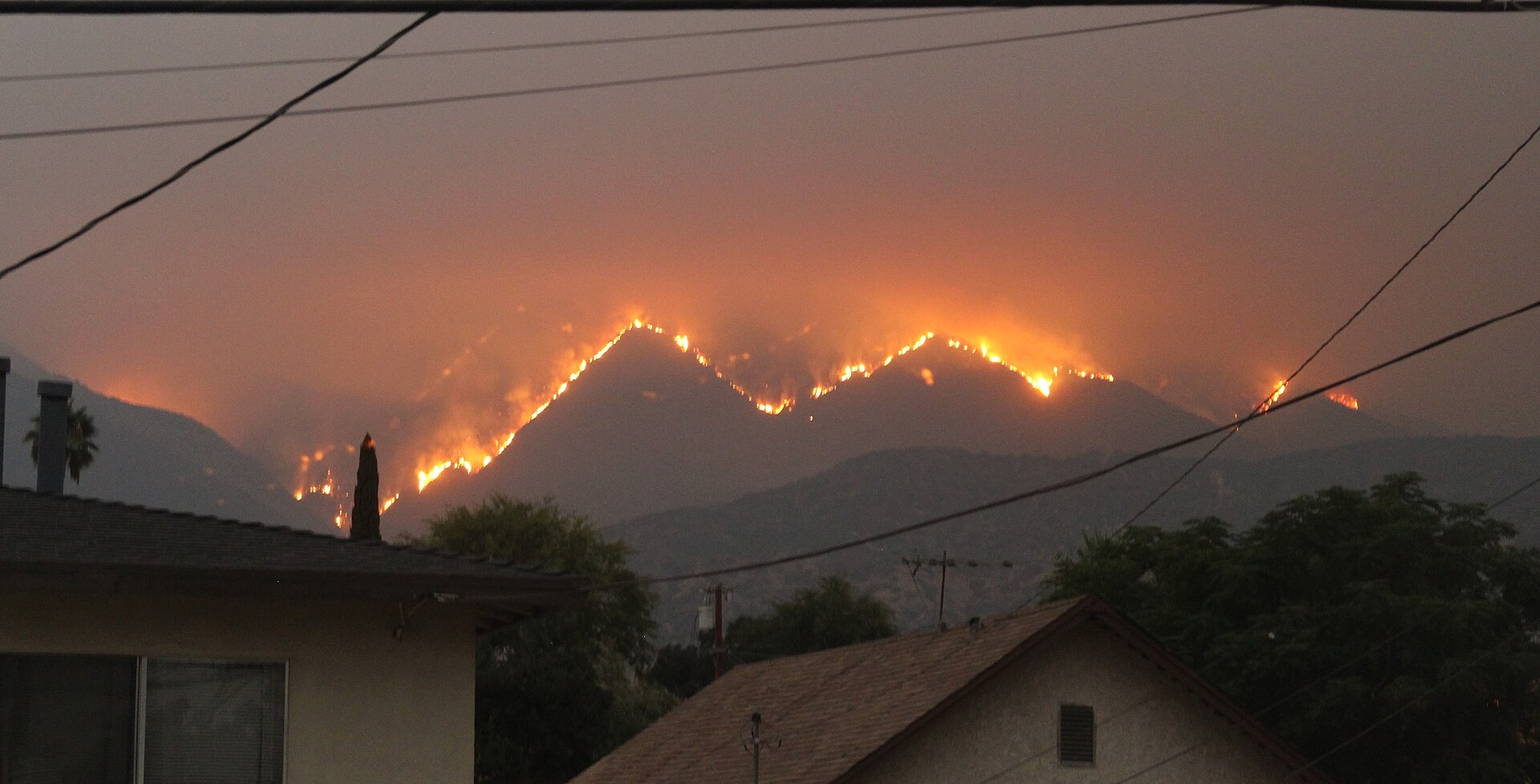
In the darkest doomsday scenarios, some of the more radical academics warn of a situation in which the entire human civilization will collapse, large urban agglomerations will be eerily abandoned, and the Earth’s population will plummet [19]. Since human impact on Earth’s ecosystems has reached astronomical proportions, we are currently in the pivotal Anthropocene epoch, in which we alone exert an unrestrained dominance over the entire planet [2].
If a real turning point occurs and global food production begins to decline sharply due to such extreme droughts, skyrocketing prices will completely destabilize dozens of countries with millions of desperate inhabitants [2].
According to a highly debated study published by Yale University in 2020, our current trajectory of endless consumption growth is actually heading toward a decline that could theoretically trigger a massive societal collapse around the year 2040 [8].
A representative of a research institute in Potsdam also hypothesized that if the Blue Planet were to warm by a catastrophic 4 degrees Celsius, our total human population would likely have to shrink painfully to a single surviving billion [6].
In addition to the unpleasant rainfall and heat waves themselves, we face a real threat from so-called cascading destructive effects—namely, war over remaining natural resources, the uncontrollable spread of new diseases, and the resulting fragmentation of nations [7].
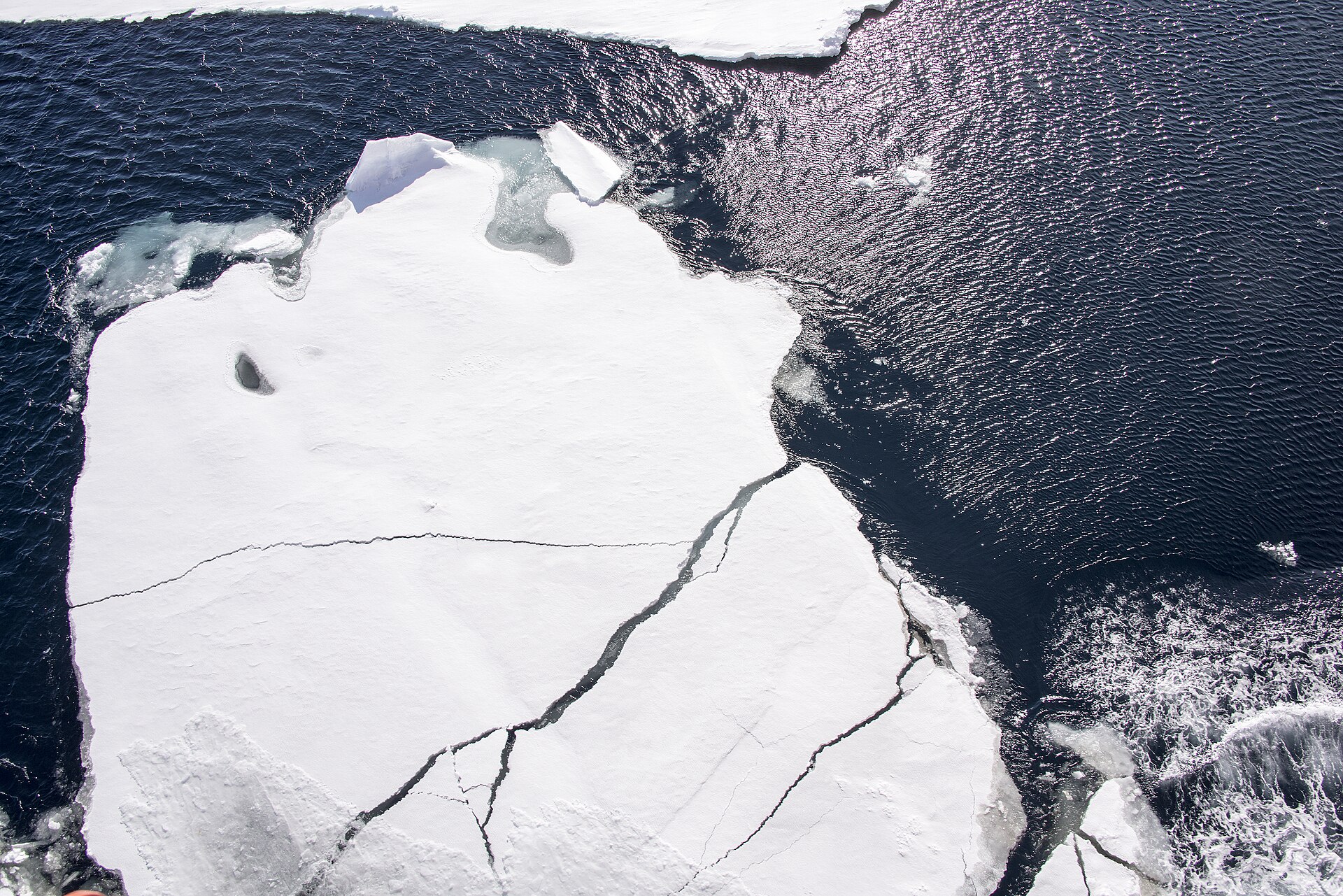
However, many other established climatologists view these occasional pronouncements about the definitive end of modern civilization or an impending mass extinction affecting billions as gross exaggerations and unnecessary, unscientific fatalism.
The vast majority of experts publishing in academic journals refuse to participate in such exaggerated apocalyptic rhetoric and clearly state that the complete extinction of our civilization by 2050 is, for now, merely unfounded speculation [5].
Even the most recent massive global report by hundreds of experts from the IPCC climate panel does not directly mention human extinction, and this absolute risk is conspicuously absent from their key factors [24].
The end of our modern world is therefore certainly not imminent—at least for now—though this by no means implies that, on the contrary, there will not be extremely devastating regional consequences and real suffering for many developing communities [24].
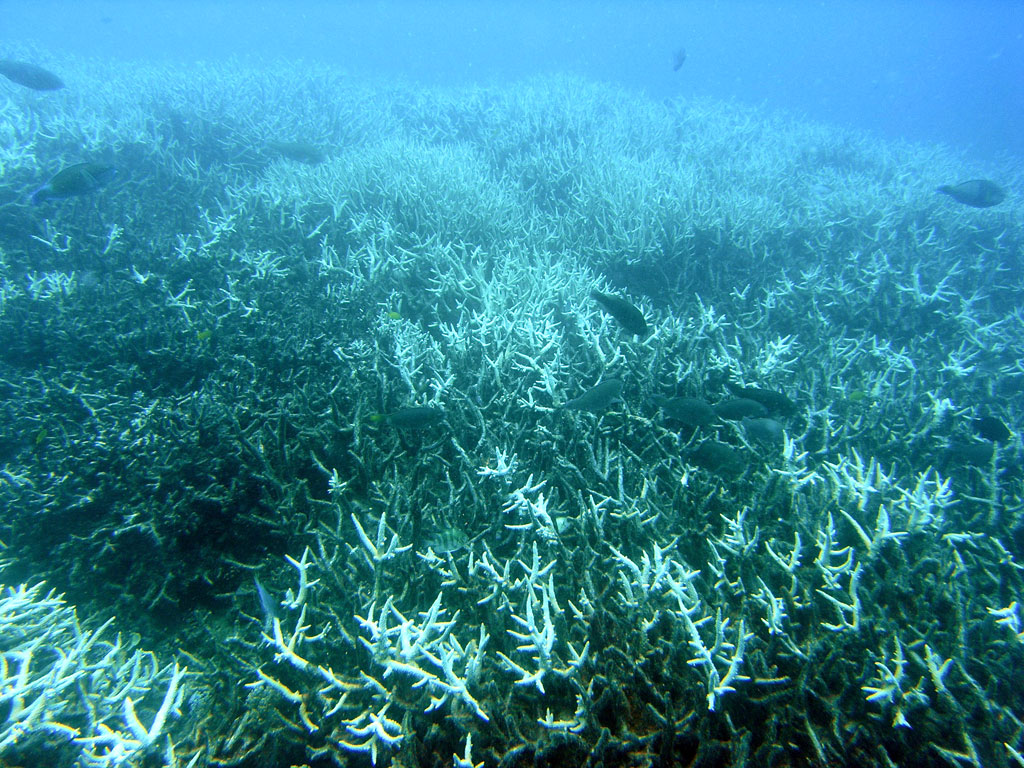
As historians point out, the decline and ultimate collapse of a civilization are never 100 percent inevitable, yet they always remain a constant and real possibility as long as we irresponsibly ignore the signs of an impending crisis [17].
The immense historical legacy of all those civilizations that survived the extreme climate changes mentioned above offers us the most unequivocal remedy of all: the capacity for massive adaptation and long-term, self-sacrificing cooperation [3].
List of References
[1] Global Education https://zivica.sk/wp-content/uploads/2020/04/globalne-vzdelavanie-_kontext-a-kritika-2014_1.pdf
[2] CRUTZEN, P. J., STEFFEN, W., 2003: How long have we been in the Anthropocene era? Comment. Climatic Change, 61 (3): 251-257.
[3] GeoLog | How Ancient Egyptian Decline Synced With Hydrological Change….And How They Survived https://blogs.egu.eu/geolog/2022/06/10/how-ancient-egyptian-decline-synced-with-hydrological-change-and-how-they-survived
[4] Gibbons, Ann (1993). "How the Akkadian Empire Was Hung Out to Dry". Science. 261 (5124): 985. Bibcode:1993Sci...261..985G. doi:10.1126/science.261.5124.985. PMID 17739611.
[5] Scott Johnson (June 9, 2019). "Claim that human civilization could end in 30 years is speculative, not supported by evidence". Science Feedback. Climate Feedback. Retrieved September 16, 2024.
[6] Kanter, James (March 13, 2009). "Scientist: Warming Could Cut Population to 1 Billion". The New York Times. Retrieved May 4, 2010.
[7] Kemp, Luke; Xu, Chi; Depledge, Joanna; Ebi, Kristie L.; Gibbins, Goodwin; Kohler, Timothy A.; Rockström, Johan; Scheffer, Marten; Schellnhuber, Hans Joachim; Steffen, Will; Lenton, Timothy M. (August 23, 2022). "Climate Endgame: Exploring catastrophic climate change scenarios". Proceedings of the National Academy of Sciences. 119 (34) e2108146119. Bibcode:2022PNAS..11908146K. doi:10.1073/pnas.2108146119. PMC 9407216. PMID 35914185. Text was copied from this source, which is available under a Creative Commons Attribution 4.0 International License
[8] "MIT Predicted in 1972 That Society Will Collapse This Century. New Research Shows We're on Schedule". Environment Institute. Yale Journal of Industrial Ecology. July 14, 2023. Retrieved November 13, 2024.
[9] MIA - Ancient Egypt - Ancient Egypt https://miam.estranky.sk/clanky/staroveky-egypt/staroveky-egypt.html
[10] Aimers, James J. “What Maya Collapse? Terminal Classic Variation in the Maya Lowlands.” J Archaeol Res (2007) 15:329–377
[11] Douglas, Peter M.J.; Demarest, Arthur A.; Brenner, Mark; Canuto, Marcello A. (May 2, 2016). "Impacts of Climate Change on the Collapse of Lowland Maya Civilization." Annual Review of Earth and Planetary Sciences. 44: 613–645. Bibcode:2016AREPS..44..613D. doi:10.1146/annurev-earth-060115-012512.
[12] Demarest (2004, pp. 130–147); Sabloff (1994, pp. 81–84, 139–140)
[13] See, for example, papers by deMenocal (2001); Weiss (1997); Weiss and Bradley (2001)
[14] New clues about how and why the Maya culture collapsed — Harvard Gazette https://news.harvard.edu/gazette/story/2020/02/new-clues-about-how-and-why-the-maya-culture-collapsed
[15] Plague, Climate Change, and the End of Ancient Civilizations – Discentes https://web.sas.upenn.edu/discentes/2023/06/25/plague-climate-change-and-the-end-of-ancient-civilizations
[16] Late Bronze Age Collapse | Anthropology | Research Starters | EBSCO Research https://www.ebsco.com/research-starters/anthropology/late-bronze-age-collapse
[17] Climate Change and Ancient Civilizations https://brewminate.com/scorched-empires-climate-collapse-and-resilience-in-the-ancient-world
[18] What 5,000-year-old skeletons tell us about living with climate change | Grist https://grist.org/health/how-ancient-societies-adapted-to-climate-change-anthropology-study
[19] United Nations: Secretary-General warns of climate emergency, calling the Intergovernmental Panel’s report “a file of shame,” while saying leaders “are lying,” fueling the flames (April 4, 2022). https://www.un.org/press/en/2022/sgsm21228.doc.htm. Accessed August 30, 2022.
[20] W. Ripple et al., “World scientists’ warning of a climate emergency.” *BioScience* 70, 8–12 (2020).
[21] Did climate change help cause the Bronze Age to collapse? - Bulletin of the Atomic Scientists https://thebulletin.org/2023/02/did-climate-change-help-cause-the-bronze-age-to-collapse
[22] Climate change could bring about the collapse of our civilization (as has already happened in other cases) | CREAF https://www.creaf.cat/en/articles/climate-change-could-bring-about-collapse-our-civilization-has-already-happened-other-cases
[23] Did the ancient Maya fall because of a drought, or something else? | BrandeisNOW https://www.brandeis.edu/now/2021/november/maya-research-golden.html
[24] Intergovernmental Panel on Climate Change, "Climate Change 2023: Synthesis Report." Contribution of Working Groups I, II, and III to the Sixth Assessment Report of the Intergovernmental Panel on Climate Change, H. Lee and J. Romero, eds. 2023. doi:10.59327/IPCC/AR6-9789291691647.
[25] Climate and the Collapse of Maya Civilization | American Scientist https://www.americanscientist.org/article/climate-and-the-collapse-of-maya-civilization
[26] 8 Ancient Civilizations Impacted by Climate Change; See Photos - Business Insider https://www.businessinsider.com/photos-ancient-civilizations-impacted-climate-change-photos-2023-10