China Under the Great Helmsman: Then and Now
Today, September 9, 2026, marks exactly fifty years since Mao Zedong, the founder of modern communist China, breathed his last [2].
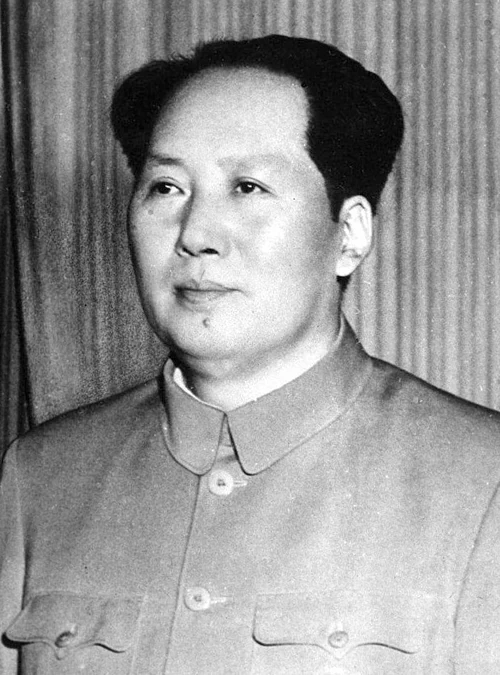
Although this man brought independence to the country, historians still blame his radical policies for the mass famine and millions of needless deaths [1]. Today, his spirit continues to haunt the Central Empire, which is torn between admiration for his legacy and the desire to avoid repeating his greatest mistakes [10].
No Grand Celebrations
Official authorities did not announce any grand state celebrations for this anniversary, as China typically commemorates the birthdays of its leaders [6]. The only official gesture was the extension of visiting hours at the mausoleum in Beijing, where his embalmed body lies; all available visitation slots sold out immediately [6,10].
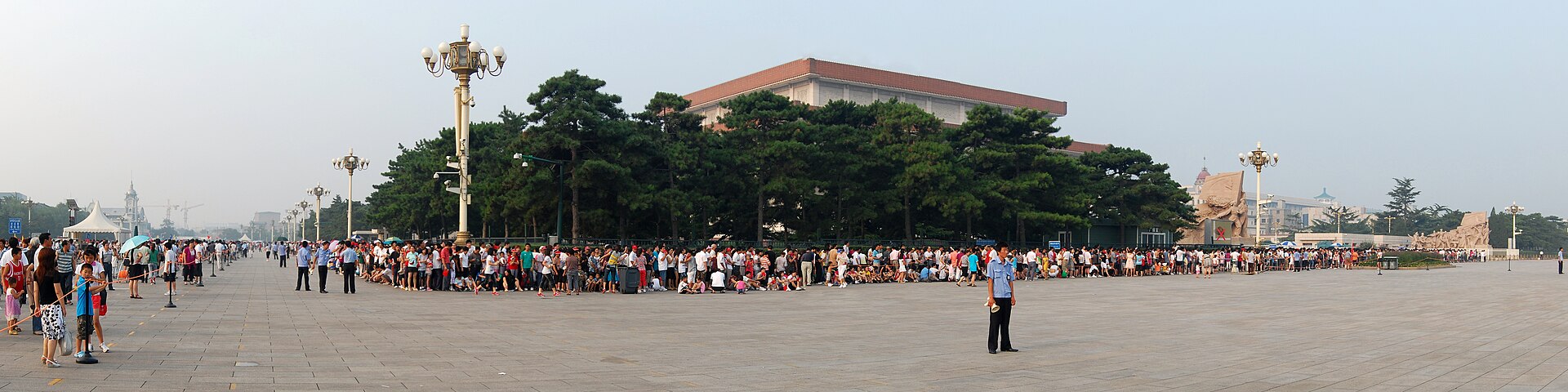
Despite this silence on the part of the government, however, the resurgence of Mao’s popularity among the general public is impossible to overlook [6].
His fellow countrymen celebrate
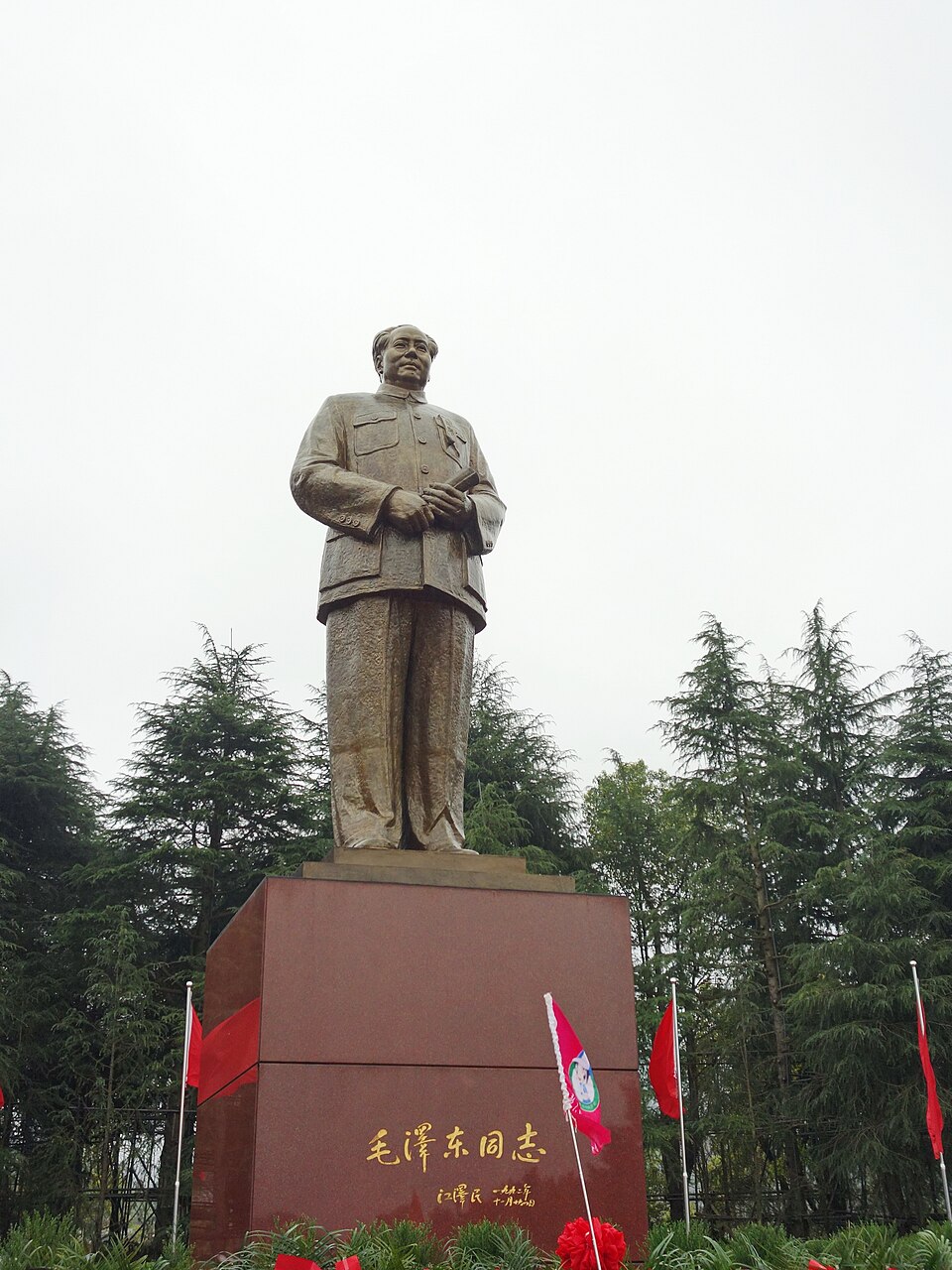
While Beijing remained silent, crowds of Mao’s loyal admirers arrived in his hometown of Shaoshan to pay their respects together [1].
Thousands of tourists stood in long lines in front of his ten-meter-tall bronze statue, where they laid chrysanthemum wreaths, cigarettes, and bottles of traditional Chinese liquor [1].
Crowds repeatedly chanted in praise of Chairman Mao and sang revolutionary songs, with many even wearing typical Mao-style suits [1].
Propaganda
In contemporary Chinese propaganda, Mao continues to be portrayed as a hero, celebrated by state media as a great proletarian revolutionary [1].
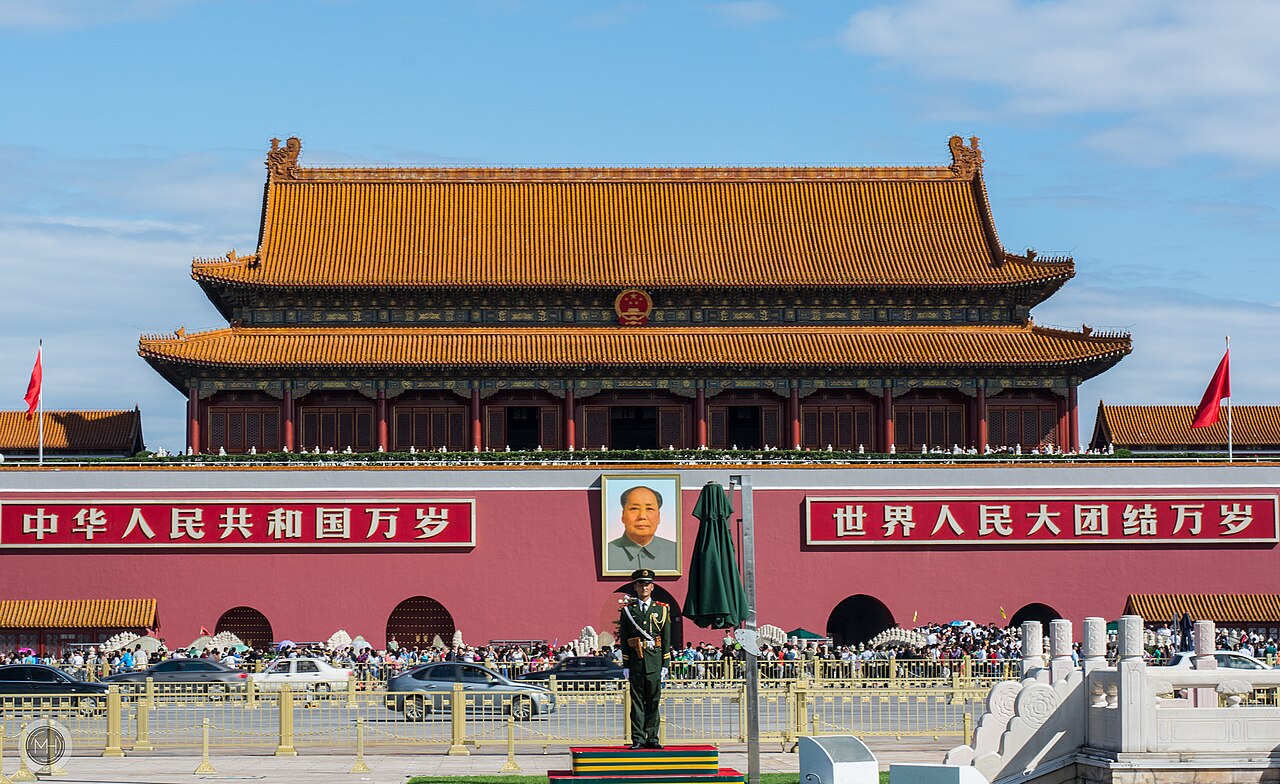
His face adorns Chinese banknotes, hangs from taxi rearview mirrors as a good-luck charm, and his enormous portrait still dominates Beijing’s Tiananmen Square [1,10].
It was here that Mao proclaimed the People’s Republic of China on October 1, 1949, and it was here that a student demonstration demanding greater freedom was brutally suppressed on June 4, 1989.
For the Communist Party, he remains an indispensable symbol of its legitimacy, because it was he who managed to unify the country and end the domination of foreign powers [3,14].
Although the government is aware of his missteps, it consistently adheres to the official line that his historical achievements far outweigh his failures [10,20]. The Party has concluded that Mao was, first and foremost, a great patriot and that his missteps were merely the errors of an otherwise great revolutionary [25].
Ordinary Chinese citizens view him in much the same way, and according to surveys, they still rate Mao as 70 percent good and 30 percent bad [21].
What does the younger generation think?
An interesting phenomenon in recent years is that the younger generation, seeking answers to current pressures, is also finding its way to him [1,6]. Young Chinese people are organizing online book clubs dedicated to his works and sharing videos on the internet featuring his artificially generated voice [6].
As the Chinese economy slows down, there is a growing sense of nostalgia throughout society for Mao’s egalitarian ideals [1].
Many people idealize his era as a just time when there was no corruption in the country and no vast disparities between the rich and the poor [4].
For many ordinary people, he remains a symbol of courage, tenacity, and absolute devotion to the common people [6,18].
On the other hand, however, there is still a segment of the Chinese population that remembers Mao primarily as a ruthless dictator responsible for immense suffering, whose death toll among his own people is likely unmatched in all of human history—and the competition is truly fierce; one need only look at Stalin [9].
His ideas often resurface during international crises. For example, during the trade wars with the U.S., people on social media were searching en masse for Mao’s famous phrases about imperialism being nothing more than a “paper tiger” [6].
For young people frustrated by the demands of modern capitalism, he has become a sort of life coach, whom they affectionately call “Teacher” [6].
The Cultural Revolution
The most sensitive and controversial aspect of his long reign remains the so-called Cultural Revolution of 1966–1976 [12,14].
The current Chinese government officially characterizes this period as a national catastrophe and the most serious setback since it came to power [3,12]. This decade of social chaos literally brought China to the brink of total economic collapse [1].
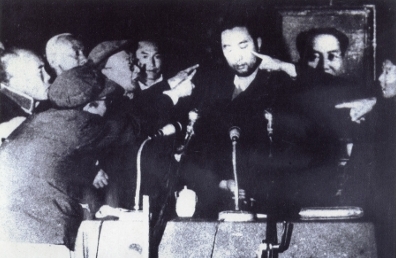
Although the Party has clearly acknowledged that this was a grave mistake for which Mao bears primary responsibility, it prefers to maintain a tactical silence regarding this period [1,10].
The government has genuine concerns about extremist groups that would like to see a return to those repressive times [3].
Despite the horrors of that era, even some of today’s young visitors to Mao’s birthplace defend the Cultural Revolution as a challenging process of seeking an ideal and just society [1].
The Rising Dragon
Since Mao’s death, however, the Middle Kingdom has moved forward by leaps and bounds. The era following his passing, particularly under the leadership of Deng Xiaoping, brought a policy of reform and opening up to the world [11].
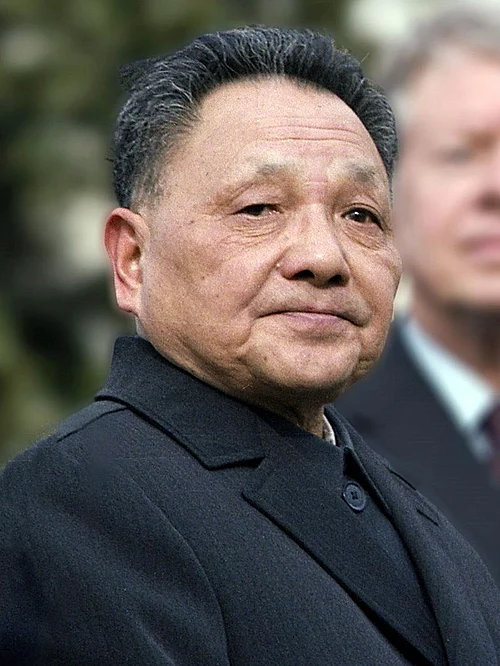
This pragmatic step marked a dramatic and lasting shift away from Mao’s centrally planned economy toward market mechanisms [11].
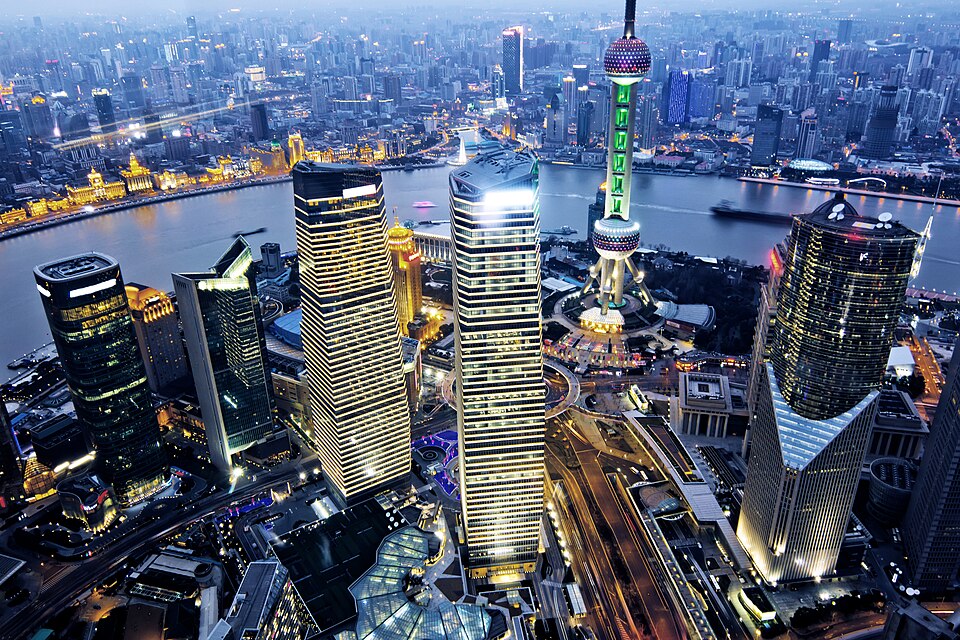
The country rapidly integrated into international trade, permitted private enterprise, and opened its doors to massive foreign investment [7,11].
Special economic zones were created, such as the city of Shenzhen, which grew from a small town of 30,000 into a metropolis with seven million residents [7].
This rapid economic rise culminated in 2010, when China surpassed Japan in GDP and became the world’s second-largest economy [7].
Changes
Society as a whole became noticeably more open, and people gained unprecedented freedom in their daily private lives. The typical, strictly standardized blue or gray Maoist uniforms were gradually replaced by colorful Western fashion [15].
Potted plants were once again allowed in Chinese living rooms, bicycles began to replace cars, and ordinary people were able to start exploring the world by plane [15,16,17].
This tangible progress logically required a radical departure from many of Mao’s key policies.
For example, the collective farming system was abolished, and farmers were given the long-awaited opportunity to return to family farming and freely decide what to do with their harvests [7,11]. The state also reassessed its priorities in education by introducing a highly selective, elite education system based on rigorous entrance exams [7].
A huge step toward easing tensions was the curtailment of pervasive political oppression. Millions of victims of previous political campaigns were released from labor camps, and their negative “class labels” were removed [7].
The state ceased to interfere in such trivial matters as people’s personal preferences in music, hairstyles, or leisure activities [7].
In 1982, the Communist Party’s Central Committee even officially banned the cult of personality, which was a direct response to the devastation caused by Mao’s autocratic rule [8,24]. Public criticism of government policies at that time no longer provoked immediate and brutal political retaliation [7].
At the same time, the role of security and police forces in everyday civilian life was significantly reduced and restricted [7].
Continuity
However, this is far from meaning that China has completely and permanently erased Mao’s totalitarian legacy from its governing structure. Many of his tried-and-true practices, such as one-party rule, strict media censorship, suppression of free speech, and the imprisonment of dissidents without due process, have persisted to this day [2,13].
The authorities have also retained the so-called “hukou” system, which was introduced under Mao and continues to strictly regulate the movement of people within the country [11].
The most striking remnant of the Mao era, however, is the state’s current treatment of the Uyghur minority, for whom the government has built massive political re-education centers [7].
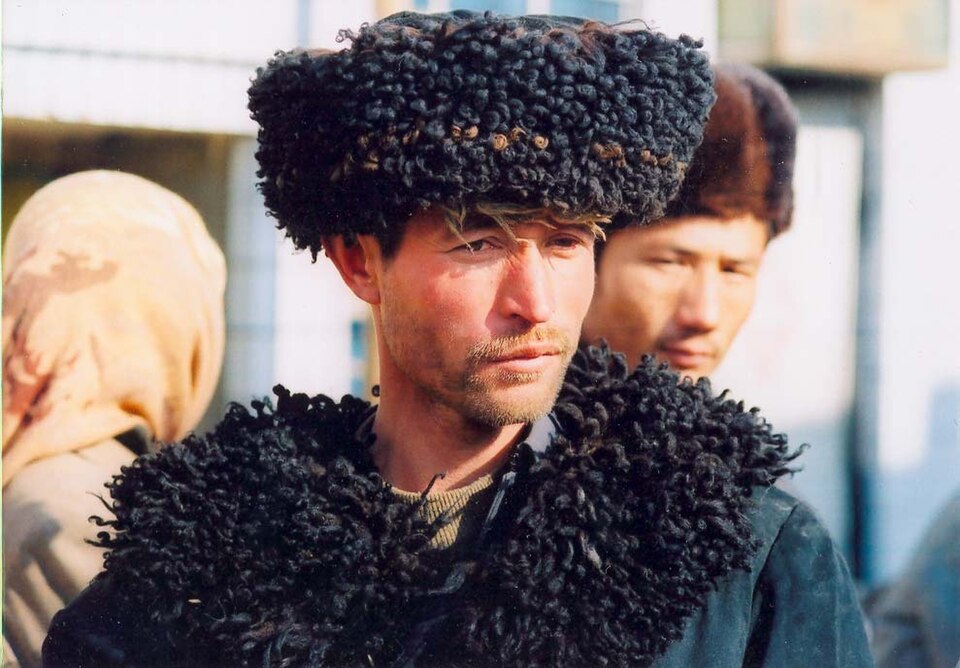
Experts compare these heavily guarded institutions, where up to one million Uyghurs may be detained, to the notorious re-education camps from the era of Chairman Mao [7].
Other elements of political socialization and the party’s strong role in everyday life also continue to draw on his historical strategies [5].
The New Leader
These apparent returns to the past are currently most closely associated with the current president, Xi Jinping. According to many analysts, he is building a cult of personality around himself that, in its intensity, rivals that of Mao’s era [2,8].
State media are flooded daily with his slogans, and pop songs celebrating him commonly circulate on the Chinese internet [3,8,18].
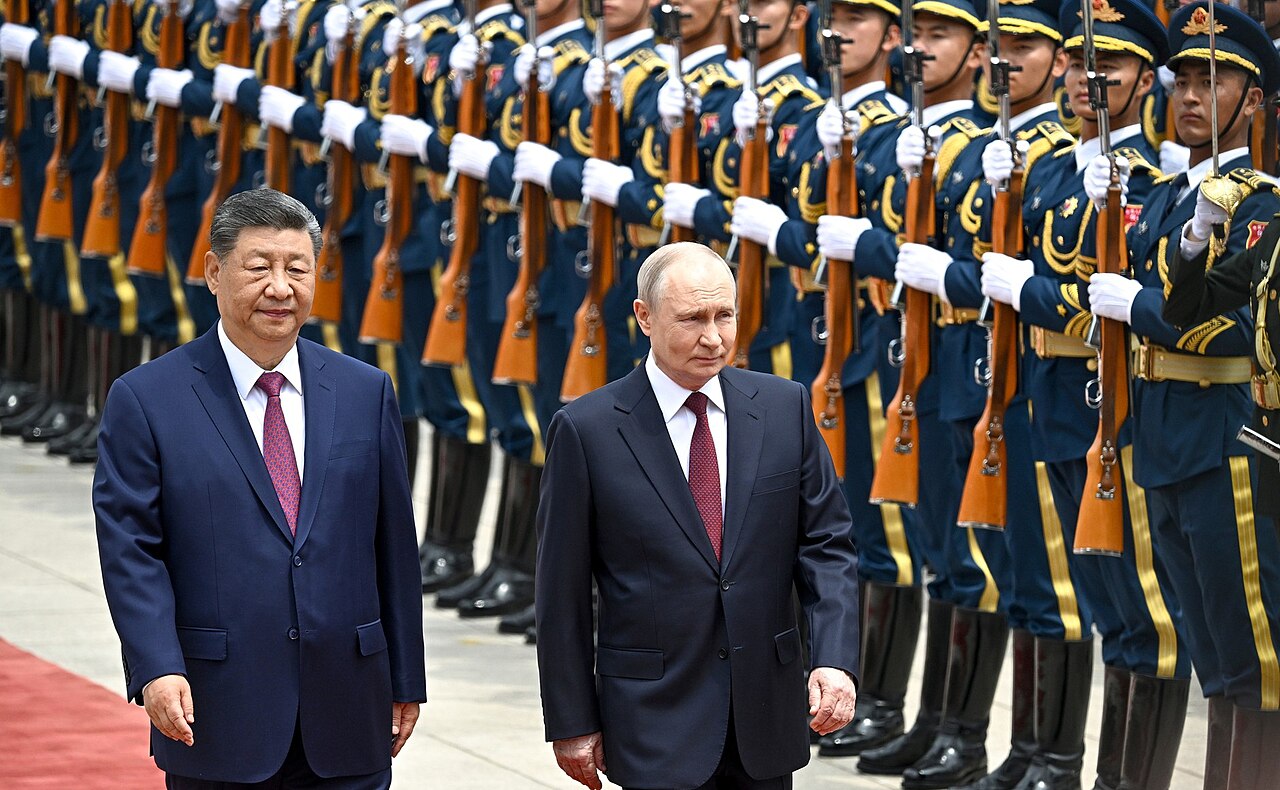
In 2018, the president surprisingly pushed through the removal of constitutional term limits, thereby paving the way for him to rule for life [7].
His official ideology, called “Xi Jinping Thought,” was even enshrined in the constitution, placing him directly on par with Mao himself [2,26]. No other Chinese leader had ever achieved this privilege while still in office [10].
The use of modern technology has taken this political propaganda—as well as control over citizens—to an entirely new level.
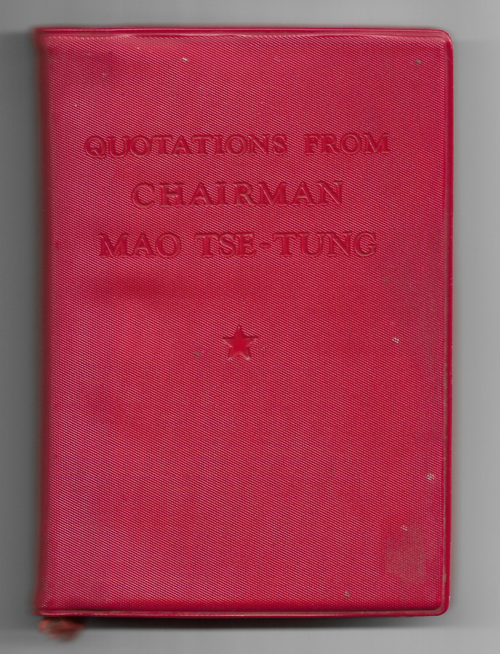
In a government app called “Study of the Great Nation,” millions of Chinese are required to read the president’s statements, which strikingly resembles the days of Mao’s ubiquitous Little Red Book [1,8].
Admirers among the ranks of officials have even begun calling him the “leader of the people,” a term that ominously evokes Mao’s former historical title [24].
At the same time, the current leadership has reinstated the long-standing requirement for party officials to submit to rituals of criticism and self-criticism [23].
Officials from all regions must now publicly declare their absolute loyalty directly to the president, who has become the new core of the party [23]. Propaganda even frequently repeats the slogan: “Under Mao, the Chinese people rose up; under Deng, they grew rich; and under Xi Jinping, they are growing stronger” [22].
Although official spokespeople for the Communist Party deny that a new cult of personality is being built and refer to collective leadership, many citizens remain deeply concerned [2,19].
Those who remember the horrors of the past fear that the unchecked revival of the cult of the leader could ultimately lead to a new social tragedy [24,26]. Meanwhile, the legacy of Deng Xiaoping, the architect of modern reforms, is quietly being sidelined within state institutions [8,24].
Contemporary China thus faces a fascinating yet terrifying historical paradox.
While its economy, massive cities, and technology sector have long been thriving in the dynamic 21st century, on the political front the country is steadily moving backward in time [22,26].
Even half a century after the death of the Great Helmsman, it is clear that modern China has still not managed—and perhaps never even wanted—to break free from his enormous shadow [10,14].
List of References
[1] 'Long live Chairman Mao': Supporters pay respects to founder of Communist China https://www.newindianexpress.com/world/2026/Sep/09/long-live-chairman-mao-supporters-pay-respects-to-founder-of-communist-china
[2] Xi Jinping Personality Cult https://globalsecurity.org/military/world/china/xi-jinping-cult.htm
[3] The Cultural Revolution’s Legacy in China - The Atlantic https://www.theatlantic.com/international/archive/2016/05/cultural-revolution-china/482964
[4] China’s Xi Jinping to pay homage at Mao’s mausoleum amid fears of a new personality cult – Radio Free Asia https://www.rfa.org/english/news/china/xi-mao-cult-12222023121206.html
[5] Mao Zedong Era: History & Reforms | StudySmarter https://www.studysmarter.co.uk/explanations/chinese/chinese-social-issues/mao-zedong-era
[6] Young Chinese turn to Mao Zedong for life advice, 50 years after his death https://www.scmp.com/news/china/politics/article/3366813/young-chinese-turn-mao-zedong-life-advice-50-years-after-his-death
[7] History of China - China after the death of Mao - Britannica https://www.britannica.com/topic/history-of-China/China-after-the-death-of-Mao
[8] XI JINPING'S LEADERSHIP STYLE AND PERSONALITY CULT | Facts and Details https://factsanddetails.com/china/cat2/4sub5/entry-4302.html
[9] Examining Mao Zedong’s Lasting Contributions to Chinese History - MetaMuu https://metamuu.com/archives/14335
[10] Mao, Cultural Revolution Cast a Long Shadow Over China 50 Years On - Yahoo News UK https://uk.news.yahoo.com/mao-cultural-revolution-cast-long-043511518.html
[11] Mao Zedong’s Legacy: 9 Documentaries on Modern China’s Transformation https://www.factualamerica.com/history-revisited/9-documentaries-exploring-maos-impact-on-modern-china
[12] The Impact of the Chinese Cultural Revolution on Society https://scientiatutorials.in/echoes-of-change-the-impact-of-the-chinese-cultural-revolution-on-society
[13] How has China changed since Mao Zedong’s death? | Britannica https://www.britannica.com/question/How-has-China-changed-since-Mao-Zedongs-death
[14] Mao Zedong’s Legacy: Why He Remains a National Hero https://www.politicalscienceview.com/mao-zedong-was-a-national-hero
[15] Landsberger, Stefan. Chinese Propaganda Posters: From Revolution to Modernization. Amsterdam: Pepin Press, 1998, 135.
[16] Heisey, Ray. Chinese Perspectives in Rhetoric and Communication. Stamford: Ablex Publishing, 2000, p. 98.
[17] Crushing, Lincoln, and Ann Tompkins. *Chinese Posters: Art From the Great Proletarian Cultural Revolution*. San Francisco: Chronicle Books, 2007, 112.
[18] Xi Jinping: A Cult of Personality? | ChinaFile https://www.chinafile.com/conversation/xi-jinping-cult-personality
[19] Xi’s cult of personality, unseen in China since Mao — AP Photos https://apimagesblog.com/blog/2018/3/12/xi-cult-of-personality-unseen-in-china-since-mao
[20] “Resolution on Certain Questions in the History of Our Party Since the Founding of the People’s Republic of China” (hereafter, Resolution), adopted on June 27, 1981, Chinese Communism Subject Archive, https://www.marxists.org/subject/china/documents/cpc/history/01.htm (accessed April 30, 2012).
[21] The Historical Legacy of Mao Zedong’s Legacy - 1,219 Words | Bartleby https://www.bartleby.com/essay/The-Historical-Legacy-Of-Mao-Zedongs-Legacy-FJUCVN89L66
[22] China in Xi’s “New Era”: The Return to Personalistic Rule https://www.journalofdemocracy.org/articles/china-in-xis-new-era-the-return-to-personalistic-rule
[23] “Xi Stresses Implementation of Major Policies, Integrity of Leading Officials,” Xinhua, December 27, 2017, <www.xinhuanet.com/english/2017-12/27/c_136853671.htm>.
[24] The Making of the Xi Jinping Personality Cult https://time.com/6287699/xi-jinping-personality-cult
[25] Mao Zedong’s Personality Cult in Present-day China – From Deng Xiaoping to Xi Jinping – The Greater China Journal https://china-journal.org/2024/01/12/mao-zedongs-personality-cult-in-present-day-china-from-deng-xiaoping-to-xi-jinping
[26] Xi Jinping's Personality Cult Expands to Cover Up China's Failures https://lucid.substack.com/p/xi-jinpings-personality-cult-expands