Joy or Condemnation? 9/11 in the Muslim World
September 11, 2001, is indelibly etched in people’s memories—everyone remembers where they were and what they were doing when they heard the news. But what were the reactions in the Muslim world?
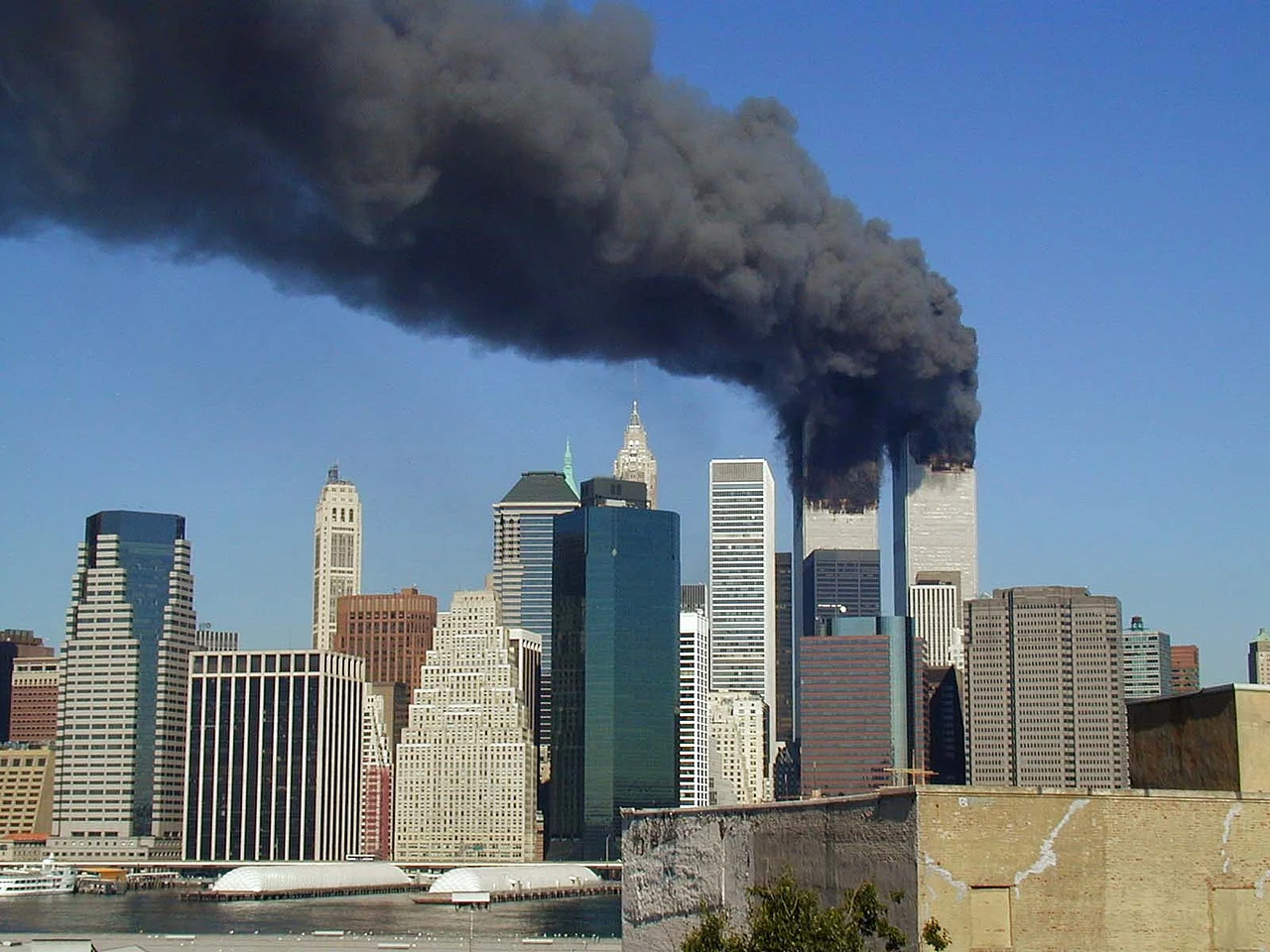
When the World Trade Center towers collapsed on September 11, 2001, the shockwaves of this tragedy immediately reverberated throughout the Islamic world.
The reactions that followed were far from uniform—they formed an exceptionally complex and polarized mosaic.
On the one hand, there were sincere tears of solidarity and forceful theological condemnation; on the other, cold state propaganda was on the rise, and deeply rooted conspiracy theories were coming to the fore.
Let’s delve together into historical and media sources to map out this fascinating and broad spectrum of attitudes that shaped the world at that time.
1. Diplomatic and Governmental Reactions: The Contrast Between Tehran and Baghdad
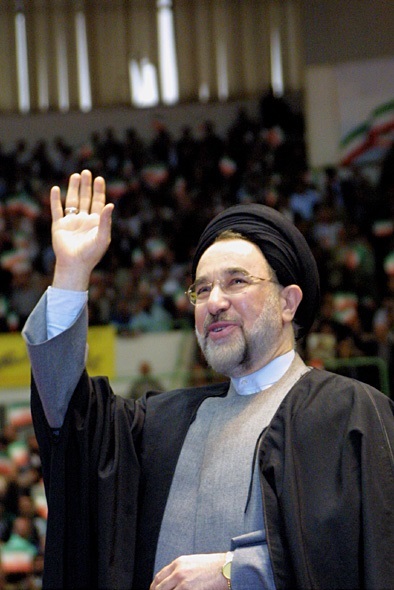
Perhaps few would have expected it, but Iran’s reaction to the September attacks was, at first, surprisingly conciliatory. Supreme Leader Ali Khamenei, together with President Mohammad Khatami, unequivocally and without hesitation condemned this unprecedented act of terrorism [12,13,14,15].
In a conversation with British Foreign Secretary Jack Straw, Khatami even expressed deep sympathy for the pain of the American people, while emphasizing an important point: entire nations should never be made to pay for the crimes of a handful of terrorists [16].
However, it did not stop at words. The Iranian government quietly and indirectly joined forces with the U.S. military to help overthrow the Taliban regime and stabilize the new government in Kabul, Afghanistan [3,4].
As is often the case in history, another, much darker game was being played beneath the surface. With the passage of time, it became clear that Tehran had also played a highly controversial role behind the scenes.
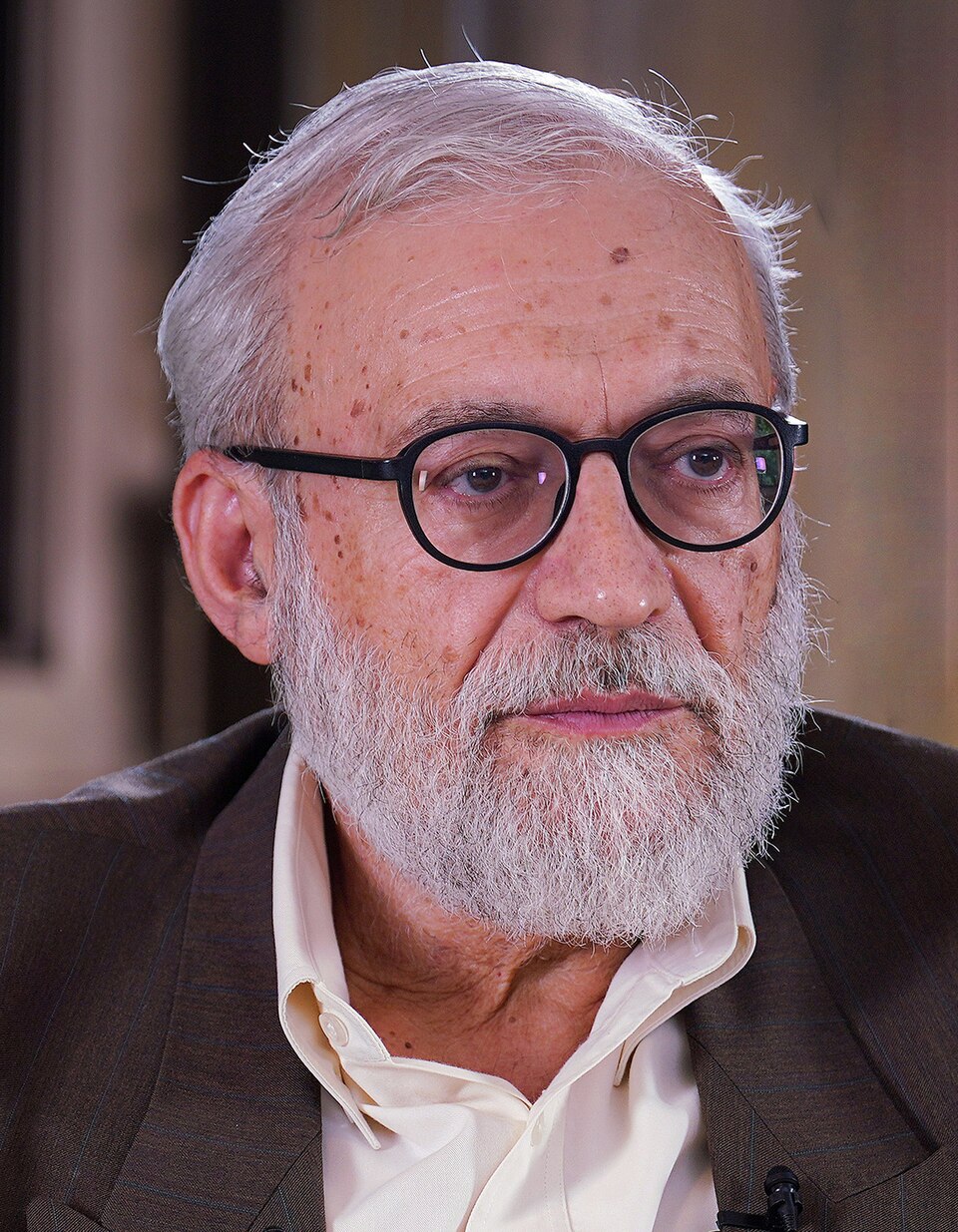
A leading Iranian official, Mohammad-Javad Larijani, later admitted a shocking fact: al-Qaeda militants were allowed to cross Iranian territory undetected, without any stamps in their passports [7]. Although Larijani defended himself by claiming that these movements took place under the strict and constant scrutiny of Iranian intelligence services, a shadow of suspicion remained [7].
While Iran expressed sympathy—at least outwardly—neighboring Iraq, under the iron fist of Saddam Hussein, stood in sharp, chilling contrast. The Baghdad regime openly celebrated the fall of the Twin Towers. Official state statements contained harsh words to the effect that America was now merely reaping the thorns that its own rulers had sown throughout the world for many years [10,32].
The government newspaper al-Iraq went even further, callously describing this enormous human tragedy as a well-deserved lesson for all tyrants, oppressors, and criminals [17,18].
Although this anti-American rhetoric was exceptionally vocal, historical sources are clear: there is absolutely no credible evidence that Baghdad had any involvement in the September 11 attacks.
Paradoxically, behind closed doors, Saddam Hussein described Osama bin Laden as a dangerous fanatic and made no secret of his fears that the unpredictable al-Qaeda might one day turn against him as well.
Interestingly, in October 2001, the Iraqi dictator even personally expressed his sincere condolences to an American citizen via email [19,31].
2. Theological Positions and Religious Fatwas
Once the dust had settled over Manhattan, religious leaders also spoke out. Key authorities of Sunni Islam did not hesitate for a moment and strongly condemned the terrorist attacks.
The Grand Imam of the prestigious al-Azhar University in Cairo, Muhammad Sayyid Tantawi, sent a clear message to the world: the killing of innocent people, women, and children has absolutely nothing to do with courage [20].
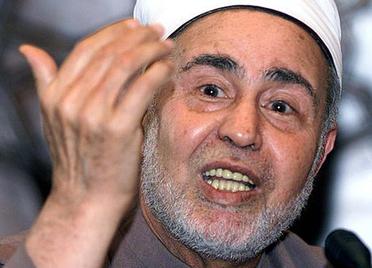
His voice was not alone. Similarly strong statements were heard from mosques in Yemen and Pakistan, where local clerics did not hold back in their criticism and described the attacks as cowardly and, at their very core, deeply un-Islamic [26].
Al-Qaeda, however, operated at the exact opposite theological pole.
This organization created its own perverted version of the faith, systematically distorting the teachings of medieval Islamic thinkers solely to justify its bloody campaigns [1].
It based its ideology primarily on the works of Sayyid Qutb, purposefully redefining ancient concepts such as jahiliyya (ignorance) and hakimiyya (God’s sovereignty) [1].
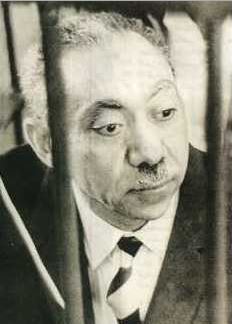
According to their radical interpretation, all Muslims living under secular governments were in a sinful state of unbelief. This contrived argument subsequently served as the perfect pretext for declaring a merciless jihad not only against the West but also against their own governments [1].
Al-Qaeda masterfully linked this ideological construct to the dark theology of martyrdom.
The attackers who boarded the planes on September 11 were firmly convinced that their suicide sacrifice was a sacred and necessary step toward establishing God’s order on earth [33].
As if that were not enough, the extremists skillfully cloaked their jihad in the alluring language of social justice. They knew exactly what they were doing—they wanted to appeal to and manipulate the frustrated masses in the Arab world who yearned for change [33,34].
Osama bin Laden had a clear strategic goal: he wanted to use a bloody spectacle to force the United States—which he called the “distant enemy”—to withdraw from the Middle East and cease providing military support to the regimes there [1].
3. Civic Solidarity and Societal Reactions
While extremists celebrated and sought inspiration for their global jihad in the ruins of the Twin Towers, the streets of the Muslim world told a very different story. Most ordinary believers rejected al-Qaeda’s actions with disgust [34].
Imagine, for example, the streets of Tehran, where thousands of ordinary Iranians spontaneously gathered for silent candlelight vigils.
At a local soccer stadium, as many as 60,000 fans even rose to their feet to observe a minute of silence in memory of the victims [3,4,23,24]. Other residents did not hesitate to gather in front of the Swiss embassy—which represents U.S. interests in the country—and expressed their deep and sincere grief with the flickering flames of their candles [25].
This wave of humanity also spread beyond Iran’s borders. Spontaneous civic gatherings, which strongly condemned terrorism, sprang up like mushrooms after rain in many other Muslim-majority countries.
In Azerbaijan, crowds of people prayed right in city squares; in distant Indonesia, believers gathered on beaches to pray for peace; and in Jordan, people signed condolence letters en masse [26].
These moving scenes were clear evidence of how deeply ordinary Muslims longed to distance themselves from the brutality that had been unjustly perpetrated in the name of their faith.
Interestingly, Osama bin Laden’s aggressive and reckless strategy ultimately sowed seeds of doubt even among the ranks of the Islamists themselves. Many of them began to question whether this war against America made any sense at all.
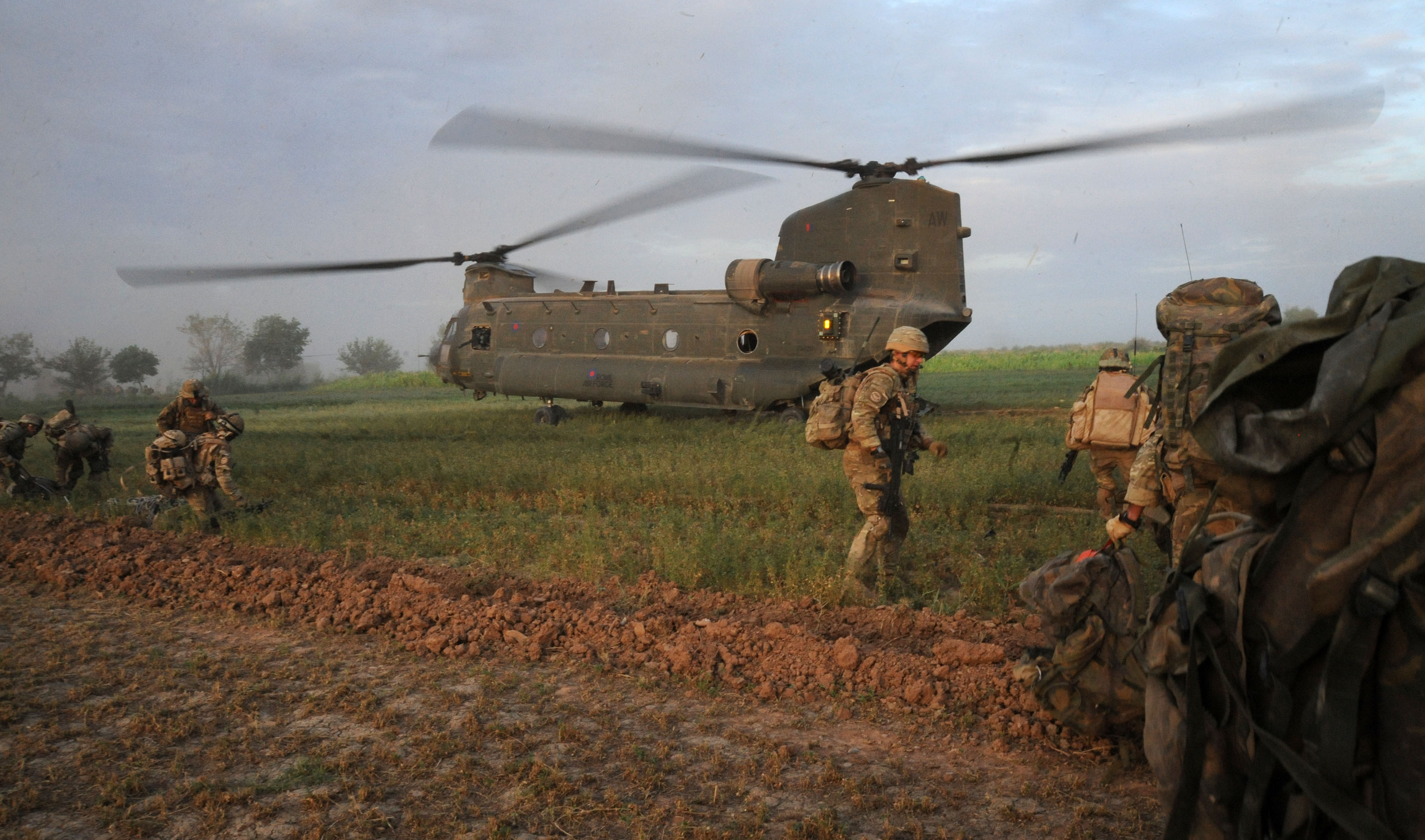
The reason was simple: direct confrontation with the U.S. led to the swift overthrow of the Taliban in Afghanistan [1]. For many radicals, this was a massive blow, as they had until then viewed this regime as the only truly authentic Islamic government on the entire planet [1].
4. Media Portrayal and Pop Culture
The events of September 11 also forever changed the media landscape. The Arab news network Al Jazeera shot to the center of global attention at lightning speed.
During the war in Afghanistan, it held a huge advantage—it was the only network with a continuous 24-hour satellite feed directly from the besieged city of Kabul [30].
It was this network that exclusively brought the world chilling video footage in which Osama bin Laden not only praised the attacks but also sought to justify them theologically [5,29,35]. These unique images were so compelling that even the largest Western television networks subsequently picked them up and broadcast them widely [5,30].
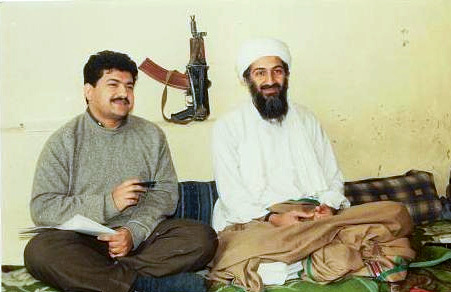
However, this bold yet controversial journalistic approach did not go unnoticed. The United States responded with sharp criticism and accused Al Jazeera of serving as a mouthpiece for terrorist propaganda and spreading anti-American bias [6,35].
Although Western media outlets reposted the footage, they often distanced themselves from it in a defensive manner. They explicitly warned viewers that what they were seeing represented solely an Arab perspective [29].
This media and political tension ultimately culminated in a dramatic moment: Al Jazeera’s Kabul bureau was reduced to ashes during a U.S. airstrike. The network itself, as well as several independent observers, still consider this incident a deliberate attack on freedom of speech [11].
The aftermath of September 11 also permeated popular culture and film production, where disturbing developments began to unfold in some countries. Specifically, targeted efforts emerged to institutionalize conspiracy narratives.
A striking example is Iran, where a charitable organization led by the late President Ebrahim Raisi (who died in a helicopter crash in 2024) produced, in 2018, an extensive, 50-episode series.
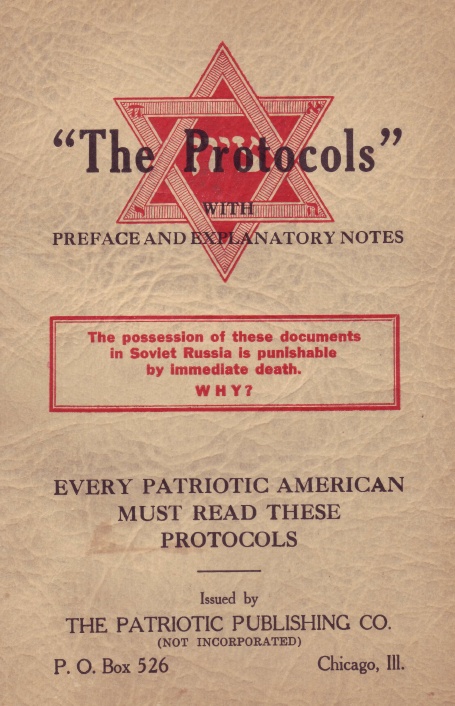
Its sole purpose was to promote the infamous forgery—The Protocols of the Elders of Zion [2]. One episode of this series even shamelessly pushed the theory that the collapse of the Twin Towers was in fact part of a diabolical conspiracy and that not a single Jew was present in the towers on that fateful morning [2].
5. Sentiment Among the General Public (Grassroots)
If we had walked the streets of the Middle East in those days, we would have encountered an extremely divided atmosphere full of sharp contrasts. While in many places people were shedding tears and expressing deep sympathy, in other places scenes were unfolding that sent a chill down one’s spine.
In some Palestinian camps, for example, spontaneous celebrations broke out, with crowds of people making no secret of their immense joy at the American tragedy [27,28]. On the other hand, it is important to set the record straight: shocking reports that Arabs in New Jersey, USA, were also celebrating the attacks later proved to be completely unfounded and were nothing more than malicious, fabricated rumors [21,22].
It was precisely in this climate of uncertainty and fear that conspiracy theories in the Arab and Muslim world experienced a veritable golden age. In these theories, blame was most often placed on the U.S. itself or on Israel’s Mossad [2,8].
Perhaps the most popular and persistent myth, which was zealously fueled by the Lebanese station Al-Manar, linked to the Hezbollah movement, was that 4,000 Jews had received a secret warning and simply did not show up for work on that fateful day [2,9].
Conspiracy theorists spun wild theories that Israel had organized the entire operation with cold calculation: it wanted to pit Christian civilization against Muslims and thus skillfully divert the world’s attention from the tense situation in the Palestinian territories [2].

What is fascinating—and at the same time terrifying—is that this denialist sentiment has not lost its strength even after all these years.
When a large-scale survey was conducted in 2011, a full decade after the fall of the Twin Towers, the results were shocking. Most respondents in Egypt, Jordan, and Lebanon still stubbornly refused to believe that Arabs from al-Qaeda were behind the attacks [8,9].
Why are these theories so appealing? The answer is deeply psychological and political.
Conspiracy theories offer a simple explanation for the powerlessness of the entire region. For many, it is much easier to blame their own political failures and frustrations on shadowy foreign powers than to face the truth head-on [9].
List of References
[1] Al Qaeda - Sawab Center https://sawabcenter.org/extremist-organizations/al-qaeda
[2] Unraveling Anti-Semitic 9/11 Conspiracy Theories https://www.adl.org/sites/default/files/documents/assets/pdf/combating-hate/anti-semitic-9-11-conspiracy-theories.pdf
[3] The global war on terrorism wrecked relations with Iran - Atlantic Council https://www.atlanticcouncil.org/commentary/article/the-global-war-on-terrorism-wrecked-relations-with-iran
[4] - IRAN: REALITIES, OPTIONS, AND CONSEQUENCES, PART 2—NEGOTIATING WITH THE IRANIANS: MISSED OPPORTUNITIES AND PATHS FORWARD https://www.govinfo.gov/content/pkg/CHRG-110hhrg50111/html/CHRG-110hhrg50111.htm
[5] Covering Terrorism: The Media and 9/11 http://c250.columbia.edu/dkv/eseminars/1341/web/s08/1341_08_3.html
[6] Al-Jazeera vs. Al-Jazeera: A comparison of the network’s English and Arabic online coverage of the U.S.-Al-Qaeda conflict https://www.academia.edu/948095/Al_Jazeera_vs_Al_Jazeera_A_comparison_of_the_networks_English_and_Arabic_online_coverage_of_the_US_Al_Qaeda_conflict
[7] https://dailycaller.com/2018/06/08/iran-facilitated-passage-of-9-11-attackers-politician/
[8] Why Is the Middle East Still in Thrall to 9/11 Conspiracy Theories? | The Washington Institute https://www.washingtoninstitute.org/policy-analysis/why-middle-east-still-thrall-911-conspiracy-theories
[9] The Muslim World Must Stop Leaning on Conspiracy Theories | The New Republic https://newrepublic.com/article/119344/muslim-world-must-stop-leaning-conspiracy-theories
[10] Saddam Hussein’s Iraq https://georgewbush-whitehouse.archives.gov/infocus/united_nations/reasons.html
[11] Zayani, Mohamed (2019) [2005]. Al Jazeera Phenomenon: Critical Perspectives on New Arab Media. Routledge. ISBN 978-1-317-26399-9.
[12] Hamshahri Newspaper - Report on Mohammad Khatami's Message Regarding the September 11 Attacks. September 12, 2001. (Persian). Hamshahri. September 12, 2001. Archived by Mohammad Sadeghi, Department of Computer Science, University of Valladolid. Retrieved and archived on September 1, 2016, at 5:39:57 PM UTC. Permanent archived link at WebCite. A translation by Google Translate is available here. Archived September 1, 2016, at the Wayback Machine
[13] Ynetnews News - Khatami slams bin Laden, defends Hizbullah. Ynetnews. November 9, 2006. Permanent Archived Link. Retrieved and archived on September 8, 2016; 6:31:08 PM UTC.
[14] Irans President Says Muslims Reject bin Ladenand “Islam” – ISNA. Iranian Students News Agency. November 10, 2001 / 5:07 PM. Permanent Archived Link. Retrieved and archived on September 18, 2016, 3:45:04 PM UTC.
[15] Khatami Slams ‘Imperial’ U.S., September 11, 2006. The Harvard Crimson. By Claire M. Guehenno. "Khatami, who condemned Osama bin Laden and those who carry out terrorist acts in the name of Islam, also criticized the U.S. for its ‘double standard’ when it came to violence." "...he ended his speech in English, condemning the September 11 attacks once again and expressing his condolences to the victims."
[16] "P.I.R.I. News Headlines (Tue 07/03/80 A.H.S.)". The Official Site of the Office of the President of Iran. September 25, 2001. Archived from the original on May 3, 2002. Retrieved January 30, 2025.
[17] "Attacks draw mixed response in the Middle East." CNN. September 12, 2001. Archived from the original on August 13, 2007. Retrieved May 22, 2010.
[18] "9/11: The world reacts." Al Jazeera. September 5, 2011. Retrieved May 18, 2020.
[19] "Saddam offers condolences on the Web." CNN. October 20, 2001. Archived from the original on July 14, 2014. Retrieved September 6, 2020.
[20] "Islamic world deplores US losses." September 14, 2001.
[21] Mackey, Robert (November 24, 2015). “The Video of Celebrations That Was Broadcast on 9/11.” The New York Times. Archived from the original on December 13, 2020. Retrieved December 28, 2020.
[22] McGreal, Chris (September 5, 2011). "9/11 conspiracy theories debunked". The Guardian. Archived from the original on November 12, 2020. Retrieved December 28, 2020.
[23] Corera, Gordon (September 25, 2006). "Iran's gulf of misunderstanding with the U.S." BBC News. Archived from the original on February 15, 2009. Retrieved May 22, 2010. Permanent Archived Link
[24] Iran Mourns America’s Dead. *Time*
[25] U.S. State Department Thanks Iranians for Their Sympathy Toward the Victims of September 11. (Persian). Radio Farda. Sunday, September 11, 2011. (Iranian Hijri date: 1390/06/20). Permanently Archived Link. Retrieved and archived on June 30, 2016. Title translation: The U.S. Department of Foreign Affairs’ (= translation of Department of State; because this department performs the functions of Iran’s Ministry of Foreign Affairs for the United States) gratitude for Iranians’ sympathy for the victims of September 11.
[26] "We Are All Americans: The World’s Response to 9/11". Mental Floss. September 9, 2011. Archived from the original on October 6, 2014. Retrieved October 9, 2014.
[27] “Arafat Horrified by Attacks, but Thousands of Palestinians Celebrate; Rest of World Outraged.” Fox News. September 12, 2001. Retrieved May 20, 2020.
[28] Brown, Cameron S. (December 2001). "THE SHOT SEEN AROUND THE WORLD: THE MIDDLE EAST REACTS TO SEPTEMBER 11TH" (PDF). Middle East Review of International Affairs. 5 (4).
[29] El-Nawawy, M., & Iskandar, A. (2003). Al-Jazeera: The Story of the Network That Is Rattling Governments and Redefining Modern Journalism. New York, NY: Basic Books.
[30] WACC | Why Al Jazeera’s news coverage of Israel’s war on Gaza has gained global credibility https://waccglobal.org/why-al-jazeeras-news-coverage-of-israels-war-on-gaza-has-gained-global-credibility
[31] Kessler, Glenn (July 2, 2009). "Saddam Hussein Said WMD Talk Helped Him Look Strong to Iran -". Washington Post. Retrieved July 2, 2009. Saddam Hussein told an FBI interviewer before he was hanged that he allowed the world to believe he had weapons of mass destruction because he was worried about appearing weak to Iran, according to declassified accounts of the interviews released yesterday. The former Iraqi president also denounced Osama bin Laden as “a zealot” and said he had no dealings with al-Qaeda.
[32] http://www.gwu.edu/~nsarchiv/NSAEBB/NSAEBB279/index.htm
[33] Translation of Osama bin Laden videotape, Al Jazeera TV, October 30, 2004.
[34] Al Qaeda’s Ideology | Hudson Institute https://www.hudson.org/national-security-defense/al-qaeda-s-ideology
[35] Al Jazeera https://kolibri.teacherinabox.org.au/modules/en-wikipedia_for_schools-static/wp/a/Al_Jazeera.htm