Plagiarism Then and Now
Plagiarism is a long-standing problem that has once again come to the fore in connection with the findings at Matej Bel University.
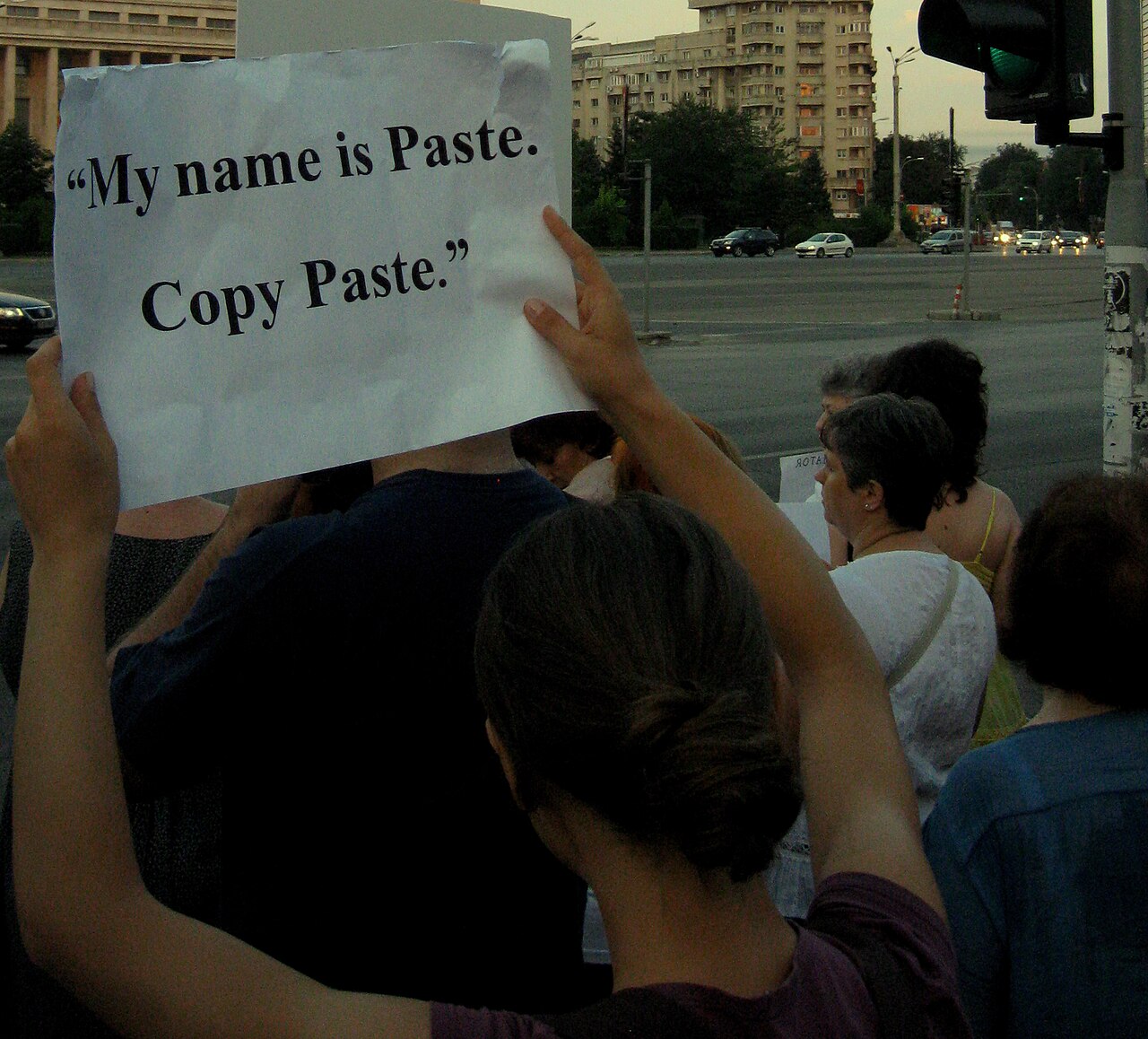
Unfortunately, a highly topical issue
Jozef Michalko, Vice Dean for Science and Research, is facing current allegations of plagiarism at Matej Bel University in Banská Bystrica (UMB) [27]. The issue was originally brought to light by the library at Comenius University in Bratislava, and the story was subsequently reported by Denník N [27].
Vice-Dean Michalko, together with Jaroslav Klátik, head of the Department of Criminal Law, submitted a student’s thesis as their own scientific work [27]. Their twelve-page academic paper, included in a university anthology, contained entire passages copied from the aforementioned thesis [27]. The authors even retained the original phrase “the aim of this thesis” in the text and incorrectly copied bibliographic data from its list of references [27].
Both professors deny intentional plagiarism and claim that an incorrect working draft of the text was accidentally submitted for publication [28]. However, UMB Rector Vladimír Hiadlovský described such conduct as absolutely unacceptable and a serious violation of academic integrity [1]. After reviewing the details, he asked the dean of the Faculty of Law to immediately remove both officials from their leadership positions [27].
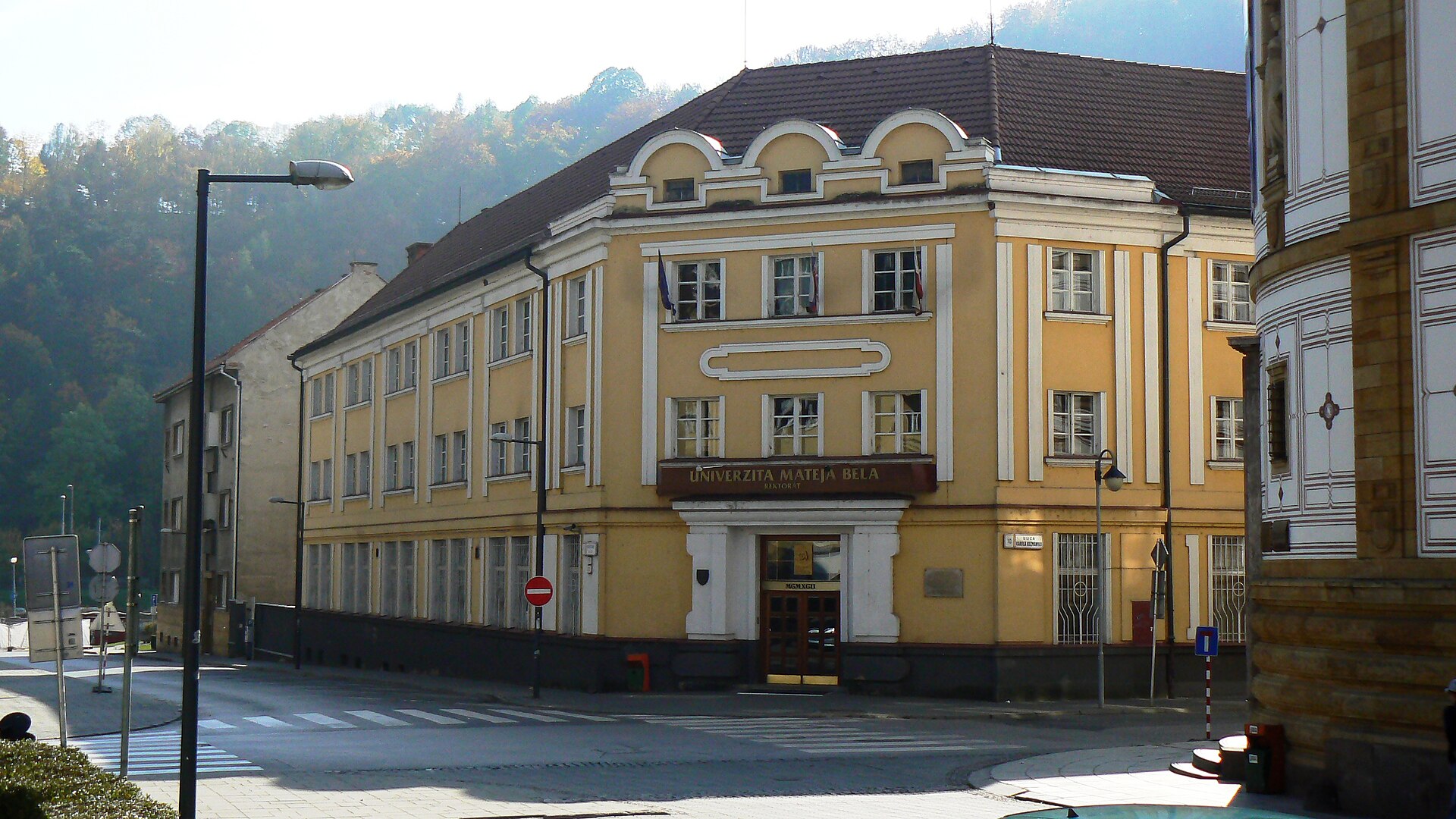
In response to these events, Jozef Michalko took personal responsibility and resigned from his position as vice dean [27]. The UMB Rector also announced that he would refer this controversial case to the UMB Ethics Committee for a detailed investigation [27]. The Student Council of Higher Education Institutions is also publicly calling for the committee to address the case immediately, including by inviting independent experts [28].
Plagiarism dates back to antiquity
The very concept of plagiarism has its roots in antiquity, deriving from the Greek word *plagios*, which metaphorically meant “crooked” or “treacherous” [10]. It later evolved into the Latin term *plagiārius*, which translates as “kidnapper,” “seducer,” or “bandit” [11].
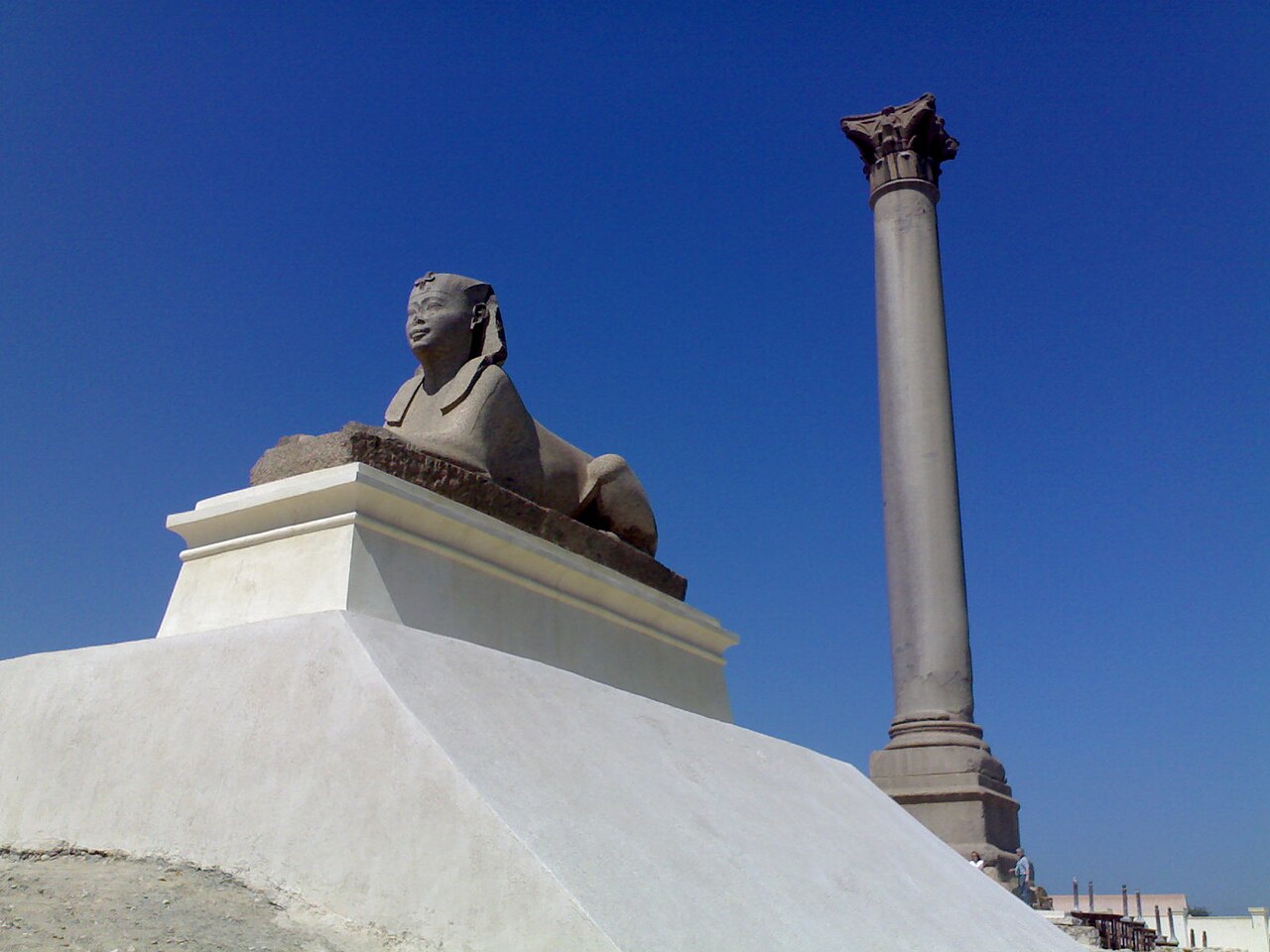
The first recorded instances of this phenomenon date back deep into history, such as the dispute between the authors Ariston and Eudorus in the first century B.C. [26]. Both authors, who were active in Alexandria, wrote works that were strikingly similar about the Nile River, and the renowned historian and geographer Strabo sided with Ariston.
The best-known early instance, however, is associated with the Roman poet Marcus Valerius Martial around the year 80 CE [5]. He accused another poet, Fidentinus, of copying and stealing his verses without attributing authorship [12]. At that time, before the emergence of copyright law, all Martial could do was write a series of poems about him and publicly brand him a plagiarist [5].
Punishment for proven plagiarism was rather rare in the distant past, and the copying of others’ ideas persisted without serious consequences [15]. Any disputes were generally of a private nature, and their effects were felt on a professional level rather than a legal one [26]. It was not until later that cases emerged in which, for example, the British Philological Society issued a severe public reprimand to James Platt Jr. in the late 19th century for his actions [5].
"Good" and "Bad" Motivations
The motives of plagiarists throughout history have been diverse and often related to the nature of the creative environment of the time. For example, authors frequently compiled selections from religious texts on the assumption that readers would already be very familiar with them [15]. In the modern academic environment, on the other hand, students are driven to unethical practices by the pursuit of perfect grades, while professors are required to publish constantly and innovatively [15].
Society’s attitude toward intellectual property and plagiarism has historically varied significantly depending on cultural norms [26].
Historically, imitation and reproduction were considered a form of flattery; in music, for example, the repetition of motifs was a sign of respect [13]. The concepts of reputation and honor were valued far more highly than ownership itself, so authors preferred that someone copy their work rather than have works by others falsely attributed to them [13].
The Printing Press Brings Change
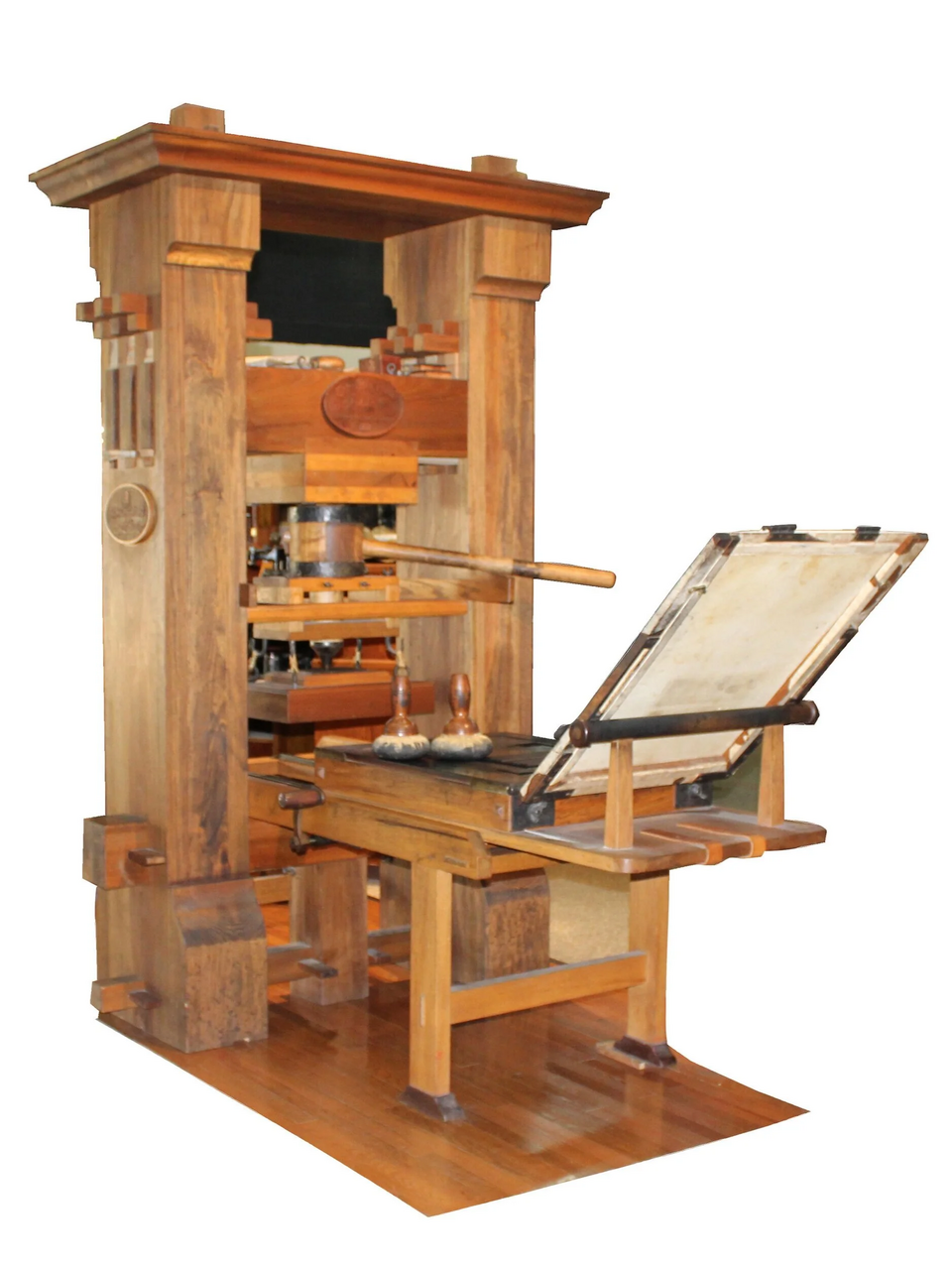
During the European Middle Ages, so-called plagiarism was often viewed merely as a normal part of literary writing and compilation [15]. Changes began to take place only during the Renaissance, when artists and scholars began to sign their works more frequently and assert their ownership [15]. A fundamental turning point came with the invention of the printing press in the 16th century, which enabled mass distribution and led to the first efforts to control unauthorized copying [14].
The concept of intellectual theft is closely linked to the development of copyright law, which reflected the idea that one’s own intellectual efforts should be profitable. In 1710, England enacted the first modern copyright law, known as the Statute of Anne, which guaranteed creators control over their works [26].
In the eighteenth century, attitudes toward plagiarism became definitively stricter, and authors were now expected to always create something entirely original [15].
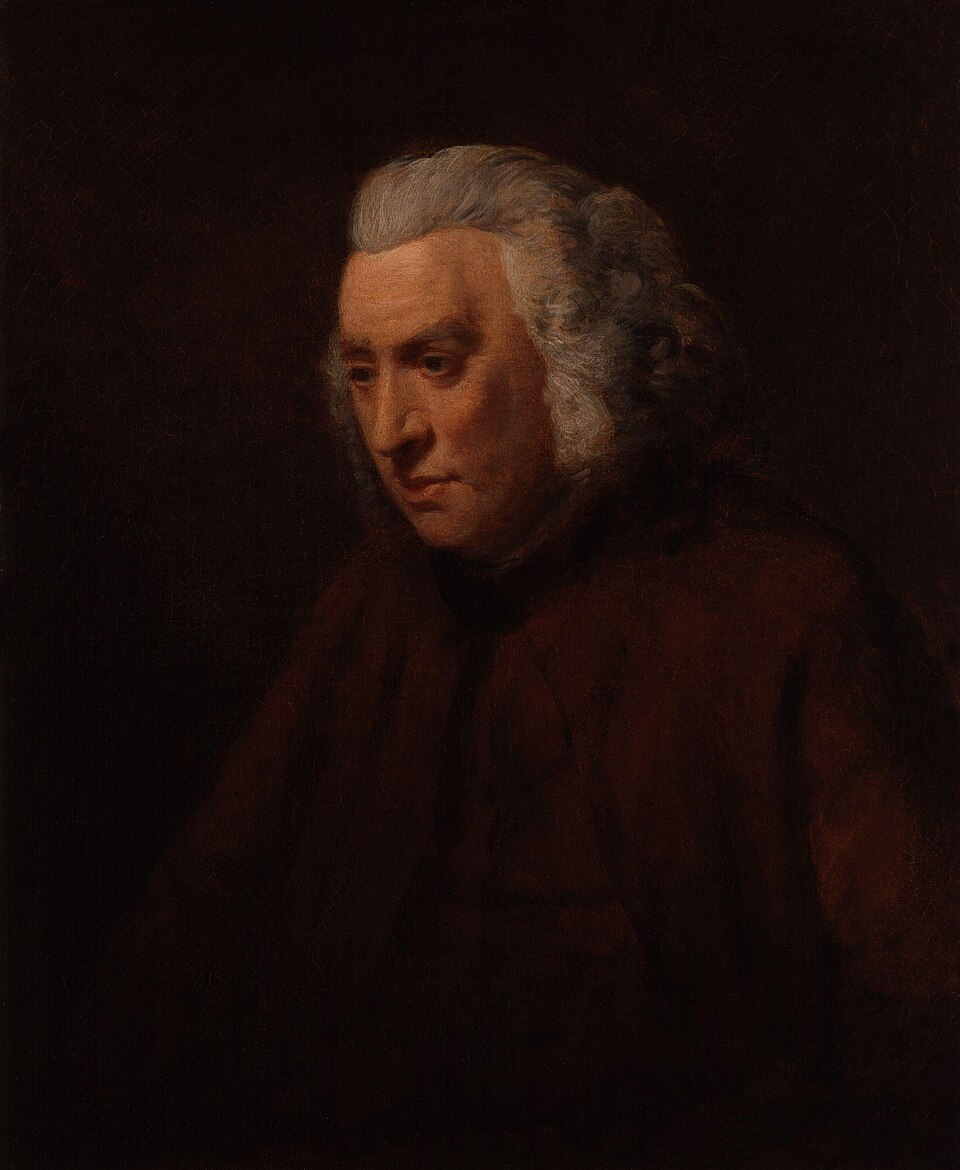
It is paradoxical that the English writer Samuel Johnson included the word “plagiarism” in his dictionary of the English language in 1755, defining it as a “thief in literature.” In fact, his own dictionary unabashedly borrowed numerous definitions from earlier, similar works of the time [5].
Later, in the 19th century, historians such as Leopold von Ranke established strict standards for working with sources, which definitively cemented the modern understanding of this transgression [15].
Our homeland is no different from the rest of the world
In Slovakia, the issue of plagiarism became a prominent topic in the 1930s, largely thanks to the courage of literary critic Alexander Matuška [23].
In 1934, he succeeded in exposing the plagiarism of Ján E. Bor, who was a well-known critic of the Postupist literary group [23]. Matuška noticed that in his 1933 book *Návrat k minulosti* (*Return to the Past*), Bor unabashedly stole ideas and even direct phrasing from the Czech critic F. X. Šalda [24].
Exposing this fraud was no easy task, as Slovak magazines such as *Smery*, *Slovenské pohľady*, and *Elán* refused to publish Matuška’s exposé [8]. The text, under the mocking title “A Story from Slovak Literature,” was eventually published in the independent Czech weekly *Přítomnost*, edited by the renowned Ferdinand Peroutka [6,18]. In the published article, Matuška excerpted approximately 35 identical passages and compared Šalda’s and Bor’s formulations side by side [24].
Matuška’s admirable initiative was driven by moral considerations, as he viewed J. E. Bor’s actions as deliberate and grossly unethical plagiarism [23]. Bor’s imitation was not limited to just one book; Matuška also discovered it in his subsequent work, *Poetry of Postwar Slovakia* [24].
Matuška justified his actions as a fight for the truth, aiming to undermine Bor’s strong position among the ranks of the young Slovak literary generation of the time [19].
In the 1930s, however, J. E. Bor was by no means the only well-known Slovak author accused of this literary transgression [9].
For example, the prominent Slovak writer Dobroslav Chrobák was also accused of literary plagiarism and imitating the work of others [21]. In 1938, Jozef Felix demonstrated, in a well-reasoned and objective manner, that Chrobák’s novella *Kamarát Jašek* bore a striking resemblance to the novel *The Man from the Mountains* by the French author Jean Giono [21,25].
Milo Urban also faced similar serious accusations during this period; his famous novel *The Living Whip* was compared to another author’s literary work. His work was placed in the context of the book *The Flooded Village* by the Hungarian writer Dezső Szabó [2].
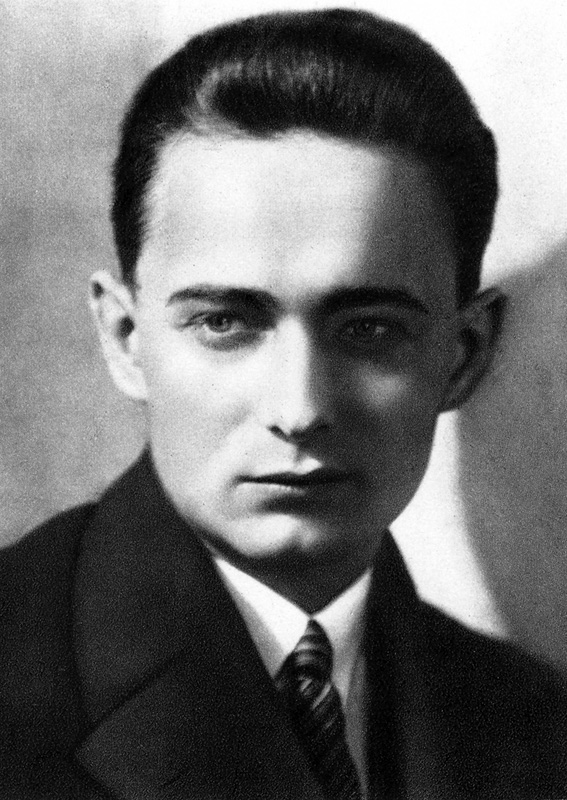
In a similar context of Slovak literary history, Z. Dančová was also accused of plagiarizing the prose of the famous Thomas Mann [3].
Famous Sinners
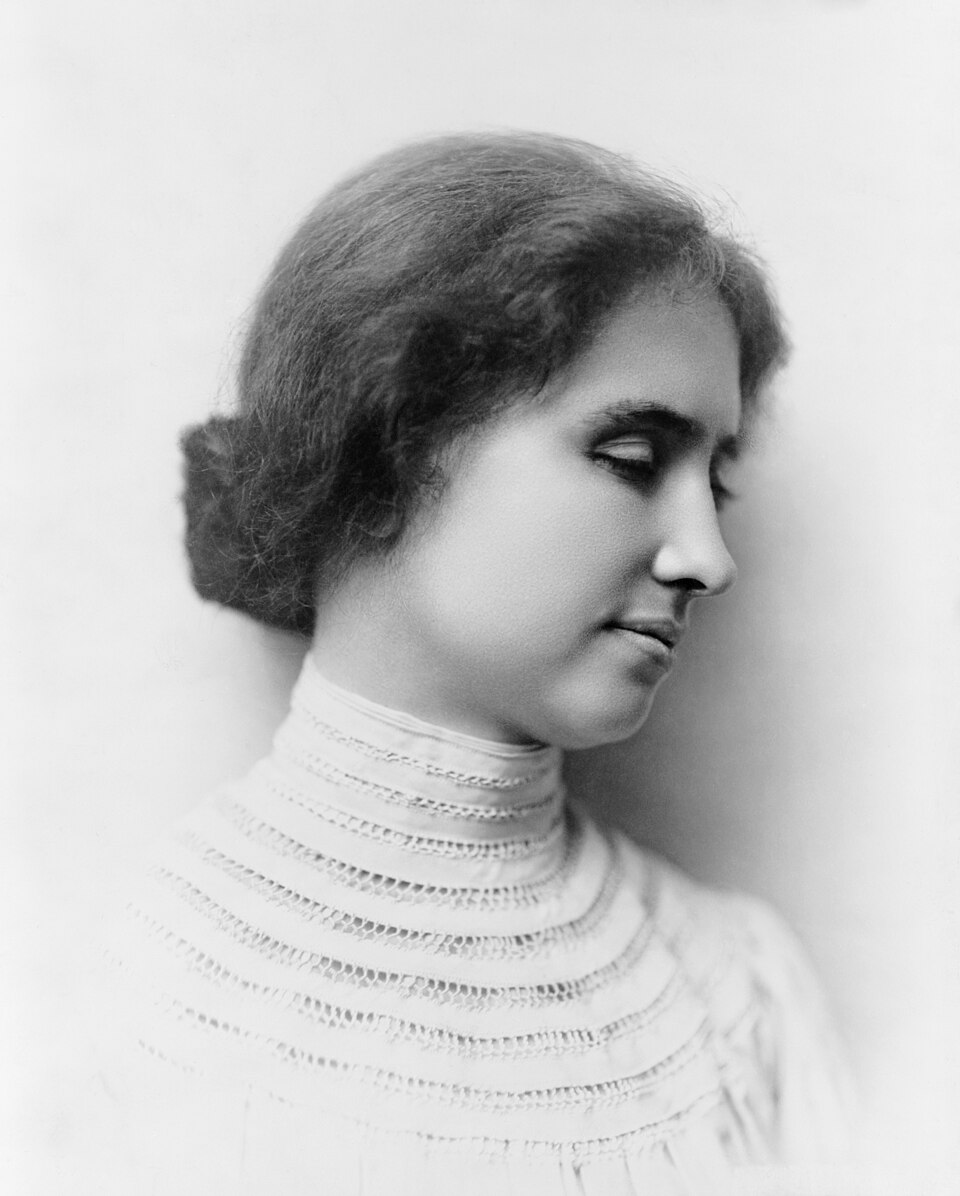
In the 20th century, even the world’s most famous figures from various spheres of public life were not spared major scandals. For example, in her early youth, Helen Keller faced accusations of plagiarism for a story of hers that bore a striking resemblance to another, older work [5].
Later, allegations surfaced that the American civil rights activist Martin Luther King Jr. had plagiarized parts of his dissertation from another student and well-known philosophers [5].
Even in the exact sciences, there have been instances of misconduct, such as when mathematician G. D. Birkhoff published his work on the ergodic theorem without mentioning John von Neumann’s earlier original proof [5].
In popular culture, former Beatles member George Harrison faced a court ruling that his hit “My Sweet Lord” infringed on the copyright of an older song [5]. The court ruled at the time that his actions constituted only subconscious copying; however, from a legal standpoint, it remained an illegal infringement of copyright [5].
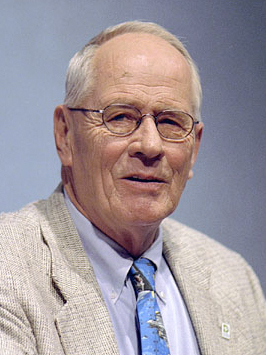
Other offenders included journalists, as well as the prominent American historian Stephen E. Ambrose, who unhesitatingly appropriated passages from a colleague’s book for his own bestseller, *The Wild Blue* [4].
Politicians also like to plagiarize
In politics, Joe Biden was forced to end his presidential campaign in 1987 after it was discovered that he had appropriated parts of a speech by British politician and Labour Party leader Neil Kinnock [5]. Biden later also had to publicly admit that he had made a similar mistake during his first year of law school [5].
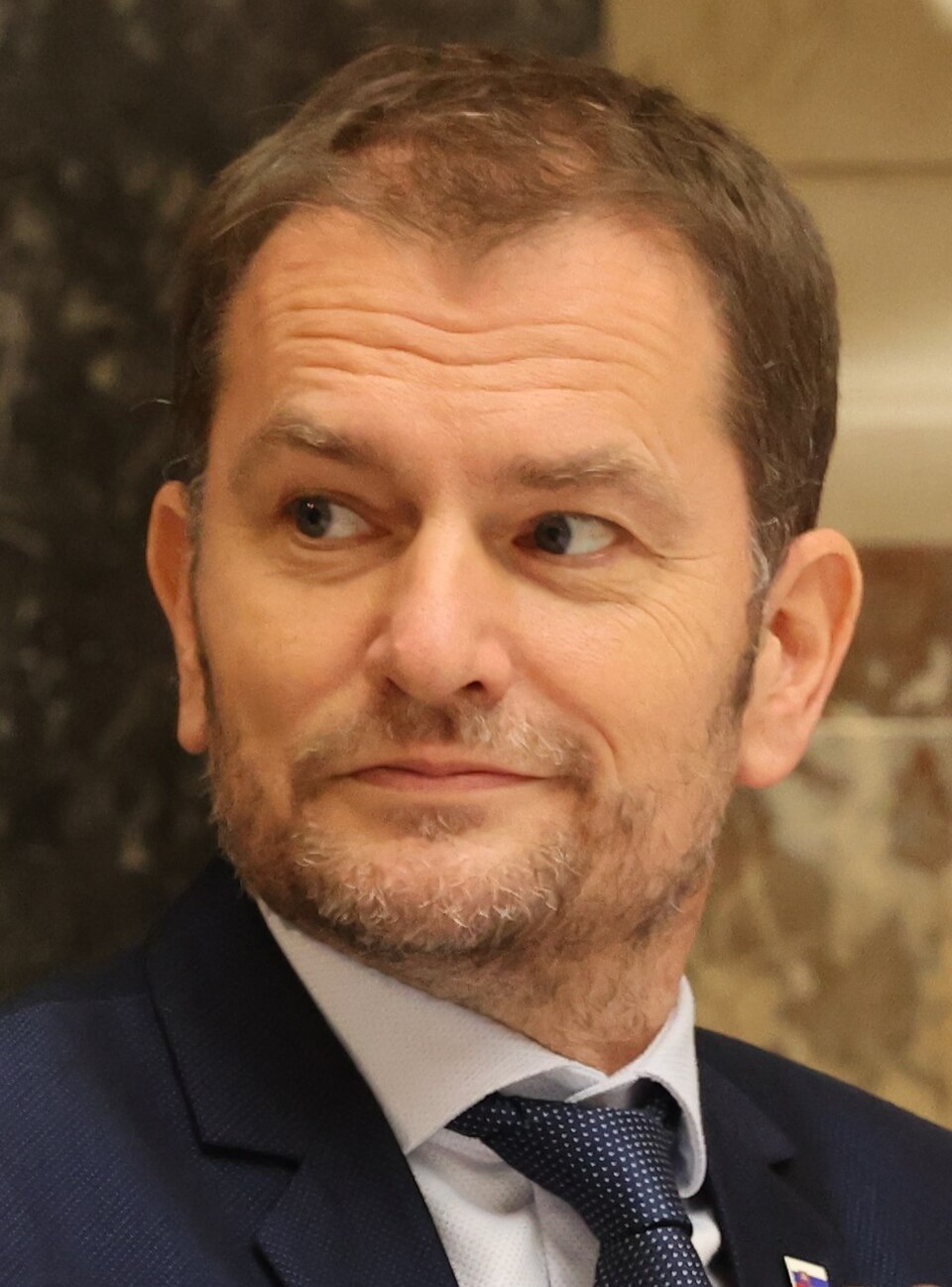
With the rise of the internet and the availability of information, the number of similar scandals is increasing globally, a trend that also applies to the recent Slovak political scene [5]. Former Prime Minister Igor Matovič also had to face his own scandal involving a plagiarized thesis [16,22]. Matovič admitted his mistake and apologized to honest students, but refused to resign from his high office over the matter [22].
This highlights the stark contrast between public reactions to academic fraud in Slovakia and in the developed world. While elsewhere in the world, having papers written to order or plagiarism is viewed as a serious problem and politicians resign from their posts, in Slovakia, nothing usually happens [1,7]. Matovič and other officials easily survived no-confidence votes and retained their positions despite proven scandals [16].
This lax attitude extends to Slovak universities, which often seek to defend their prominent alumni rather than impose just consequences [17]. Such conduct casts a negative light on the entire Slovak higher education system and significantly harms students who have truly earned their degrees through hard work [17].
Society itself reacts lukewarmly to these scandals, and citizens’ attitudes toward plagiarism are often determined more by their political sympathies than by a sense of academic integrity [17].
Alexander Matuška had already predicted this silent tolerance of fraud in the past through his uncompromising and critical exposure of literary plagiarism at the time. He sadly noted that it is absolutely typical of our cultural life for people to pat each other on the back and under no circumstances want to get into a fight [20].
Fighting for ideas and championing quality is, in fact, still often considered improper here, which consistently prevents a more forceful condemnation of academic theft [20].
List of References
[2] See, for example, CSIBA, Karol: Between *The Living Whip* and *The Guardist* (notes on the memoirs, fiction, and journalism of Milo Urban). In: Slovenská literatúra, vol. 62, 2015, no. 5, pp. 427–434.
[3] See, for example, BARBORÍK, Vladimír: The Prose Writer Gejza Vámoš, op. cit., p. 178.
[4] Historian Stephen E. Ambrose Is Accused of Plagiarism | Communication and Mass Media | Research Starters | EBSCOhost https://www.ebsco.com/research-starters/communication-and-mass-media/historian-stephen-e-ambrose-accused-plagiarism
[5] Copycat: 15 Examples of Plagiarism Throughout History - ContentBot Blog https://www.contentbot.ai/blog/news/15-examples-of-plagiarism-throughout-history
[6] 140052770.pdf https://dspace.cuni.cz/bitstream/handle/20.500.11956/1344/140052770.pdf?sequence=4&isAllowed=y
[7] fraud - petrus - Blog - Pravda https://petrus.blog.pravda.sk/tag/podvod/page/2
[8] Or rather, he took advantage of the publication space. Matuška emphasized right in the introductory note to the article, in which he exposed J. E. Bor’s plagiarism, that the text had been rejected by the editorial boards of Smery, Slovenské pohľady, and Elán. The article was ultimately published by Přítomnost. See: M ATUŠKA, Alexander: “A Story from Slovak Literature (Empirical Frauds of a Transcendental Critic).” In: M ATUŠKA, Alexander: Dielo I. Bratislava: Tatran, 2010, p. 61.
[9] In the 1930s, not only J. E. Bor but also Dobroslav Chrobák and Milo Urban were accused of plagiarism. A scandal that transcended the literary sphere was the dispute over the works of Gejza Vámoš, known as the “Bahňany Affair.” The Davists eventually sparked a scandal surrounding the awarding of regional literary prizes. All of these events received considerable coverage in the cultural, social, and literary press of the time.
[10] Lidell, H.G., Scott, R., 1940. Πλάγιον. In: Jones, H.S., McKenzie, R. (Eds.), A Greek-English Lexicon. Clarendon Press, Oxford. Perseus Digital Library www.perseus.tufts.edu
[11] Harper, D., 2001. Plagiarism. Online Etymology Dictionary. www.etymonline.com
[12] Lubell, S., 2020. Plagiarism. In: David, M.E., Amey, M.J. (Eds.), The Sage Encyclopedia of Higher Education. Sage, London. Credo Reference.
[13] Thomas, M.W., 2000. Eschewing credit: Heywood, Shakespeare, and plagiarism before copyright. *New Literary History* 31 (2), 277–293. doi:10.1353/nlh.2000.0025.
[14] Vint, R., 2008. Eternal recurrence: An iterative history of plagiarism. Tux Deluxe www.tuxdeluxe.org
[15] A Short History of Academic Plagiarism: Key Cases & Evolution https://www.quetext.com/blog/short-history-academic-plagiarism
[16] https://www.aljazeera.com/news/2020/7/24/slovakias-pm-survives-no-confidence-vote-over-plagiarism
[17] Slovakia’s Spy Chief Accused of Plagiarism - Plagiarism Today https://www.plagiarismtoday.com/2025/09/25/slovakias-spy-chief-accused-of-plagiarism
[18] For more on this topic, see the chapter on Peroutka and Přítomnost.
[19] In 1933, Matuška wrote to Andrej Mráz, editor-in-chief of Slovenské pohľady: “So this is not about some personal revenge, but—how ironic!—about the truth” (MRÁZ, Andrej – MATUŠKA, Alexander. LA SNK, call no. 59 L 39).
[20] Matuška was referring primarily to Šalda’s essay “On the So-Called Immortality of Poetic Works” (1928) and the article “European Turmoil and Uncertainties,” which F. X. Šalda published in 1929 in Šalda’s Notebook. Šalda was not the only author Matuška mentioned in the context of plagiarism, but according to him, this Czech critic was “the most plagiarized” (see MATUŠKA, A.: Dielo I. Bratislava: Tatran, 2010, p. 63).
[21] M.-Bystrzak_Kritik-v-spolocnosti.pdf https://studovnaliteratury.sav.sk/wp-content/uploads/M.-Bystrzak_Kritik-v-spolocnosti.pdf
[22] Slovak Prime Minister Accused of Plagiarism in Receiving His Degree | Daily Sabah https://www.dailysabah.com/world/europe/slovakian-pm-accused-of-plagiarism-in-receiving-his-degree
[23] [PDF] Daniel Majling - Slovak Literary Center https://www.litcentrum.sk/sites/default/files/periodical_issues_files/kr_april_2020_web.pdf
[24] Matuška, A.: On the Fame of Plagiarism Among Us. In: Matuška, A.: Works I. Bratislava: Tatran, 2010, pp. 80–81.
[25] New Book: The Slovak Intellectual Alexander Matuška https://www.litcentrum.sk/clanok/novy-titul-slovensky-intelektual-alexander-matuska
[26] A Very Brief History of Plagiarism - Plagiarism Today https://www.plagiarismtoday.com/2026/04/01/a-very-brief-history-of-plagiarism
[27] Two senior officials at the Faculty of Law of Matej Bel University (UMB) in Banská Bystrica submitted a student’s thesis as their own research paper | Aktuality.sk https://www.aktuality.sk/nazivo/f528m6AB0HT7qyU1OiK1?jw_start=%7Bseek_to_second_number%7D
[28] Student Council Calls for Investigation into Allegations of Plagiarism at the UMB Faculty of Law https://www.aktuality.sk/article/KE358we/student-council-calls-for-investigation-into-allegations-of-plagiarism-at-umb-law-school