Tour de France or Tour de Doping?
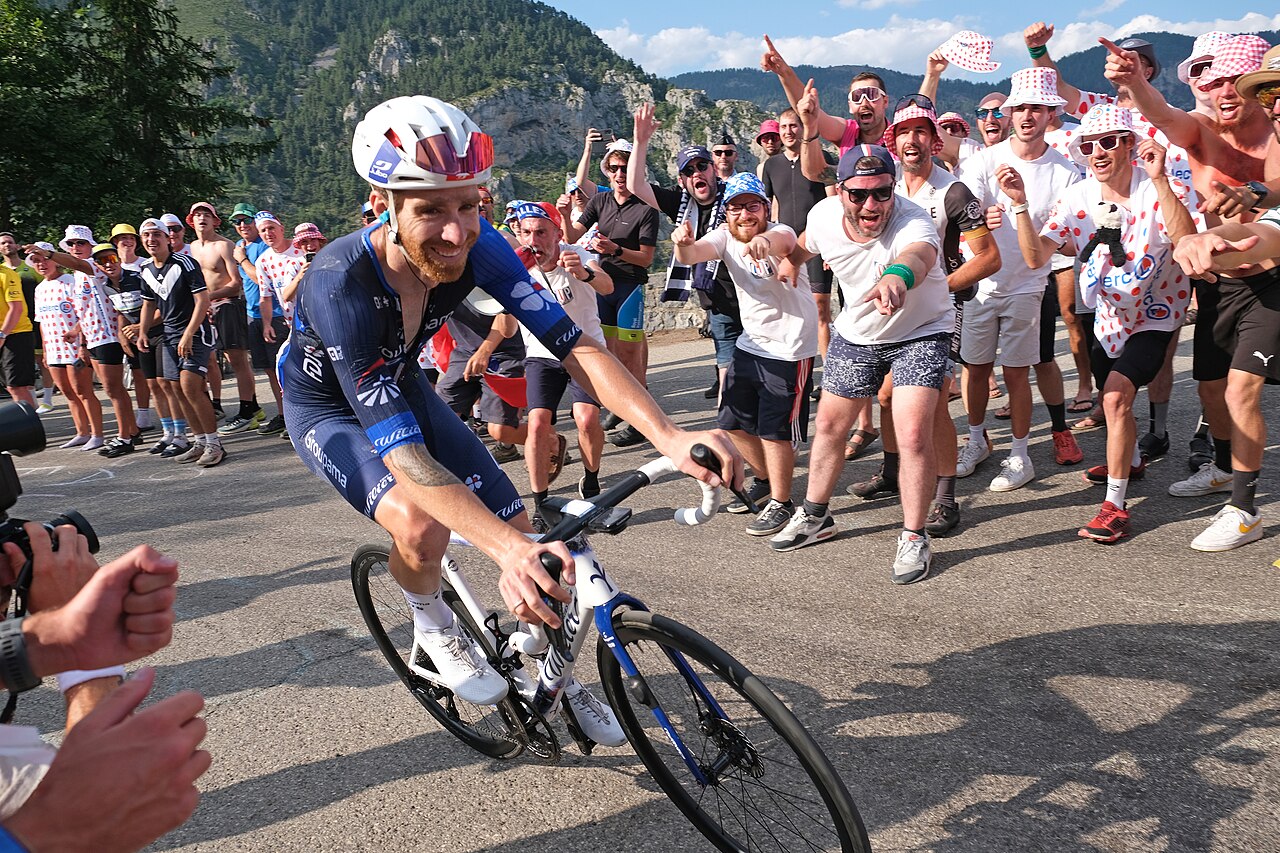
The Tour de France, currently underway, is once again drawing millions of fans who marvel at the cyclists’ superhuman feats on grueling mountain passes. Behind this sporting beauty, however, lies a long and dark history of cheating that has fundamentally shaped the race as we know it today. From the very first editions to the present day, organizers have had to contend with riders’ attempts to gain any kind of unfair advantage.
Bizarre Cheating Scandals: From Cyclists on Trains to the First Amphetamines
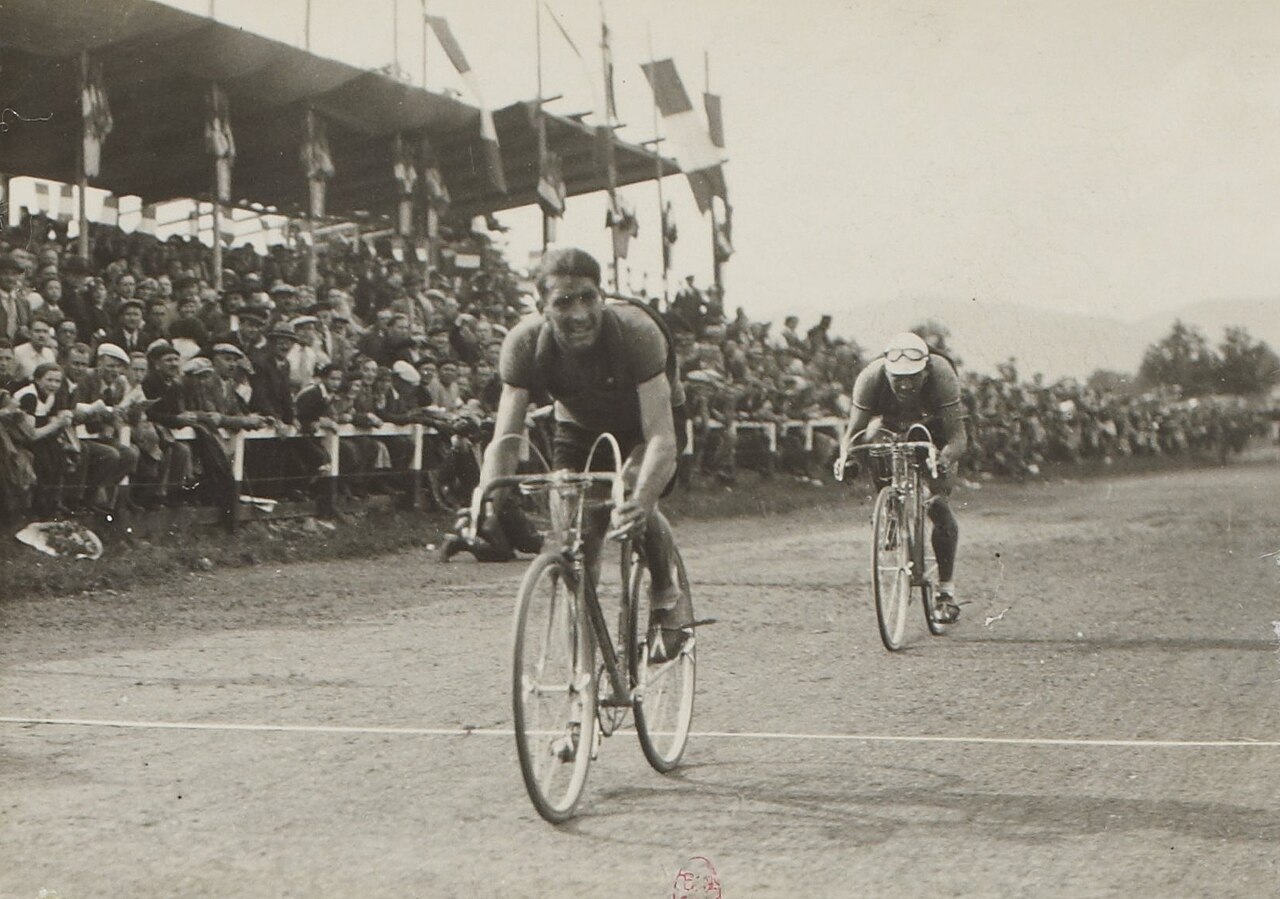
As early as the first years of the Tour de France, in 1903 and 1904, riders cheated by riding on trains or in cars, or by having themselves pulled by a vehicle using a rope while holding a cork in their mouths [16]. Later, they relied on various stimulants, such as alcohol, caffeine, heroin, or strychnine, to suppress the intense pain and fatigue caused by extreme exertion [5].
As late as the 1960s, the use of amphetamines was so common that virtually no professional rider competed in a major race without them in their system [26].
The death of British champion Tom Simpson on the dreaded Mont Ventoux climb in 1967—whose autopsy revealed the presence of amphetamines—led to the introduction of the very first anti-doping tests [17]. Even that, however, did not stop some riders, who immediately sought ways to deceive investigators right at the testing stations.
In 1978, for example, Belgian champion Michel Pollentier was disqualified after attempting to submit clean urine from a synthetic bladder hidden under his armpit [6].
A major turning point in the modern history of professional cycling came with the widespread Festina scandal during the 1998 Tour de France [1]. At the time, French customs officials randomly detained masseur Willy Voet at the border; his car was found to be full of vials of EPO, growth hormones, and testosterone [3].
Subsequent police raids and confessions uncovered a massive system of organized doping, which led to the team’s disqualification and the threat of canceling the entire race [24].
This historic scandal revealed that doping was being used in a strictly systematic manner in cycling, shattering fans’ illusions and exposing a massive failure on the part of the oversight bodies of the time [7]. The most significant societal consequence of the scandal was a meeting of the International Olympic Committee and the subsequent establishment of the independent World Anti-Doping Agency (WADA) in 1999 [23].
This definitively ended the era of tolerated doping organized by team management and ushered in a period of stricter enforcement measures [1].
Armstrong’s Fake Smiles
However, the period that immediately followed brought about the greatest sports fraud in history, with the famous American Lance Armstrong as its central figure. The U.S. Anti-Doping Agency (USADA) later described the practices within his team as the most sophisticated and successful doping program the sports world had ever seen [10].
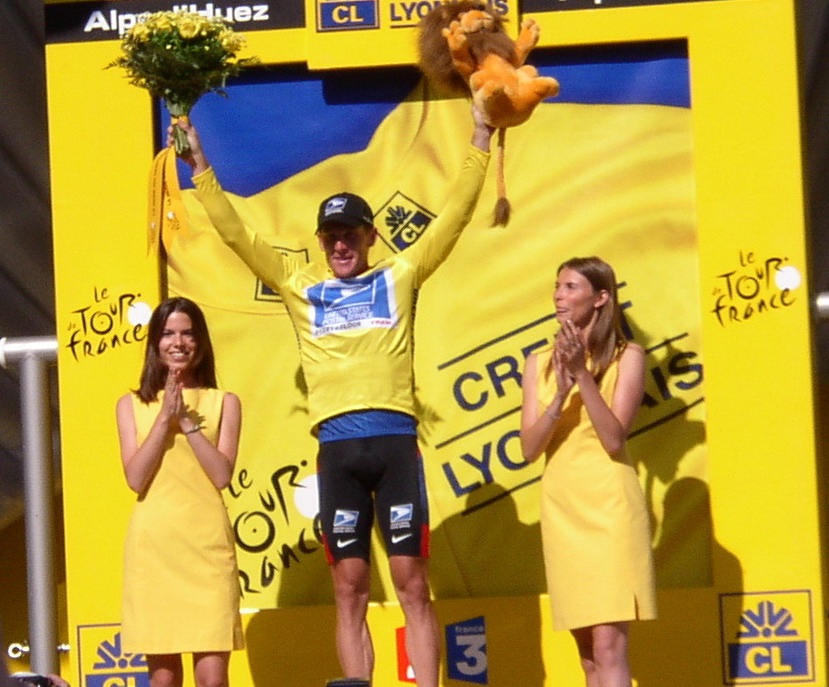
The investigation revealed that the team deliberately relied on blood transfusions, EPO, and saline solution, which the cyclists used to successfully deceive doping commissioners [14].
The consequences for Armstrong following his conviction were devastating, as he received a lifetime ban and was stripped of all seven of his Tour de France titles from 1999 to 2005 [11]. The loss of his reputation led to the immediate withdrawal of major sponsors such as Nike, Trek, and Oakley, and he was also forced to step down from the leadership of his own Livestrong charity [12].
Furthermore, the organizers decided not to declare a winner for that seven-year period, as it was nearly impossible to find a clean rider among the top finishers [21].
Refusing to Learn the Lesson, or the Annual Scandals
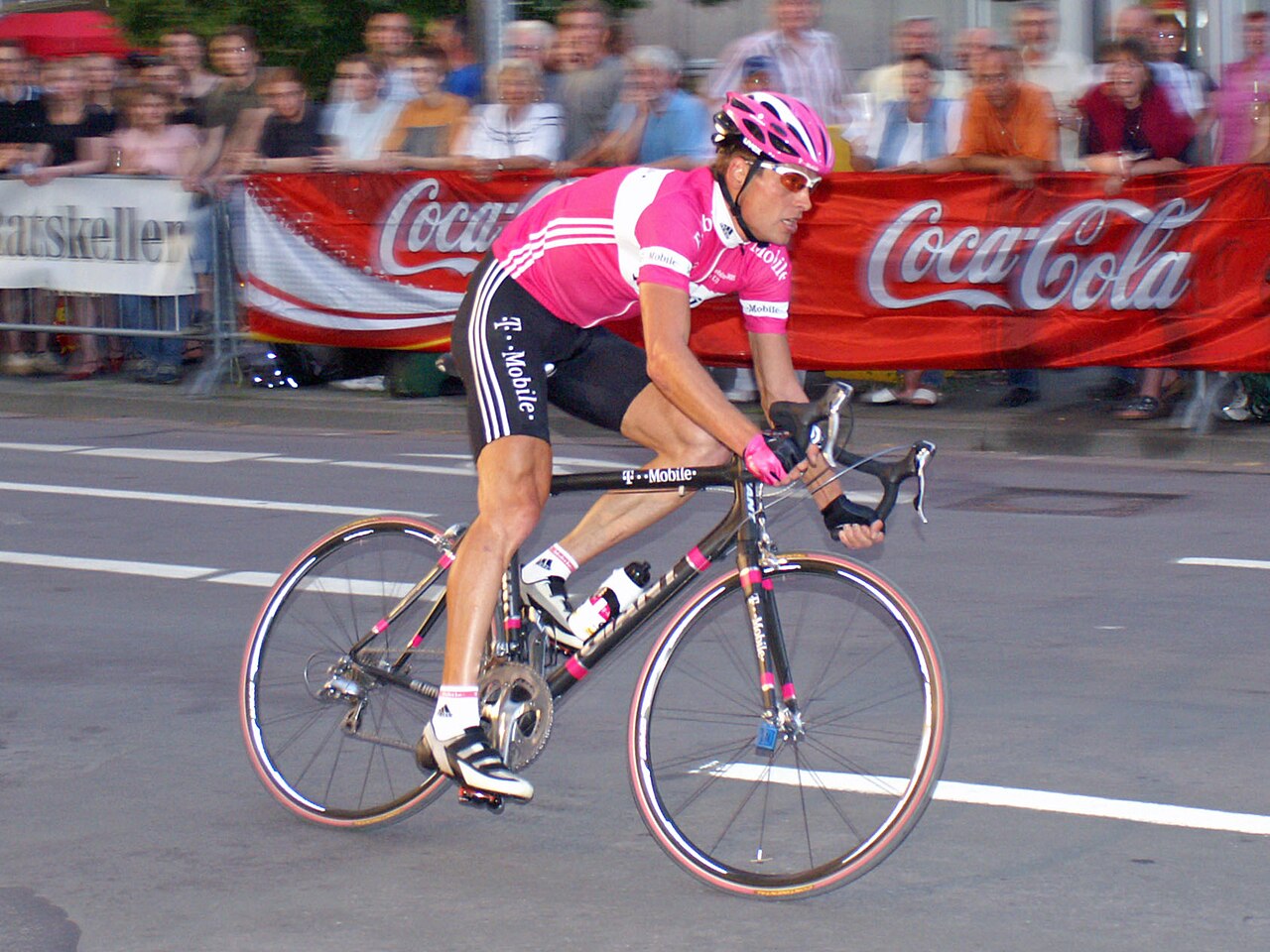
The Spanish police operation Operación Puerto in 2006, which uncovered Dr. Eufemiano Fuentes’ blood-doping network, also dealt a massive blow to professional sports [15].
A number of top favorites, including Jan Ullrich and Ivan Basso, had to be disqualified just before the start of the Tour de France due to their involvement in this network [2]. Floyd Landis was also caught up in a scandal that same year; after testing positive for synthetic testosterone, he lost his overall victory and received a two-year suspension [15].
Cycling was not spared controversy in subsequent years either, the most famous example being Alberto Contador, the 2010 winner, who tested positive for the banned substance clenbuterol and was stripped of his title [4].
These constant scandals have left a deep mark on how the general public and major international sponsors perceive the race. Fans felt betrayed by decades of lies, which led to a high degree of cynicism and an inherent distrust of riders’ exceptional performances [2].
The German television networks ARD and ZDF even stopped broadcasting the Tour de France live for several years because doping scandals had destroyed viewer demand for the sport [19]. Paradoxically, in the eyes of the deceived public, the burden of proof shifted from testing laboratories directly to the riders themselves [19].
Instead of the presumption of innocence, many viewers still adhere to the harsh rule that an exceptionally successful rider is guilty until he can prove his absolute innocence [19].
Is this year’s Tour… clean?
Even during the current Tour de France, elite riders are therefore occasionally subjected to immense pressure from uncomfortable questions from journalists. For example, the successful Danish cyclist Jonas Vingegaard recently had to directly address questions at a press conference about the use of banned substances in the context of cycling’s dark history [18].
This confirms the bitter reality that, although cycling is now the most strictly regulated sport, the ghosts of its tainted past will never truly leave it [13].
In an effort to definitively clear its reputation, the Tour de France is now subject to one of the most comprehensive anti-doping programs in the world, led by the independent International Testing Agency (ITA) [25].
A major breakthrough was the introduction of the Athlete Biological Profile (ABP) in 2008, which, rather than directly searching for banned substances, monitors suspicious fluctuations in blood values over the long term [9]. This innovative system was recently enhanced with an endocrine module, which helps testers better detect the misuse of growth hormones and testosterone [22].
Testing today is highly sophisticated and primarily based on intelligence, enabling the ITA to conduct approximately 350 out-of-competition tests in the month leading up to the start of the race [22]. During the three-week Tour de France itself, approximately 600 blood and urine samples are then collected from riders right in the thick of the action [25].
"Weapons" Against Cheaters in the Future
The secure storage of selected samples for a period of ten years also serves as an extremely effective deterrent, as it allows for their precise reanalysis using modern methods in the future [22].
However, the integrity and overall fairness of the current Tour de France are threatened not only by banned substances but also by a modern technological threat in the form of mechanical doping. Fans and experts are particularly suspicious of unexplained bike changes just before demanding mountain climbs or right before the final sprint to the finish line [20].
It is precisely these hidden motors, which are invisibly integrated directly into the bicycle frames, that many top riders in the peloton also consider a real and serious problem [8].
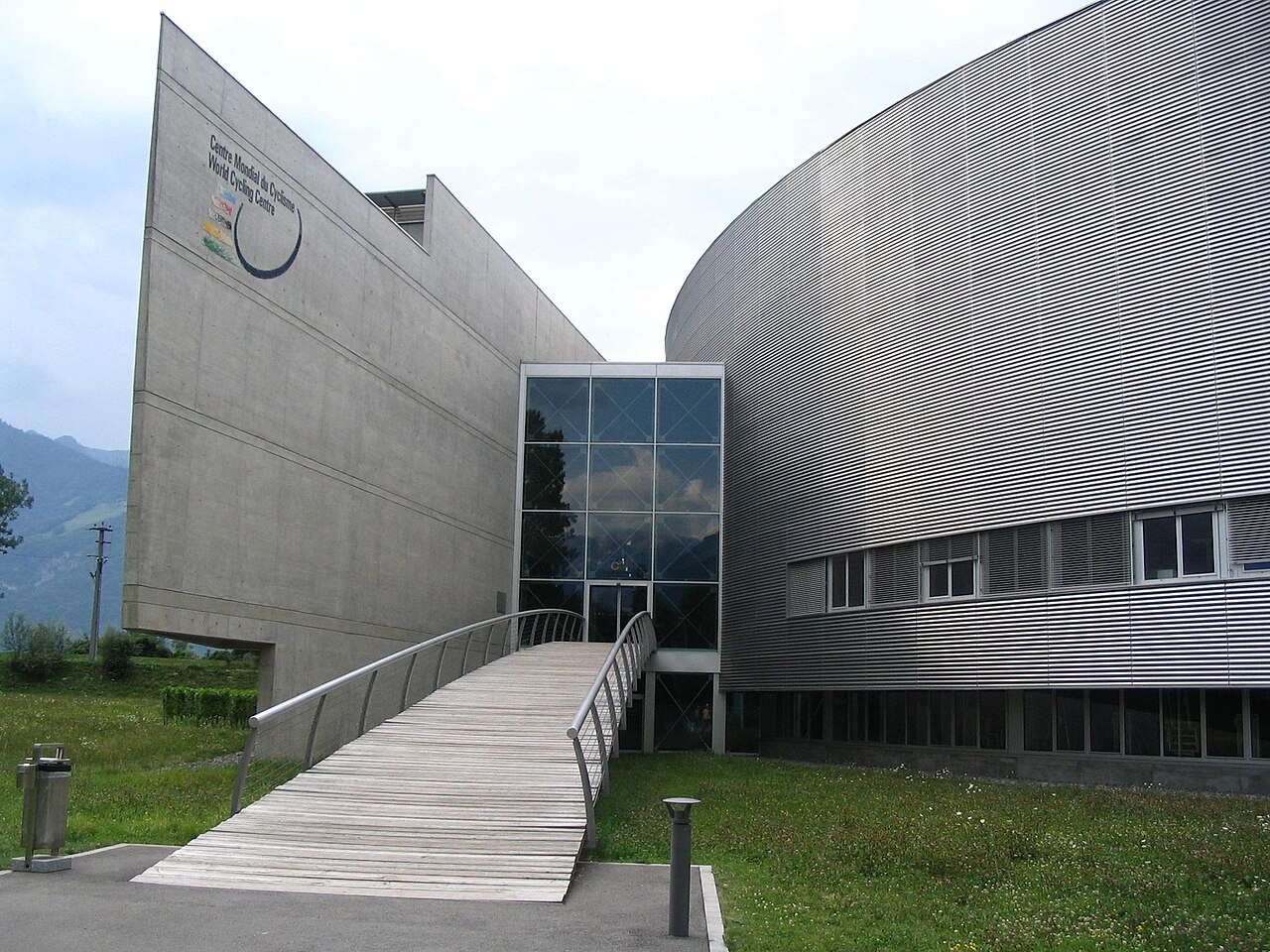
The International Cycling Union (UCI) is fighting this threat aggressively by deploying advanced, non-invasive inspection tools right next to the team buses.
Technical commissioners regularly scan riders’ bicycles using special magnetic tablets, portable X-ray machines, or thermal imaging, which can instantly detect the heat emitted by a hidden motor [20].
Although no rider has yet been officially caught using a motor at a top-tier World Tour race, strict inspections and conspiracy theories continue unabated [20].
The history of the famous Tour de France is thus an endless battle between admirable human determination and the riders’ efforts to find forbidden shortcuts to victory.
Today’s generation competes in an incomparably cleaner and more strictly monitored environment, where massive systems of organized team doping are a thing of the past.
However, the task facing today’s riders is not only to compete for the yellow jersey but also, through absolute transparency, to gradually regain the hard-won trust of a disillusioned public.
List of References
[1] The development of doping use in high-level cycling: from team-organized doping to advances in the fight against doping - PubMed https://pubmed.ncbi.nlm.nih.gov/22092601
[2] Tour de France Is Hit with a Doping Scandal https://www.ebsco.com/research-starters/sports-and-leisure/tour-de-france-hit-doping-scandal
[3] Cour d’Appel de Douai, 6eme Chambre, Dossier N. 01/01764 (5 March 2002) French Court judgment, at p. 23.
[4] Arbitration CAS 2011/A/2384 Union Cycliste Internationale (UCI) v. Alberto Contador Velasco & Real Federación Española de Ciclismo (RFEC) & CAS 2011/A/2386 World Anti-Doping Agency (WADA) v. Alberto Contador Velasco & RFEC.
[5] Larry D. Bowers, “Anti-Dope Testing in Sport: The History and the Science,” Vol. 26 The Faseb Journal 3936 (2012). Available: http://www.fasebj.org/content/26/10/3933; Morente-Sanchez et al., “Attitudes towards Doping and Related Experience in Spanish National Cycling Teams According to Different Olympic Disciplines,” PLoS ONE 8(8) (2013). Available: http://www.pilarmartinescudero.com/bibliografia_dopaje/australianos/zabala_2013.pdf; and Mike Rissanen, “Beer breaks during the Tour de France. Some observations on beer and cycling in the early 1900s,” Ludica, 17-18, (2011-2012). Available: https://www.academia.edu/7065151/Beer_breaks_during_the_Tour_de_France._Some_observations_on_ beer_and_cycling_in_the_early_1900s.
[6] Michel Pollentier Rider’s Biography. Available: http://www.cyclinghalloffame.com/riders/rider_bio.asp?rider_id=204.
[7] Vest Christiansen, “The Legacy of Festina: Patterns of Drug Use in European Cycling Since 1998”, Sport in History, Vol. 25, No. 3 (2005). Available: http://pure.au.dk//portal/files/48656108/09_Legacy_of_Festina_Christiansen.pdf.
[8] CYCLING INDEPENDENT REFORM COMMISSION ... https://www.sportsintegrityinitiative.com/wp-content/uploads/2016/03/CIRCReport2015_Neutral.pdf
[9] Mario Zorzoli, “Biological passport parameters”, J. Hum. Sport Exerc. Vol. 6, No. 2, pp. 205-217 (2011). Available: http://www.jhse.ua.es/jhse/article/view/215.
[10] Lance Armstrong doping case - Wikipedia https://en.wikipedia.org/wiki/Lance_Armstrong_doping_case
[11] Macur, Juliet (October 22, 2012). "Lance Armstrong Is Stripped of His 7 Tour de France Titles". The New York Times. Retrieved October 22, 2012.
[12] "Lance Armstrong dropped by Nike over doping evidence". BBC Sport. October 17, 2012. Retrieved October 17, 2012.
[13] Cycling’s suspicions about doping are rising again: ‘Questions need answering’ - The Athletic https://www.nytimes.com/athletic/7067496/2026/02/26/cycling-doping-suspicions-2026-season
[14] Tour de France route changed to win back fans after Lance Armstrong scandal - Yahoo Sports https://sports.yahoo.com/news/tour-de-france-route-changed-to-win-back-fans-after-lance-armstrong-scandal.html
[15] Famous Doping Cases - The Biggest Scandals in Cycling 2025 https://www.radmarkt.com/wiki-radrennen/regeln-und-regularien/anti-doping/beruhmte-dopingfaelle?lang=en
[16] Cheating at the Tour de France — a rich history dating back 120 years - Cycling News | Bike Reviews | road.cc https://road.cc/content/feature/cheating-tour-de-france-rich-history-302189
[17] 9 Doping Scandals That Changed Sports https://www.history.com/articles/doping-scandals-through-history-list
[18] Silva Rúben. (2023, July 17). "All I can say is that I'm not taking anything" - Jonas Vingegaard tackles head on doping question. CyclingUpToDate.com. https://cyclinguptodate.com/cycling/all-i-can-say-is-that-im-not-taking-anything-jonas-vinge gaard-tackles-head-on-doping-question
[19] Sports fans, doping and fairness: an investigation through professional road cycling. – Sicycle https://sicycle.wordpress.com/2015/03/13/sports-fans-doping-and-fairness-an-investigation-through-professional-road-cycling
[20] Hidden Motors in Cycling - The Mechanical Doping Story | Roadman Cycling https://roadmancycling.com/podcast/ep-2047-the-dark-secret-behind-hidden-motors-in-cycling
[21] Cyclist Lance Armstrong stripped of Tour de France titles https://www.wsws.org/en/articles/2012/10/lanc-o27.html
[22] The ITA to deliver – on behalf of the UCI - a comprehensive, intelligence-driven anti-doping program for the 2025 Tour de France - International Testing Agency https://ita.sport/news/the-ita-to-deliver-on-behalf-of-the-uci-a-comprehensive-intelligence-driven-anti-doping-program-for-the-2025-tour-de-france
[23] Doping in cycling: Everything you need to know | Cyclist https://www.cyclist.co.uk/in-depth/doping-cycling
[24] From Festina to Team Telekom/Team T-Mobile – Doping ... https://uni-freiburg.de/wp-content/uploads/Symposium_Freiburg_2011_Hacke.pdf
[25] Tour de France: Boosted Tests for Technological Fraud, Anti-Doping https://velo.outsideonline.com/road/road-racing/tour-de-france/tour-de-france-ramped-up-tests-for-technological-fraud-and-anti-doping
[26] Rabenstein, R. (1997). Some facts about the history of doping in cycling competition. In N. Oddy and R.Van der Plas (Eds.), 8th International Cycle History Conference (Vol. 8, pp. 119-130). Glasgow, Scotland: Van der Plas Publications.