Mohács marked the end of medieval Hungary
Today we commemorate the 500th anniversary of the Battle of Mohács, which took place on August 29, 1526 [1,5].
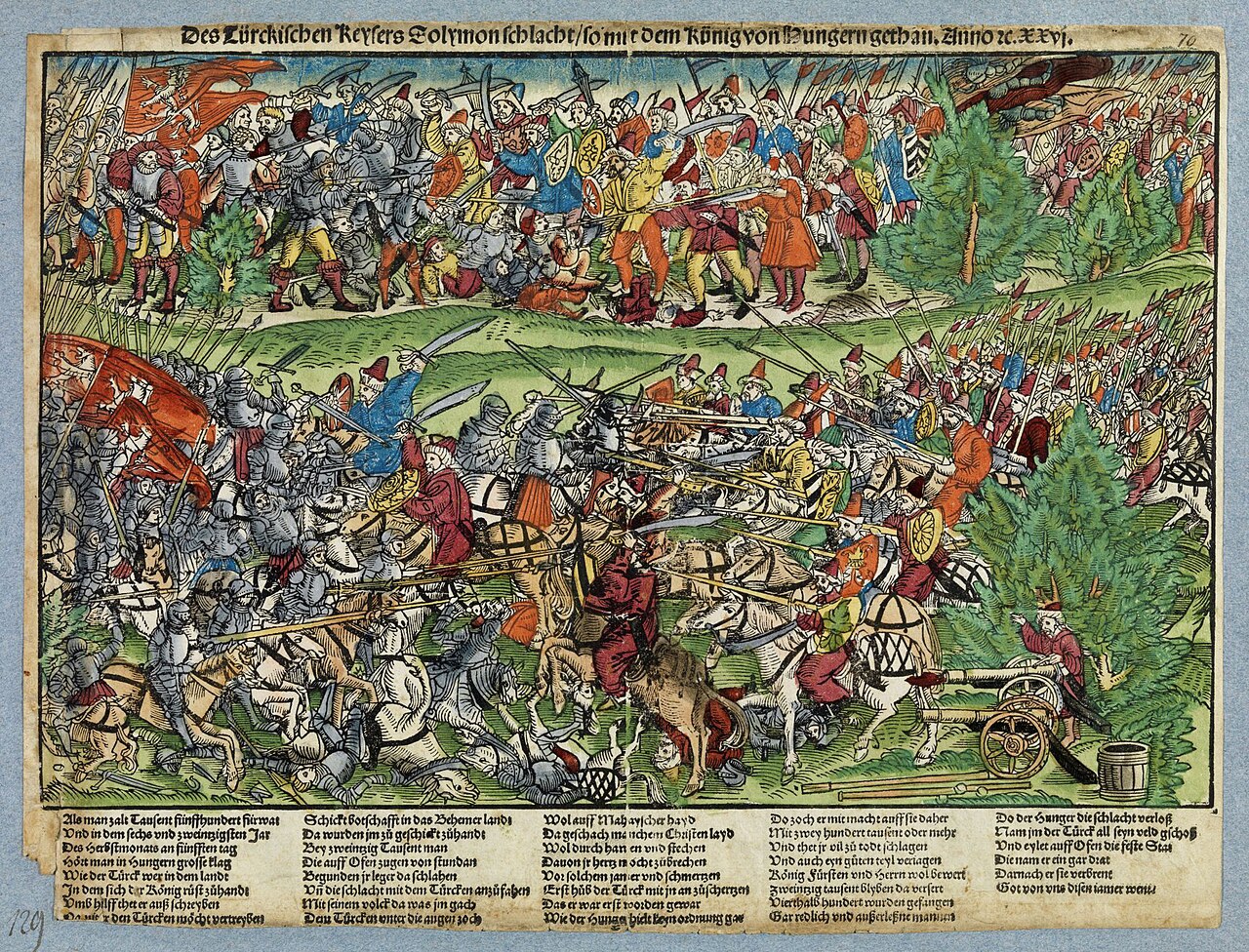
This event is not only one of the most significant military engagements, but in historical consciousness it is associated with the end of the Middle Ages and the dawn of the early modern era in Central Europe [5,8]. Even after five centuries, Mohács remains a symbol of the turning point after which the world of Central Europe changed fundamentally, and a return to its previous state was no longer possible [4].
The Road to Catastrophe
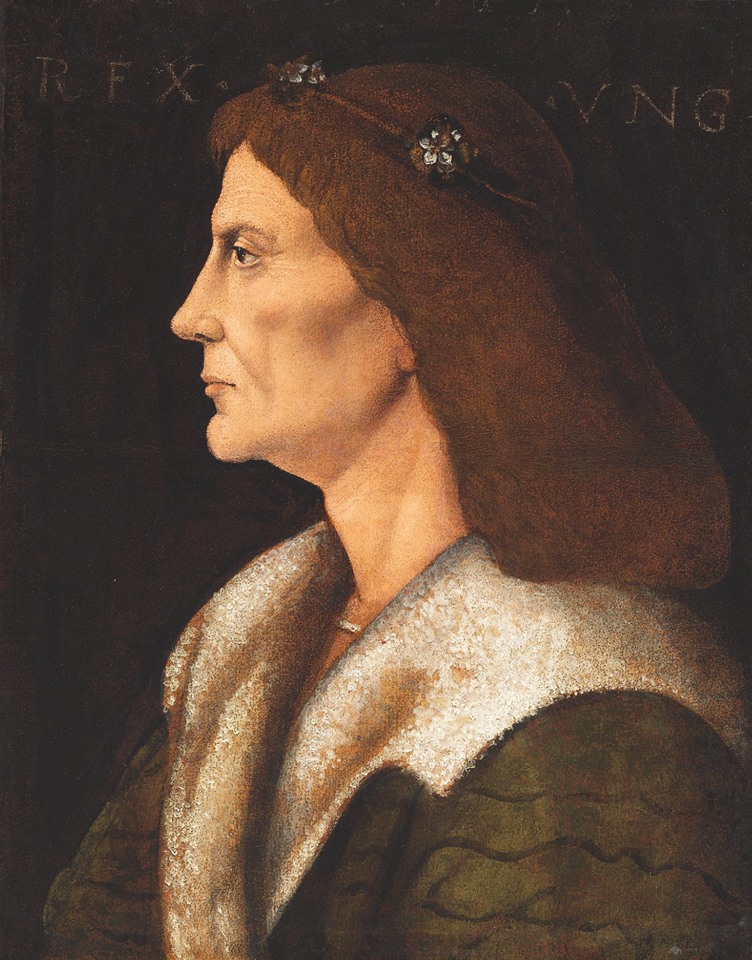
At the beginning of the 16th century, the Kingdom of Hungary was in the throes of deep internal problems and was descending into chaos [5,16]. After the death of King Matthias Corvinus in 1490, the Hungarian magnates placed the notoriously weak Vladislaus II on the throne, who donated most of the royal estates to the nobility [1]. The resulting naive fiscal policy caused the central government to face serious financial difficulties, and the state treasury was completely empty [1,15].
The country was in a state of economic, social, and military decay, while the nobility selfishly pursued only their own interests in power [13,15]. The standing mercenary army was disbanded, and the country’s defenses declined sharply as border garrisons went unpaid [1]. In 1514, the old king faced a peasant uprising led by Juraj Dóža; its brutal suppression meant that Hungary was no longer a politically unified nation [1].
A Rising Superpower
In contrast, the Ottoman Empire was at the height of its military power and territorial expansion at that time [4,12]. The ambitious Sultan Suleiman I, later known as Suleiman the Magnificent, turned his attention to Europe and was well aware of his opponent’s weakness [4,7]. As early as 1521, the Turks had conquered Belgrade, the strongest Hungarian fortress on the Danube, thereby rendering most of southern Hungary untenable for its defenders [1].
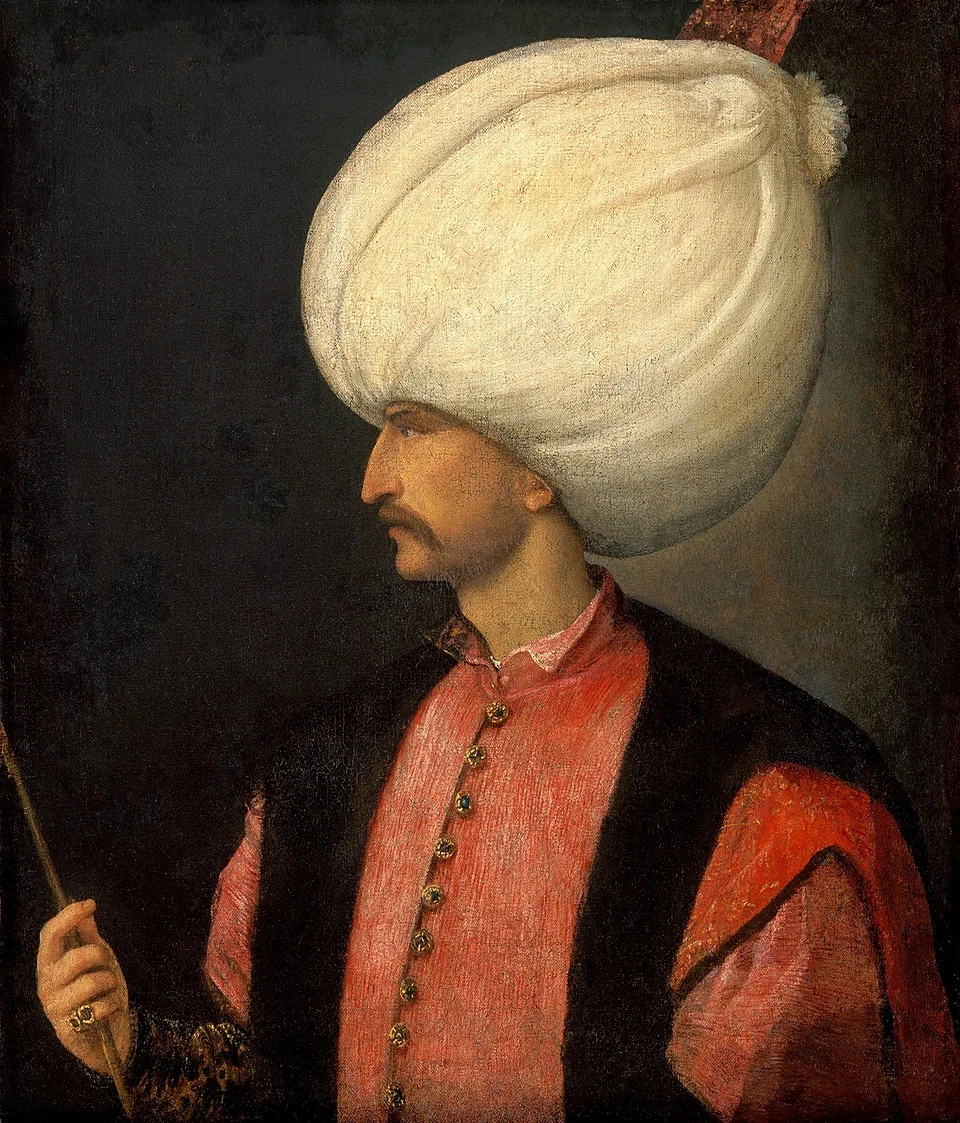
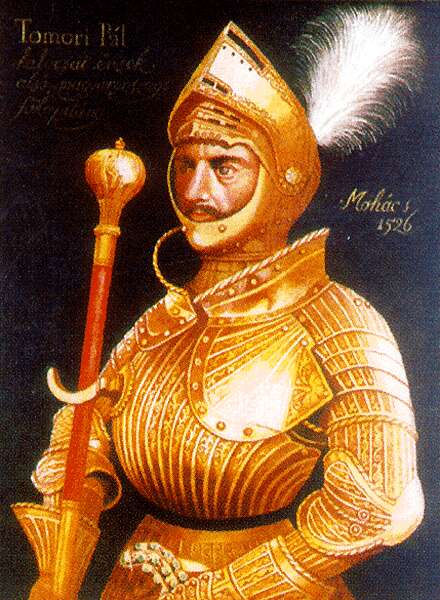
The main protagonists of this historical drama were, on one side, the young Hungarian King Louis II Jagiellon, barely twenty years old, and on the other, the Ottoman Sultan Suleiman I [4,7]. King Louis was not a strong ruler; he lacked authority and the resources for an effective defense [4,7]. The Archbishop of Kalocsa, Pavol Tomori, became the commander-in-chief of the Hungarian army; during the battle, he served as a military strategist and the monarch’s right-hand man [11].
The Zápoľský brothers were also key figures in the defense; George commanded parts of the army in the battle, and John, the Voivode of Transylvania, was supposed to arrive with his troops but did not show up on the battlefield [11,15]. Reinforcements from Croatia also failed to arrive in time. On the Ottoman side were experienced commanders such as Grand Vizier Pargalı Ibrahim Pasha, who led the Rumelian troops (that is, those recruited from the European part of the empire) [1,15].
The Decisive Battle
The Hungarian army, assembled at Mohács in the south of present-day Hungary, faced a significantly superior and much better-organized enemy [5]. Only about 25,000 to 30,000 Hungarian soldiers stood against an Ottoman army of approximately 60,000 to 80,000 [4,12,17]. The Hungarian War Council made a serious tactical error by choosing a battlefield on an open but uneven plain, which better suited the numerically superior Turkish army, although their decision can be understood as an attempt to defeat the advancing enemy in piecemeal [1,4].
A textbook clash of two military eras contributed to the fatal defeat, as it became clear that the traditional medieval method of combat was no longer effective [4,11]. While Hungary still relied on heavy knightly cavalry, the Turks relied on modern artillery and devastating tactics [4,11]. At that time, the Ottomans deployed approximately 300 cannons, which they mechanically linked together with chains, while the Hungarians possessed significantly weaker firepower [1,11].
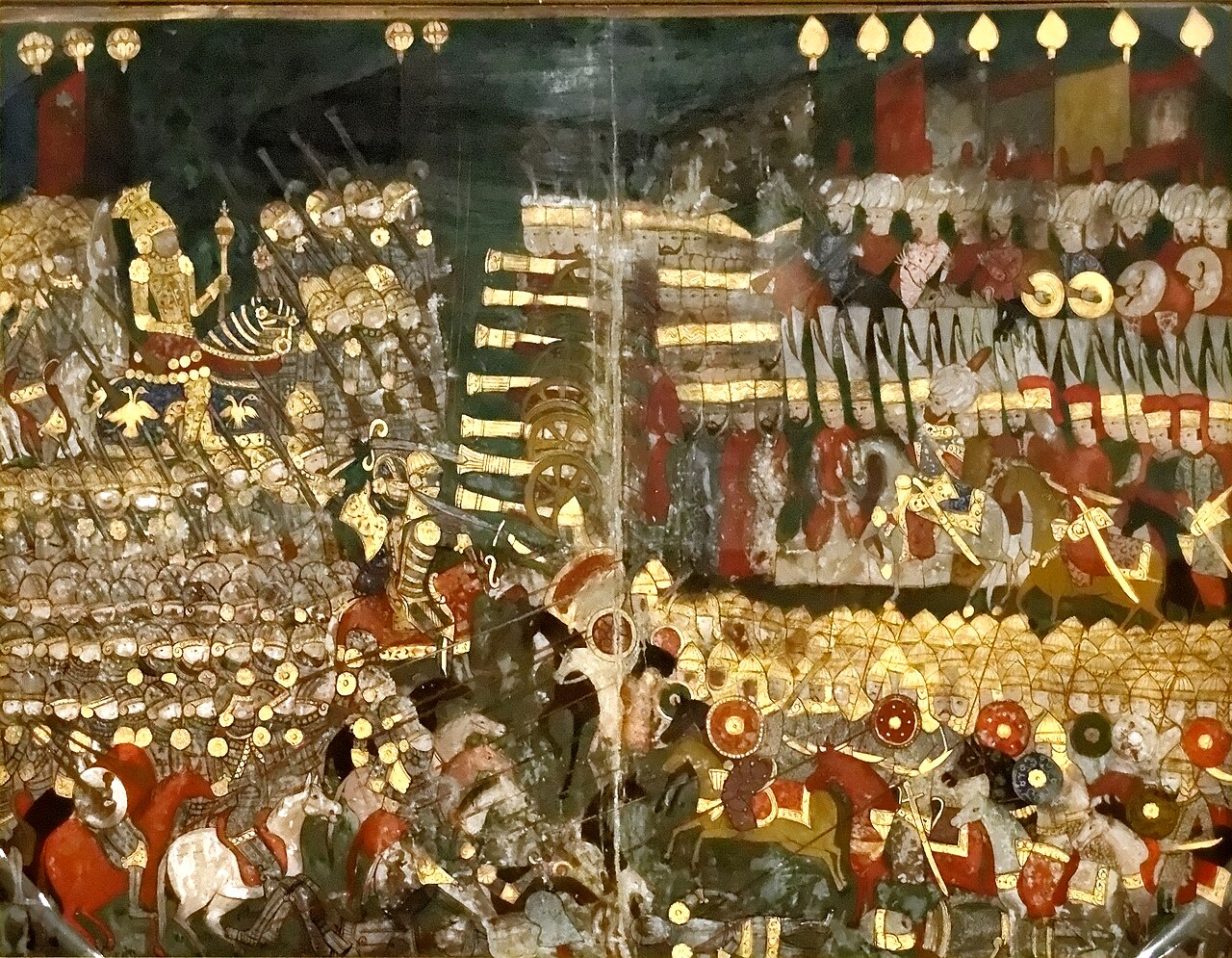
Commander Tomori staked everything on the hope that his frontal assault with heavy cavalry would take the enemy by surprise and defeat them [1]. Although the initial attack was fierce, as the Hungarian cavalry advanced deeper, it encountered the densely deployed cannons and muskets of the elite Janissaries [5,7]. The devastating crossfire from these weapons caused immense chaos in the Hungarian ranks and literally massacred the heavily armored warriors [4,7,11].
Furthermore, the muddy terrain and swamps surrounding the battlefield following the August storms prevented the retreating army from escaping quickly [4,11]. This entire bloody clash lasted barely two hours, yet its outcome was an absolute military and political catastrophe [5].
Disunity Destroyed the Kingdom
Would it have been possible at all for Hungary to defend itself against Ottoman expansion in the long term? A successful defense would have required strong central authority, sufficient finances, and a well-organized army—all of which the kingdom critically lacked [4]. Outdated military technology was simply no match for the modern Ottoman army, which was then at the absolute peak of its power [12,14].
According to historians, while Hungary had sufficient human and economic resources, it lacked the political capacity to mobilize them quickly [12]. Decision-making processes in the Hungarian system took too long, and the king did not possess the same dominant powers as the sultan [12]. This serves as a reminder that courage and chivalric tradition are not enough if society cannot unite and adapt to new conditions in times of threat [4].
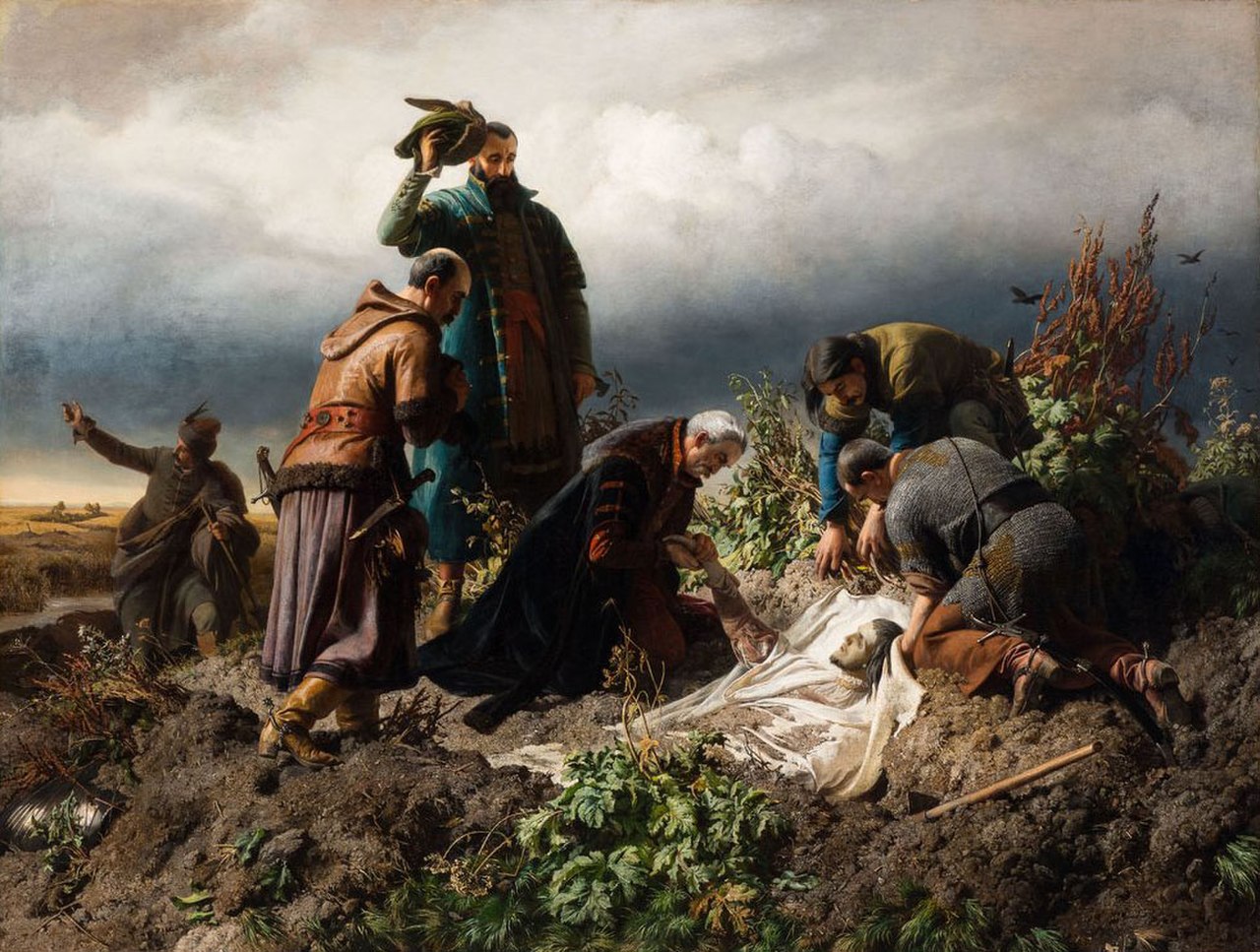
The immediate consequences of the defeat were devastating for the country. More than twenty thousand lives were lost on the battlefield, including those of Archbishop Tomori, George Zápoľský, and many high-ranking secular and ecclesiastical dignitaries and members of the elite nobility [7,8]. King Louis II fell from his horse while fleeing the battlefield and, weighed down by his armor, drowned in the swollen Csele Creek [3,17]
For a long time after the battle, Sultan Suleiman could not believe that such a small army had been fielded against him, and he waited all night for another attack [2]. Once he fully realized the extent of his victory, he staged a bloody spectacle and ordered the execution of some 1,500 prisoners, while the plundering of the surrounding area continued for several more days [7,8,15]. Just two weeks later, Ottoman troops stormed into Buda, the capital of Hungary, and mercilessly plundered it [7,8].
The Dawn of a New Era
The most fateful long-term consequence was the collapse of the medieval Kingdom of Hungary, which disintegrated into three independent entities for over 150 years [3,12]. The central territories were conquered by the Ottoman Empire; in the east, the semi-independent Principality of Transylvania emerged; and the western and northern regions fell to the Habsburgs [1,4]. The ensuing two hundred years of nearly uninterrupted fighting transformed the once-proud country into a perpetual European battlefield [1].
Since Louis II left no heir, his death tragically marked the extinction of the Hungarian-Bohemian branch of the Jagiellonian dynasty [3,12]. Based on previous dynastic treaties from 1515, as well as through marriage alliances, the claims to the Hungarian throne passed to Archduke Ferdinand I of Habsburg [5,12,15]. Ferdinand, who was the brother of Louis’s young widow, Mary, thus came to power and founded a dynasty that lasted until 1918 [7,11,18].
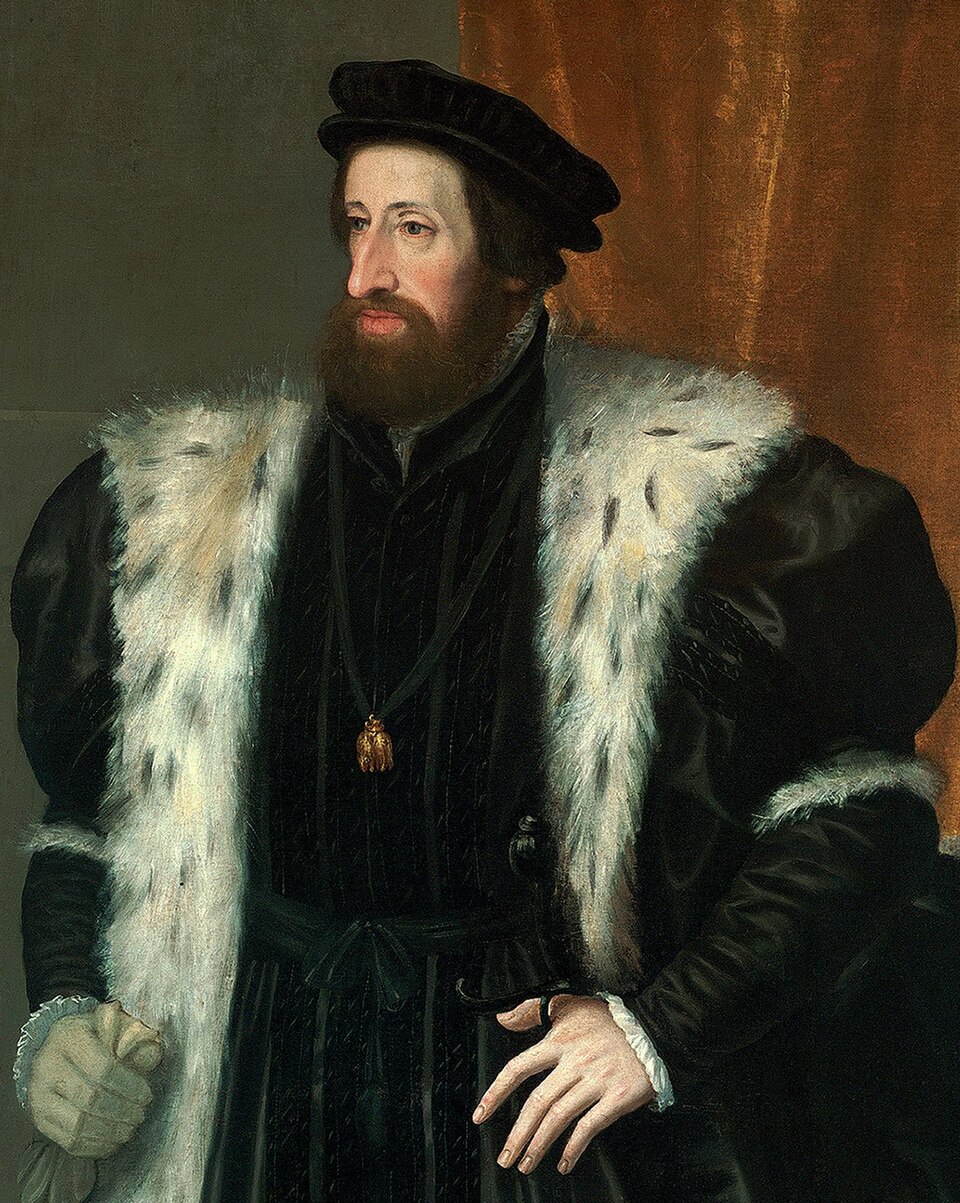
However, the Hungarian nobleman Ján Zápoľský also had a strong interest in the crown and was actively supported by a portion of the domestic nobility [10]. The struggle for the throne ultimately escalated into a bloody civil war that weakened the country to such an extent that Zápoľský did not even hesitate to ally himself directly with the sultan [4,7]. Restoring the territorial integrity of the Habsburg-ruled lands took a long 170 years and demanded immense financial and human sacrifices [12].
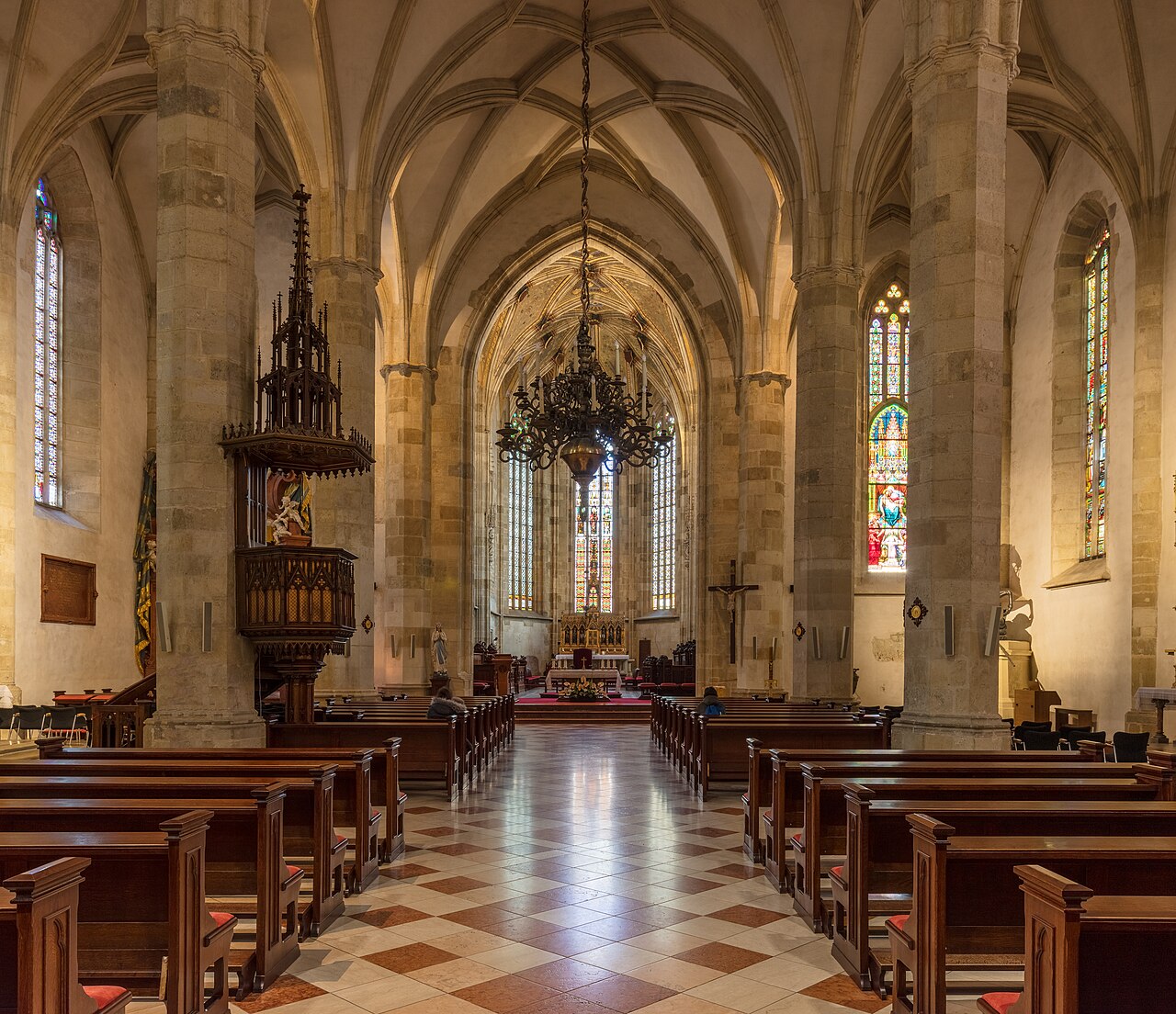
The Ottoman advance had a profound impact on the cities of present-day Slovakia. Just one day after the battle, Queen Dowager Maria fled with the royal court, the archives, and the treasury to the relatively safe city of Bratislava, then known as Poszony [11,18]. The city was protected by the Danube, lay in close proximity to the Austrian provinces, and was not under immediate threat from Turkish expansion [10,16].
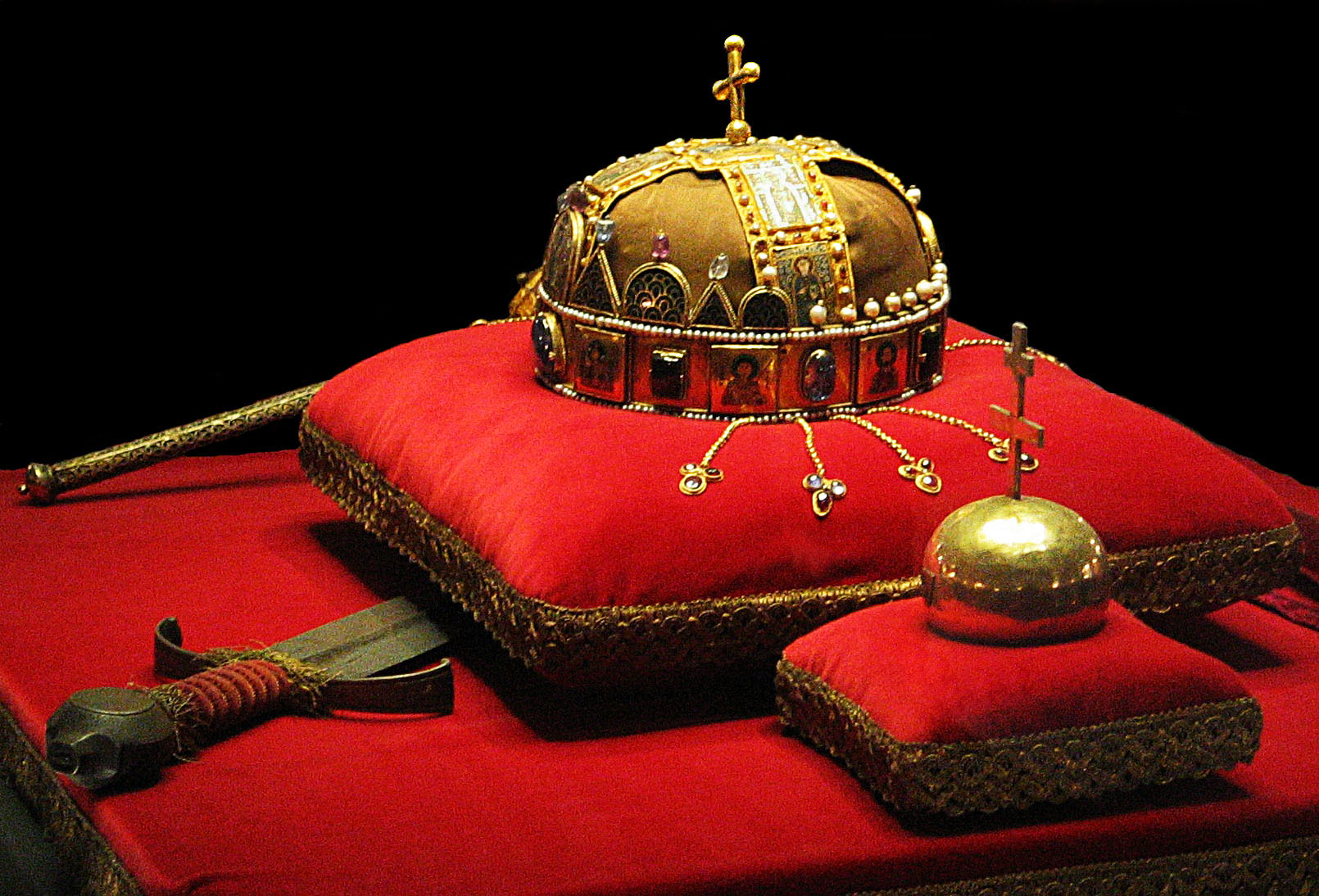
Due to its favorable location near Vienna, the Hungarian Diet decided in 1536 to declare Bratislava the capital of Hungary [9,10]. Important state offices were relocated here, and for several centuries, Bratislava became the prestigious coronation city of the Hungarian kings [1,17]. For the territory of present-day Slovakia, the battle thus brought a rise in power, but at the same time plunged it into a long period of military strain on the volatile border between empires [4,11].
Today, the historical legacy of the Battle of Mohács is viewed in various ways in our region. For many Hungarians, Mohács represents a national trauma and the permanent end of an independent, powerful European nation [1]. In Hungarian, the proverb “more was lost at Mohács” is still used today with a sigh, implying that no personal loss can compare to this national catastrophe [1,4].
In Slovakia, we view this battle from a different perspective, even though it fundamentally shaped our history and identity. Slovakia became the heart of Royal Hungary, an important bulwark of Christianity, and a center of political and cultural life [4,6,12]. This reminds us of the intertwining of our history, when two distinct worlds—Christian Europe and expanding Islam—clashed on our territory [6,12].
However, Mohács is not just a date in a textbook, but above all an important historical reminder for society as a whole. It serves as a cautionary example of how dangerous internal strife, political fragmentation, and a reluctance to accept responsibility at a critical moment can be [4]. It reminds us that history is not always shaped by long wars; sometimes, just two fateful hours are enough [14].
List of References
[1] Battle of Mohács (1526) - Wikiwand https://www.wikiwand.com/sk/Bitka_pri_Moh%C3%A1%C4%8Di_(1526)
[2] History of Slovakia. Ed. Samuel Cambel. 1st ed. Vol. I: (up to 1526). Bratislava: Veda, 1986. 534 pp. p. 425.
[3] The Holy Roman Empire, 1495–1806: A European Perspective. Leiden: Brill, 2012. Available online. ISBN 1-299-40181-3.
[4] The Battle of Mohács https://www.roy.sk/n/bitka-pri-mohaci
[5] Information Brochure: 500th Anniversary of the Battle of Mohács.pdf https://nbs.sk/dokument/3d57bc7a-5600-407d-9068-ccb1ce0fdc4f/stiahnut?force=false
[6] The Ottoman Occupation of Hungary - https://christianitas.sk/osmanska-okupacia-uhorska
[7] I Will Defeat and Destroy Your Army! At Mohács, Sultan Suleiman did exactly what he had warned King Louis against https://zivot.pluska.sk/zaujimavosti/turci-pri-mohaci-nevedeli-davno-vyhrali
[8] Ottoman–Habsburg Wars – Wikipedia https://sk.wikipedia.org/wiki/Osmansko-habsbursk%C3%A9_vojny
[9] Coronations and a Journey Through Bratislava’s History – Slovakia – Travel – pravda.sk https://www.pravda.sk/cestovanie/slovensko/clanok/5316-korunovacie-a-put-dejinami-bratislavy
[10] Coronation Ceremonies – Bratislava – The Crowned City http://www.korunovacie.sk/korunovacne-mesto.xhtml
[11] The Fateful Battle of Mohács: What Did It Take Away from and What Did It Give to Slovakia? – Unknown History – News – pravda.sk https://www.pravda.sk/news/unknown-history/article/2031543-the-fateful-battle-of-Mohács-what-did-it-take-away-and-what-did-it-give-to-Slovakia
[12] 500 Years Ago, the Fate of Hungary Was Decided at Mohács: The King Perished, and the Turks Took Control of the Country https://dromedar.zoznam.sk/cl/1005137/9480175/500-years-ago-the-fate-of-Hungary-was-decided-at-Mohács--The-King-was-killed--and-the-Turks-took-control-of-the-country
[13] Exhibition: Mohács and Its Legacy https://www.trencinregion.sk/30537/vystava-mohac-a-jeho-odkaz
[14] The Battle of Mohács: The Day That Changed Our History – Matúš Rückschloss – (blog.sme.sk) https://blog.sme.sk/r-ckschloss/historia/bitka-pri-mohaci-den-ktory-zmenil-nase-dejiny
[15] The Battle of Mohács (August 29, 1526) https://www.e-stredovek.cz/post/bitka-pri-mohaci-298-1526
[16] The Capital City of Bratislava – Criss-crossing Slovakia https://www.krizom-krazom.online/slovensko/hmba
[17] The Battle of Mohács, 1526: It Was a Close Call—Things Could Have Turned Out Differently https://www1.pluska.sk/spravy/bitka-pri-mohaci-1526-nechybalo-vela-a-vsetko-mohlo-byt-inak
[18] History of Bratislava – Wikipedia https://sk.wikipedia.org/wiki/Dejiny_Bratislavy