The World Cup—in soccer or in politics? World Championships have been plagued by scandals since time immemorial
The World Cup is often portrayed as a purely sporting and apolitical event aimed at uniting nations across continents. However, a look at history quickly debunks this myth, as the tournament has always been a powerful tool of power through which politicians have sought to gain influence and international legitimacy.
Leaders of authoritarian regimes realized that soccer’s international popularity could serve as a means of presenting a more acceptable image on the global stage [1].
The use of the World Cup for state propaganda was fully evident as early as 1934, when Italian dictator Benito Mussolini turned the tournament into a celebratory showcase of fascism [2]. Mussolini did not hesitate to use intimidation, reportedly sending a clear message to the national team before the final with the words “win or die” [3].
He subsequently sealed his home triumph by presenting the winning team with his own massive fascist trophy, the Coppa del Duce, which completely dwarfed the original soccer cup in size [4].
The very organization of this international tournament was accompanied by massive political interference in the rules of the sport. The then-FIFA president, Jules Rimet, even publicly stated that he felt as though the championship was not being organized by the football federation, but directly by Benito Mussolini [4].
Furthermore, several historical accounts suggest that the tournament was heavily marred by illegal payments and the dictator’s personal selection of referees for all important Italian matches [5].
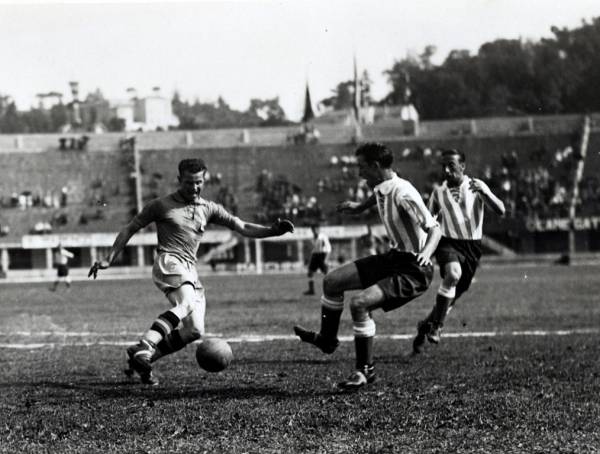
Efforts to politically control soccer were also evident in other European dictatorships during the interwar period. Nazi Germany, for example, sought to absorb the best Austrian players into its national team following the annexation of Austria, but star striker Matthias Sindelar refused, and a few months later he was found dead [3].
In a similar vein, Spanish dictator Franco intervened, banning his national team from traveling to Moscow for fear that a poor performance by the team could be exploited by the Soviet Union for communist propaganda [6].
From Movement to Disability: Soccer and Torture in Brazil
The political exploitation of sports also found fertile ground in South America, where Brazilian General Emílio Garrastazu Médici came to power in 1970. He quickly grasped the power of soccer and did not hesitate to fire national team coach João Saldanha simply because he had publicly criticized the regime for torturing political prisoners [6].
When Brazil actually won the World Cup in Mexico, the regime adopted the team’s anthem “Forward, Brazil” as its political slogan and attributed this triumph to faith in national economic development [6].
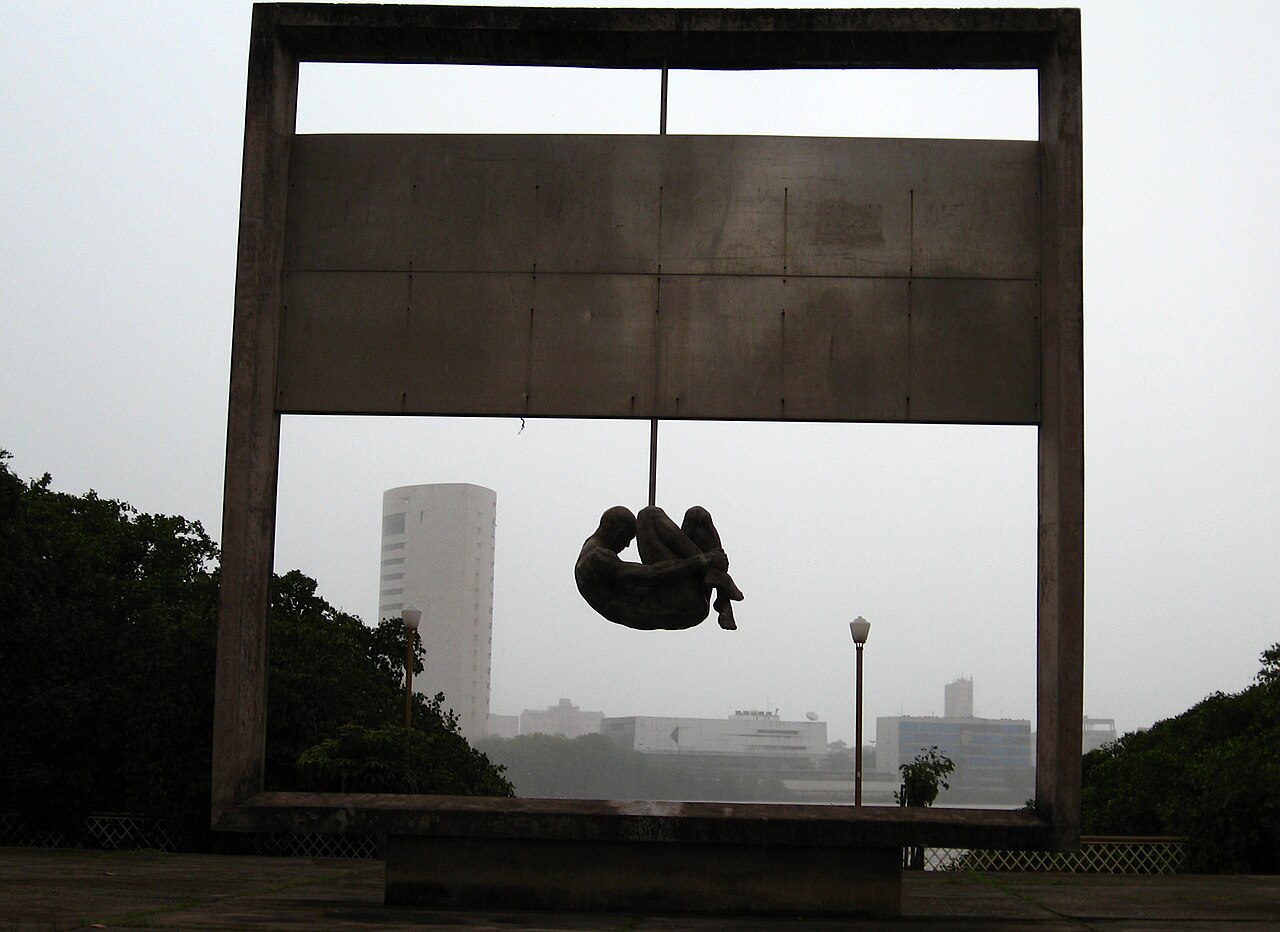
The 1978 World Cup, hosted by the Argentine military junta led by General Jorge Rafael Videla, took place in an even more chilling context. While the regime promoted the tournament to the world as a festival of peace, just a stone’s throw from the main stadium operated the dreaded ESMA torture center, from which political prisoners could clearly hear the fans’ cheers [7]. At the time, Videla’s soldiers routinely threw citizens out of helicopters into the sea, while he himself exploited the tournament for cynical public speeches about freedom and friendship [3].
Soccer in the Shadow of South American Autocrats
To prevent negative publicity during this closely watched event, the Argentine government strategically changed the entire tactics of its state repression. Just before the start of the games, it preemptively “cleared” the streets, but during the tournament itself, it avoided violence in the vicinity of the hotels where foreign journalists were staying [8]. The perversity of this situation is illustrated by the bitter testimony of surviving prisoners, whom their own torturers in the prisons forced to enthusiastically cheer for the home team, Argentina, during the matches [6].
The International Football Federation often turned a blind eye to such state abuses, with its top officials collaborating directly with dictatorial governments. In 1973, for example, FIFA inspectors inexplicably approved the national stadium in Chile for a qualifying match, even though immediately after Pinochet’s coup it had served as a detention camp for thousands of prisoners [9]. The Soviet Union, for understandable reasons, refused to play at this bloody site, which led FIFA to shamelessly award the victory to Chile by default despite demonstrable human rights violations [10].
These glaring political injustices have historically led to several sharp diplomatic protests and massive international boycotts. The most significant of these took place in 1966, when all fifteen African countries withdrew from the qualifiers in protest against FIFA’s decision to allocate only a single shared spot to Africa, Asia, and Oceania [11]. This unprecedented continental boycott was extremely successful and forced the federation to amend the rules so that, starting with the next World Cup, Africa was guaranteed its own spot [11].
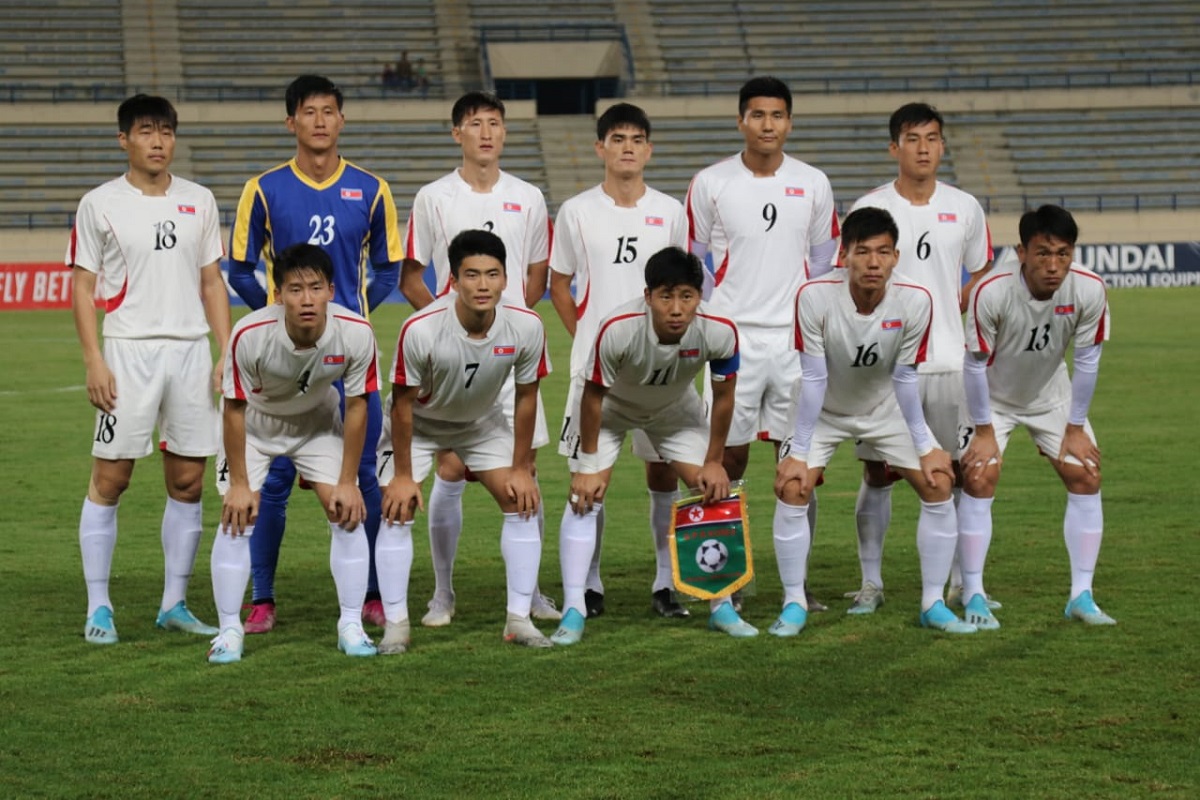
The 1966 World Cup in England also brought a tangled diplomatic conundrum involving North Korea, which the United Kingdom did not officially recognize at all. The compromise was that the British referred to the team only generally as “North Korea,” and national anthems were played only during the opening and final matches; however, the Koreans subsequently shocked the entire world with a sensational run to the quarterfinals [3]. Life in North Korean sports, however, is exceptionally harsh, as evidenced by reports of severe punishments for national team players after they failed to advance past the first round at the 2010 World Cup [12].
Closely linked to the harsh political reality are several inexplicable and extremely bizarre incidents that have occurred right on the soccer field. In 1974, Mwepu Ilunga, a defender for the African team Zaire, suddenly sprinted forward during a Brazilian free kick and kicked the opponent’s ball away—an action that looked comical but was, in fact, a pure act of desperate panic. This was because African dictator Mobutu had sternly threatened the team before the match that if they lost 4-0 to Brazil, he would not allow them to return home to their families [13].
The oddities of this closely watched international tournament sometimes even venture into the criminal or comical realm. In 1966, the rare original Jules Rimet Trophy was stolen directly from a public exhibition in London, but three months later, a dog named Pickles found it wrapped in newspaper under a hedge [13]. On the field, an incident from 1938 drew attention when Italian player Giuseppe Meazza’s shorts fell down while taking a penalty kick, which apparently confused the Brazilian goalkeeper, and the Italians advanced to the final in part because of this [14].
Political tensions also played a role during one of the most famous matches in history between Argentina and England in 1986. The legendary goal that Diego Maradona scored intentionally with his hand was not just an exceptional act of sportsmanship for him, but, according to his own autobiography, primarily a deliberate act of revenge for the defeat in the Falklands War [13]. A curiosity of a completely different kind is the incomprehensible mistake made by English referee Graham Poll in 2006, who showed Croatian player Josip Šimunić as many as three yellow cards before finally sending him off the field [13].
An integral part of the tournament’s history is also the unpredictable aggressive outbursts of the world’s biggest stars, watched by billions of viewers. The 2006 World Cup final will forever be remembered by sports fans thanks to Zinedine Zidane, who, after being verbally insulted, headbutted Marco Materazzi in the chest and received a red card in the final match of his career [13]. Equally shocking was a moment from the 2014 World Cup when Uruguayan forward Luis Suárez inexplicably bit Italian defender Giorgio Chiellini on the shoulder, earning himself a four-month suspension [13].
Soccer as a tool for the “human” face of dictators
In modern history, the World Cups in Russia and Qatar have been the focus of massive political criticism, going down in history as prime examples of so-called “sportswashing.” Vladimir Putin cynically exploited the 2018 tournament to bolster domestic support and improve the country’s image following the military occupation of Crimea, which grossly violated international law [15]. His state apparatus used this sporting spectacle to win the West’s sympathy, even as it was simultaneously cracking down on political opposition and systematically criminalizing all minorities [16].
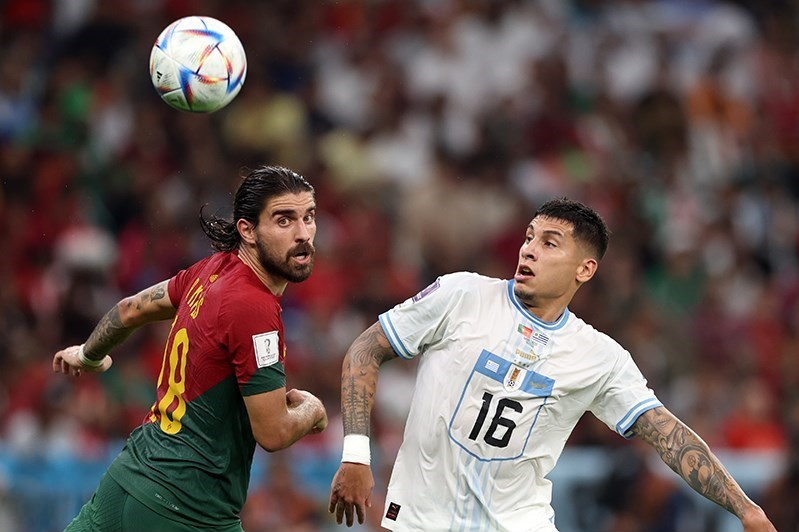
The mysterious host selection system also failed in the case of Qatar, which hosted the 2022 World Cup. Qatar faced global criticism for the exploitation of millions of migrant workers under the coercive Kafala system [15]. Human rights activists publicly labeled it the “World Cup of Shame” because thousands of vulnerable foreign workers died while building luxury infrastructure in desert conditions [17]. Some foreign players attempted to protest these conditions, at least symbolically, but FIFA banned them from wearing the rainbow OneLove captain’s armbands under the uncompromising threat of yellow cards [18].
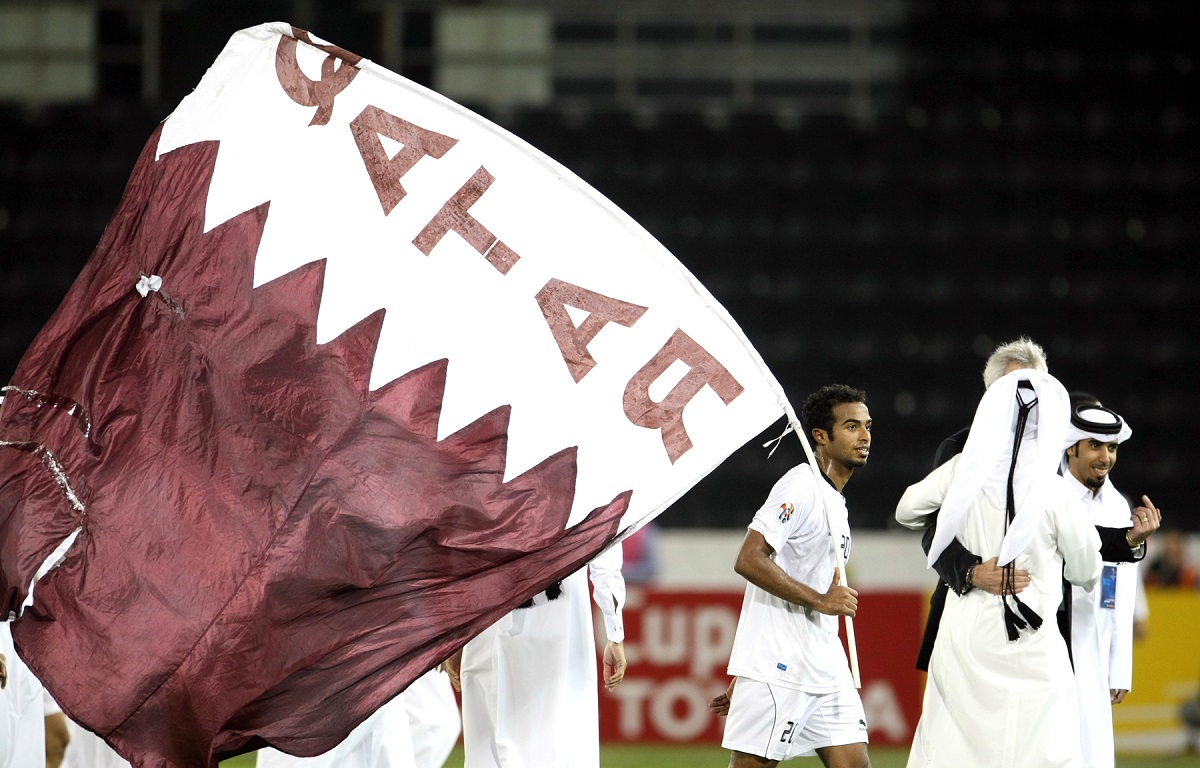
The controversial awarding of the tournament to Qatar itself was accompanied by massive bribery scandals, for which U.S. prosecutors ultimately prosecuted dozens of officials under the RICO Act, designed to combat organized crime [14]. Years later, investigators discovered that Qatari officials had even hired former intelligence agents and shady PR firms to spread disinformation with the aim of smearing rival candidates from the U.S. and Australia [17]. This unprecedented conspiracy clearly revealed that corruption within FIFA had operated as an extremely sophisticated system for an incredible twenty-four years [14].
However, the international soccer institution, led by President Gianni Infantino, has learned nothing from the past and continues to purposefully build close ties with states of dubious reputation. The selection of an unconventional hosting model for the 2030 World Cup, which will take place simultaneously on three different continents, has raised serious concerns about the unsustainable environmental burden caused by the travel of dozens of teams [19]. An even greater wave of political criticism was triggered by the express awarding of the 2034 tournament to Saudi Arabia, which several European fan organizations angrily described as the end of the World Cup as we know it [19].
The upcoming 2026 World Cup, co-hosted by the U.S., Canada, and Mexico, will certainly not escape this new wave of extreme politicization and bureaucratic disputes. The current U.S. administration has clearly stated that Immigration and Customs Enforcement (ICE) agents will play a key security role, which is fueling fears among local communities of aggressive deportation raids [20]. Furthermore, various immigration restrictions will undoubtedly prevent thousands of fans from participating countries—including Iran, Senegal, and Haiti—from legally entering the country [21].
In addition to the understandable fear of strict immigration policies, the organization of the tournament in the United States is also facing surprisingly widespread pressure from authorities over extremely overpriced tickets. The attorneys general of New York and New Jersey have already launched official investigations and summoned FIFA officials over non-transparent practices and astronomical ticket prices for the final, which currently reach as high as $33,000 [22]. FIFA must therefore urgently explain this greedy system to American politicians, a system that starkly contradicts any declared accessibility and inclusivity of the event [22].
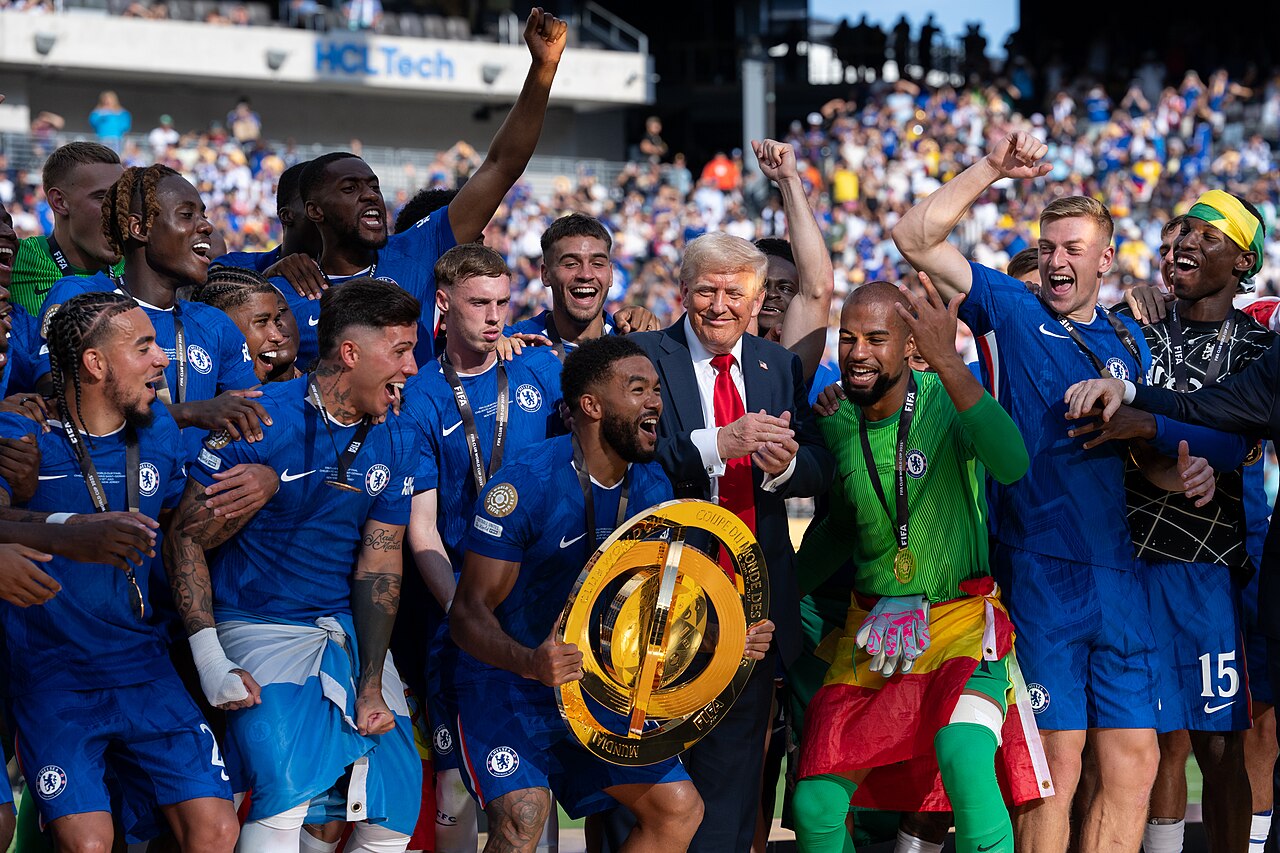
However, broader geopolitical conflicts and politicians’ personal domestic political disputes are also aggressively interfering with the demanding preparations for this massive North American tournament. Donald Trump has repeatedly exerted public pressure and even arrogantly threatened to completely strip Boston of its matches, solely due to his personal ideological disagreements with its Democratic mayor [2]. FIFA itself has once again come under fire for applying a political double standard in this tournament, as while it swiftly excluded Russia some time ago, it resolutely dismissed proposals to suspend Israel over the war in Gaza [2].
The history of the World Cup is the best and irrefutable proof that this global sport has never existed in a vacuum outside of fundamental political forces [11]. Although corrupt institutions strive diligently to maintain the myth of a neutral celebration of sport, reality repeatedly shows that international tournaments are merely an effective battleground for autocrats and a vast arena for dangerous state manipulation [17]. Sincere fans are thus left with only the naive hope that the beauty of the game itself will prevent greedy politicians from irrevocably draining all joy and respect from soccer [20].
List of References
[1] Political Perspectives | Football as a weapon of soft power: The beautiful game hiding the ugly truth https://sites.manchester.ac.uk/political-perspectives/2022/07/11/football-as-a-weapon-of-soft-power-the-beautiful-game-hiding-the-ugly-truth
[2] https://www.nytimes.com/athletic/6238520/2025/03/30/world-cup-winners-italy-1934/
[3] The beautiful game, the ugly politics: How the world's cruelest regimes used the Worl https://www.ynetnews.com/sport/article/hk6rxmfxgl
[4] https://hrf.org/latest/a-history-of-sports-dictators-part-2-the-rise-of-fascism/
[5] See Fascism and Football, BBC, 2013, https://www.youtube.com/watch?v=oS0yeCONIaM.
[6] A History of Sports & Dictators, Part 3: Post-WWII Soft Power - Human Rights Foundation https://hrf.org/latest/a-history-of-sports-dictators-part-3-post-wwii-soft-power
[7] https://whc.unesco.org/en/list/1681/
[9] Autocrats over Human Rights: The World Cup Formula | The Tyee https://thetyee.ca/News/2026/01/19/Autocrats-Human-Rights-World-Cup-Formula
[10] Road to the World Cup: Boycotting FIFA - The Tufts Daily https://www.tuftsdaily.com/article/2026/01/road-to-the-world-cup-boycotting-fifa
[11] When Football Meets Geopolitics: Africa and the 2026 World Cup https://paulddf.substack.com/p/when-football-meets-geopolitics-africa
[12] The Mixed Record of Sports Diplomacy | Council on Foreign Relations https://www.cfr.org/articles/mixed-record-sports-diplomacy
[13] Ranking the World Cup's 20 maddest moments - The Athletic https://www.nytimes.com/athletic/7278815/2026/06/03/world-cup-maddest-moments
[14] 25 Unique or Unusual Facts About FIFA and World Cup History - Westcoast German News https://www.westcoastgermanmedia.com/25-unique-or-unusual-facts-about-fifa-and-world-cup-history
[15] An (a)political World Cup – Democracy and society | IPS Journal https://www.ips-journal.eu/topics/democracy-and-society/an-apolitical-world-cup-9080
[16] Not fixing what’s broken: the World Cup and its troubling relationship with dictatorships https://thesefootballtimes.co/2018/01/22/not-fixing-whats-broken-the-world-cup-and-its-troubling-relationship-with-dictatorships
[17] How Dictators Use Sports to Win Friends and Influence People | Journal of Democracy https://www.journalofdemocracy.org/online-exclusive/how-dictators-use-sports-to-win-friends-and-influence-people
[18] Gooooaaallll! Exploring soccer’s history and impact on politics and culture | Faculty of Arts & Science https://www.artsci.utoronto.ca/news/gooooaaallll-exploring-soccers-history-and-impact-politics-and-culture
[19] FIFA catches blowback over 2030 World Cup | The Week https://theweek.com/sports/fifa-controversy-world-cup-2030-saudi-arabia-2034
[20] Behold the Joyless World Cup - Rosa-Luxemburg-Stiftung https://www.rosalux.de/en/news/id/54864/behold-the-joyless-world-cup
[22] FIFA faces growing political pressure in US over 2026 World Cup ticket prices - Yahoo Sports https://sports.yahoo.com/articles/fifa-faces-growing-political-pressure-111436193.html