The United Kingdom has a new socialist prime minister. The story of the party that shapes British politics
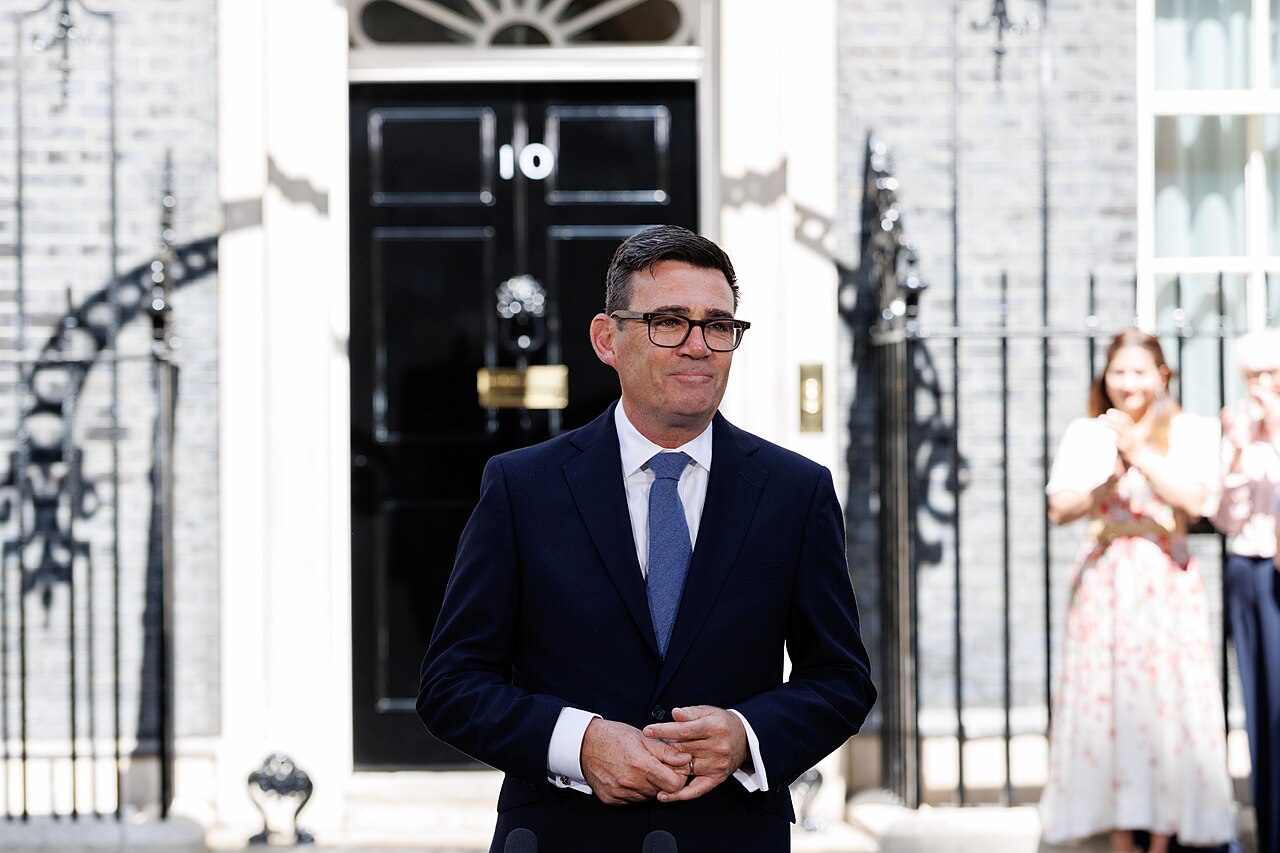
On July 20, 2026, Andy Burnham became the new British prime minister, perhaps marking the beginning of a new chapter in the history of the United Kingdom [5]. His assumption of office comes at a time when the Labour Party is going through a turbulent period following the unexpectedly rapid downfall of his predecessor, Keir Starmer [19]. This is the perfect opportunity to take a look at the fascinating story of a party that has been shaping British politics for more than a century.
A New Force on the Scene
The British Labour Party was born at the turn of the 19th and 20th centuries out of the deep frustration of the working class, which lacked its own political representation [21]. In February 1900, representatives of the trade unions, the Independent Labour Party, and the left-wing Fabian Society met on Farringdon Street in London [2]. There, the delegates agreed to form the so-called Labor Representation Committee (LRC), which subsequently, in 1906, officially adopted the well-known name “Labor Party” [2].
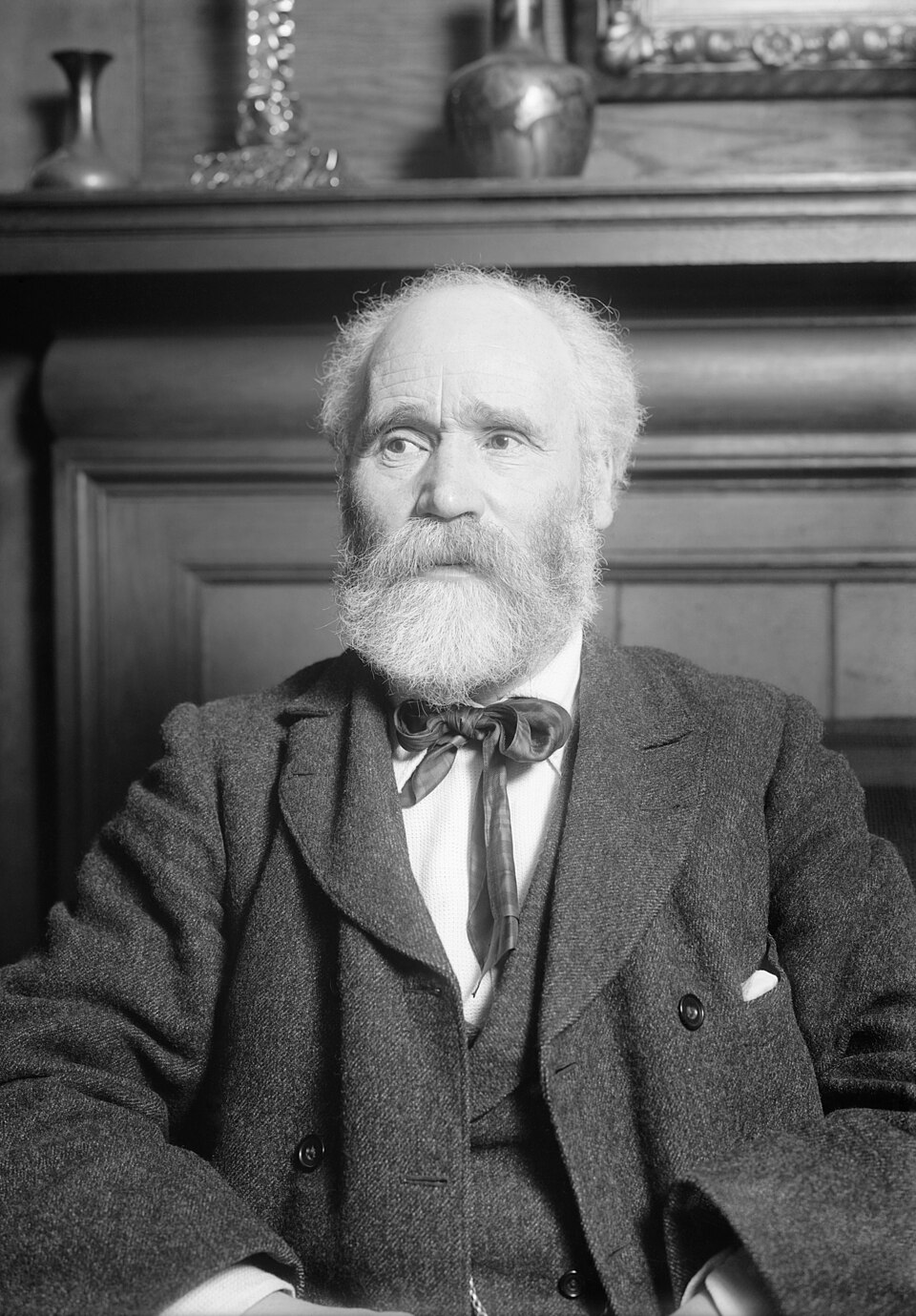
At the birth of this powerful movement stood the legendary politician Keir Hardie, whose goal was to persuade the unions to stop supporting the then-ruling Liberal Party and to establish their own voice [36]. The decisive impetus for the mass unification of workers was the Taff Vale case of 1901, which financially ruined striking railroad workers and curtailed their rights [31]. Union members immediately realized that if they wanted to change unfair laws, they needed their own representatives directly in Parliament [31].
A Change at the Helm
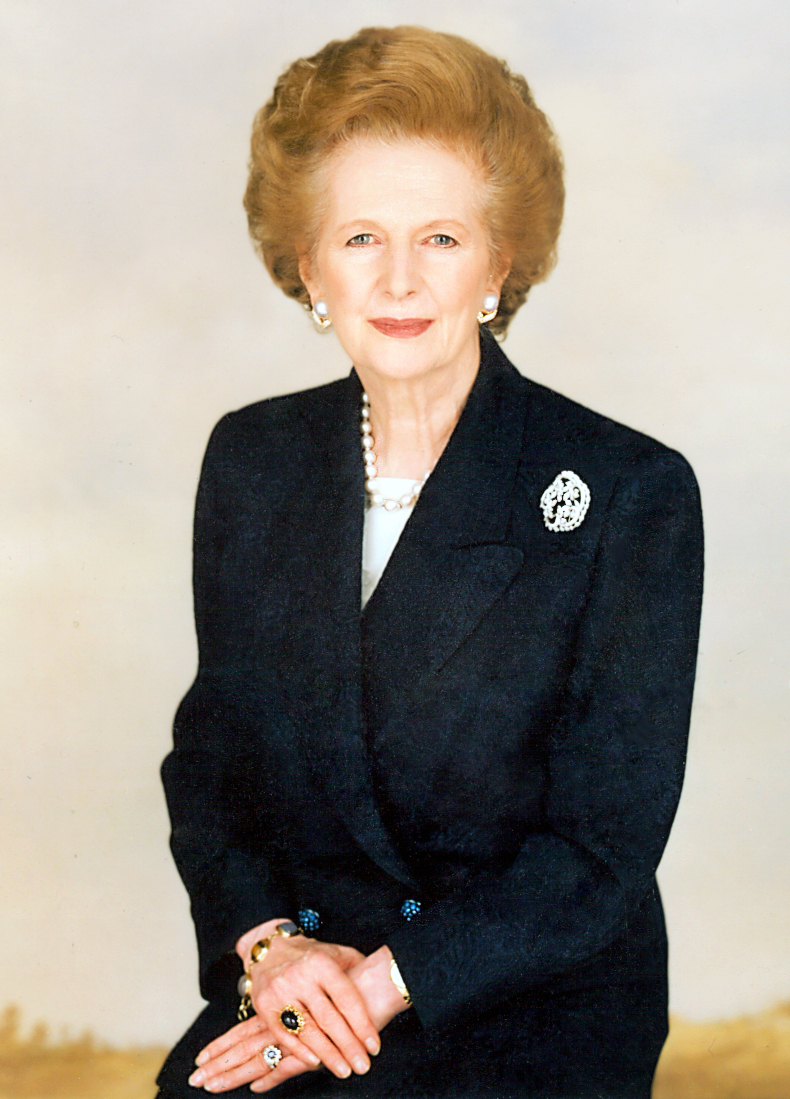
As early as the 1920s, the Labour Party managed to oust the weakened Liberal Party and became the main official opposition to the Conservatives [37]. In the British two-party system, they have since represented center-left, social-democratic values with an emphasis on the active role of the state in the economy [21]. In this way, they have permanently established themselves as one of the two political forces that regularly alternate in governing the United Kingdom [42].
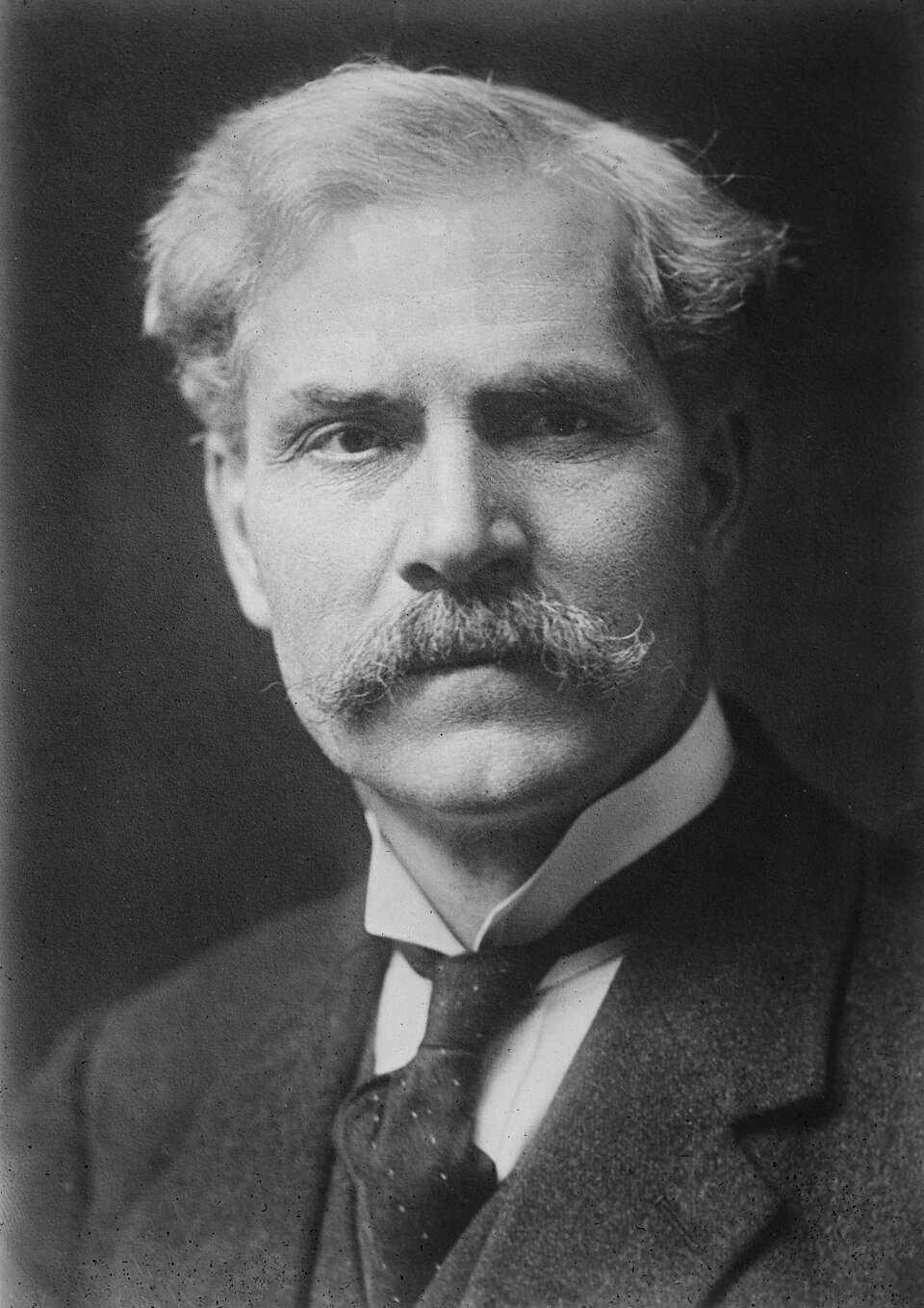
The Labour Party formed its first cabinet—albeit a short-lived and minority one—as early as 1924 under the leadership of the pioneer Ramsay MacDonald [21]. Their true historic triumph, however, came in the postwar elections of 1945, when the popular Clement Attlee won an unprecedented majority of 146 seats [21]. This landmark cabinet subsequently transformed Britain through extensive nationalization and the creation of a modern welfare state, the flagship of which was the famous—though today perhaps more infamous—National Health Service (NHS) [21].
Rises and Falls
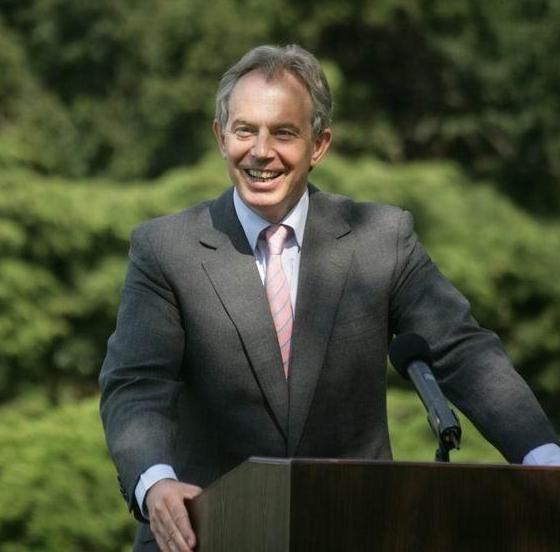
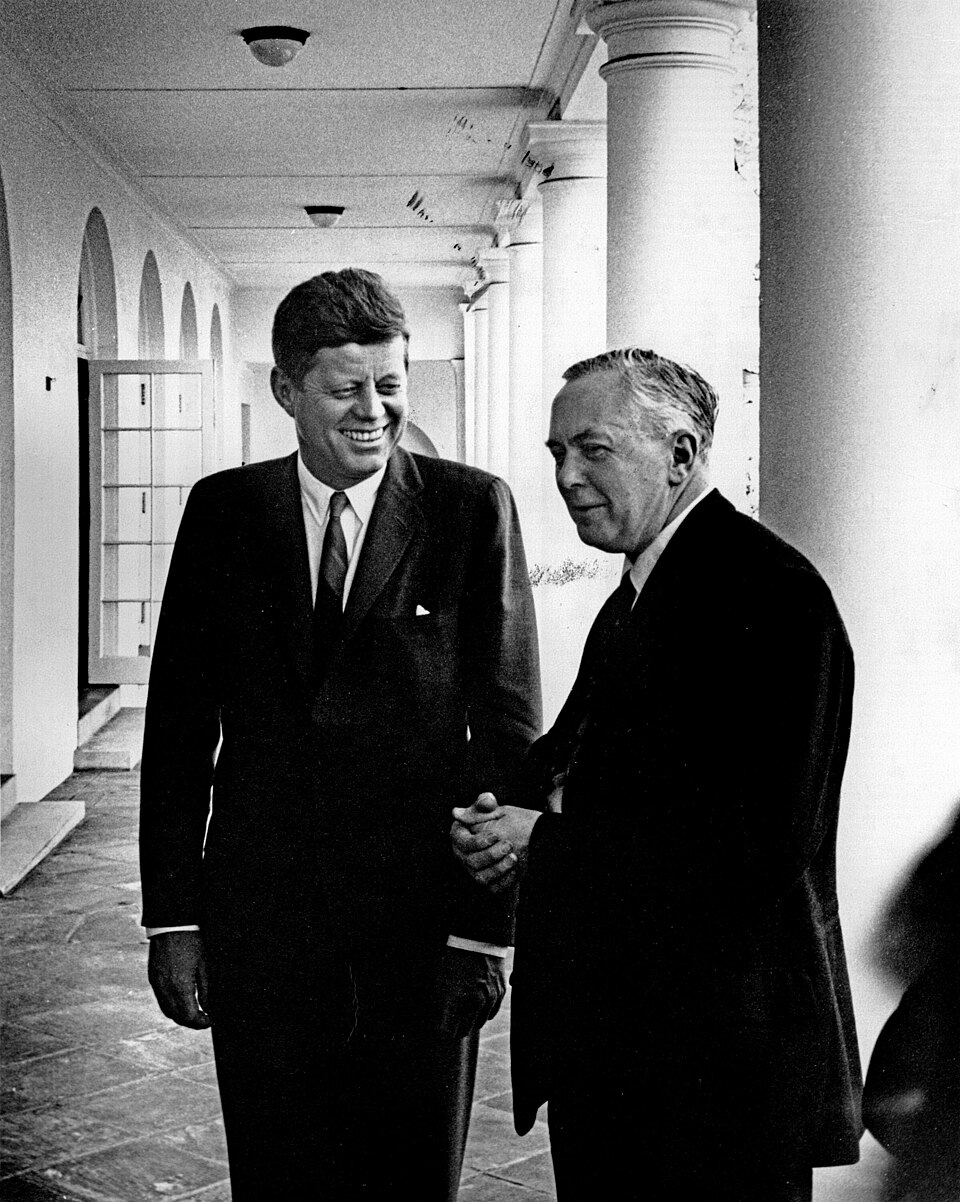
Further major victories came in the 1960s, when the energetic Harold Wilson ended the Conservatives’ thirteen-year rule [36]. However, the party recorded its most massive electoral gain at the turn of the millennium in 1997 under the leadership of Tony Blair, who secured an absolute majority of 179 seats [37]. Keir Starmer’s landslide victory in July 2024, when the party won a staggering 411 seats [42], also remains fresh in people’s memories.
However, the history of the Labour Party is by no means just a parade of successes; it also includes devastating defeats and painful internal crises. In 1931, Prime Minister MacDonald lost the support of his own party, formed a crisis coalition with the Conservatives, and in the subsequent election, Labour’s seat count plummeted to a dismal 52 [21]. MacDonald himself was subsequently expelled from his own party and sharply condemned by many rank-and-file members as a traitor to the working class [3,40].
Another historic disaster was the 1983 election under the leadership of the radical left-wing intellectual Michael Foot. His campaign platform at the time was so extreme that critics wryly dubbed it “the longest suicide note in history” [25]. The party suffered a crushing defeat at the time, winning only 27.6% of the vote—its worst result ever since 1918 [37].
Jeremy Corbyn has also recently joined the list of leaders who have ended up on the imaginary scrapheap of history. His tenure was marked by internal conflicts over anti-Semitism and culminated in the disastrous 2019 election, when Labour won only 202 seats [27,37]. This radical was ultimately expelled from the party for good in 2024 and took his seat in Parliament only as an independent MP [28].
Paradoxically, Keir Starmer himself also experienced an unexpectedly rapid downfall; although he won by a landslide in 2024, he soon became the least popular prime minister since 1977 due to political missteps [29]. After a series of humiliating defeats in by-elections and the loss of dozens of local council seats in the spring of 2026, he was forced to resign in June under immense pressure [24,30].
At the opposite end of the party’s mythological spectrum, however, stand iconic heroes whom entire generations of Labour members look up to with respect. Alongside the founder himself, Keir Hardie, this is undoubtedly Clement Attlee, who, thanks to his pragmatism, is commonly regarded as the party’s most successful leader [37,38]. His fiery Minister of Health, Aneurin Bevan, also earned enduring fame for his bold push to establish free healthcare [33,38].
Harold Wilson also belongs in this esteemed pantheon of famous figures; in the 1960s, he spearheaded significant economic modernization of society, the founding of the Open University, and numerous social reforms [37]. Tony Blair, although he is often harshly criticized today for the invasion of Iraq, remains statistically the party’s most successful modern politician [26,37]. It was he who, for the first time, introduced a minimum wage, pushed through constitutional devolution, and won three consecutive general elections [37,39].
The uniqueness of the Labour Party lies in its strong ties to the trade unions, which effectively founded it and continue to provide massive funding to this day [1]. This relationship—which former union leader Jack Jones described exceptionally aptly with the words “murder maybe, divorce never”—was certainly not always idyllic [22]. For a long time, the unions wielded enormous power within the party through the controversial practice of bloc voting, which often caused internal party tensions [4].
Tony Blair brought about a fundamental turning point once again; he succeeded in ending this bloc voting, thereby modernizing the party politically and shifting it from the more extreme left toward the political center [23,34]. This reduced the unions’ influence over candidate selection, leading to their frustration and occasional threats to leave the party [36,43]. The most recent serious rift occurred in March 2026, when the key union Unite the Union slashed its contribution to the party by a staggering 40% in protest against the Labour Party’s handling of the Birmingham garbage collectors’ strike [41].
What does the future hold?
New Prime Minister Andy Burnham—often affectionately dubbed the “King of the North” by the media [35]—is entering this complex and ever-changing ecosystem. He earned this flattering nickname while serving as mayor of Greater Manchester, when in 2020 he took an exceptionally strong stand against the government’s strict pandemic restrictions [35]. His down-to-earth, informal, and friendly demeanor won him over the general public, thanks to which he was the only leading British politician to maintain consistently positive poll ratings in 2026 [18,35].
Burnham’s political profile has gradually taken shape over the long term, and today he unequivocally identifies as a proponent of the “soft left” and so-called “aspirational socialism” [6,7]. His new political philosophy, known in the media as “Manchesterism,” rejects neoliberalism and advocates for a business-friendly economy that nonetheless necessarily takes into account the social benefits of the general public [8,9]. Burnham is an advocate of constitutional devolution, a stronger regional identity, and the transfer of key powers from Westminster in London directly to the regions [10,13].

He worked his way to the coveted prime minister’s seat following an unusually smooth internal party election process that resembled more of a coronation. When it became clear in June that the ailing Starmer was stepping down, the Labour Party managed the situation in such a way that Burnham became virtually the sole candidate and faced no real challenger in the leadership election [19,20]. He thus quickly became the first true Northerner to head the British government since the time of Harold Wilson (although Tony Blair was born in Edinburgh, he had been active in the south of the country since his youth) [35].
Will the “King of the North” last longer than his predecessors?
The new prime minister’s agenda skillfully combines pragmatism with several bold left-wing interventions in the economy. He plans to bring key sectors such as energy, water utilities, and transportation under stronger public control and makes no secret of his intention to renationalize the giant company Thames Water [11,12]. While serving as mayor of Manchester, he successfully tested a groundbreaking integration of local transportation under public administration in a system known as the “Bee Network,” which he now aims to replicate on a national scale [10,35].
A huge surprise in his political platform is his recent pledge to issue entirely new licenses for oil and gas extraction in the North Sea [35]. This pragmatic move stands in direct contrast to the promises made by his predecessor, Starmer, and has sparked heated debates about the party’s environmental direction [35]. On his very first day as prime minister, he also emphatically announced that he would immediately scrap the previous plan to introduce digital ID cards [35].
In the critical area of foreign policy, Burnham intends to strictly maintain strong support for Ukraine, which is under attack, and firmly rejects direct Western military involvement in the ongoing 2026 war in Iran [14,17]. During the intense conflict in Gaza, he clearly advocated for an immediate ceasefire as early as 2023 and actively supports the full-fledged existence of an independent Palestinian state [15,16]. On the other hand, it is not expected at all that Britain would seek to rejoin the European Union under his leadership, although he intends to remove several trade barriers and negotiate an entirely new joint security pact [42].
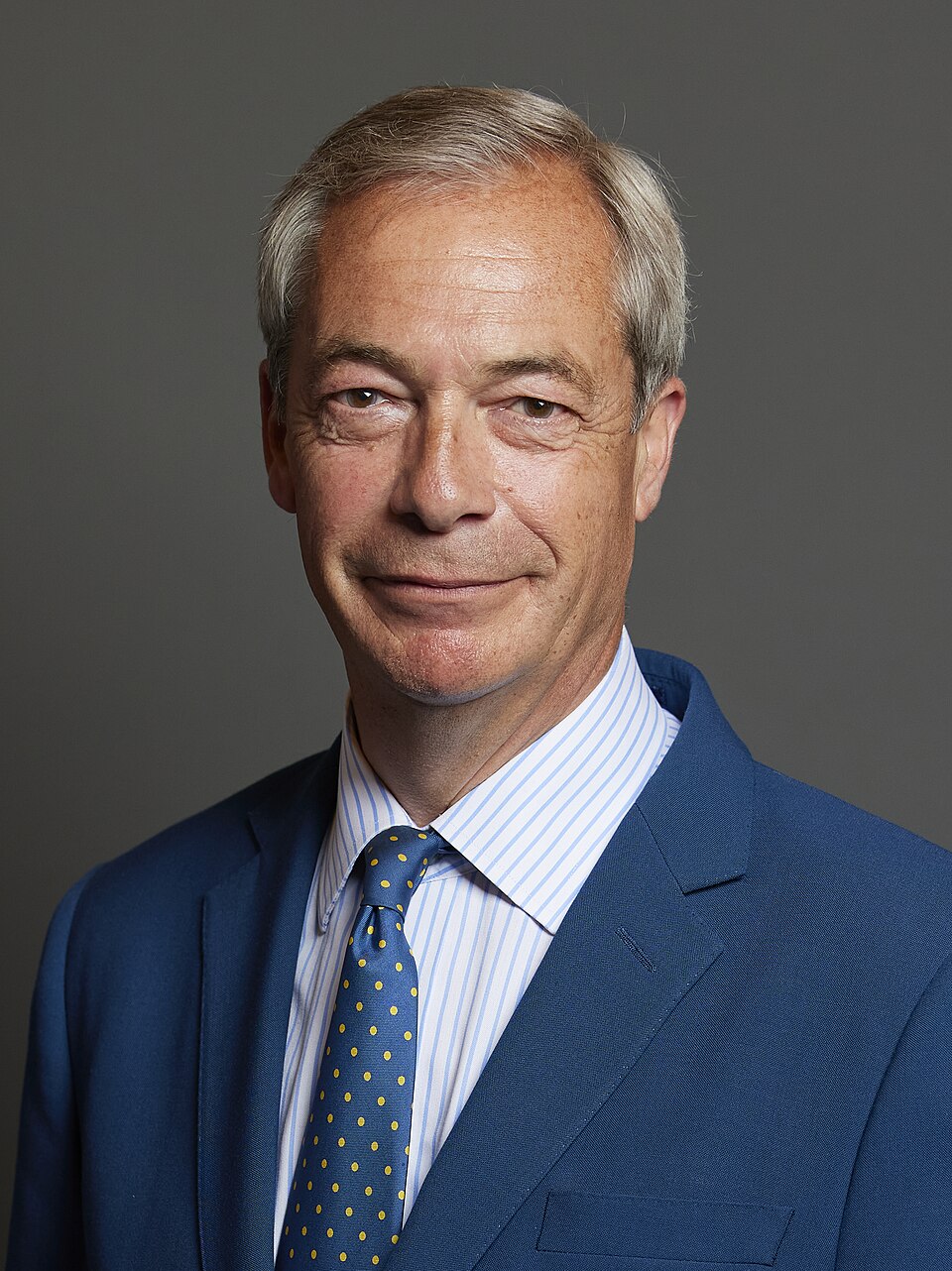
Burnham took over a faltering government during a difficult period when Labour’s popularity was plummeting and the right-wing Reform UK party was gaining a 12-percent lead in the polls [29]. As the new, dynamic prime minister, he promises to bring about the most significant positive change in British politics in the last 40 years and asks the public for patience [35]. Several domestic experts predict that his innate ability to communicate and his likable style could emotionally reconnect the party with its disillusioned voters and permanently halt its decline [33,35].
The future of the Labour Party now hinges critically on whether it can realistically meet expectations regarding economic stability and the promised improvement of collapsing public services. Burnham’s unique blend of political decentralization, strong local patriotism, and modern socialism may be the real key to retaining power [10,35]. Although any predictions in the British political system have become increasingly difficult following the recent turmoil (it is no coincidence that he is already the seventh prime minister in the last 10 years), a new and significant era under the leadership of Andy Burnham has just begun in earnest [32,35].
List of References
[1] Affiliated Unions – The Labour Party https://labour.org.uk/about-us/affiliated-unions
[2] A Very Short History of the Labour Party https://consoc.org.uk/history-of-the-labour-party
[3] This was followed in 1932 by the disaffiliation of the now-marginal ILP.
[4] The Labour Party and the trade unions - History & Policy https://historyandpolicy.org/trade-union-forum/meeting/the-labour-party-and-the-trade-unions
[5] Spivey, Matt; Hadfield, Charlotte; Mason, with Chris; Street, Henry Zeffman reporting from Downing; Coughlan, Sean; Relph, Daniela at Buckingham Palace (July 20, 2026). "Andy Burnham at Buckingham Palace to become prime minister after Keir Starmer formally resigns". BBC News.
[6] Who’s Who (online Oxford University Press ed.). Oxford: A & C Black. 2007. doi:10.1093/ww/9780199540884.013.U41936. ISBN 9781399409452. OCLC 1402257203. (Subscription or UK public library membership required.) "Burnham, Rt Hon. Andrew (Murray)".
[7] labourlist.org. LabourList. August 23, 2010. "Andy Burnham launches 'Aspirational Socialism' manifesto". Archived from the original on October 19, 2015. Retrieved August 2, 2015.
[8] itv.com. May 18, 2026. "Burnham says 'Manchester-ism' can transform the whole of the UK as he defends his bid for the Makerfield by-election". Retrieved May 21, 2026.
[9] Blackhurst, Chris (May 16, 2026). “Manchester is booming – but not because of Andy Burnham.” independent.co.uk. Retrieved May 21, 2026.
[10] Tulasiewicz, Jess (March 10, 2026). "Manchesterism from devolution". Centre for Cities. Retrieved May 21, 2026.
[11] McKelvie, Geraldine (May 16, 2026). "'We need a different path': Andy Burnham vows to put energy and water under public control". The Guardian. ISSN 0261-3077. Retrieved May 16, 2026.
[12] Crerar, Pippa; Horton, Helena (June 5, 2026). "Thames Water should be nationalized, says Andy Burnham". The Guardian. ISSN 0261-3077. Retrieved June 16, 2026.
[13] Pidd, Helen (August 11, 2015). "Andy Burnham: 'I've never been part of the Westminster in-crowd'". The Guardian. Archived from the original on May 4, 2017. Retrieved May 16, 2017.
[14] The Kyiv Independent. June 24, 2026. "Amid UK political turmoil, Andy Burnham's rise offers reassurance to Ukraine". Retrieved June 25, 2026.
[15] BBC News Online. "Labour divisions deepen over Gaza ceasefire stance". Retrieved June 27, 2026.
[16] Hyphen. June 19, 2026. “Andy Burnham is ‘unclear’ on Gaza but liked by local Muslims.” Retrieved June 25, 2026.
[17] Ventura, Tiago (June 24, 2026). “What Has Andy Burnham, Britain’s Likely Next Prime Minister, Said About Trump?”. Time. ISSN 0040-781X. Retrieved June 25, 2026.
[18] Lawson, Neal (May 12, 2026). “Andy Burnham Can Save Labour and Defeat Reform. He Should Be the Next Prime Minister.” The Guardian. Retrieved May 13, 2026.
[19] Crerar, Pippa (June 22, 2026). "Keir Starmer to step down as prime minister two years after historic election victory". The Guardian. ISSN 0261-3077. Retrieved June 22, 2026.
[20] Gregory, James (July 13, 2026). "Burnham cements Labour leadership with backing of 349 MPs". BBC News. Retrieved July 13, 2026.
[21] Labour Party | History, Facts, Policies, & Leaders | Britannica https://www.britannica.com/topic/Labour-Party-political-party
[22] The Contending Allies: What the Trade Unions and the Labour Party Can Learn from the Experiences of Their Predecessors Between the Wars - History & Policy https://historyandpolicy.org/policy-papers/papers/the-contending-allies-what-the-trade-unions-and-the-labour-party-can-learn-from-the-experiences-of-their-predecessors-between-the-wars
[23] Rentoul 2001, pp. 206–218.
[24] "Local election results 2026 in England". BBC News. Retrieved May 8, 2026.
[25] Mann, Nyta (July 14, 2003). "Foot's message of hope to the left". BBC Online. Archived from the original on September 2, 2017. Retrieved August 3, 2018.
[26] "European Opposition to the Iraq War Grows | Current Affairs". Deutsche Welle. January 13, 2003. Archived from the original on January 23, 2012. Retrieved April 13, 2010.
[27] "Jeremy Corbyn regrets comments about 'anti-Semitic' mural". BBC News. March 23, 2018. Archived from the original on December 13, 2019.
[28] Rkaina, Sam; Ross, Alex (May 24, 2025). "Jeremy Corbyn expelled from the Labour Party after confirming he will stand as an independent in the general election". Independent.co.uk. The Independent. Archived from the original on May 26, 2024. Retrieved May 3, 2025.
[29] Skinner, Gideon (September 27, 2025). "Reform UK Leads by 12 Pts over Labour as both PM and Chancellor Hit Historic Low Satisfaction Ratings". Ipsos UK. London/Paris: Ipsos. Archived from the original on October 17, 2025. Retrieved October 23, 2025.
[30] "Keir Starmer announces resignation as prime minister and Labour Party leader". BBC News. June 22, 2026. Retrieved June 22, 2026.
[31] Trade unionists and the Labour Party in Britain: the bedrock of success https://journals.openedition.org/rfcb/1138
[32] Prediction is very difficult, especially when it comes to the future. | LSE British Politics https://blogs.lse.ac.uk/politicsandpolicy/prediction-is-very-difficult-especially-if-its-about-the-future
[33] Labour's Legacy – The Labour Party https://labour.org.uk/about-us/labours-legacy
[34] The Longer View: Labour and the Unions - BBC Teach https://www.bbc.co.uk/teach/articles/zj7n2sg
[35] Who is Andy Burnham? Former Manchester mayor who wants to lead the country https://www.bbc.com/news/articles/cp8pml5z8p6o
[36] BBC Politics 97 https://www.bbc.co.uk/news/special/politics97/parties/palab.shtml
[37] See, for instance, the 1899 Lyons v. Wilkins ruling, which restricted certain types of picketing.
[38] Whiting, R. C. (January 2011) [online ed., print 2004]. "Attlee, Clement Richard, first Earl Attlee (1883–1967)". Oxford Dictionary of National Biography (online ed.). Oxford University Press. doi:10.1093/ref:odnb/30498. Retrieved June 12, 2013. (Subscription, Wikipedia Library access, or UK public library membership required.)
[39] Kasparova, Diana; Wyatt, Nick; Mills, Thomas; Roberts, Sam (June 2010). Pay: Who were the winners and losers of the New Labour era? (PDF). Provocation Paper 8. The Work Foundation. Archived from the original (PDF) on May 29, 2014. Retrieved January 31, 2016.
[40] Austen Morgan (1987). J. Ramsay MacDonald. Manchester University Press. p. 3. ISBN 9780719021688.
[41] Rack, Susie; Watson, Iain (March 11, 2026). "Union cuts Labour funding by 40% over bin strike". BBC News. Retrieved March 12, 2026.
[42] Shifting Tides: Labour’s Rise and the Future of UK-U.S. Relations - Center Forward https://center-forward.org/basic/shifting-tides-labours-rise-and-the-future-of-uk-us-relations
[43] Brivati, B.; Heffernan, R. (2000). The Labour Party: A Centenary History. Springer. p. 234. ISBN 978-0-230-59558-3. Retrieved January 14, 2020.