Who took away the year-long vacation for kids?
For many families, the beginning of September is traditionally associated with children returning to school.
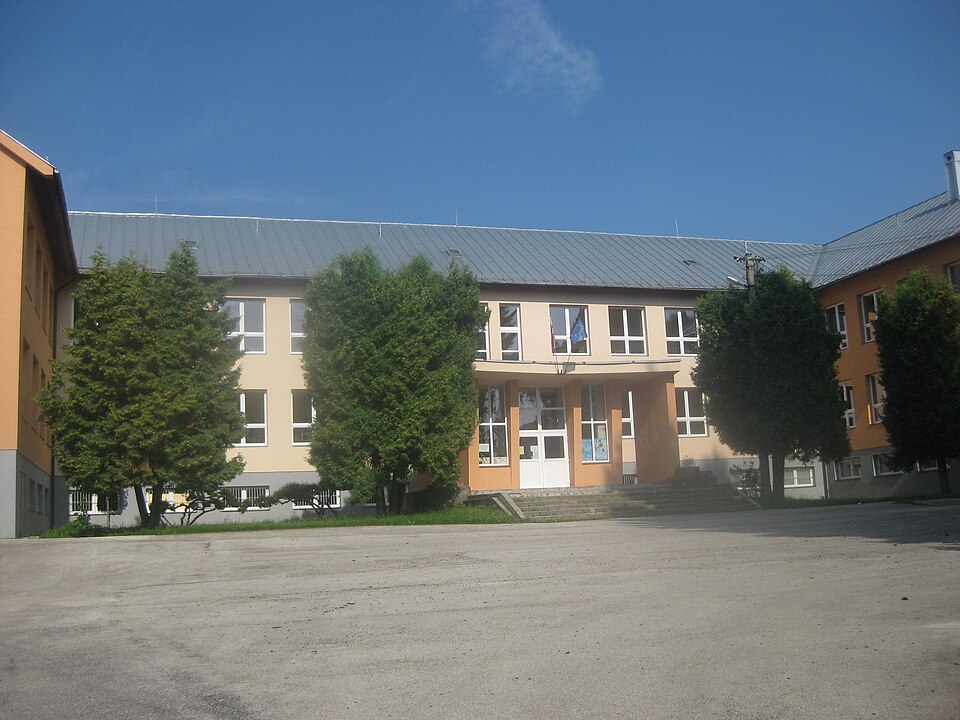
We take this annual ritual for granted, something we don’t need to think too much about [22]. But where did this phenomenon originate, and how have the school year and the summer break themselves changed over the centuries?
Education as a Rarity
If we look deep into Slovakia’s past, the first educational institutions existed here as early as the early Middle Ages [18]. The first known mention dates back to the tenth century and refers to a monastic school founded by the Benedictines beneath Zobor Hill in Nitra [18]. These medieval schools primarily prepared boys for positions in the Church, with the curriculum focusing mainly on Latin and Christian doctrine [18].
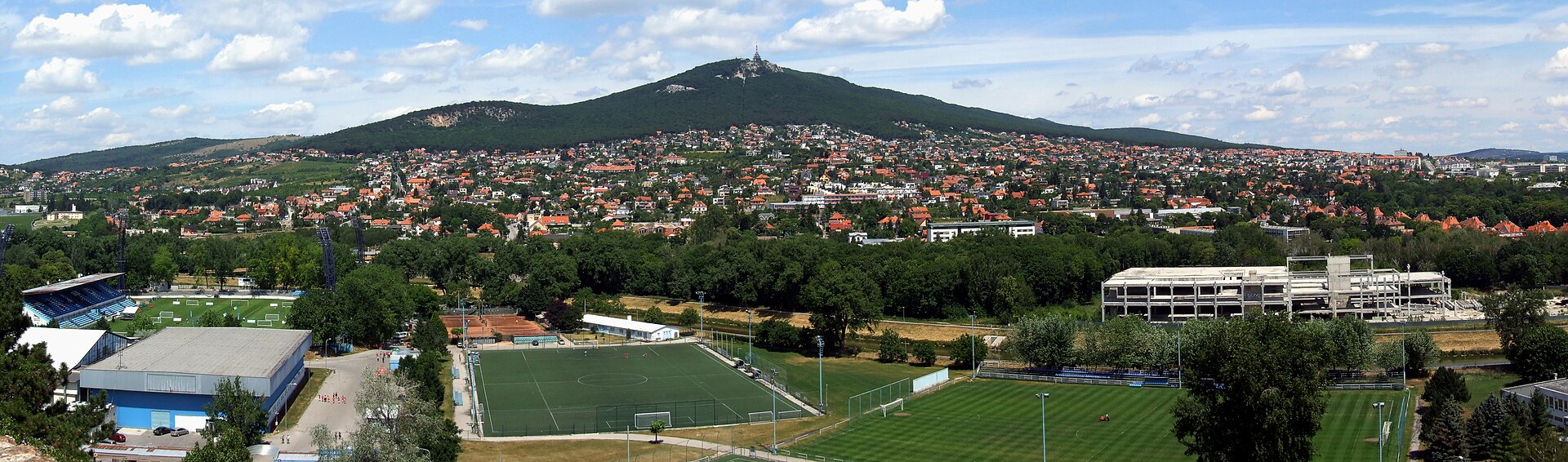
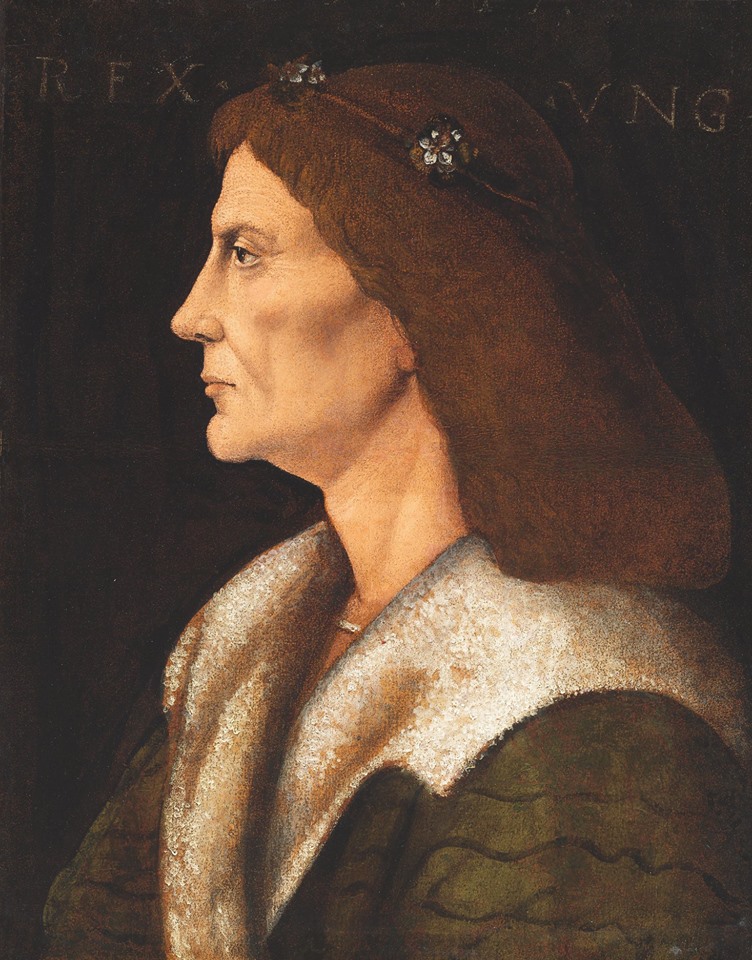
It was not until the later Humanist period that domestic education began to develop and individual instruction was also encouraged [18]. A significant milestone was the year 1465, when the first university, Academia Istropolitana, was established in Bratislava [18]. By the 16th century, Slovakia already had a relatively dense network of Latin secondary schools, which were founded by the nobility in towns such as Levoča and Kežmarok [18].
Famous Exile Advocates Compulsory Education
It was not until the early modern period that serious consideration was given to universal, or compulsory, school attendance in Europe [21].
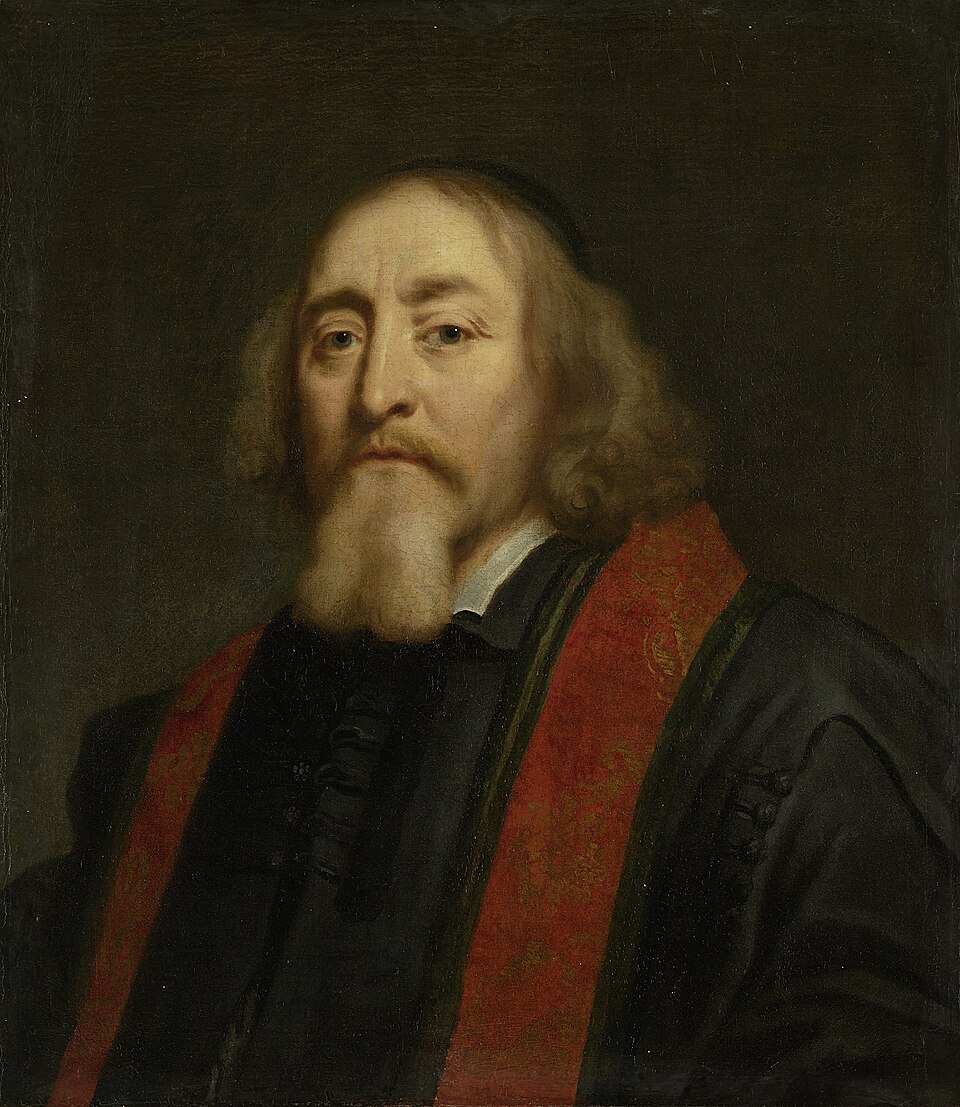
The first true advocate of this revolutionary idea was the famous educator Jan Amos Comenius, who was forced to leave his homeland after the defeat of the Estates’ Uprising at the Battle of White Mountain and eventually died in Amsterdam [20]. His fundamental idea was that every child should attend school after the age of six, where they would be taught in their native language [18].
However, the first actual systems of compulsory schooling in the West date back to the late 17th and early 18th centuries. This requirement was introduced in the German states of Gotha, Calemberg, and, above all, Prussia [14]. Prussia thus became the very first state in the world to implement compulsory schooling in practice [6].
Popular accounts often state that the Prussian ruler Frederick the Great introduced this reform in 1763 to celebrate the end of the Seven Years’ War [6].
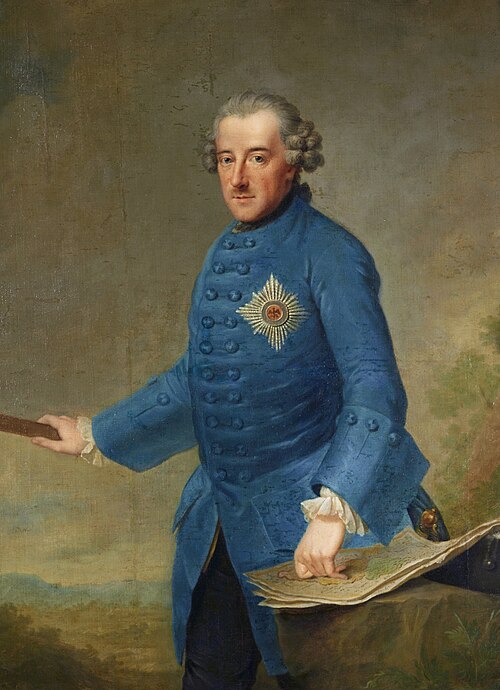
In reality, however, work on it had begun two years before the war, but its completion had to be postponed due to the military conflict [6]. Extensive research shows that, historically, the main driving force behind the emergence of public education was not at all an effort to improve children’s skills or foster critical thinking [7].
Education as an Institution of State Power
During this period, the education system emerged primarily as an instrument of power for the ministries of defense and the interior [7]. It was an effort by the state to subdue the masses, re-educate them, and make them loyal and obedient to the institutions in the fight against both internal and external enemies [7]. It was precisely these Prussian elements that later found their way into our context, as education represented an important investment in national defense [7].
You may be wondering why we actually have compulsory school attendance and not just compulsory education, which could also take place at home. The reason is that, ever since the time of the first Hungarian
decree, served not only an educational function but also an important protective and custodial one [29]. As long as parents’ economic activities take place outside the home, this division of responsibilities between the family and the school is simply economically necessary [29].
Within the Austrian Monarchy, the idea of education for all began to be implemented on a massive scale in the second half of the 18th century during the reign of Maria Theresa [20].
This enlightened monarch recognized the need for profound reforms to bring the monarchy closer to the countries of Western Europe and make it more competitive [24]. Educational reform thus came as one of the final changes through which she transformed the feudal empire into a modern, centralized state [26].
Maria Theresa regarded educational reform as a political act and viewed education explicitly as a political issue [4]. She recognized the immense importance of education in raising good and loyal citizens, and believed the state had both the right and the duty to intervene in this process [1]. Upbringing and education were thus gradually removed from the influence of the Church (the queen’s personal piety played no role here) and placed under strict state supervision [12], [27].
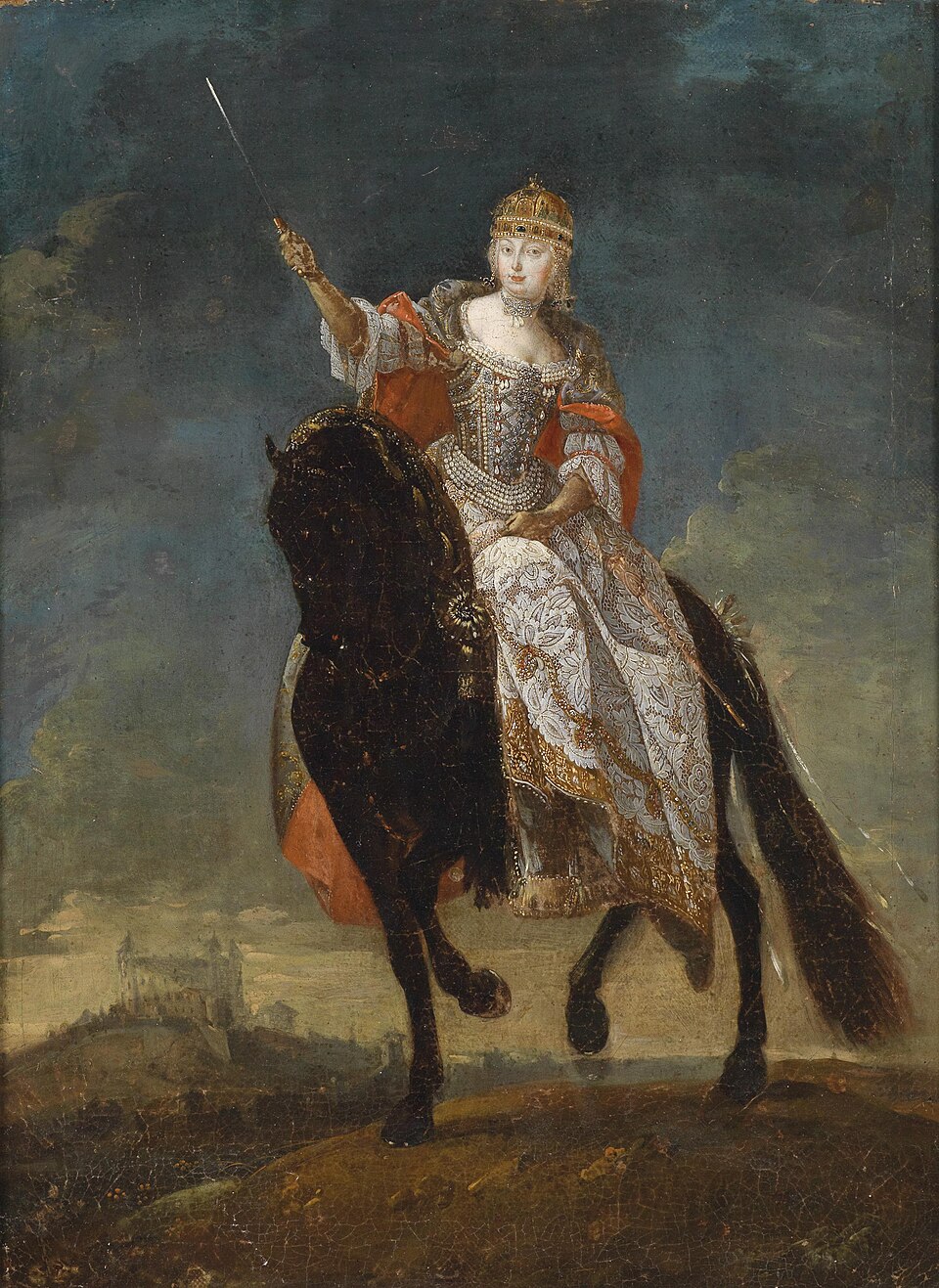
To assist with the reform of the education system, the monarch invited the experienced Ignaz Felbiger from Prussia [7]. He drafted the General School Regulations, which Maria Theresa issued in December 1774 for the Austrian part of the monarchy [11]. According to these regulations, every child was entitled to an education regardless of origin, place of residence, or gender [16].
After reforming the Austrian education system, the queen attempted a similar change in Hungary, which included what is now Slovakia [18]. On August 22, 1777, she issued a special curriculum titled Ratio educationis [9]. The educated Slovak Adam František Kollár also played a significant role in the preparation of this groundbreaking document [8].
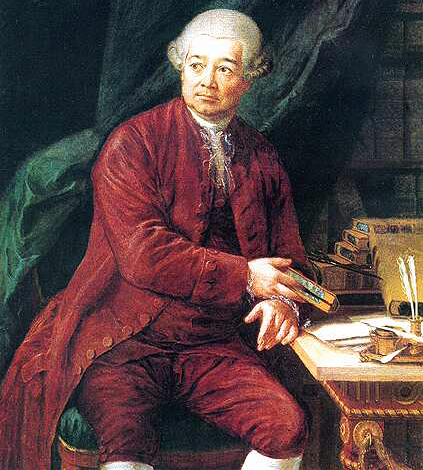
Although the Ratio educationis is viewed primarily as an educational reform, it was in fact an attempt to establish a unified system of Catholic schools from the elementary level through the university [1]. This reform created a relatively unified school system and established three basic types of schools [3], [15]. The foundation was laid by the so-called “trivial” schools—that is, elementary schools—which were to be established by individual municipalities [1], [18].
Elementary, Secondary, and Higher Education
At elementary schools, students learned to read, write, and do arithmetic, and also acquired the basics of modern economic management [15], [28]. A very important step was that the language of instruction at this lowest level was exclusively the students’ native language [13]. In higher grades and at universities, however, instruction subsequently switched to German or Latin [1].
In addition to elementary schools in villages, parish schools were established at parishes, and so-called main schools were established in major cities [28]. In these schools, young people also studied history, geography, home economics, and advanced agriculture [28]. Secondary education was provided by gymnasiums and specialized lyceums, where much greater attention began to be paid to the natural sciences [15], [27].
Maria Theresa also took a significant step during this period by being the first to establish vocational schools [18]. In Senec, for example, the Collegium oeconomicum was founded as early as 1763 to educate future civil servants and economic professionals [13], [28].
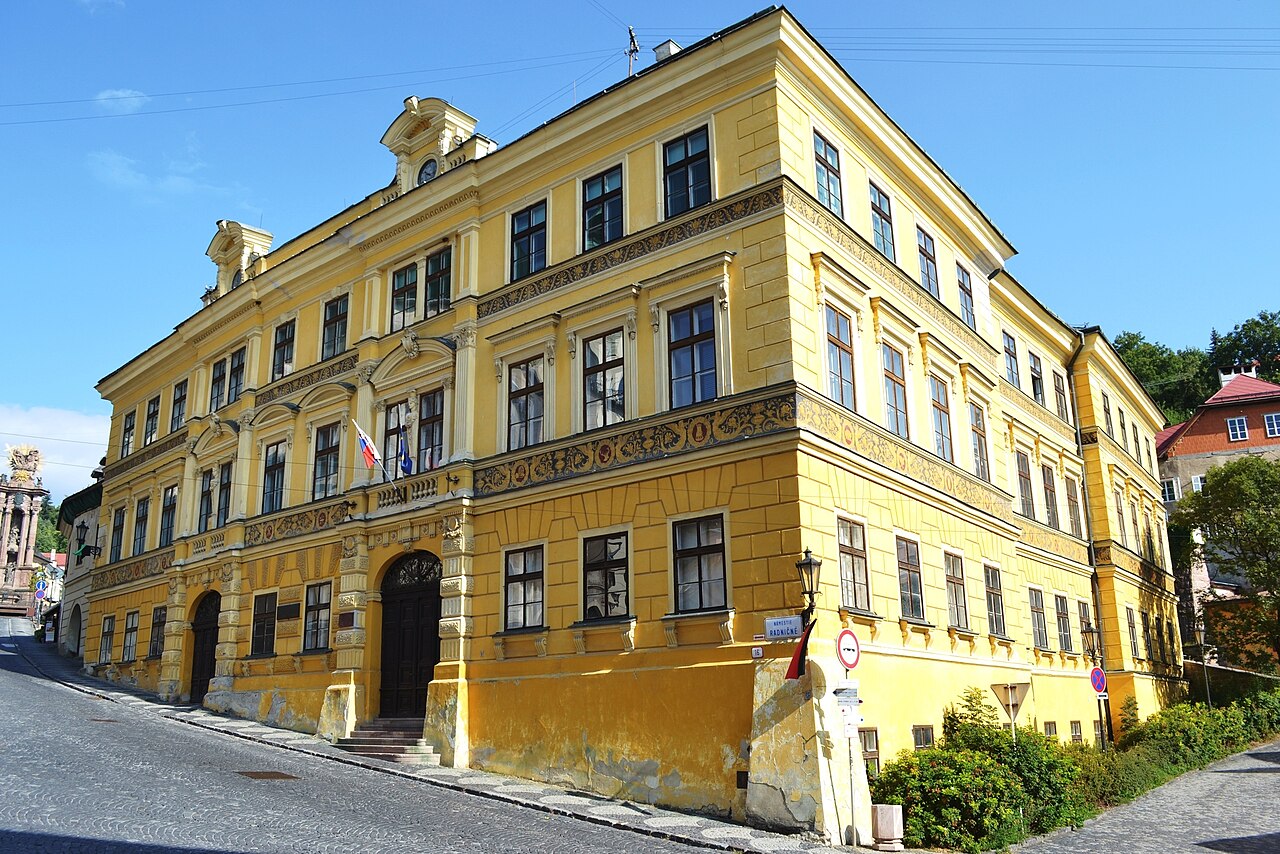
Even more famous, however, is the Mining Academy in Banská Štiavnica, which was the world’s first university specializing in mining and operated until the collapse of the monarchy, when it was relocated to Sopron, Hungary [15], [28].
The universities themselves were removed from the direct jurisdiction of the Church, nationalized, and began to transform into modern scientific institutions [15], [28]. Before the reform, there were two universities in our territory, namely in Trnava and Košice [28]. However, the University of Košice was abolished, and the renowned University of Trnava moved to Buda after 1777 [16], [28].
Education for Girls as Well
Maria Theresa’s reform brought about one enormous historical positive development, as girls were given the opportunity to attend school for the first time [9], [11]. Until then, young women had virtually no access to formal education [21]. Education thus became accessible not only to wealthy townspeople and the nobility, but finally also to the lower classes of society [28].
A very widespread myth persists to this day regarding Maria Theresa and her document *Ratio educationis*. Many people believe that it was she who officially introduced compulsory schooling in our country, but this is not entirely true [1]. The Ratio educationis decree did not precisely define compulsory schooling, nor did it specify a clear age limit for when children were to begin school [2].
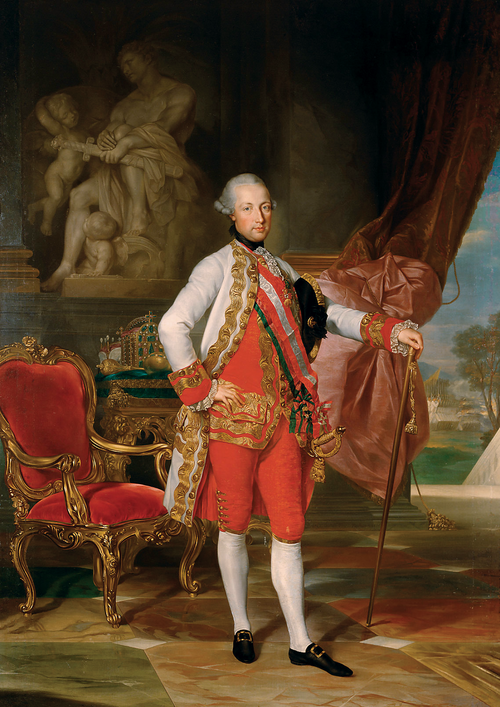
The 1777 document merely required that children attend school until they were capable of performing agricultural work [1]. It defined only a general principle: that a student would have fulfilled his or her obligations once they had mastered the curriculum prescribed for village schools [1]. The true architect of compulsory attendance with strict rules was her son and successor, Emperor Joseph II [1].
It was Joseph II who, in 1788, actually enacted a period of compulsory schooling for children aged 6 to 12 [2]. In his decree, he also established penalties for noncompliance and declared education to be free [2], [3]. The introduction of such rules, along with school breaks, was a step toward encouraging the population to make education a true priority [23].
Despite the new laws, however, compulsory school attendance was implemented very slowly in our territory [26]. For poor rural parents, school meant additional expenses for shoes and school supplies, and, moreover, children were urgently needed to help with work at home [18], [23]. In practice, the situation did not improve significantly until the establishment of the First Czechoslovak Republic, when attendance was monitored more strictly [5].
The Changing School Year
In the past, the school year took a completely different form than what we are accustomed to today. Classes in rural areas generally began on All Saints’ Day, November 1, when the seasonal grazing of livestock ended [10]. The school year usually ended as early as the beginning of April, as the fieldwork season was in full swing [10].
School attendance was once fully adapted to the strict rhythm of agriculture [5]. For this reason, schooling in rural areas was often concentrated only during the winter months, when there was less work on the farm [18]. Older people later recalled that in their families, children attended school for only two or three winters, for example [9].
The structure of the school day itself was also interesting. Morning classes began at 7:30 a.m. and ended at 10:00 a.m., while in the afternoon, children attended school from 1:30 p.m. to 4:00 p.m. [1]. Classes were held from Monday through Saturday, with Thursday designated as a day off for students [1], [10].
Until the end of the 18th century, we cannot speak of vacations in the modern sense of the word [10]. The basic structure of school breaks, which still exists today with minor changes, was codified by the aforementioned school legislation of Maria Theresa and Joseph II [10]. The so-called fall break was once the equivalent of today’s main summer vacation [10].
For example, a decree by Maria Theresa from 1776 established the main fall break from September 21 to October 31 [17]. At some secondary schools and high schools, this break was slightly adjusted, but as a rule, the vacation uniformly ended on November 1 [10]. During this autumn period, education was not a priority for ordinary people, as they absolutely needed their children to help with farm work and the grape harvest [23].
Emperor Joseph II, the reformer, once again brought about a fundamental change in the students’ vacation calendar in 1787 [19]. Ten years after the publication of the *Ratio educationis*, he moved the long fall break to the summer months of July and August [10]. With this decree, he officially laid the foundation for today’s main summer vacation so that children could help their parents in the fields during the busy harvest season [10], [17].
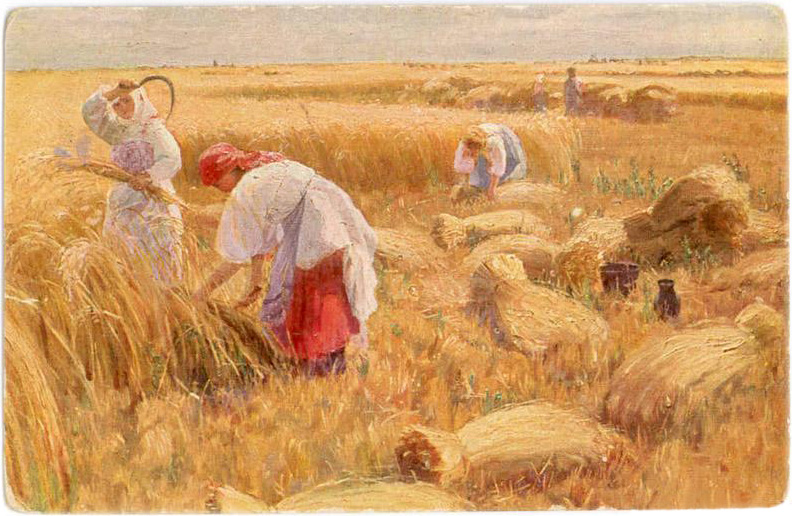
Although the new summer schedule was stipulated by law, actual practices varied greatly from region to region [5]. In some southern regions, children stopped attending school as early as April, while in the north they helped with the strenuous spring work starting in mid-May [5]. In mountainous areas, on the other hand, children did not actually start attending school until the first snow fell [5].
Centralization
The situation regarding school breaks began to be radically standardized only after the establishment of the First Czechoslovak Republic [5]. In 1925, a decree was issued by the Ministry of Education under Ivan Markovič, which precisely set the start of the school year for September 1 and the duration of summer vacation from June 29 to August 31 [10], [17]. This important decree established a basic standard that, with minor variations, remains in effect in our education system to this day [10].
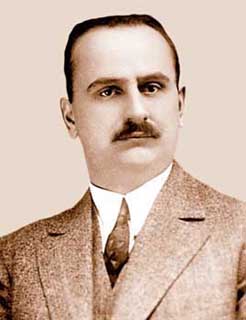
Interestingly, spring break as we know it today did not exist in our country for a long time. They were first introduced in the 1967–1968 school year, at which time the mid-year break was shortened to two days [10]. The timing of these spring breaks began to vary by region in the early 1980s in order to alleviate nationwide pressure on parents to take parental leave [10].
Will the holidays be rescheduled?
Although July and August seem untouchable as vacation months, the future may bring further historic changes. In the modern world, it no longer makes sense for children to help en masse with the summer harvest [25]. Furthermore, ongoing climate change and increasingly frequent heat waves are playing an ever-more-prominent role in the debate over the organization of the school year [17], [22].
Climate change directly affects the weather, which is already having a tangible impact on school instruction itself [25]. Tropical days now often begin as early as May, making the air in hundreds of classrooms unbearably hot and stifling [25]. Children lose their ability to concentrate in such heat, and teachers have just as hard a time standing in front of the blackboard [25].
As a result, a serious debate has emerged in several European countries about whether it would be better to move the dates of summer vacation [25]. Experts acknowledge that it would be worth considering moving the start of summer vacation forward by two weeks to as much as a full month [25]. It is expected that drastic changes in the weather will sooner or later have a real impact on school operations, regardless of established tradition [23].
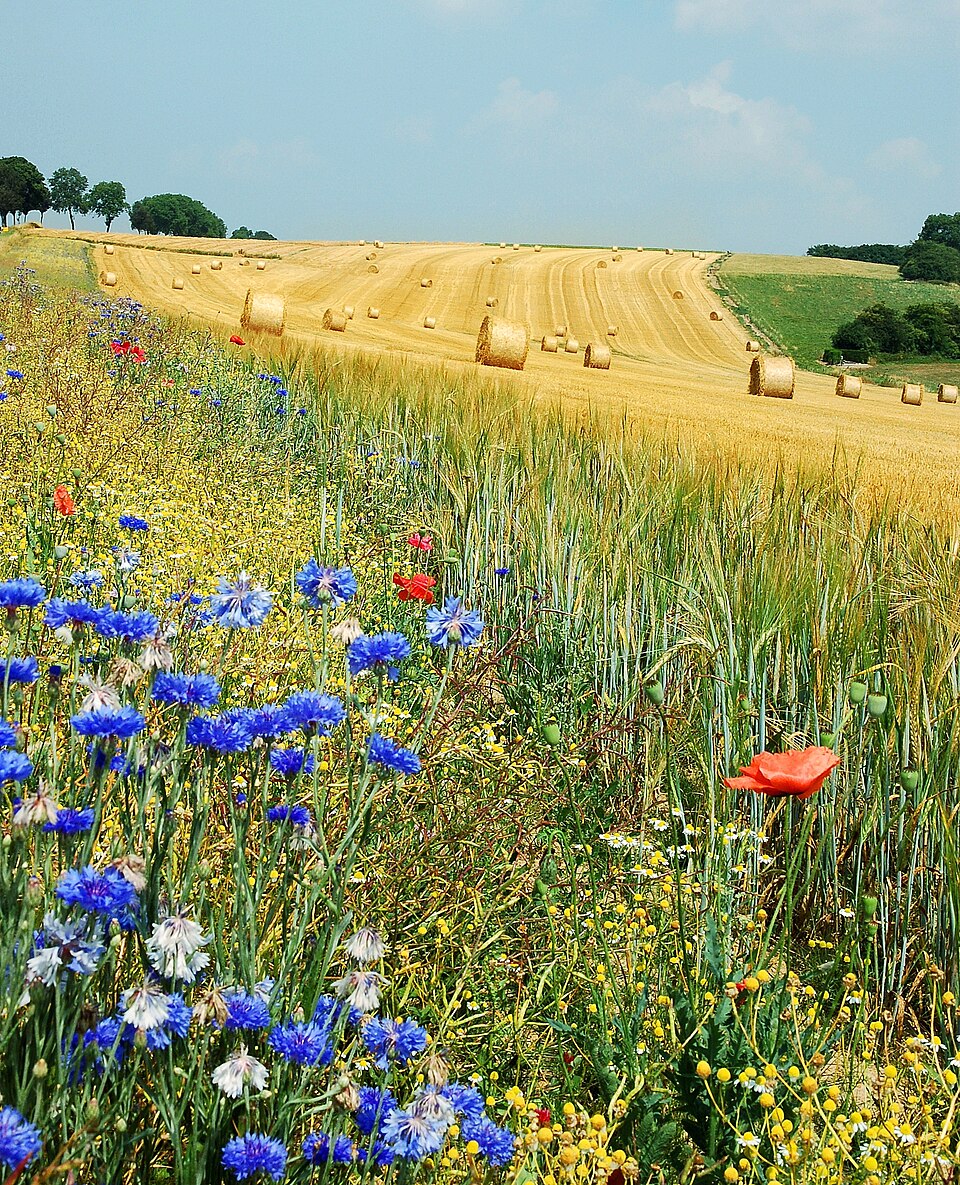
However, the Slovak Ministry of Education currently maintains that the current timing of the summer vacation suits its needs and that it is not considering a change [25]. Nevertheless, the European Climate Observatory warns that, due to changing conditions, it will be necessary to reconsider the timing of summer break [22].
Exactly what the school calendar will look like in a few decades depends to a large extent on unpredictable climate change [23].
List of References
[1] Ratio educationis | Slovaks Were Also Behind the Most Famous School Reform in Our History | Postoj https://www.postoj.sk/144536/behind-the-most-famous-school-reform-in-our-history-were-also-Slovaks
[2] MÁTEJ, J. et al., (1976), History of Czech and Slovak Pedagogy. Bratislava: Slovak Pedagogical Publishing House,
[3] SROGOŇ, T. et al., (1981) History of Education and Pedagogy. Bratislava: Slovak Pedagogical Publishing House
[4] Ratio educationis 1777 and 1806. (1988). The First Unified System of Education and Upbringing in the History of Our Culture (translated by Mikleš, J. and Novacká, M.). Bratislava: Slovak Pedagogical Publishing House
[5] Interviews 24: School Vacations in the Past and Today https://joj24.noviny.sk/rozhovory-joj24/1237855-rozhovory-24-prazdniny-v-minulosti-a-dnes
[6] https://www.jstor.org/stable/2112615
[7] Education as a Tool of the Ministry of Defense and the Interior: Prussia Was the Finland of the 18th Century (FULL) https://robertchovanculiak.substack.com/p/skolstvo-ako-nastroj-ministerstva
[8] Reforms of Enlightened Absolutism https://referaty.aktuality.sk/reformy-osvieteneckeho-absolutizmu/referat-23198
[9] Compulsory school attendance was introduced in our country in 1777 https://www.teraz.sk/slovensko/povinna-skolska-dochadzka-bola-u-na/56141-clanok.html
[10] Museum of Education and Pedagogy https://msap.sk/p/vakacie-skolske-prazdniny
[11] Maria Theresa introduced compulsory schooling 250 years ago, but it did not reach Slovakia until much later – SENIOR.SK https://www.senior.sk/pred-250-rokmi-zaviedla-maria-terezia-povinnu-skolsku-dochadzku-na-slovensko-vsak-prisla-ovela-neskor
[12] 300 Years Since the Birth of Maria Theresa https://vedanadosah.cvtisr.sk/ludia/historia-a-archeologia/300-rokov-od-narodenia-marie-terezie
[13] Chapters from the History of Slovakia—1–4 – e-ucebnice.ff.ucm.sk https://e-ucebnice.ff.ucm.sk/index.php/kapitoly-z-dejin-slovenska-1-4
[14] Homeschooling – Wikipedia https://sk.wikipedia.org/wiki/Dom%C3%A1ce_vzdel%C3%A1vanie
[15] Referaty.sk - Reforms of Maria Theresa https://referaty.centrum.sk/vseobecne-humanitne/dejepis/6893/reformy-marie-terezie
[16] Maria Theresa’s Reforms https://referaty.aktuality.sk/reformy-marie-terezie/referat-29306
[17] Will summer vacation no longer last two months? Take a look at the proposals https://www1.pluska.sk/regiony/letne-prazdniny-uz-nebudu-2-mesiace-pozrite-sa-na-navrhy
[18] “Nothing more revolutionary has emerged in pedagogy since the time of Comenius,” says ethnologist Katarína Nádaská https://komenskehoinstitut.sk/v-pedagogike-sa-od-cias-komenskeho-neobjavilo-nic-revolucnejsie
[19] Summer vacation https://sk.wikipedia.org/wiki/Letn%C3%A9_pr%C3%A1zdniny
[20] The Theresian School Reform in the 18th Century https://reginazapad.stvr.sk/clanky/poznanie-vzdelavanie-veda/336730/terezianska-skolska-reforma-v-18-storoci
[21] Compulsory school attendance was introduced in our country in 1777 - Dobré noviny https://www.dobrenoviny.sk/c/16143/povinna-skolska-dochadzka-bola-u-nas-zavedena-v-roku-1777
[22] A Different Kind of Summer Break? Plaga Admits to a Possible Change Due to the Heat Wave - Médium.cz https://medium.seznam.cz/article/beta-under-the-microscope-summer-vacations-with-a-twist-plaga-admits-change-due-to-heat-wave-307180
[23] Historian on the History of the Two-Month Summer Vacation / We’ve Had Them Since Joseph II; Over Time, the Tradition Should Adapt to Reality https://www.postoj.sk/112507/we-have-had-them-since-Joseph-II-and-over-time-the-tradition-should-adapt-to-reality
[24] Compulsory school attendance was introduced in the Kingdom of Hungary 240 years ago https://eduworld.sk/cd/tasr/3834/240-years-ago-compulsory-school-attendance-was-introduced-in-Hungary
[25] Temperatures are already high in June. Will summer vacation be moved up by a month? | Noviny.sk https://www.noviny.sk/slovensko/349748-teploty-su-uz-v-juni-vysoke-posunu-sa-letne-prazdniny-o-mesiac-skor
[26] The reform that changed Hungary. Compulsory school attendance was introduced 240 years ago https://hnonline.sk/style/kultura/1013841-maria-terezia-introduced-compulsory-school-attendance-240-years-ago
[27] 6. Political Developments After the Peace of Szatmár (Charles VI and Maria Theresa) ~ History – Essays | Zones.sk https://www.zones.sk/studentske-prace/dejepis/19815-6-politicky-vyvoj-po-szatmarskom-mieri-karol-vi-a-maria-terezia
[28] Referaty.sk - Ratio educationis https://referaty.centrum.sk/vseobecne-humanitne/dejepis/22462/ratio-educationis
[29] Leading Expert in Education: Let’s Not Retrain Parents to Be Teachers in Two Months https://www.truni.sk/news/covid-19-je-aj-hospodarsky-dolezite-udrzat-skolsku-dochadzku