Voices for Freedom: Iranian Intellectuals and Their Vision of a Democratic Society
In European—and especially Slovak—public discourse, Iran and democracy are often portrayed as irreconcilable opposites. Looking at today’s Iran, which is dominated by a theocratic regime and the uncompromising suppression of civil liberties, it is easy to succumb to the notion that Iranian society is, at its core, anti-democratic. The opposite, however, is true.
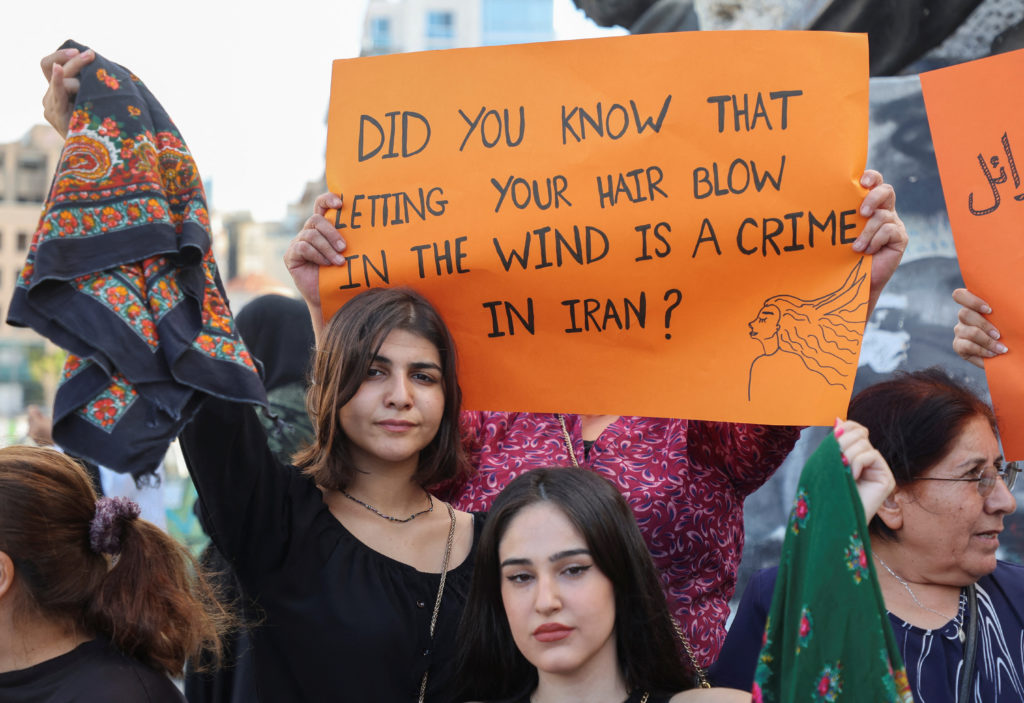
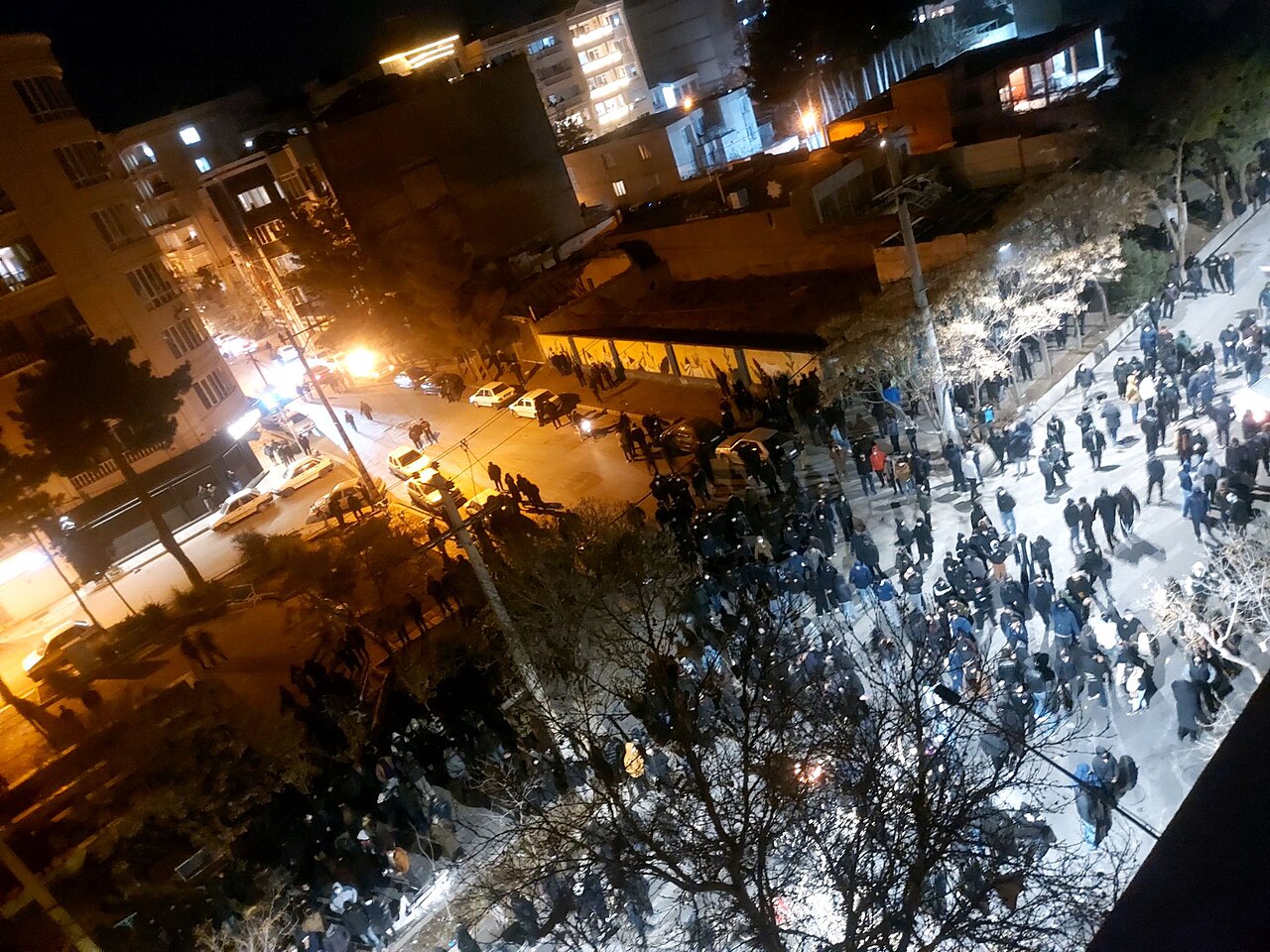
It is precisely in the context of current political events and mass anti-government protests that it is essential to address the topic of Iranian democratic intellectuals. These thinkers—both historical and contemporary, living in their homeland and in exile—represent a school of thought that is largely unknown in our country but absolutely crucial for the future of the Middle East.
They offer comprehensive visions of how Iranian democracy could function, how the relationship between the state and religion should be transformed, and why Islam need not be an obstacle to freedom.
The Historical Roots and Failures of Iranian Democracy
The struggle for a more democratic and just Iran is not a phenomenon of recent years. Its roots stretch back at least to the constitutional revolution of 1906, which can be understood as an attempt to import a proto-democratic worldview into a traditional tribal monarchy with an established clergy. However, this project ultimately failed and gave way to the Pahlavi autocracy and later the Islamic Republic [9].
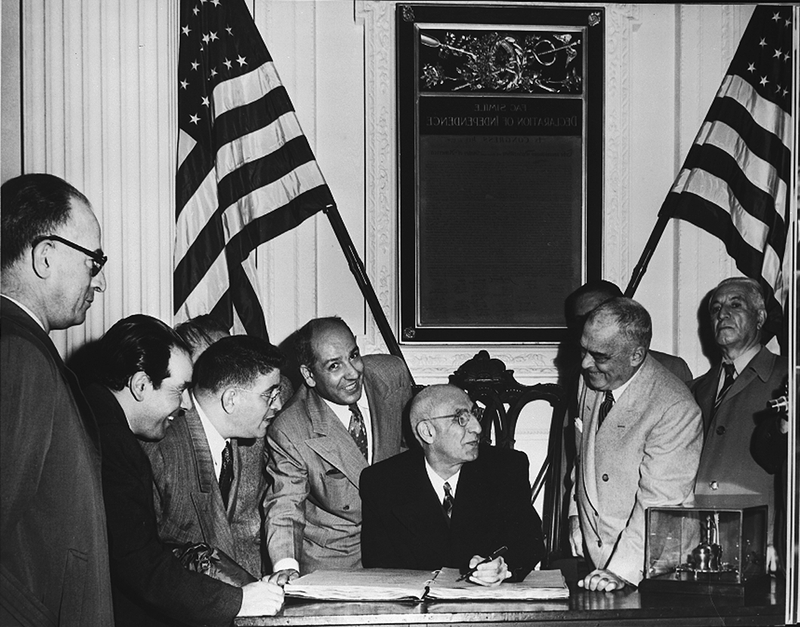
The most popular democratic leader Iran has ever had was the secular politician and Prime Minister Mohammad Mossadegh [12]. In 1951, he came to power with a vision of an independent Iran. His efforts to nationalize the Iranian oil industry and break free from British control sparked immense nationalist enthusiasm and strengthened democratic institutions [11,13].
However, this success was short-lived. In 1953, the U.S. CIA and British intelligence services orchestrated a coup d’état that overthrew Mossadek and restored Shah Mohammad Reza Pahlavi to power [5,11,13]. Iran thus reverted to an authoritarian system, and the foreign-sponsored coup against the popular leader sowed the seeds of an anti-Western revolution [13].
The Shah’s vision of a global Iranian superpower failed due to authoritarian rule, strict control over political life, and the alienation of nearly all segments of Iranian society [11].
Among liberal intellectuals, figures such as Mehdi Bazargan, Ali Shariati, and AbolHasan Bani Sadr have stood out in the past [12]. The prominent scholar Mehdi Haeri Yazdi is also among the key historical figures. As the son of the founder of the largest seminary in Qom and a student of Western philosophy (particularly Immanuel Kant), he strongly opposed Ayatollah Khomeini’s theological-political project.
Yazdi exposed the invalidity of Khomeini’s religious arguments for absolute rule (velayat-e faqih). He embraced the challenge of modernity and, based on Shi’ite principles, developed a democratic political theory, for which he paid the price of domestic imprisonment from 1980 to 1983 [8].
Abdolkarim Soroush: Architect of Religious Democracy
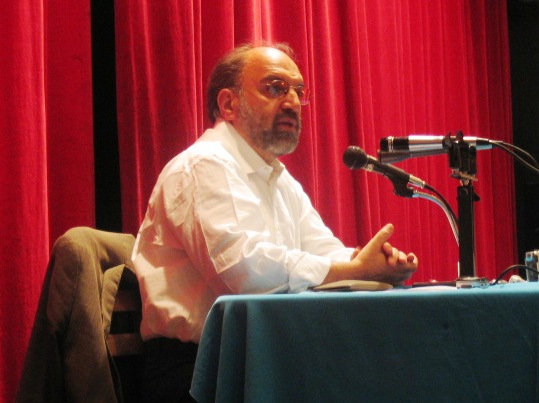
The most prominent figure in contemporary Iranian democratic thought is undoubtedly the philosopher Abdolkarim Soroush. Thanks to his influence, many journalists refer to him as the “Islamic Luther” [7]. Although he initially actively supported the Islamist regime, he gradually distanced himself from it due to ideological disagreements and was only able to fully develop his ideas after 2000 while in safe exile [4].
Soroush seeks to reconcile faith with reason and spiritual authority with political freedom [10]. He rejects the idea that any group, including the clergy, should monopolize the interpretation of religion [6]. He argues that human understanding of sacred texts is constantly evolving under the influence of the times and circumstances, and therefore no single interpretation is absolute [6].
According to Soroush, democracy is the only form of government capable of protecting human rights while preserving religion’s proper role in politics [2]. He rejects the concept of a “purely secular” government in a religious society, because if the government reflects the will of the believing people, it will inevitably have a religious character [2].
However, he does not advocate reducing religion to a political ideology [2]. On the contrary, Soroush advocates, on a practical level, a quasi-secular form of Islamic democracy in which religion is limited to the sphere of ethics and morality [4].
His view of democracy is pluralistic. He distinguishes between inner freedom (emancipation from passions) and outer freedom (the liberation of the political sphere from despots and charlatans) [7].
For a person to be a true believer, they must be free. Faith affirmed under the threat of coercion is not true faith. Freedom is thus the foundation of democracy, which encompasses not only respect for human rights, free elections, and freedom of expression, but also the ability to remove incompetent leaders from power [3,6].
His view on the role of the clergy is particularly interesting: Soroush argues that the rights of the clergy are no greater than the privileges of anyone else. They have no a priori right to rule. They should work like everyone else and earn an independent income from academic work or teaching to avoid compromising themselves and Islam [6].
The foundation of his philosophy is the conviction that values such as human rights and justice lie outside the realm of religion and belong to the domain of philosophy. Religion, after all, speaks the language of duties, not rights. Therefore, religion must adapt to justice, and not the other way around [10,12].
Mohsen Kadivar and the Shift Toward Secular Democracy
While Soroush speaks of religious democracy with elements of secularism, other intellectuals in exile go even further. One example is the cleric Mohsen Kadivar.
A turning point for many reformers was the failure of Mohammad Khatami’s reformist presidency (1997–2005) and the subsequent brutal suppression of the so-called Green Movement in 2009. These events convinced Soroush, Kadivar, and others that the idea of a functional religious democracy within the current system was an illusion [9].
Kadivar openly advocates for the separation of religion and state [14]. He rejects the doctrine of the absolute rule of Islamic jurists (velayat-e faqih), upon which the current regime is based [14]. The concept of justice plays a central role in his theories.
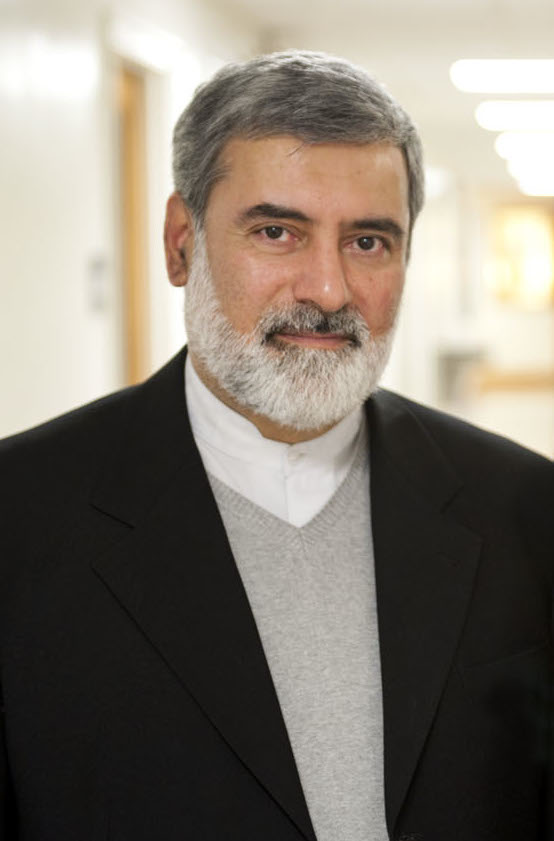
He argues that while Islam serves to realize justice, the very definition of justice changes. Islamic laws may have been considered just in the time of the Prophet, but since the understanding of justice has changed, the laws must also change—especially those concerning women’s rights [14].
Kadivar advocates for the gradual withdrawal of religion from society; rather than replacing outdated commandments with new ones, he would prefer to leave these matters to secular lawmakers [14]. Together with other theologians, they have concluded that God created humans with free will and sufficient reason to manage worldly affairs, giving rise to a liberal-secular and pro-democratic theology within Shi’a Islam [9].
Other Visions from Exile and Their Impact on Contemporary Society
Political visions for Iran’s future do not come solely from philosophers and clerics. Voices such as that of Reza Pahlavi, son of the late Shah, also resonate on the political scene in exile.
Pahlavi has presented a vision of a post-Islamic Iran in which the country would end its military nuclear program, recognize Israel, and normalize relations with the United States. He has promised to end support for terrorist organizations and to combat radical Islamism, thereby seeking to make Iran a stabilizing force in the region [1].
Human rights activists wield enormous influence. Following a wave of protests in 2017 and 2018, fifteen high-profile dissidents issued a statement calling for a national referendum to ensure a peaceful transition to a secular, parliamentary democratic regime [9].
This was followed by a statement from fourteen female activists who accused the regime of enacting discriminatory laws against women and demanded a secular democracy [9]. These efforts sparked a massive online support campaign called “I Am the Fifteenth” [9].
An important question arises: what influence do these intellectuals and activists in exile have on Iran today? The Iranian leadership has cracked down hard on open criticism of the regime within the country [5]. The golden days when reformers could publish books or give lectures at home are gone. However, the internet has become a substitute for face-to-face meetings [14].
Figures such as Soroush and Kadivar document lectures and interviews on their websites and publish entire books in the form of audio files.
Kadivar’s website functions literally as an extensive library [14]. Many of their articles spark lively discussions in Iran, allowing exiles to maintain contact with their students and supporters, and the message of reform continues to live on in the vast virtual space [14].
What’s next?
The ideas of Iranian democratic intellectuals present us with an alternative, highly rational, and deeply humanistic view of a society in which respect for religious tradition can coexist with the observance of universal human rights. Their common goal is to protect political power from being abused under the guise of sanctity.
But have their views ever been put into practice? From a historical perspective, Iran’s democratic movements have suffered either from brutal foreign interventions (as in the case of Mossadegh) or from the inflexible theocratic constitutional structure of the Islamic Republic itself.
As demonstrated by the reform years of President Khatami, when it seemed that some of Soroush’s and the reformists’ ideas might be translated into reality, a system based on the absolute rule of a spiritual leader is incapable of accommodating genuine democratization [9].
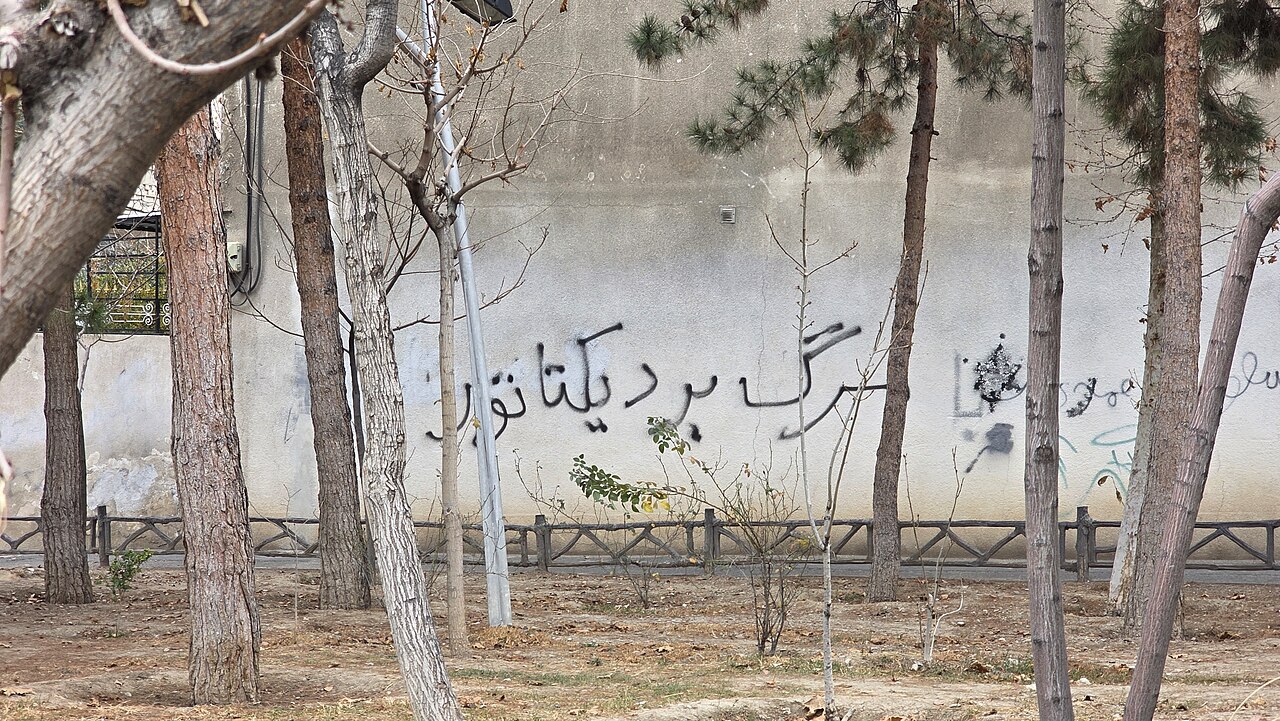
Why are these efforts currently often doomed to failure? The answer lies in the institutional nature of the regime. While intellectuals emphasize that the values of governance should be derived from human rights and the consent of the people, the regime derives its legitimacy from the exclusive right to interpret divine law.
Nevertheless, these ideas are not futile. The conditions for their practical application could arise at a moment of structural upheaval—if mass pressure from below (supported by an online campaign by exiled thinkers) led to the constitutional changes or a referendum that today’s dissidents are calling for.
The ideas of intellectuals such as Soroush and Kadivar provide the necessary theoretical and moral foundation. They serve as proof to both Iranian society and the Western world that the struggle for a democratic and secular Iran is not directed against the country’s cultural identity, but is a logical, rational, and necessary step toward its salvation.
List of References
[1] Exiled Iranian Prince Unveils Vision For A Democratic, Pro‑peace Iran - i24NEWS https://www.i24news.tv/en/news/middle-east/iran-eastern-states/artc-exiled-iranian-prince-unveils-vision-for-a-democratic-pro-peace-iran
[2] Abdolkarim Soroush, "Hukumat-i Dimukratik-i Dini?" (A Religious Democratic Government?), Kiyan 3, no. 11 (1993): 12.
[3] "Mudara va Mudiriyat-i Mu'minan, Sukhani dar Nisbat-i Din va Dimukrasi," 4.
[4] “Islamic democracy” with reference to the political thought of Abdolkarim Soroush and Rachid al-Ghannouchi - Κέντρο Μεσογειακών, Μεσανατολικών και Ισλαμικών Σπουδών https://cemmis.edu.gr/publication/islamic-democracy-with-reference-to-the-political-thought-of-abdolkarim-soroush-and-rachid-al-ghannouchi-2/
[5] Religion and Politics in Iran | Council on Foreign Relations https://www.cfr.org/backgrounders/religion-and-politics-iran
[6] AbdolKarim Soroush :: عبدالكريم سروش » Works On Soroush
[7] Philosophy and Religion: Liberal Democracy in Islam: Abdolkarim Soroush | Reset DOC https://www.resetdoc.org/story/liberal-democracy-in-islam-abdolkarim-soroush/
[8] See Fatimah Jaffer, “Mehdi Haeri Yazdi, An Insight into His Intellectual and Political Philosophy,” Center for Islamic Shi’a Studies Research Series/04, February 2018, http://shiastudies.org/docs/pdfs/mehdi-haeri-yazdi—an-insight-into-his-intellectual-and-political-philosophy.
[9] Iranians Turn Away from the Islamic Republic | Journal of Democracy https://www.journalofdemocracy.org/articles/iranians-turn-away-from-the-islamic-republic/
[10] The Western reader of some of Soroush's writings, including his article "The Sense and Essence of Secularism," in this volume, would be struck by the categorical tone of his argument on Western secularism. Soroush is, after all, an outsider, an "Occidentalist" philosopher, not a sociologist. The Western reader should bear in mind that Soroush's position is important, not because it is original—for the most part, it is not—but because it represents a native synthesis of the Western politi-cal philosophy with traditional Islamic precepts; and that it is articulated by an Islamic thinker with a growing and enthusiastic native audience.
[11] The Iranian Revolution: Islamic Fundamentalism Confronts Modern Secularism | Encyclopedia.com https://www.encyclopedia.com/history/energy-government-and-defense-magazines/iranian-revolution-islamic-fundamentalism-confronts-modern-secularism
[12] [PDF] 'Islam versus the West' and the Political Thought of AbdolKarim ... https://ciaotest.cc.columbia.edu/olj/aln/aln_spring06/aln_spring06a.pdf
[13] For details of the episode, see Stephen Kinzer, All the Shah’s Men: An American coup and the Roots of Middle East Terror (New Jersey: Jon Wiley and Sons, 2003).
[14] Iranian Reformist Thinkers in Exile: More Freedom, Less Impact? | Qantara.de https://qantara.de/en/article/iranian-reformist-thinkers-exile-more-freedom-less-impact