A Mediterranean paradise turned into a hellish migration hotspot
Imagine a piece of Europe that finds itself on the African continent, surrounded by the majestic waters of the Mediterranean Sea. This place is Ceuta, a Spanish exclave and a city whose streets exude ancient history. Today, however, this strategic location is known primarily for the unprecedented immigration crisis that is shaking all of Europe.

A Rich History
Ceuta’s location directly across from the Strait of Gibraltar has made it a gateway between two continents since ancient times [5]. The history of this city began as early as the first millennium B.C., when the Phoenicians founded a settlement here called Abyla [23]. Thanks to its exceptional access to two oceans, the settlement quickly became an important trading hub [24].
Gradually, other ancient empires seeking to control maritime trade began to subjugate this strategic territory. Following the Phoenicians, the city was colonized by the Carthaginians, the Greeks, and later the Romans [1]. During the reign of the Roman Empire, Ceuta—then known as Septem—was an important administrative and military center [23].
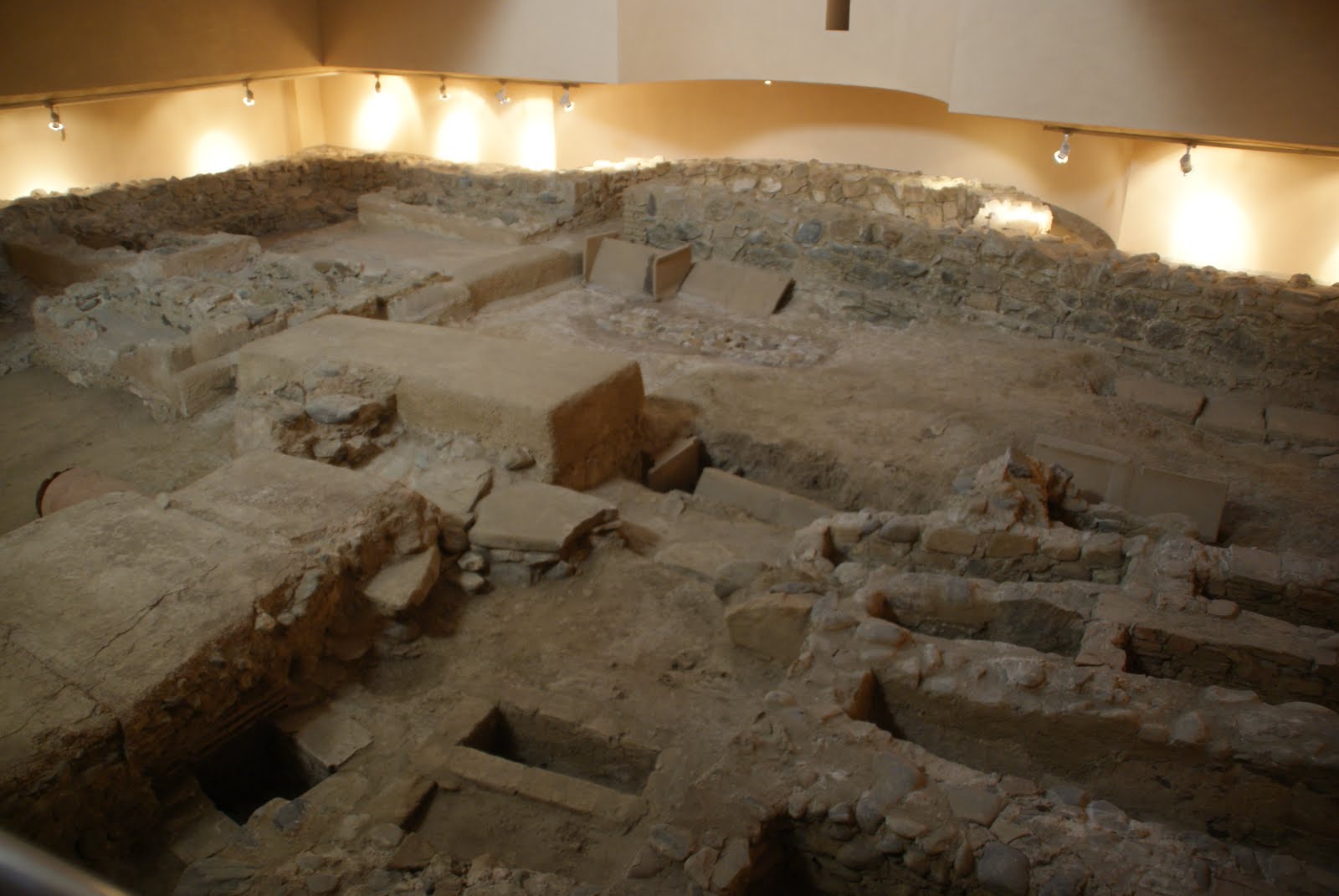
The initial unity of the Mediterranean region was first built on the foundations of the Roman Empire and later shaped by the power of the Catholic Church [18]. Although Islamic conquests in the eighth century shattered this religious unity, Christians and Muslims lived side by side here for centuries despite conflicts [16,18]. To this day, only Ceuta and nearby Melilla remain as the last two vestiges of the once-numerous Catholic cities along the African coast [18].
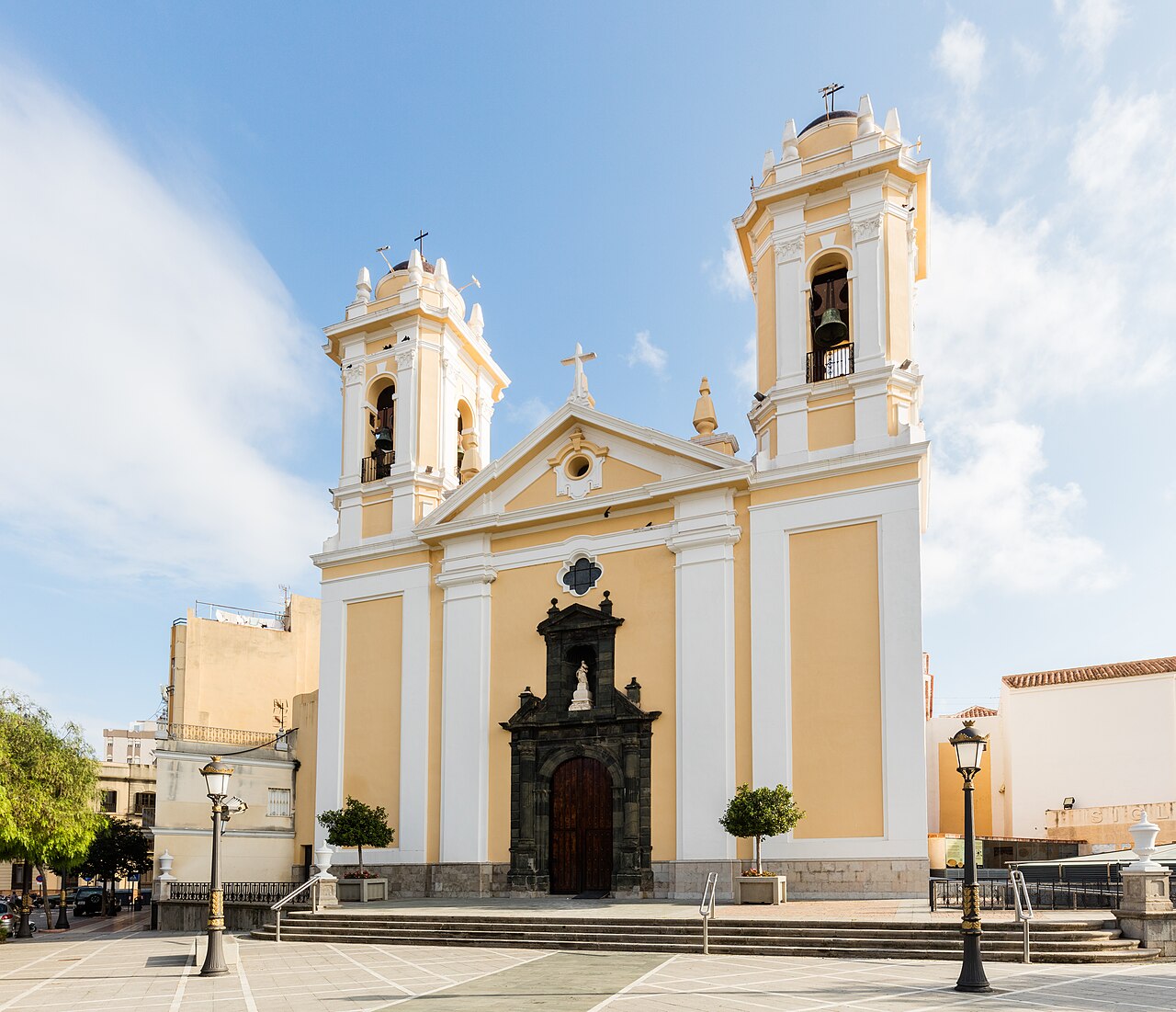
After the fall of mighty Rome, many other rulers succeeded one another in the city, with the Byzantine Empire waging fierce battles over the territory against the Vandals and Visigoths [10]. Later, Ceuta briefly became independent under the leadership of the Byzantine governor, Count Julian [1]. However, this city soon became a springboard for one of the greatest historical events on the Old Continent.
The Arrival of Islam
In 710, Ceuta became the starting point for the Islamic conquest of the Iberian Peninsula [23]. During the Middle Ages, this key port was ruled by several Muslim dynasties, including the Umayyads, the Almoravids, and the Almohads [23]. For centuries, regional powers from both the north and south of the Strait of Gibraltar vied for control of this territory [11].
The city’s commercial importance was immense, as it served as a trading hub for ivory, gold, and slaves [1]. There was a strong focus on trade with the Levant, Egypt, and Libya, as well as significant exports of coral and tuna fishing [3]. Interestingly, despite its immense wealth, Ceuta had to regularly import grain just to survive [4].
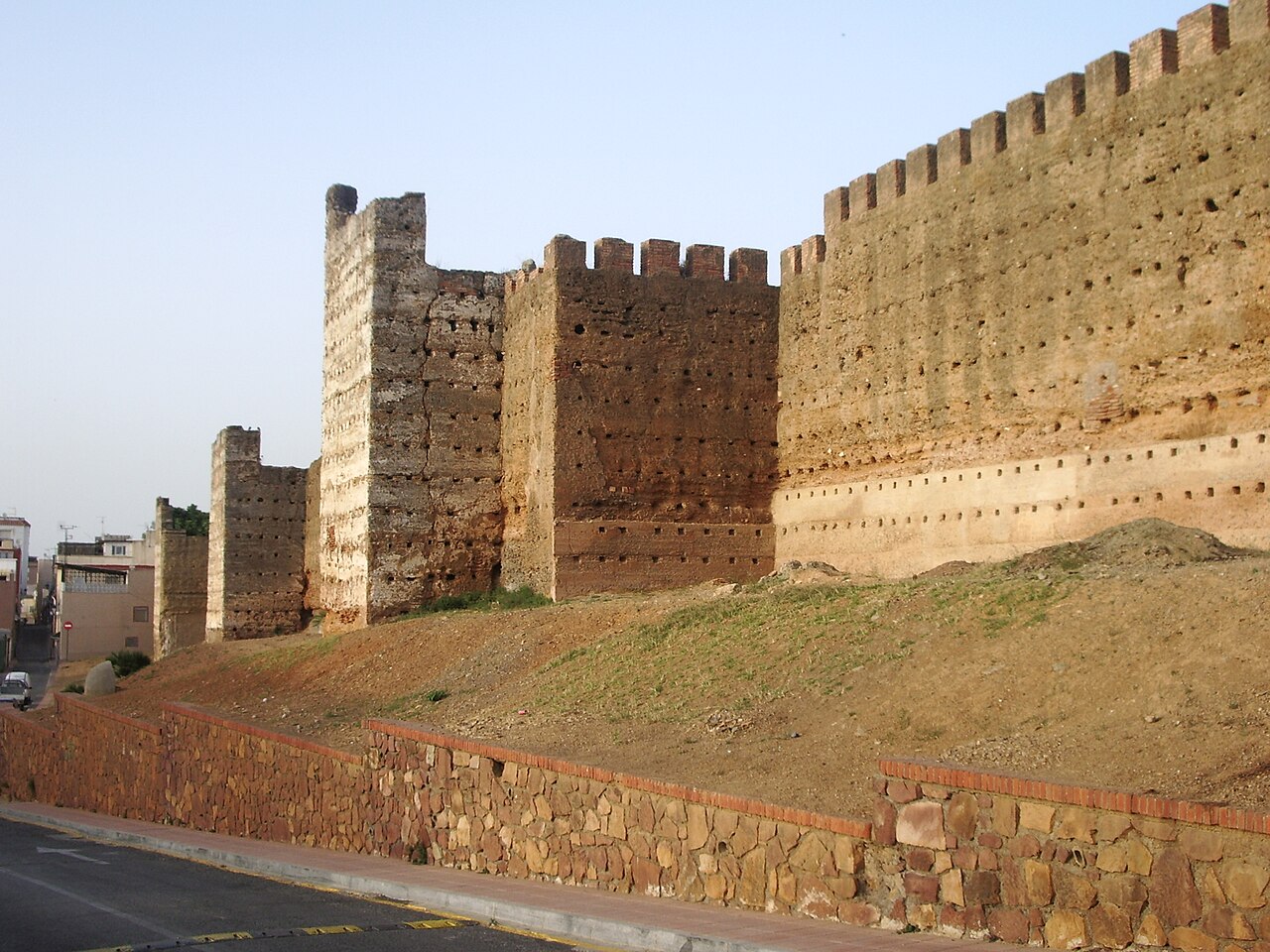
By the 15th century, however, the once-prosperous city had experienced a significant decline, and its population had shrunk drastically [6]. Intellectual and commercial life fell into decline, and many city districts were left almost completely abandoned [6]. This temporary weakness opened the door to a new European power that was eager to expand onto the African continent.
The Portuguese and the Spanish
On the morning of August 21, 1415, King John I of Portugal, along with his sons, led a surprise attack that went down in history as the conquest of Ceuta [11]. The city was thus severed from the influence of the Merinid dynasty and became part of the growing Kingdom of Portugal [9]. The Portuguese exploited this excellent location not only for trade but also to strategically encircle their most dangerous rival, Castile [5].
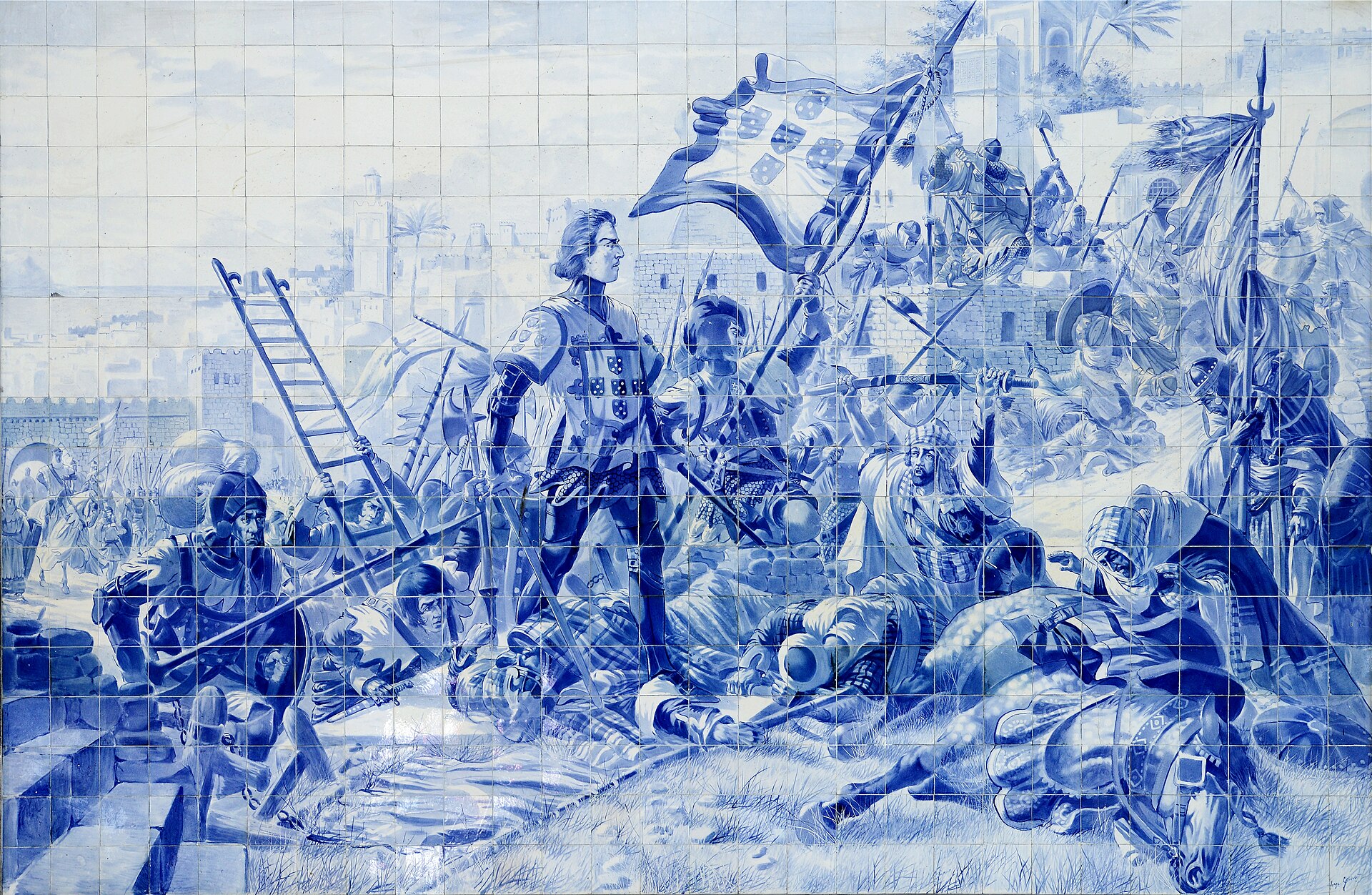
After the city’s conquest, the Casa de Ceuta was established there; this institution was responsible for supplying and overseeing the city from offices in Lisbon and Porto [7]. Over time, Ceuta transformed into a formidable military base and one of the main ports for Christian corsairs in the western Mediterranean [8]. From this protected stronghold, Portuguese ships would then raid enemy Muslim vessels, bringing enormous profits to the kingdom [8].
So how did this proud Portuguese city ultimately fall into Spanish hands? The answer lies in the year 1580, when Portugal and Spain were united under a single monarch in the so-called Iberian Union [10]. When Portugal regained its independence in 1640, Ceuta was the only part of the Portuguese empire that sided with Spain [13].
This was because the inhabitants of Ceuta were largely of Spanish origin, and therefore decided to remain under Spanish administration [10]. This transfer was officially confirmed on January 1, 1668, in the Treaty of Lisbon, in which King Afonso VI of Portugal permanently ceded Ceuta to King Charles II of Spain [11]. Since then, with the exception of a brief British occupation during the Napoleonic Wars, Ceuta has remained under the continuous rule of the Kingdom of Spain [11,12].
The Longest Siege in History
Interestingly, in 1694, the Moroccans besieged the city, thus beginning the longest siege in world history, which did not end until 1727 [36]. During the 18th and 19th centuries, the city even served as a strict penal colony for Spanish political prisoners [23]. Despite the subsequent decolonization of Africa, Spain retained Ceuta, and in 1995 it became a fully autonomous city [10,11].
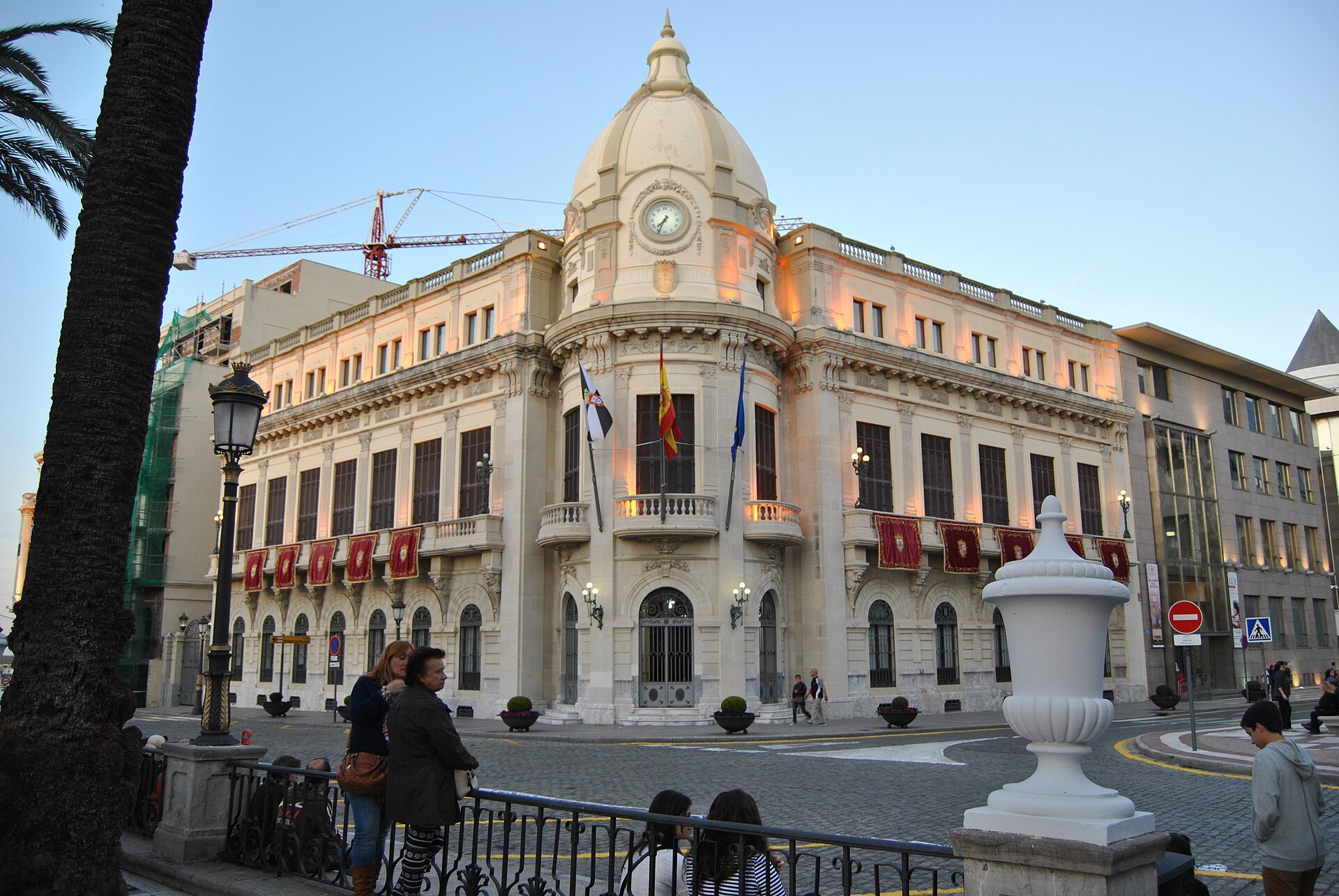
To this day, the locals remain exceptionally proud of their deep connection to the ocean [24]. The city is full of magnificent statues and monuments that pay tribute to its long and glorious maritime history [24]. However, in the 21st century, this ancient and peaceful port is unexpectedly facing challenges of a completely new kind.
Today, this city-state with a population of approximately 83,000 is the epicenter of one of Europe’s most serious immigration crises [10,14]. The Moroccan government does not recognize Spanish sovereignty over Ceuta and continues to regard this historic territory as its own [14,17]. As the European Union’s only land border with the African continent, the city serves as a coveted gateway to Europe for many migrants [10,17].
These two vast worlds are separated only by border fences, watchtowers, and barbed wire, which can be seen even directly from the beach [10]. Every year, thousands of African refugees and immigrants unsuccessfully attempt to cross this fortified barrier [1]. Many migrants choose to cross the land border, while others risk their lives on flimsy rubber boats at sea [20].
The Immigration Crisis
A major turning point occurred particularly during 2021 and subsequently in 2026, when the border situation spiraled completely out of control. For example, in late July 2026, as many as 60,000 to 80,000 migrants flooded into a small European exclave in a single day [14,15]. These desperate people swam for hours in the sea and climbed over fences and border barriers with a single goal—to reach Spain [14,19].
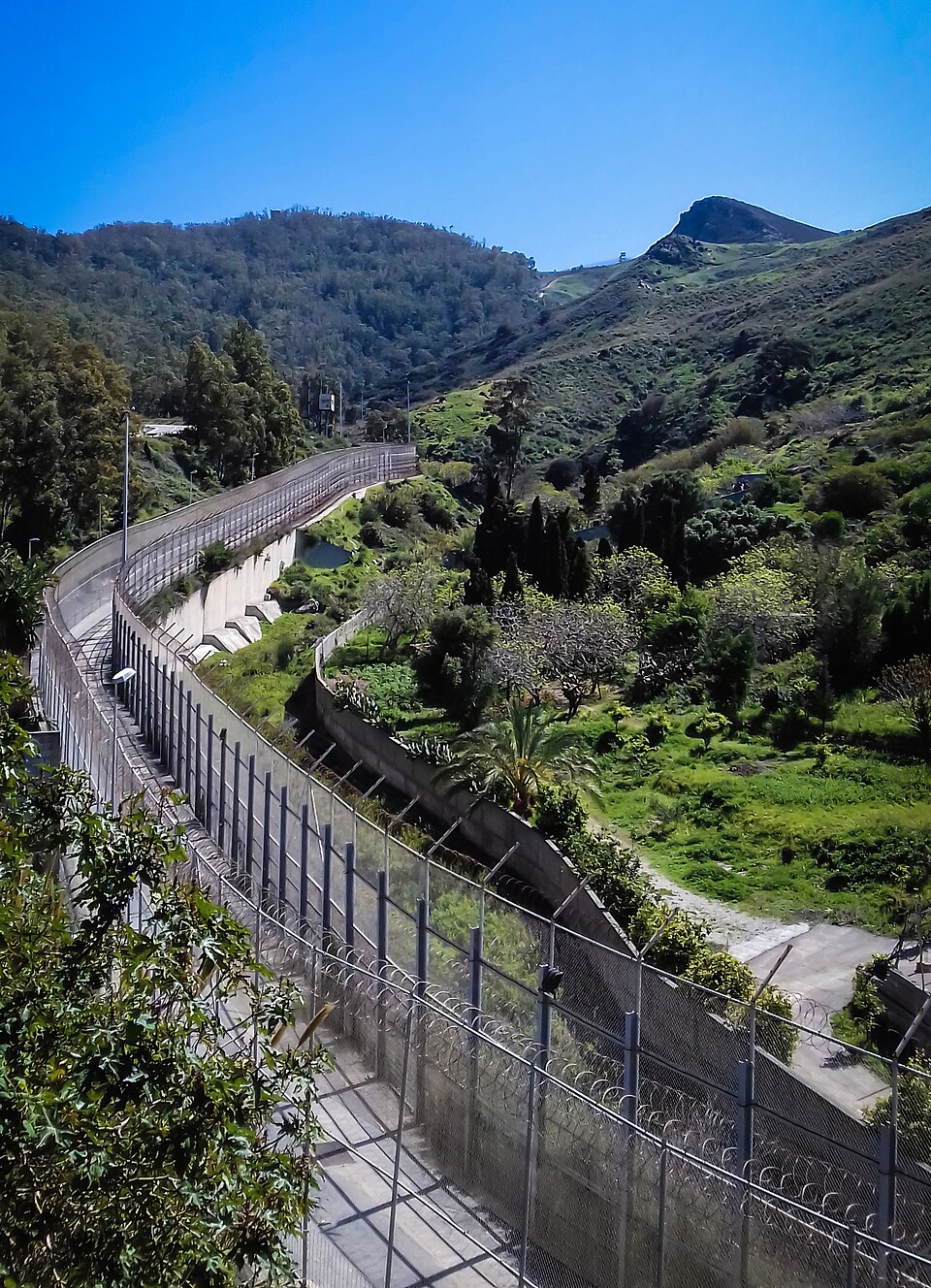
Chaos and unrest immediately took over the city’s streets, with thousands of young men and children sleeping aimlessly in parks and on sidewalks [19]. This massive influx represented an absolute humanitarian catastrophe for the small enclave with limited accommodation capacity [25]. Unfortunately, dozens of people did not survive this dangerous journey, as they either drowned or were trampled to death in the crush at the Tarajal border crossing [19].
Violence at these borders is not entirely new, however, as the border crossing has faced bloody clashes in the past as well. In February 2014, for example, hundreds of sub-Saharan Africans attempted to swim to El Tarajal Beach, resulting in the tragic deaths of 15 refugees [20]. Social and non-governmental organizations have therefore long pointed out that border control has taken precedence over respect for the fundamental right to life at these European borders [20].
Many are rightly asking what triggered such an extreme and unexpected wave of migration. Analyses show that the direct causes are the desperate economic situation in Morocco and the absolute lack of any job opportunities [25,29]. However, misleading information and massive disinformation campaigns spread through social media also played a significant role in the chaos [25]
Many of the young people arriving at the borders are seeking at least a glimmer of hope for a better future in Europe [29]. It is estimated that as many as 70 percent of Moroccan youth are considering emigrating abroad soon due to a complete lack of prospects in life [27]. In Morocco itself, many residents face a catastrophic state of the healthcare and education systems, which is literally driving them from their own homes [29].
Smuggling networks on the internet have convinced many young Moroccans that Spain’s borders are wide open to them [14]. These criminal networks have deliberately misrepresented a recent decision by the Spanish Supreme Court and spread misinformation about it [26]. At the time, the court ruled only that migrants arriving in Ceuta by sea cannot be immediately deported without due process [19,22].
However, some foreign critics directly blame Spanish Prime Minister Pedro Sánchez and his more lenient pro-immigration policies for the crisis [14]. In the past, the Spanish government approved reform plans that allowed a huge number of undocumented immigrants to apply to regularize their status [14]. These accommodating measures were strongly criticized by European right-wing politicians as a clear invitation to more undocumented refugees [14].
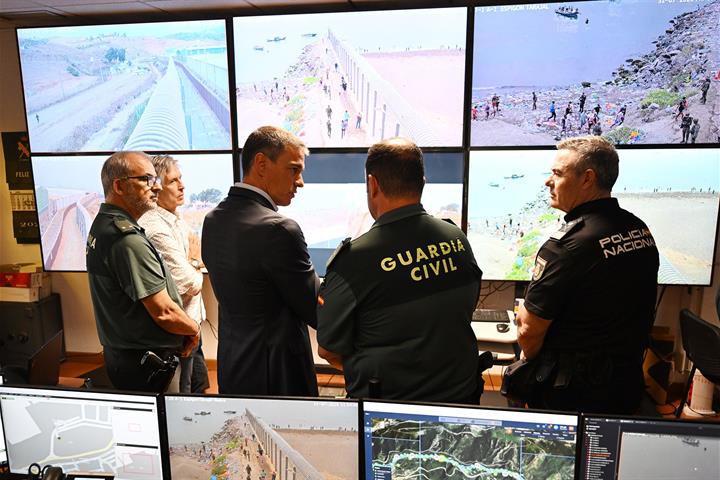
Although at first glance this may appear to be a typical humanitarian crisis, the bitter truth lies in international geopolitics. Many migrants admitted that Moroccan border guards explicitly encouraged them, stepped aside from the roads, and pointed them in the direction of the border [14]. These mass border crossings were therefore not spontaneous but deliberately coordinated by Moroccan authorities as a devious tool of diplomatic pressure [2].
Geopolitics
For many years, Morocco has been using its control over migration flows to engage in so-called “migration blackmail” against all of Europe [32]. The goal of this modern form of blackmail is to punish its European neighbors and force them to make predetermined political or economic concessions [32]. The Moroccan government simply reduces border security and deliberately triggers a humanitarian disaster on Spanish territory [30].
One of the main reasons for this Moroccan hybrid offensive is the diplomatic dispute over Western Sahara, to which Morocco lays claim in its entirety [30]. For example, in 2021, the Moroccans staged an influx of 10,000 migrants solely as retaliation for Spain’s admission of Western Sahara leader Brahim Ghali to a hospital [17,27]. This underhanded tactic serves as an asymmetric weapon, in which the suffering people themselves are used as a means of coercion instead of military force [22].
This migration-based assault on the European Union’s borders has also sparked sharper international reactions and deep geopolitical rifts. Foreign analysts argue that Morocco’s actions could also be quietly underpinned by an alliance with the U.S. and Israel, strengthened by the Abraham Accords [17,31]. Morocco may thus feel much more emboldened to undermine the influence of the Spanish government, which, conversely, has begun to build warmer relations with Morocco’s rival, Algeria [17,31].
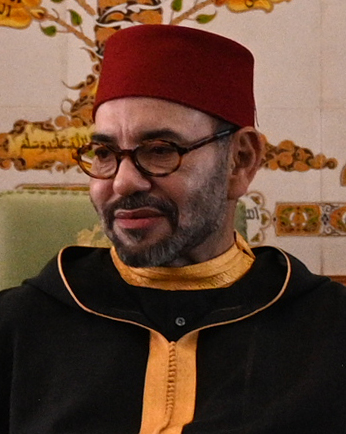
The success of European migration policy has long been measured purely by preventing the arrival of migrants; however, this has paradoxically made the European Union dependent on third countries [21]. Thanks to this forced dependence, transit countries such as Morocco can successfully negotiate massive financial packages and favorable trade agreements with Brussels [34,35]. Europe has thus unwittingly created a dangerous system in which the exploitation of migration has become an exceptionally profitable geopolitical strategy [21].
What are the possible solutions?
So how can this acute and long-term unsustainable situation in Ceuta be resolved at all? The Spanish government’s most immediate response was to deploy military units to quell the massive chaos in the surrounding streets [1,19]. At the same time, Prime Minister Pedro Sánchez promised to secure the maritime borders with new physical barriers and buoys, which will significantly facilitate monitoring for incoming swimmers [14].
However, this wave of massive crises not only hit Spain hard but also highlighted deep rifts in solidarity within the European Union [16,31]. Instead of assisting the affected member state, Italian Prime Minister Giorgia Meloni began criticizing Spain, and Italy temporarily suspended the free movement of travelers from that country within the Schengen Area [14,31]. Even neighboring France reacted immediately with stricter domestic border controls and the preventive deployment of surveillance drones along its borders [14,31].
Experts are proposing longer-term solutions for systematically addressing such hybrid migration attacks in the future. The European Union must, first and foremost, demonstrate full solidarity and unequivocally view the attacks on Ceuta as a direct assault on the external border of the entire Union [31]. It is absolutely essential that European governments clearly label these coordinated border crossings as attacks and completely refuse to refer to them as a routine immigration crisis [2].
At the same time, clear diplomatic and economic sanctions should be strictly established in advance against all states that insidiously exploit migration in this way [2]. The EU’s massive financial support for Morocco must be strictly conditional on compliance with agreements and radical reforms in the management of its own borders [33]. If this does not help, Brussels should begin to make a credible threat to suspend key trade partnerships, given that as much as two-thirds of Moroccan exports are destined for its markets [31].
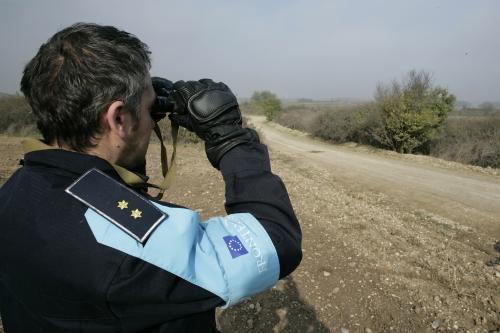
Another proposed measure is to gradually reduce Europe’s reliance on Morocco alone as the sole guardian of Africa’s entry points [33]. Better strategic coordination with European border agencies such as Frontex would ensure faster responses in the future without the need to rely blindly on third parties [33]. However, in addition to forceful and restrictive measures, it is equally important to continuously address the root causes of these mass exoduses directly.
The solution to the root causes of migration lies primarily in massive investment in youth education and the creation of stable jobs directly in North African countries [33]. As long as young people see no real hope for a decent future in their beautiful homeland, migration routes will continue to shift spontaneously and adapt to obstacles [28,29]. Furthermore, all new migration agreements should strictly ensure respect for fundamental human rights so that the needless tragedies of the past are never repeated [33].
Ceuta has successfully weathered centuries of fierce battles, long sieges, and the fall of great empires, but today it faces a challenge that is drastically redefining not only its own existence but also pan-European security. This unique little city illustrates what a powerful—and at the same time tragic—international instrument ordinary people seeking simply a better life can become. It is now entirely up to our leaders to find truly stable and humane solutions to this extremely complex geopolitical chess game.
List of References
[1] Ceuta | Facts, History, Population, Border, & Map https://www.britannica.com/place/Ceuta
[2] Spain's Ceuta Migrant Surge Highlights How Migration Can Be Weaponized https://cis.org/Parsing-Immigration-Policy/Spains-Ceuta-Migrant-Surge-Highlights-How-Migration-Can-Be-Weaponized
[3] Quintella 1839, pp. 57–70
[4] Livermore, H. V. “On the Conquest of Ceuta.” Luso-Brazilian Review 2, no. 1 (1965): 3–13. http://www.jstor.org/stable/3512869, p. 5.
[5] Payne 1973, p. 191.
[6] Duarte, Luís Miguel: “1415 - New Horizons: The Conquest of Ceuta and the Sea” in Fiolhais, Carlos; Franco, José Eduardo; Paiva, José Pedro: *The Global History of Portugal: From Prehistory to the Modern World*, Sussex Academic Press, 2022, p. 160.
[7] da Silva 2019, pp. 36–37
[8] Barata 2016, pp. 65–73
[9] Portuguese conquest of Ceuta - Wikipedia https://en.wikipedia.org/wiki/Portuguese_conquest_of_Ceuta
[10] Inside the tiny corner of Spain that lies in the middle ... https://www.cnn.com/travel/ceuta-spain-north-africa
[11] Office of the President (March 14, 1995), Organic Law 1/1995, of March 13, on the Statute of Autonomy of Ceuta, pp. 8055–8061, retrieved August 19, 2023
[12] Chisholm, Hugh, ed. (1911). "Ceuta". Encyclopædia Britannica. Vol. 05 (11th ed.). Cambridge University Press. p. 777; see the last eight lines.
[13] Griffin, H (2010). Ceuta Mini Guide. Mirage. ISBN 978-0-9543335-3-9. Archived from the original on March 5, 2012. Retrieved January 18, 2010.
[14] https://www.nytimes.com/2026/07/31/world/europe/migrants-surge-morocco-ceuta-spain.html
[15] "Death toll in Spain border crisis reaches 67 as tens of thousands cross back into Morocco". NPR. August 1, 2026 – via Associated Press.
[16] Ceuta faces an unprecedented migration crisis: 'Muslims here are constantly required to prove they are real Spaniards' https://www.lemonde.fr/en/le-monde-africa/article/2026/08/07/ceuta-faces-an-unprecedented-migration-crisis-muslims-here-are-constantly-required-to-prove-they-are-real-spaniards_6756271_124.html
[17] The Real Story Behind the Human Wave That Entered Ceuta | The Nation https://www.thenation.com/article/world/ceuta-spain-morocco-border-crisis-western-sahara-geopolitics
[18] The Hidden Story Behind the Ceuta Migrant Crisis https://www.ncregister.com/commentaries/fernandez-ceuta-crisis
[19] 60,000 Moroccan migrants cross into Ceuta, triggering ... https://apnews.com/article/spain-ceuta-migration-66839d113f24ba80d08b36d2b337201c
[20] Why Violence Is Flaring at Europe’s Border Crossings - Open Society Foundations https://www.opensocietyfoundations.org/voices/why-violence-flaring-europe-s-border-crossings
[21] Ceuta and the Other Side of Migration Instrumentalization | Dublin City University https://www.dcu.ie/blog/2151/ceuta-and-other-side-migration-instrumentalisation
[22] Battlefield, Ceuta https://inirnet.org/article-written-for-inir/battlefield_ceuta
[23] Ceuta: Tourist Guide to the Spanish City at the Crossroads of Europe and Africa - Pin Your Footsteps - Travel Blog https://www.pinyourfootsteps.com/ceuta-tourist-guide-to-the-spanish-city-at-the-crossroads-of-europe-and-africa
[24] The Pillars of Hercules – Part 2 – Ceuta – A Jeanne in the Kitchen https://ajeanneinthekitchen.com/2019/08/23/the-pillars-of-hercules-part-2-ceuta
[25] Migration Dynamics in Ceuta: Morocco-Spain Relations, Western Sahara, and Regional Balances | Orsam https://orsam.org.tr/en/yayinlar/migration-dynamics-in-ceuta-morocco-spain-relations-western-sahara-and-regional-balances
[26] Spain's Prime Minister Blames Traffickers After 60,000 Migrants Reach Ceuta from Morocco https://www.bbc.com/news/articles/cx2kp639yx4o
[27] Dealing with the threat of weaponized migration – GIS Reports https://www.gisreportsonline.com/r/weaponized-migration
[28] Ceuta and the Changing Routes of Migration: Understanding the 300% Rise in Crossings - Aidez nous a Aider https://aideznousaaider.com/2026/05/ceuta-and-the-changing-routes-of-migration-understanding-the-300-rise-in-crossings
[29] Who is responsible for the Ceuta border surge? https://www.dw.com/en/ceuta-border-crisis-morocco-spain-migrants-eu-migration-policy-graphics/a-78237295
[30] Migration as Leverage: Morocco’s Strategic Use of Migration in the Western Sahara Dispute — Ghent Institute for International and European Studies — Ghent University https://www.ugent.be/ps/politiekewetenschappen/gies/en/research/publications/honours_paper/academic-year-2024-2025/migration-as-levarage
[31] Alone at the border: Ceuta and Europe’s failure of solidarity – European Council on Foreign Relations https://ecfr.eu/article/alone-at-the-border-ceuta-and-europes-solidarity-failure
[32] Are the US and Israel Benefiting from 'Migration Blackmail' in ... https://responsiblestatecraft.org/morocco-spain-migrants-israel
[33] Morocco’s Diplomatic Leverage: Influencing Relations with ... https://ipr.blogs.ie.edu/wp-content/uploads/sites/574/2025/05/Moroccos-Diplomatic-Leverage_-Influencing-Relations-with-Spain-and-the-EU.pdf
[34] Greenhill, K. M. (2010). Weapons of mass migration: Forced displacement as an instrument of coercion. Cornell University Press.
[35] Zaragoza-Cristiani, J. (2016). Empowerment through migration control cooperation: The Spanish-Moroccan case. European University Institute Working Papers. https://cadmus.eui.eu/bitstream/handle/1814/41686/Zaragoza_Cristiani_2016.pdf
[36] Spanish Africa: Ceuta and Melilla – Everything Everywhere https://everything-everywhere.com/spanish-africa-ceuta-and-melilla