September 11, which the White House liked
September 11 is associated worldwide not only with the terrorist attacks in the U.S., but also with a dark anniversary in Chile, South America.
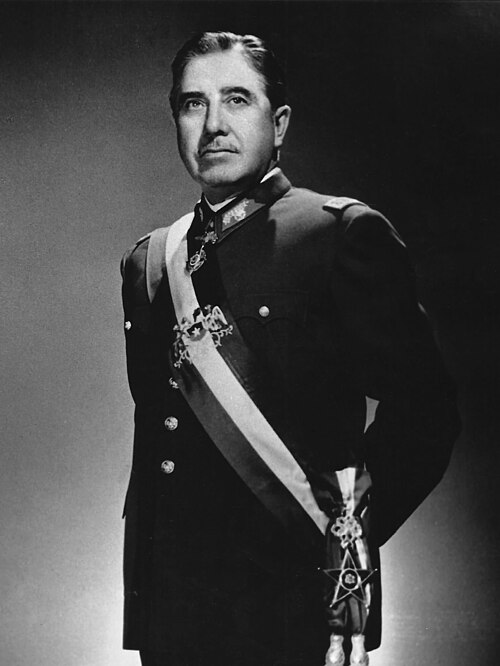
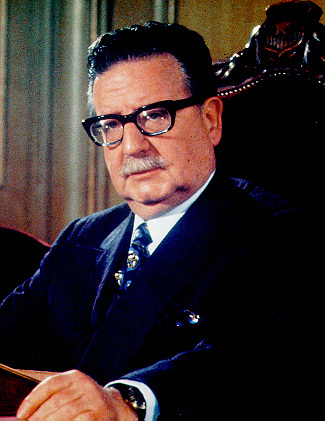
On this day in 1973, the democratically elected socialist president, Salvador Allende, was overthrown in a bloody military coup. [1] General Augusto Pinochet seized power and established a repressive regime based on fear, oppression, and violence. [1]
An Unassuming Man
Before Pinochet became a world-famous dictator, he had led a fairly ordinary military career. He was born in 1915 into a modest family; in 1937, he graduated from the military academy and gradually rose through the ranks. [2]
During his service, he built a reputation as a loyal officer devoted to the Constitution, one who did not reveal his true intentions unless it was absolutely necessary. [5], [19]
This image helped him rise to the very top of the military hierarchy. In August 1973, President Allende appointed him commander-in-chief of the Chilean Army. [2] Allende was so convinced of his loyalty that even on the fateful morning of the coup, he refused to believe the general had betrayed him. [10]
September 11
The coup itself, on September 11, 1973, was swift, effective, and exceptionally brutal. General Pinochet did not join the conspiracy until September 9, but his participation ultimately proved decisive. [5] At that time, the army surrounded the La Moneda presidential palace in Santiago, which was subsequently attacked by military fighter jets. [5], [19]
Salvador Allende committed suicide during this attack, thereby avoiding having to legitimize the coup by surrendering. [5], [6]
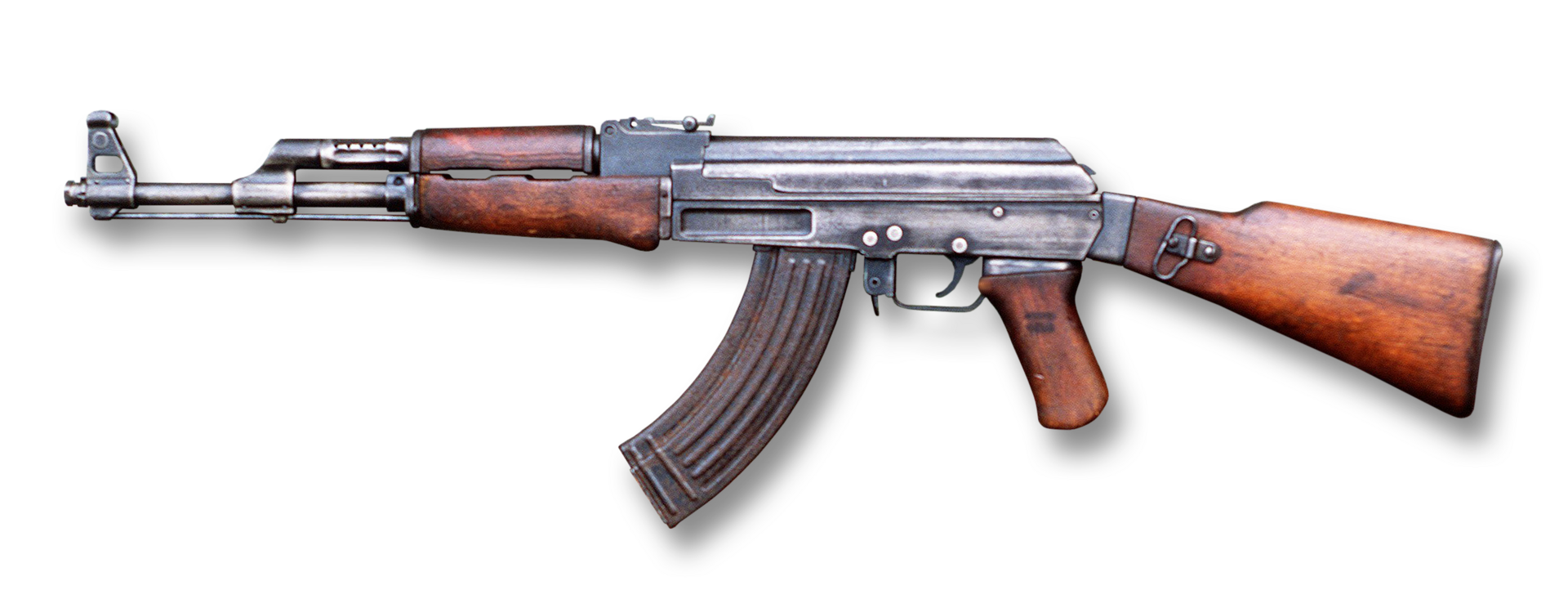
A military junta was subsequently established, and Pinochet quickly suspended the constitution, dissolved Congress, and declared himself supreme leader. [5]
The democratic government was thus practically replaced overnight by a ruthless dictatorship—an unwelcome development in Chile, which, unlike its South American neighbors, was not accustomed to constant military coups. [6]
The CIA’s Moment of Glory
However, this dramatic turning point in Chilean history did not occur without the influence of foreign powers, particularly the United States. Since Allende’s election in 1970, the administration of President Richard Nixon had been actively working to destabilize his socialist regime. [10]
Nixon himself ordered the CIA director at the time to, so to speak, “make the Chilean economy scream,” which he largely succeeded in doing; the bleak economic situation helped create chaos in the country prior to the coup. [5]
Secretary of State Henry Kissinger also played a significant role in this process, as he feared that Chile might become “a second Cuba.” [11]
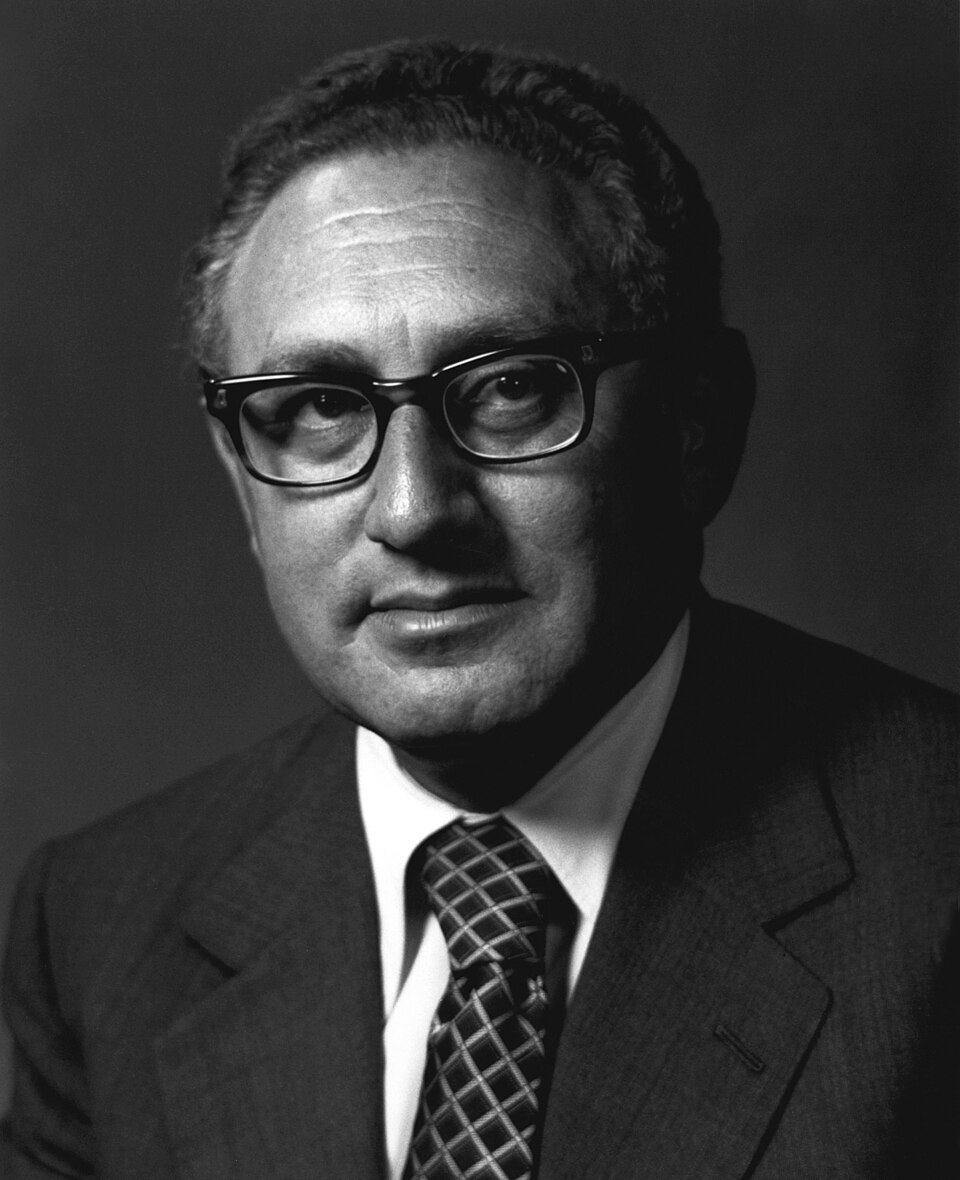
For this reason, the CIA funded opposition media outlets, such as the daily newspaper El Mercurio, and supported widespread strikes across the country. [23] Although declassified documents do not confirm direct U.S. involvement in the military coup itself, the CIA actively supported the coup and helped the junta consolidate power. [10]
Pinochet and his supporters later defended the coup by claiming they had saved the country from a Marxist dictatorship and an impending civil war. [2], [20]
After the coup, the military junta published the so-called White Paper, in which it claimed that Allende’s government was planning its own coup, known as Plan Z. [10] This plan was intended to serve as irrefutable proof of the communist threat and thus legitimize the harsh military intervention. [10]
History, however, has shown that this was merely a calculated manipulation of public opinion. Plan Z was later officially recognized as a fabricated product of political propaganda. [10]
Furthermore, historians have discovered that the CIA actively participated in creating these false reports with the aim of justifying the establishment of a military dictatorship in Chile. [10], [12] Furthermore, shortly after the coup, Pinochet skillfully outmaneuvered the other coup plotters and quickly became the undisputed leader of the new regime.
Terror
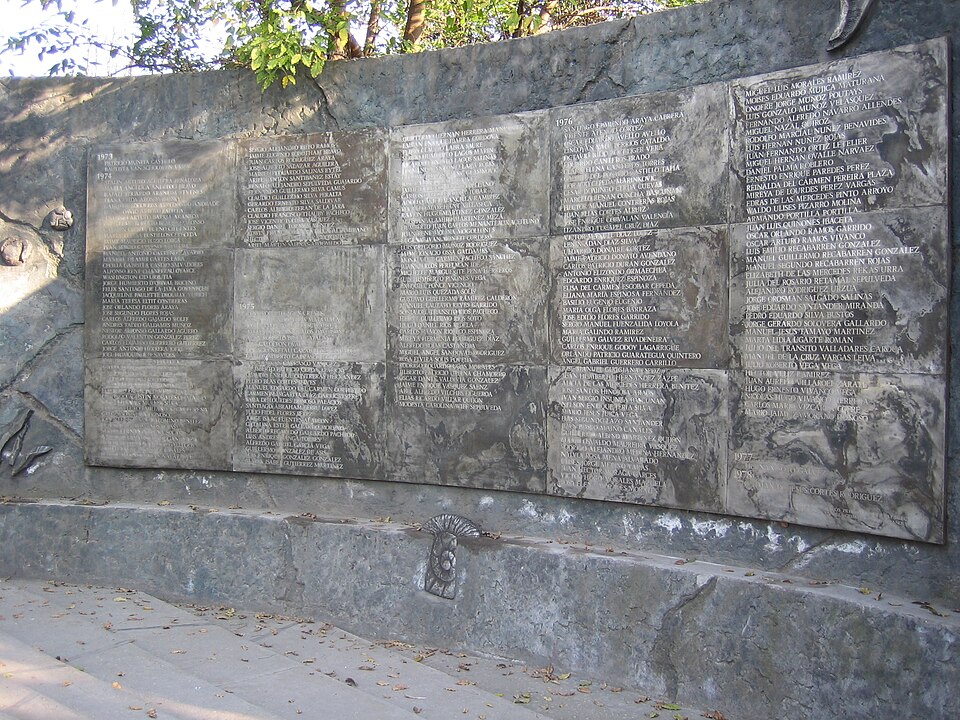
Justifying the coup was merely a cover for the massive human rights violations that began immediately after the seizure of power. According to official records, more than 40,000 people were tortured during Pinochet’s regime, and approximately 3,200 people were murdered or “disappeared.” [1], [26]
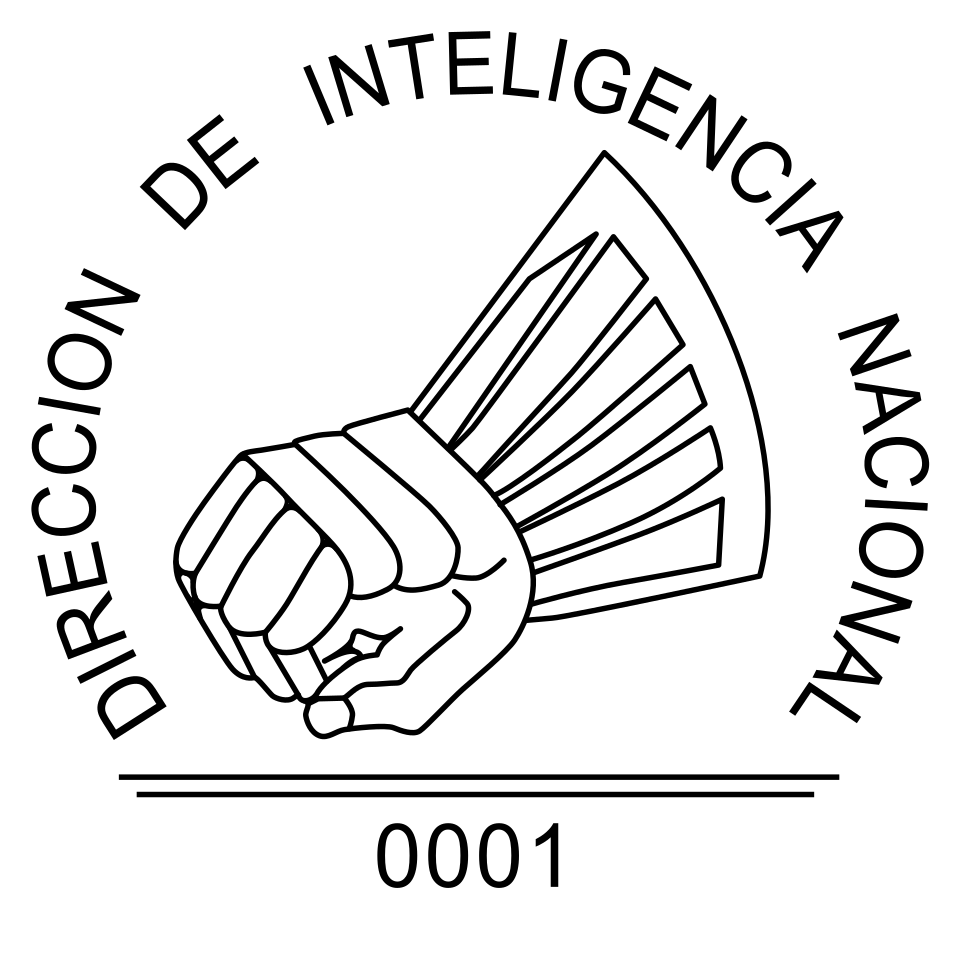
State-sponsored terror was carried out primarily by the secret military police, the DINA, which persecuted both actual and perceived opponents of the regime. [1]
The practices of this secret police force were exceptionally brutal and inhumane. Thousands of people were herded into the National Stadium in Santiago, which within a few days was transformed into a veritable concentration camp. [5], [16]
For example, the well-known singer-songwriter Víctor Jara and two American journalists, Charles Horman and Frank Terrugi, were killed there.
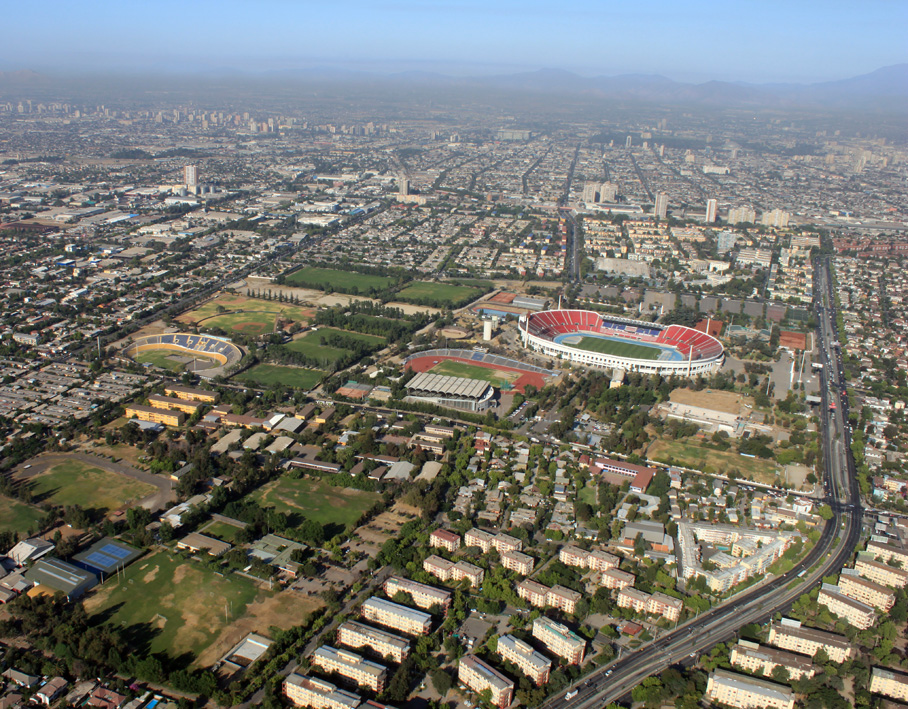
In such places, as well as in secret centers like Villa Grimaldi, victims were subjected to electric shocks, rape, beatings, and drowning. [1], [16]
Another horrific method employed by the regime was the secret murder and so-called “disappearance” of undesirable individuals. Air force officers, for example, loaded prisoners onto helicopters and threw them alive into the ocean with weights tied around their necks, which was also a favored method of eliminating opponents in Argentina, where a similar junta seized power in March 1976. [6], [24]
The infamous “Caravan of Death,” meanwhile, traveled across the country, brutally executing dozens of suspected leftists. [10], [16] In 1975, Operation Condor was launched, with the governments of Argentina, Bolivia, Brazil, Chile, Paraguay, and Uruguay gradually joining (along with sporadic participation from Ecuador and Peru).
The aim of the operation was to assist and cooperate with one another in eliminating the opposition, and the CIA was once again involved. The total number of victims by the time it ended in 1983 was at least 60,000, not counting nearly half a million political prisoners.
Prosperity—For Whom?
While the regime harshly suppressed any political opposition, it introduced radical neoliberal changes in the economic sphere.
Pinochet entrusted the economy to the so-called “Chicago Boys,” economists trained in the free-market spirit of Milton Friedman’s ideology. [7]
They subsequently abolished price controls, carried out massive privatization of state-owned enterprises, and implemented deep cuts in public spending. [2], [21]
These measures initially drew international admiration, and many foreign observers began to speak of the Chilean “economic miracle.” [2], [7]
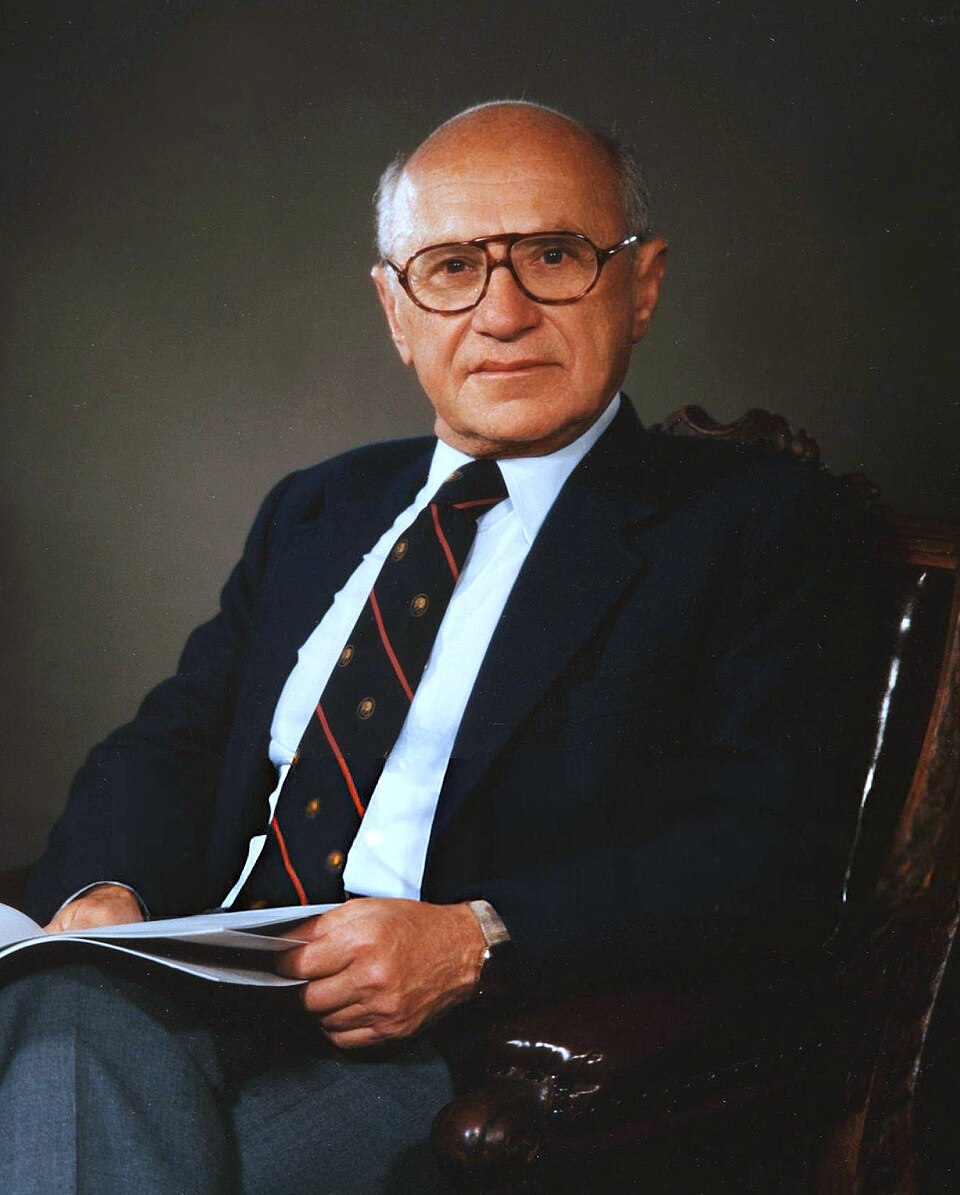
After an initial collapse and the subsequent crisis in 1982, the economy did indeed grow, and the country successfully integrated into the global economy. [7], [14] Inflation gradually declined, and sustained GDP growth secured Chile’s reputation as a prosperous Latin American country. [3], [5]
However, this so-called miracle had an extremely bitter aftertaste and came at a huge social cost. The reforms significantly favored the wealthiest elite, while workers’ real wages fell and unemployment at one point reached levels seen during the Great Depression. [2], [8]
By the end of the dictatorship, as many as 40 percent of the population lived in poverty, and the country ranked among the nations with the greatest income inequality in the world. [14], [21]
The Iron Lady’s Favorite
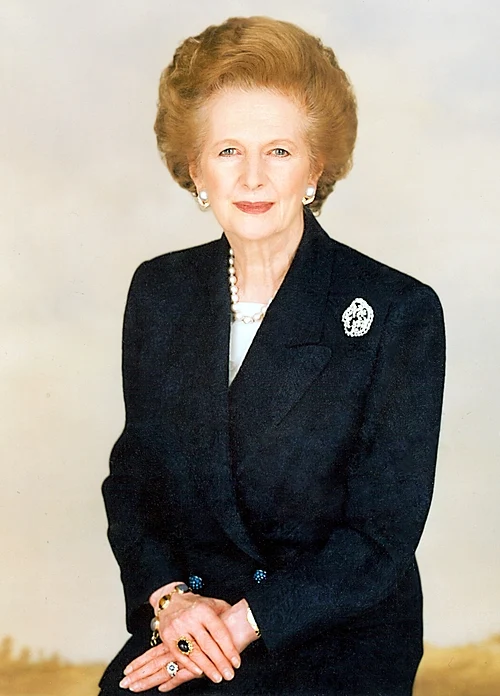
Pinochet’s neoliberal experiment and his staunch anti-communism, however, found powerful allies on the international stage. The general forged a particularly strong political bond with then-British
Prime Minister Margaret Thatcher. [2], [13] She openly admired his economic reforms, which perfectly aligned with her own beliefs in the free market and privatization. [13]
Their relationship grew even stronger during the Falklands War, when Chile provided Britain with crucial intelligence and radar support against Argentina. [13], [25]
Thatcher never forgot this assistance, and her government subsequently lifted the British arms embargo so that it could sell weapons to Chile. [13], [26] She even actively sought to mitigate international criticism at the United Nations regarding human rights violations in this Latin American country. [26]
Despite thousands of victims, Pinochet managed, surprisingly for a long time, to avoid any criminal liability.
In fact, while still in power, in 1978, he passed an amnesty law that guaranteed impunity for perpetrators of political violence during the early years of the dictatorship. [1], [17]
When he later handed over power to a civilian government in 1990—after losing a referendum on whether he should remain president for another eight years—he also secured a position as a senator for life and remained at the head of the military. [1]
Attempts at Justice
A turning point came in 1998, when Pinochet was unexpectedly arrested in London on the basis of an international arrest warrant issued by Spain. [2], [24]
Margaret Thatcher publicly campaigned for his release at the time, defending him as an important ally and questioning the extradition of the former head of state. [13]
After protracted legal proceedings, British authorities released him in March 2000 and allowed him to return to Chile on the grounds that his deteriorating health made him unfit to stand trial. [1], [24]
Although Chilean courts later reopened the investigation and placed him under house arrest, the victims never lived to see a final verdict. [2], [18]
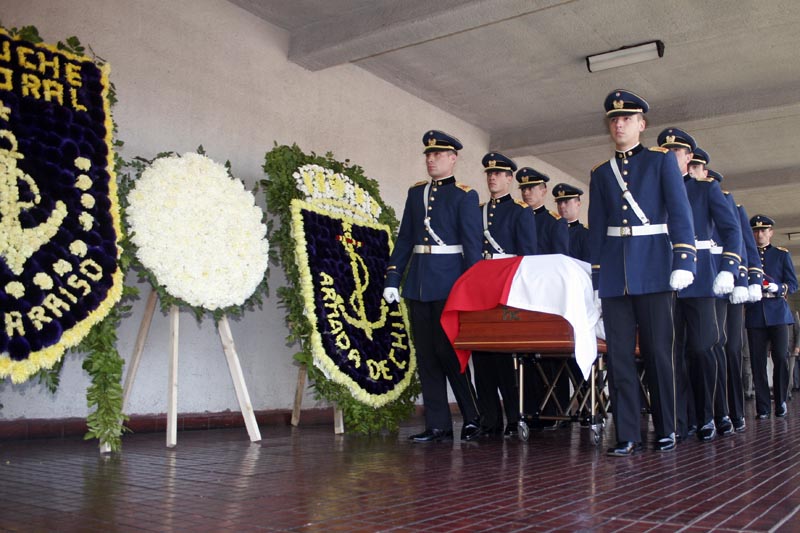
General Augusto Pinochet died of a heart attack in December 2006 at the age of 91. He was survived by his wife, Lucía, and five children [2].
He thus passed away without ever having been formally convicted of the brutal crimes committed by his regime. [22]
Controversies
The legacy Pinochet left behind continues to deeply divide Chilean society to this day. Some citizens refuse to condemn the dictator and view him as a savior who protected the country from communism and brought economic stability and order. [4], [20]
Contemporary right-wing politicians sometimes openly embrace his legacy and claim that it was precisely the neoliberal reforms of that era that laid the foundation for today’s prosperity. [15], [20]
On the other side of the political spectrum—and for much of the world—his name remains an enduring synonym for violence and oppression. [2] The families of the victims, as well as younger generations, are tirelessly fighting for justice and demanding that the bodies of citizens who disappeared without a trace during the dictatorship be located. [5]
The current government and recent efforts to adopt a new constitution clearly show that the drive to permanently come to terms with the trauma and remove Pinochet’s shadow from the country remains very strong. [1], [21]
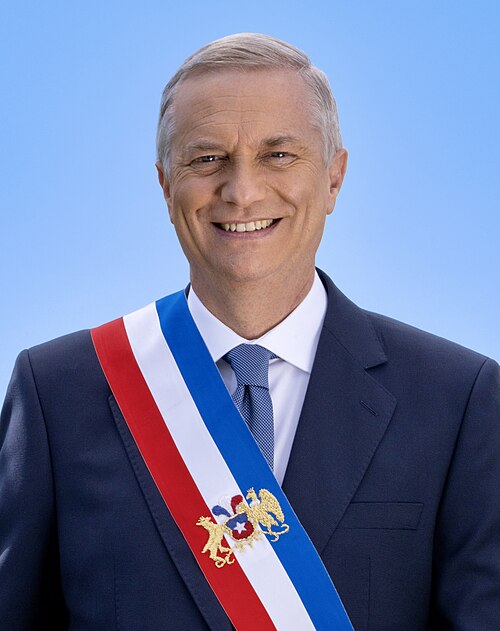
Nevertheless, recent polls suggest that, amid current crises and rising crime, support among Chileans for authoritarian solutions and a strong government hand is on the rise. [27]
This only confirms that even half a century after the bloody September 11, 1973, Pinochet’s spirit remains present in both social and political life. [9]
It seems that true reconciliation in this country, divided by its bitter history, is still a long way off. [27]
List of References
[1] The Pinochet Precedent: Convicting Human Rights Violators https://sites.uab.edu/humanrights/2022/12/28/the-pinochet-precedent-convicting-human-rights-violators
[2] Augusto Pinochet Ugarte | Biography | Research Starters | EBSCOhost https://www.ebsco.com/research-starters/biography/augusto-pinochet-ugarte
[3] Pinochet’s economic policy is vastly overrated https://www.noahpinion.blog/p/pinochets-economic-policy-is-vastly
[4] The Unfinished Legacy of the Pinochet Dictatorship in Chile – Spero – Hope For The Future https://spero-hopeforthefuture.com/the-unfinished-legacy-of-the-pinochet-dictatorship-in-chile
[5] The Chilean Coup of 1973: The Rise of Pinochet and the Shadows of CIA Involvement https://www.utterlyinteresting.com/post/the-chilean-coup-of-1973-the-rise-of-pinochet-and-the-shadows-of-cia-involvement
[6] Oppenheim, L. H. *Politics in Chile: Democracy, Authoritarianism, and the Search for Development*, Second Edition. Oxford: Westview Press, 1999
[7] Davis-Hamel, Ashley. “Successful Neoliberalism?: State Policy, Poverty, and Income Inequality in Chile.” International Social Science Review 87, no. 3/4 (2012): 79–101
[8] Kangas, Steve. "The Chicago Boys and the Chilean 'Economic Miracle'." The Robinson Rojas Archive.
[9] 50 Years Later: He Haunts Us Still - Americas Quarterly https://www.americasquarterly.org/article/fifty-years-later-he-haunts-us-still
[10] What Was the Chilean Coup d’État (1973)? – Boot Camp & Military Fitness Institute https://bootcampmilitaryfitnessinstitute.com/2022/03/29/what-was-the-chilean-coup-detat-1973
[11] Latin America remembers Kissinger’s ‘profound moral wretchedness’ | Henry Kissinger | The Guardian https://www.theguardian.com/us-news/2023/nov/30/henry-kissinger-chile-argentina-south-america
[12] 1973 Chilean coup d'état Facts for Kids https://kids.kiddle.co/1973_Chilean_coup_d%27%C3%A9tat
[13] Why did Margaret Thatcher defend Augusto Pinochet? https://www.quora.com/Why-did-Margaret-Thatcher-defend-Augusto-Pinochet
[14] The exact level of the top 1%’s share depends on adjustments related to undistributed profits, capital gains, and tax evasion. See Fairfield and Jorratt De Luis (2016) and López et al. (2016) for details.
[15] Chile: All the horror of Pinochet’s dictatorship fits on a mother-of-pearl button | International | EL PAÍS English https://english.elpais.com/international/2025-12-12/all-the-horror-of-pinochets-dictatorship-fits-on-a-mother-of-pearl-button.html
[16] "Report of the Chilean National Commission on Truth and Reconciliation" (PDF). Archived from the original (PDF) on July 15, 2009. Retrieved October 21, 2020.
[17] "Document". www.amnesty.org. Retrieved March 7, 2021.
[18] Staff and Agencies (October 30, 2006). "Pinochet held on murder and torture charges". The Guardian. Retrieved March 7, 2021.
[19] Understanding Pinochet – Religion & Liberty Daily https://blog.acton.org/archives/116390-understanding-pinochet.html
[20] Chile still split over Gen. Augusto Pinochet’s legacy - BBC News https://www.bbc.com/news/world-latin-america-24014501
[21] The Complicated Legacy of the “Chicago Boys” in Chile - ProMarket https://www.promarket.org/2021/09/12/chicago-boys-chile-friedman-neoliberalism
[22] Ross, Jen (December 12, 2006). "Controversial legacy of former Chilean dictator". Christian Science Monitor. ISSN 0882-7729. Archived from the original on May 16, 2008. Retrieved August 30, 2023.
[23] 1973 Chilean coup d’état | Salvador Allende, Augusto Pinochet, CIA, History, Chile, & Facts | Britannica https://www.britannica.com/event/1973-Chilean-coup-d-etat
[24] O’Shauglmessy, Hugh. Pinochet: The Politics of Torture. New York: New York University Press, 2000. (49, 51–53)
[25] "Speech on Pinochet at the Conservative Party Conference." Archived from the original on February 25, 2015. Retrieved February 25, 2015.
[26] Torture ‘for your amusement’: How Thatcher’s government misled MPs and the public about its dealings with the Pinochet regime https://www.dailymaverick.co.za/article/2020-04-21-torture-for-your-amusement-how-thatchers-government-misled-mps-and-public-about-its-dealings-with-the-pinochet-regime
[27] What the 1973 coup means for Chileans today — 50 years later - The World from PRX https://theworld.org/stories/2023/09/12/what-1973-coup-means-chileans-today-50-years-later