Butchers from Damascus
After more than half a century, the story of Syria’s Assad dynasty came to an end with an epic downfall and a historic verdict. Just recently, a Syrian court sentenced former dictator Bashar al-Assad to death in absentia for crimes against humanity and war crimes [10]. This dramatic ending brings to a close a dark era for the family that ruled Syria with an iron fist for 54 long years [30].

The ruling by the Fourth Criminal Court in Damascus came after Bashar al-Assad was successfully deposed during a rebel offensive in December 2024 [10,21]. Judge Fakhr al-Din al-Aryan stated on state television that Assad had abused state institutions to commit mass atrocities [10,21]. The former ruler was convicted of intentional murder, torture, arbitrary arrest, and even the intentional killing of children during the 14-year war [12].
The Founding Father
But how did this dynasty come to power in the first place? Before 1970, Syria was an extremely unstable country that had been ravaged for years by constant coups d’état [1]. Everything changed with Hafez al-Assad, commander of the Syrian Air Force and then-Minister of Defense, who decided to exploit the ongoing power struggles within the ruling Ba’ath Party [20,22].
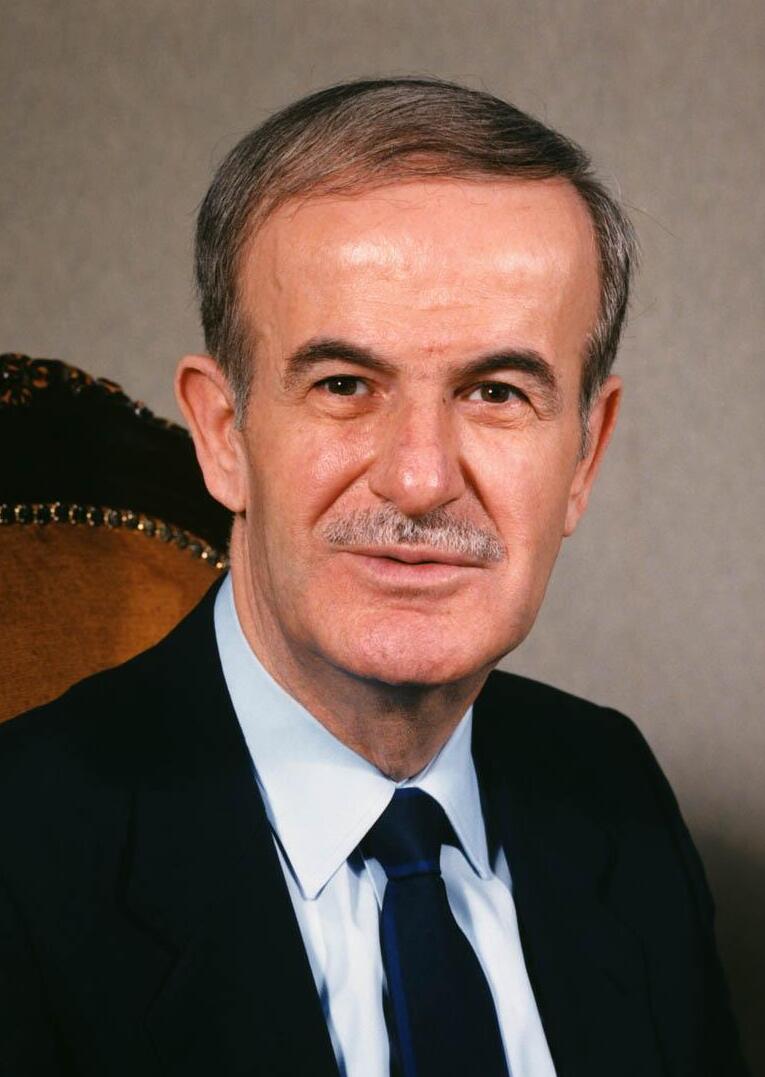
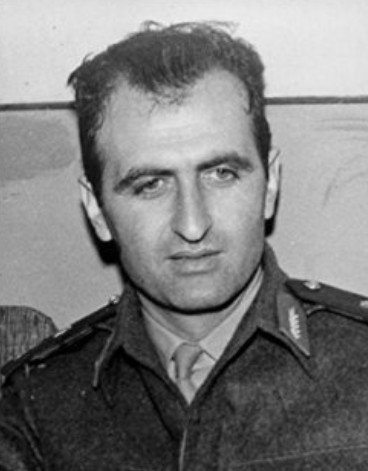
Although Syria had suffered a humiliating defeat in 1967, losing the Golan Heights to Israel, Hafez did not step down in the wake of this disgrace; on the contrary, he began planning a coup [13]. In November 1970, he organized a swift and bloodless military coup, which his new regime later dubbed the “Corrective Movement” [16,19,30]. He immediately had his chief political mentor and rival, Salah Jadid, arrested and imprisoned in the notorious Mezze Prison, where Jadid spent the rest of his life until his death in 1993 [5,17].
Hafez al-Assad very quickly consolidated his newly acquired power and was officially elected president in 1971 [2,5]. He offered his people a cynical Faustian bargain, promising long-awaited stability and a prominent regional position in exchange for absolute obedience [1]. This system was based on systematic fear, state terror, and an omnipresent cult of personality that portrayed Hafez as a being whose wisdom was beyond the comprehension of the average citizen [5,20].
The Hama Massacre
The dynasty’s domestic political survival was based on sectarian affiliation with the Alawite Shi’ite minority, which guaranteed loyalty [11,24]. Although Alawites make up only about one-tenth of the Syrian population, in a country with a dominant Sunni majority, they gradually came to control key military, security, and economic positions [24,25]. To maintain the facade of national unity, however, Hafez skillfully appointed Sunnis to the government as well and forged alliances with influential Sunni merchants in Damascus [18,30].
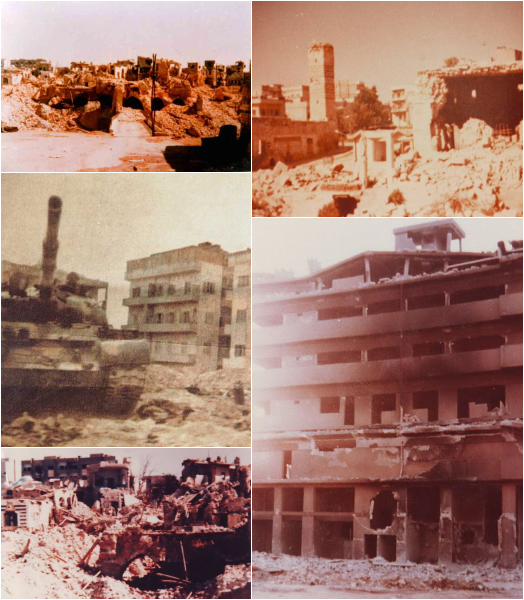
Any political resistance was nipped in the bud with extreme brutality. When the Muslim Brotherhood rose up in Syria in 1982, Hafez al-Assad ordered the massive bombing and destruction of the rebellious city of Hama [13]. This unprecedented massacre claimed the lives of between 10,000 and 40,000 civilians and went down in history as one of the bloodiest crackdowns by an Arab government against its own people [5,13,30].
In the economic sphere, Hafez’s “corrective movement” partially reversed the radical socialist policies of his predecessors and opened up limited space for the private sector [5,19]. Despite support for agriculture and the construction of the massive Tabqa Dam, however, the system soon began to be characterized by massive inefficiency and corruption [5]. The public state budget became a de facto tool for propping up the regime, from which only loyal elites profited [19].
The President—an Ophthalmologist—Brings No Change
After Hafez’s death in 2000, absolute power in the state was assumed by his younger son, Bashar al-Assad, a trained ophthalmologist, because the president’s older son, Basil, had been killed in a car accident in 1994 [20]. Although he raised hopes for reforms at the beginning of his rule during the so-called “Damascus Spring,” it soon became clear that he had fully inherited his father’s brutality [3,19,30]. Instead of genuine liberalization, he surrounded himself with his own “court” and further intensified the regime’s dependence on a massive security apparatus [22,30].
From an economic standpoint, Bashar’s rule was a disaster for ordinary Syrians. Only a narrow group of privileged individuals benefited from the nominal economic growth, while unemployment and poverty in the country rose dramatically [19]. Corruption reached absurd proportions, with members of the Assad family—such as his influential cousin Rami Makhlouf—at one point controlling as much as 65 percent of the entire Syrian economy [19].
The Uprising
The turning point for the entire dynasty came in March 2011, when a group of teenagers in the city of Daraa wrote anti-government slogans inspired by the Arab Spring on a school wall [10,15]. These young men were subsequently arrested by the secret police and brutally tortured, which immediately sparked massive nationwide protests [10,15]. The regime responded by killing unarmed demonstrators, plunging the country into a devastating, fourteen-year civil war [4,10,23].
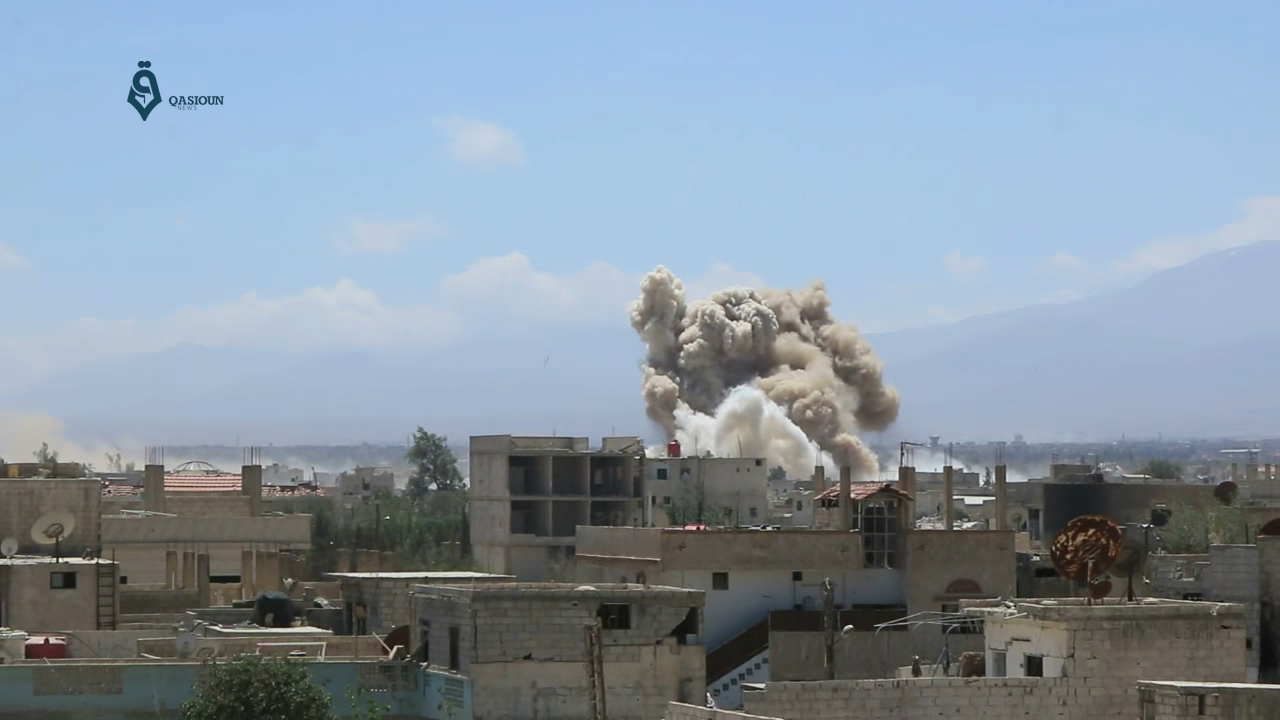
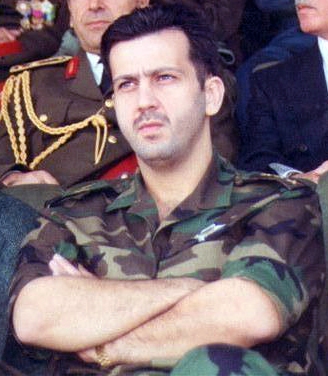
Not only Bashar but also his younger brother, Maher Assad, was part of this dark repressive apparatus. Maher had long commanded the elite 4th Armored Division, which Syrian opposition activists accused of torture, murder, extortion, and operating secret prisons [10,15]. Under their leadership, the desperate regime—decimated by sanctions—even resorted to the state-sponsored production and sale of the drug Captagon in order to finance its military operations at all [26].
Geopolitical Opportunists
The Assads’ foreign policy was just as cynical and pragmatic as their domestic policy. Syria gradually became an immensely important player on the geopolitical map of the Middle East, a development in which its strategic alliance with Iran, dating back to 1979, played a key role [1,3]. For Tehran, Syria served as a secure land bridge for the transfer of weapons to the Lebanese Hezbollah movement and was the cornerstone of the so-called “axis of resistance” against Israel [1,3].
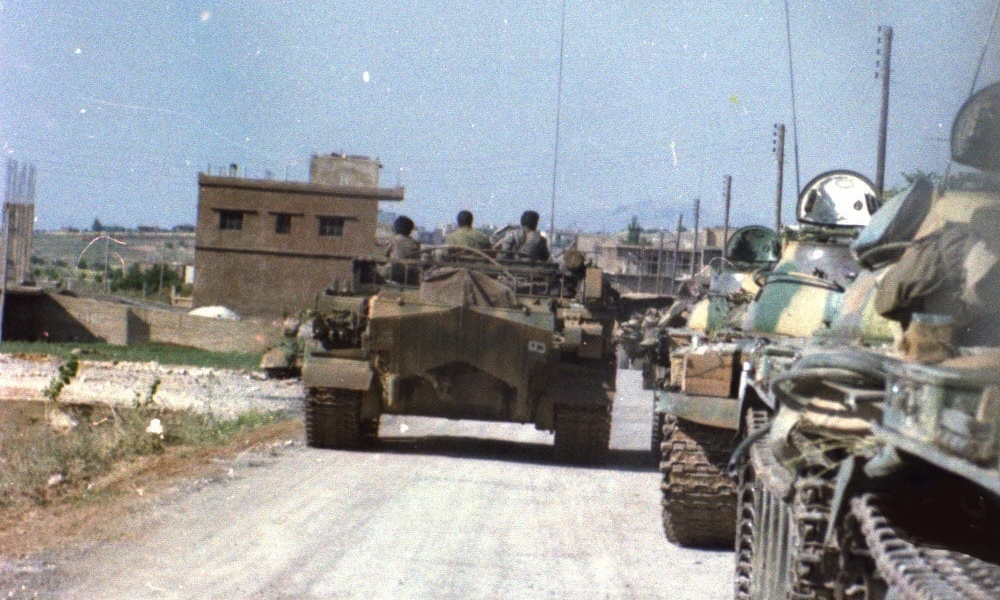
Hafez al-Assad was considered a master of regional politics, which he clearly demonstrated in 1976. At that time, under the pretext of a peacekeeping mission, the Syrian army invaded war-torn Lebanon and began its long-standing military occupation there [2,6]. Although the Assads constantly portrayed themselves as Israel’s arch-enemies and uncompromising adversaries, in reality, they exercised great caution and kept the border in the Golan Heights relatively calm between 1974 and 2011 [1,20].
Logically, the survival of the dictatorial dynasty would not have been possible without the support of powerful international allies. Since the Cold War, the regime’s main pillar of support had been the Soviet Union, and after its collapse, the Russian Federation [3,6]. Moscow viewed Syria as its valuable gateway to the Mediterranean Sea, for which it received from the dictators permanent access to the naval base in Tartus and the airfield in Hmeimim [3,27].
When Bashar al-Assad’s state was crumbling under the weight of the civil war in 2015, direct military intervention by Russia and Iran saved him [1]. While Moscow provided the regime with overwhelming air support and modern weapons, Iran sent its own militias to Syria and systematically built extensive military infrastructure there [29]. On the diplomatic front, China provided Assad with crucial support, vetoing dozens of UN Security Council resolutions aimed at his atrocities [3].
On the opposite side of the barricade, naturally, stood many states with conflicting interests. Among the Bashar regime’s greatest rivals was the United States, which accused the Syrian regime of supporting terrorism and had maintained tense relations with it for nearly half a century [1,2,19]. Another key adversary on the battlefield was neighboring Turkey, which actively intervened in the conflict and provided direct military and financial support to various Syrian rebel factions [1,3,29].
Rivals
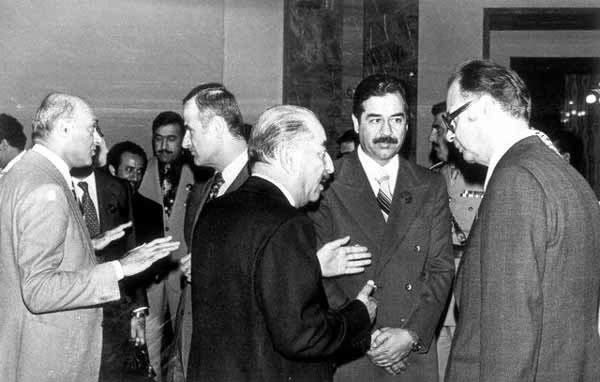
It remains a surprising historical fact that the Assads also harbored a deep-seated, long-standing hatred for the allied regime of Saddam Hussein in neighboring Iraq. The leaders of both countries constantly vied for influence within the socialist Ba’ath Party, which ruled both nations, leading to intense personal and political rivalry [2,5]. This animosity went so far that during the Gulf War in 1990, Hafez al-Assad sided with the U.S.-led Western coalition and sent troops to defend Saudi Arabia [2,5].
In the modern history of the conflict, the Syrian ruler’s major rivals were also the wealthy Arab monarchies of the Persian Gulf. Countries such as Qatar, Saudi Arabia, and the United Arab Emirates viewed Assad’s downfall as a strategic opportunity to weaken Iranian influence in the region [3,29]. Therefore, especially in the early stages of the civil war, they provided massive funding to the Syrian opposition and armed Sunni rebel groups [3,29,30].
The Fall
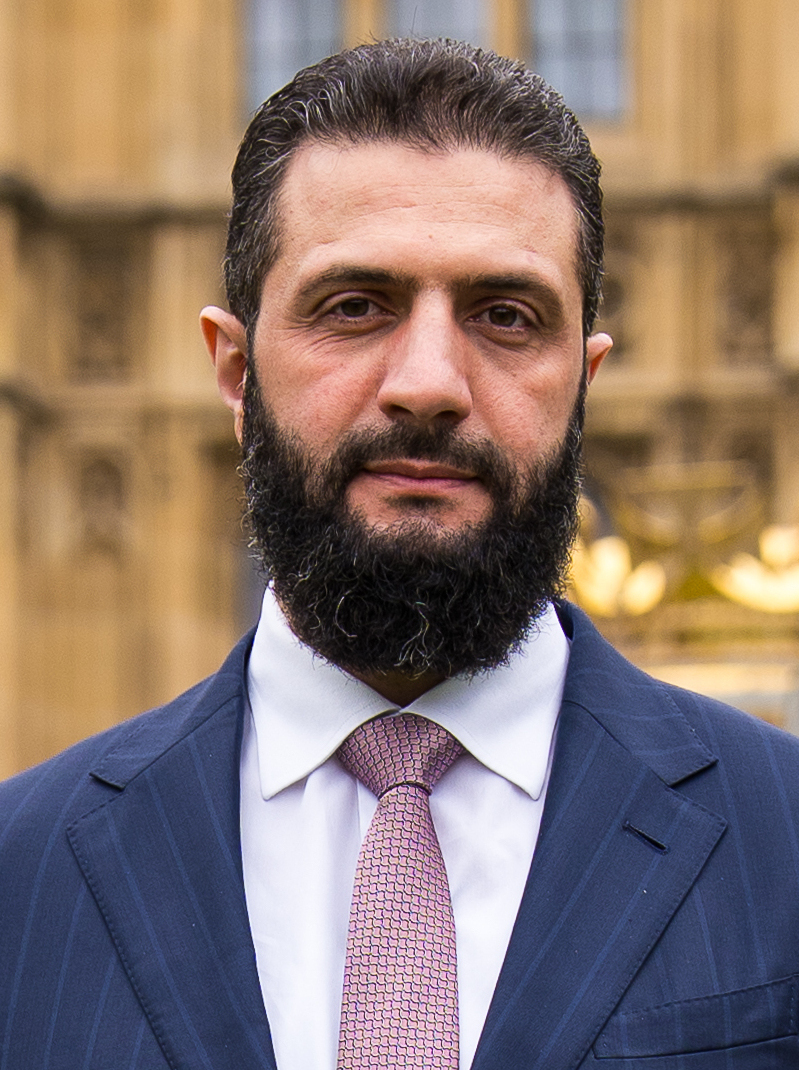
So what ultimately brought about the downfall of this seemingly unshakable regime after fifty years of tyranny? The circumstances of its collapse in late 2024 were a combination of crushing military defeats, a sudden loss of support from traditional allies, and the utter exhaustion of the demoralized Syrian army [3,29]. The lightning-fast rebel offensive led by the new president, Ahmed al-Sharaa, lasted a mere 11 days and completely shattered the government’s defensive lines [12,15].
A key factor in the rapid collapse was the critical absence of any international intervention. Russia, fully occupied and exhausted by its own war in Ukraine, had to drastically reduce its military presence in Syria and was unable to provide Assad with air support [1,3,29]. Tehran and its key ally, Hezbollah, were in turn so devastated by targeted Israeli military strikes that they chose to withdraw their militias from Syria just before the actual capture of Damascus [28,29].
The Syrian government army itself lost all will to fight for its dictator at critical moments. This rapid internal collapse even surprised Iranian commanders, who concluded that they could not fight in place of the Syrian army if the army itself refused to do so [1,28,29]. The final blow to the regime was dealt by the rebels, whose promises of a general amnesty convinced even loyal Alawites that they would have a secure future in the post-Assad era [1].
A New Beginning?
On December 8, 2024, armed rebels triumphantly occupied Damascus, thereby formally ending the Assad family’s iron-fisted rule over Syria [1]. Bashar al-Assad, along with his loyal brother Maher, fled the country in disgrace to Moscow, where both were eventually granted political asylum by the Russian authorities [7,10,15]. This historic upheaval literally turned the geopolitics of the entire Middle East upside down and gave the Syrian people hope for a new, albeit uncertain, beginning [1].

Beyond its military implications, the fall of the regime had a very strong emotional and symbolic dimension for a traumatized society. Just one day after the capital fell and the dynasty definitively lost power, the Syrian people’s long-simmering anger turned against the legacy of its founder [7,8]. Enraged residents and rebels stormed the family mausoleum and demonstratively set fire to the tomb of Hafez al-Assad himself [8,9].
However, a just reckoning was not long in coming. The new Syrian judicial authorities immediately began investigating the war crimes committed and sentenced Bashar al-Assad to death as an example [12,15]. The same fate befell his brother Maher and his cousin Atef Najib, who was behind the initial brutal crackdown on protests in Daraa [14,21,23]. These harsh verdicts in absentia symbolically and formally brought to a close one of the bloodiest chapters in modern Arab history [10,14].
List of References
[1] The Assad regime falls. What happens now? https://www.brookings.edu/articles/the-assad-regime-falls-what-happens-now
[2] Hafez al-Assad | Biography, Facts, Religion, & Son | Britannica https://www.britannica.com/biography/Hafiz-al-Assad
[3] Rethinking Middle East Geopolitics after the Fall of the Assad Regime - Haroun Center for Contemporary Studies https://www.harmoon.org/en/researches/middle-east
[4] Syria sentences absent Bashar al-Assad to death over ... https://www.reuters.com/world/syria-sentences-absent-bashar-al-assad-death-over-killings-torture-2026-08-11
[5] Hafez al-Assad - Wikipedia https://en.wikipedia.org/wiki/Hafez_al-Assad
[6] "Timeline of the Lebanese Civil War from 1975 to 1990".
[7] Shaheen, Abdulrahman; Sewell, Abby; Deeb, Sarah El (December 8, 2024). "Ousted Syrian leader Assad flees to Moscow after fall of Damascus, Russian state media say". AP News. Retrieved July 3, 2026.
[8] "Tomb of Assad's father set on fire in Syria hometown: AFP". LBCIV7. Retrieved December 11, 2024.
[9] "Syrian rebels burn the tomb of Bashar al-Assad’s father, Hafez." www.bbc.com. December 11, 2024. Retrieved December 11, 2024.
[10] Former Syrian President Assad sentenced to death in absentia https://baynews9.com/fl/tampa/ap-top-news/2026/08/11/former-syrian-president-assad-sentenced-to-death-in-absentia
[11] Syria’s al-Assad sentenced to death in absentia https://www.rte.ie/news/world/2026/0811/1587396-bashar-al-assad
[12] Syria sentences Bashar al-Assad to death in absentia over atrocities - AL-MONITOR: The Middle East’s leading independent news source since 2012 https://www.al-monitor.com/originals/2026/08/syria-sentences-bashar-al-assad-death-absentia-over-atrocities
[13] Ammar Abdulhamid: Hafez and Bashar Assad | George W. Bush Presidential Center https://www.bushcenter.org/freedom-collection/ammar-abdulhamid-hafez-and-bashar-assad
[14] Syria sentences Bashar al-Assad to death in absentia for war crimes and crimes against humanity https://www.euronews.com/2026/08/11/syria-sentences-bashar-al-assad-to-death-in-absentia-for-war-crimes-and-crimes-against-hum
[15] Syrian court sentences Bashar al-Assad to death in absentia https://www.bbc.com/news/articles/ce34dkpnyg7o
[16] Seale, Patrick (June 15, 2000). "Hafez al-Assad." The Guardian. Retrieved March 19, 2011.
[17] Seale & McConville 1990, p. 162.
[18] Alianak 2007, pp. 129–130.
[19] Pity the nation: Assessing a half-century of Assadist rule | Brookings https://www.brookings.edu/articles/pity-the-nation-assessing-a-half-century-of-assadist-rule
[20] Hafez al-Assad Takes Control of Syria | Politics and Government | Research Starters | EBSCO Research https://www.ebsco.com/research-starters/politics-and-government/hafez-al-assad-takes-control-syria
[21] Bashar al-Assad, Atef Najib sentenced to death in landmark Syria trial | News | Al Jazeera https://www.aljazeera.com/news/2026/8/11/bashar-al-assad-atef-najib-sentenced-to-death-in-landmark-syria-trial
[22] Syria: The rise of the Assads - BBC News https://www.bbc.com/news/world-middle-east-34709235
[23] Syria court sentences Bashar al-Assad to death for crimes against humanity in absentia https://www.france24.com/en/middle-east/20260811-syria-court-sentences-bashar-al-assad-to-death-for-crimes-against-humanity-in-absentia
[24] EUAA. (2023). Country Guidance: Syria. Alawites.
[25] Haddad, B. (2020). Syria’s Alawites and the Assad Regime: A Reassessment. International Political Sociology, 14(4), 410–427.
[26] New York Times. (December 5, 2021). Syria’s Drug Trade: A Narco-State in the Making.
[27] VOA News. (August 30, 2021). Russia Expands Military Facilities in Syria.
[28] New York Times. (December 6, 2024). Iran’s Retreat From Syria: A Turning Point.
[29] The Fall of the Assad Regime: Regional and International Power Shifts - Stiftung Wissenschaft und Politik https://www.swp-berlin.org/publikation/the-fall-of-the-assad-regime-regional-and-international-power-shifts
[30] The History That Syria’s New Leaders Will Need to Overcome https://time.com/7202600/syria-assad-history