Let's head for the mountains
Summer and the vacation season often draw us not only to the seaside, but also to majestic mountain peaks that hold untold adventures.
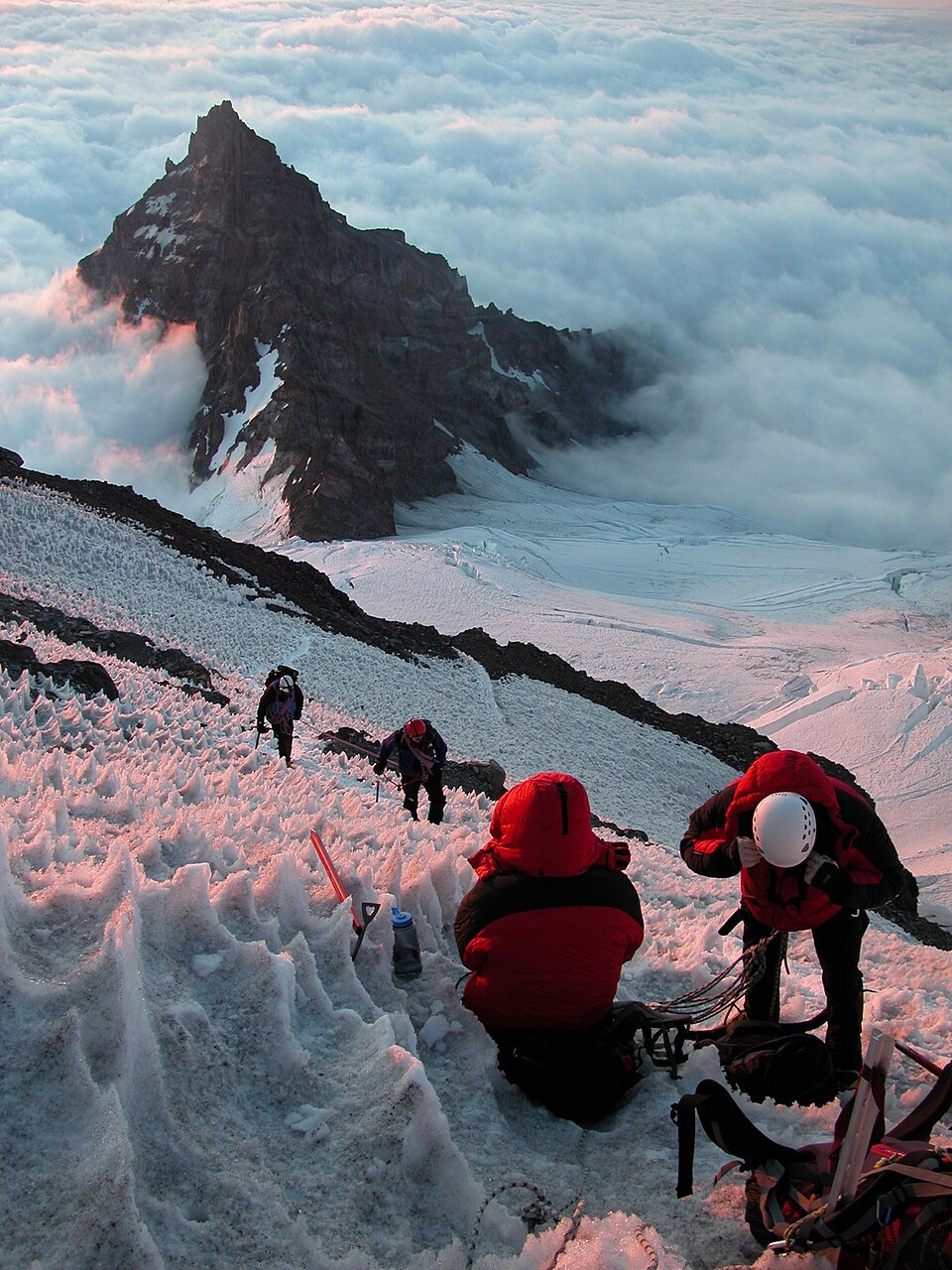
High-altitude hiking has become a phenomenon that fascinates millions of people worldwide seeking an escape from their technology-driven daily routines. However, this sport underwent an exceptionally long and often arduous evolution before it became accessible to the general public.
Prehistoric Beginnings
Although modern mountaineering took shape much later, the desire to conquer extreme heights has accompanied humanity for millennia [38].
Evidence of this can be found, for example, in the famous mummy of Ötzi the Iceman, whose remains—dating back more than 5,000 years—were discovered by two German tourists in the Ötztal Alps [14,17,19]. This prehistoric traveler perished at an altitude of 3,210 meters during a violent storm, which is why he is still, somewhat exaggeratedly, considered the forefather of mountaineering, even though in reality he was fleeing from enemies whose arrow had pierced his shoulder [14,17].

As early as antiquity, the first written accounts appeared of the insidious altitude sickness that afflicted military, hunting, and trade expeditions in harsh conditions [17]. In the first century CE, an official of the Han Dynasty recorded symptoms of fever, pallor, vomiting, and severe headaches in the Karakoram Mountains while crossing the passes [17].
Another significant early pioneer was the Buddhist missionary Xuan Zang, who in the seventh century conquered high altitudes in Asia and even reached an elevation of 6,000 meters [17].
Ascents by Rulers
Other important milestones in mountain climbing were achieved by figures from antiquity and rulers. For example, in 125 CE, the Roman Emperor Hadrian climbed the Sicilian volcano Mount Etna, which rises to 3,403 meters, so that he could observe the majestic sunrise from its summit and survey the region [14,33,38].

Later, in 1275, King Peter III of Aragon boasted that he had successfully reached the summit of the 9,134-foot Pic du Canigou in France [2].
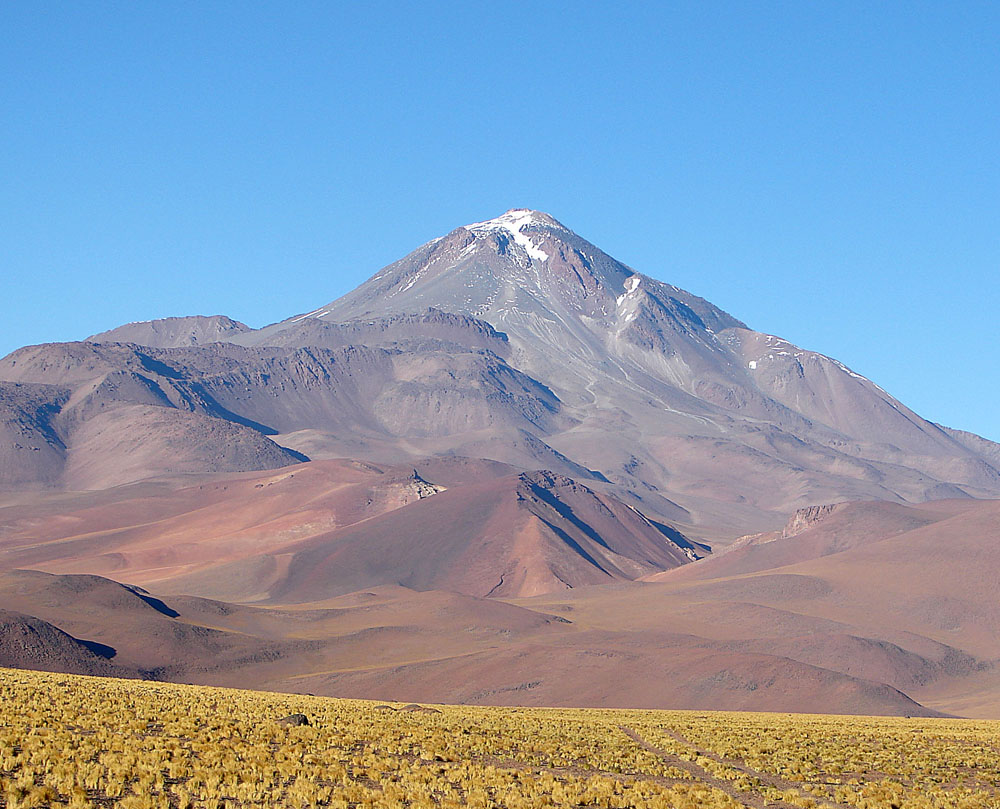
However, we also find significant mountaineering feats from ancient history on the South American continent. The Incas and their subjects in the Andes, at the turn of the 15th and 16th centuries, regularly and repeatedly climbed extremely high volcanic peaks [20]. It is historically documented that these indigenous climbers were able to successfully scale the summit of the Llullaillaco volcano, which rises to an impressive height of 6,739 meters [20].
In medieval and Renaissance Europe, isolated attempts to climb mountains were made primarily for religious or purely meteorological reasons [31]. In 1336, the Italian poet Petrarch climbed the Provençal peak of Mont Ventoux purely for recreation, while the philosopher Jean Buridan had already scaled it before 1334 for the purpose of scientific weather observations [2,3,21].
Later, in the 16th century, the Swiss physician and botanist Conrad Gessner was the very first to promote and popularize nature tourism for the sake of pure, undisturbed enjoyment [4].
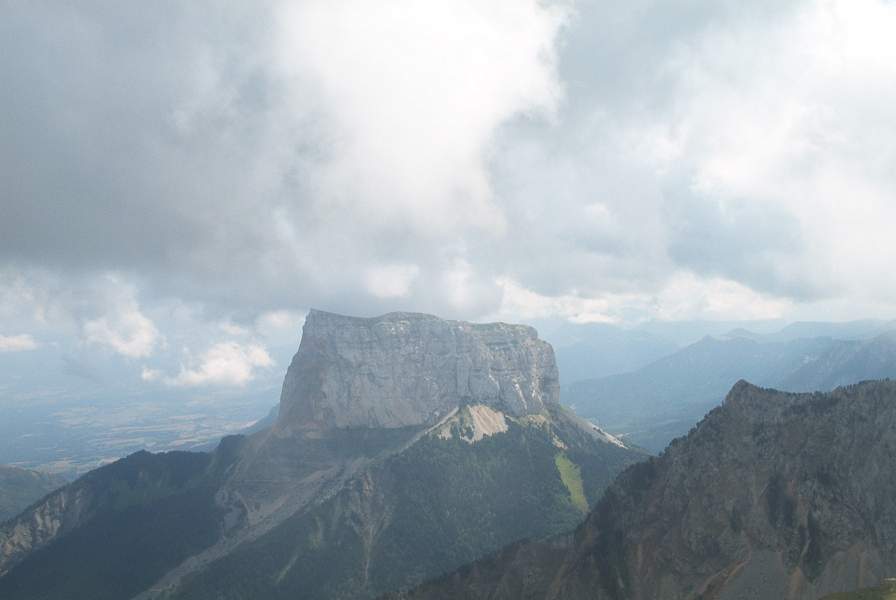
June 1492 is considered the true birth of mountaineering, in which specialized technical equipment was used [4,38]. This challenging ascent of Mont Aiguille—then considered an “inaccessible mountain”—was ordered directly by the French King Charles VIII and successfully carried out by military engineer Antoine de Ville [31,38]. Since the group used ropes, ladders, and iron hooks to reach the summit, this was the very first officially verified mountaineering feat of its kind in history [4,22].
The Founding Father
Modern mountaineering, in the sporting sense of the word, was born in 1760, when a young Genevan scientist, Horace-Bénédict de Saussure, first visited the Alpine valley of Chamonix [14,31]. Fascinated by the extreme height of the majestic Mont Blanc, he decided to offer a tempting financial reward to the first person to reach its summit [14,31,35].
Thanks to this unique initiative, de Saussure is rightly regarded by many experts and historians as the true father of modern mountaineering [14].
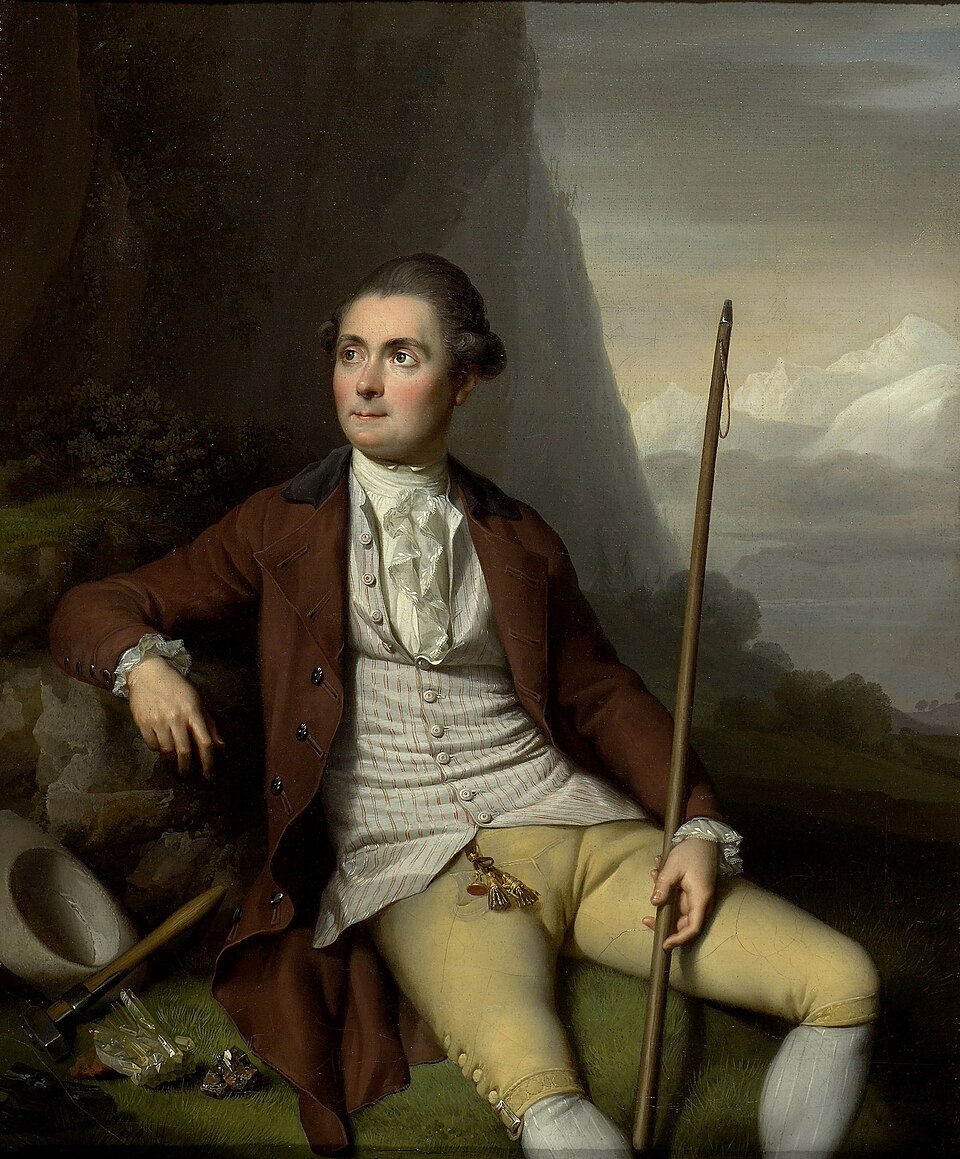
However, it was not until more than a quarter-century later—on August 8, 1786, to be exact—that the daring climbers claimed his coveted reward [31,33,35]. This epoch-making and risky achievement brought eternal fame to Michel-Gabriel Paccard, a local doctor from Chamonix, and Jacques Balmat, an ordinary porter [14,22,32]. De Saussure himself, the initiator of the expedition, climbed this snow-covered peak a year later, thereby confirming and definitively launching a massive wave of European interest in Alpine expeditions [31].
The so-called Golden Age of mountaineering was subsequently ushered in in 1854 by the first ascent of the Swiss Wetterhorn, accomplished by the daring Englishman Alfred Wills [23,31,36]. Wealthy Britons in the 19th century then began founding the very first mountaineering clubs en masse, such as the prestigious London Alpine Club, established in 1857 [23,24,36].
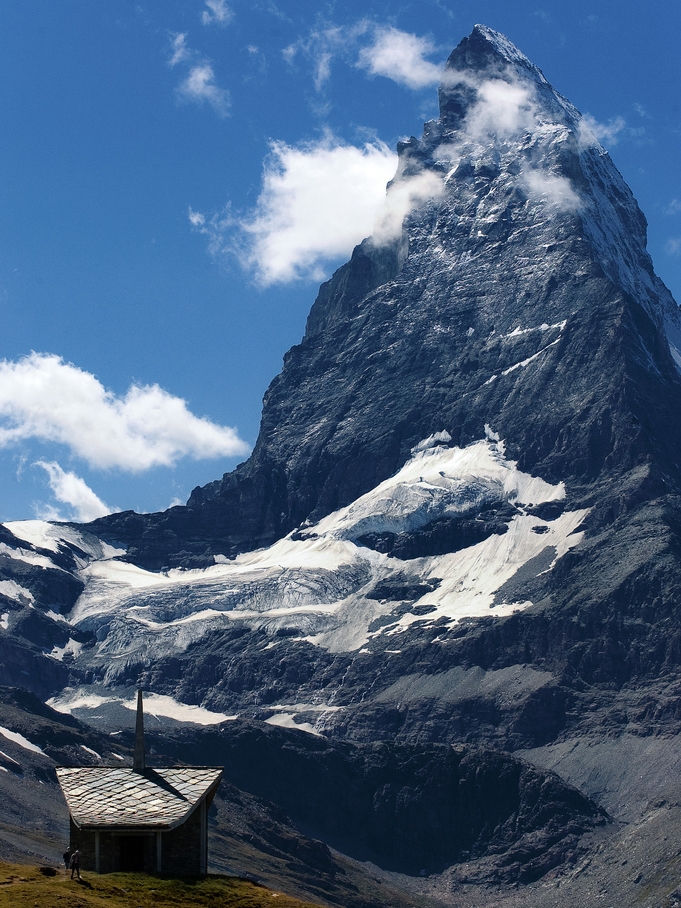
This extraordinarily exciting Victorian era culminated in 1865 with the first-ever ascent of the Matterhorn, led by Edward Whymper, during which, tragically, four members of the expedition lost their lives [22,33,36].
Fun for the Masses
But when did this originally elite and expensive pastime for the wealthy become a truly mass leisure activity accessible to everyone? The roots of this society-wide transformation date back to the 18th and 19th centuries, when the European Romantic movement transformed the perception of untamed wilderness [5,26]. Due to increasing industrialization and suffocating urban pollution, both workers and city dwellers began seeking fresh air and increasingly escaped to rural areas [6,15].
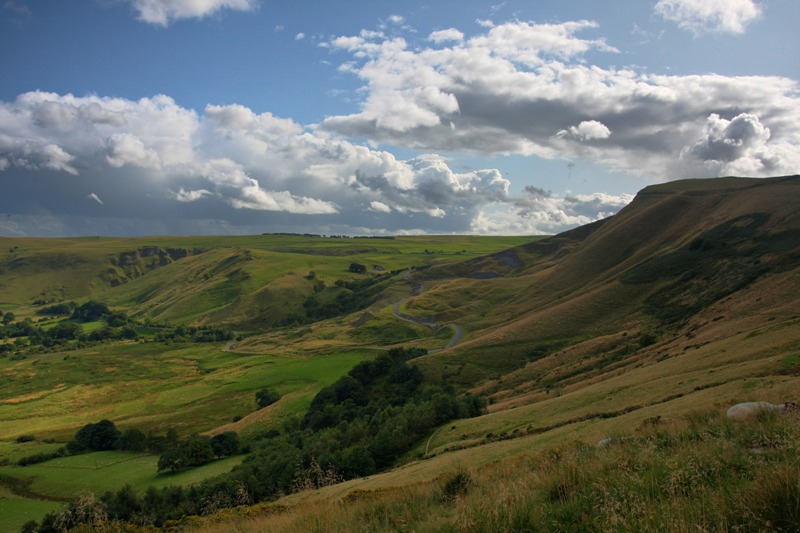
Gradually, the first organized hiking clubs emerged spontaneously; they lobbied politically and vigorously advocated for the public’s right to roam freely through private rural land [6,26]. This vigorous mass movement in Britain organized large protest marches, which ultimately contributed to the creation of the very first national park, the Peak District, in 1951 [7].
In the U.S., hiking also became a hit after World War II due to its affordability, and the number of visitors to national forests nearly doubled between 1950 and 1955 [11,33].
Furthermore, in the early 1990s, there was an unprecedented surge in commercial high-altitude expeditions [16,31].
Experienced guiding companies began leading even complete amateurs with minimal survival experience to the world’s highest peaks [16]. According to reporter Jon Krakauer, this dangerous trend led to extreme overcrowding on narrow mountain trails, the emergence of unnecessary conflicts, and subsequent tragedies [1].
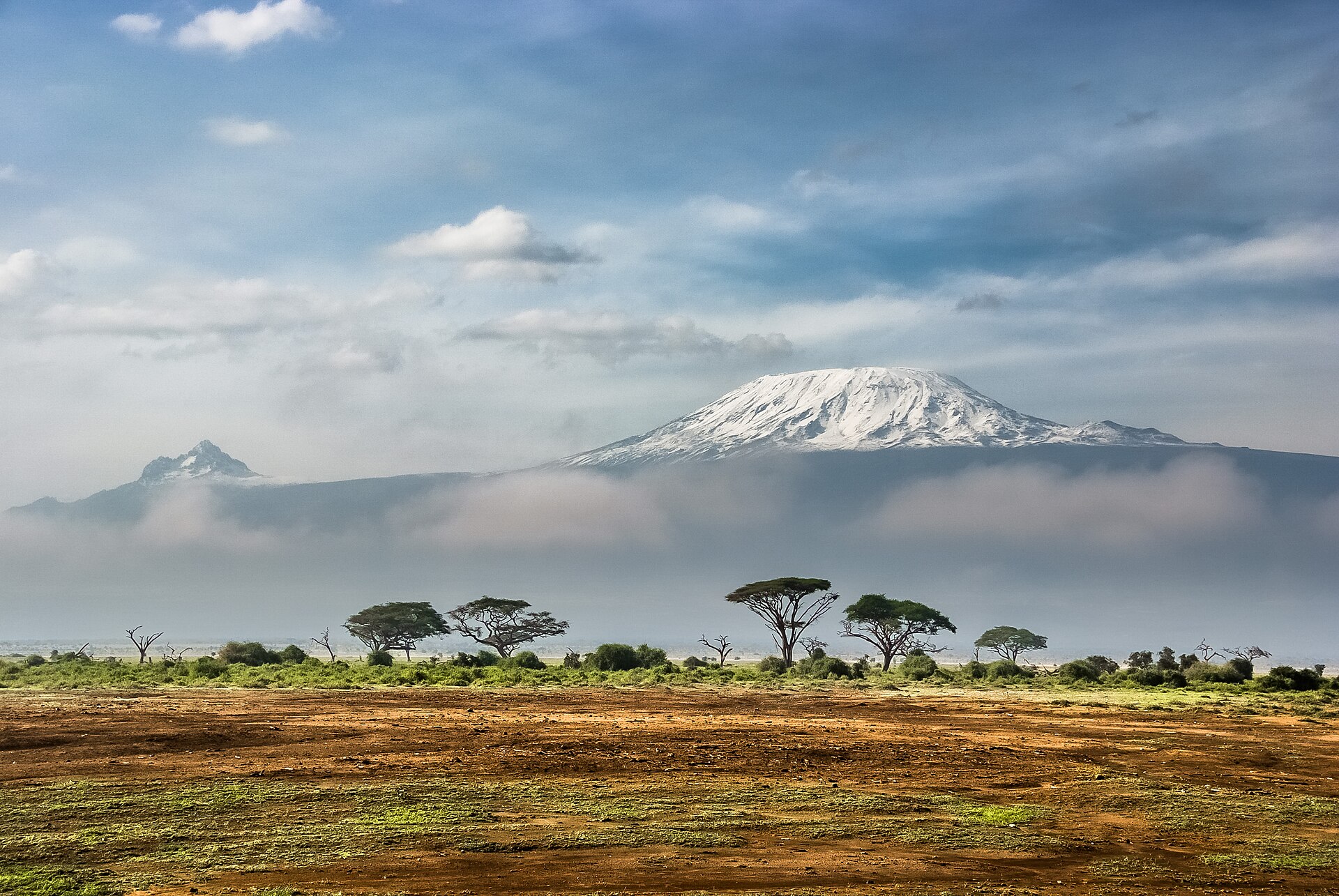
Despite the enormous risks, modern commercial expeditions now enable mass ascents by hundreds of people into areas that were until recently off-limits to ordinary mortals. A perfect example is the popular African mountain Kilimanjaro, which welcomed an incredible 467,190 travelers during the ten-year period from 2013 to 2022 [8]. The popularity of this African volcano continues to break records, and during the 2023 season alone, more than 45,000 brave climbers attempted to conquer it [8].
Records
However, even earlier history is marked by exceptionally large-scale ascents involving hundreds of participants and tents in a single camp. As early as July 1894, more than 300 people gathered on the slopes of Mount Hood in the United States in response to a newspaper ad for nature lovers [10]. The following morning, as many as 193 men and women from this massive camping group successfully reached the coveted summit at an elevation of 11,239 feet [10].
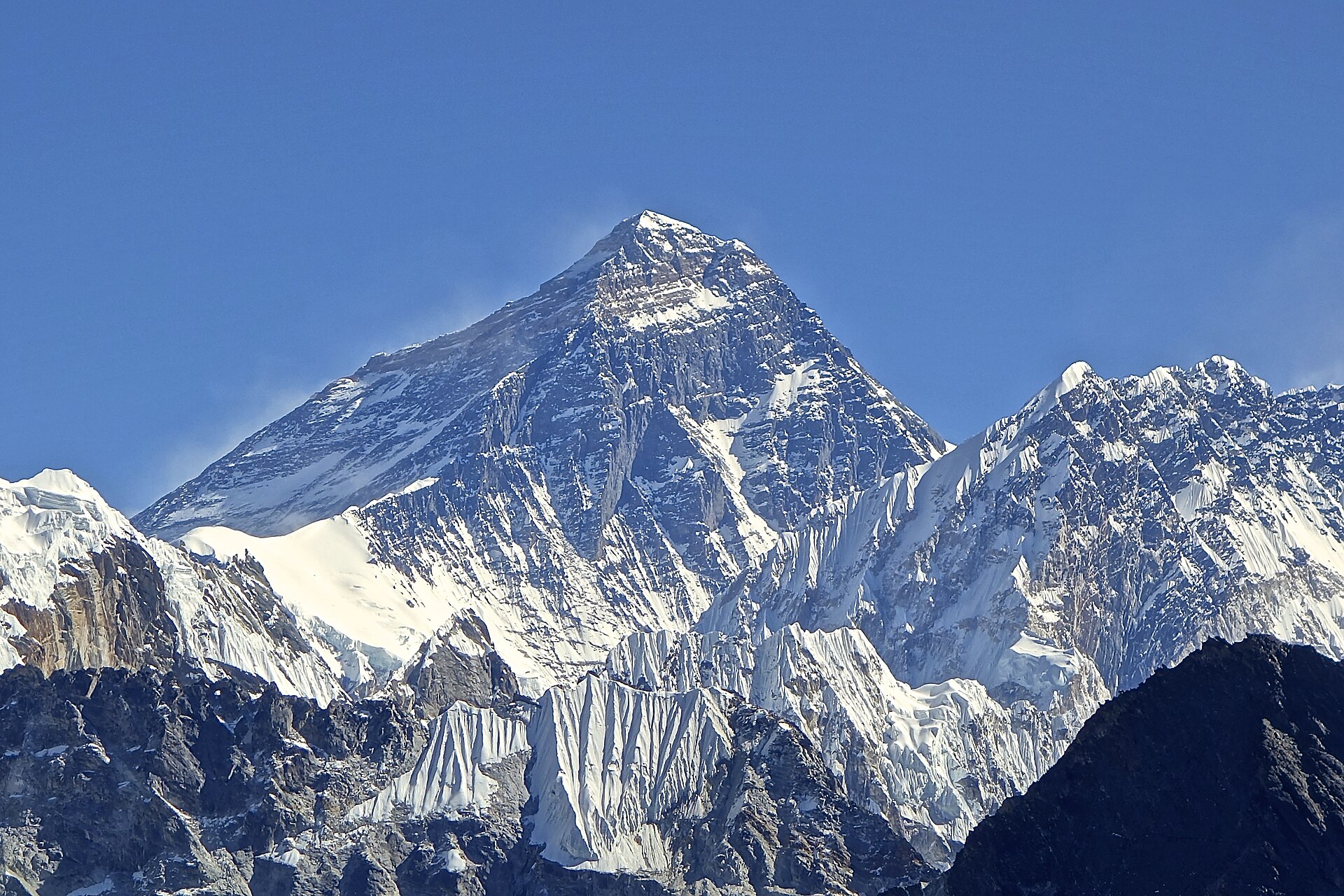
However, the majestic Mount Everest is arguably experiencing the most unprecedented commercial onslaught, which frustrated veterans liken to a congested highway [1,31]. Its enormous popularity has also been fueled by a new paved road extending to an elevation of 16,000 feet, thanks to which an incredible 27,476 tourists reached the north face in 2007 alone [1]. Now that previous absolute limits have been surpassed, it is even estimated that in a single ideal season, more than a thousand paying climbers could conquer Everest [35].
However, high-altitude mountaineering also has an extremely grim, dark, and deadly side from which no amount of money can protect you. Among the very worst disasters in history—in which the victims were experienced climbers rather than unfortunate military trainees—was the massive avalanche on Lenin Peak on the Kyrgyz -Tajik border in 1990 [25,28]. At that time, a minor earthquake unexpectedly triggered a gigantic mass of ice and snow, which instantly buried the entire second high-altitude camp and killed 43 of the 45 people sleeping there [25,28].
The dreaded Mount Everest has also been writing its own infamous chapter of tragedies for years. The year 1996 is indelibly marked as its deadliest season, when eight people lost their lives during an intense snowstorm from May 10 to 11 [1,28,32]. The fatal tragedy was largely contributed to by the teams’ delayed schedule, the extreme overcrowding of clients creating a so-called “bottleneck,” and the understandable shortage of precious oxygen [1,28]. Jon Krakauer, mentioned earlier, was a direct participant who survived the event, and the tragedy was brought to the public’s attention in 2015 by the hit film *Everest*.
Tragedies
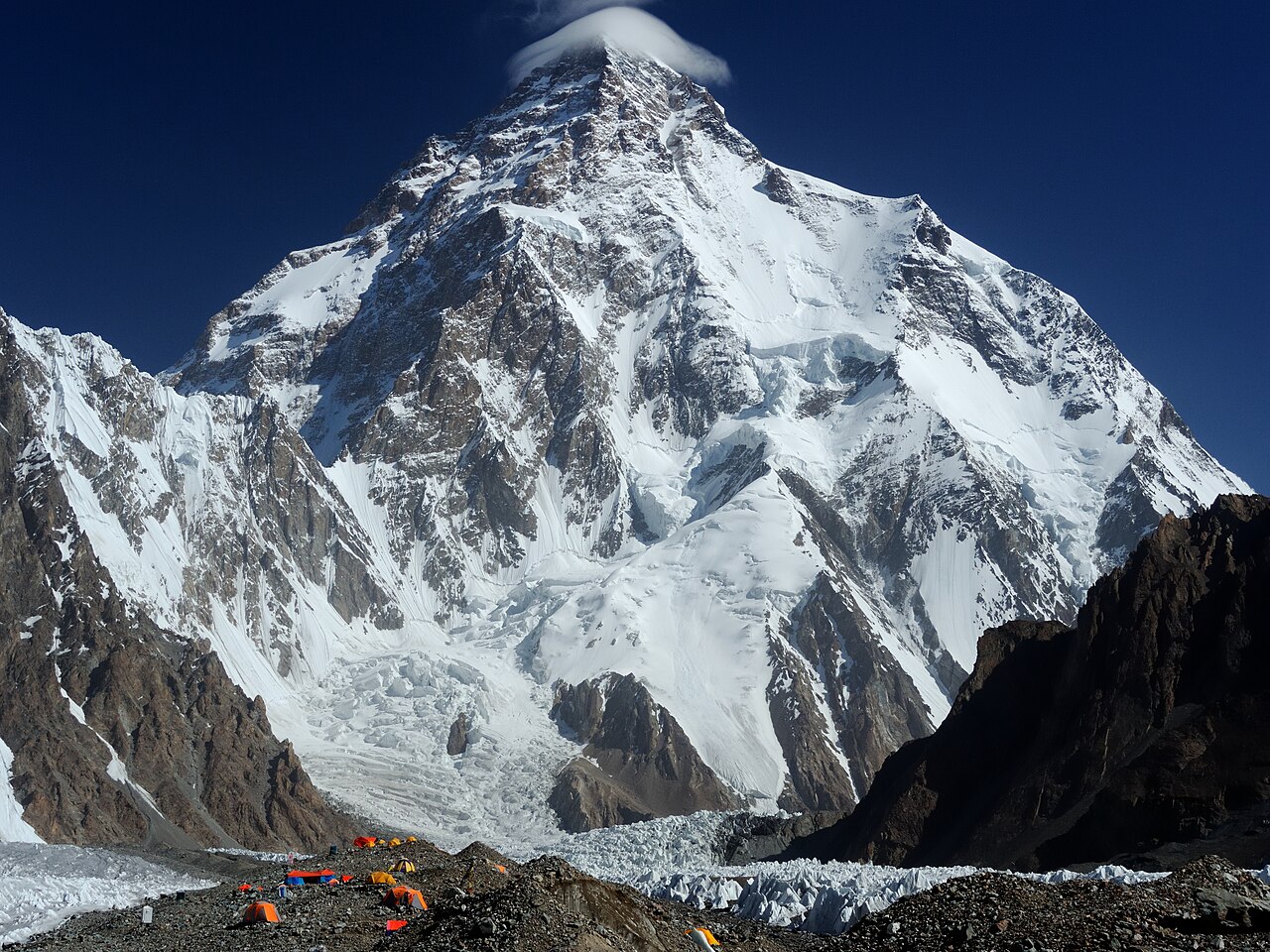
Several other eight-thousanders, with a reputation as merciless killers, also reign supreme in these grim and uncompromising statistics. The summit of K2, widely known for its enormous number of failures, has claimed 96 lives to date, despite 800 successful ascents [12,31]. Equally merciless is the technically extremely complex Annapurna I in Nepal, where 72 well-prepared and experienced climbers have perished in their determined effort to touch the clouds [12].
We also find extremely chilling stories of human sacrifice in older and no less harsh historical accounts from Soviet peaks. In 1974, the first all-female eight-member expedition reached Lenin Peak, only to be wiped out by a deadly, devastating storm at the very summit [28]. These brave women had only flimsy cotton tents; they lacked snow shovels, and reportedly froze to death partly because they unanimously refused to abandon their sick and immobile companions [28].
Many of these avalanche and storm tragedies deeply shook Europe itself and demonstrated that death by no means lurks only in the unreachable Himalayas. On the merciless north face of Switzerland’s Eiger, more than 64 climbers have perished since 1935, earning this terrifying place the apt German nickname Mordwand, loosely translated as “murder wall” [32]. A harrowing story from 1936 is well known: Toni Kurz died of complete exhaustion after becoming stranded on a rope within sight of his desperate rescuers [28,32].
Many accidents do not spare even significantly lower elevations and often, surprisingly, affect underage schoolchildren. In the Cairngorms mountain range in the UK, during a routine expedition in 1971, a team was caught off guard by a severe blizzard, resulting in the freezing deaths of five 15-year-old students and their instructor [28]. A similarly terrifying disaster occurred in the U.S. on the summit of Mount Hood, where seven teenagers and two adult teachers from an Oregon school froze to death after becoming stranded in severe weather [32].
Popularity Even Among Generation Z
It might therefore seem that this harsh, exhausting, and potentially deadly activity would hold no interest whatsoever for the modern generation raised in front of screens. However, the opposite is very much true, and hiking is currently experiencing an explosive surge in popularity among today’s millennials and members of Generation Z [15,27,34]. On the popular Chinese social media platform TikTok, which is used predominantly by young people, aesthetically pleasing videos tagged with #hiking have garnered a massive response and millions of posts [9,34,37].
Young people seek valuable mental relaxation and a much-needed escape from unhealthy modern stressful environments through challenging mountain hikes [13]. According to findings by leading psychologists and experts, hiking directly and extremely effectively helps combat the modern “silent epidemic” of loneliness, as it provides a relaxed setting for deep conversations [9,34]. As a result, hiking groups are springing up en masse in the United Kingdom and elsewhere around the world, rewriting the stereotype of hiking as an activity exclusively for seniors [34,37].
As for the overall detailed demographic composition of today’s climbers and high-altitude hikers, the available research data speaks very clearly. The most active demographic group—which is growing the fastest and hikes nature trails at least twice a month—is young people aged 25 to 34 [34,37]. However, data from the registry of long-distance hikers on the famous Appalachian Trail in the United States show that the mountains know no barriers, as the recorded ages of participants range from 5 to 86 years [29].
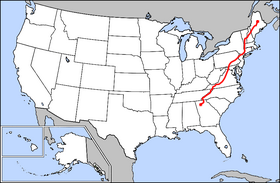
A survey of long-distance hikes for the year 2025 confirms that the most common age of the average hiker is still 26, which reflects people fresh out of school without the burden of a mortgage or children, who understandably cannot yet handle long hikes [30]. Also particularly interesting is the second significant peak in overall interest, which occurs among active people in their late fifties, when recent retirees have both the free time and the necessary savings [30]. Thanks to the presence of this dedicated and determined group of older hikers, the overall average age on endurance trails shifts upward toward 44 years [30].
It is interesting to note that different generations not only move at different paces in the mountains but also have completely diametrically opposed personal goals. While young people and active adults mostly seek immediate thrills and demanding challenges in their hikes, the older generation over 70 explicitly longs for a peaceful experience of beautiful, unspoiled nature [18]. It is precisely these older visitors to national parks who ultimately prefer longer overall stays in the region, although during those stays they clearly prefer significantly shorter and more leisurely walks [18].
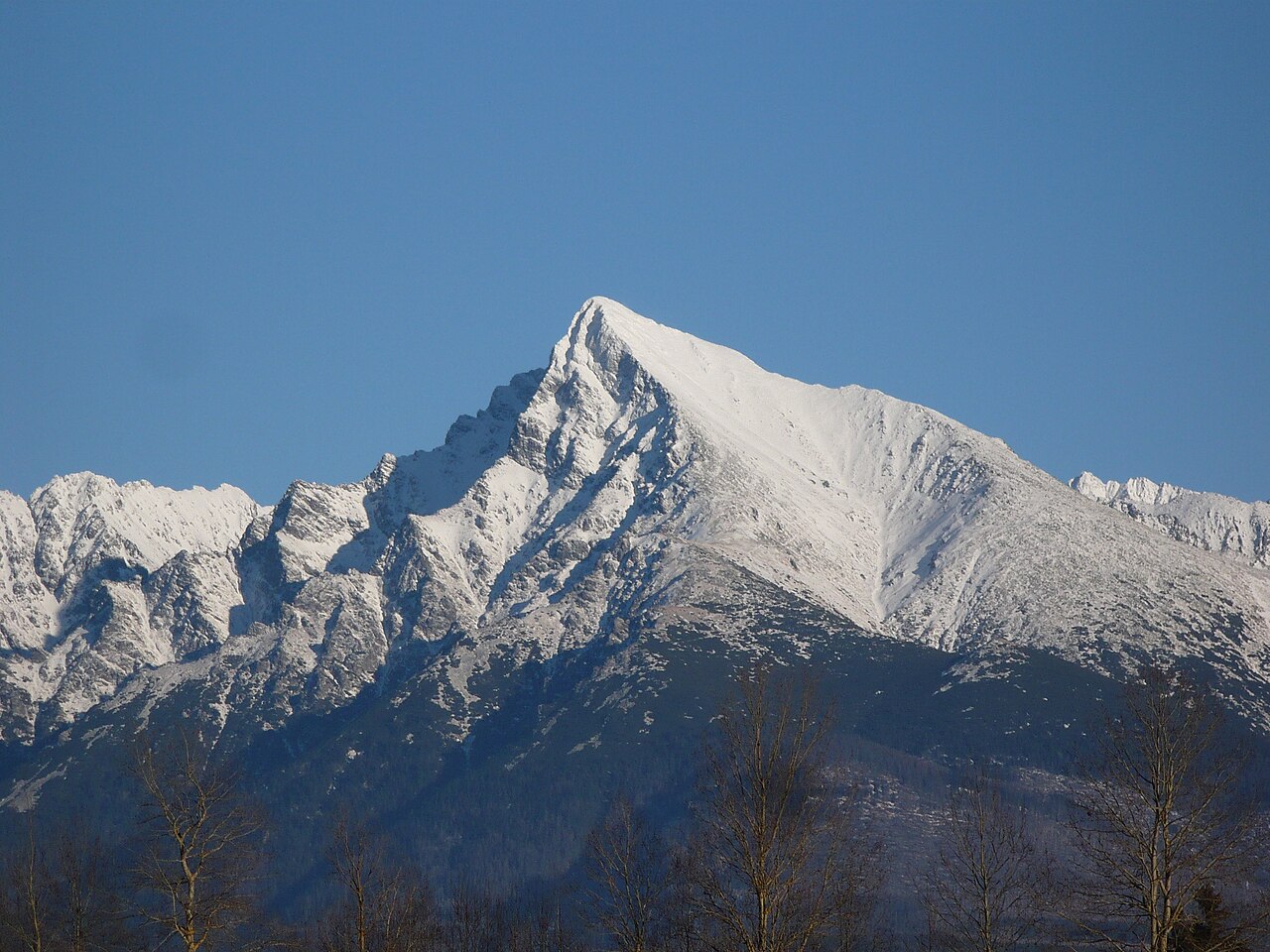
From a broader historical and contemporary perspective, it is clear that high-altitude hiking is not merely a passing summer fad. It is a profound, admirable, and enduring global passion that, like an invisible thread, seamlessly connects the curious hunter Ötzi, educated medieval poets, and today’s modern young people [14,21,34].
Thus, despite the undeniable risks, conquering snow-capped peaks continues to offer people precisely the thrill that their souls desperately need to discover.
List of References
[1] Tragedy at 29,000 Feet: The 10 Worst Disasters on Everest https://www.outsideonline.com/outdoor-adventure/climbing/tragedy-29000-feet-10-worst-disasters-everest
[2] Moody, Ernest A. "Jean Buridan" (PDF). Dictionary of Scientific Biography. Archived (PDF) from the original on February 13, 2021. Retrieved November 24, 2020.
[3] Kimmelman, Michael (June 6, 1999). "NOT Because it's There". The New York Times. ISSN 0362-4331. Archived from the original on January 2, 2023. Retrieved January 2, 2023.
[4] Doran, Jeffrey J. (2026). Ramble On: A History of Hiking. Amazon Digital Services LLC – KDP. ISBN 979-8-2782-5927-5.
[5] Abrams, M. H., ed. (2000). The Norton Anthology of English Literature. Vol. 2 (7th ed.). pp. 9–10. ISBN 978-0-393-96338-0.
[6] Stephenson, Tom (1989). *Forbidden Land: The Struggle for Access to Mountain and Moorland*. Manchester University Press. p. 78. ISBN 978-0-7190-2891-5. Retrieved February 7, 2013.
[7] "Quarrying and mineral extraction in the Peak District National Park" (PDF). Peak District National Park Authority. 2011. Archived from the original (PDF) on January 27, 2012. Retrieved April 17, 2012.
[8] Kilimanjaro National Park Authority. "Kilimanjaro National Park: Celebrating the Golden Anniversary in Biodiversity Conservation and Tourism" (PDF). Tanzania National Parks Authority. Archived (PDF) from the original on March 29, 2024. Retrieved December 25, 2024.
[9] From TikTok to Trailheads: How Hiking Is Connecting Gen Z | Canvas8 https://www.canvas8.com/blog/2024/september/from-tiktok-to-trailheads-how-hiking-is-connecting-gen-z
[10] Hiking in America https://foresthistory.org/research-explore/us-forest-service-history/policy-and-law/recreation-u-s-forest-service/hiking-in-america
[11] U.S. Forest Service. Report of the Chief: 1955. (Washington, DC: U.S. Department of Agriculture, 1955), 5.
[12] Deadliest Mountains In The World | Extreme Climbing Risks https://www.namasadventure.com/7000m-8000mexpeditions-blog-posts/deadliest-mountains-in-the-world
[13] Rise to the Top: Why Hiking Became a Generation’s Escape https://www.rappler.com/sports/hiking-gen-z-escape
[14] The great-great-grandfather of mountaineering – Mark Horrell https://www.markhorrell.com/blog/2012/the-great-great-grandfather-of-mountaineering
[15] Musings on the unanticipated popularity of backpacking - Backpacking Light https://backpackinglight.com/forums/topic/musings-on-the-unanticipated-popularity-of-backpacking
[16] 1996 Mount Everest Disaster: Tragedy, Causes & Climber Stories https://www.himalayanrecreation.com/blog/1996-mount-everest-disaster
[17] NOVA Online | Everest | Going High: The Early Pioneers https://www.pbs.org/wgbh/nova/everest/history/highpioneers.html
[18] A demographic perspective on the spatial behavior of hikers in ... https://pdfs.semanticscholar.org/fe2f/3cacb97cf38dfb5fd8f327f5893b95fa626e.pdf
[19] Description of the Discovery Archived December 13, 2011, at the Wayback Machine of Ötzi on the South Tyrol Museum of Archaeology website
[20] The Ice Maiden. National Geographic. 2006. ISBN 978-0-7922-5912-1.
[21] "Medieval Sourcebook: Petrarch: The Ascent of Mount Ventoux." Internet History Sourcebooks Project. January 26, 1996. Retrieved September 9, 2019.
[22] Peter H. Hansen (May 14, 2013). *The Summits of Modern Man*. Harvard University Press. ISBN 978-0-674-07452-1.
[23] Kara Rogers (July 14, 2010). “The Matterhorn: Edward Whymper and the Golden Age of Mountaineering.” Encyclopædia Britannica BLOG. Archived from the original on July 18, 2014. Retrieved November 2, 2010.
[24] "1865: the Golden Age of Mountaineering". Vertebrate Publishing. Retrieved May 12, 2020.
[25] List of mountaineering disasters by death toll - Wikipedia https://en.wikipedia.org/wiki/List_of_mountaineering_disasters_by_death_toll
[26] A Glance into the History of Hiking | Adventure HQ https://adventurehq.ae/blogs/expert-advice/exploring-the-past-a-glimpse-into-the-history-of-hiking
[27] North Face Targets Gen Z with New Hike Collection | Jolyon Varley posted on the topic | LinkedIn https://www.linkedin.com/posts/jolyonvarley_hiking-is-exploding-with-gen-z-the-north-activity-7434975913051766785-AICl
[28] 6 of the Worst Tragedies in the History of Mountaineering https://www.wiredforadventure.com/worst-tragedies-mountaineering-history
[29] Thru-Hiker FAQs - Appalachian Trail Conservancy https://appalachiantrail.org/experience/hike-the-trail/thru-hiking/thru-hiker-faqs
[30] The 2025 Appalachian Trail Thru-Hiker Survey: General Information (Part 1) - The Trek https://thetrek.co/appalachian-trail/the-2025-appalachian-trail-thru-hiker-survey-general-information-part-1
[31] Reaching for the Heavens: The History of Mountaineering | History Cooperative https://historycooperative.org/the-history-of-mountaineering
[32] 10 Tragic Mountaineering Accidents - Listverse https://listverse.com/2011/07/28/10-tragic-mountaineering-accidents
[33] The History of Mountaineering: From the Beginnings to the Present Day | alpinmesse.info https://www.alpinmesse.info/en/news/history-of-mountaineering
[34] Gen Z’s new hobbies are increasingly elderly-like - nss magazine https://www.nssmag.com/en/lifestyle/39924/gen-z-s-hobbies-are-increasingly-elderly-like
[35] 70 years after the first ascent of Everest, the impact of mass mountaineering must be addressed https://theconversation.com/70-years-after-the-first-ascent-of-everest-the-impact-of-mass-mountaineering-must-be-confronted-204270
[36] AAC Publications - When the Alps Cast Their Spell: Mountaineers of the Alpine Golden Age https://publications.americanalpineclub.org/articles/12200545600/When-the-Alps-Cast-Their-Spell-Mountaineers-of-the-Alpine-Golden-Age
[37] Young People Finding Friendship in Hiking Groups https://www.refinery29.com/en-gb/2024/04/11705856/young-people-loneliness-hiking-group-friendship
[38] Unveiling Mountaineering’s Heritage: An Expedition Across Time with OGSO Mountain Essentials – OGSO https://ogso-mountain-essentials.com/discovering-mountaineerings-legacy