
Goals and shots
The World Cup is traditionally a celebration of sports, but the emotions in the stands sometimes dangerously spill over beyond the stadium itself. An extreme historical example of this phenomenon is the so-called “Soccer War” between the Central American nations of El Salvador and Honduras in 1969. This brief but exceptionally bloody conflict vividly demonstrated the devastating consequences that can result from the combination of fanatical sports passion and long-standing political tensions [2].
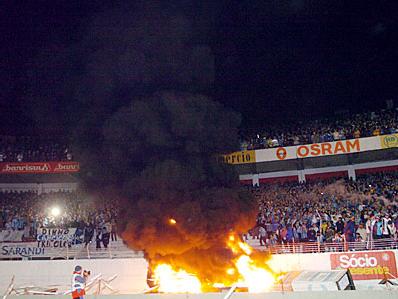
Overcrowding
Although the title itself suggests that soccer was the immediate trigger for the war, the real causes of this conflict ran much deeper. The roots of the hostility lay primarily in problems with land reform in Honduras and in the long-standing demographic crisis in neighboring El Salvador [6]. Moreover, both countries had historically suffered under corrupt military dictatorships and powerful elite families that controlled nearly all the land [2].
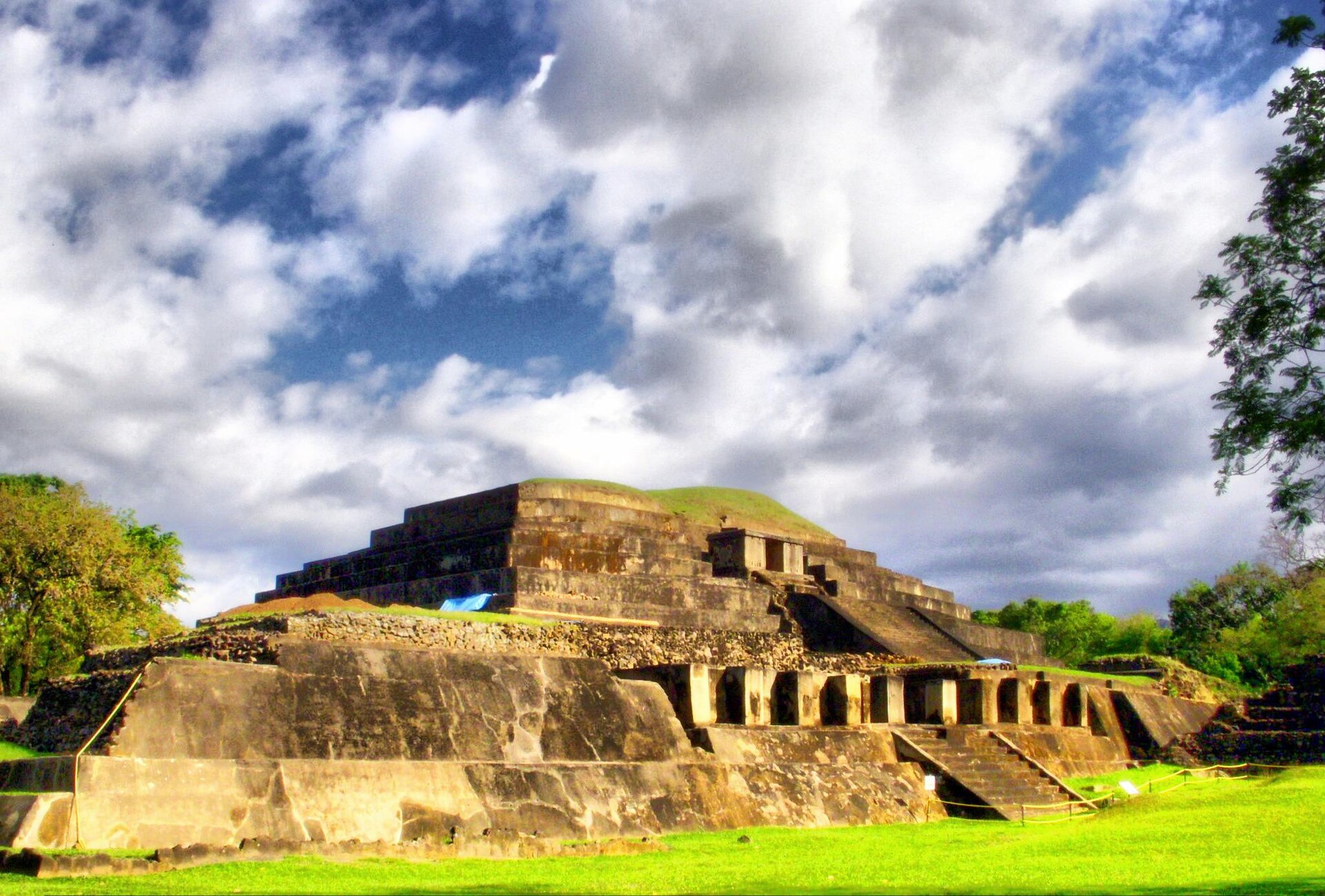
At that time, the distribution of wealth in El Salvador was highly disproportionate and extremely unfair to ordinary working people. Just five percent of the wealthiest agricultural farms there occupied as much as seventy percent of the total area of fertile land [6]. As a result, approximately 200,000 Salvadoran peasants were left completely landless and were forced to work in dangerous conditions for very low wages [6].
As a result of this situation, El Salvador was severely overpopulated and suffered from an acute shortage of job opportunities for ordinary citizens. In 1969, this small country had a population of approximately three million, while Honduras—five times its size—had only 2.6 million people [6]. Desperate Salvadorans therefore began migrating en masse to the neighboring country as early as the beginning of the century in search of open land and work on banana plantations [6].
Hostile Neighbors
By the late 1960s, more than 300,000 Salvadoran immigrants were living in Honduras, constituting more than a tenth of the local population [6]. The Salvadoran elite quietly supported this mass emigration, as it significantly reduced public pressure to redistribute their own land [12]. In Honduras, however, the constant influx of foreigners sparked growing anger among local farmers, who were also struggling to survive [12].
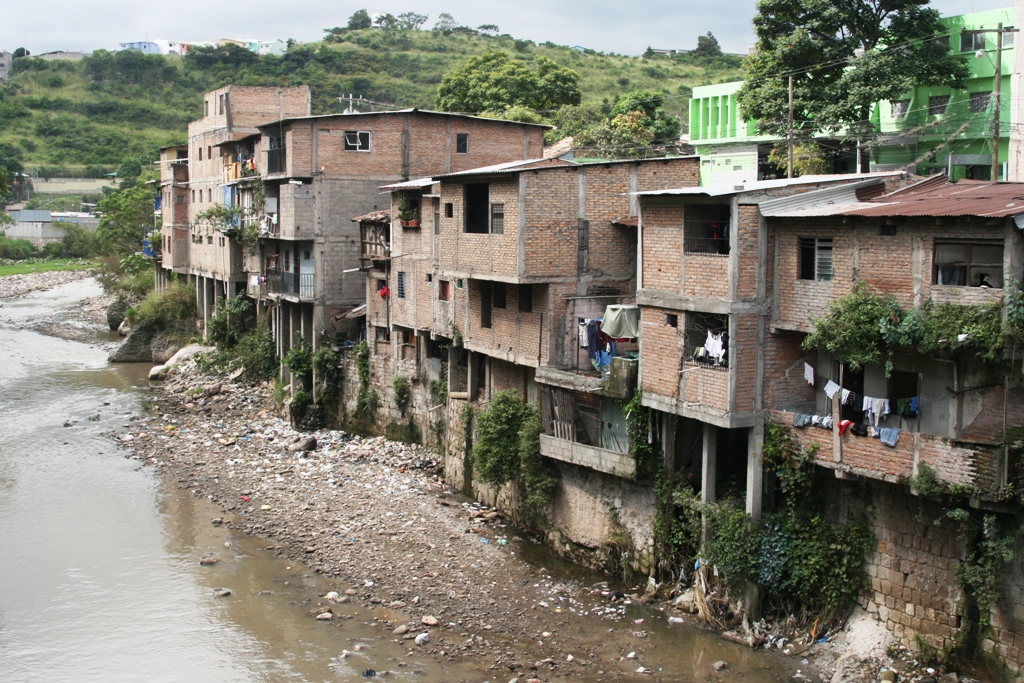
Moreover, a large portion of Honduran land was owned by massive American fruit corporations such as the United Fruit Company, with which ordinary farmers could not compete [6]. To defuse the tense situation and protect the property of the wealthy elite, Honduran dictator Oswaldo López Arellano decided to blame Salvadoran migrants for all the problems [9]. He subsequently implemented strict land reforms that stripped immigrants of their land rights and redistributed that land to native Hondurans [6].
Thousands of Salvadoran workers and long-term settlers were subsequently expelled from Honduras, leading to the rapid overcrowding of refugee camps across the border [2]. Both countries continued to blame each other for their internal problems, a stance tirelessly and fanatically supported by the ruling elites and irresponsible media [7]. It was precisely this explosive social atmosphere that was directly impacted by the qualifying matches for the 1970 World Cup [3].
The Fateful Qualifiers
Only a limited number of teams from the North and Central American zone could advance to the championship in Mexico, and it was Honduras and El Salvador who faced off in this crucial series [9]. The first qualifying match took place on June 8, 1969, in the Honduran capital of Tegucigalpa, but incidents had already begun the night before [6]. Home fans constantly harassed the visitors by throwing rocks and firecrackers at the hotel windows, and the sleep-deprived Salvadoran team lost 1–0 the next day [6].
Emotions following El Salvador’s first soccer defeat were so heightened that, paradoxically, they led to a tragedy of national proportions. Amelia Bolanos, only eighteen years old, could not bear her team’s defeat and committed suicide immediately after the match [13]. Her massive funeral was attended by the soccer players themselves and the Salvadoran president, with the local media portraying her as a national martyr [13].
A week later, on June 15, the rematch took place in San Salvador, El Salvador, where home fans were eager for violent revenge. The attacks were even more aggressive; rotten eggs and dead rats were thrown at the windows of the opposing team’s hotel, and the Honduran team ultimately had to be transported to the stadium in armored vehicles [2]. El Salvador won easily 3–0, after which massive anti-Salvadoran riots broke out in Honduras, accompanied by the ruthless expulsion of more migrants [6].
Since away-goal rules did not apply in 1969, the third match on neutral ground had to decide which team would advance. The match took place on June 27 at the famous Azteca Stadium in Mexico City and was strictly monitored by as many as 1,700 armed Mexican police officers for security purposes [2]. However, the day before kickoff, El Salvador unexpectedly severed all diplomatic ties with Honduras in response to the mass expulsion of its citizens [6].
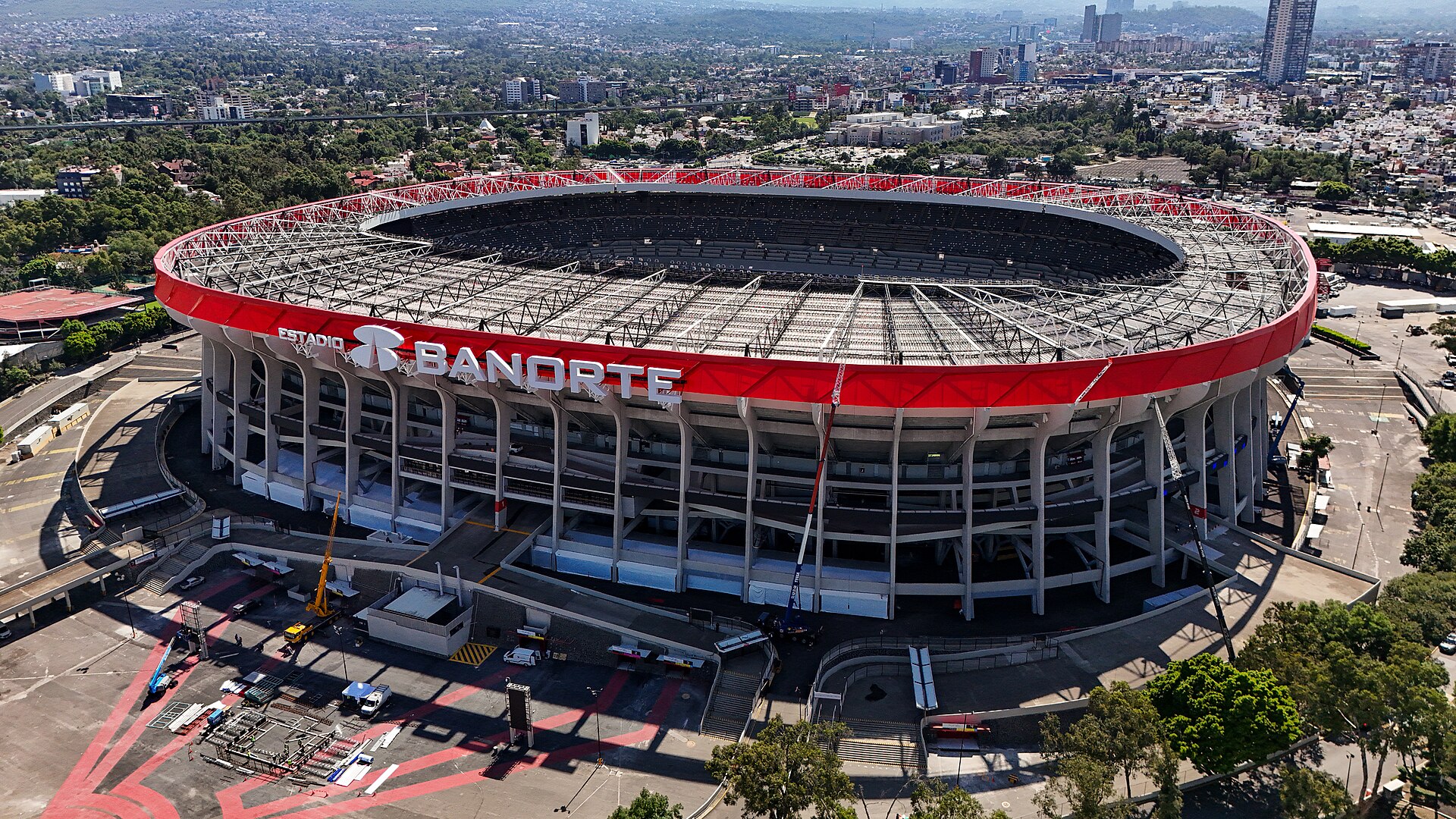
This crucial match in Mexico was incredibly tense and, after a dramatic first half, ended in a 2–2 draw [9]. In the eleventh minute of the first extra time period, however, Salvadoran forward Mauricio “Pipo” Rodríguez sprinted toward the ball, slid to make contact, and scored the go-ahead goal to make it 3–2 [12]. In the popular imagination and in the press, this precise strike into the net was quickly perceived as the direct cause of the ensuing war [2].
The Victors Strike
On July 14, 1969, the Salvadoran army officially attacked Honduras, thereby triggering a full-scale military conflict marked by heavy bombing [12]. Due to the decisive diplomatic intervention of the Organization of American States, this war lasted only four days, which is why it is often referred to as the “100-hour war” [16]. To the surprise of the global public, the fighting finally ceased on July 18 following the signing of an internationally brokered ceasefire [12].
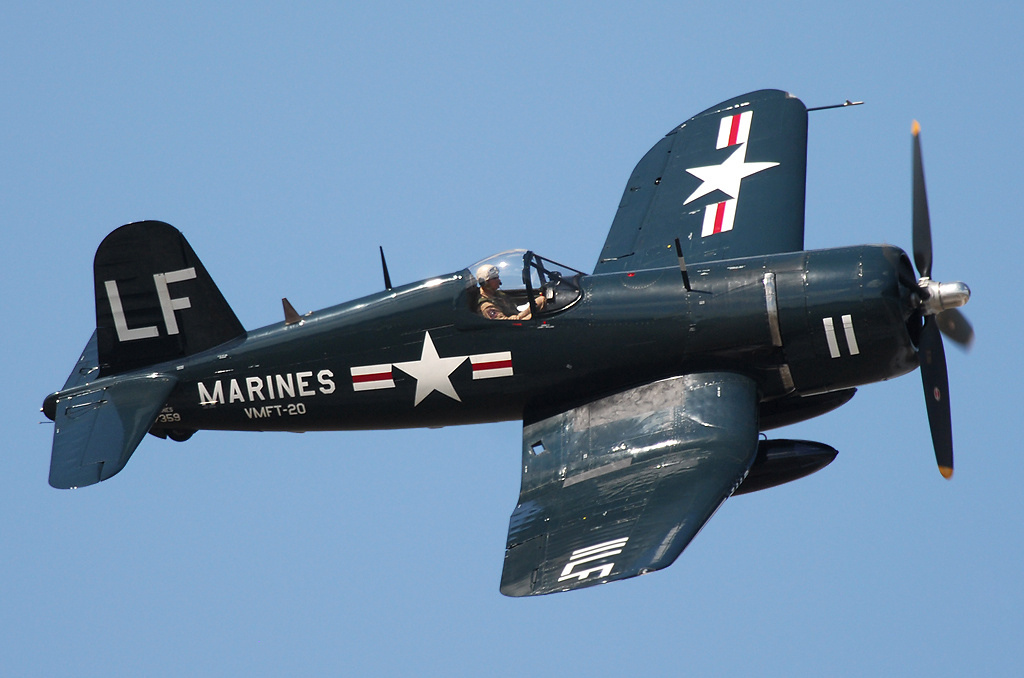
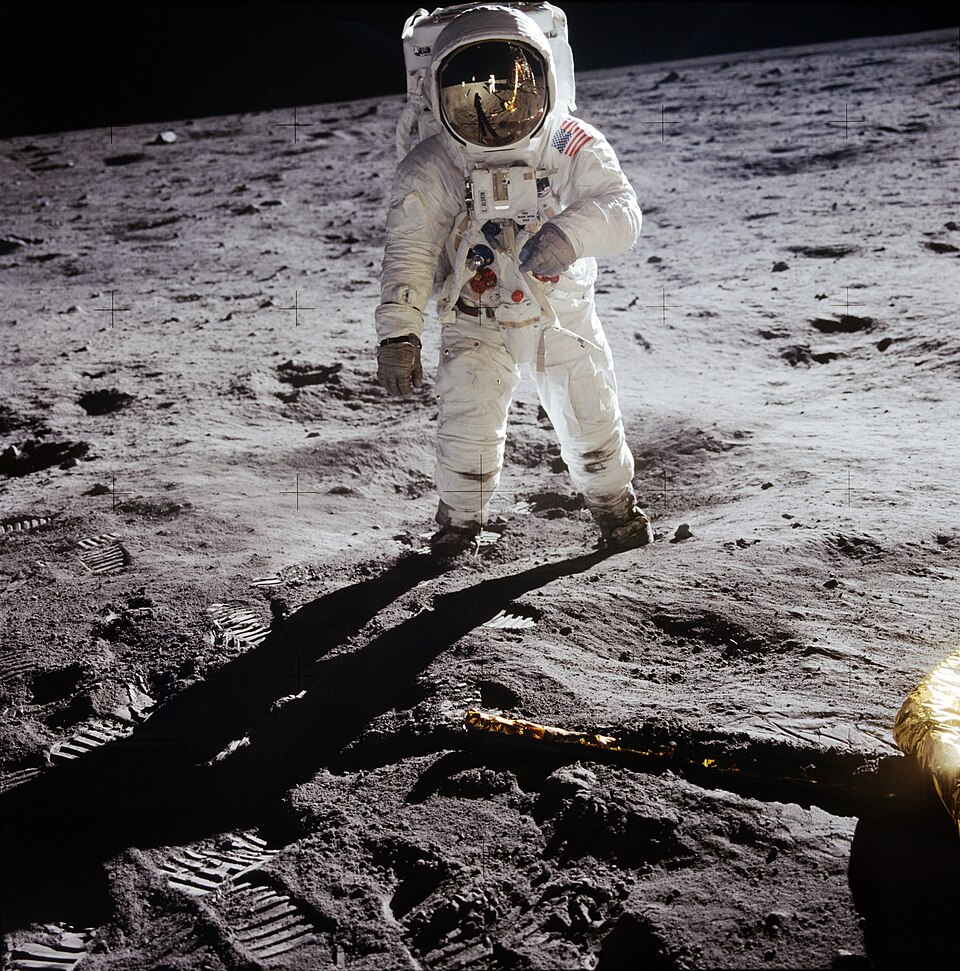
Despite its extremely short duration, this conflict had absolutely catastrophic humanitarian and military consequences for the entire region. Estimates of the total number of casualties vary slightly, but most historians cite between two thousand and three thousand dead, with the worst estimates reaching as high as six thousand [15]. The war claimed the lives of primarily civilians, with approximately 900 casualties recorded on the Salvadoran side and at least 2,000 on the Honduran side [9]. However, in terms of international attention, the war was completely overshadowed by the first moon landing of the Apollo 11 mission, which launched on July 16.
The war also left profoundly deep economic scars from which the Central American states did not recover for decades. It led to a complete halt in mutual international trade and significantly paralyzed the ambitious Central American Common Market project [14]. Due to the fighting and subsequent systematic persecution, as many as 300,000 Salvadorans were forced to flee their homes, most of whom attempted to return [9].
However, El Salvador was completely unable to cope socially or economically with this massive influx of refugees, which exacerbated the country’s already drastic poverty [9]. The ensuing social instability and the strengthening of the domestic army’s influence directly contributed to the later outbreak of the bloody Salvadoran civil war [11]. This massive internal conflict lasted from 1979 to 1992 and claimed more than 70,000 lives [12].
The official peace treaty between Honduras and El Salvador was not signed until eleven long years after the “Soccer War,” in October 1980 in Lima [6]. Although the International Court of Justice later ruled fairly in 1992 on the division of the disputed border territories and islands in the Gulf of Fonseca, tensions have not completely disappeared [6]. Occasional border incidents and mutually strained diplomatic relations between these two Latin American countries persist to this day [12].
Sports as a Battleground
However, the 1969 Soccer War is by no means the only historical example of a sporting event that tragically escalated into violence on an international scale. Scholarly research shows that strong nationalism associated with international sports can indeed increase the risk of war and political conflict [10]. For example, in 2004, a major armed Kurdish uprising in the Syrian city of Qamishli was sparked precisely by bloody riots between Arab and Kurdish soccer fans [8].
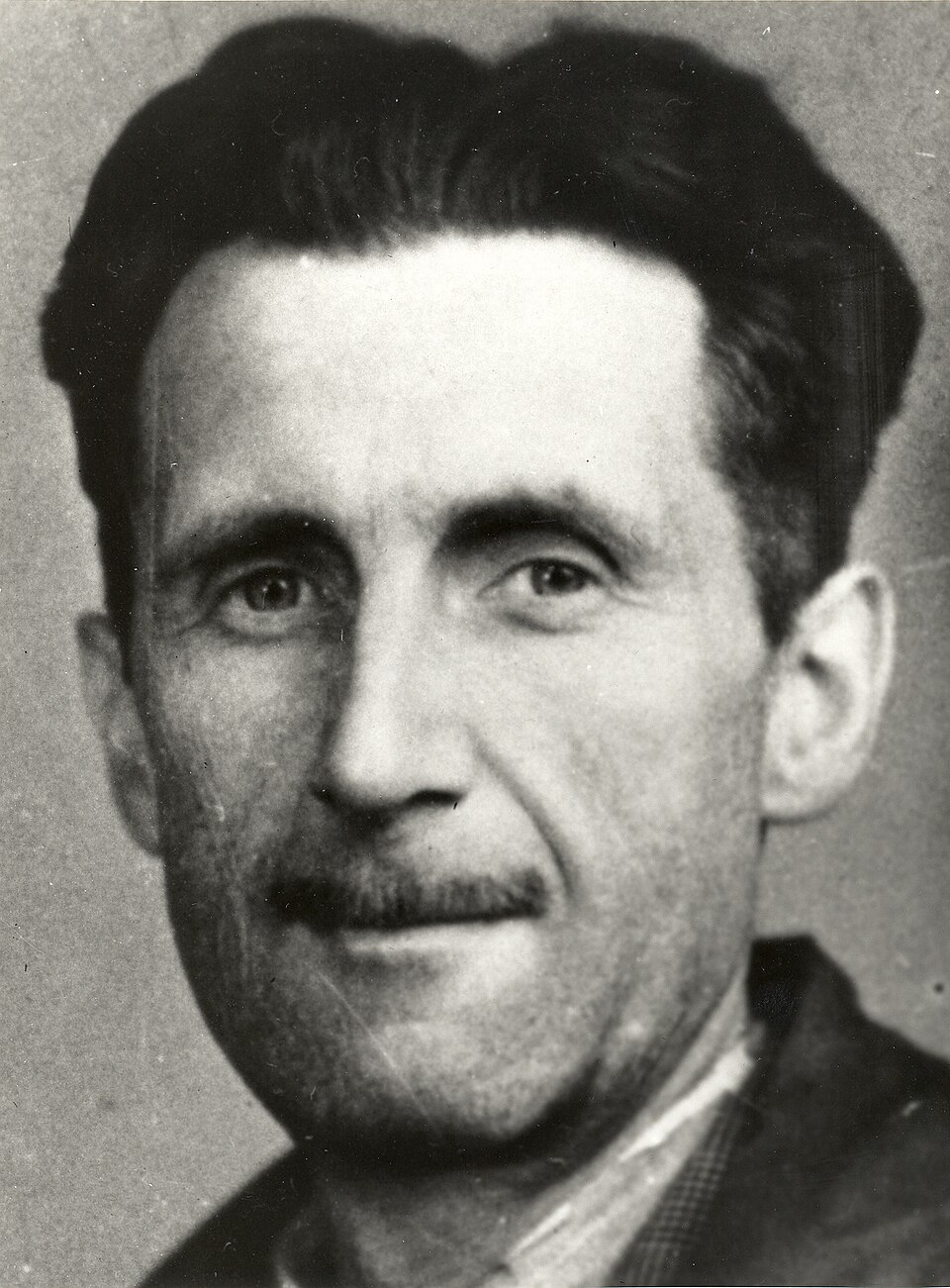
The renowned British writer George Orwell had long ago defined international sports from a different perspective, describing it as a mere mimicry of war. He argued that serious sport has absolutely nothing to do with fair play, because it is inextricably linked to hatred, bragging, and spectator sadism [4]. He likened it to a war without actual gunfire, which perfectly explains why brutal conflicts so often erupt at sports venues around the world [4].
Deadly soccer riots caused by intense national or club-based emotions have historically not spared even modern European nations. In 1990, escalating ethnic tensions in Yugoslavia led to a massive brawl in Zagreb during a high-stakes match between Serbia’s Crvena Zvezda and Croatia’s Dinamo Zagreb [16]. There was also a well-known diplomatic scandal in 2014, when a qualifying match between Serbia and Albania had to be abandoned early due to serious political provocations and physical attacks [16].
Violent international disputes occasionally spill over tragically into major soccer matches involving club and national teams from Western Europe. The incident before the 1985 European Cup final at Brussels’ Heysel Stadium remains infamous, where clashes between fans caused a wall to collapse, resulting in dozens of deaths [5]. Fifteen years later, violence struck again in Turkey when two Leeds United fans were stabbed to death on the street ahead of an important UEFA Cup match in Istanbul [16].
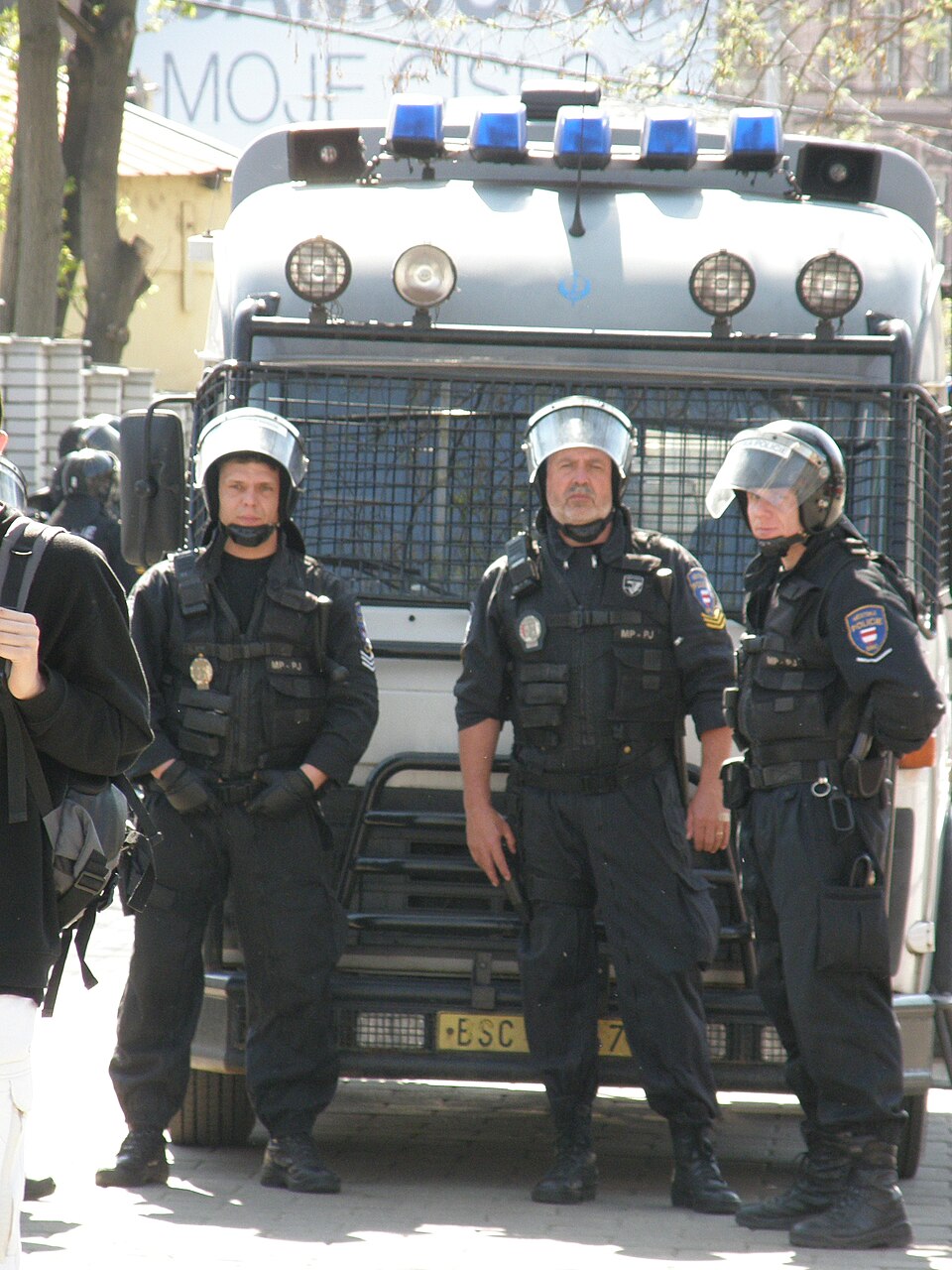
Bloody clashes between fans have long been a feature even of matches between countries that are not currently at war with one another. During the 2016 European Football Championship in Marseille, hundreds of Russian hooligans attacked English fans, forcing French police to use water cannons [1]. Serious political tensions also ran high in Amsterdam in late 2024, where a massive wave of violence and anti-Semitism erupted following a match between the Israeli and Dutch national teams [1].
Historical injustices
Moreover, violence in soccer stadiums often revives and brings to mind historical or purely wartime injustices from a much more distant past. For example, in 2004, after China’s loss to Japan in the Asian Cup final, Chinese fans in Beijing began vandalizing streets and cars belonging to the Japanese embassy [16]. The authorities directly attributed these massive riots to deep-seated hatred stemming from the brutal military atrocities committed by Imperial Japan during World War II [16].
The aftermath of European wars and the resulting ethnic conflicts even affected soccer stadiums on several occasions in distant, otherwise peaceful Australia. As early as 2005, hundreds of fans from Croatian and Serbian immigrant clubs in Sydney got into a serious brawl over racial slurs, requiring the intervention of riot police [16]. During a friendly international match between Australia and Serbia in 2011, visiting Serbian fans provocatively displayed banners celebrating convicted war criminal Ratko Mladić [16].
Naturally, violent riots are by no means confined to other continents, including the temperamental nations of South America or densely populated Asia. In 1964, massive and deadly riots broke out in Peru right in the stands after a goal was controversially disallowed in a thrilling international match against Argentina [5]. Asian derby rivalries remain just as terrifyingly intense to this day, as demonstrated by recent physical attacks and the mutual throwing of flares between fans of Malaysia and Indonesia [16].
Despite modern efforts by international institutions to use global sporting events to build sustainable peace, their cruel dark side continues to manifest itself from time to time. Any major mass-participation ball games and tournaments can, at a critical moment, whip up subconscious nationalist fervor and hatred to a literally explosive boiling point [13]. The case of the devastating war-related disaster in 1969 will thus likely remain forever the clearest, chilling reminder worldwide that for many, soccer is not just a game, but a real matter of life and death [12].
List of References
[1] Football hooliganism | Sports and Leisure | Research Starters | EBSCO Research https://www.ebsco.com/research-starters/sports-and-leisure/football-hooliganism
[2] When Soccer Kicked Off An Armed Conflict | Sports History Weekly https://sportshistoryweekly.com/stories/the-soccer-war-el-salvador-honduras-world-cup-qualifying-matches,1126
[3] Football War: War, El Salvador, Honduras, 1970 FIFA World Cup qualification, 1970 FIFA World Cup, Organization of American States, Peace treaty, International Court of Justice, Sports diplomacy: 9786130687014 - AbeBooks https://www.abebooks.com/9786130687014/Football-Salvador-Honduras-1970-FIFA-613068701X/plp
[4] The Sporting Spirit | The Orwell Foundation https://www.orwellfoundation.com/the-orwell-foundation/orwell/essays-and-other-works/the-sporting-spirit
[5] Why is soccer fandom so linked to violence? https://theconversation.com/why-is-soccer-fandom-so-linked-to-violence-245143
[6] Football War - Wikipedia https://en.wikipedia.org/wiki/Football_War
[7] July 14, 1969: Soccer War - Zinn Education Project https://www.zinnedproject.org/news/tdih/soccer-war
[8] Football: the forgotten factor in conflict - Leiden Security and Global Affairs Blog https://www.leidensecurityandglobalaffairs.nl/articles/football-the-forgotten-factor-in-conflict
[9] Was there Really a War Started by Football? https://www.todayifoundout.com/index.php/2023/03/was-there-really-a-war-started-by-football
[10] Nationalism from International Sports May Increase International Conflict | Dartmouth https://home.dartmouth.edu/news/2017/11/nationalism-international-sports-may-increase-international-conflict
[11] Haggerty, Richard A. (November 1988). "Foreign Military Influence and Assistance." El Salvador: A Country Study. Federal Research Division, Library of Congress. pp. 223–224.
[12] Honduras vs. El Salvador: The football match that kicked off a war - BBC https://www.bbc.com/news/world-latin-america-48673853
[13] The Football War: Honduras World Cup qualifying, play-off vs Socceroos, El Salvador https://www.foxsports.com.au/football/socceroos/the-football-war-honduras-world-cup-qualifying-history-when-they-went-to-war-with-el-salvador/news-story/aba6b1225a7943c88958ed67d8d5803c
[14] Football War | Encyclopedia.com https://www.encyclopedia.com/humanities/encyclopedias-almanacs-transcripts-and-maps/football-war
[15] World Cup: Politics Surrounding the Tournament - Mexico News Daily https://mexiconewsdaily.com/politics/mexico-is-no-stranger-to-hosting-world-cup-games-between-nations-at-war
[16] Football hooliganism - Wikipedia https://en.wikipedia.org/wiki/Football_hooliganism