Ebola is rampant around the world. Is this a cause for concern?
The world is currently watching with concern the latest developments regarding the spread of Ebola in East and Central Africa. The latest outbreak in the Democratic Republic of the Congo and Uganda, caused by the rare Bundibugyo strain, poses a serious threat to public health [3,21,40].
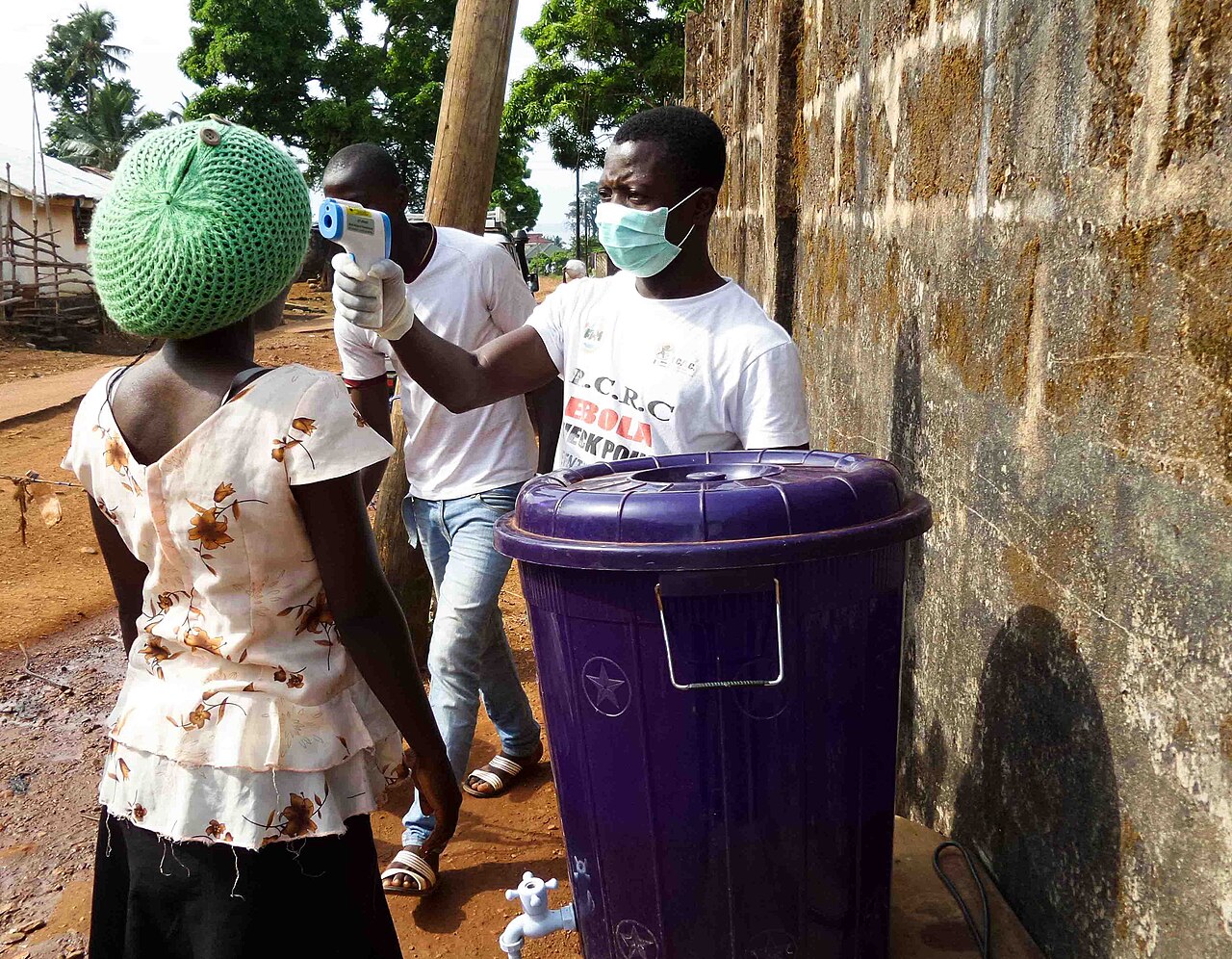
According to models from the U.S. Centers for Disease Control and Prevention (CDC), this outbreak could, in the worst-case scenario, reach as many as 20,000 cases if infected patients are not quickly isolated [1,2].
Although experts emphasize that the risk of a global pandemic similar to COVID-19 is very low, the local situation remains extremely serious [3,4]. This current battle against a dangerous pathogen is just another chapter in the long and dark history of this disease.
Where did Ebola come from?
Although the Ebola virus was not scientifically identified until 1976, it is an ancient pathogen that likely diverged from other viruses thousands of years ago [5].
According to genetic research, the Zaire Ebola virus strain itself evolved from its ancestors sometime between 1960 and 1976 [6]. Historically, the first cases and epidemics of this hemorrhagic disease occurred in remote villages in Central Africa, in areas located near pristine tropical rainforests [7].
The very first recorded outbreak of the disease occurred in the town of Nzara in what is now South Sudan, where the so-called Sudan strain of the virus was identified [8].
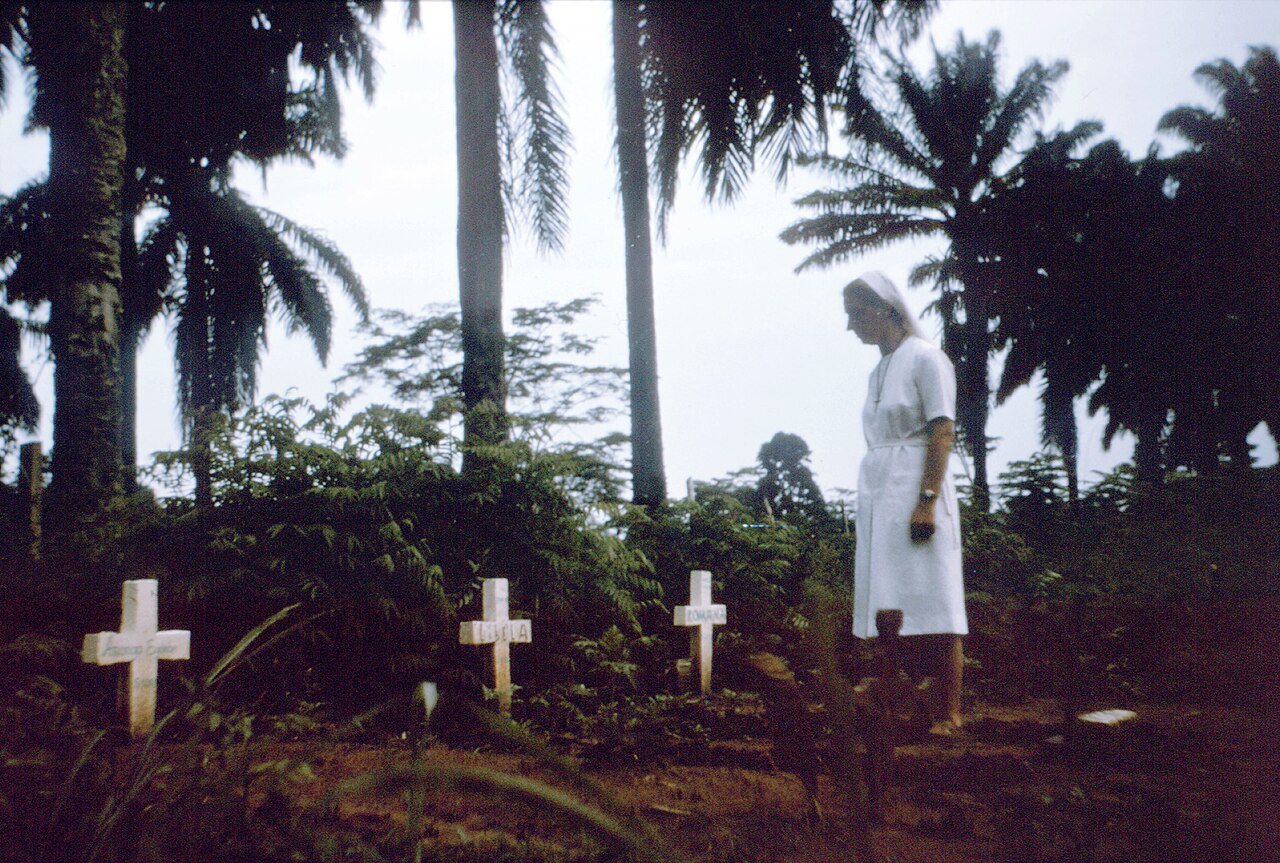
A few months later, on August 26, 1976, a concurrent epidemic broke out in the village of Yambuku in the north of what was then Zaire, now the Democratic Republic of the Congo [6,8]. The first known patient in the Zairean epidemic was 44-year-old schoolteacher Mabalo Lokela, whose case sparked a massive international response [6].
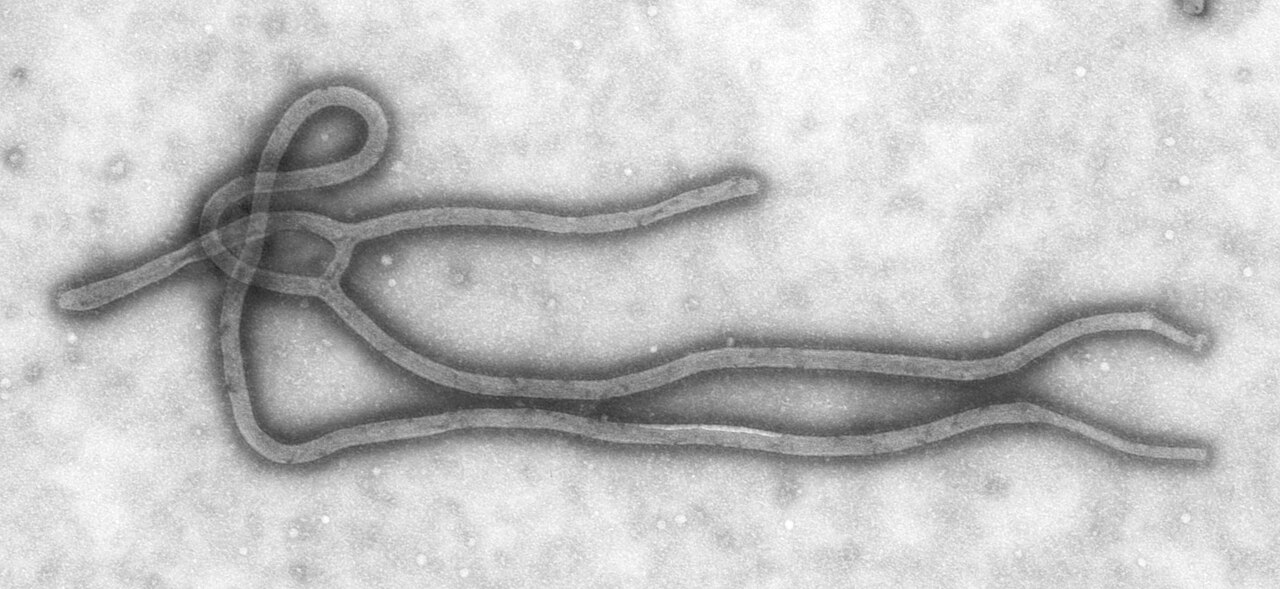
The scientific discovery of the virus itself is a fascinating story that began with a blood sample taken from an ailing Belgian nun by Congolese physician Jean-Jacques Muyembe [9]. This sample was transported to Europe in a blue thermos, where it was analyzed in September 1976 in Antwerp, Belgium, by Peter Piot, a microbiologist who was 27 years old at the time [10].
The Pathogen’s Journey into the Victim’s Body
After examining the sample under an electron microscope, the scientists, together with experts from the U.S. Centers for Disease Control and Prevention (CDC), confirmed that the giant snake-like structures belonged to a completely new virus, which they named after the Ebola River [10,11].
In terms of its origin, Ebola is a typical zoonotic disease, meaning that its primary reservoir is the animal kingdom [12].
Although various organisms, including rodents, have been studied in the past, fruit-eating bats of the family Pteropodidae are now generally considered the main natural reservoir of Ebola [13,14]. These bats can carry the virus without developing the disease or showing any visible symptoms [8].
The initial transmission of the disease from animals to humans usually occurs during the hunting, handling, or consumption of raw meat from wild animals [15]. The infection can also be transmitted to humans via so-called intermediate hosts, such as infected chimpanzees, gorillas, or forest antelopes [13,16].
However, the disease is just as deadly for these wild animals as it is for humans, so they are not considered a permanent reservoir [17].
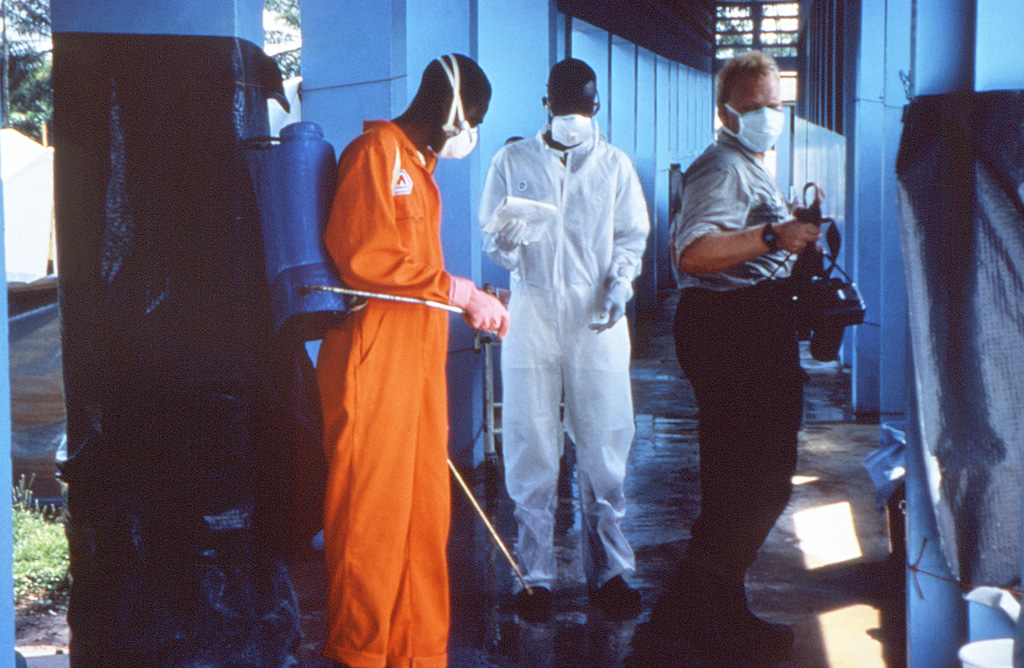
Once the virus enters the human population, it begins to spread exclusively through direct contact with the infectious bodily fluids of an infected person [15]. The risk is posed not only by blood, vomit, urine, and feces, but even by ordinary sweat, tears, breast milk, or semen from an infected patient [18,19].
The infection enters the body of a new victim primarily through broken skin, open wounds, or unprotected mucous membranes of the nose, mouth, and eyes [18,20].
A key fact for understanding transmission is that a person infected with Ebola cannot transmit the virus to others before the first symptoms appear [21]. For this reason, there is no dangerous group of so-called “silent carriers” in the community who are unaware of their illness yet still spread it on a massive scale [22].
Conversely, the risk of infection increases sharply as the disease progresses, when the viral load in the body reaches its critical peak [5,22].
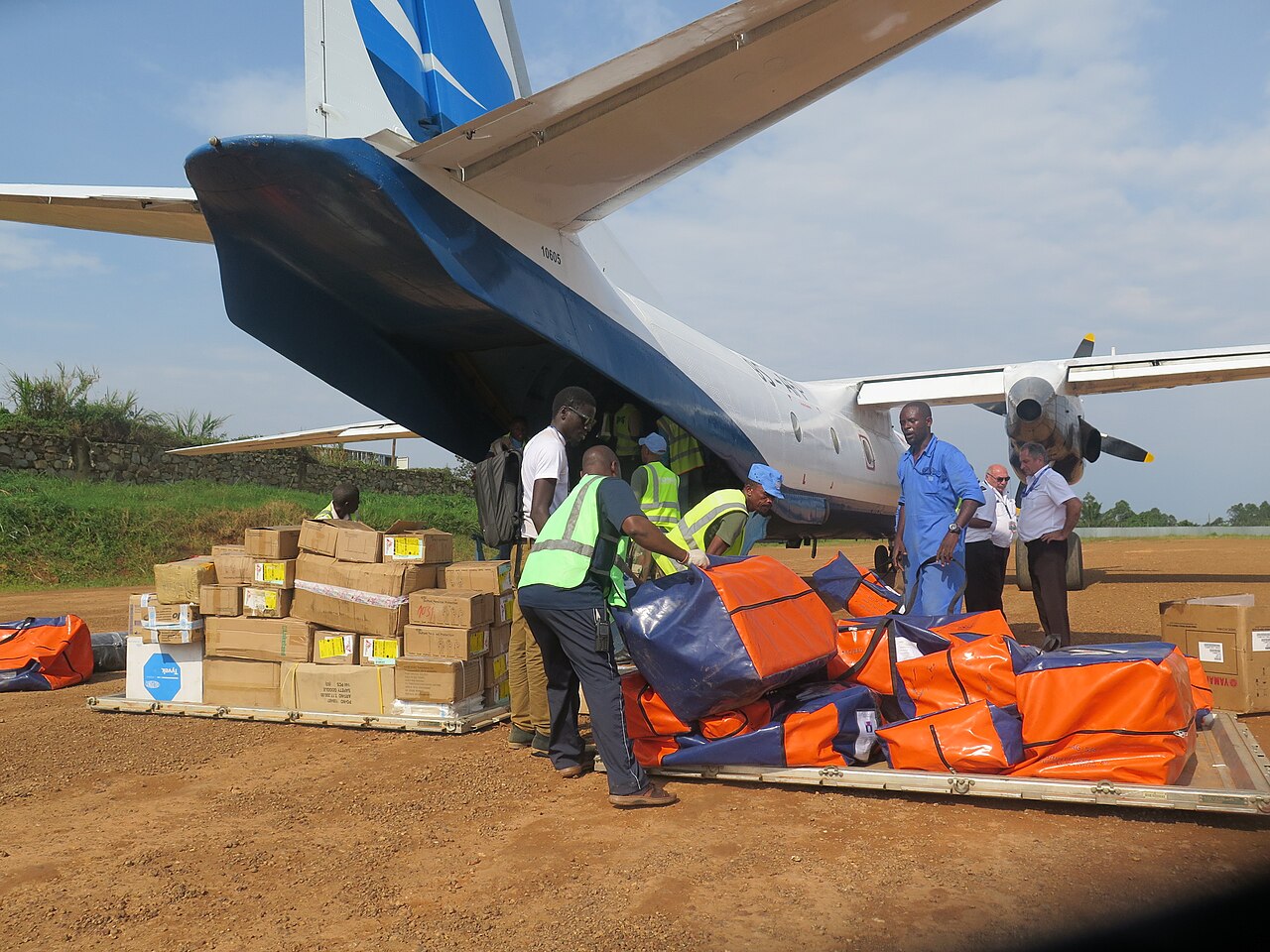
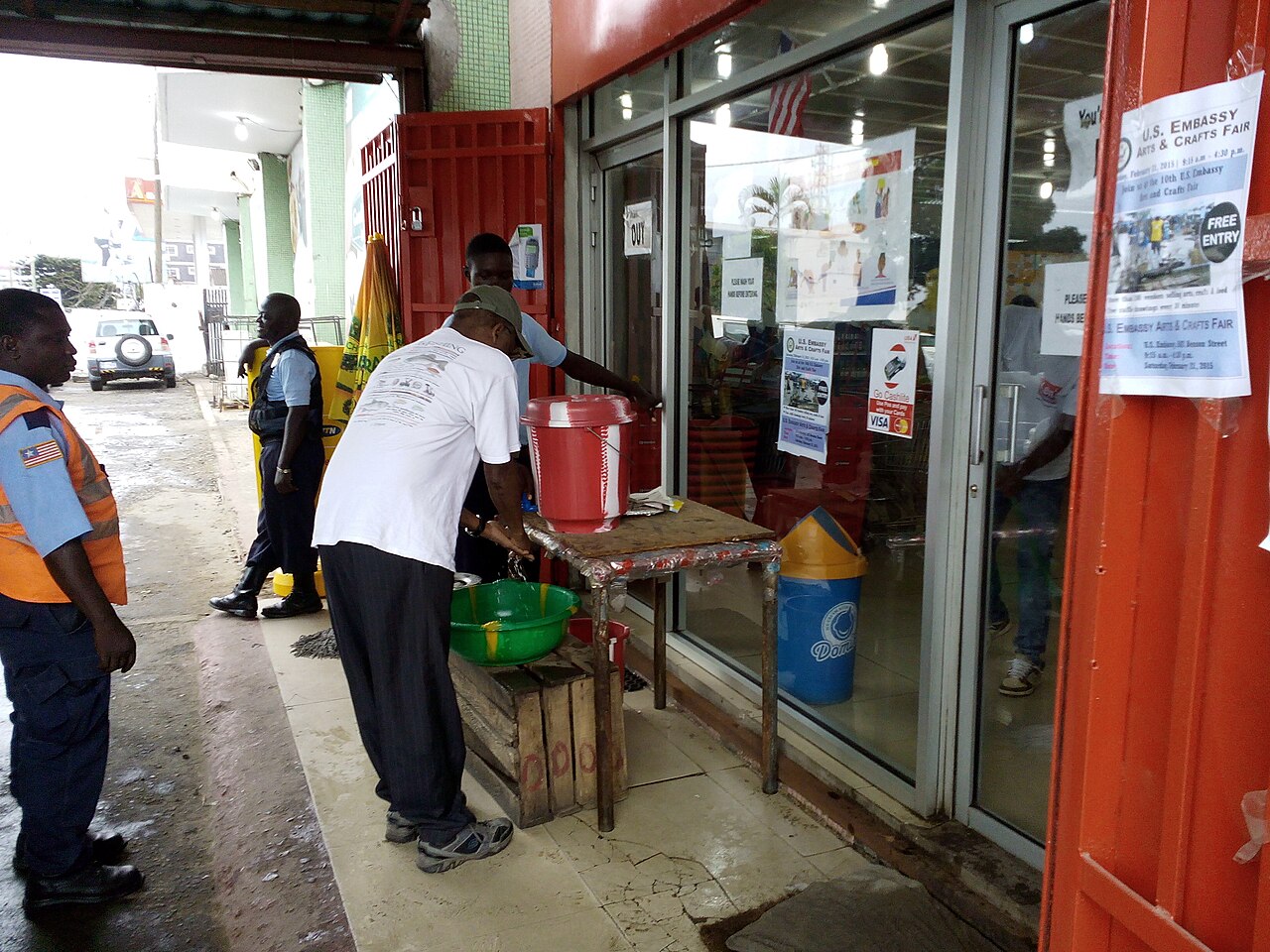
Ebola spreads most rapidly and severely in conditions of extreme poverty, where there is a lack of functioning healthcare infrastructure, running water, and public trust in the authorities [5,10]. Particularly high-risk factors include home care for seriously ill family members and traditional funeral rituals, during which bereaved family members directly wash the highly infectious bodies of the deceased [10,22].
The repeated use of unsterilized needles or syringes in local clinics is also a critical factor in the rapid outbreak of hospital-acquired epidemics [10,19].
Climate change and reckless, large-scale human encroachment on Africa’s pristine wilderness also have a massive impact on the emergence of outbreaks. Deforestation, increasing urbanization, and the massive expansion of agricultural land are destroying natural habitats, forcing wildlife to migrate into close proximity to human settlements [23,24].
These changes, often exacerbated by extreme droughts and subsequent famine, significantly fuel the risky hunting of dangerous wildlife from the rainforest [23,25].
Victims of an Invisible Killer
Throughout its modern history, Ebola has demonstrated its devastating power in more than twenty local epidemics with exceptionally high mortality rates among those infected [26,27]. While the average fatality rate for the most widespread Zaire strain reaches 83 percent, during the outbreak in the Republic of the Congo from 2002 to 2003, the mortality rate reached a staggering 90 percent [6,28].
These grim historical statistics make Ebola one of the deadliest known viral diseases on our planet.
By far the worst epidemic in human history struck between 2013 and 2016 and devastated much of West Africa [15,29]. For the first time, the outbreak was not confined to remote rural areas but spread extremely rapidly to densely populated urban centers and capital cities in Guinea, Liberia, and Sierra Leone [5,15].
This historic catastrophe claimed an unprecedented 28,646 cases, of whom more than 11,300 succumbed to fatal hemorrhage and organ failure [30].
The second-largest Ebola outbreak occurred in the Democratic Republic of the Congo between 2018 and 2020 amid the challenging conditions of an ongoing armed conflict [31,32]. Rapid containment of the virus was significantly complicated by targeted attacks by armed groups and massive population displacements of a frightened and distrustful population [7,33].
The result was ultimately nearly 3,500 officially recorded cases and more than 2,200 fatalities [12,31].
Since its discovery in the last century, the approach to Ebola treatment has undergone a tortuous yet scientifically crucial evolution. In the early stages of local epidemics, when the initial symptoms resembled those of malaria, quinine was routinely—and largely unsuccessfully—administered to confused patients [6].
Effective “weapons” against the unwelcome visitor
For a long time, there were no specifically approved medications, and doctors relied exclusively on early supportive rehydration, blood pressure monitoring, and strict quarantine [5,34].
A huge ray of hope came in 1995, when Dr. Muyembe administered blood serum from people who had successfully survived the infection to terminally ill patients. Of the eight individuals treated, he miraculously saved as many as seven, thereby demonstrating the truly enormous therapeutic potential of antibodies [11].
Modern medicine was subsequently inspired by these pioneering findings and is now able to effectively improve a patient’s chances of survival [11].
Today, healthcare professionals have access to sophisticated medications that have been approved by the U.S. Food and Drug Administration following thorough research. Proven monoclonal antibody therapies include Inmazeb and ansuvimab, which have successfully saved both adult and pediatric patients infected with the deadly Zaire strain [35,36].
The approval of the first truly effective VSV-EBOV vaccine in late 2019 was also an absolute historic triumph for science [6].
Are we facing a global pandemic like COVID-19?
Thanks in part to these technological advances and the different nature of the virus, it is believed that Ebola will not cause a devastating global pandemic comparable to COVID-19. Leading experts emphasize that, unlike the SARS-CoV-2 virus, Ebola cannot spread freely through the air, meaning it lacks an absolutely crucial mechanism for silent community transmission [3,4].
Furthermore, advanced healthcare systems in Europe and North America are able to promptly isolate isolated imported cases much more effectively [37,38].
Despite its relatively low global pandemic potential, however, there are theoretical catastrophic scenarios that could threaten vast numbers of people in the future. The most serious and widely discussed threat is a massive mutation of the virus that would suddenly enable it to spread effectively via small respiratory droplets [5,39].
Such a catastrophic scenario could occur particularly during a massive, uncontrolled outbreak, when the virus rapidly spreads through hundreds of thousands of hosts [5].
Computer models developed for potential future African epidemics without effective patient isolation predict very grim and tragic scenarios. If the initial rapid isolation rate of patients were to drop to 20 percent, Ebola could generate up to 20,000 new cases in just three months [38,40].
At the same time, the local situation in the epicenters of the outbreak can be unexpectedly worsened at any time by ongoing social phenomena and so-called “usual emission” patterns.
The continuing global trend of unsustainable development and accelerating climate change is constantly expanding the natural range with conditions suitable for bats and other animal reservoirs. Scientists are issuing stark warnings that in the near future, the geographic area actually at risk from Ebola could increase by as much as a staggering 14.7 percent [23]
New outbreaks of this deadly disease would thus most likely also affect countries such as Nigeria, Ghana, Kenya, and Rwanda [23,31].
Another subtle yet medically critical risk for the virus’s continued resurgence worldwide is its evolutionary ability to survive hidden within the human body. Scientists were surprised to confirm that the virus can remain largely untouched by the immune system in male semen and be transmitted later through sexual contact [16,21].
This alarming fact clearly demonstrates that the complex battle waged by science and medicine against the deadly pathogen known as Ebola is far from over.
List of References
[1] CDC: Ebola outbreak in Central Africa could reach 20,000 cases https://www.statnews.com/2026/06/05/cdc-ebola-modeling-study
[2] Ebola outbreak in DR Congo could top 20,000 cases in worst case, CDC says https://www.nbcnews.com/health/health-news/ebola-outbreak-dr-congo-top-20000-cases-worst-case-cdc-says-rcna348726
[3] Ebola and hantavirus aren't the next COVID, experts say. Here's what to know : NPR https://www.npr.org/2026/05/21/nx-s1-5825891/hantavirus-ebola-covid-pandemic-virus
[4] https://www.ecdc.europa.eu/en/news-events/ecdc-monitoring-ebola-outbreak-democratic-republic-congo
[5] Ebola Virus | BCM - Baylor College of Medicine https://www.bcm.edu/departments/molecular-virology-and-microbiology/emerging-infections-and-biodefense/specific-agents/ebola-virus
[6] Zaire ebolavirus - Wikipedia https://en.wikipedia.org/wiki/Zaire_ebolavirus
[7] What to know about the Ebola outbreak that has grown into a global health emergency | PBS News https://www.pbs.org/newshour/world/what-to-know-about-the-ebola-outbreak-that-the-who-has-declared-a-global-health-emergency
[8] World Health Organization. (2014). Ebola virus disease. Fact sheet N°103. Retrieved from http://www.who.int/mediacentre/factsheets/fs103/en/
[9] Muyembe-Tamfum, J. J. (2012). Ebola: A personal account. The Lancet, 379(9820), 996–997.
[10] The virus detective who discovered Ebola in 1976 - BBC News https://www.bbc.com/news/magazine-28262541
[11] This Congolese Doctor Discovered Ebola But Never Got Credit For It — Until Now : Goats and Soda : NPR https://www.npr.org/sections/goatsandsoda/2019/11/04/774863495/this-congolese-doctor-discovered-ebola-but-never-got-credit-for-it-until-now
[12] The Origins of the Ebola Virus | HISTORY https://www.history.com/articles/ebola-virus-origins
[13] Brief review on ebola virus disease and one health approach - PMC https://pmc.ncbi.nlm.nih.gov/articles/PMC10432691
[14] Groseth, A., et al. (2007). Filoviruses and bats: A review. Viruses, 1(2), 229–246.
[15] Ebola Virus Disease - WOAH - World Organisation for Animal Health https://www.woah.org/en/disease/ebola-virus-disease
[16] What to know about Ebola and the latest major outbreak | Harvard T.H. Chan School of Public Health https://hsph.harvard.edu/news/what-to-know-about-ebola-and-the-latest-major-outbreak
[17] Leroy EM, Rouquet P, Formenty P, Souquiere S, Kilbourne A, Froment JM, et al. Multiple Ebola virus transmission events and rapid decline of central African wildlife. Science. 2004;303:387–390. doi: 10.1126/science.1092528.
[18] Ebola transmission: Can Ebola spread through the air? https://www.mayoclinic.org/diseases-conditions/infectious-diseases/expert-answers/can-ebola-spread-through-air/faq-20115575
[19] Upadhyay R.K. Climate induced virus generated communicable diseases: management issues and failures. J. Atmos. Sci. Res. 2021;4(2):27–50. doi: 10.30564/jasr.v4i2.3229.
[20] Centers for Disease Control and Prevention. (2014). Questions and Answers on Ebola. Retrieved from http://www.cdc.gov/vhf/ebola/outbreaks/2014-west-africa/qa.html
[21] How Ebola Disease Spreads | Ebola | CDC https://www.cdc.gov/ebola/causes/index.html
[22] Ebola, Hantavirus: Are we Facing the Next Pandemic? | PartnerRe https://www.partnerre.com/perspectives/ebola-hantavirus-are-we-facing-the-next-pandemic
[23] Climate Change And Unsustainable Development Can Increase Risk Of Ebola Outbreaks - Health Policy Watch https://healthpolicy-watch.news/climate-change-and-unsustainable-development-can-increase-risk-of-ebola-outbreaks
[24] Olivero J., Fa J.E., Real R., Márquez A.L., Farfán M.A., Vargas J.M., Gaveau D., Salim M.A., Park D., Suter J. Recent loss of closed forests is associated with Ebola virus disease outbreaks. Sci. Rep. 2017;7(1):1–9. doi: 10.1038/s41598-017-14727-9.
[25] Christensen, J. (2019). Climate change and infectious diseases. The Lancet Planetary Health, 3(11), e458–e459.
[26] Coltart CEM, Lindsey B, Ghinai I, Johnson AM, Heymann DL. The Ebola outbreak, 2013–2016: old lessons for new epidemics. Philos Trans R Soc Lond B Biol Sci. 2017;372(1721):20160297. doi:10.1098/rstb.2016.0297
[27] Pigott, D. M. et al. Mapping the zoonotic niche of Ebola virus disease in Africa. eLife 3, e04395 (2014).
[28] Leroy, E. M., Baize, S., Volchkov, J. E., Fisher-Hoch, S. P., & McCormick, J. B. (2004). The natural history of Ebola virus in Africa. Microbes and Infection, 6(10), 1005–1014.
[29] Ladner J.T., Wiley M.R., Mate S., Dudas G., Prieto K., Lovett S., Nagle E.R., Beitzel B., Gilbert M.L., Fakoli L. Evolution and spread of Ebola virus in Liberia, 2014–2015. Cell Host Microbe. 2015;18(6):659–669. doi: 10.1016/j.chom.2015.11.008.
[30] World Health Organization. (2016). Ebola situation report. Retrieved from http://apps.who.int/ebola/current-situation/ebola-situation-report-8-may-2016
[31] Assessing the ecological resilience of Ebola virus in Africa and potential influencing factors based on a synthesized model | PLOS Neglected Tropical Diseases https://journals.plos.org/plosntds/article?id=10.1371%2Fjournal.pntd.0012843
[32] World Health Organization. (2018). Ebola outbreak in North Kivu, Democratic Republic of the Congo. Retrieved from https://www.who.int/news-room/detail/01-08-2018-ebola-outbreak-in-north-kivu-democratic-republic-of-the-congo
[33] World Health Organization. (2018). Ebola situation report. Retrieved from https://www.who.int/csr/disease/ebola/situation-reports/en/
[34] Kanapathipillai R, Henao Restrepo AM, Fast P, Wood D, Dye C, Kieny MP, et al. Ebola vaccine--an urgent international priority. N Engl J Med. 2014. 371:2249-51. doi: 10.1056/NEJMp1412166
[35] Food U.S. Drug Administration, FDA approves first treatment for Ebola virus. Food and Drug Administration news release. 2020 https://www.fda.gov/news-events/press-announcements/fda-approves-first-treatment-ebola-virus Published October. Accessed on 29/6/2023.
[36] Regeneron Pharmaceuticals. (2019). REGN-EB3 and mAb114 show superior efficacy to ZMapp and Remdesivir in Ebola virus disease. Retrieved from https://investor.regeneron.com/news-releases/news-release-details/regn-eb3-and-mab114-show-superior-efficacy-zmapp-and-remdesivir
[37] Centers for Disease Control and Prevention. (2014). Press Briefing on Ebola. Retrieved from http://www.cdc.gov/media/releases/2014/t1001-ebola-briefing.html
[38] CDC report: Ebola outbreak could rival the worst on record unless world acts https://www.npr.org/2026/06/05/nx-s1-5848082/ebola-virus-cdc-outbreak-democratic-republic-congo-uganda
[39] The next pandemic: Ebola? https://www.gavi.org/vaccineswork/next-pandemic/ebola-virus
[40] Modeled Scenario Projections for the Ebola Disease Outbreak Caused by Bundibugyo Virus, 2026 | MMWR https://www.cdc.gov/mmwr/volumes/75/wr/mm7522e1.htm