Land for cash
The history of the United States is deeply intertwined with territorial expansion, and the purchase of territory was one of the main tools used to build this modern empire. This historical practice of acquiring foreign territories for money has once again come into the spotlight after Donald Trump expressed interest in purchasing Greenland [6]. Many have called this idea absurd, but from a historical perspective, the president was merely continuing a long tradition of American real estate deals [17].
The Emperor Needs Money
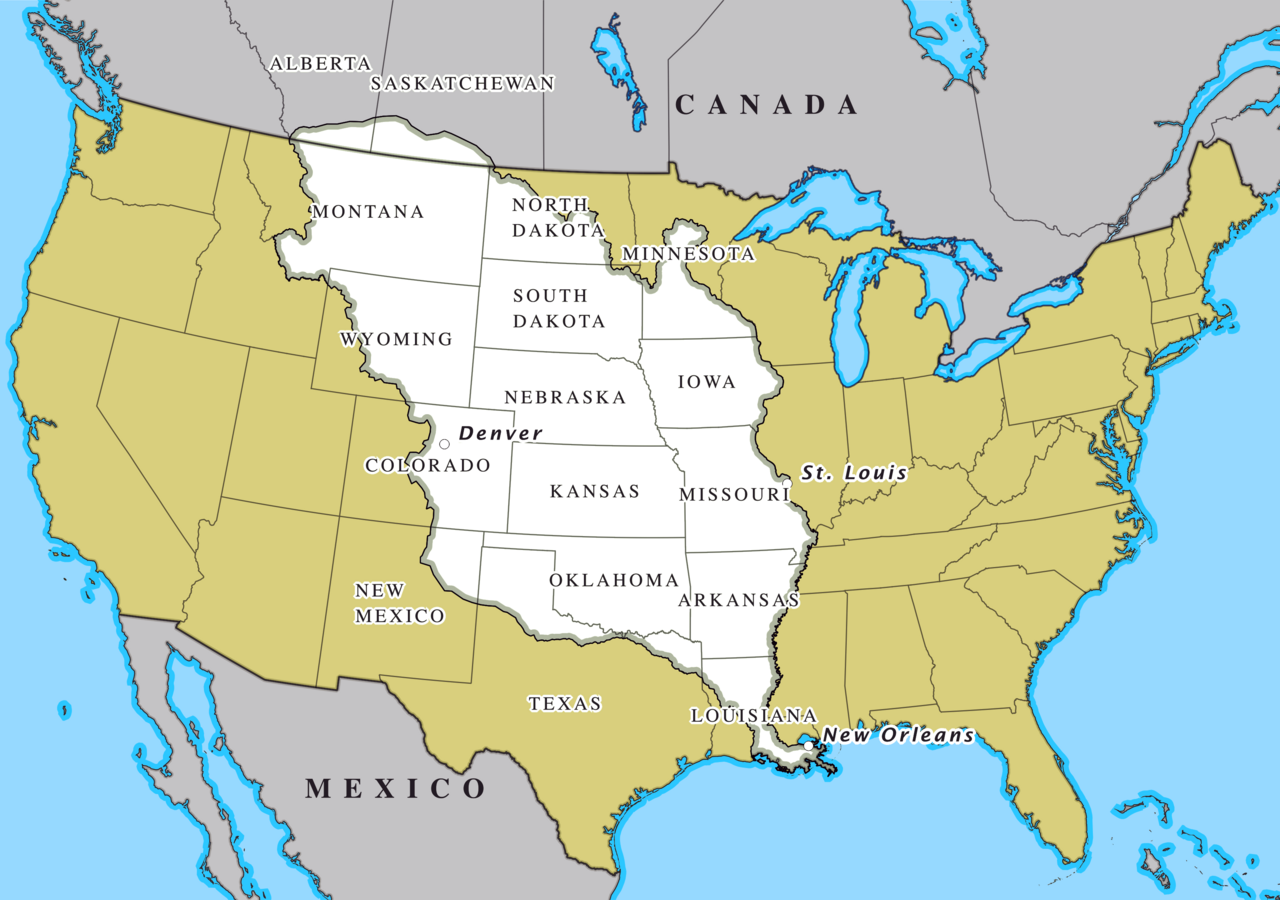
Throughout its history, the United States has successfully expanded its territory on several occasions through massive financial transactions. The first major step was the purchase of Louisiana from France—specifically from Napoleon Bonaparte, then First Consul—in 1803 for $15 million, which amounted to approximately five cents per acre of land [7]. This deal allowed Americans to gain control over a vast area with as yet undefined borders and became an important precedent for further purchases [18].
A Garden for Polar Bears
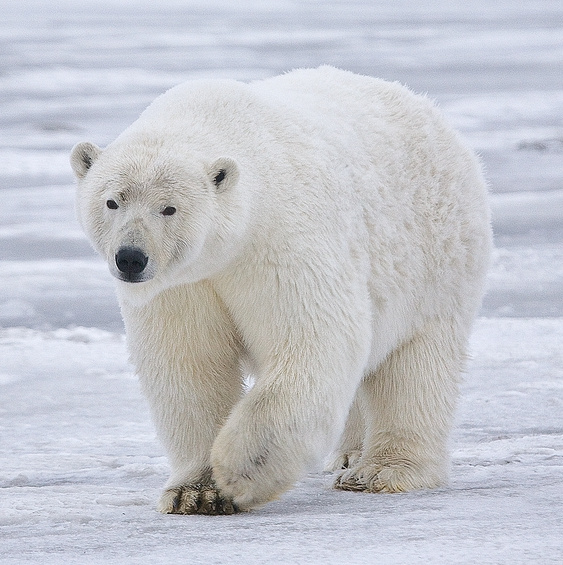
Another monumental deal that defined the American borders was the acquisition of Alaska from the Russian Empire. Then-Secretary of State William H. Seward purchased it in 1867 for $7.2 million, which was a very favorable price at the time [6]. In addition to Alaska, the United States also successfully purchased the Danish West Indies from Denmark in 1917 for $25 million, which subsequently became the U.S. Virgin Islands [7].
Toward the Rio Grande
However, not all American expansions relied solely on the peaceful signing of treaties and writing checks. The idea of so-called Manifest Destiny drove American politicians to believe that the United States was destined to dominate the entire North American continent and spread its ideals there [14]. This aggressive approach was fully evident in relations with Mexico, from which the Americans wanted to purchase its northern territories at any cost [19].
President James K. Polk initially sent diplomat John Slidell to Mexico with an offer of 25 to 30 million dollars for the territories of California and New Mexico [18]. When the Mexican government indignantly rejected this proposal and refused to meet with Slidell at all, Polk did not lose his resolve [10]. Instead of further negotiations, he deliberately provoked a military conflict that escalated into the bloody Mexican-American War from 1846 to 1848 [10].
The military conflict ultimately ended with an American victory and the signing of the Treaty of Guadalupe Hidalgo in February 1848 [15]. Under this agreement, Mexico was required to cede approximately 55 percent of its original territory to the United States, including present-day California, Nevada, Utah, and parts of other modern states [16]. In exchange for this vast territory, the U.S. government paid Mexico $15 million and assumed the Mexican government’s debts to American citizens in the amount of $3.25 million [16].
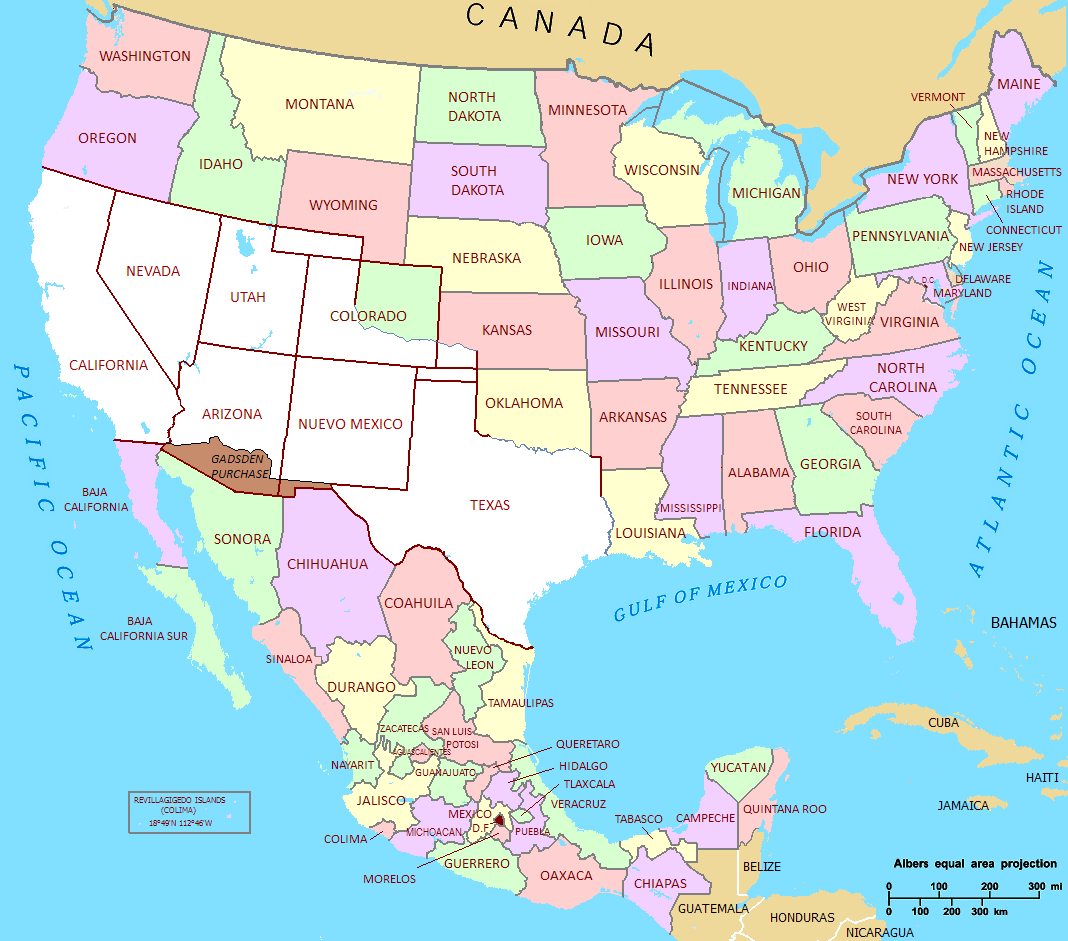
The Treaty of Guadalupe Hidalgo also established a new fixed border between the two countries along the Rio Grande and guaranteed property protection for residents of the annexed territory [12]. This historic moment fundamentally changed the map of North America, yet it was still not the definitive form of the U.S. continental borders [3]. Post-war border disputes and the need to build a southern route for the transcontinental railroad led to the necessity of further territorial negotiations with the Mexican side [4].
The famous Gadsden Purchase of 1853 thus became the last significant acquisition of territory within the current continental borders of the United States [1]. The United States had originally considered purchasing a much larger territory, but ultimately paid Mexico $10 million for nearly 30,000 square miles in the southern part of present-day Arizona and New Mexico [23]. In addition to gaining flat land for the railroad, this treaty relieved the U.S. of an onerous obligation from a previous treaty, under which it was required to protect Mexico from raids by Native American tribes [12].
The Push North
While southern expansion was exceptionally successful, American attempts to annex its northern neighbor fared differently. The United States’ desire to acquire Canada dated back to its very founding, as evidenced by the fact that Article 11 of the Articles of Confederation explicitly anticipated the possible annexation of Canada to the young Union [2]. An actual military campaign aimed at annexing Canada took place during the War of 1812, but American forces encountered strong resistance and suffered a crushing defeat [2].
Over the following decades, efforts to avoid war in the densely populated regions of Canada prevailed in the U.S., with American politicians instead focusing on the sparsely populated western edge of the continent [13]. Nevertheless, as early as 1927, the U.S. War Department theoretically modeled an armed conflict with Great Britain as part of the so-called War Plan Red [21]. This declassified strategic document included, among other things, a hypothetical invasion of Canada and the surprising use of poison gas in the Nova Scotia region [21].
Interest in annexing Canada has unexpectedly resurfaced recently, thanks to Donald Trump’s policies. During both his first and second terms as president, he repeatedly and publicly proposed that Canada become the 51st U.S. state [22]. To achieve this massive territorial expansion, Trump did not rule out the use of economic leverage in the form of strict tariffs, a move, however, that the overwhelming majority of Canadians strongly rejected [22].
The United States also suffered significant setbacks in its historical attempts to purchase other, more exotic foreign territories. Presidents such as Thomas Jefferson and later James K. Polk had their eyes on Cuba, with Polk even sending his agents to Havana for secret negotiations that ultimately led nowhere [18]. Even before that, Polk had wanted to buy not only California but also the Texas region from Mexico for tens of millions of dollars, which the Mexican government understandably considered a profound national insult [20].
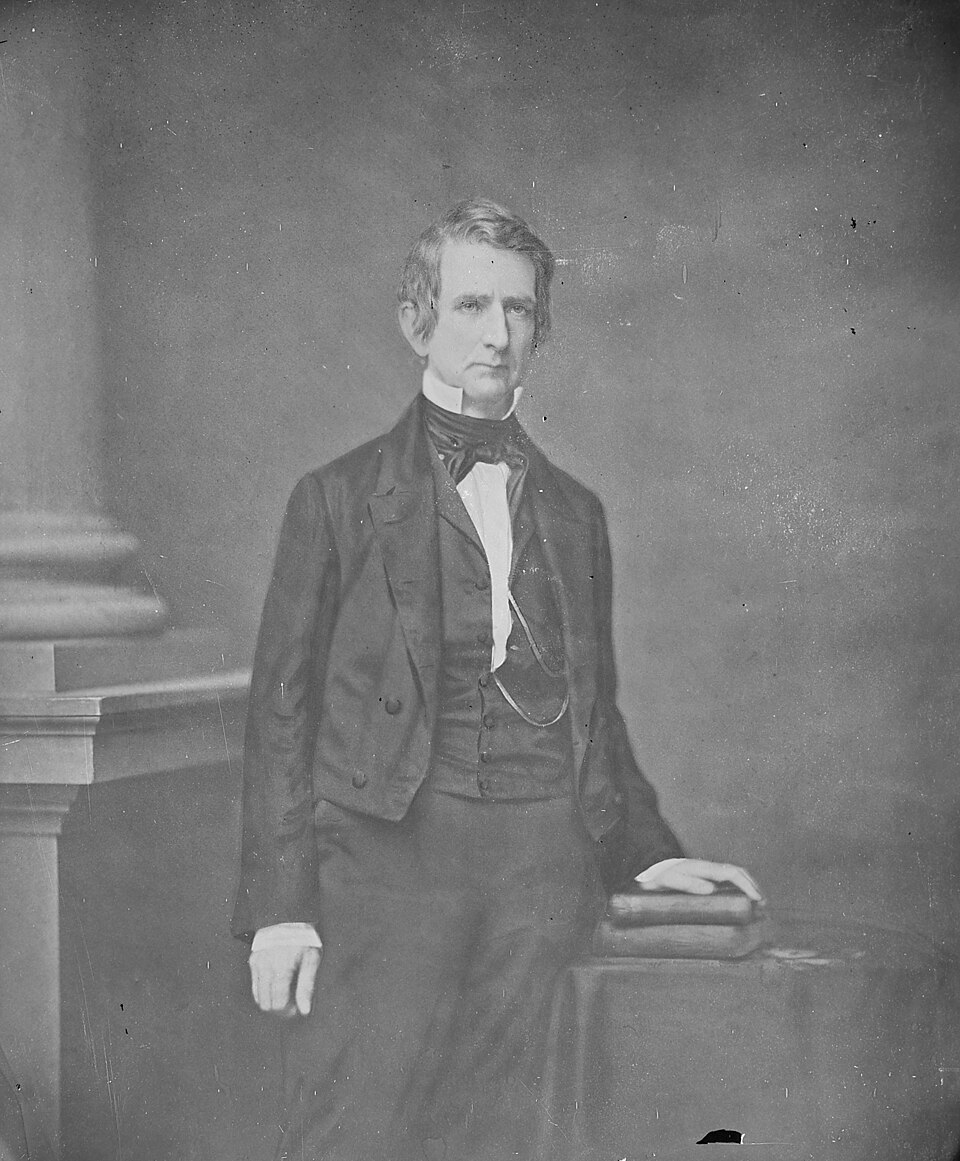
As for Greenland specifically, the United States had its sights set on this vast Arctic island long before Donald Trump arrived at the White House. Shortly after the successful purchase of Alaska, U.S. Secretary of State William H. Seward (who, unlike President Lincoln, survived the assassination attempt on April 14, 1865) considered the possibility of buying not only Greenland itself but also strategic Iceland from Denmark for $5.5 million in gold [8]. Another curious proposal came in 1910 from the U.S. ambassador, who boldly suggested to Denmark that it exchange the Philippine island of Mindanao for Greenland and the Danish West Indies [11].
.
The most serious historical attempt to gain control of Greenland took place shortly after World War II. In 1946, U.S. President Harry S. Truman secretly offered Denmark a staggering $100 million in pure gold to definitively secure American strategic interests in the North [11]. Although the Danish government rejected this exceptionally generous offer, it subsequently allowed the United States, for pragmatic reasons, to build large military facilities on the inhospitable island [11].
Will Greenland be bought?
In light of these facts, President Donald Trump merely revived old geopolitical ambitions when he likened Greenland in the media to a massive and lucrative real estate deal [6]. Among his main arguments for purchasing the island were modern national security, the immense wealth of natural resources, and the urgent need to counter the growing influence of Russia and China in the Arctic region [9]. From his own perspective, Trump also viewed this massive territorial gain as a unique way to secure his place in history textbooks and potentially win an international peace prize [9].
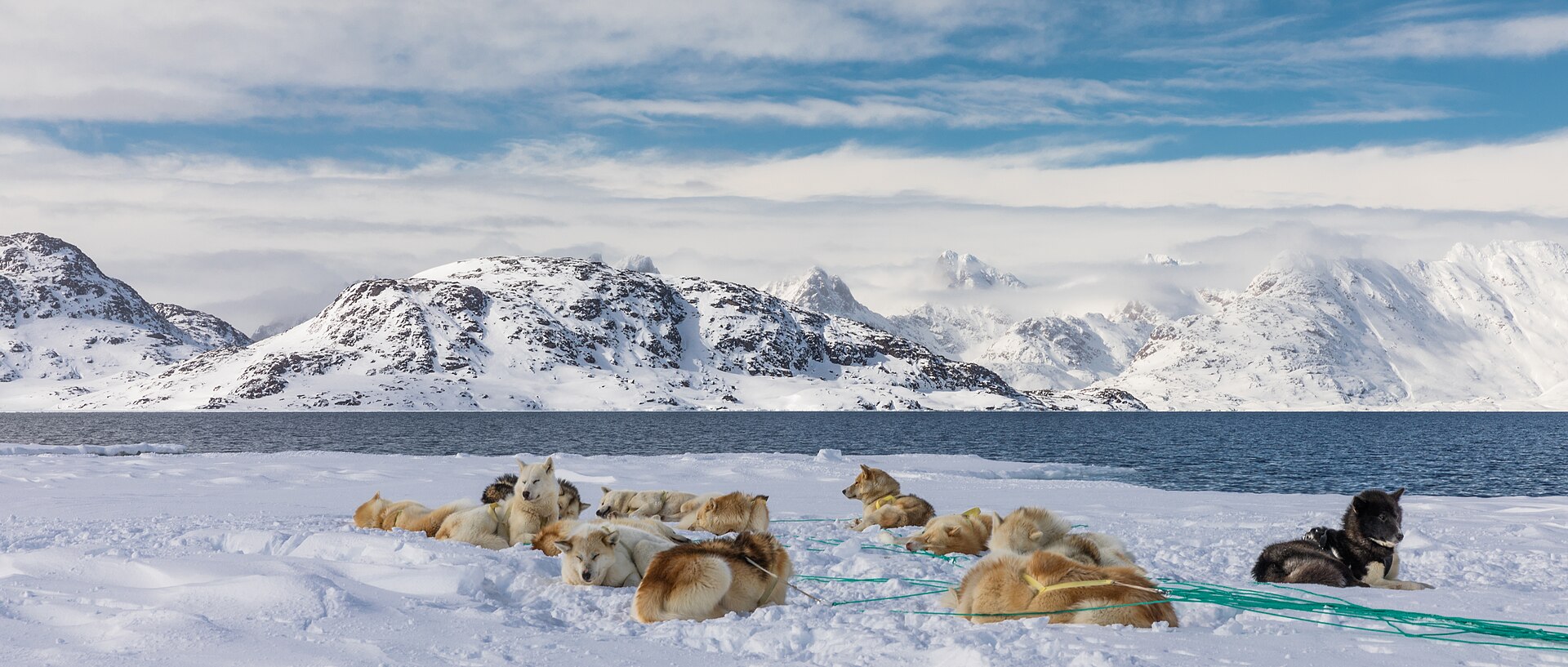
While in the eighteenth and nineteenth centuries the outright purchase of sovereign territories was a standard diplomatic tool, today’s legal reality is entirely different. Modern international law has shifted significantly since World War II, and the acquisition of territory through old colonial methods is now unequivocally considered illegal [5]. The right of nations to self-determination is one of the inviolable fundamental principles of the contemporary international system, which in practice means that only Greenland’s own inhabitants can decide its political fate [5].
According to experts, applying an outdated diplomatic approach from the nineteenth century to today’s indigenous territories is not only an anachronism but also a complete misunderstanding of international law [5]. If Denmark were to sell Greenland to a foreign power against the express will of its inhabitants, it would constitute a massive violation of human rights and a modern form of expropriation [5]. That is why, immediately following Trump’s remarks, Greenlandic political leaders clearly stated that their country is not for sale and that the local population has no desire whatsoever to become U.S. citizens [21].
The legal and legitimate path by which this frigid island could end up under direct U.S. administration is, according to Danish domestic law, extremely complicated. Greenland would first have to officially declare independence in a nationwide referendum and then engage in arduous negotiations with Denmark regarding this full independence [5]. Only as a fully sovereign state could it then voluntarily decide on some form of association or union with the United States, which, however, is virtually impossible given current public sentiment [5].
History shows that state purchases of sovereignty were responsible for the acquisition of more than forty percent of the area of today’s vast American territory. When influential states such as Spain, France, the Russian Empire, or Mexico sold their lands to Americans at that time, they fully recognized the legitimacy of such financial transactions [17]. However, many of these old agreements completely disregarded the views and rights of the indigenous population, who were treated merely as silent pawns on a vast political chessboard [17].
In the case of the major Treaty of Guadalupe Hidalgo of 1848, while the defeated inhabitants received certain formal guarantees, the day-to-day reality at the borders was often much harsher. The victors generously offered the inhabitants of the annexed territories either U.S. citizenship or resettlement elsewhere, and more than ninety percent of them chose to accept U.S. citizenship [12]. In the original treaty, the United States even committed to protecting these citizens from the bloody raids of the Comanche and Apache tribes, but the Americans later conveniently reneged on this promise in the Gadsden Purchase [12].
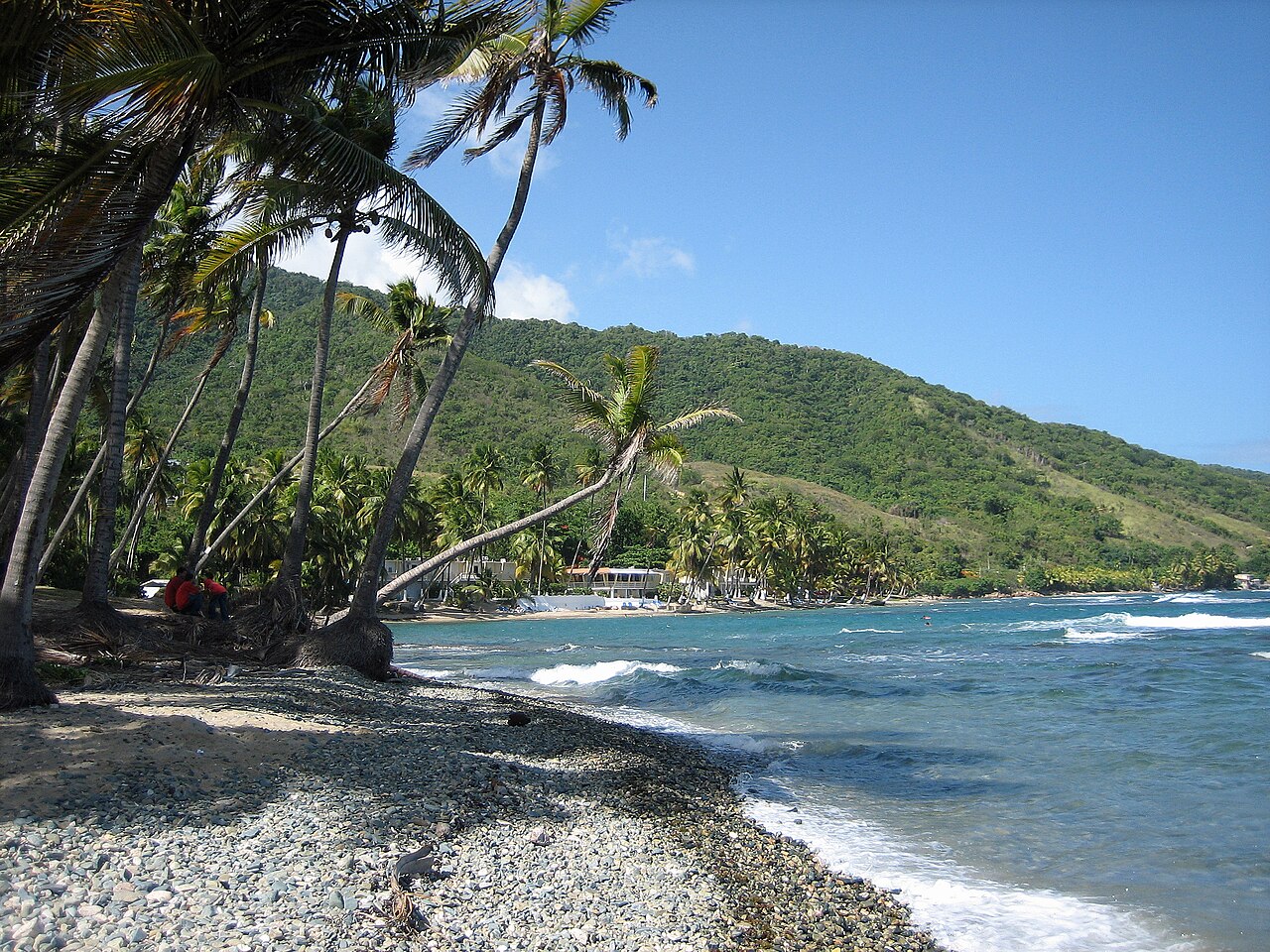
The United States’ global imperial ambitions at the turn of the century reached far and wide, a trend that was also evident in the Caribbean and the Pacific following the war with Spain. After six months of rapid fighting, Washington brought Puerto Rico, the distant Philippines, and Guam under its control, though the Philippines did not definitively regain their independence until after the war in 1946 [21]. Cuba avoided direct annexation and conversion into U.S. territory at that time, mainly due to concerns among American politicians that cheap Cuban sugar would completely destroy the strong domestic market [21].
However, Trump’s recent ideas and aggressive musings about the wholesale annexation of entire foreign states are today sparking global fears of a return to long-defunct colonialism. Attempts at direct political interference in the territorial integrity of other sovereign states are reminiscent of European imperialism and severely undermine the liberal international order, which was theoretically intended to prevent the recurrence of both devastating world wars [13]. Any efforts to forcibly or through gross economic coercion absorb other independent countries—whether it be Greenland or friendly Canada—are thus an extremely risky anachronism in today’s civilized world [21].
List of References
[1] Gadsden Purchase Completes the U.S.-Mexican Border | History | Research Starters | EBSCO Research https://www.ebsco.com/research-starters/history/gadsden-purchase-completes-us-mexican-border
[3] Treaty of Guadalupe Hidalgo (1848) | National Archives https://www.archives.gov/milestone-documents/treaty-of-guadalupe-hidalgo
[4] Gadsden Purchase - Wikipedia https://en.wikipedia.org/wiki/Gadsden_Purchase
[5] Greenland and Territorial Acquisition under International Law https://www.ejiltalk.org/greenland-and-territorial-acquisition-under-international-law
[6] The US has tried to acquire Greenland before – and failed | CNN Politics https://www.cnn.com/2026/01/07/politics/us-greenland-trump-denmark-history-hnk
[7] Roeloffs, Mary Whitfill (January 7, 2025). "Here's When The U.S. Acquired Its Territories—And How Much They Cost—As Trump Renews Calls To Take Over Greenland". Forbes. Retrieved January 13, 2025.
[8] "By Telegraph". The Ogdensburg Journal. 1 July 1868. p. 3. Retrieved 7 August 2024.
[9] Baker, Peter (September 14, 2022). "Cosmetics Billionaire Convinced Trump That the U.S. Should Buy Greenland". The New York Times. ISSN 0362-4331. Retrieved January 7, 2024.
[10] The Mexican American War | American Experience | Official Site | PBS https://www.pbs.org/wgbh/americanexperience/features/grant-mexican-american-war
[11] A Brief History of the US Trying (and Failing) to Buy Greenland - The National Interest https://nationalinterest.org/blog/buzz/brief-history-of-us-trying-failing-buy-greenland-ps-010826
[12] Treaty of Guadalupe Hidalgo - Wikipedia https://en.wikipedia.org/wiki/Treaty_of_Guadalupe_Hidalgo
[13] The 51st State That Never Was: Why the United States Didn’t Annex Canada https://warontherocks.com/the-51st-state-that-never-was-why-the-united-states-didnt-annex-canada
[14] To Go to War with Mexico, Mexican-American War, U.S. history, war justification, territorial expansion, American foreign policy https://billofrightsinstitute.org/essays/to-go-to-war-with-mexico
[15] U.S. History, A Nation on the Move: Westward Expansion, 1800–1860, The Mexican-American War, 1846–1848 | OpenEd CUNY https://opened.cuny.edu/courseware/lesson/365/student?section=7
[16] The Annexation of Texas, the Mexican-American War https://history.state.gov/milestones/1830-1860/texas-annexation
[17] Buying Greenland Isn’t a New Idea https://history.stanford.edu/news/buying-greenland-isnt-new-idea
[18] Mexican–American War - Wikipedia https://en.wikipedia.org/wiki/Mexican%E2%80%93American_War
[19] History in a Nutshell | The Mexican-American War | Season 2 | Episode 3 | PBS https://www.pbs.org/video/the-mexican-american-war-dj8xiw
[20] The Mexican-American War in a Nutshell | Constitution Center https://constitutioncenter.org/blog/the-mexican-american-war-in-a-nutshell
[21] Will the Trump administration attempt to annex Greenland, Canada, or somewhere else? A prominent historian’s take - Bulletin of the Atomic Scientists https://thebulletin.org/premium/2025-09/will-the-trump-administration-attempt-to-annex-greenland-canada-or-somewhere-else-a-prominent-historians-take
[22] Movements for the United States annexation of Canada - Wikipedia https://en.wikipedia.org/wiki/Movements_for_the_United_States_annexation_of_Canada
[23] Gadsden Purchase Treaty | 4score.org https://4score.org/historical-