A Hundredth of a Second: Beheading the Snake as a Military Strategy Throughout History
War is traditionally viewed as a long, bloody, and immensely costly process. It involves the clash of massive armies, hundreds of thousands or millions of casualties, and devastated countries. But what if the entire conflict could be won with a single, surgically precise strike? The concept of a so-called “decapitation strike” (from the word decapitation—beheading) is a military strategy aimed at eliminating the leadership or the command and control system of an enemy government or group [23].
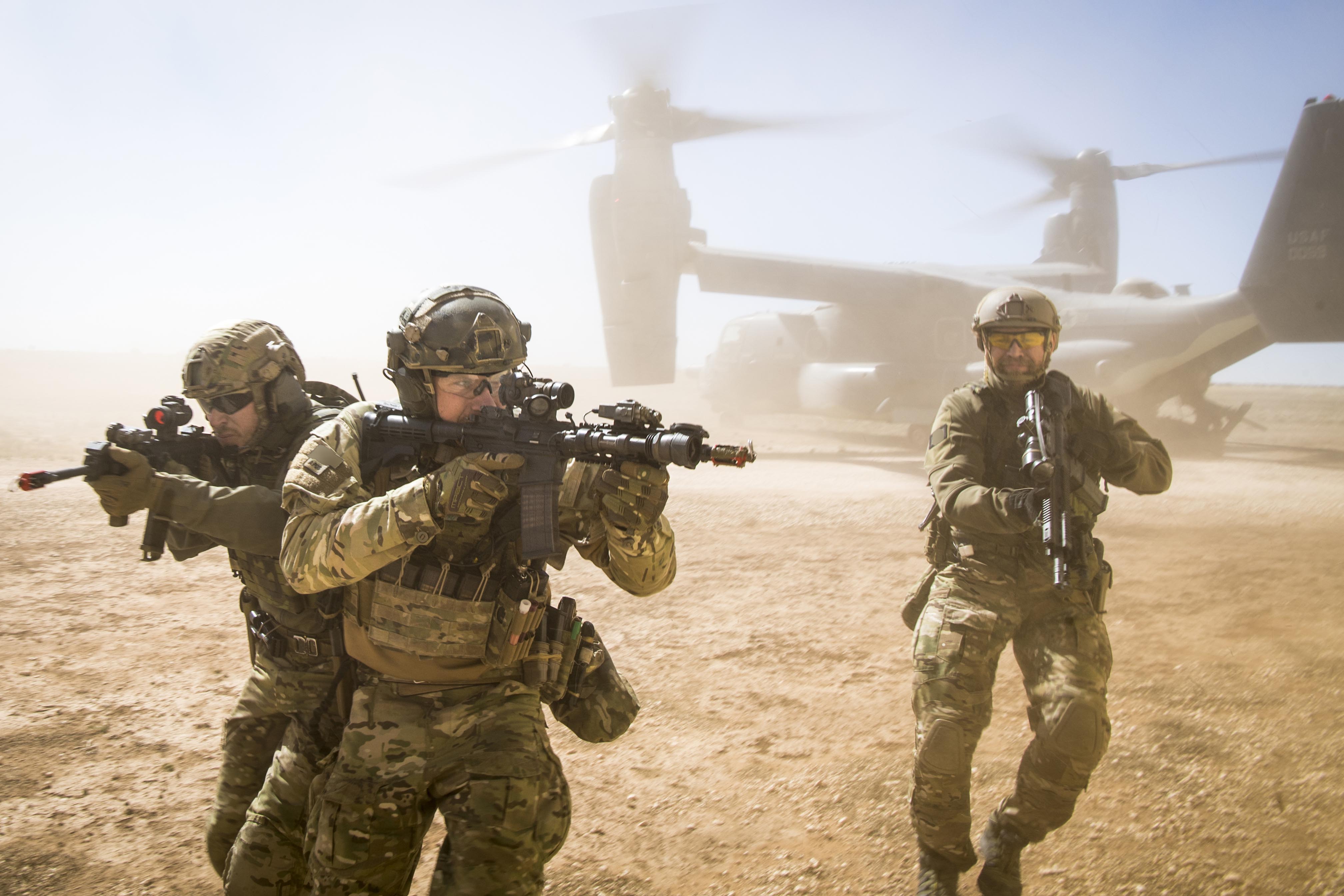
This strategy is extremely appealing to both political and military leaders. It promises that capturing or killing the enemy leadership will reduce the adversary’s capabilities and significantly increase the chances of a swift victory [17]. For air force theorists shaped by the 1991 Gulf War, this embodied an alluring idea: strategic bombing could kill, overthrow, or paralyze enemy leaders and compress the duration of the war into a matter of days. As the Texas Rangers’ motto goes, “One trouble, one ranger,” here a silent promise applied: “One war, one raid” [36].

The basis of this approach is the elimination of the enemy without massive bloodshed. If, for example, past U.S. presidents had possessed perfect foresight and accurate intelligence, a preemptive decapitation strike could have saved countless lives and enormous financial resources [40]. If eliminating a leader can prevent the murder, torture, and suffering of many innocent people, killing the leader is clearly the best choice from a moral standpoint [41].
Former U.S. Secretary of Defense Caspar Weinberger summed it up by saying: if the targeted killing of leaders helps to quickly end a war and save the lives of hundreds of thousands of soldiers, it is difficult to find any moral argument against it [42]. If the United States had had such an open tool at its disposal in Iraq in 2003, the world could have avoided a major conventional conflict and the subsequent counterinsurgency war [42].
But does it work as perfectly in practice as it sounds on paper?
When a Strike Brings Immediate Peace: Successful Decapitations in History
Quantitative research and history show us that decapitation can indeed be effective under certain conditions. A 2012 study by Patrick Johnston, which focused on the results of decapitation in counterinsurgency campaigns, yielded fascinating figures: the end of a war is 28 percent more likely following a successful decapitation strike, and this increases the government forces’ chances of overall campaign success by 30 percent [34].
History confirms that the end of a war is often triggered precisely by a change in leadership. There are many examples: the emperor’s abdication before Germany’s surrender in World War I, Pétain and France’s surrender to Germany in 1940, Eisenhower’s election in 1952 and the peace talks in Korea, De Gaulle’s return in 1958 and the resolution of the Algerian Revolution, or the election of Nixon (and the death of Ho Chi Minh) in 1969, which led to de-escalation in Vietnam [5].
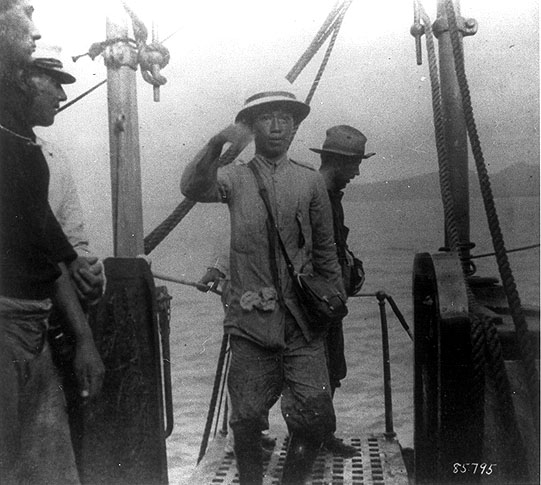
Among the most successful tactical and strategic strikes was the capture of rebel leader Emilio Aguinaldo by American forces in 1901. This moment effectively marked the end of the Philippine resistance [2]. Aguinaldo’s capture led to a significant decline in the uprising, paved the way for colonial rule, ultimately led to Philippine independence, and secured America a regional ally for the next hundred years [20].
A similar scenario unfolded in Nicaragua. When the revolutionary Augusto Cesar Sandino was assassinated in 1934, his eight-year-long rebellion immediately came to an end, and with it all resistance to the regime of the time [3]. In Mexico, rebel leader Emiliano Zapata steadfastly refused any compromise with the authorities. After his assassination in April 1919, it took only months for his movement to join forces with moderates and gain political power in the government [4,5].
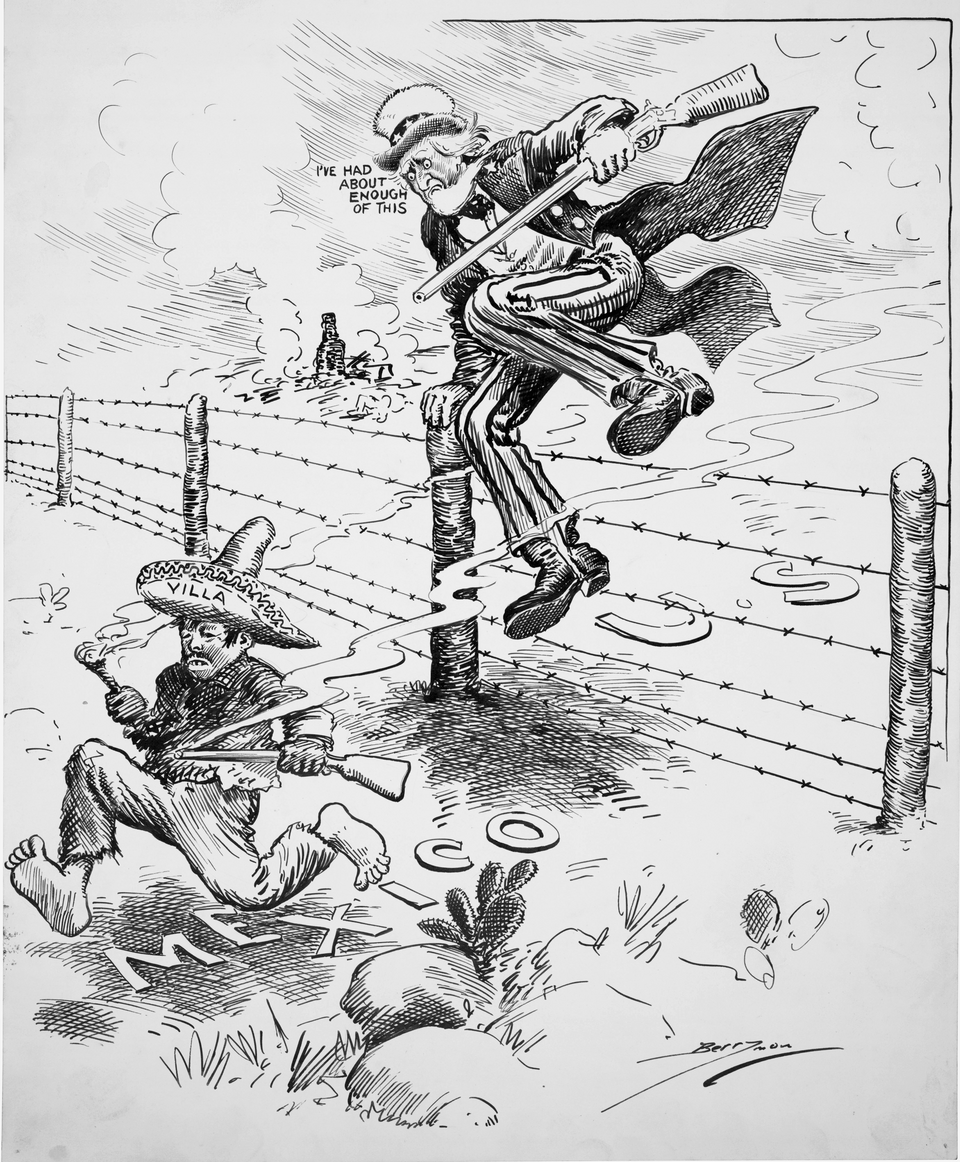
The imprisonment of Manuel Noriega in Panama had a similarly immediate effect: it reduced the threat to Americans in the canal zone, disrupted the drug trade, and helped establish a friendly government [20]. In the case of Zapata’s contemporary Pancho Villa, his organization was also effectively dissolved following the interventions, and border disputes between the U.S. and Mexico were eventually resolved, thereby averting the threat of war [20].
The modern era has brought further prime examples. Israel’s targeted killings of Hamas leaders, the death of the leader of al-Qaeda in Iraq (Abu Musab al-Zarqawi), and the capture of the founder of the Kurdistan Workers’ Party (PKK), Abdullah Öcalan, are, for many, proof of the success of this strategy [16]. A special case was the capture of Abimael Guzmán, leader of the Peruvian Maoist terrorist group Shining Path. This operation not only decapitated the organization but, thanks to the documents found, yielded critical intelligence that led to the capture of other members [16].
One of the most precise assassinations of modern times was the operation carried out by Russian forces on April 21, 1996, which claimed the life of Chechen President and former Soviet General Dzhokhar Dudayev. From an operational standpoint, it was flawless, as the president was blown up by two laser-guided missiles while he was using a satellite phone. Its 100% tactical success thus relied more on James Bond-style tricks than on technologies from Tom Clancy’s books [16,35].
The well-known attack on Japanese Admiral Yamamoto, when the Americans shot down his plane during World War II, also clearly exemplifies a successful decapitation operation based on accurate, actionable intelligence [20]. In short, you also need inside information.
The Death of a King That Did Not End the War: Philip II of Macedon
However, it often happens that the elimination of an enemy leader does not bring about the expected end of the war—it may even reignite it with even greater force. A perfect example from ancient history is the fate of Alexander the Great’s father, King Philip II of Macedon.
By 336 B.C., after more than two decades on the throne, the one-eyed Philip had transformed Macedonia from a backward backwater into an imperial superpower and built its army into the greatest military force in the region [1,22,25]. In 337 BC, he formed the Corinthian League, a federation of Greek states (excluding Sparta, which refused to join), whose main goal was to jointly attack the vast Persian Empire [6,7]. Preparations were in full swing; Philip even managed to send an advance contingent of 10,000 soldiers to Asia Minor [1,25]. The rest of the army was to join them after the wedding of his daughter Cleopatra [1,25].
However, these plans for war in Asia were suddenly interrupted when Philip was stabbed to death right at the wedding celebration in 336 BC. The attack was carried out by one of the king’s seven personal bodyguards, Pausanias of Orestida, who was killed by the other bodyguards as he fled [25,38]. The question of who was behind this “decapitation strike” remains open to this day, though the Persian king Darius II is a suspect with an obvious motive—the empire faced a direct threat of invasion [1,25].
As some argue, the old enemy helped facilitate Philip’s death in an effort to prevent war [8]. The Persians had a clear motive, as they faced an invasion at a time when their empire was relatively weak [43]. Alexander the Great himself, upon whom suspicion also fell, later accused Darius. According to the historian Arrian, Alexander sent a letter to the Persian ruler accusing him of sending an assassin, and claimed that Darius had admitted to this himself in other letters [8].
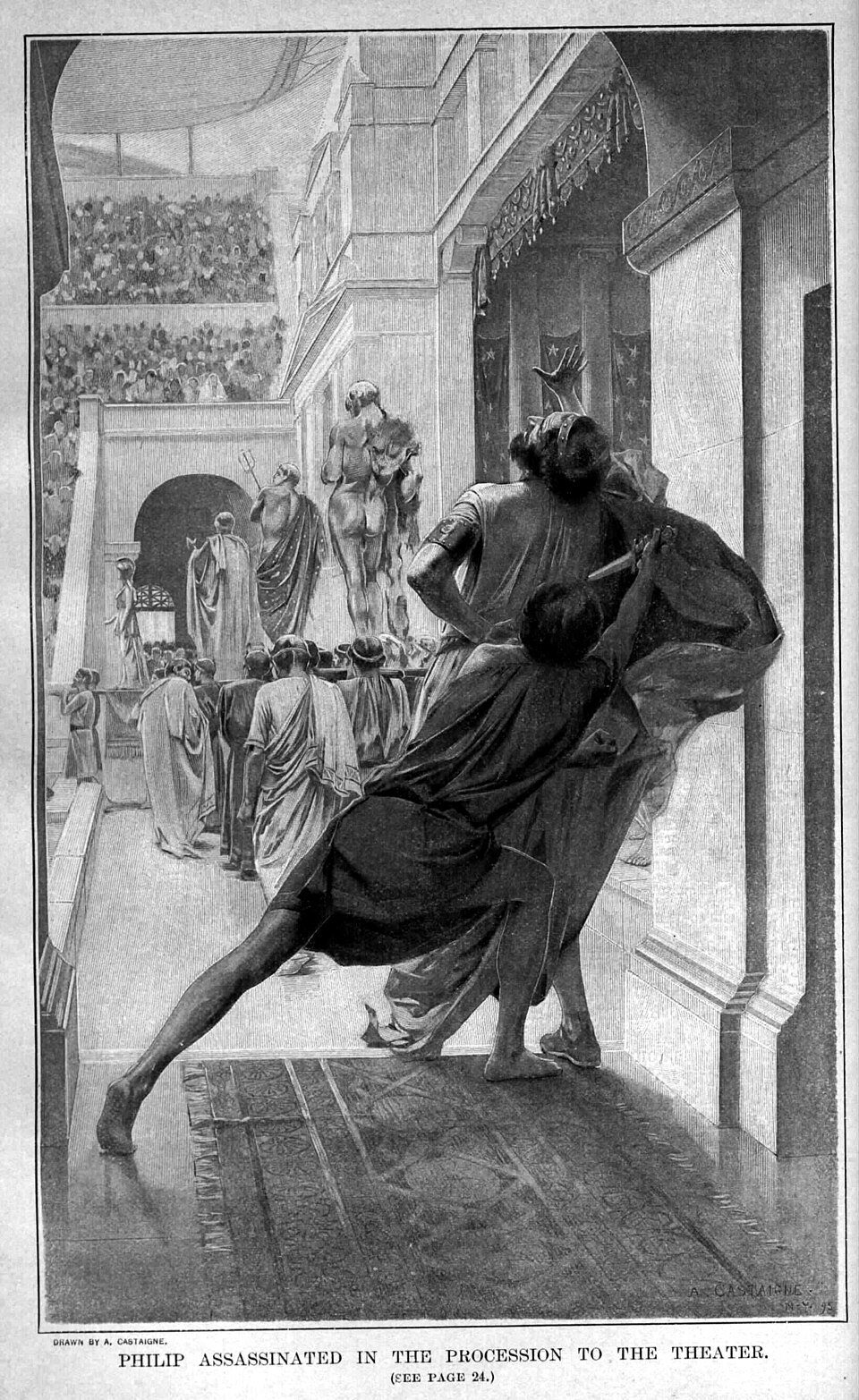
Did this assassination stop the war? At first, it seemed so. Philip’s death sparked rebellions across the Macedonian empire. The Greek cities on the western coast of Anatolia, which had originally risen up against the Persians, began to waver. The Macedonian expeditionary force was demoralized by Philip’s death and soon suffered a defeat at Magnesia at the hands of the Greek mercenary commander Memnon of Rhodes, who was fighting on the side of the Persians [22,38]. The assassination did indeed delay the invasion and gave Darius time to prepare a stronger defense [43].
However, in the long run, this blow proved to be a fatal mistake for Persia. The young Alexander, only twenty years old, ascended the throne. With lightning speed and immense military skill, he suppressed all resistance in the Balkans, consolidated his power, and took over his father’s army and plans [22,24]. A year later, after defeating the rebels in Greece, Alexander held a celebration and immediately launched a massive, decade-long invasion of the Persian Empire [1,6,7].
While the older and more experienced Philip might, according to some modern historians, have been satisfied with smaller conquests—such as turning Anatolia into a Macedonian province—Alexander wanted to conquer the entire empire and marched all the way to India [39]. The assassination of Philip thus did not avert the war, but only delayed it, and ultimately led to a more crushing defeat. Darius eventually fled from Alexander and was murdered by his own commanders before the Macedonian king could capture him [22].
Operation Gideon and the Fiasco in Venezuela
Even today, some attempt to resolve geopolitical knots through the tactic of rapid intervention against enemy leadership. One of the most glaring modern failures of decapitation strategy is Operation Gideon from May 3–4, 2020.
It was an unsuccessful attempt by the private security firm Silvercorp USA, led by former U.S. soldier Jordan Goudreau, to have Venezuelan dissidents and exiles infiltrate Venezuela by sea and overthrow President Nicolás Maduro [9,10,26]. The goal of this paramilitary invasion was to capture Maduro himself and thereby facilitate a transfer of power to interim President Juan Guaidó, who had already been recognized by many countries as well as the European Parliament [9,28,31,32,33].
The plan was conceived as a scenario straight out of an action movie. Goudreau devised a rapid amphibious operation costing $212.9 million, to be financed by future oil sales and seized Venezuelan assets [11,14,26,28]. Expatriates—former Venezuelan soldiers living in Colombia—were to arrive by boat at night on Macuto Beach, north of Caracas. They were then to meet with local informants, take control of key infrastructure such as Simón Bolívar International Airport and a broadcast station, neutralize the presidential honor guard at the Miraflores Palace, and launch a broader nationwide uprising [11,12,13,27].
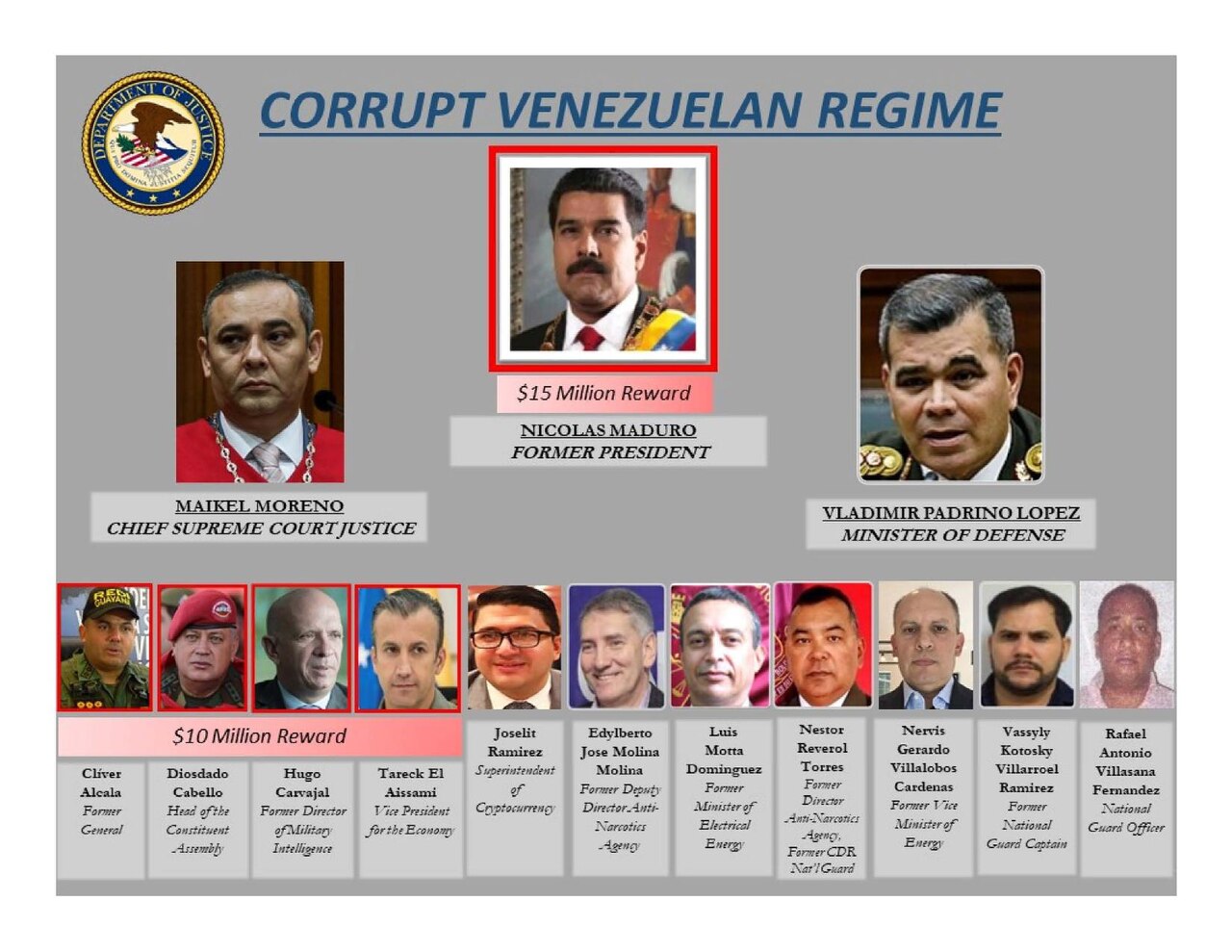
The main objective of the mission was the extraction of the leader himself. According to the plan, Maduro (whose code name in the operation was “Jackpot”) was to be captured, transported to the airport, and forced to leave the country [27,30]. In a released video, one of the participants confirmed that the goal was to detain the leadership of Maduro’s government and free political prisoners [29].
However, reality collided head-on with the Venezuelan regime’s preparedness. Instead of a silent strike, rapid detection and arrests followed. Among those detained were two U.S. citizens, former special forces members (Green Berets) Luke Denman and Airan Berry [12,15]. Denman, who was captured, later admitted in a video that, according to his instructions, he was to seize the airport, secure support for the arrival of humanitarian aid, and above all, “put Maduro on a plane” to the U.S. [30].
Maduro’s government immediately exploited this complete collapse of the operation as a propaganda triumph. Operation Gideon thus did not bring about regime change, but only international embarrassment. The White House would have to wait nearly six more years for Maduro’s downfall.
The Dark Side of Decapitation: Escalation and the Risk of the “Silver Bullet”
However tempting the decapitation strategy may seem, expert Robert Pape warns that promises of quick and cheap solutions with minimal loss of life are deceptive. Such strikes often fail, and even when successful, they rarely produce the intended consequences [23]. According to research, targeted killings have a one-in-three chance of resolving a conflict with a single, swift strike. This means it is by no means a “silver bullet” [18].
History demonstrates the immense danger of this approach, particularly in nationalist conflicts. Decapitation typically succeeds tactically but fails strategically [37]. Removing a leader does not automatically lead to the collapse of the enemy regime. Under the influence of emotional mobilization, authority simply redistributes itself [37]. Once the movement’s identity is linked to the martyrdom of the slain leader, the escalation of violence becomes politically more acceptable.
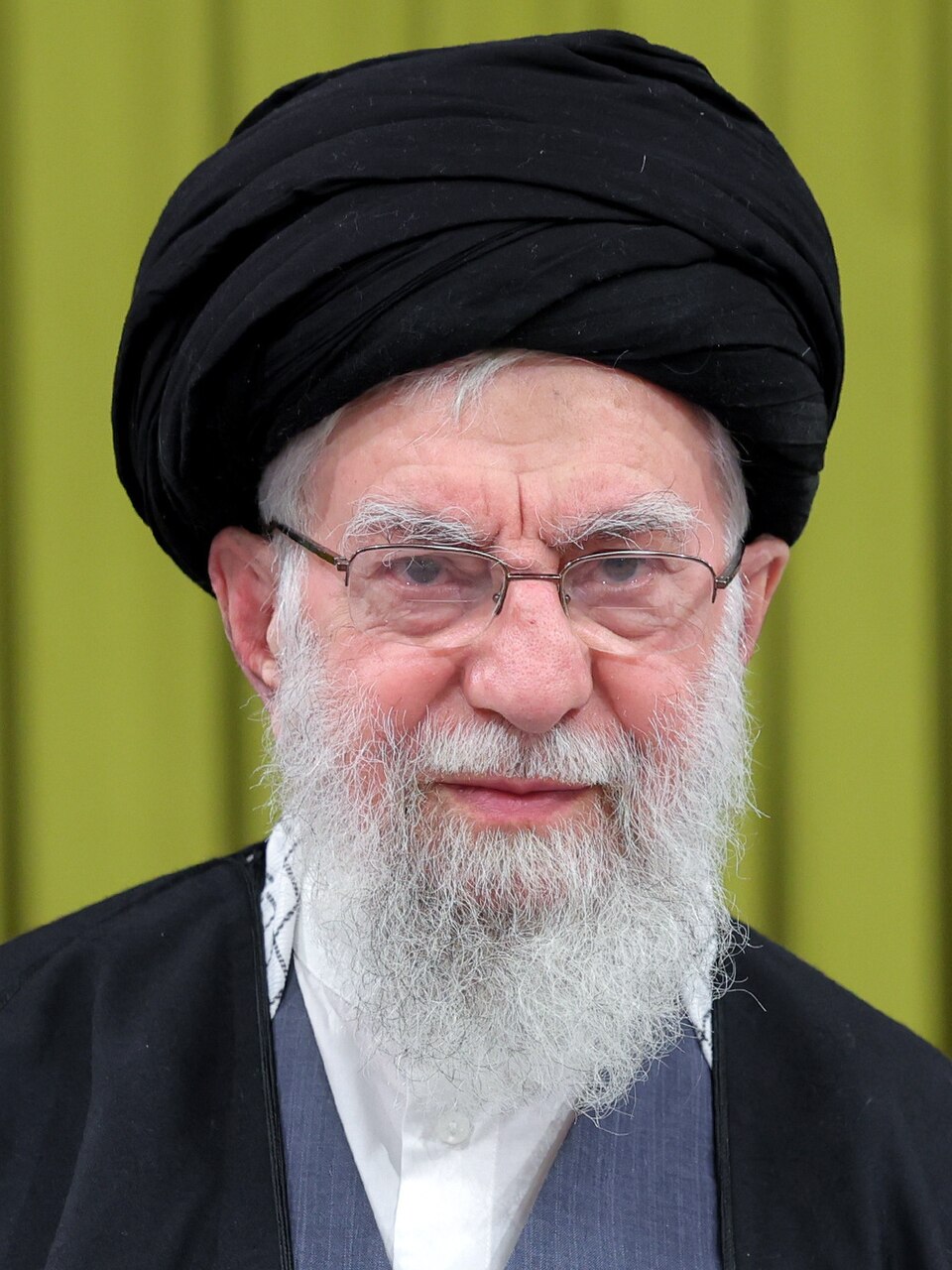
Retaliation takes on broader dimensions, as we recently saw in Iran, where virtually the entire leadership was eliminated by an Israeli-American attack. Successors have far fewer incentives to compromise and, conversely, feel a greater need to show defiance. Diplomacy becomes unfeasible, and the likelihood of a larger, bloodier war increases [37].
A perfect and precise strike can thus, paradoxically, be the beginning of a much larger war, where precision strikes are the cause of a transformation in the nature of the entire conflict [37]. Other experts even point out that killing leaders can prolong a war, as it often eliminates precisely those rebel leaders who are the most capable peace negotiators [23].
Preemptive strikes against leaders undoubtedly play a role in the arsenal of modern armed forces, as evidenced by their use against terrorist groups to prevent mass attacks (as in the case of 9/11) [18]. Commanders should therefore always examine the strategic value of attacks on enemy leadership, as the pressure exerted often yields certain advantages, influences the enemy’s decision-making, and personally threatens them [21]. Research clearly demonstrates that decapitation is particularly effective when it is not an isolated operation but part of a broader and well-prepared military campaign [16].
Winning a war by pulling the trigger and eliminating a single man remains the dream of many generals. Sometimes it succeeds and saves thousands of lives, from the Philippines to Panama. But history teaches us that while we as humanity have achieved tactical perfection in aiming and firing, predicting the chaos that a leader’s death will cause remains, to this day, more of a lottery. And as the ancient king Darius discovered—if you kill an enemy king and thereby awaken the wrath of his son, Alexander the Great, your “successful strike” may spell the end of your own empire.
List of References
[1] Was Philip of Macedon Even Greater Than His Son Alexander? https://www.smithsonianmag.com/history/philip-macedonia-even-greater-alexander-the-great-180974878/
[2] David Howard Bain, Sitting in Darkness: Americans in the Philippines (Boston: Houghton Mifflin, 1984) p.385; Uldarico S. Baclagon, Philippine Campaigns (Manila: Graphic House, 1952) p.125-9.
[3] Neil Macauley, The Sandinista Affair (Chicago: Quadrangle Books, 1967) p.256; Thomas A. Walker, Nicaragua: The Land of Sandino (Boulder, CO: Westview Press, 1986) p.21-3.; Donald Hedges, Intellectual Foundations of the Nicaraguan Revolution (Austin: Univ of Texas Press, 1985) p.161.
[4] Roger Parkinson, Zap= (New York: Stein and Day, 1975) pp. 237–243.
[5] See Ikle; and William J. Duiker, The Communist Road to Power in Vietnam (Boulder, CO: Westview Press, 1981), p. 368, n. 13.
[6] Macedonian Conquest - History Guild https://historyguild.org/macedonian-conquest/?srsltid=AfmBOooHev8jyaIYgJbpwuhwfIPH7aqWIa2dFSUdhfzOnZUOzukxMOzP
[7] Macedonian Conquest | World Civilizations I (HIS101) – Biel https://courses.lumenlearning.com/suny-fmcc-boundless-worldhistory/chapter/macedonian-conquest/
[8] Arrian. Anabasis of Alexander. Translated by A.G. Roos. B. G. Teubner. Leipzig. 1907.
[9] Operation Gideon - Failed Coup D'etat in Venezuela | SOF News
[10] Two ex-Green Berets sentenced to 20 years for Venezuela attack
[11] 'His head wasn't in the world of reality': how the plot to invade ...
[12] 'Bay of Piglets': A 'bizarre' plot to capture a president - BBC
[13] Inside Operation Gideon, a Coup Gone Very Wrong - Rolling Stone
[14] Letter and contract put Guaido at center of failed Venezuelan raid
[15] Here is the career information for the former Green Berets involved in ...
[16] Matthew Melino, “Decapitation: A Long-Term Counterterrorism Strategy?” Bologna Center Journal of International Affairs, 16, (Spring 2013), 9. Jordan, “When Heads Roll: Assessing the Effectiveness of Leadership Decapitation,” 721-722. Jenna Jordan, "Attacking the Leader, Missing the Mark: Why Terrorist Groups Survive Decapitation Strikes," International Security, 38, no. 4 (2014), 9-11.
[17] Robert A. Pape, Bombing to Win: Air Power and Coercion in War, Ithaca, NY: Cornell University Press, 80.
[18] Wilner, “Targeted Killings in Afghanistan,” 318–324.
[19] Decapitation Air Strikes Against Iran https://www.globalsecurity.org/military/ops/iran-strikes-decapitation.htm
[20] [PDF] Decapitation Operations: Criteria for Targeting Enemy Leadership https://apps.dtic.mil/sti/pdfs/ADA429271.pdf
[21] The American Heritage Dictionary, Fourth College Edition. New York: Dell Publishing, 2001.
[22] Heritage History - Products https://www.heritage-history.com/index.php?c=resources&s=war-dir&f=wars_macedonpersia
[23] Decapitation (military strategy) - Wikipedia https://en.wikipedia.org/wiki/Decapitation_(military_strategy)
[24] Assassination of Philip II of Macedon - World History Edu https://worldhistoryedu.com/assassination-of-philip-ii-of-macedon/
[25] Philip II (Alexander the Great’s Father): His Life, Loves, Murder, and Rise of Macedon | Early European History And Religion — Facts and Details https://europe.factsanddetails.com/article/entry-144.html
[26] Faiola, Anthony (May 6, 2020). "From a Miami condo to the Venezuelan coast, how a plan to 'capture' Maduro went rogue". The Washington Post. Archived from the original on May 8, 2020. Retrieved May 7, 2020.
[27] Borrell, Brendan; Solomon, Christopher (July 1, 2020). "The Mercenary Who Botched a Maduro Coup Is Lying Low in Florida". Bloomberg.com. EBSCO host144342321. Archived from the original on July 1, 2020. Retrieved September 10, 2023.
[28] Ward, Alex (May 11, 2020). "The 'ridiculous' failed coup attempt in Venezuela, explained". Vox. Retrieved May 12, 2020. plan to send two teams into Maracaibo and Caracas, extract Maduro from his presidential mansion, and install Guaidó as president.
[29] Fiorella, Giancarlo (May 5, 2020). "The Invasion of Venezuela, Brought To You By Silvercorp USA". Bellingcat. Retrieved May 5, 2020.
[30] "¡Le Contamos! Testimony released from American Luke Denman on the objective of 'Operation Gideon': Train Venezuelans, come here and put Maduro on a plane (+Video)" [We tell you! They release testimony from American Luke Denman about the objective of 'Operation Gideon': Train Venezuelans, come here and put Maduro on a plane (+Video)]. Maduradas (in Spanish). May 18, 2020. Retrieved May 18, 2020.
[31] Neuman, William (2022). Things Are Never So Bad That They Can't Get Worse: Inside the Collapse of Venezuela (1st ed.). St. Martin's Press. ISBN 978-1250266163.
[32] DeFronzo, James (2021). "Revolution Through Democracy". Revolutions and Revolutionary Movements (6th ed.). United Kingdom: Taylor & Francis. pp. 457, Section: Assassination and Coup Attempts against Maduro and His Government - Quote: "Operation Gideon was supposed to capture and remove Maduro and his close associates from power so that Guaidó could take over Venezuela".
[33] "Venezuela investigates the use of Colombian military gunboats in 'Operation Gideon'". Europa Press. May 11, 2020. Retrieved November 21, 2023. 'Operation Gideon', an armed intervention by mercenaries and former military personnel aimed at overthrowing President Nicolás Maduro and installing Juan Guaidó as president.
[34] Does Decapitation Work? Assessing the Effectiveness of Leadership Targeting in Counterinsurgency Campaigns | The Belfer Center for Science and International Affairs https://www.belfercenter.org/publication/does-decapitation-work-assessing-effectiveness-leadership-targeting-counterinsurgency
[35] https://ctc.westpoint.edu/can-al-qaida-survive-bin-ladins-death-evaluating-leadership-decapitation/
[36] Contributor: Killing an enemy leader often escalates conflict and chaos - Los Angeles Times https://www.latimes.com/opinion/story/2026-03-01/iran-khamenei-assassination-strategy-tactic-warfare
[37] https://warontherocks.com/2021/06/bombing-to-win-at-25/
[38] Heckel, Waldemar (2008). Who's Who in the Age of Alexander the Great: Prosopography of Alexander's Empire. John Wiley & Sons. p. 205. ISBN 978-1-4051-5469-7.
[39] Hatzopoulos, Miltiades B. (1980). Philip of Macedon. Athens: Ekdotike Athenon S. A. pp. 170–175.
[40] J. Boone Bartholomees, Jr., “A Survey of the Theory of Strategy,” in U.S. Army War College Guide to National Security and Policy, 2nd edition (Carlisle Barracks, PA: Strategic Studies Institute, June 2006), 94.
[41] Catherine Lotrionte, “When to Target Leaders,” in Reshaping Rogue States, ed. Alexander T. J. Lennon and Camille Eiss (Cambridge, MA: The Center for Strategic and International Studies, 2004), 111.
[42] Caspar W. Weinberger, “When Can We Target the Leaders?” Strategic Review (Spring 2001), 22.
[43] (PDF) The Assassination of Philip II: An Elusive Mastermind https://www.academia.edu/39693752/The_Assassination_of_Philip_II_An_Elusive_Mastermind