A Century of the Island of Freedom
Cuba, known as the “Island of Freedom,” is currently at one of the most critical junctures in its modern history. The ouster of Venezuelan leader Nicolás Maduro means that Havana has lost one of its last remaining allies. This geopolitical upheaval comes at a time when the country is facing profound economic turmoil. However, to fully understand how this Caribbean island came to be in its current situation, we must go back more than a century and assess the political, economic, and social developments that shaped not only Cuba itself but also the entire political landscape of the Western Hemisphere.
From Colony to Republic and Dictatorship (1898–1959)
The story of modern Cuba begins at the end of the 19th century, when the island was engulfed in a violent conflict between Cuban nationalists and Spanish colonizers [25]. In 1898, the United States successfully intervened, liberating Cuba from Spanish rule in the war, but at the same time ushering in an era of its own dominance [27]. Between 1898 and 1959, Cuba was ruled by several regimes, beginning with direct military occupation by the United States and the subsequent establishment of the Republic of Cuba [1].
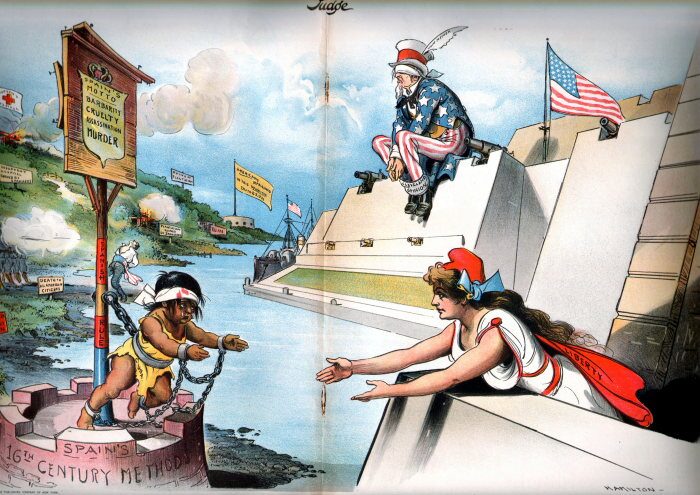
Despite its formal independence, Cuba became a virtual colony of the U.S., a situation exacerbated by the so-called Platt Amendment of 1901, which granted the United States the right to intervene militarily on the island [27]. American businessmen invested heavily in the Cuban sugar industry, public utilities, and railroads [27]. Later, the American mafia also invested on the island, expecting large profits from local casinos.
From the early 1930s, Washington began relying on Cuban presidents to protect American interests, which led to an era of governments (such as the Auténtico political party) that left a legacy of unprecedented public theft, corruption, and ineffective nationalist rhetoric [16].
It was from this environment that Fulgencio Batista emerged; he came to power through a coup d’état as early as 1933 as part of the so-called “sergeants’ revolution” and later once again suspended the constitutional order with a coup just before the 1952 elections [16,27]. Thus, throughout the 1950s, Cuba was ruled by the dictatorial regime of Fulgencio Batista, who abolished civil and labor rights and had hundreds, perhaps even thousands, of protesting students and citizens murdered [26,27].
Why didn’t the U.S. prevent the communist coup?
The United States tolerated Batista’s dictatorship without major objections because it had no particular interest in Cuban democracy, but rather in its own interests [26]. Batista was seen as a loyal Cold War fighter who protected the island from communism, maintained stability, and worked closely with American business [17]. The U.S. government was unable to prevent the communist coup primarily due to miscalculations and internal conflicts. Although some U.S. officials recognized the need to find an acceptable alternative to Batista, the Departments of Commerce and the Treasury slowed this process in order to protect American investments [17].
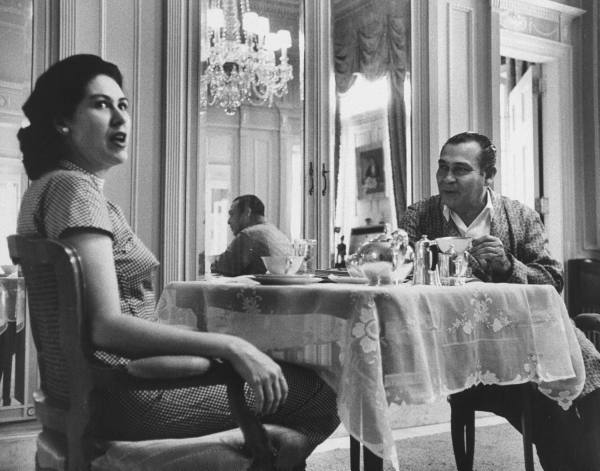
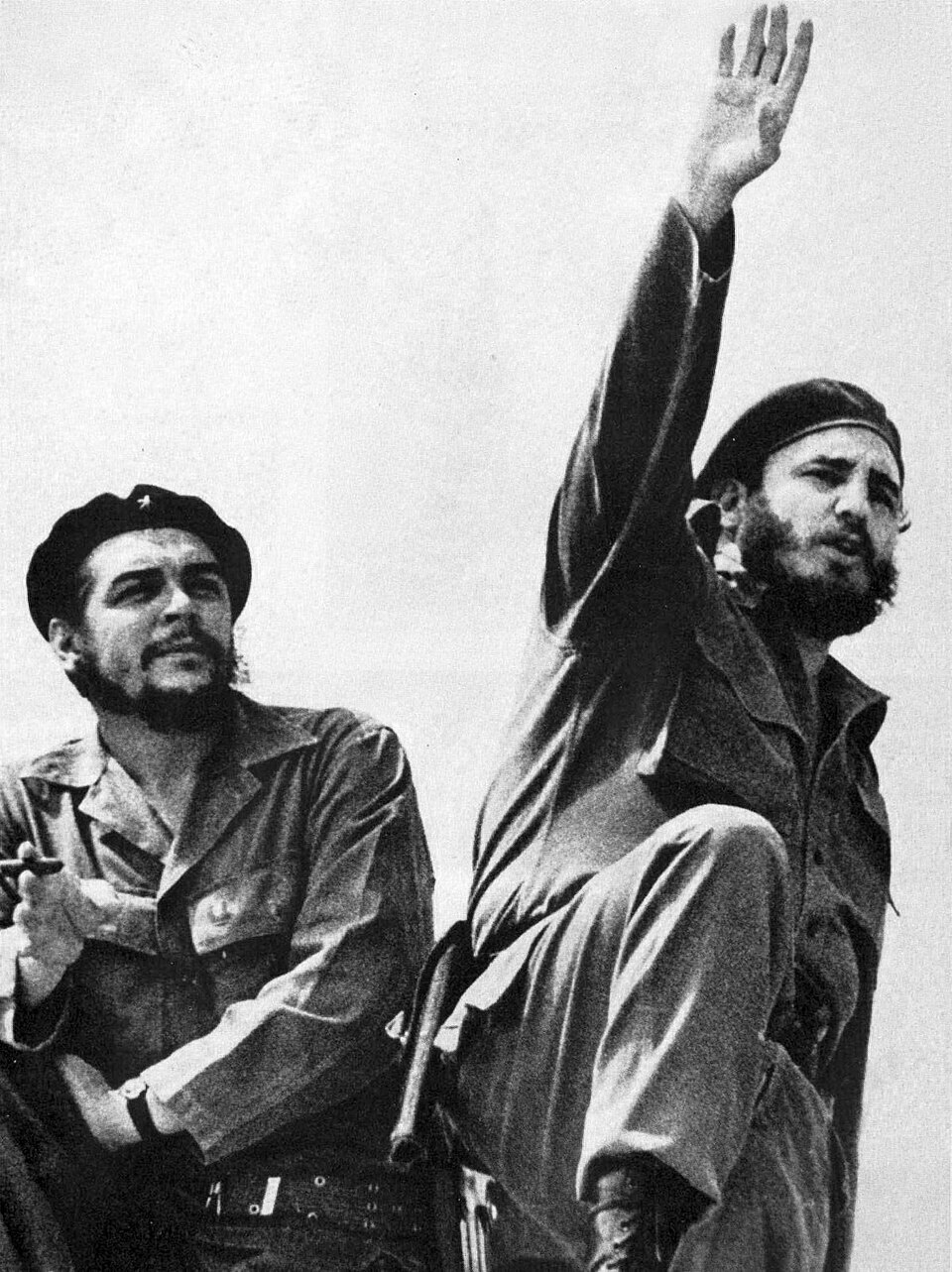
Washington did not realize the seriousness of the challenge posed by Fidel Castro and his July 26 Movement until the very last moment [17]. When Batista suddenly fled the country on January 1, 1959, the search for a pro-American successor had definitively failed [17]. The U.S. initially believed that the structure of U.S.-Cuban relations could not be broken and that the U.S. economic presence was essential for the island [17]. However, Castro soon began nationalizing American sugar mills, commercial sectors, and private property, thereby quickly bringing an end to U.S. dominance [6,25].
As the situation escalated, the John F. Kennedy administration attempted in April 1961 to overthrow the new Cuban government through an invasion of Cuban exiles in the Bay of Pigs, in which the CIA was involved. However, this plan failed catastrophically [25,27]. Fidel Castro put the final stamp on the island’s new direction in December 1961 when he publicly declared: “I am a Marxist-Leninist and will remain so until the end of my life,” thereby sealing an alliance with the Soviet Union [27].
The Shift in U.S. Foreign Policy and the Shadow Over Chile
The Cuban Revolution fundamentally and permanently altered U.S. foreign policy in Latin America. Cuba became a pawn in the Cold War and a visible icon of communist rule in the Western Hemisphere [16,30]. Washington was gripped by extreme “Cubaphobia”—an exaggerated fear of the spread of the revolution and of Havana’s Soviet ties [18]. US policy had already shifted toward global containment of communism by the end of World War II, with every revolution or change of government in the Caribbean region being assessed exclusively through the lens of the Soviet-American balance of power [16].
The United States refused to tolerate another communist state in its neighborhood, which led, for example, to support for the civil war and subsequent military intervention in the Dominican Republic in 1965 [1].
This approach also had a direct impact on other countries, notably Chile. When the socialist Salvador Allende came to power there through democratic elections, the U.S. government feared that this marked the birth of a “second Cuba” with pro-Soviet and socialist economic policies that would threaten American strategic and commercial interests [25,26]. Allende’s enduring ties to Fidel Castro made him a massive threat in the eyes of the U.S. [25].
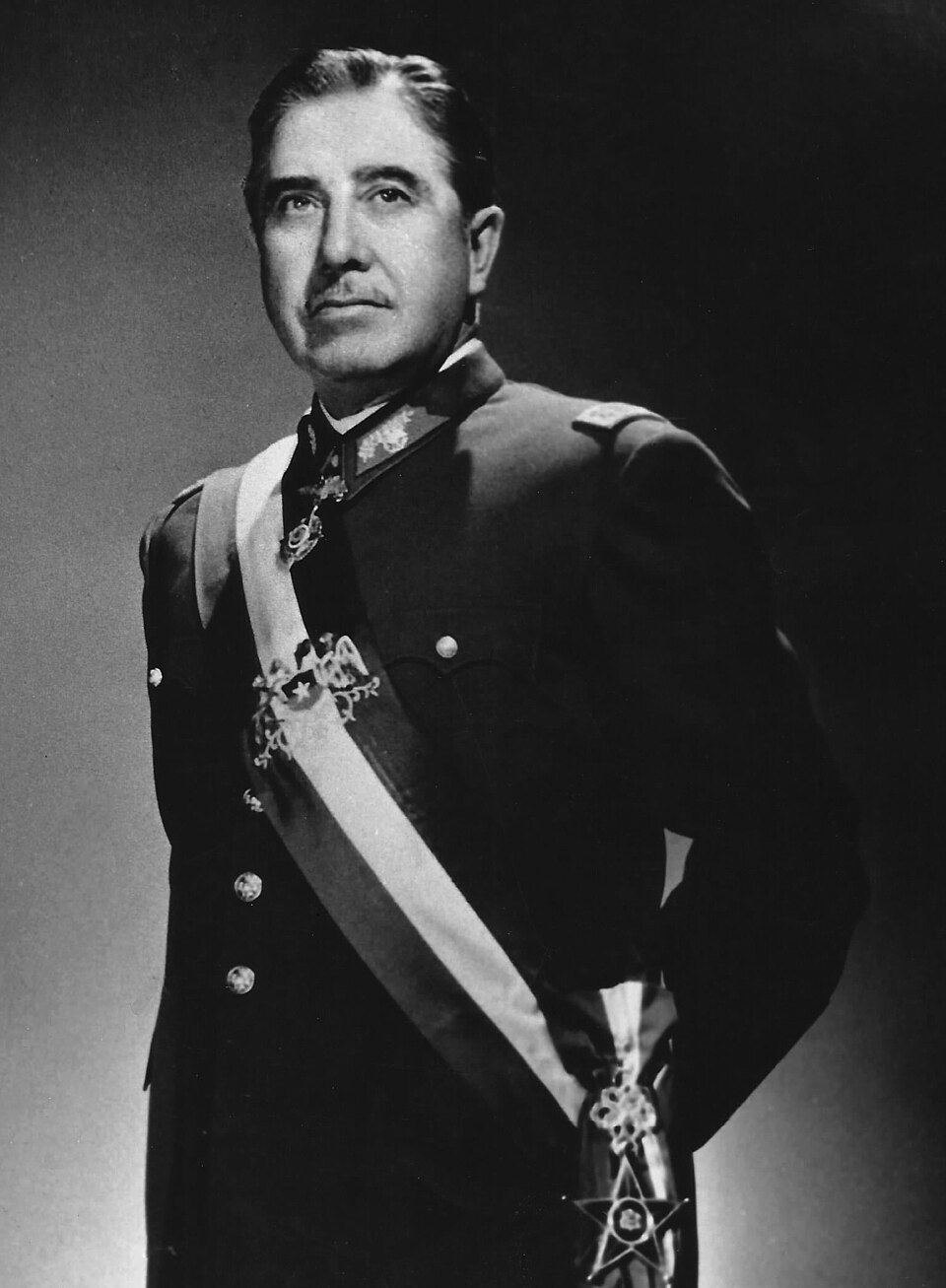
The threat of Cuban communism thus directly influenced the support the U.S. provided to General Augusto Pinochet. U.S. actions in Chile were modeled on previous experiences in Cuba [30]. With the knowledge and support of the CIA, as well as National Security Advisor and later Secretary of State Henry Kissinger, a coup d’état took place on September 11, 1973, which overthrew Allende [25,29].
Washington justified its support for the Pinochet regime and its human rights violations as a necessary evil in the fight against communism during the Cold War [26,31].
The Two Faces of Castro’s Regime: Successes Versus Failures
The regime of the charismatic Fidel Castro brought radical changes to Cuba that can be viewed in stark contrast. A popular joke still circulates in Cuba today: What are the three successes of the revolution? Education, public health, and social security. And what are its three failures? Breakfast, lunch, and dinner [3].
Among the undisputed successes of the revolution is the creation of excellent healthcare and education systems. Cuba achieved universal literacy, and its life expectancy and low infant mortality rates surpassed those of many developed countries, with health outcomes comparable to Sweden’s [7,8,27]. The island exported its revolutionary mission through so-called medical internationalism—Cuba sent more doctors to countries in the Global South than all G-8 nations combined, which also became an important source of state revenue [9,10]. Another atypical success for a communist country was that, thanks to reforms in the 1960s, approximately 85 percent of Cubans owned the homes in which they lived [23].
The price for these social gains, however, was enormous. Politically, Cuba became a harsh totalitarian state [15]. Free elections were abolished, and a one-party government emerged that fully controlled trade unions, student movements, and women’s organizations [4,27]. Civil liberties, such as freedom of association, the right to protest, and independent media, were eliminated [27]. With the help of the Soviet KGB, Cuba established a secret police force to suppress dissent [27].
Machismo culture (of which Castro himself, a ladies’ man, was a leading exponent) and the regime’s ideology even led to homosexuality being illegal until 1979, with gay men being sent to concentration camps for forced labor [27].
From an economic standpoint, the regime failed catastrophically. Central planning and the abolition of market mechanisms led to chronic food shortages, rotting crops, and dependence on sugarcane [1,23]. For decades, residents faced poverty and empty shelves in state-run stores [23,24].
Survival After the Fall of the Soviet Union
One of the greatest paradoxes of the post-communist era is that while global communism collapsed, the Cuban regime survived the loss of its patron, the USSR [19]. The collapse of the Soviet bloc plunged Cuba into what was called a “special period in peacetime” [4,27]. The consequences were devastating: GDP fell by 35 percent over the course of three years, agricultural production by 47 percent, and industrial capacity by as much as 90 percent [2,27]. Without fuel, Havana experienced massive power outages, agriculture reverted to draft animals, and the population’s caloric intake fell by 27 percent, leading to widespread famine [27].
How, then, was it possible for a one-party government to survive? Castro demonstrated a tremendous amount of pragmatism. Although he rejected economic liberalization at heart, he did exactly what was necessary for survival [21].
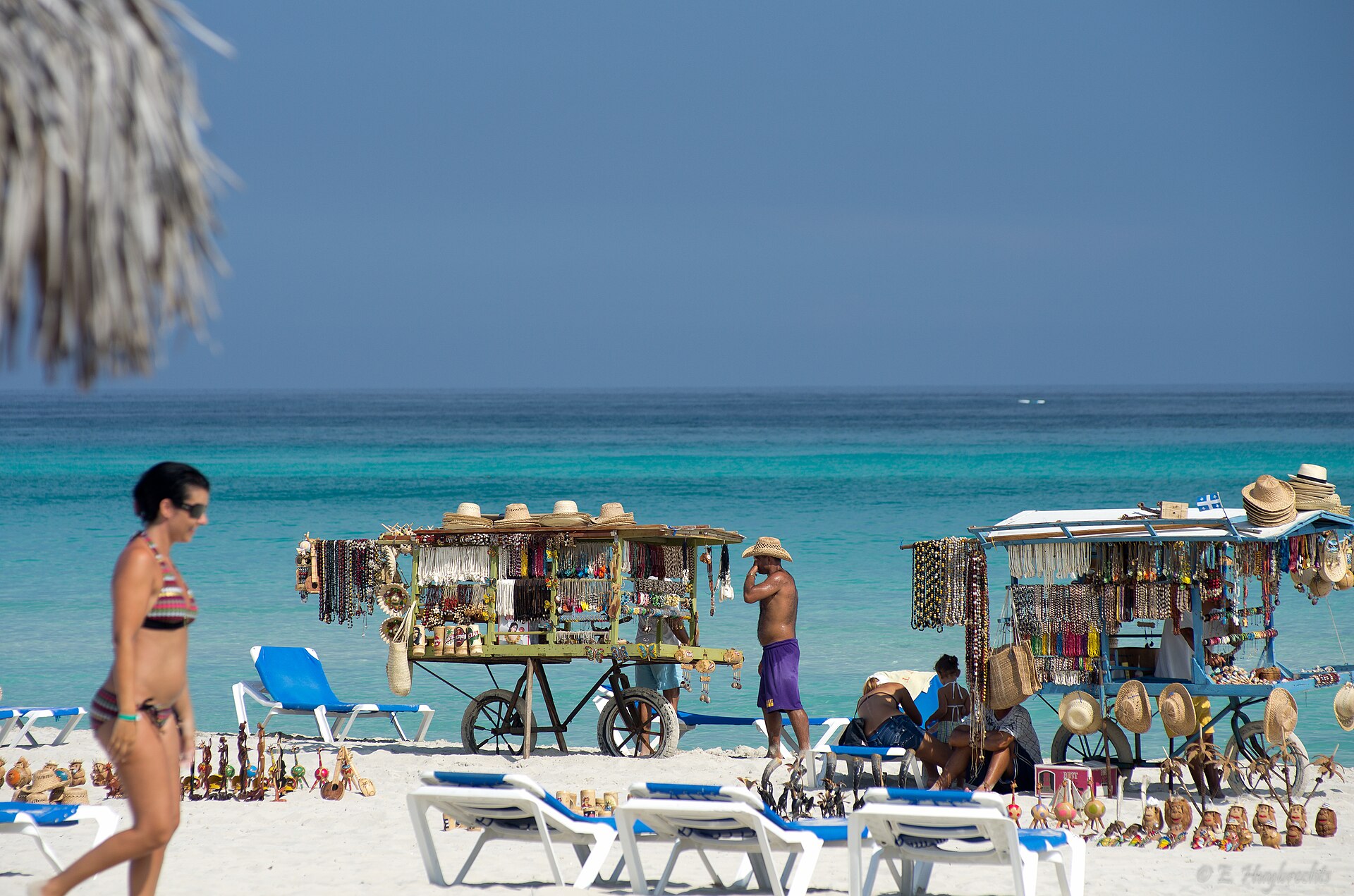
He introduced modest reforms, legalized the U.S. dollar, permitted limited entrepreneurship in select professions, and revived agricultural markets [4,22]. A key factor was opening the country to international tourism and direct foreign investment—the Spanish built hotels, while the Canadians and French invested in nickel and oil extraction [27]. The economy survived in part because the government chose a path of “humanistic austerity,” thereby attempting to protect health care and education budgets from complete collapse [2,27].
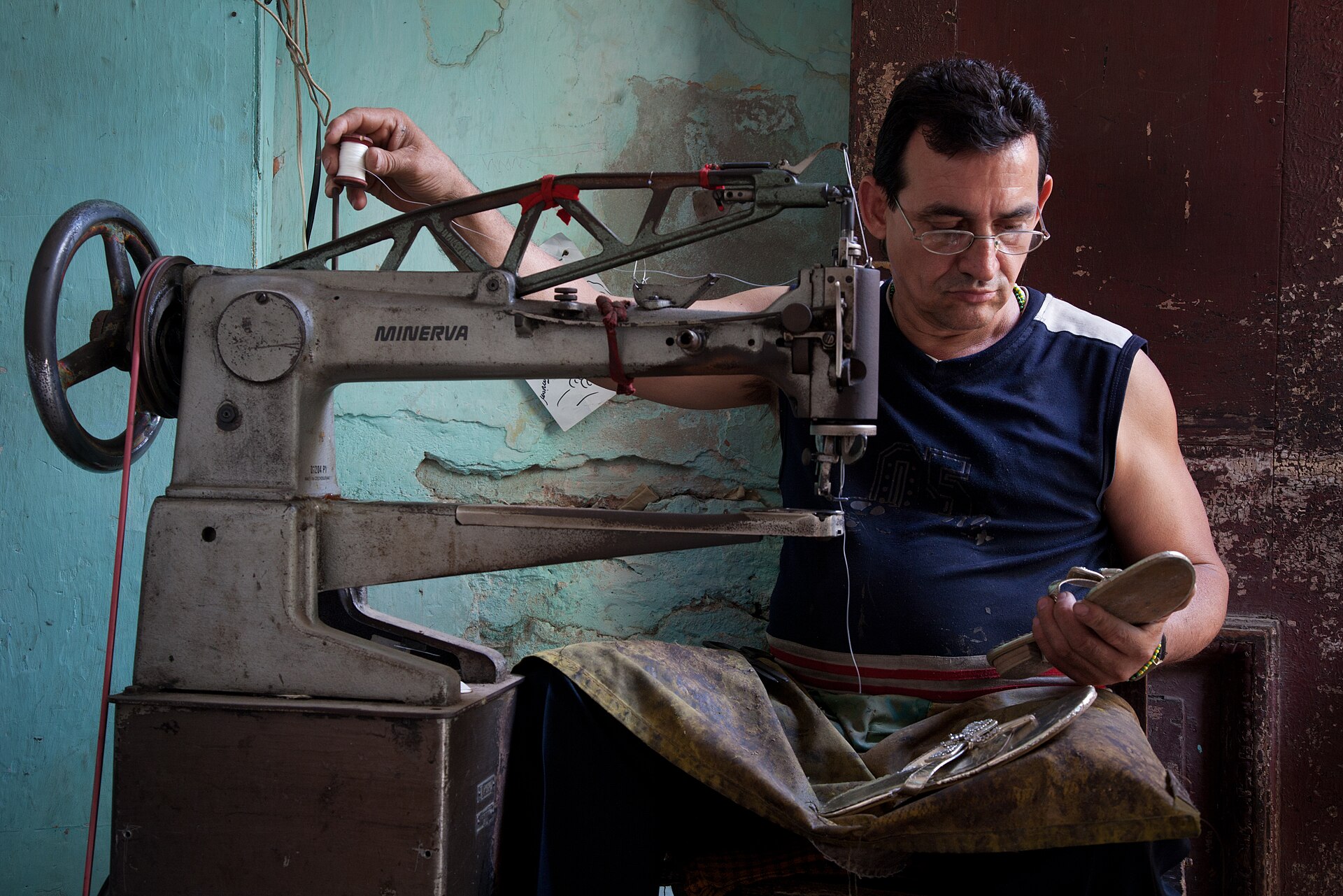
In addition to the economy, the regime relied on stirring up nationalist sentiments, redirecting public anger toward the U.S. embargo, and maintaining a strong social control mechanism [11,12]. The Committees for the Defense of the Revolution (CDR) functioned as the eyes and ears of the party, preventing the formation of any organized opposition [13,15,20].
Moreover, the revolution here had deeper social roots than the regimes in Eastern Europe, and a large portion of the population continued to believe in preserving the gains in healthcare and independence [24]. When Venezuelan leader Hugo Chávez entered this fragile situation in 1999 with an offer of oil in exchange for Cuban doctors, the system received a new lease on life [27].
The Consequences of Losing Venezuelan Support
Today, the situation is once again critical. The removal of Venezuelan leader Nicolás Maduro represents one of the most serious geopolitical shocks for Cuba since the fall of the Soviet Union [28]. For years, the alliance between Havana and Caracas functioned as a mutual survival pact: Venezuela supplied Cuba with oil (at its peak, up to 100,000 barrels per day), while Cuba provided security, intelligence services, and doctors [27,28].
The loss of this support plunged Cuba into a full-blown energy crisis. The interruption of subsidized oil supplies led to immediate nationwide blackouts, a halt in transportation, and the paralysis of industry [28,32]. The economy went into free fall, accompanied by critical shortages of food and medicine and growing public frustration [27,32].
Geopolitically, Maduro’s fall signifies the loss not only of an ideological ally but also of regional strategic depth. If the new Venezuelan government expels Cuban intelligence agents, Havana will lose a key source of information and influence in the region [28]. Similar to the “Special Period,” this massive shortfall threatens to escalate into a systemic crisis, with the potential for increasingly large public protests and social unrest [28].
Outlook for the Future: Three Scenarios for Cuba
An exhausted and decimated communist Cuba faces enormous challenges. Experts predict three main scenarios for political development following the expected end of the current model.
The first, and in the short term the most likely scenario, is the regime’s survival through harsh repression and gradual economic reforms without political pluralism [28]. The government may respond to unrest with increased censorship, surveillance, and suppression of the opposition [28]. Economically, Cuba could follow the Chinese or Vietnamese path—expanding the private sector and implementing market reforms while maintaining the Communist Party’s strict control over the state [14].
The second scenario envisions an elite-driven political transition. If economic collapse triggers divisions within the military or political leadership, reform-minded officials (a hybrid arrangement) could take control. This ruling elite could, for pragmatic reasons, initiate a managed transition to the rule of law and elections, thereby avoiding massive bloodshed or foreign intervention [5,28,32]. Such a transition would resemble the model of democratization in Spain following the death of dictator Franco [32].
The third and least predictable scenario is rapid political change triggered by pressure from below. If social protests overwhelm the state’s capacity to maintain order, the regime could collapse, opening the door to a rapid democratic transformation in which even external intervention by the U.S. (similar to the intervention in Libya) [23,24,28,32]. It is expected that in such a case, the political sphere would come under the strong influence of the United States and a new government enriched by the large Cuban-American diaspora from Miami [27].
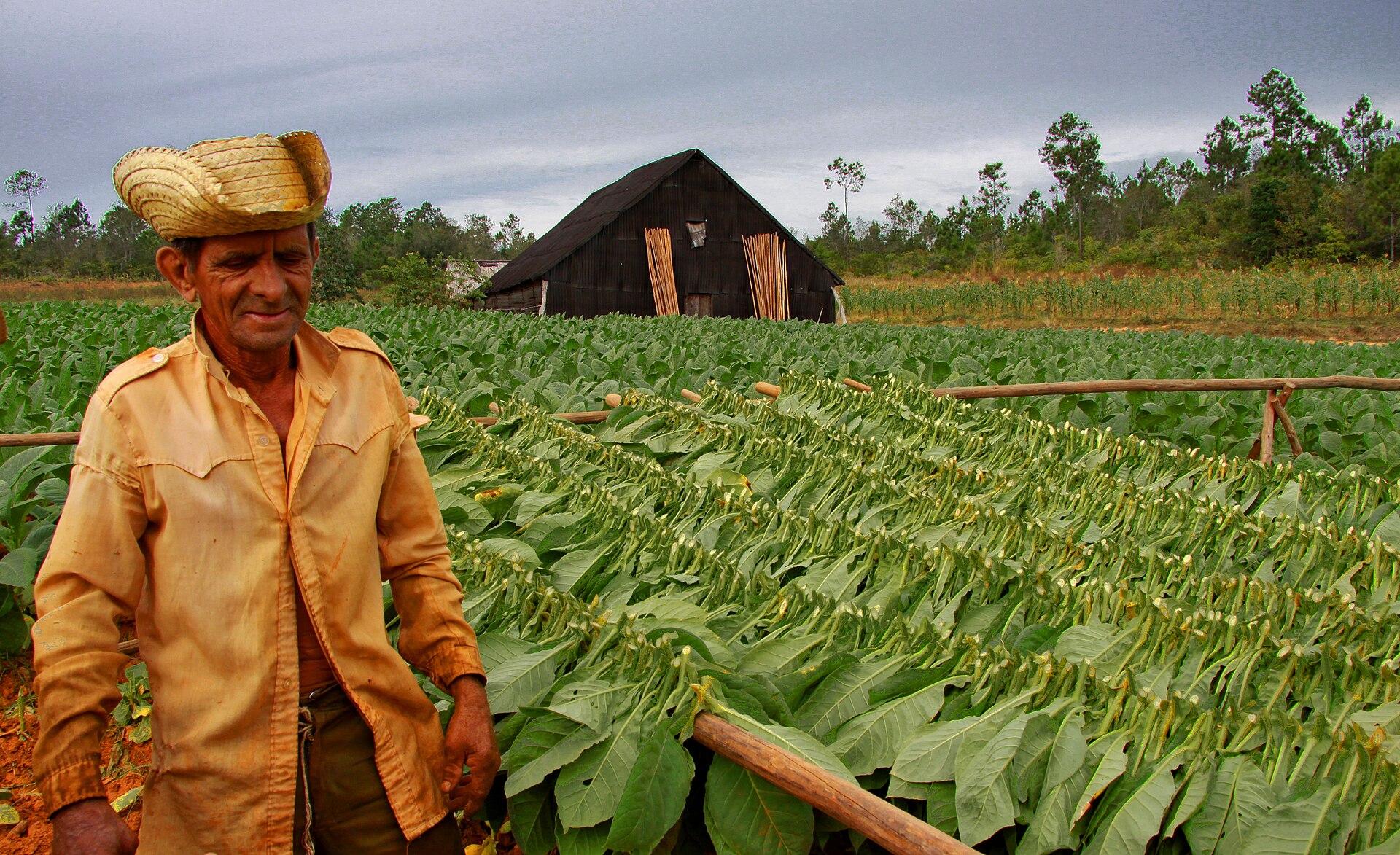
However, the transition to democracy and capitalism will not be painless. Many Cubans fear that the fall of the regime would lead to the loss of gains such as free healthcare and safe streets [24]. There are legitimate concerns about the arrival of the wealthy diaspora from Florida, whose money could create a new economic elite on the island, but consequently also a underclass [23]. Another massive problem for the new republic would be restitution claims totaling $13 billion from large American corporations for property expropriated during the revolution, which could immediately paralyze the economy [23].
Paradoxically, economic transformation from above might be somewhat easier due to the fact that key sectors (tourism, mining, oil) are already largely controlled by foreign capitalists from Canada, France, or Spain [27]. At the same time, there would likely be a strong effort by workers to establish independent unions and fight for a socially oriented democracy [27].
The beautiful “island of freedom” now stands on the brink of an abyss. From Spanish colonialists through American hegemony and the Batista dictatorship to six decades of Castro’s experiment marked by both pride and oppression, Cuba once again awaits whatever fate the coming months and years will bring. The only certainty is that, having lost its last international safety nets, political and economic change is more necessary than ever before.
List of References:
[1] Cuba - Revolution, Communism, Fidel Castro | Britannica https://www.britannica.com/place/Cuba/National-evolution-and-Soviet-influence
[2] How Cuba Survived and Surprised in a Post-Soviet World https://jacobin.com/2021/01/we-are-cuba-review-socialism-soviet-union
[3] Cuba, the Pending Transition (ARI) https://www.realinstitutoelcano.org/en/analyses/cuba-the-pending-transition-ari/
[4] Carmelo Mesa-Lago & Jorge F. Pérez-López, Cuba’s Aborted Reform, Gainesville, Florida, 2005.
[5] Thomas Carothers, ‘The End of the Transition Paradigm’, Journal of Democracy, January 2002, pp. 5–21.
[6] [PDF] Politics and Economics in Post-Soviet Cuba - Knowledge UChicago https://knowledge.uchicago.edu/record/7166/files/RevolutionaryRegimeSurvival_Alex%20Jimenez.pdf
[7] World Bank, “Literacy rate, adult total (% of people ages 15 and above”, Cuba
[8] World Bank, “Life expectancy at birth, total (years)”, Cuba
[9] Huish and Kirk, “Cuban medical internationalism and the development of the Latin American School of Medicine”, p.77
[10] Feinsilver, “Oil-For-Doctors: Cuban Diplomacy Gets a Little Help from Venezuelan Friend”, p.216
[11] Kreiger, “A Century of Census Tracts: Health & the Body Politic”, p.355
[12] Hennessy, “The Roots of Cuban Nationalism,” p. 345
[13] Colomer, “Watching Neighbors: The Cuban Model of Social Control,” p. 121
[14] Wong, p.145
[15] [PDF] Cuba's Future Political Scenarios and U.S. Policy Approaches https://www.congress.gov/crs_external_products/RL/PDF/RL33622/RL33622.7.pdf
[16] Harold Molineu, United States Policy Toward Latin America: From Regionalism to Globalism (Boulder: Westview Press, 1990), 169.
[17] Jules R. Benjamin, The United States and the Origins of the Cuban Revolution: An Empire of Liberty in an Age of National Liberation (Princeton, New Jersey: Princeton University Press, 1990), 123.
[18] Abraham F. Lowenthal and Gregory F. Treverton, eds., Latin America in a New World (Boulder: Westview Press, 1994), 209–214.
[19] Juan M. del Aguila, "Why Communism Hangs on in Cuba," Global Affairs. 6, no. 1 (Winter 1991): 87.
[20] J. Richard Planas, "Why Does Castro Survive?" World Affairs. 154, no. 3 (Winter 1992): 87.
[21] David Rieff, "Cuba Refrozen," Foreign Affairs. 75, no. 4 (July/August 1996): 64.
[22] Wayne S. Smith, "Cuba's Long Reform," Foreign Affairs. 75, no. 2 (March/April 1996): 101.
[23] What happens after communism? Cubans face huge challenges, big decisions | CBC News https://www.cbc.ca/news/politics/cuba-transition-communism-9.7142334
[24] How Cuba’s Communists Survived the Fall of the Soviet Union https://jacobin.com/2021/07/cuba-cuban-communist-party-revolution-july-protestspcc-granma-ussr-gorbachev-castro
[25] GRR - Global Regional Review https://www.grrjournal.com/article/United-States-Intervention-and-the-Following-Hegemony-in-Cuba-and-Chile-A-Critical-Appraisal
[26] Cuba and Chile: A Tale of Two Policies - The Atlantic https://www.theatlantic.com/politics/archive/2006/12/cuba-and-chile-a-tale-of-two-policies/40965/
[27] The End of Communist Cuba? - FPIF https://fpif.org/the-end-of-communist-cuba/
[28] Political Stability in Cuba: Risks of Power Change and Potential Consequences - Robert Lansing Institute https://lansinginstitute.org/2026/03/17/political-stability-in-cuba-risks-of-power-change-and-potential-consequences/
[29] Les Evans, ed., Disaster in Chile: Allende’s Strategy and Why It Failed, New York: Pathfinder Press, 1974, pp. 229–32; Shock Doctrine, p. 88.
[30] [PDF] US Intervention in Chile During the Cold War Stone Peterson https://www.calstatela.edu/sites/default/files/u.s._intervention_in_chile_during_the_cold_war_-_stone_peterson.pdf
[31] U.S. Central Intelligence Agency, “CIA Activities in Chile.”
[32] Cuba Faces Endgame: The 3 Scenarios for What Happens Next - Newsweek https://www.newsweek.com/cuba-faces-endgame-the-3-scenarios-for-what-happens-next-11691555