Oil shocks then and now
When you pull up to a gas station today and watch the rising prices on the pumps with concern, your mind probably wanders to what’s happening in the world right now. Missiles flying over the Middle East, tensions between the U.S., Israel, and Iran, or the ongoing war in Ukraine. It may seem that we are living in unprecedented times, but history shows us that this drama has an older and very influential predecessor. The year was 1973, and the world changed forever. Energy ceased to be merely a commodity for lighting and heating—it became a weapon.
The Spark That Set the World Ablaze: The Causes of the 1973 Crisis
To understand why today’s conflict in the Middle East is helping to fill Russia’s state coffers and finance the war against Ukraine, we must go back half a century. To an event that reshaped the global economy, changed the cars we drive, and revealed the West’s greatest vulnerability.
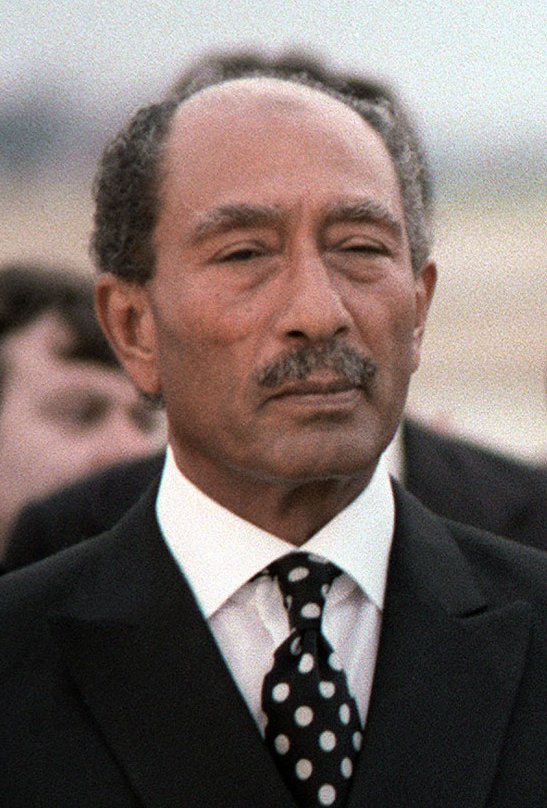
It all began on October 6, 1973. Egyptian President Anwar Sadat and Syrian leader Hafez al-Assad sought to reverse the outcome of the previous Six-Day War of 1967 and launched a surprise attack on Israel [19,20]. The attack was timed to coincide with the holiest Jewish holiday, Yom Kippur, in order to achieve maximum surprise [20].
The administration of then-U.S. President Richard Nixon decided to come to Israel’s aid and began massively rearming its army [19]. When U.S. transport planes began delivering supplies, the Arab states decided to act. Even while the fighting was still underway, on October 17, 1973, Saudi Arabia and other Arab members of the Organization of the Petroleum Exporting Countries (OPEC) announced that they would cut oil production in protest against support for Israel [19]. When the U.S. Congress approved an additional $2.2 billion in aid for Israel, the Arab states went even further—they imposed a complete oil embargo on the U.S., the Netherlands, and other Western countries [19,20].
The question remains: why did this move have such a devastating effect, while similar efforts during the so-called Six-Day War in 1967 came to nothing?
In 1973, several crises coincided. As Saudi Arabian Prince Turki Al-Faisal pointed out, the previous embargo in 1967 occurred at the bottom of the economic cycle, when prices were low [4]. In contrast, in the early 1970s, the global economy was growing rapidly. Between 1960 and 1972, global oil consumption more than doubled [20]. The market was extremely tight. By the third quarter of 1973, only about 1 percent of spare production capacity remained, meaning the world had no reserves in case of a supply disruption [20]. The United States itself, once energy-independent, was importing more than a third of its oil at that time [20].
Economic factors compounded the situation. The decoupling of the U.S. dollar from gold in 1971 reduced the purchasing power of the dollar, in which oil was traded, which angered oil producers [4]. Moreover, Western oil companies (the so-called “Seven Sisters”) were losing control over production to national governments in the Middle East [16,20]. The embargo was thus merely the spark that ignited a powder keg that had been filling up for years.
Shock, panic, and long lines: The impact on the U.S. and society
When the embargo hit, the consequences were immediate and dramatic. The price of a barrel of oil rose from $1.80 to $11.65 (which in today’s money would mean a jump from $14 to $80) [20].
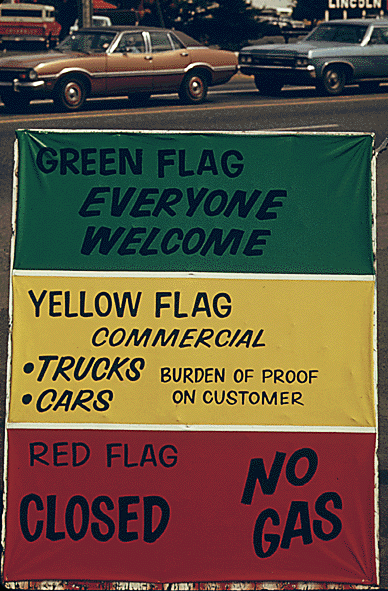
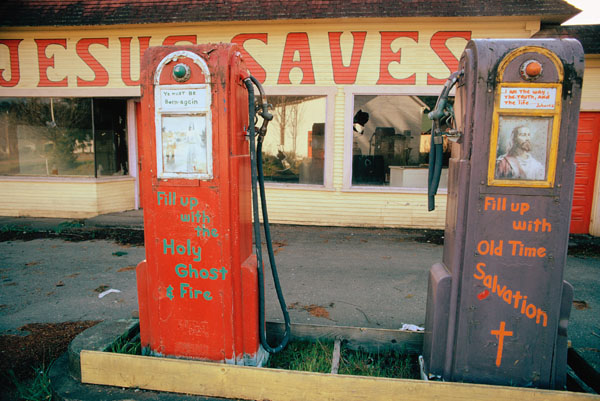
America, a nation where everything revolved around cars, suddenly found itself in despair and uncertainty [12]. Gas prices quadrupled within a few months [12]. Endless lines formed at gas stations, where frustrated drivers waited two to three hours [12]. The panic was palpable—drivers feared that if they didn’t fill up today, prices would be even higher tomorrow, leading to as many as 20 percent of gas stations reporting a complete fuel shortage [12]. Signs reading “Sorry, we have no gas today” became a common sight [19].
Why was the U.S. government unable to respond more effectively? At the time, President Nixon was paralyzed by a domestic political crisis—the Watergate scandal. Investigations and revelations were undermining his authority, and he himself was fighting for political survival while the global economy was bleeding [20].
However, the crisis forced society to adapt on a massive scale. The U.S. government implemented a nationwide speed limit of 55 miles per hour, which not only reduced oil consumption but, paradoxically, also cut road fatalities overnight [9]. Year-round daylight saving time was introduced, and families turned down their home thermostats [9].
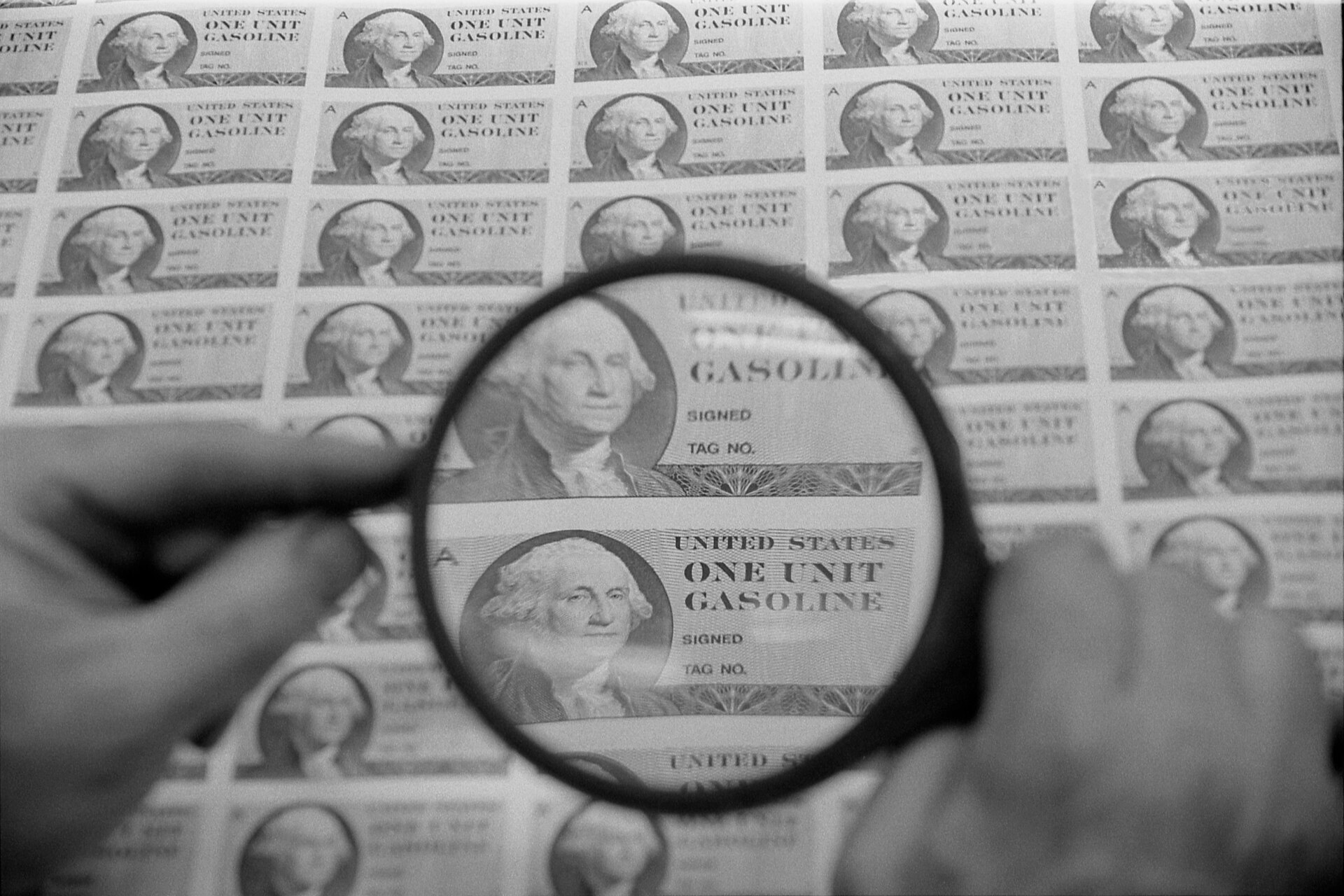
The golden age of giant, gas-guzzling cars had come to an end. Detroit was forced to halt production of “gas guzzlers” and began to focus on efficiency [9]. The United States realized its vulnerability, which led to the creation of the Department of Energy, the establishment of the Strategic Petroleum Reserve (SPR), and the founding of the International Energy Agency (IEA) [5,9,16,20]. Securing access to oil became a matter of national security, which permanently shaped the close relationship between the U.S. and Saudi Arabia [17]. President Jimmy Carter later called the energy situation “the moral equivalent of war” [11].
Winners and Losers of the Oil Shock
Who profited from this crisis and who lost out? The 1973 oil shock signaled a massive redistribution of wealth in the global economy. The main economic winners were the countries of the Middle East and the OPEC exporting states [4]. They discovered that their natural resources could be used as an exceptionally powerful political and economic weapon [10]. From 1973 onward, rising prices transferred an estimated $5 to $10 trillion from American consumers into the hands of OPEC countries [18].
The Japanese automotive industry also emerged as a surprising winner. Since American automakers were initially unable to offer fuel-efficient vehicles, sales of Japanese cars in the U.S. surged because they met the new efficiency requirements [11].
On the other hand, the losers were Western consumers and the global economy as a whole. The crisis ended the era of unprecedented economic growth that had lasted since the end of World War II. It triggered a global recession, with inflation hovering above ten percent and unemployment breaking records, which contradicted the traditional theory that high inflation and unemployment could not coexist—this dire situation came to be known as stagflation [9].
The Legacy of the Weapon Called “Energy” and Modern Russia
An important lesson from 1973 was that energy can be “weaponized”—used as a weapon. Although historical data and texts from our sources do not directly describe the details of whether 1973 triggered the construction of Soviet gas pipelines, they clearly show us how modern Russia abuses this concept. The effort to use energy as a weapon has not remained a thing of the past. Vladimir Putin attempted to use the “gas weapon” against Europe to break up the coalition supporting Ukraine, even though this attempt ultimately failed [20].
Today, oil and gas sales are the absolute foundation of Russia’s war machine. Hydrocarbon revenues remain crucial to Russia’s economic resilience and its ability to finance the invasion of Ukraine [15]. Military and security spending in Russia consumes more than a third—and up to 40% of the state budget when all costs are factored in—which underscores the strategic importance of energy [15].
Thanks to these revenues, President Putin is not dependent on ordinary taxes from citizens. The oil and gas industry accounts for 60% of Russian exports and 30% of federal budget revenues [7]. When oil prices are high, the state treasury is bursting at the seams. Just a few weeks before the invasion on February 20, 2022, Russia announced massive budget surpluses from 2021, thanks precisely to unexpectedly high oil and gas prices [7]. According to expert Jeff Colgan, it was precisely this money that allowed Putin to shake off domestic political constraints and build an army ready for foreign adventures [7].
Here we encounter a bitter paradox of our times. Since the start of the full-scale invasion, Ukraine’s Western allies have paid Russia more money for its hydrocarbons than they have provided to Ukraine in the form of aid [8].
Data shows that Russia has earned more than 883 billion euros from fossil fuel exports, of which 228 billion came directly from the countries that imposed sanctions on it [8]. As climate activist Svitlana Romanko from Ukraine points out, the sale of fossil fuels directly finances a brutal war that has killed thousands of people and created millions of refugees [2]. Mai Rosner of Global Witness adds: "We are in a situation where we are financing the aggressor in a war we condemn, while at the same time financing the resistance against that war." [8].
The West is afraid to take tougher action because cutting off Russian oil could trigger chaos in global markets and an extreme spike in prices, similar to what happened in 1973 [8]. Although G7 sanctions and price caps have reduced Russian oil revenues by 27% below pre-invasion levels [3] and average monthly oil revenues fell by $4.2 billion in 2023 [6], Russia has been forced to offer discounts on oil prices, which have risen from $5 to over $25 per barrel [1]. Despite this, Russia is exporting larger volumes of oil in absolute terms than before the war [13].
The Middle East powder keg today: Help for Moscow?
The circle closes when looking at current events in the Middle East. The current crisis began with a Hamas attack on Israel on Saturday, October 7, 2023, with Hamas deliberately choosing the 50th anniversary of the Yom Kippur War to replicate the element of surprise from 1973 [20].
Today’s tensions between the U.S., Israel, and Iran are once again bringing risk to energy markets. The global oil market is under stress due to heightened geopolitical risks [14]. When the conflict recently escalated, the price of Brent crude oil surpassed the $100-per-barrel mark and briefly shot up to $126 [14]. Any disruption to supplies, such as the closure of the key Strait of Hormuz, is causing concern among governments and industry [14].
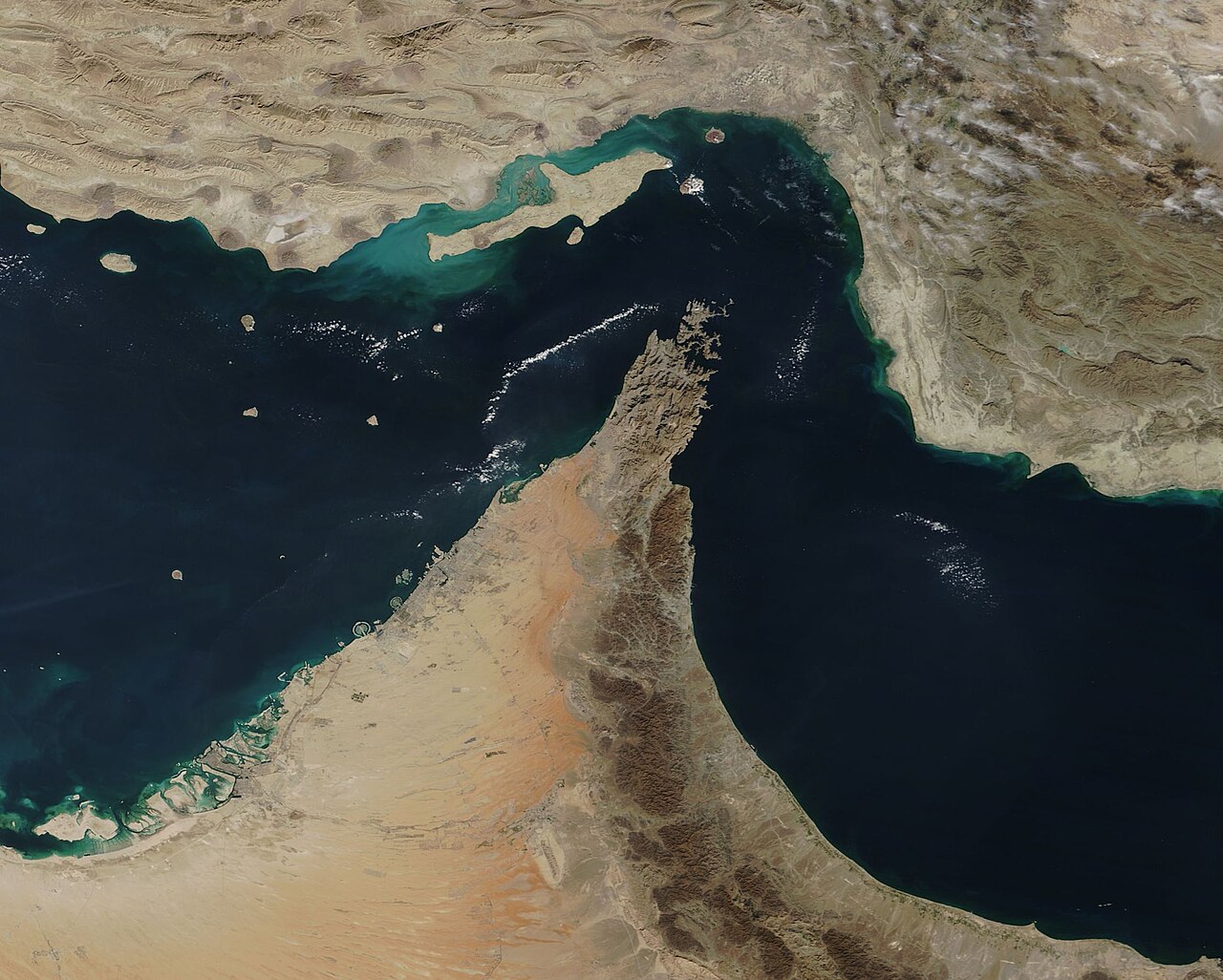
And here comes a cruel geopolitical irony. The crisis in the Persian Gulf and the associated rise in oil prices is a huge opportunity for Russia. The shortage of oil on the market is driving up not only general prices but also the prices of Russian oil, pouring much-needed money into Russia’s strained budget to wage war [1]. If there were a significant disruption in stable global supplies, the recent market surplus would turn into a shortage, making Russian oil and gas indispensable once again [1]. As one source aptly put it: an attack on Iran and an escalation in the Middle East is Russia’s way of escaping the isolation into which it has plunged itself by invading Ukraine [1].
History does not rhyme, but it repeats its warnings
So what are the similarities between 1973 and today? In both cases, we are witnessing the intersection of energy and geopolitics [4]. The Russian invasion of Ukraine and the conflict in Gaza have once again reminded us how vulnerable the global economy is to unexpected shocks along trade routes [4]. Moreover, just as during the Watergate scandal, the rule still holds today that when Washington is distracted and in disarray, the world becomes a much more dangerous place [20].
There are, however, fundamental differences. Experts point out that the 1973 crisis was the result of a coordinated political decision (the embargo), whereas today’s upheavals are caused more by security risks [14]. Today’s market is much more resilient. While in 1973 oil accounted for nearly half of primary energy consumption, today it is only around 30% [14]. Thanks to the lessons learned 50 years ago, oil intensity has also been radically reduced—the amount of oil needed to generate a unit of GDP has fallen by half due to improved efficiency [14]. OPEC, which once controlled half of global production, now has a share closer to one-third [14].
Nevertheless, the harsh truth from 1973 remains valid today: excessive dependence always comes at a price [14]. Whether we pay this price at gas stations during crises in the Middle East, or Ukrainians pay it as they watch the Russian war machine fueled by petrodollars, energy and power remain inextricably linked. And as long as the world remains dependent on oil, geopolitical conflicts will determine how much our commute to work costs us.
List of References
[1] What the Russian Energy Sector Stands to Gain From War in the ... https://carnegieendowment.org/russia-eurasia/politika/2026/03/russia-oil-iran-war-consequences
[2] Oil majors profit $467bn since Russia’s Ukraine invasion | Global Witness https://globalwitness.org/en/campaigns/fossil-fuels/oil-supermajors-profit-nearly-half-a-trillion-dollars-since-russias-ukraine-invasion/
[3] Fourth year of full-scale invasion: Russian fossil fuel revenues tank to 27% below pre-invasion levels – Centre for Research on Energy and Clean Air https://energyandcleanair.org/publication/fourth-year-of-full-scale-invasion-russian-fossil-fuel-revenues-tank-to-27-below-pre-invasion-levels/
[4] Chaos in Energy Markets Then and Now: 50 Years After the 1973 Arab Oil Embargo — A Review https://www.bakerinstitute.org/research/chaos-energy-markets-then-and-now-50-years-after-1973-arab-oil-embargo-review
[5] Want power oil market to hold spare capacity, not too much
[6] Russia's War on Ukraine – Topics - IEA https://www.iea.org/topics/russias-war-on-ukraine
[7] Whatever His Motives, Putin’s War in Ukraine Is Fueled by Oil and Gas - Inside Climate News https://insideclimatenews.org/news/06032022/putin-russia-ukraine-oil-gas-petrostate/
[8] https://www.russiafossiltracker.com/
[9] "The Arab Oil Embargo of 1973-74." Arab Oil Embargo. Internet. October 21, 2000. http://www.forks.wednet.edu/high/SocialStudies/Giles/USHistory/USHII/assign/oilembargo.htm
[10] Colton, Joel and Palmer R.R. A History of the Modern World. New York: Alfred A. Knopf, Inc., 1978.
[11] Spigelman, Arthur. "Has America learned the energy Lesson of 1973?" Internet. October 11, 2000. http://www.woza.co.za/forum/oilo.htm
[12] Frum, David. How We Got Here: The 70’s. New York, NY: Basic Books. 2000
[13] Ukraine war briefing: Russia exporting more oil now than before war despite sanctions – report | Ukraine | The Guardian https://www.theguardian.com/world/2026/feb/24/ukraine-war-briefing-russia-exporting-more-oil-now-than-before-war-despite-sanctions-report
[14] 1973 Oil Shock vs Today's Disruptions: Comparing Apples and Oranges | Dr. Carole Nakhle posted on the topic | LinkedIn https://www.linkedin.com/posts/carolenakhle_energymarkets-oilandgas-energysecurity-activity-7445037775856242689-KO57
[15] Draining Fuel from the Russian War Machine: Oil, Gas, and Sanctions Outlook - International Centre for Defence and Security https://icds.ee/en/draining-fuel-from-the-russian-war-machine-oil-gas-and-sanctions-outlook/
[16] Oil Embargo, 1973–1974 - Office of the Historian https://history.state.gov/milestones/1969-1976/oil-embargo
[17] The Oil Weapon Moment: The 1973 Oil Embargo and its Impacts on U.S. Energy Politics https://vtechworks.lib.vt.edu/items/952b9031-d20c-4417-a5e6-d912ecae82f6
[18] Oil and Politics, Thirty Years after the Arab Oil Embargo | The Washington Institute https://www.washingtoninstitute.org/policy-analysis/oil-and-politics-thirty-years-after-arab-oil-embargo
[19] 1973 oil crisis, economic consequences, oil embargo, OPEC, energy crisis, inflation, recession, global economy, U.S. economy https://billofrightsinstitute.org/essays/the-1973-oil-crisis-and-its-economic-consequences/
[20] The 1973 Oil Crisis: Three Crises in One—and the Lessons for Today https://www.energypolicy.columbia.edu/publications/the-1973-oil-crisis-three-crises