Presidential Records
Donald Trump’s 80th birthday, which he celebrated on June 14, 2026, almost coincides with the grand 250th anniversary of the adoption of the Declaration of Independence on July 4. This fascinating convergence of historical milestones provides the perfect opportunity to examine the most striking extremes in the history of American presidents. Which of the White House leaders to date was the absolute oldest, who served the longest, and who, conversely, earned the distinction of being the worst?
The Oldest
When it comes to the age of American leaders, Donald Trump holds the undisputed record, having returned to office as the oldest president in history [1]. He decisively reclaimed his previous age record on the day of his inauguration in January 2025 [8]. On that very day, he was 78 years and 220 days old, safely surpassing his political predecessor [24].
That predecessor was Joe Biden, who until then had reigned at the top of the historical statistics as the oldest serving leader. Biden took office in 2021 at the age of 78 years and 61 days, meaning he had been just under two months past his 78th birthday [23]. He was thus roughly five months younger than Donald Trump when the latter returned to the White House [1].
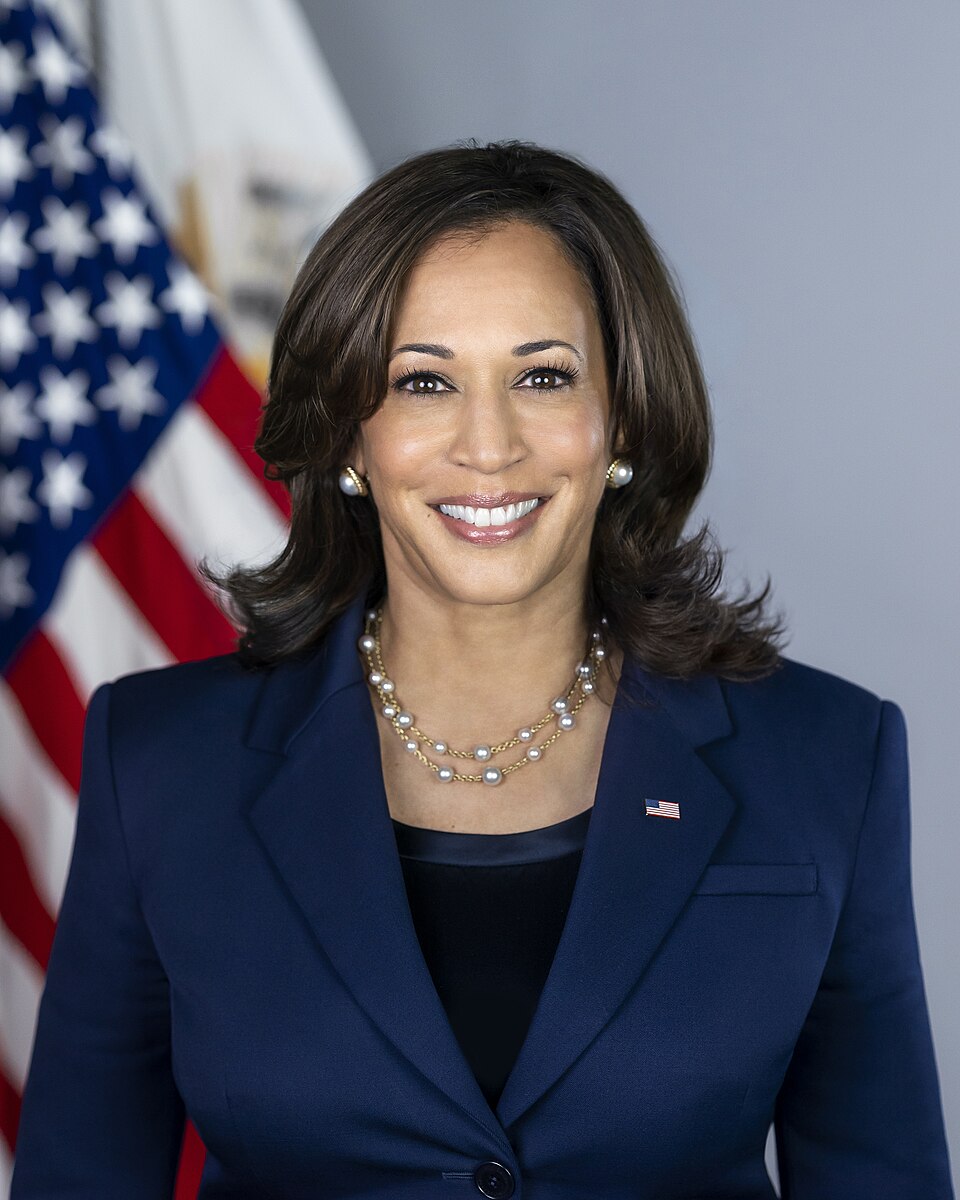
The advanced age of political candidates also played a key role in the modern election campaign itself. Trump’s tireless energy made him appear much more dynamic than the then-incumbent President Biden, who struggled with frequent verbal gaffes. This striking contrast ultimately led to Biden being replaced in the race for the White House by the significantly younger candidate Kamala Harris.
The Youngest
At the opposite, significantly younger end of the age spectrum, we find Theodore Roosevelt, who remains by far the youngest U.S. president in history [7]. He took office quite unexpectedly in September 1901 following the tragic assassination of then-President William McKinley [23]. At that time, Roosevelt was exactly 42 years and 322 days old, an age record for assuming office that no one has yet managed to break [8].
Although John F. Kennedy was the youngest man to win the office directly in a presidential election, Roosevelt’s emergency line of succession guaranteed him this historic distinction [12]. Kennedy was only 43 years and 236 days old at the time of his inauguration in 1961 [12]. The only other exceptionally young presidents after Roosevelt and Kennedy were Bill Clinton and Ulysses S. Grant, who both assumed office at the age of 46 [27].
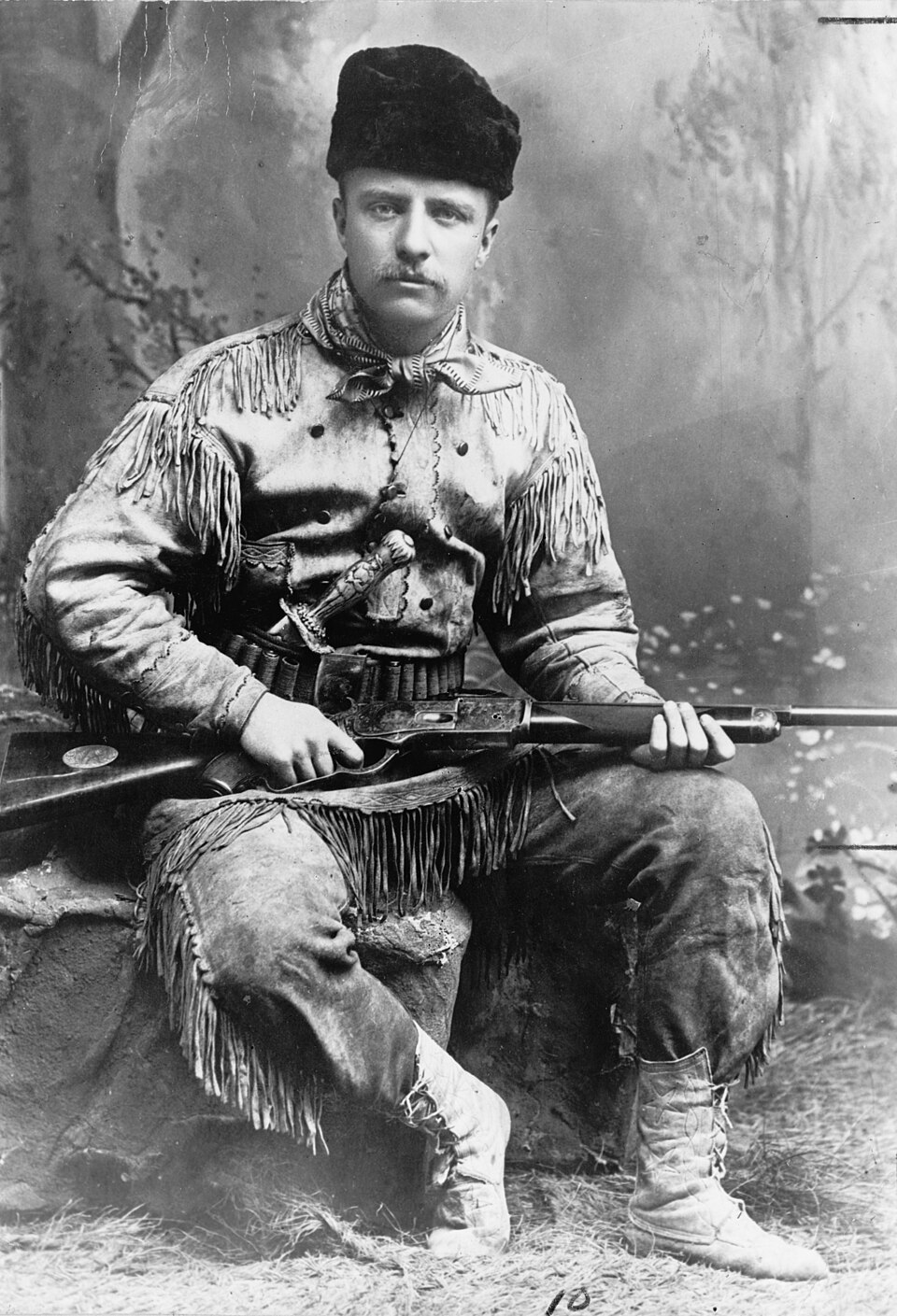
After taking office, Theodore Roosevelt proved that, despite his young age, he could become one of the country’s most prominent and dynamic leaders. During his presidency, he championed important progressive reforms, greatly expanded the U.S. national forests, and successfully strengthened the United States’ role in the world. He also became the first American president ever to receive the prestigious Nobel Peace Prize for brokering an end to the bloody Russo-Japanese War.
The Longest and the Shortest
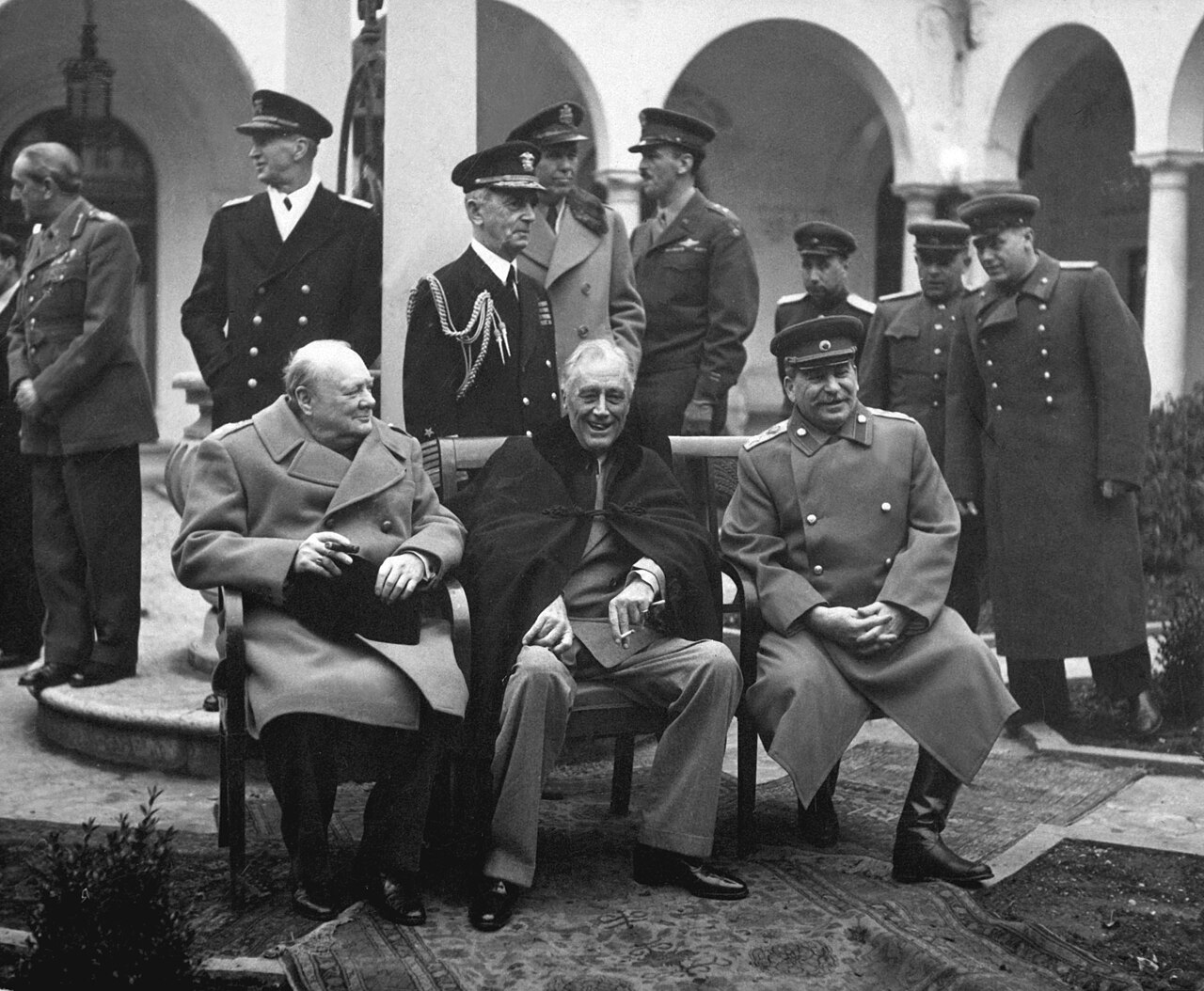
If we were to evaluate presidents based on the total length of their terms, the absolute record-holder is Franklin D. Roosevelt [5]. This famous statesman spent an impressive 4,422 days in the White House, earning himself the unrivaled longest term in office [11]. His legacy is also exceptional because he became the only leader to break the long-standing Washington tradition of limiting power to a maximum of two terms [20].
Franklin D. Roosevelt resolutely led the American people through exceptionally difficult historical crises, including the Great Depression and the devastating World War II [22]. Voters placed immense trust in his policies and elected him president a total of four times [9]. This long-standing record will likely remain unbroken forever, as Roosevelt himself died just forty days after the start of his historic fourth term [9].
The complete opposite of a long-term presidency is William Henry Harrison, who held the office for the shortest time in history [6]. After taking office in March 1841, he served for only 31 days, and his term went down in history as the absolute shortest in American history [11]. Harrison also holds a curious paradox: he delivered the longest inaugural address in history, yet a month later he succumbed to severe pneumonia [2].
The death of William Henry Harrison in the spring of 1841 set a historical precedent, as he became the first head of state to die while in office [13]. For this very reason, modern scholars often omit him entirely from comprehensive studies on the quality of presidential governance [3]. Due to the extremely short duration of his presidency, he left behind almost no political legacy and was merely a very brief episode in the country’s history [3].
Political Earthquakes
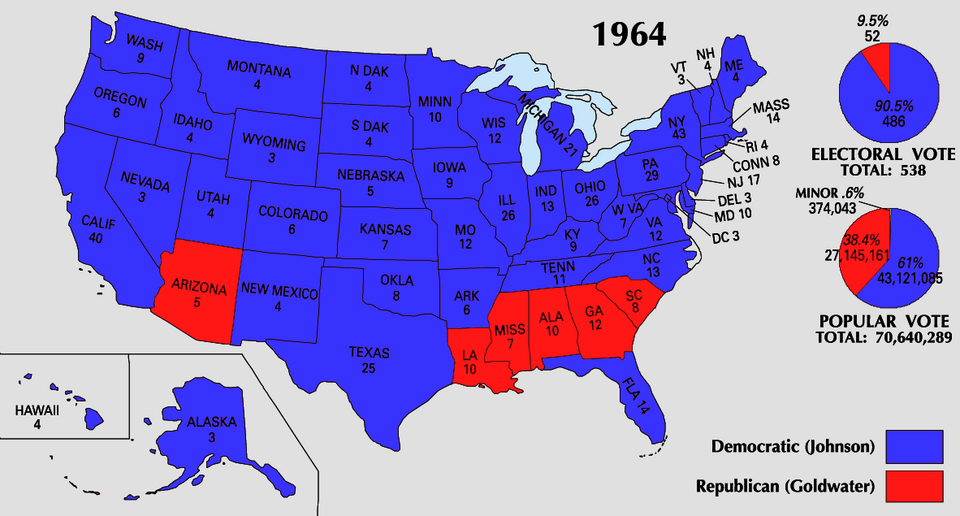
Another historical record that continues to fascinate the public is the massive electoral victories associated with overwhelming majorities in the popular vote, known in American political jargon as “landslides.” One such massive triumph in American history was Roosevelt’s 1936 campaign, which garnered an incredible 60.8% of all votes cast. This remarkable historical milestone was later narrowly surpassed only by the Democratic ticket of Lyndon B. Johnson and Hubert Humphrey in 1964, with a staggering 61.1% of the vote.
Sometimes, however, powerful candidates competed for the presidency by literally just a few ballots, as clearly demonstrated by the extremely close election of 1844 [10]. Democratic nominee James K. Polk faced Whig representative Henry Clay in an election decided by the narrowest possible margin [10]. The total margin in the popular vote between these two leading figures was only 39,413 votes—a negligible 1.46 percent [10].
This dramatic race in the mid-19th century was defined by a battle for six key states, which at the time accounted for 117 of the total 275 electoral votes [10]. The results in these states were decided by a narrow margin of less than two percent, which fully demonstrated just how fragile American electoral mathematics can be [10]. The late 19th century brought similarly close—and at the same time the most controversial or most rigged—elections, which continue to spark debate to this day [21]. The narrowest margin in the number of votes ever occurred in 1880, when, out of nine million votes cast, Republican James Garfield defeated the Democratic Party candidate, Civil War hero Winfield Scott Hancock by just 2,000 votes, but won the Electoral College by a margin of 214 to 155.
The Best
Speaking of great political victors, who do experts most often consider to be the greatest president in American history? On this point, there has been a rare and exceptionally strong consensus among experts across decades, which clearly points to Abraham Lincoln [17]. It is he—the leader who successfully guided the country through a dark civil war and abolished slavery forever—who consistently tops prestigious polls [26].
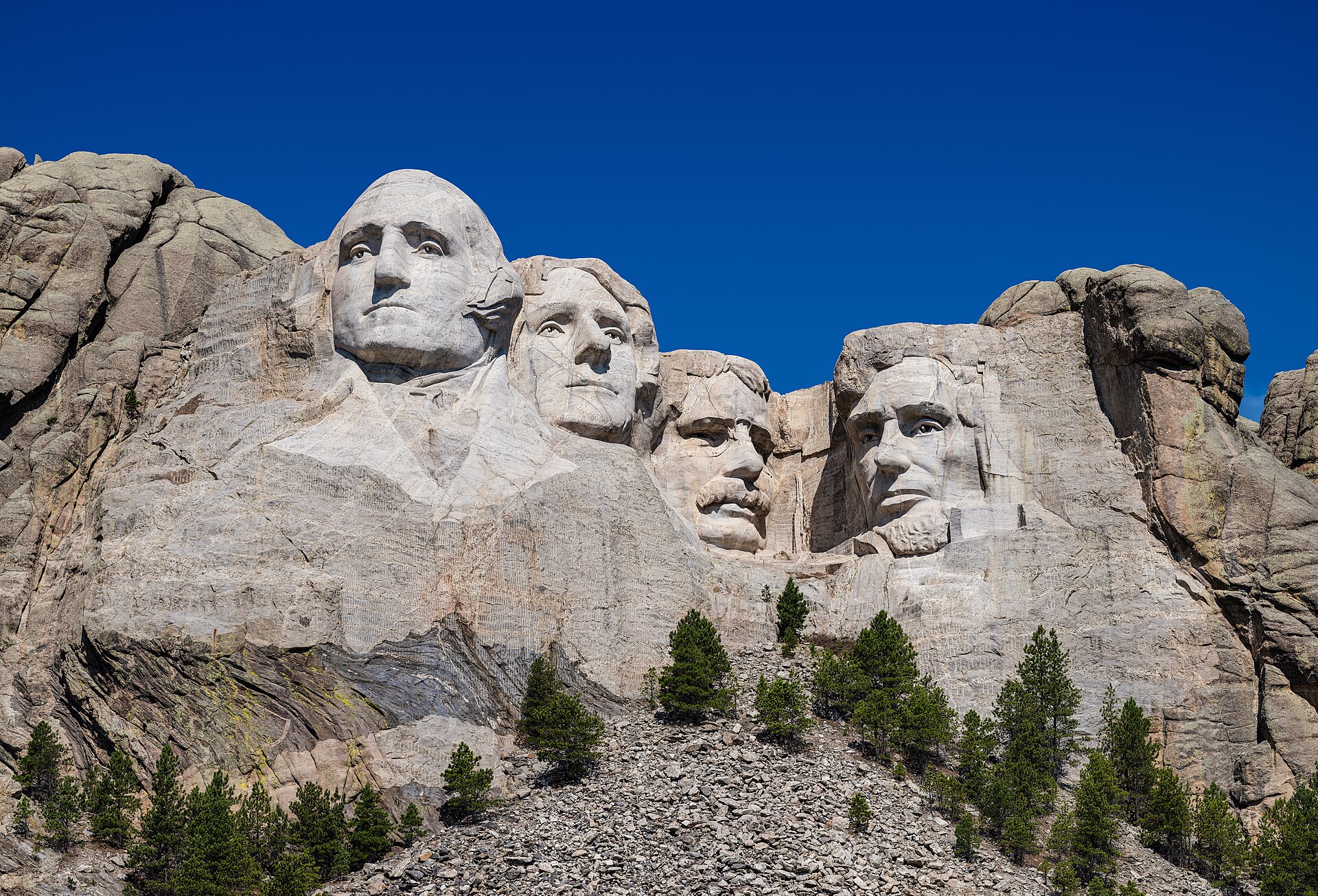
Right behind him at the top of the rankings are other national legends: George Washington and the famous Franklin D. Roosevelt [14]. Experts from Siena College note that this elite trio, along with Thomas Jefferson and Theodore Roosevelt, has long formed an untouchable pinnacle of excellence [15]. Researchers even aptly refer to this famous quintet as the political “Mount Rushmore plus FDR,” which is firmly carved into the imaginary stone of history [15].
While the ratings of specific leaders may vary slightly, modern statistics clearly show high levels of their overall popularity. For example, in a recent comprehensive assessment, Abraham Lincoln easily maintained the highest average score of 93.9 out of a possible 100 [22]. It is also interesting to note that the innovator Franklin D. Roosevelt, with 90.8 points, recently surpassed even George Washington himself, who scored a respectable 90.3 points [22].
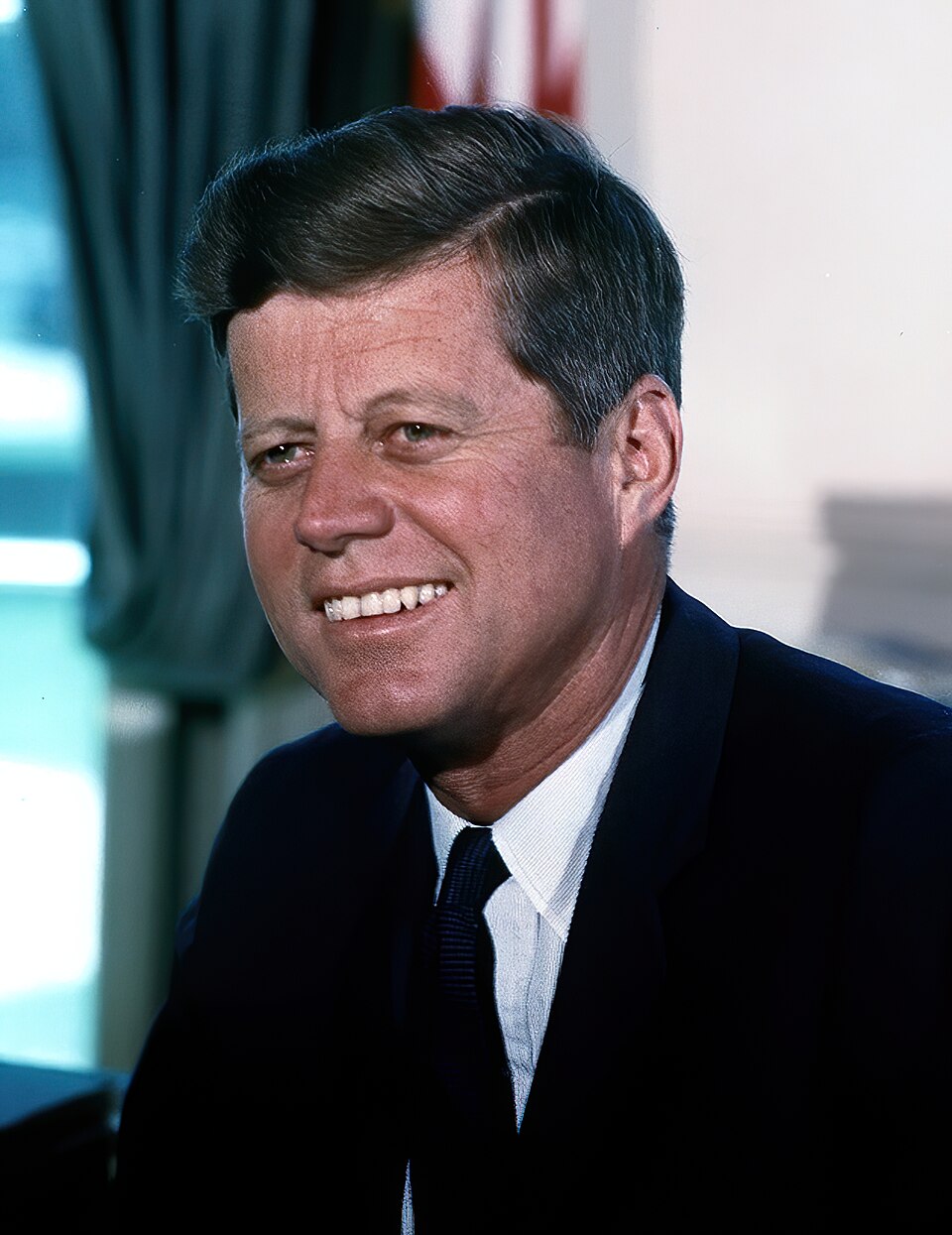
Other top rankings, of course, belong to presidents from more recent history who significantly shaped the face of the modern world following major global conflicts. Political scientists regularly rank Harry Truman, Dwight D. Eisenhower, and the globally beloved John F. Kennedy among the top ten leaders [16]. In the most recent historical rankings, the first Black president, Barack Obama, also ranks very highly, having already climbed to an excellent seventh place [26].
The Worst
But what about the American leaders at the opposite end of the spectrum, whom history has inexorably classified among devastating catastrophes and fatal political mistakes? The title of the worst president in history is generally held by James Buchanan, whose decisions brought the country to the brink of collapse [18]. Along with the alcoholic President Franklin Pierce, he is most often accused of gross incompetence in resolving tensions and averting the impending, extremely bloody Civil War, which broke out six weeks after Buchanan left office [4].
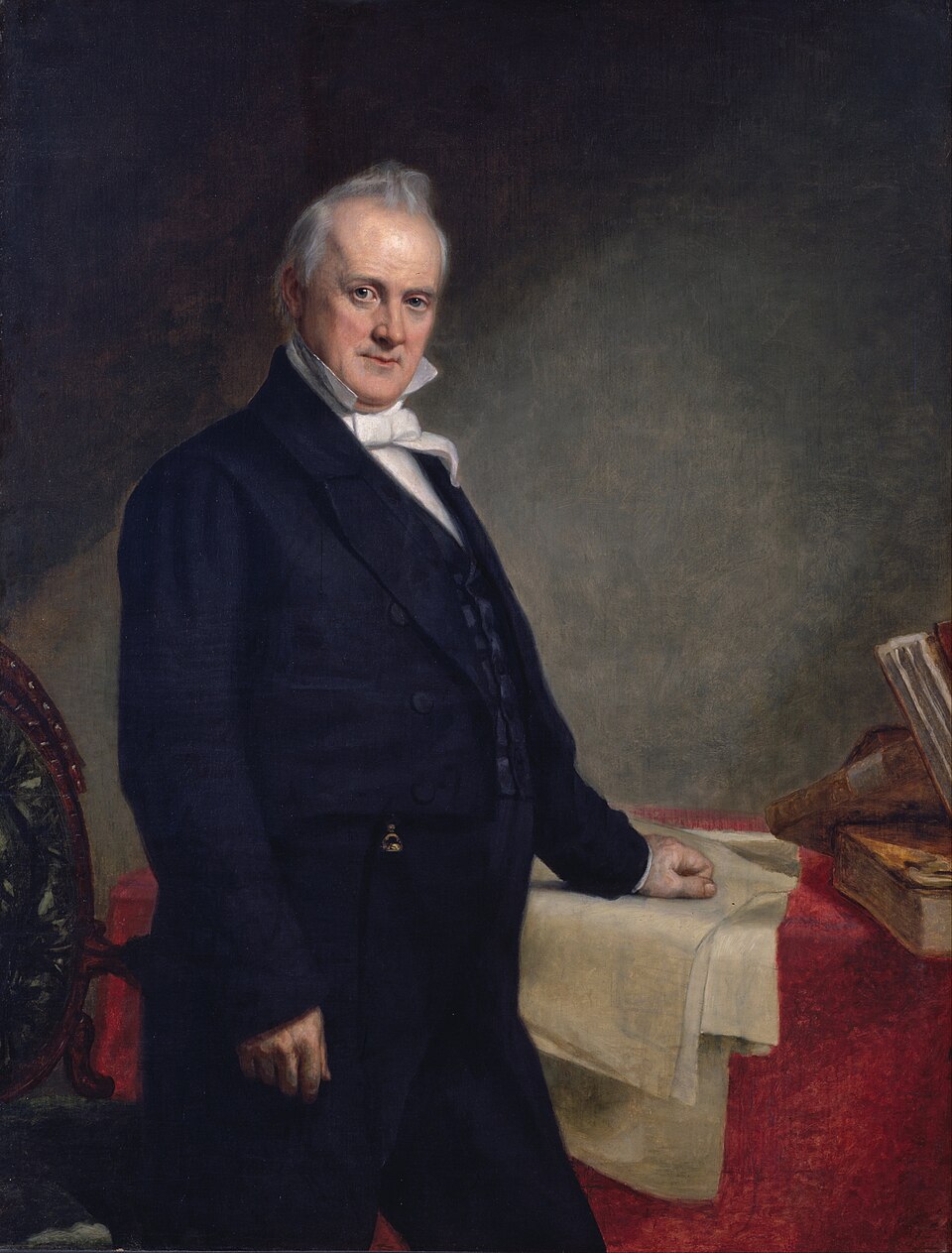
According to prestigious scholars, Andrew Johnson is also firmly ranked among the group of consistently below-average or outright poor leaders [14]. This controversial 19th-century politician faced enormous opposition from disgruntled Republicans, who subjected him to a rigorous impeachment process and nearly stripped him of the highest office [4]. Millard Fillmore, Warren G. Harding, and Herbert Hoover—who failed to manage the economic crisis of 1929—fare no better in several surveys [2].
Richard Nixon, who was forced to resign from office due to a massive national scandal, also contributed to the unflattering assessments of later American history [4]. A surprising point of interest is the equally weak standing of Jimmy Carter, whom expert political panels consistently rank in the embarrassing bottom ten. Experts even rate his overall performance for the nation as worse than the transitional era of the aforementioned Gerald Ford [4].
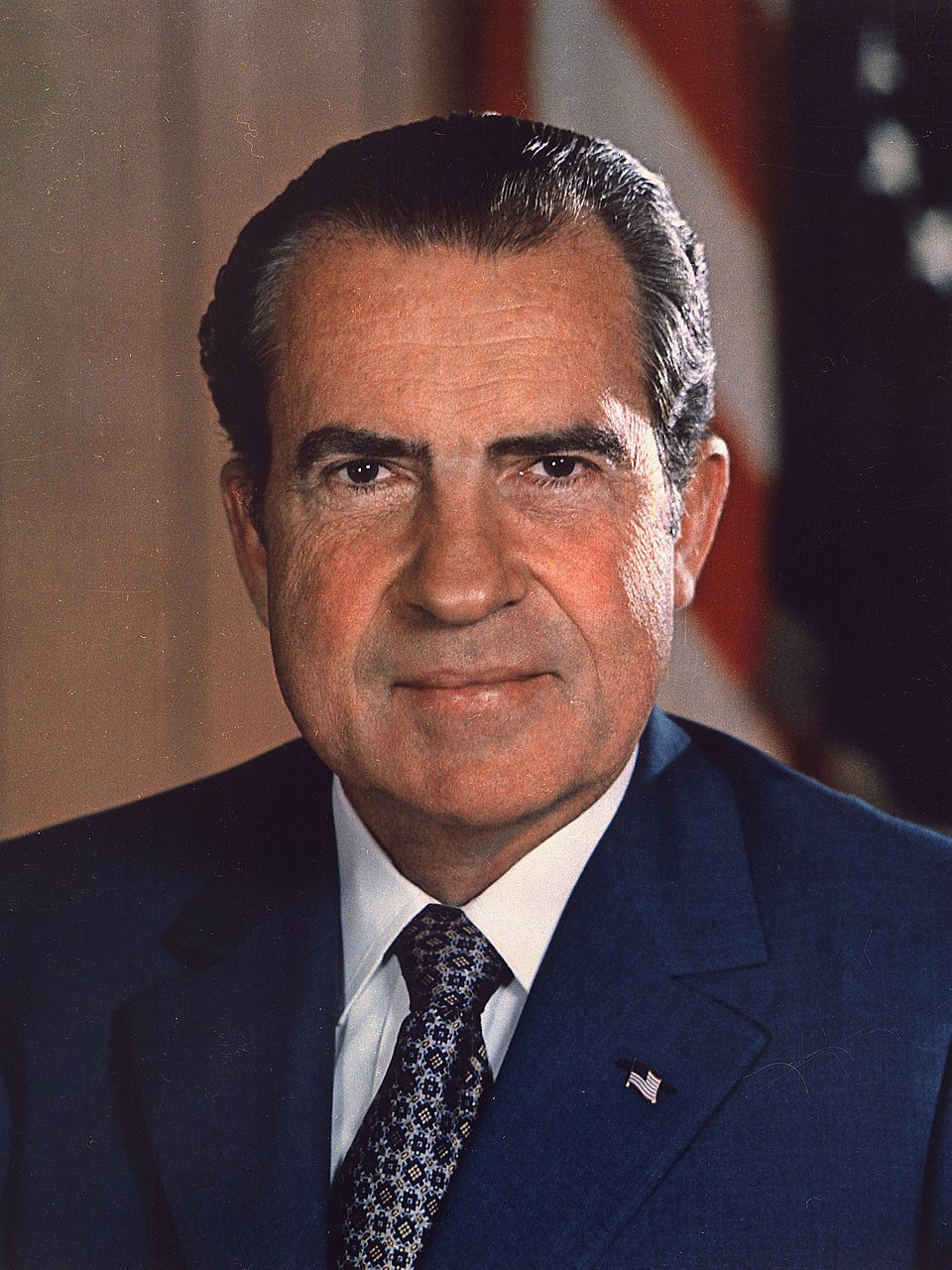
In recent years, the controversial Donald Trump has also shaken up historical polls, plummeting very quickly to the very bottom of these renowned surveys [15]. A second attempt by scholars to objectively evaluate him even ranked him at the very lowest possible position—forty-fifth place [26]. In terms of points, he thus lagged behind even the famous failures of the past and unpopular leaders such as Andrew Johnson and Pierce [26].
This unflattering plunge by Trump to the very bottom of the historical rankings of American leaders was also fully confirmed by a detailed study from 2024. In it, he received a catastrophically low average score of 10.92 out of a possible 100 points, which easily made him the worst-rated leader of all time [19]. A significant paradox, however, is that several experts who identify as Republicans themselves viewed him just as critically and uncompromisingly placed him among the bottom five [19].
Diverse Fates
From extraordinary political records to profound tragedies of power—the fates of U.S. leaders paint an exceptionally varied picture of the development of this major world power. The sad memory of Kennedy’s life—which, due to his assassination, was by far the shortest in the line of presidents (there are only two U.S. presidents not to live past the age of fifty - Kennedy and Garfield, because both were assasinated)—only underscores the extreme unpredictability of this position [25]. It is precisely such life stories and unexpected twists that continue to shape the national perception and assessment of American presidential eras to this day.
On the eve of the 250th anniversary of the adoption of the Declaration of Independence, historical assessments remain an uncompromising mirror of society as a whole. While the legendary Lincoln and the admired Washington continue to bask in the limelight of both academics and the general public, others must accept the unflattering stigma of historical failure [4]. These unforgettable presidential records and colossal governmental blunders will undoubtedly resonate vividly during the upcoming milestone anniversary of America’s oldest head of state.
List of References:
[1] Donald J. Trump Is the Oldest President to Take the Oath, Again - The New York Times https://www.nytimes.com/2025/01/20/us/politics/donald-trump-age-oldest-presidents.html
[2] The 10 Worst U.S. Presidents, Ranked by Historians – The New Dealer https://www.thenewdealer.org/reviews/2025/02/12/top-10-worst-u-s-presidents-ranked-by-historians
[3] We asked them to rank all 41 presidents but excluded the data on James Garfield and William Harrison due to their very brief terms in office.
[4] Rating the Presidents of the United States, 1789–2000: A Survey of Scholars in History, Political Science, and Law https://fedsoc.org/commentary/publications/rating-the-presidents-of-the-united-states-1789-2000-a-survey-of-scholars-in-history-political-science-and-law
[5] List of presidents of the United States by time in office - Wikipedia https://en.wikipedia.org/wiki/List_of_presidents_of_the_United_States_by_time_in_office
[6] 7 US Presidents With the Shortest Stints in the Oval Office | HISTORY https://www.history.com/articles/us-presidents-shortest-terms-oval-office
[7] Ages of U.S. Presidents - AustralianPolitics.com https://australianpolitics.com/usa/president/ages-of-us-presidents
[8] Oldest Presidents: Age at Inauguration or Taking Office https://www.presidentsusa.net/inaugurationage.html
[9] Length of U.S. Presidential Terms, 1789–2026 | Statista https://www.statista.com/statistics/1035607/length-every-us-presidents-term
[10] Close State Races Have Long Been Part of U.S. Presidential Elections | Pew Research Center https://www.pewresearch.org/short-reads/2020/12/04/its-not-just-2020-u-s-presidential-elections-have-long-featured-close-state-races
[11] List of presidents of the United States by time in office | VEEP Wiki | Fandom https://veep.fandom.com/wiki/List_of_presidents_of_the_United_States_by_time_in_office
[12] Age of U.S. Presidents when taking office in 2025 | Statista https://www.statista.com/statistics/1035542/age-incumbent-us-presidents-first-taking-office
[13] The 10 Oldest U.S. Presidents | National News | U.S. News https://www.usnews.com/news/slideshows/the-10-oldest-presidents
[14] "Presidential Historians Survey 2017." C-SPAN Survey of Presidential Leadership. C-SPAN.
[15] American Presidents: Greatest and Worst - Siena Research Institute https://sri.siena.edu/2022/06/22/american-presidents-greatest-and-worst
[16] Rating the Presidents: The Best, Worst, and All the Rest
[17] Maranell-1970-1
[18] 2
[19] Chappell-27
[20] The Best and Worst Presidents of the United States - Hungarian Conservative https://www.hungarianconservative.com/articles/culture_society/best-worst-us-presidents-ranking
[21] https://www.hungarianconservative.com/articles/culture_society/us-election-1876-history/
[22] New Survey of Scholars Finds Lincoln Remains America’s Greatest President https://www.uh.edu/news-events/stories/2024/february/02152024-presidential-greatness-survey.php
[23] The Top Ten: Youngest U.S. Presidents https://www.infoplease.com/us/government/executive-branch/the-top-ten-youngest-us-presidents
[24] The Oldest Presidents in U.S. History, Based on Their Age at the Time of Inauguration https://people.com/oldest-presidents-us-history-biden-trump-reagan-8721055
[25] List of presidents of the United States by age - Wikipedia https://en.wikipedia.org/wiki/List_of_presidents_of_the_United_States_by_age
[26] Trump ranked as worst U.S. president in history, with Biden 14th greatest | Donald Trump | The Guardian https://www.theguardian.com/us-news/2024/feb/20/presidents-ranking-trump-biden-list
[27] in Buffalo, New York (https://guides.loc.gov/chronicling-america-william-mckinley-assassination)