Popes in the Clutches of Secular Power
With a tradition spanning nearly two millennia, the Papacy is the oldest continuously functioning institution in the Western world. Let us now examine how it has dealt with the claims of secular power throughout history.
The Pope from the New World
Today’s newspaper headlines are sometimes filled with reports of political sparring between the Vatican and the leaders of world powers. Recently, we witnessed an unprecedented “war of words” between President Trump’s administration and Pope Leo XIV. During his 11-day tour of Africa, Pope Leo spoke to journalists in frank terms, a tactic new to the papacy. He declared that he is not afraid of the Trump administration and that he will loudly proclaim the message of the Gospel.
Modern popes have never shied away from expressing political views, sometimes going directly against world leaders. However, the current tensions with Washington also have historical precedents. More than a century ago, when mutual suspicion was rampant, Pope Leo XIII condemned a set of heresies that he grouped under the label “Americanism” [1].
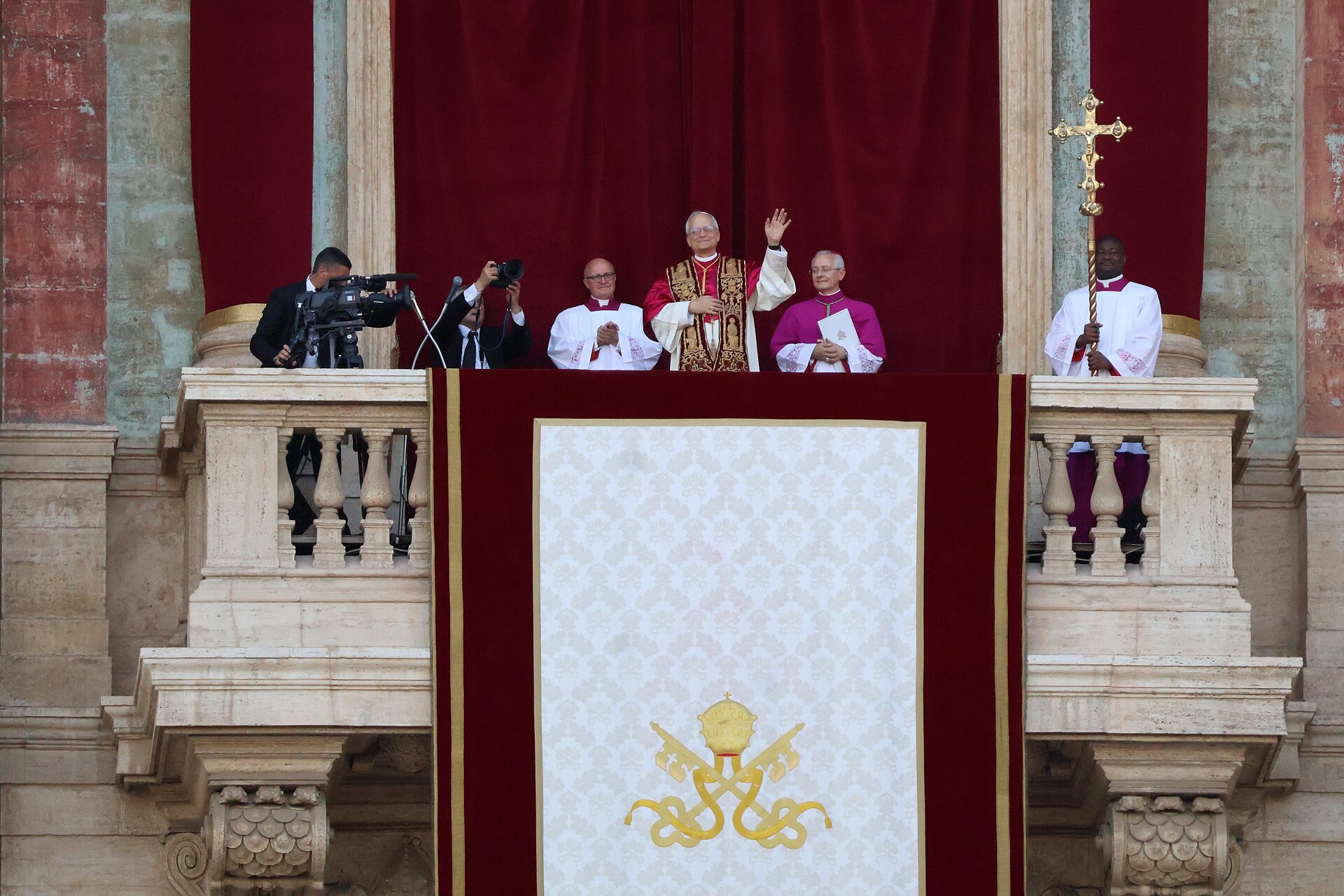
The relationship between popes and secular power has always been a complicated dance of power, influence, defiance, and humility throughout the Church’s two-millennia history. If we look at the history of the Catholic Church, we find that the question of who holds real power—whether the wearer of the tiara (the spiritual leader) or the wearer of the crown (the secular ruler)—has shaped the very foundations of modern civilization. When was the Church free, and when, on the contrary, merely a puppet in the hands of kings?
In the Shadow of Emperors: Obedient Bishops and the Byzantine Papacy
Although today we imagine the pope as a sovereign leader, the early centuries of the Church looked different. From St. Peter himself all the way to Pope Stephen II in 756, every Roman bishop was officially a subject of the (later Eastern) Roman emperor [2]. During this period, which lasted roughly 600 years, secular rulers had the absolute strongest influence over the Church [2].
These early popes were loyal to the rulers; they never taught the people to rebel nor called for the overthrow of the emperors [2]. Emperor Constantine the Great himself, who legalized Christianity in 313, presided over the important Council of Nicaea, thereby blurring the lines between political rule and spiritual authority from the very beginning [3]. It is even claimed that Pope Julius I was essentially appointed by Constantine himself [2]. Later, the situation intensified to such an extent that Emperor Justinian, through his commander Belisarius, deposed Pope Silverius and appointed his own candidate, Vigilius, in his place [2]. Subsequent papal elections had to be confirmed by the Byzantine emperors, leading to an era that historians sometimes unflatteringly refer to as the “Byzantine Papacy” [2].
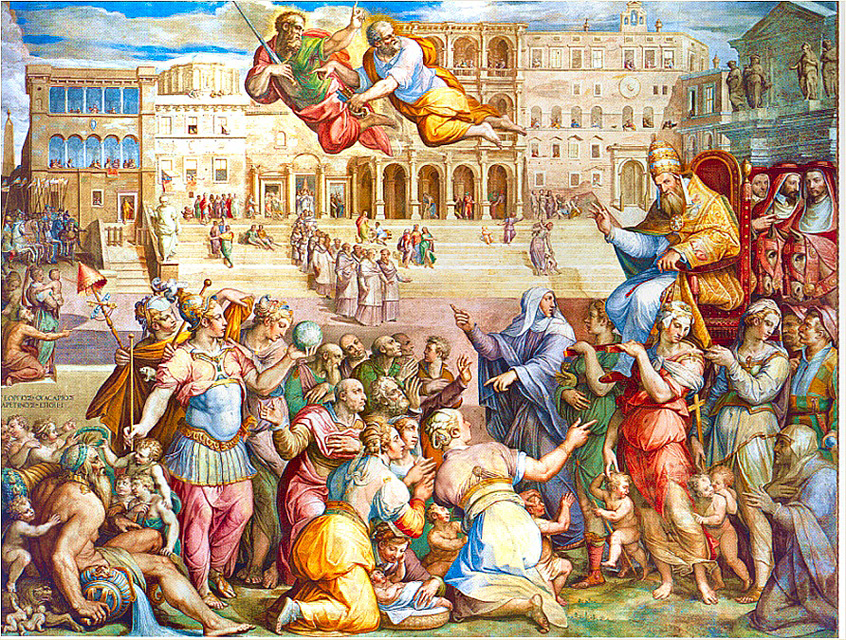
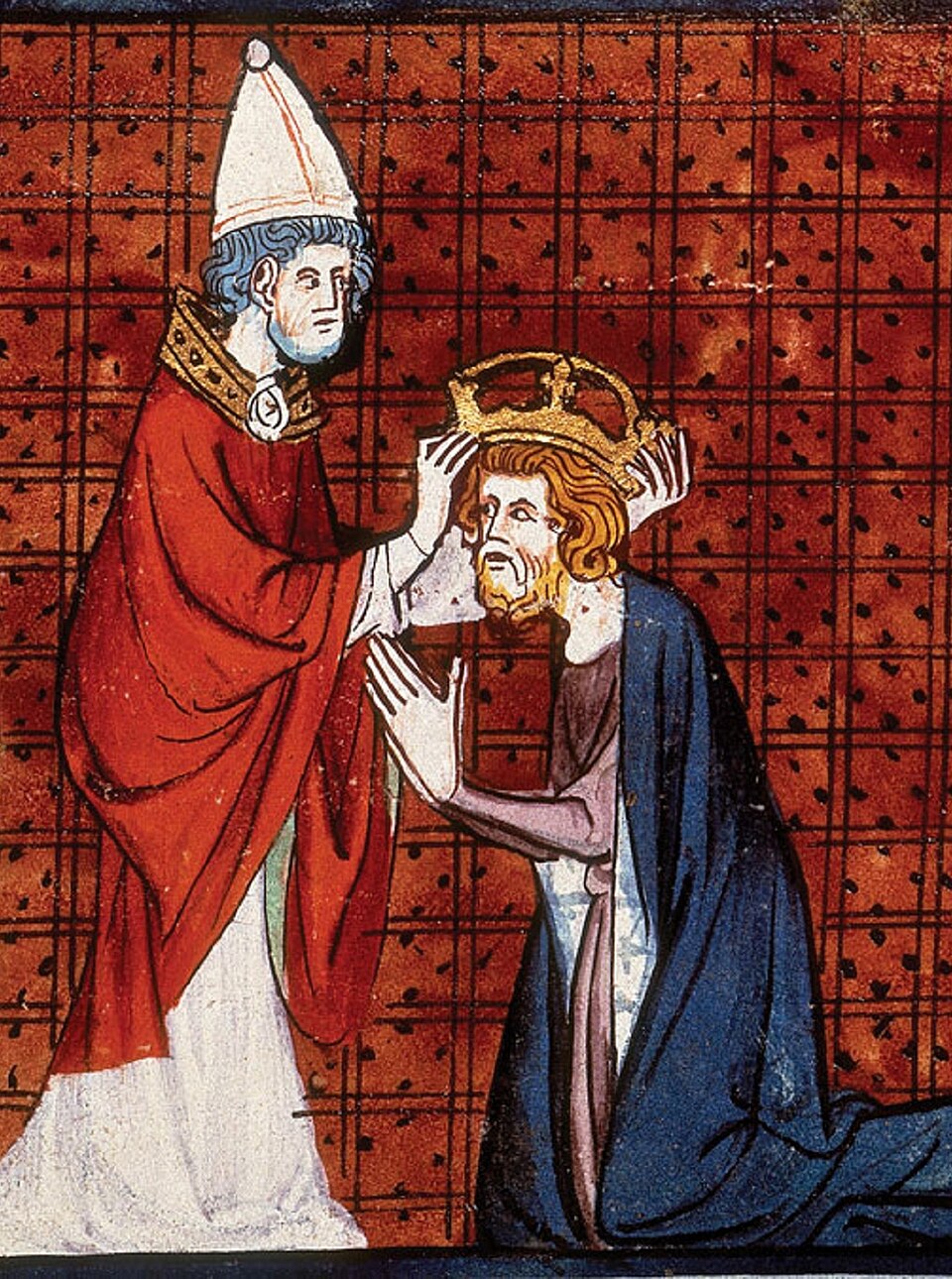
The first stirrings of rebellion did not occur until the 8th century. Pope Gregory II (715–731) mounted an effective resistance; after the outbreak of the Iconoclastic Crisis, he was able to rely on the support of nearly the entire Apennine Peninsula and confront the Byzantines in a conflict that some have called the Italian Revolution [4,5]. His successors, Gregory III and Zacharias, also successfully defended the papacy’s ecclesiastical independence [6]. The papacy finally freed itself from Byzantine influence when political instability and the need for military protection led to an alliance with the Franks. When Pope Leo III was attacked by his Roman opponents, he fled to the court of the Frankish king Charlemagne. Charlemagne returned him to Rome, and in return, Leo III crowned Charlemagne in 800, thereby securing for the pope the role of “maker of emperors” [3].
The Dark Ages and a Pawn in the Hands of German Kings
However, if the Church thought that by allying itself with European kings it had gained freedom, it was deeply mistaken. In the 9th and 10th centuries, political and social ties became privatized, and church institutions (bishoprics and abbeys) fell under the control of local secular authorities [7]. The era of the so-called “proprietary churches” (Eigenkirche) was born, where secular lords, as landowners, appointed their own people to church positions.
The first half of the 10th century went down in Vatican history as the infamous “pornocracy.” The papal throne was occupied by weaklings and scoundrels, while influential Roman families fought for permanent control over it [8]. The German Emperor Otto I intervened forcefully in this moral and political decline. In 963, he convened a synod in Rome and had one of the worst popes in history, John XII, deposed; he was convicted of murder, blasphemy, and fornication [8]. Paradoxically, it was the deposed John XII who had previously made Otto I Emperor of the Holy Roman Empire in exchange for military aid [9]. Otto I and his successors subsequently fully consolidated their power and controlled the papacy; they could depose and appoint popes or prescribe laws to the Church at will [8,10].
This secular influence, in which kings conferred offices upon bishops (so-called lay investiture), reached its peak under Emperor Henry III in the 11th century. He completely subordinated the papacy to his power. In 1046, he ended the dispute between three rival popes by deposing them all and appointing Clement II [10,11]. He selected his next three successors (Damasus II, Leo IX, and Victor II) just as obediently from among loyal German bishops [10]. By 1056, the Holy Roman Empire’s dominance over the Church was absolutely undeniable [10].
Rebellion and the Birth of a New World: The Investiture Controversy
However, every action provokes a reaction. The third of the popes appointed by Henry III—Pope Leo IX—betrayed the emperor, defected to the side of the advocates of an independent papacy, and began fighting for the supremacy of the Church [11]. These reform efforts fully erupted when one of the most rebellious and greatest popes in history ascended to the papal throne: Hildebrand, known as Gregory VII [8,10].
Gregory VII refused to be the emperor’s subordinate. In 1075, he issued the historic decree Dictatus Papae, in which he defined the new papal ideology in 27 points: the pope holds the position of head of the Western Christian Empire, has the exclusive right to appoint bishops, and may even depose secular rulers [10,11,12,13]. The German Emperor Henry IV ignored this decree, whereupon Gregory excommunicated him in 1076 and released his subjects from their oath of allegiance [10,12]. Through this act, the papacy demonstrated to all of Europe that it was capable of subverting and destroying kingdoms [14]. Although Henry IV later took military revenge, occupying Rome, deposing Gregory VII, and installing his own antipope, Clement III [10,15,16], the seeds of change had already been sown.
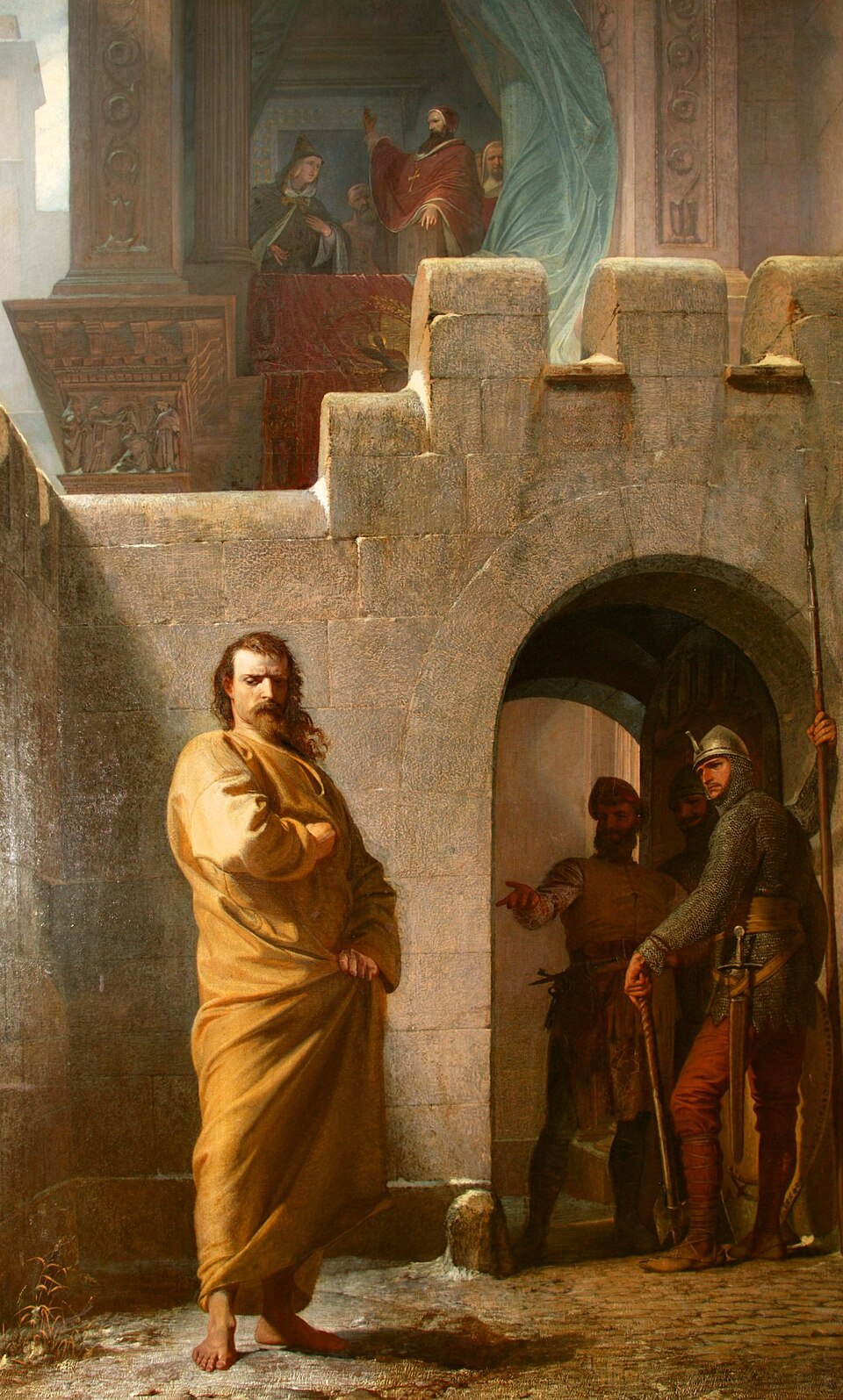
This dramatic conflict went down in history as the Investiture Controversy and transformed the entire society of the time. The war between the cross and the sword continued under Pope Paschal II, whom Emperor Henry V even kidnapped and forced to renounce his rights, but the papal synod later annulled this forced concession [10].
The situation was finally resolved by the Concordat of Worms (1122), signed by Emperor Henry V and Pope Callixtus II [10,17]. The document clearly separated the spiritual and secular spheres. The emperor relinquished the right to confer the ring and crozier (spiritual authority) upon bishops, but he could grant them a sceptre, thereby bestowing temporal possessions upon them [3,17]. This compromise not only limited secular influence over the papacy [10], but, according to historians, set in motion the transformation of medieval society. The Church acquired its own legislation, bureaucracy, and judiciary—it became the first supranational institution in Europe with the characteristics of a modern state [11]. The distinction between secular and spiritual power laid the foundations for the emergence of modern sovereignty and the famous Magna Carta, which subjected kings to the law [3,18].
From the Golden Age to the Fall: Innocent III, Boniface VIII, and the Kings of France
From roughly the 12th and 13th centuries, the balance of power between kings and popes was even, with papal absolutism reaching its zenith [19,20,21]. Pope Innocent III was able to effectively impose his authority on the most powerful rulers—for example, he excommunicated the English King John Lackland and forced him to become a vassal of Rome [22].
But the world began to change again. The rulers of the emerging nation-states did not want to ask the pope for permission. When the humble hermit and politically inexperienced amateur Celestine V ascended the papal throne, the cardinals and influential kings immediately exploited the situation. With the support of King Charles of Naples, they moved the pope to Naples, where Celestine became practically a prisoner of his own pontificate. His naivety and failure allowed France to free itself from the shackles of papal influence [23].
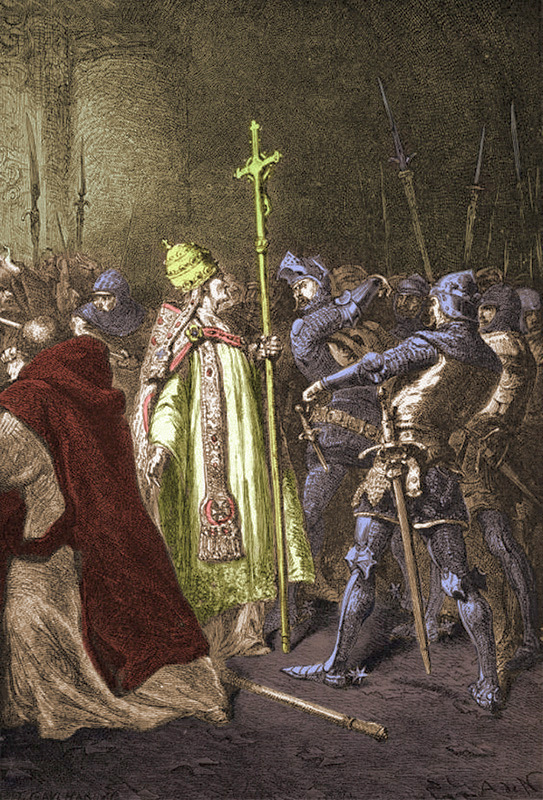
Following Celestine’s resignation, the rebellious and ambitious Boniface VIII took the throne, determined to restore the Church’s glory and place it above all secular powers [23]. He directed his struggle against the French King Philip IV the Fair. When Philip sought to tax the French clergy, Boniface issued the bull Clericis Laicos and threatened automatic excommunication [23,24]. The conflict escalated, and in 1302 Boniface issued the famous bull Unam Sanctam, in which he clearly declared that obedience to the Roman Pope is an indispensable condition for eternal salvation for every person, including monarchs [8,23,24].
King Philip, however, did not yield to the pressure; on the contrary, he organized an attack on the Pope himself and attempted to capture him. A broken Boniface VIII died shortly thereafter [23,25]. His death signaled the defeat of ecclesiastical imperialism. Out of fear of the French, the cardinals yielded and elected Clement V. He was so under Philip’s thumb that he moved the seat of the papacy from Rome to Avignon in France [25]. This marked the beginning of the famous “Avignon Captivity” of the popes (1309–1377), during which the next six popes found themselves under the control of the French crown.
The Avignon popes promoted French power interests and even provided the French king with financial loans for wars [8,25,26]. This period was yet another in which the Church was under the enormous influence of secular power, which ultimately led to the Great Schism, when several popes vied for the position of head of the Church [8,26].
The fate of Martin IV was also interesting; due to a lack of local support, he found himself completely under the control of Charles of Anjou (and also King Charles II of Naples) [25]. It was a period when papal power was rapidly declining.
Declining Influence and Modern Political Diplomacy
Gradually, by the end of the Thirty Years’ War and with the rise of Protestantism, the authority of secular states became dominant [18,19]. During the Reformation, King Henry VIII of England removed the head of the church from the office of the English monarch, while laws strictly punished any interference by the pope [26]. In the 16th century, Holy Roman Emperor Charles V even had Rome sacked [26]. By the 18th century, the decline of the Church’s power was so evident that, under pressure from royal courts, Pope Clement XIV was even forced to officially dissolve the influential Jesuit Order in 1773 [8].
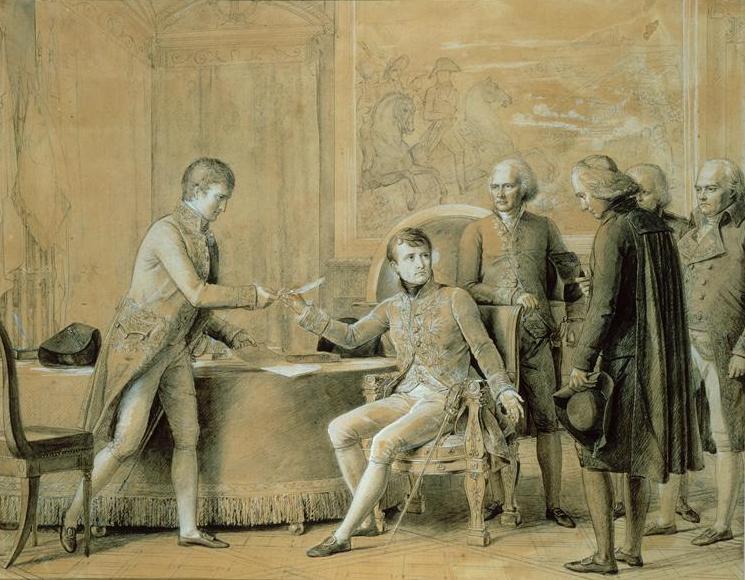
The French Revolution dealt a massive blow to papal authority. Christianity itself was briefly abolished in France, and French armies proclaimed a republic in Rome. Pope Pius VI was taken as a prisoner to France, where he also died [8]. Although the 1801 Concordat with Napoleon Bonaparte later restored some secular power to the pope, when Pope Pius VII attempted to resist, Napoleon simply occupied the Vatican militarily, imprisoned the pope at Fontainebleau, and formally revoked the ancient donations granted to the Church by Charlemagne [8].
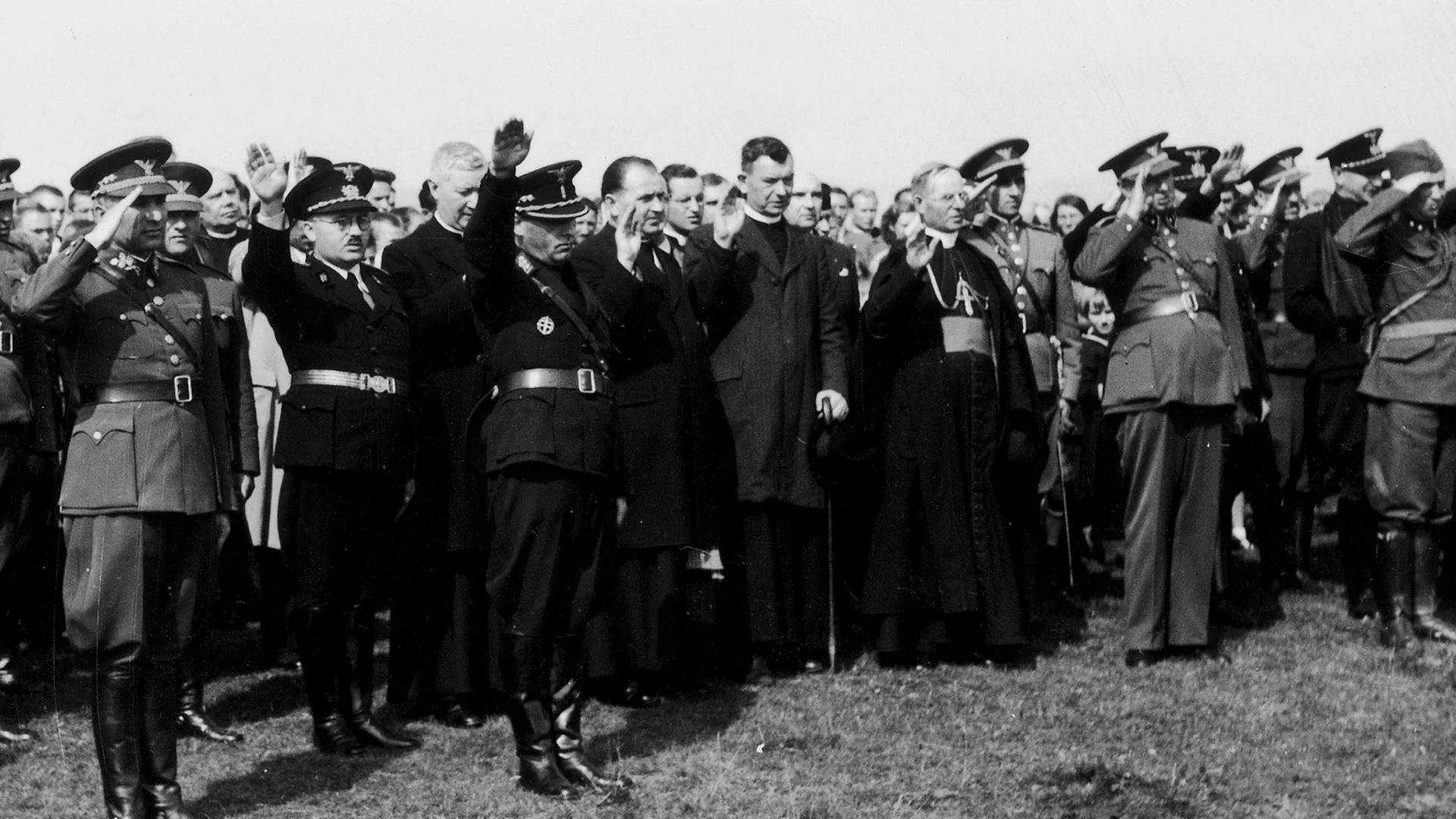
The influence of monarchs on the Church persisted for a very long time—until the 20th century, for example, several Catholic rulers retained the right to veto the election of a papal candidate. This right was exercised for the last time in 1903, when Austrian Emperor Franz Joseph blocked the election of Cardinal Rampolla, leading to the election of Pius X [2].
Global changes forced the popes to change their strategy. Instead of imposing taxes and appointing kings, the pontiffs began to wield their immense moral authority. They did not shy away from open confrontations with secular leaders. In 1965, Pope Paul VI urged U.S. President Lyndon Johnson to end the war in Vietnam.
John Paul II, one of the most significant figures of the 20th century, quietly and persistently supported the Polish opposition, thereby contributing to the fall of the Berlin Wall, and later strongly opposed George W. Bush’s invasion of Iraq and vetoed President Bill Clinton on abortion issues. Pope Francis, who passed away a year ago, also spoke out clearly against Vladimir Putin regarding Syria, called for decisive climate action from world governments, and fearlessly criticized plans to build a wall on the U.S.-Mexico border.
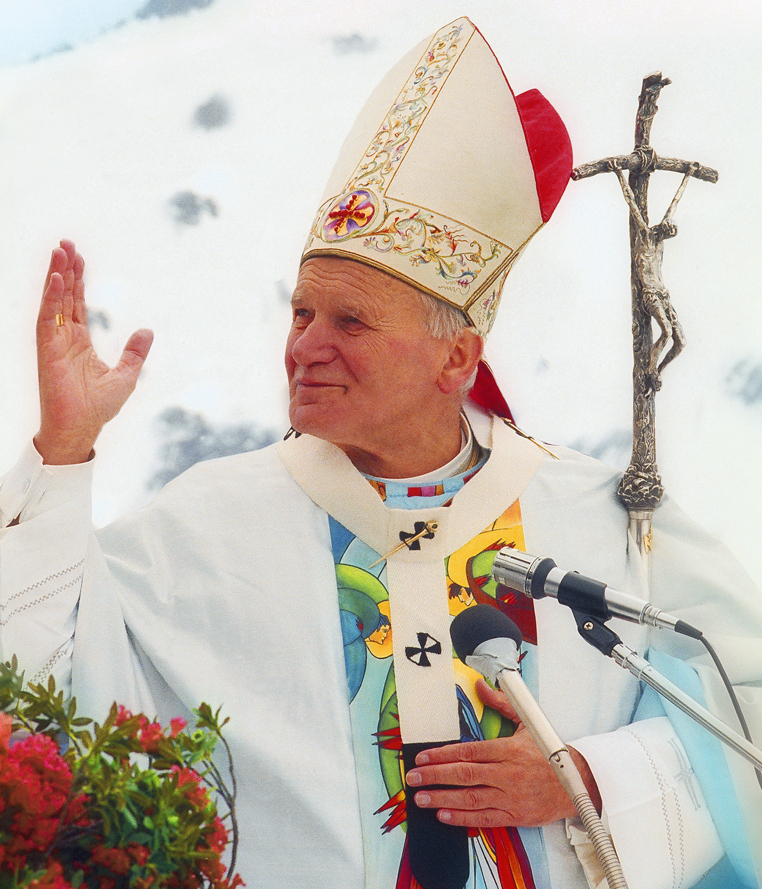
It is a paradox of history that an institution which, for the first centuries of its existence, had to blindly obey Roman emperors—and which medieval and modern rulers often brutally subjugated to their will—today represents one of the few absolutely independent moral voices on the political scene. The disputes between modern popes and the governments of powerful nations are merely a new, more peaceful form of the old struggle over investiture—the struggle over whether the crown of the sword or the tiara of the spirit holds sway over human destiny.
List of References
[1] Pope Leo at year one: The progress of an American pope - America Magazine https://www.americamagazine.org/features/2026/04/16/pope-leo-at-year-one-the-progress-of-an-american-pope/
[2] The Mad Monarchist: The Popes and the Emperors http://madmonarchist.blogspot.com/2018/01/the-popes-and-emperors.html
[3] Trump Takes On The Pope: What Happens When Sacred And Secular Power Collide? https://religionunplugged.com/news/trump-pope-what-happens-when-sacred-and-secular-power-collide
[8] Papacy - Biblical Cyclopedia https://www.biblicalcyclopedia.com/P/papacy.html
[9] #28 Why Was John XII The Worst Pope in History? https://thingsfromthepast.substack.com/p/28-why-was-john-xii-the-worst-pope
[10] Investiture Controversy - World History Encyclopedia https://www.worldhistory.org/Investiture_Controversy/
[11] A Papal Revolt Created Europe’s First Bureaucracy https://letter.palladiummag.com/p/a-papal-revolt-created-europes-first
[13] https://en.wikipedia.org/wiki/Pope_Gregory_VII
[14] The Protestant Solution - American Reformer https://americanreformer.org/2026/01/the-protestant-solution/
[16] https://en.wikipedia.org/wiki/Henry_IV,_Holy_Roman_Emperor
[18] Kenneth Waltz, 1979. Theory of International Politics. Reading, MA: Addison-Wesley.
[19] Bernhard Schimmelpfennig, The Papacy. New York: Columbia University Press, 1992, especially pp. 170-197. See also Kantorowicz, 1957, op. cit.
[20] https://en.wikipedia.org/wiki/Pope_Boniface_VIII
[21] https://en.wikipedia.org/wiki/Pope_Innocent_III
[23] [PDF] The Politics of Boniface VIII during the Thirteenth Century Phillip ... https://cdn.wou.edu/history/files/2015/08/Phillip-Meyers-HST-499.pdf
[24] Boniface VIII, The Man Who Would Be Pope - HeadStuff https://headstuff.org/culture/history/terrible-people-from-history/boniface-viii-the-man-who-would-be-pope/
[25] The absence of the pope allowed the Colonna family to dominate the papal states.
[26] Popes and Princes - Wars of the Roses https://www.warsoftheroses.com/popes-and-princes/