From Trianon to the Tisza: A Century of Hungarian Democracy and the Earthquake in Central Europe
The parliamentary elections held in Hungary on Sunday, April 12, 2026, brought about an event that had seemed impossible until recently. After sixteen years of uninterrupted rule by the national-conservative Fidesz party led by Viktor Orbán, a fundamental political shift took place [1]. Péter Magyar, chairman of the center-right opposition party Tisza, became the new Hungarian prime minister and leader, having secured a constitutional majority in parliament [1,2].
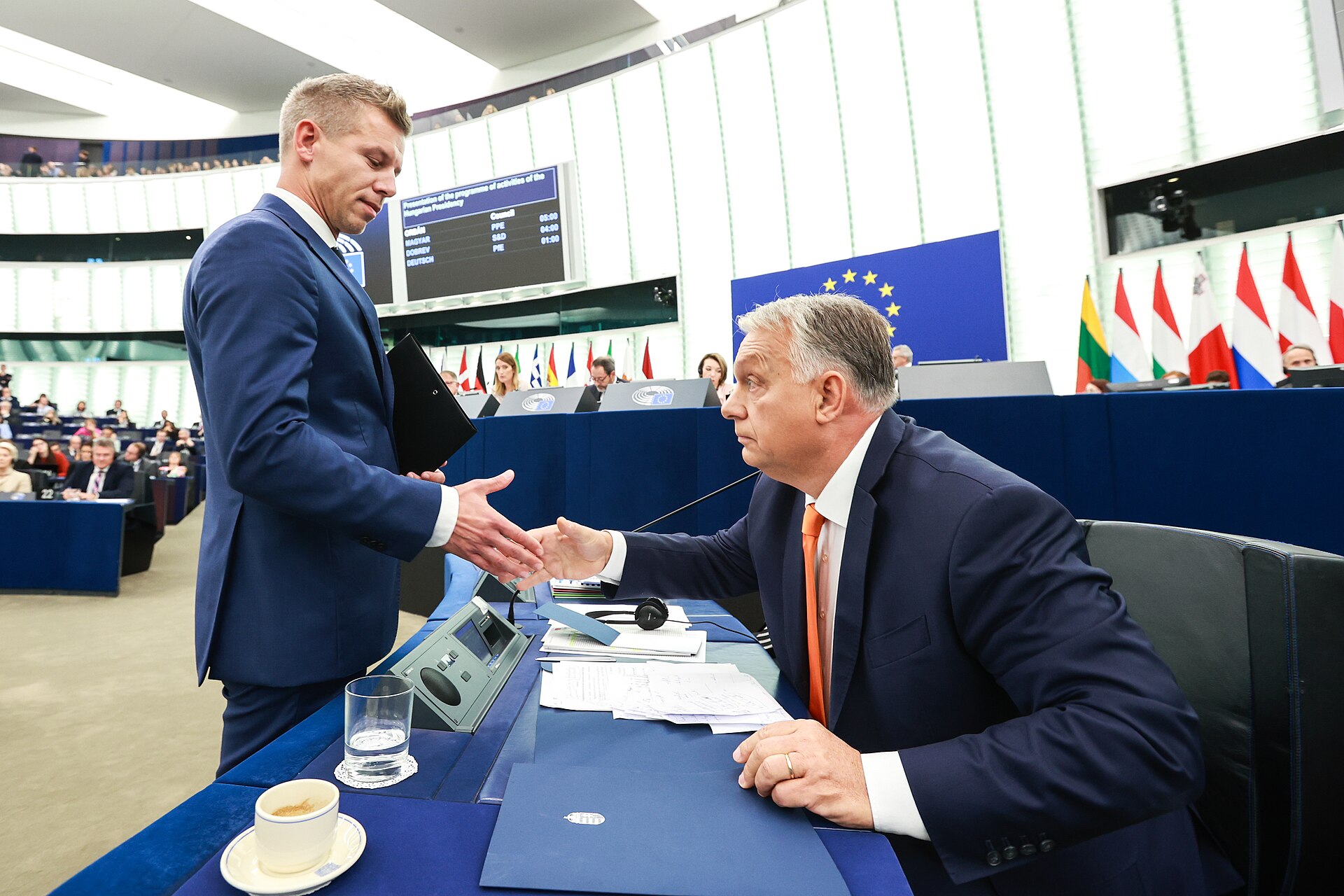
This change, celebrated in the streets of Budapest and in many European capitals, is not merely a routine change of government. It is an event of at least European significance. However, to fully understand its scope, prerequisites, and potential pitfalls, we must examine Hungary’s political development within the broader Central European context since the collapse of Austria-Hungary, explore shared historical wounds with Slovakia, and analyze what this shift means for the geopolitics of our region.
Unrecognized Democracy: Why Did Interwar Hungary Fail?
Following the collapse of the Habsburg Monarchy in October 1918, Hungary underwent a profound domestic political crisis. From the end of World War I until the end of 1919, governments frequently changed, all sharing a single, yet desperate, goal: to defend the now-defunct integrity of Hungary [3]. When the liberal government failed, Béla Kun’s communist regime took power in March 1919. He attempted to restore the old borders at gunpoint under the slogans of the Communist International [3].
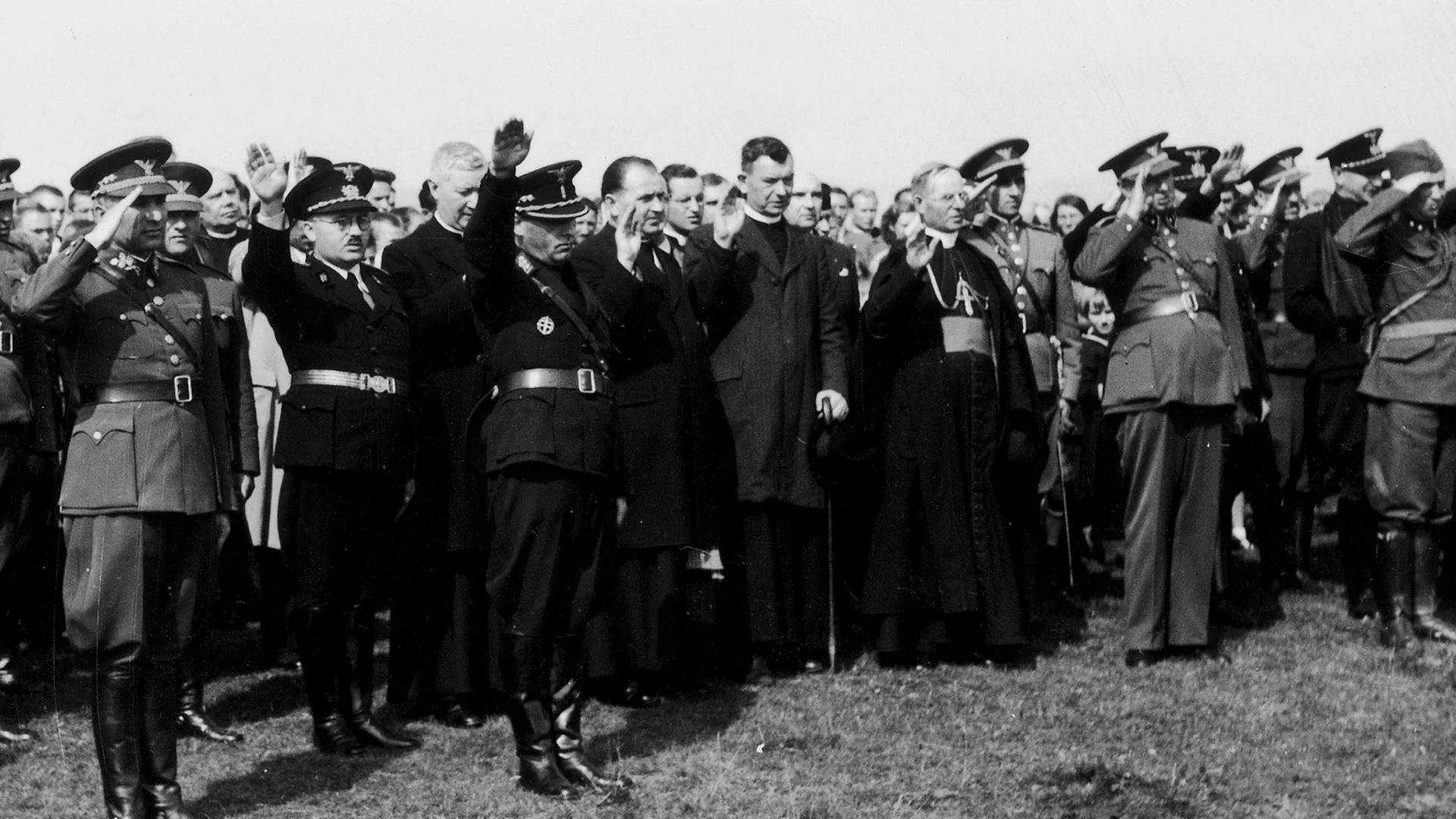
After the fall of this regime, conservative forces led by Admiral Horthy came to power. Here we find the answer to the question of why democracy in interwar Hungary did not function as it did, for example, in the First Czechoslovak Republic. The Hungarian interwar elites were politically closer to Mussolini’s Italy and Hitler’s Germany than to the democratic West [3]. A fundamental difference from Czechoslovakia or Austria was the absence of so-called “Weimar” politics—that is, the willingness to form a government that would, at the cost of compromises, come to terms with the new postwar reality, reconcile with its neighbors, and attempt to build democracy [3].
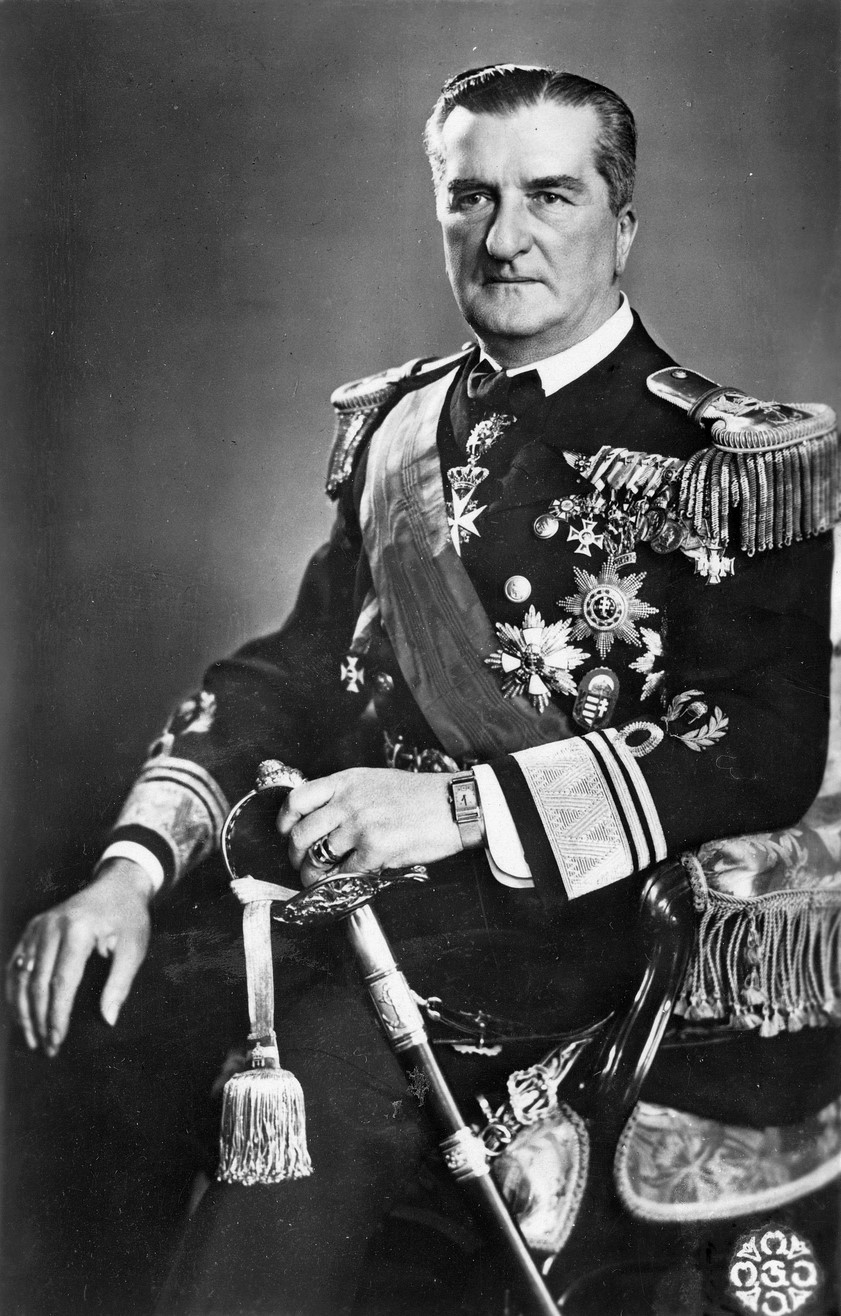
While Austria went to the peace conference having come to terms with the collapse of the monarchy as an irreversible fact and renounced its revisionist territorial claims, Hungary never came to terms with the Treaty of Trianon [3]. The revision of Trianon became the leading and unifying idea of the entire society [3]. While democratic Czechoslovakia managed to build cordial relations with social-democratic Austria, this was not possible with Hungary due to the latter’s efforts to restore pre-war borders [3].
Budapest created a broad irredentist movement from Hungarian minority parties in neighboring states, which became a fifth column in the 1930s and, with Hitler’s help, eventually gained parts of Czechoslovakia and Romania [3,5]. Historical experience shows that populism, xenophobia, and the cult of personality in Central and Eastern Europe have always fueled international adventurism and internal oppression [5].
Differences in Development During the 20th Century
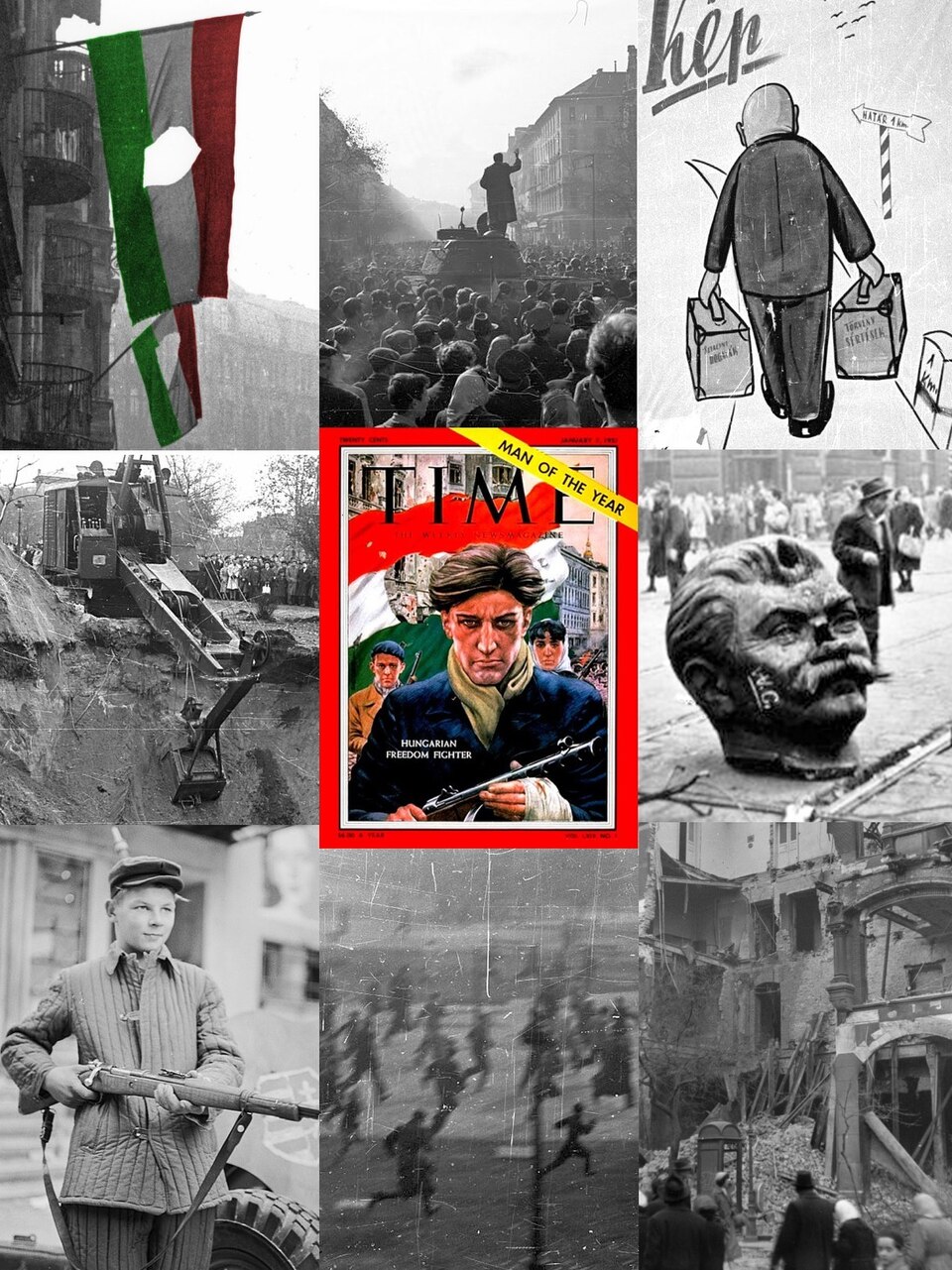
After World War II, Hungary found itself within the Soviet sphere of influence and under a communist regime [3]. The new leaders implemented a policy of forced collectivization and industrialization [5]. During this period, the space for voicing nationalist claims regarding Trianon narrowed in Hungary, and international interests came to the fore [3]. However, the limits of de-Stalinization became painfully apparent in 1956, when the policies of the new Prime Minister, Imre Nagy, escalated into a genuine national and anti-communist revolutionary movement, which was, however, ruthlessly suppressed by the Soviet Army [5].
Another turning point came in 1989. Hungary and Poland represented the clearest cases where communist parties served as agents of regime change through roundtable negotiations [5]. However, while political forces in Poland opted for a gradual opening of the system based on power-sharing, the Hungarian opposition, which had already enjoyed relatively greater freedom as early as 1988, chose an immediate transition to democracy [5]. Differences also emerged in terms of stability: while in Poland there were over 100 registered parties in 1991 and 29 of them were in parliament, in Hungary the government managed to complete its four-year term despite coalition disputes [5].
Common Traits of Slovakia and Hungary: A 900-Year Legacy
Slovakia and Hungary are linked not only by geography but also by centuries spent in the shared Kingdom of Hungary. This coexistence also influenced perceptions of democracy. Even before 1918, the right to vote in Hungary was restricted by property and educational qualifications, with only about 6 percent of the population eligible to vote [6]. When, following the 1901 elections, non-Hungarian ethnic groups demanded universal suffrage, even opposition parties proposed granting it only to those who could read and write in Hungarian [6].
These historical deficits and the subsequent turbulent political and economic periods left their mark. Research shows that countries such as Hungary, Ukraine, Bulgaria, and ultimately Slovakia are socially predisposed to support radicalism, exhibit distrust in political representation, and hold high values for authoritarian political orientations [5].
In modern politics, this affinity manifested itself in the relationship between Viktor Orbán and Robert Fico. As recently as 2006 through 2010, their relations were exceptionally tense. At the time, Fico described Orbán’s party as “Greater Hungarian and chauvinistic,” and Orbán, who was then in the opposition, criticized Fico’s vulgar coalition partner, Ján Slota [6]. However, the initial tension is now a thing of the past.
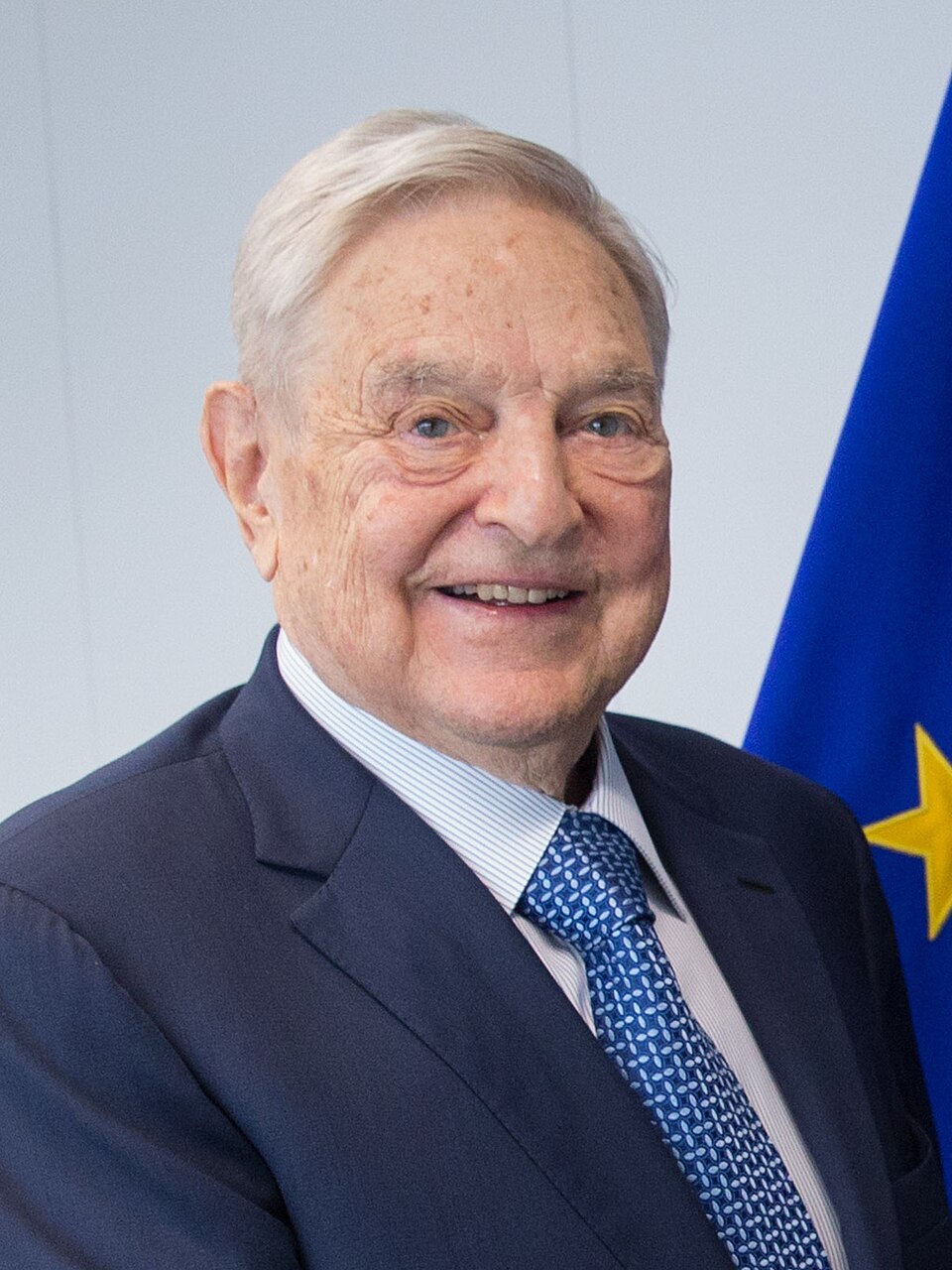
Common ground was found on “nationalist themes,” in the rejection of mass migration, in their stance on the war in Ukraine, and in sharp criticism of the European Union [6,9]. Several Slovak politicians began expressing sympathy for Viktor Orbán’s style of governance, employing similar narratives, such as attacks on political opponents as “Soros agents” [12]. However, both leaders knew that neither Slovakia nor Hungary had an alternative to the EU, and their consensus worked mainly when they jointly found themselves in conflict with Brussels [6].
The Present: Future Scenarios and Forecasts for Hungary
With Péter Magyar’s victory, the political map is changing. Magyar, described as an insider of the system who turned against the government, declared the election an absolute regime change [1]. According to him, the country had until then been run by an “organized criminal group,” and Hungary had been “plundered, robbed, and destroyed” [1]. Magyar promises to restore the rule of law, bring Hungary back among Europe’s democratic states, unlock European funds (around 20 billion euros), and plans to push through a constitutional amendment limiting the prime minister’s term to two terms [1].
But what are the realistic prospects? Experts warn against excessive optimism. Former diplomat Pavol Hamžík notes that the changes will be neither quick nor easy, and that the restoration of institutions will take months [4]. Even more skeptical voices point out that real systemic change cannot be the result of a single election and will not come about before an entire electoral cycle has passed [11].
Fidesz, after all, is not going away. Viktor Orbán is leaving behind a massive institutional “shadow state”—he controls the prosecutor general, the Constitutional Court, the Curia, the State Audit Office, and market oversight, and commands vast economic and media resources [11]. If Magyar fails to secure the constitutional majority needed to repeal the laws passed by Fidesz, she may find herself caught between a difficult economic situation and high public expectations [11]. The greatest risk for Tisza is also its heterogeneous voter base, united only by the desire to remove Orbán. Such a broad coalition could quickly fall apart [11].
In any case, Hungary can expect a change in negotiating style, greater pragmatism, and a more constructive approach to EU negotiations without systematic obstruction [1].
Geopolitical Impact on Central Europe
Domestic political changes in Hungary have caused a veritable earthquake on the international stage [1]. Optimism has taken hold in Brussels over the possible unblocking of a 90-billion-euro loan for Ukraine [1]. European officials remain cautious, however, as Magyar refuses to send weapons to Kyiv and wants to decide on Ukraine’s EU accession via a referendum [1]. While relations with Russia are set to change fundamentally, a radical shift in policy toward Ukraine is not expected immediately [7].
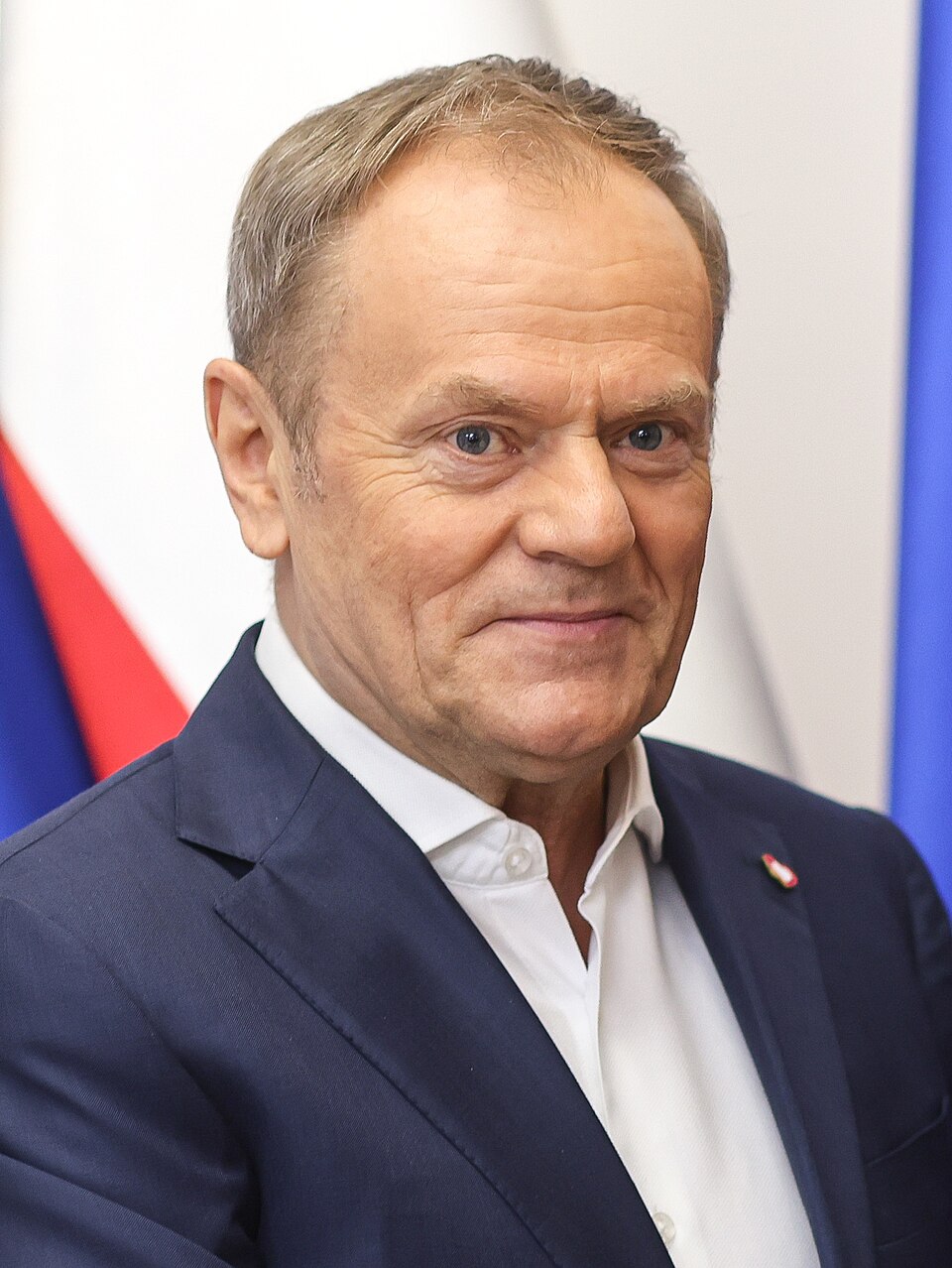
The reactions of neighboring countries speak volumes. Polish Prime Minister Donald Tusk enthusiastically welcomed Magyar with the words: “Back together! A glorious victory, dear friends! Russians, go home!” and Poland is set to be Magyar’s very first foreign stop, followed by Vienna and Brussels [1,2]. Polish officials have openly admitted that the Visegrad Four could not function with someone who had such frequent contact with Moscow [1]. Magyar, on the other hand, wants to strengthen V4 cooperation, merge it with the Slavkov format, and possibly invite Slovenia and Croatia [1].
Western leaders, including Emmanuel Macron and Ursula von der Leyen, are celebrating “Hungary’s return to Europe” [1]. In Serbia, however, analysts view Orbán’s defeat as bad news for the authoritarian President Aleksandar Vučić [1]. Russian state media interpret the result as Western interference and an attempt to remove a politician who defended national interests [1]. Interestingly, because it did not expel diplomats, Budapest recently became a regional hub for Russian intelligence [12], and a fundamental shift in relations with Russia is expected under the new government [7].
How will the change in Hungary affect Slovakia?
In Slovakia, Magyar’s triumph has sparked significant polarization and differing expectations. For the Slovak opposition, this result offers tremendous hope. PS Chairman Michal Šimečka described the result as a clear message that change is possible even against politicians who undermine the rule of law and seek to cement their hold on power. He expressed his conviction that “after Viktor Orbán, Robert Fico will be next in line” and noted that the Slovak government has lost its strongest ally, leaving it completely isolated within the EU with its pro-Russian stance [1,8].
Representatives of SaS and the Democrats party see this as a signal that democratic values and the rejection of corruption can prevail in Slovakia as well [1,13].
On the other side of the political spectrum, caution—even concern—prevails. While Prime Minister Robert Fico expressed respect for the decision of Hungarian citizens, he warned of a possible deterioration in relations [1,10]. Historical issues could become a stumbling block. Péter Magyar stated that although he is interested in the best possible relations, “it is unacceptable for citizens of Hungarian origin to have their land taken away, for distinctions to be made between Slovak citizens, and for those who dare to criticize the Beneš Decrees to face imprisonment” [1]. Fico responded with a warning that if the new government begins to raise this issue in practice, we are entering “thin ice” [10]. The SNS reacted similarly, declaring that if Magyar raises issues of historical grievances, it will lead the fight against the deterioration of bilateral relations [1].
Parliamentary Vice-Speaker Tibor Gašpar (Smer-SD) labeled Magyar a pro-Brussels politician for whom Slovakia is still “Felvidék” [10]. MEP Branislav Ondruš (Hlas-SD), on the other hand, dampens Brussels’ enthusiasm by arguing that Magyar’s victory is more a rejection of Hungary’s oligarchization than necessarily uncritical support for the European Commission’s liberal policies [2]. MEP Katarína Roth Neveďalová (Smer-SD) does not believe that Magyar, as a nationalist, will “blindly obey Brussels” [2].
What is certain, however, is that the shift in the political paradigm in Budapest is radically redrawing the map of Central Europe. Although Robert Fico has declared the Slovak government’s unchanging goals—an above-standard status for minorities, the revitalization of the V4, the protection of energy interests, and the resumption of operations of the Druzhba pipeline [1]—the loss of Viktor Orbán is shifting the balance of power.
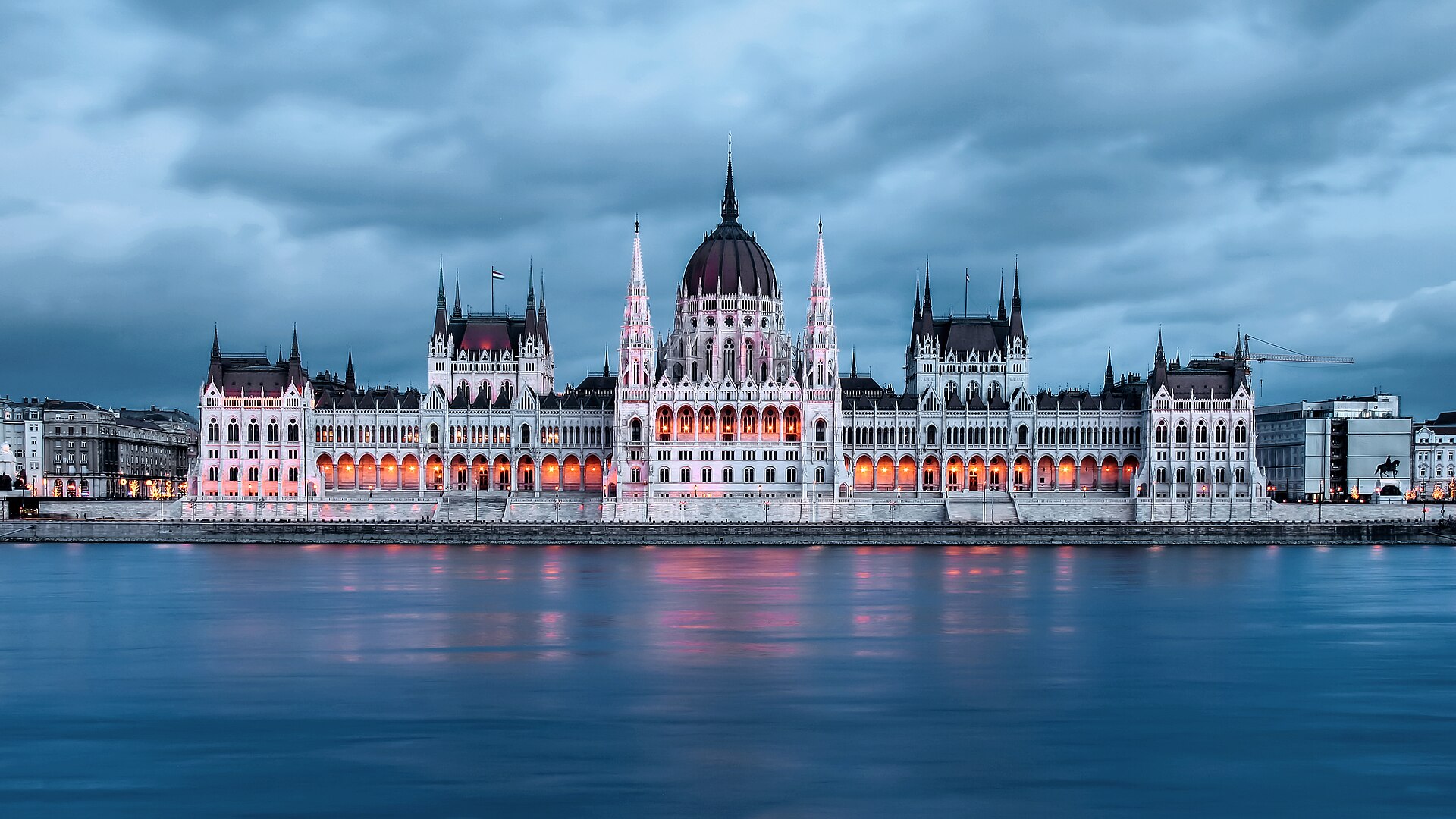
Today, as Hungarian voters have shown that even a seemingly invincible system can be changed, Central Europe stands at a crossroads [1]. Whether Péter Magyar will actually succeed in dismantling Orbán’s institutional state, or whether Fidesz will successfully torpedo the new government from the opposition, will only become clear in the coming months and years [11]. However, the outcome of this political experiment will be watched with bated breath by all of Europe, and especially by Slovakia.
List of References
[1] Magyar called on the president to step down; he rejects Ukraine’s rapid accession to the EU. The Kremlin will not congratulate him on his victory | ta3 https://www.ta3.com/clanok/1043903/oslobodili-sme-madarsko-vyhlasil-magyar-v-uliciach-budapesti-sa-historicka-zmena-moci-v-noci-oslavovala
[2] Slovak MEPs react to the results of the Hungarian elections https://www.aktuality.sk/clanok/7UgzBKm/slovenski-europoslanci-sa-ostro-rozdelili-magyarov-triumf-v-madarsku-moze-oslabit-fica-v-bruseli/
[3] Trianon: Illusions and Reality http://www.gymfilakovo.sk/subjects/dejepis/_private/zmluvy/Studia_o_Trianonskej_mierovej_zmluve.htm
[4] Hamžík on the Hungarian elections: The situation had matured, and people felt that change was necessary https://www.noviny.sk/politika/1194072-hamzik-o-madarskych-volbach-situacia-dozrela-a-ludia-citili-ze-je-potrebna-zmena
[5] [PDF] BARRIERS AND PARADOXES OF DEMOCRACY https://vsers.cz/wp-content/uploads/2017/03/Bariery-a-paradoxy-demokracie.pdf
[6] KERN, M. - MORVAY, P. 2014. Fico and Orbán: From a Battle of Prime Ministers to a Brotherhood. [online]. In: SME, April 7, 2014. [cited April 13, 2014]. Available online: http://www.sme.sk/c/7163126/fico-a-orban-z-bitky-premierov-je-bratstvo.html.
[7] What caused Orbán to lose the election? Magyar exploited the system’s weaknesses because he knew it from the inside (interview) https://hnonline.sk/tv/relacie/doslova/96275367-co-orbanovi-prehralo-volby-magyar-vyuzil-slabiny-systemu-lebo-ho-poznal-zvnutra-rozhovor
[8] Šimečka: Fico’s government will be isolated in the EU with its pro-Russian stance https://www.noviny.sk/politika/1194117-simecka-vlada-fica-bude-v-eu-osamotena-so-svojimi-proruskymi-postojmi
[9] Elections in Hungary: A clash between two strong leaders – an overview of the parties https://www.teraz.sk/najnovsie/volby-v-madarsku-suboj-dvoch-vyrazn/954201-clanok.html
[10] Fico warns against a change of government in Hungary https://www.topky.sk/cl/10/9355709/Fico-varuje-pred-zmenou-vlady-v-Madarsku--Vitazstvo-opozicie-moze-zhorsit-vztahy-so-Slovenskom
[11] Ahead of the Hungarian elections | Why Orbán’s shadow state may survive even if he is in opposition | Postoj https://www.postoj.sk/188324/orbanov-tienovy-stat-moze-prezit-aj-ked-bude-v-opozicii
[12] Orbán’s government would like to influence events in Slovakia at the national level as well, says a Hungarian investigative journalist https://dennikn.sk/3703804/orbanova-vlada-by-rada-ovplyvnila-dianie-na-slovensku-aj-na-celostatnej-urovni-vravi-madarsky-investigativny-novinar/
[13] The Democrats congratulate the citizens of Hungary on their courage to embrace change. At the same time, they call on the government and the president not to agree to an increase in Putin’s “diplomats” in Slovakia https://www.smedemokrati.sk/democrats-congratulate-hungarian-citizens-on-their-courage-to-change-while-calling-on-the-government-and-president-not-to-agree-to-an-increase-in-putin’s-diplomats-in-slovakia/