A Sleeping Volcano? The Rise and Fall of the German Far Right in the Past
The current rise of the far-right, anti-immigration party Alternative for Germany (AfD), which is riding a wave of populism across Europe’s largest economy, is causing deep concern among many Germans and observers around the world [1]. These concerns stem from the historical memory of a nation that has endured the darkest chapter of modern history, yet strives to critically examine its past and learn from it [2,3].
German history offers us important lessons, as Germany is regarded as a model for its ability to critically examine and learn from its own past [1,2]. In seeking answers to the question of why some marginal far-right parties have achieved absolute triumph in the past, while others have remained on the fringes of the political spectrum, it is important to examine their origins and activities and analyze the triggers of their successes and downfalls [1,2,3,4].
These were shaped against the backdrop of various phenomena such as economic crises, social tensions, political instability, migration flows, and declining trust in institutions.
The Roots of Extremism: The Weimar Republic and the Rise of the NSDAP
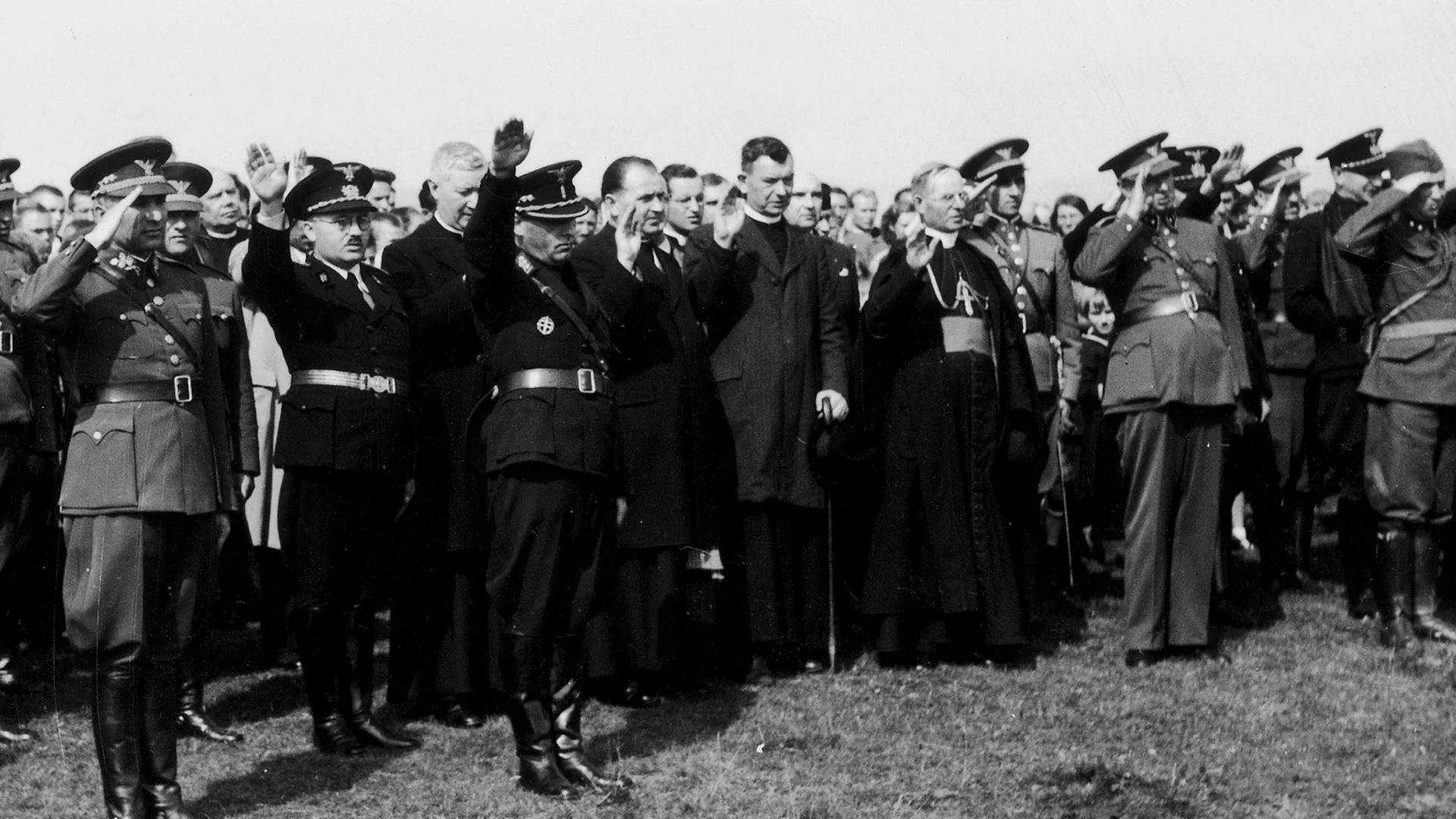
The interwar period was characterized by enormous social and economic problems stemming from the end of World War I [5]. The humiliation and resentment felt by the German government and people as a result of the Treaty of Versailles, the constitutional and political weaknesses of the Weimar Republic, and the catastrophic state of the German economy are generally cited as the three main reasons for the success of Adolf Hitler and the Nazi Party (NSDAP) in 1933 [2].
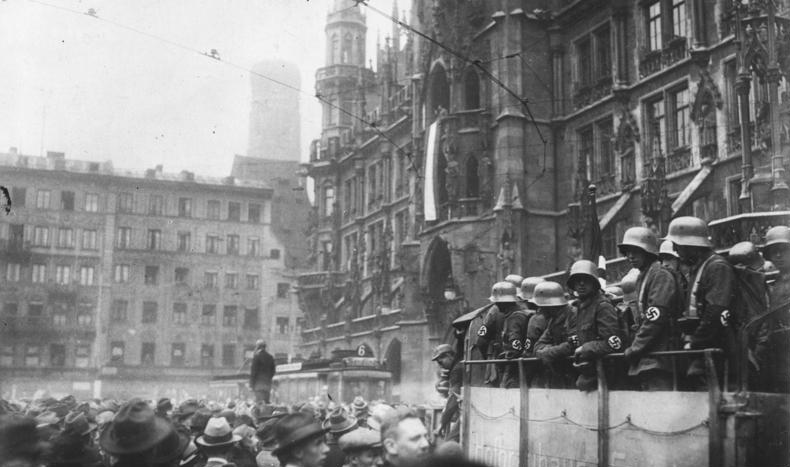
However, the “seeds” of economic and social decline could not have sprouted had they not been properly “fertilized” by the instability of the Weimar Republic [2]. The Weimar Constitution contained fundamental flaws. The adoption of a proportional representation electoral system led to the entry of small anti-establishment parties into parliament and made it impossible to form a parliamentary majority [2,6]. In such an environment, parties like the Nazis were able to promote their agenda [6].
The economic nightmare that began with hyperinflation in 1923 robbed the middle class of their life savings and sense of identity [2]. The real turning point, however, came after 1929 with the global economic crisis. Germany was unable to repay its war debts, and millions of people lost their jobs. The country found itself in a political crisis, and the collapse of government cabinets was “the order of the day” [7].
The severity of the economic downturn caused by the Great Depression is considered one of the main factors that contributed to political extremism in the 1930s [7]. Deliberate political decisions also contributed to radicalization, such as the strict austerity measures introduced by Chancellor Heinrich Brüning. He governed without a parliamentary majority and earned the nickname “Chancellor of Hunger” for his cuts [7].
The NSDAP changed its strategy after a poor election result in 1928, when it received only 0.8 million votes. It ceased advocating the violent overthrow of democracy and focused on legal means [7]. This move made it more appealing to middle- and upper-class voters and helped it establish ties with the business elite [7].
The Nazis also skillfully collaborated with the nationalist politician and media baron Alfred Hugenberg and the German National People’s Party (DNVP) in a referendum against the Young Plan, which helped them achieve their first electoral breakthrough (18.3% in 1930) [7].
The NSDAP’s popularity also grew thanks to the middle class’s conviction that only they could stop the Communist Party (KPD) [7]. Desperate Germans, demoralized by the crisis, saw in Hitler’s calls to restore the nation’s glory a “ray of hope” [2]. Although the NSDAP did not win an absolute majority, on January 30, 1933, President Paul von Hindenburg, under pressure from conservatives who believed they could control Hitler, appointed the Nazi leader as Reich Chancellor [7,8].
The Nazis subsequently eroded democracy step by step. Hermann Göring gained control of the police in Prussia, and after the Reichstag fire, democratic freedoms were definitively destroyed [7].
Postwar Marginalization: Why Did the Traditional Far Right Fail?
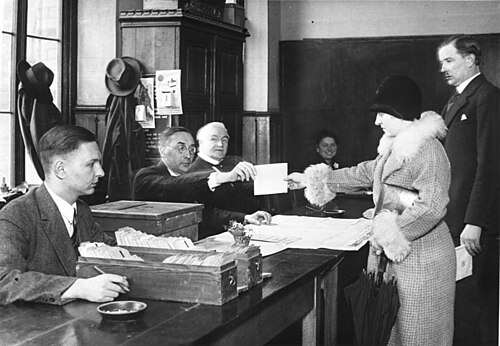
After World War II, Germany’s political landscape changed fundamentally, leading to the delegitimization and marginalization of everything associated with Nazism and fascism [1,9,10]. While the far right was electorally strong in many other EU countries, in postwar West Germany it remained marginal until 2017 and was unable to cross the 5% threshold required to enter parliament [1].
This failure was the result of the delegitimization, stigmatization, and subsequent marginalization of everything associated with Nazism or fascism after the war [9]. In the 1950s, right-wing parties were unable to lure voters away from the moderate government that was behind the German economic miracle (Wirtschaftswunder) [1,11]. Moreover, Germany safeguarded itself with constitutional measures.
The so-called 5% rule helped exclude subversive parties from the mainstream political arena [10]. The ban on overtly anti-system and racist parties was another tool the government used to keep the far right in check [2].
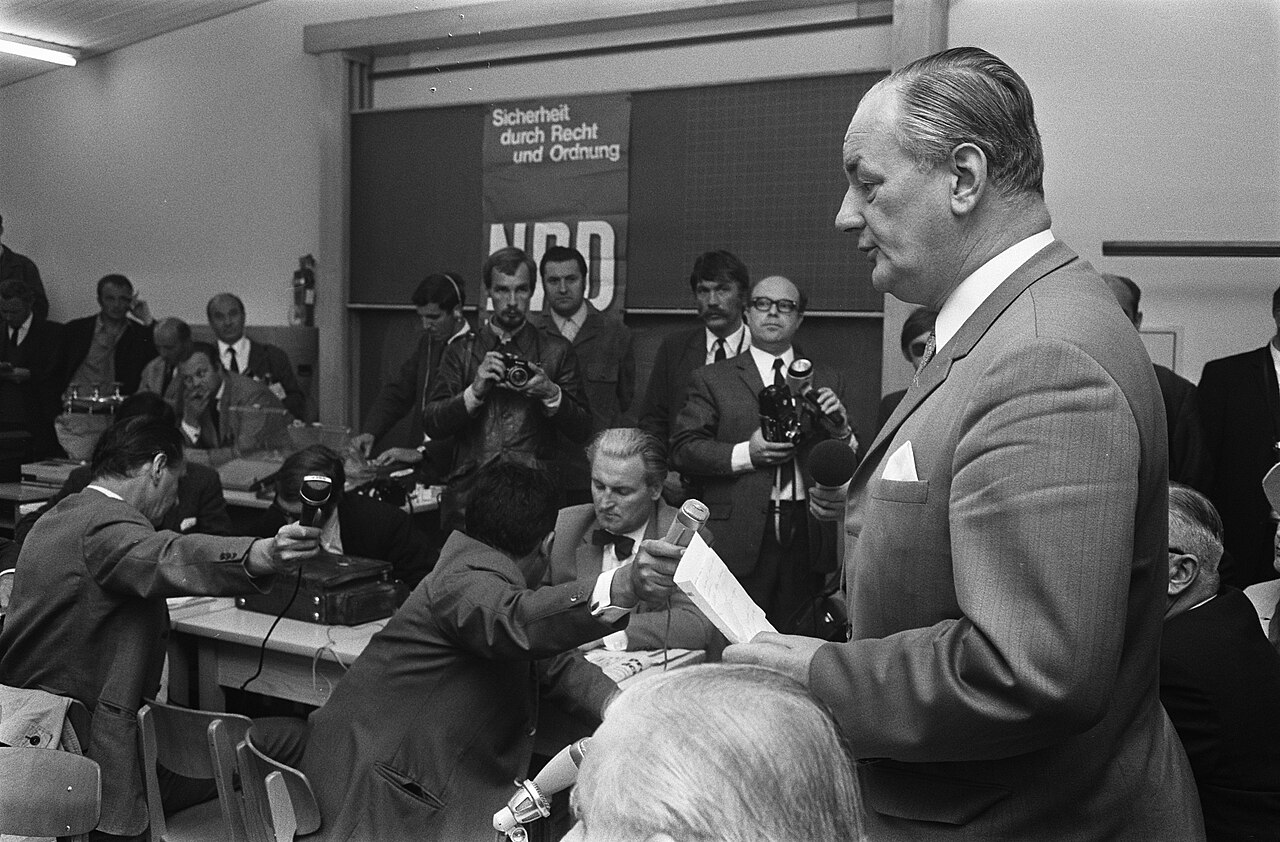
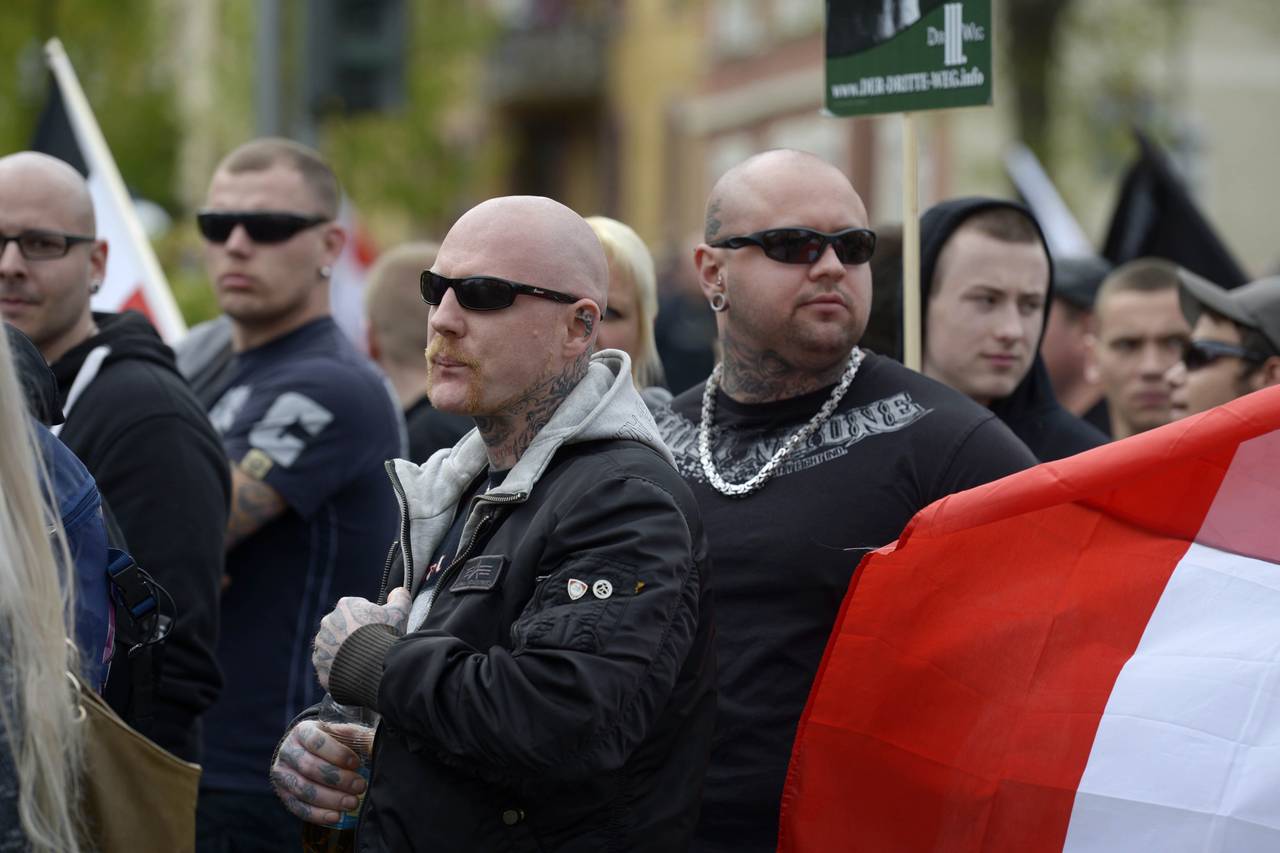
The main representative of this marginal current was the National Democratic Party of Germany (NPD), which never shed its extremist stigma, particularly due to its representatives’ glorification of the Third Reich [9]. Under leaders such as Martin Mussgnug (1971–1991), the party’s role in German politics was negligible [12]. Later, under the leadership of Günter Decker and Udo Voigt, the party sought to forge closer ties with the neo-Nazi subculture [12]. Voigt even called Hitler a “great German statesman” and nominated Rudolf Hess for the Nobel Peace Prize [9].
The party openly promoted racist, anti-Semitic, and xenophobic ideas. Another prominent figure, Udo Pastörs, called Germany a “Jewish republic” (Judenrepublik) and described Turks as “seed cannons” [12]. The NPD attacked the German national soccer team, blamed globalization for exploitation, and promoted an ethnically homogeneous German “Volk” [9,12].
Despite partial successes in some state parliaments and municipal councils, the NPD remained insignificant at the national level [11,12]. In 2017, the German Constitutional Court ruled that although the NPD advocates a racist definition of the people incompatible with liberal democracy, it has no chance of overthrowing the democratic order and was therefore not banned—it was simply too small and electorally insignificant [1]. At the same time, traditional parties such as the CDU/CSU or SPD would never risk their positions by cooperating with such radical entities [10].
The Modern Era and the Rise of the AfD: The New Face of Populism
While the NPD remained electorally insignificant and too small to influence legislation [1], a new phenomenon emerged on the German political scene in the form of Alternative for Germany (AfD), founded in 2013 [13]. Originally, the AfD was a party critical of the European Union, led by Bernd Lucke and supported by some educated, high-income citizens [13,14].
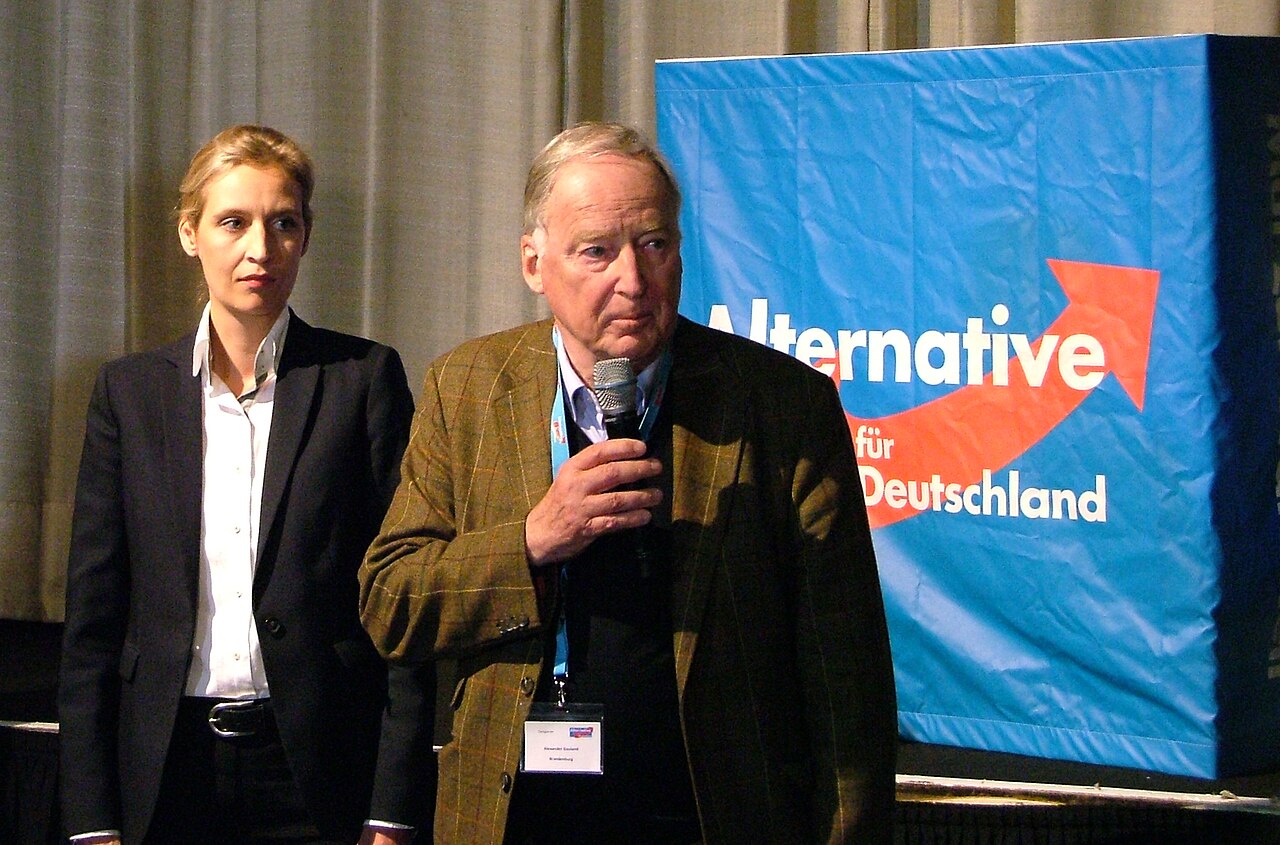
However, with the onset of several crises, the party gradually became more radical. In 2015, Frauke Petry took control of the party, setting the AfD on a course of nationalist populism [9,13]. Later, figures such as Alice Weidel and Alexander Gauland came to the fore [14,15]. Alice Weidel, although she has a very atypical profile for the far right, leads a tightly controlled campaign that capitalizes on the extreme polarization of the debate on migration [15].
The key turning point and catalyst for the AfD’s massive success was the so-called refugee crisis of 2015–2016, when more than one million asylum seekers arrived in Germany [1,15,16]. The AfD transformed itself into a virulent anti-immigration party that capitalizes on xenophobic and populist resentments [9,15]. More than 40 percent (and as many as 57 percent among AfD voters) of people cited immigration as the political issue that determined their vote [17].
In addition to migration, economic uncertainty and social decline play a crucial role. The German economy faces recession, deindustrialization, rising energy prices, and Chinese competition, which has hit the working class particularly hard [1,16,18]. While working-class AfD voters do not credit the party with economic expertise, they prioritize the fight against asylum seekers and crime [18]. The AfD masterfully links issues such as affordable housing and prosperity to migration and portrays immigrants as a threat to the German standard of living [18].
According to research, two main hypotheses underpin the AfD’s success: feelings of economic insecurity (fear of job loss and social decline) and a perceived cultural threat (the so-called “cultural backlash”) [19]. Surveys show that the AfD is voted for by people from regions with lower population density, higher unemployment, and lower levels of education [17,20].
People feel socially marginalized and that cultural elites no longer value their opinions [21]. This “fear of being undervalued” or “status anxiety” strongly influences the intention to vote for the AfD even among economically secure segments of the population [21,22].
At the same time, we are witnessing a collapse of trust in traditional institutions. As many as 71% of respondents in one survey agreed that the Social Democrats (SPD) no longer clearly stand on the side of the working class [18]. In its rhetoric, the AfD attacks the established parties (the so-called “Altparteien”), the system, and the public media, using terms that were already employed by the National Socialists [9]. The party promises citizens that the elites are out of touch with reality, and rhetoric such as “those in power have no idea what your real life is like, but we do” resonates strongly with voters [18].
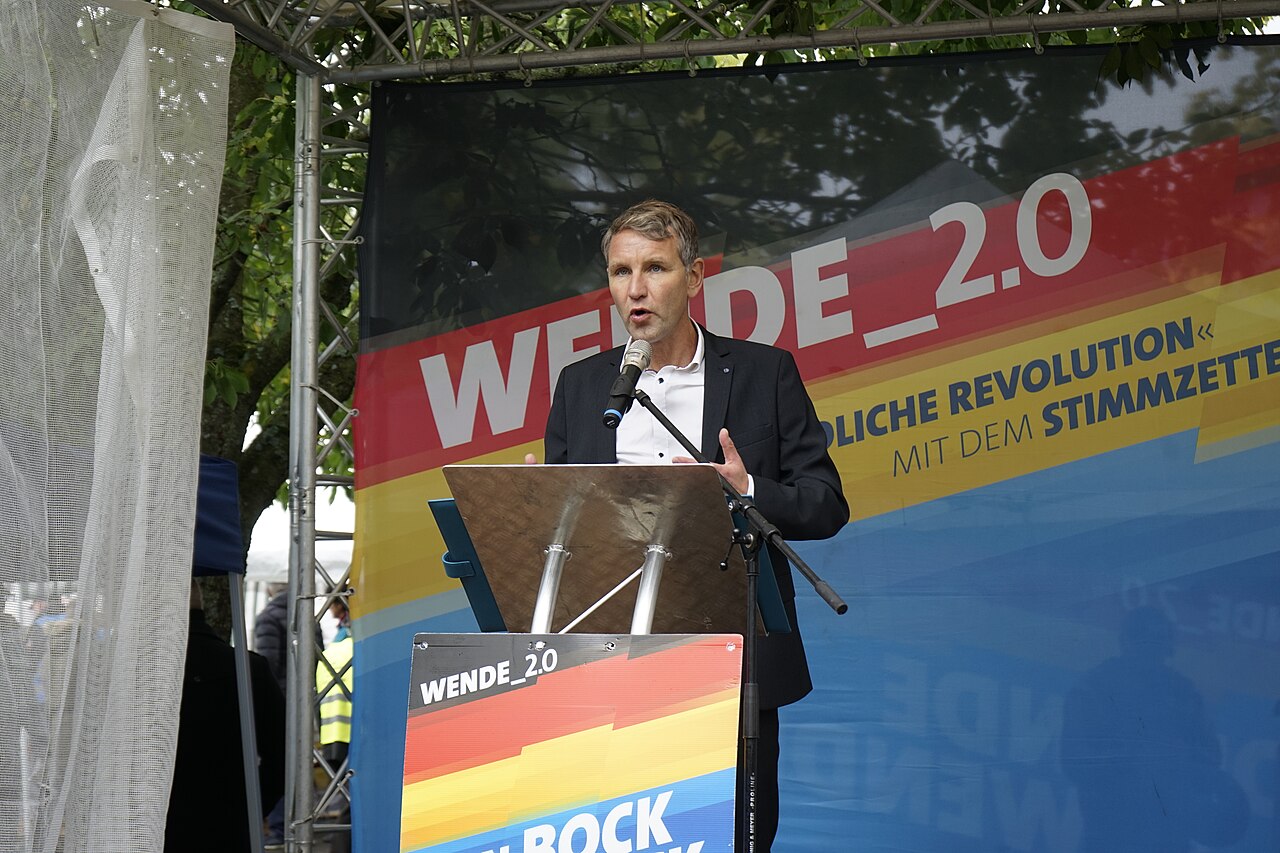
Eastern Germany is a phenomenon in itself, where the AfD enjoys particularly high support and, in some federal states such as Thuringia, has secured a mandate to form a government [3,17]. The former GDR is a stronghold of the AfD, where the leader of the Thuringian branch, the right-wing radical Björn Höcke, managed to secure over 30% of the vote and a mandate to form a government [3].
This success is not merely a consequence of economic backwardness. Sociologist Steffen Mau coined the term “ossification” to describe this trend—Eastern Germany votes differently because it claims the right to assert its own distinct identity and has already “caught up” with the West [3].
Historical experience with communism has led East Germans to often distrust traditional political engagement, preferring instead “the mobilization of the masses for street protests” [3]. At the same time, the AfD offers them a narrative that they are the “purer” Germans because, after 1968, they resisted the multiculturalism that took hold in the West [3].
Analogies and parallels with the Weimar Republic
Although many observers argue that the rise of the radical right is an indicator of the return of fascism from the Third Reich era, the conditions between 1918 and 1933 represented a specific phenomenon [2]. Just as there are striking analogies between the past and the present, there are also significant differences.
German sociologist Theodor Geiger, in his analysis of elections in the Weimar Republic in the 1930s, already suggested that it was “fear of being undervalued” (today we would call it “status anxiety”) that drove the diverse middle class into the arms of the NSDAP [23]. Similar to the 1930s, when economic decline and the loss of savings combined with fear of the future and led to the radicalization of voters [2,7], we see today how the loss of industrial jobs, inflation, and the cost-of-living crisis are playing into the hands of the AfD [1,18].
Research on historical persistence is also interesting: municipalities that had a high share of votes for the Nazi party in the late 1920s and early 1930s also had a higher share of votes for the AfD in 2016/17 [24]. However, this relationship only emerged after 2015, when the party was taken over by its conservative, anti-immigration wing, suggesting that the common denominator between the NSDAP and the current AfD is not anti-Semitism, but nationalism and xenophobia as a reaction to economic hardship [24].
From a political science perspective, the modern far right and historical fascism share common characteristics. Both movements are nationalist (although the new far right is not expansionist), employ a populist style with a sharp division between the “corrupt elite” and the “pure people,” are anti-pluralist and anti-liberal, and advocate for an authoritarian state that severely punishes criminals and enforces law and order [5].
On the other hand, today’s Germany is not the Weimar Republic [10]. While Weimar was a “republic without republicans,” where people feared democracy after the fall of the empire, contemporary Germany has managed to maintain a high level of political and social stability, which has given people confidence in the system [2].
Lessons for Modern Democracies
The Federal Republic of Germany has long been regarded as a model for its Vergangenheitsbewältigung—the ability to critically examine and draw lessons from its own past [1]. Konrad Adenauer once declared that history is “a summary of things that could have been prevented” [2]. In line with this theory, Germany uses the rise of the Third Reich as a paradigm of what government must not be [2].
So what can modern democracies learn from the downfalls of traditional extremists and the current success of the AfD [1,2,3,4]? First and foremost, that ignoring citizens’ economic and social anxieties opens the door to radicals. If voters feel economically threatened or culturally marginalized, they seek alternatives outside the political consensus [17,21].
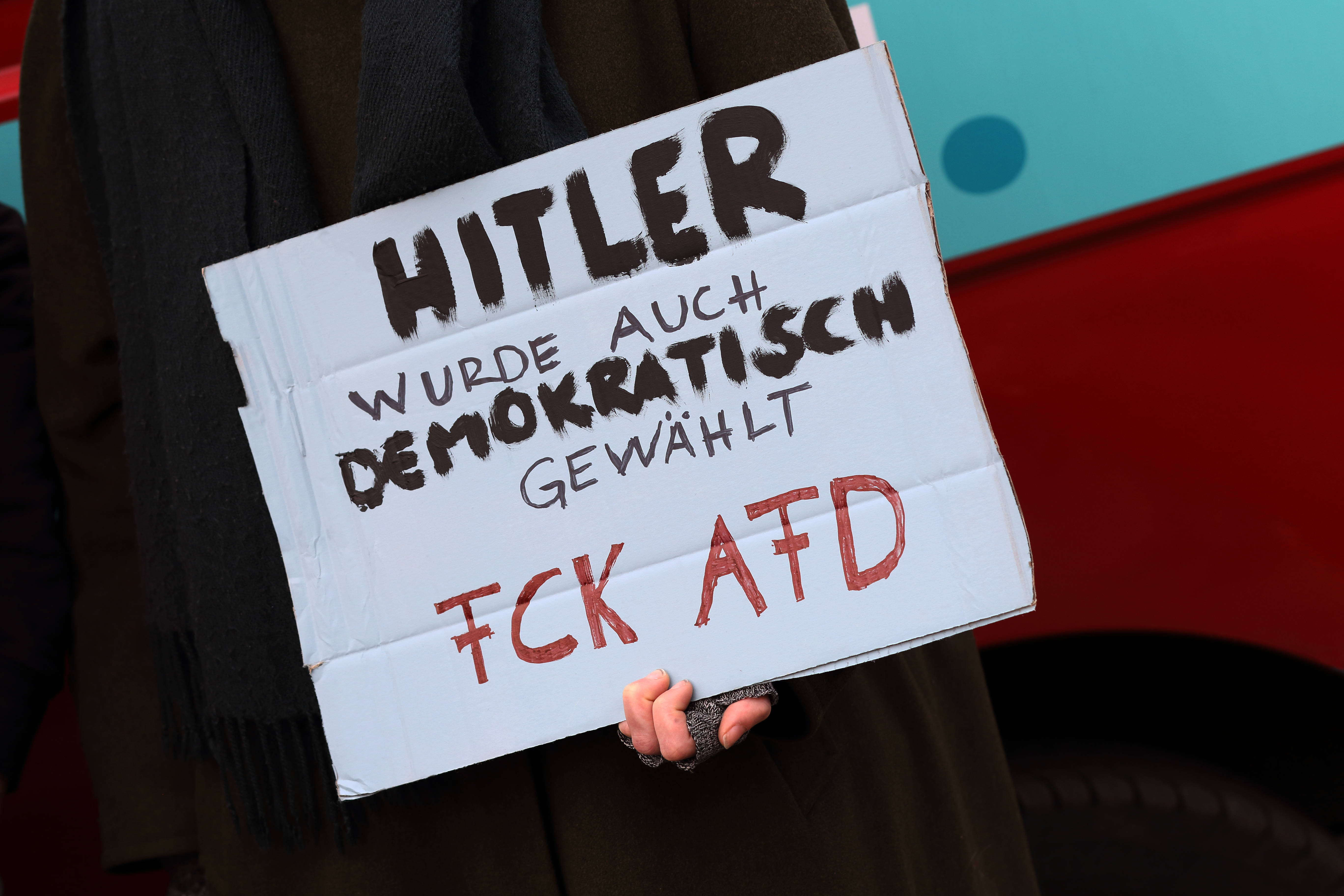
However, democratic parties must not fall into the trap of adopting the rhetoric of the far right. As experts point out, adopting the AfD’s terminology and narrative would be a huge mistake [4]. The key is to “remove racism from the issues the AfD highlights” [4]. For example, if the AfD claims that “there is a housing shortage because of refugees,” the democratic response must not attack refugees but must say: “let’s talk about affordable housing” and offer real solutions [4].
At the same time, to stop the East and West from drifting apart and to win back disillusioned voters, the political center must start thinking innovatively. Experts propose directly engaging citizens through unconventional and creative means, such as local civic forums [3].
Only when democracy demonstrates that it genuinely listens to the problems of ordinary people and engages them through unconventional means will it be able to isolate those who exploit fear and crisis to undermine the very foundations of a free society [3,4]. It is up to today’s generations to ensure that the mistakes of the Weimar Republic remain forever merely a warning in history textbooks, and that Germany continues to serve as a model for critically examining and learning from its own past [1,2].
List of References
[1] The End of the Postwar Model? Assessing Germany’s 2025 Elections and the Normalization of the Far Right illiberalism.org | https://www.illiberalism.org/the-end-of-the-postwar-model-assessing-germanys-2025-elections-and-the-normalization-of-the-far-right/
[2] Watson 41.
[3] Success of far-right AfD shows east and west Germany are drifting further apart | Germany | The Guardian https://www.theguardian.com/world/article/2024/sep/01/success-far-right-afd-shows-east-west-germany-drifting-further-apart
[4] Why did the Progressives fare badly and why did the AfD do so well? https://feps-europe.eu/german-elections-progressives-fare-badly-afd-well/
[5] [PDF] Extreme right parties in Europe today: definition and electoral ... https://pdfs.semanticscholar.org/f15f/bc8dd800fe91071fdae294ff1bd1a0ad0f03.pdf
[6] Rand C. Lewis, A Nazi Legacy: Right Wing Extremism in Postwar Germany. (New York, New York: Praeger Publishers, 1991), p. 20.
[7] Germany 1933: from democracy to dictatorship | Anne Frank House https://www.annefrank.org/en/anne-frank/go-in-depth/germany-1933-democracy-dictatorship/
[8] Thompson, 43.
[9] Far right politics in Germany: From fascism to populism? - LSE European Politics https://blogs.lse.ac.uk/europpblog/2018/01/24/far-right-politics-in-germany-from-fascism-to-populism/
[10] Zevedei Barbu, "Security For A Sick Psyche?" The Nazi Revolution: Germany's Guilt or Germany's Fate? (Boston, Massachusetts: D.C. Health and Company, 1959), p. 85.
[11] National Democratic Party of Germany (NPD) | Britannica https://www.britannica.com/topic/National-Democratic-Party-of-Germany
[12] Troubled times for German NPD | Hate Speech International https://www.hate-speech.org/troubled-times-for-german-npd/
[13] [PDF] Who Identifies with the AfD? Explorative Analyses in Longitudinal ... https://www.diw.de/documents/publikationen/73/diw_01.c.601358.de/diw_sp0983.pdf
[14] [PDF] The rise of the AfD: A social media analysis - OII Blogs https://blogs.oii.ox.ac.uk/policy/policy/wp-content/uploads/sites/77/2018/08/IPP2018-Serrano.pdf
[15] The Rise of the AfD and the Choice of Radicalism | Ifri https://www.ifri.org/en/papers/rise-afd-and-choice-radicalism
[16] Betz, H.-G. (1994), Radical Right-Wing Populism in Western Europe, Houndsmills
[17] Kiel study analyses success of the AfD in the last federal elections https://www.uni-kiel.de/en/details/news/038-afd-study
[18] Germany's AfD: The new neoliberal workers' party? https://www.dw.com/en/germanys-afd-the-new-neoliberal-workers-party/a-76506702
[19] Lengfeld, H. & Hirschle, J. (2009): Die Angst der Mittelschicht vor dem sozialen Abstieg. Eine Längsschnittanalyse 1984–2007. In: Zeitschrift für Soziologie, 38, 3, S. 379-398.
[20] Dorn, D, G Hanson and K Majlesi (2016), “Importing political polarization? the electoral consequences of rising trade exposure”, NBER Working Paper No. 22637).
[21] Gidron, N./P. A. Hall (2019), Populism as a Problem of Social Integration, in: Comparative Political Studies 53, 1027-1059
[22] Sthamer, E. (2018), Die AfD-Wahl als Antwort auf Statusängste?, in: Zeitschrift für Sozialreform 64, 563-591
[23] Geiger, T. (1930), Panik im Mittelstand, in: Die Arbeit 10, 637-654
[24] Cantoni, D, F Hagemeister, and M Westcott (2017), “Persistence and Activation of Right-Wing Political Ideology”, Munich Discussion Paper No. 2017-14.