The Greatest Battle in History
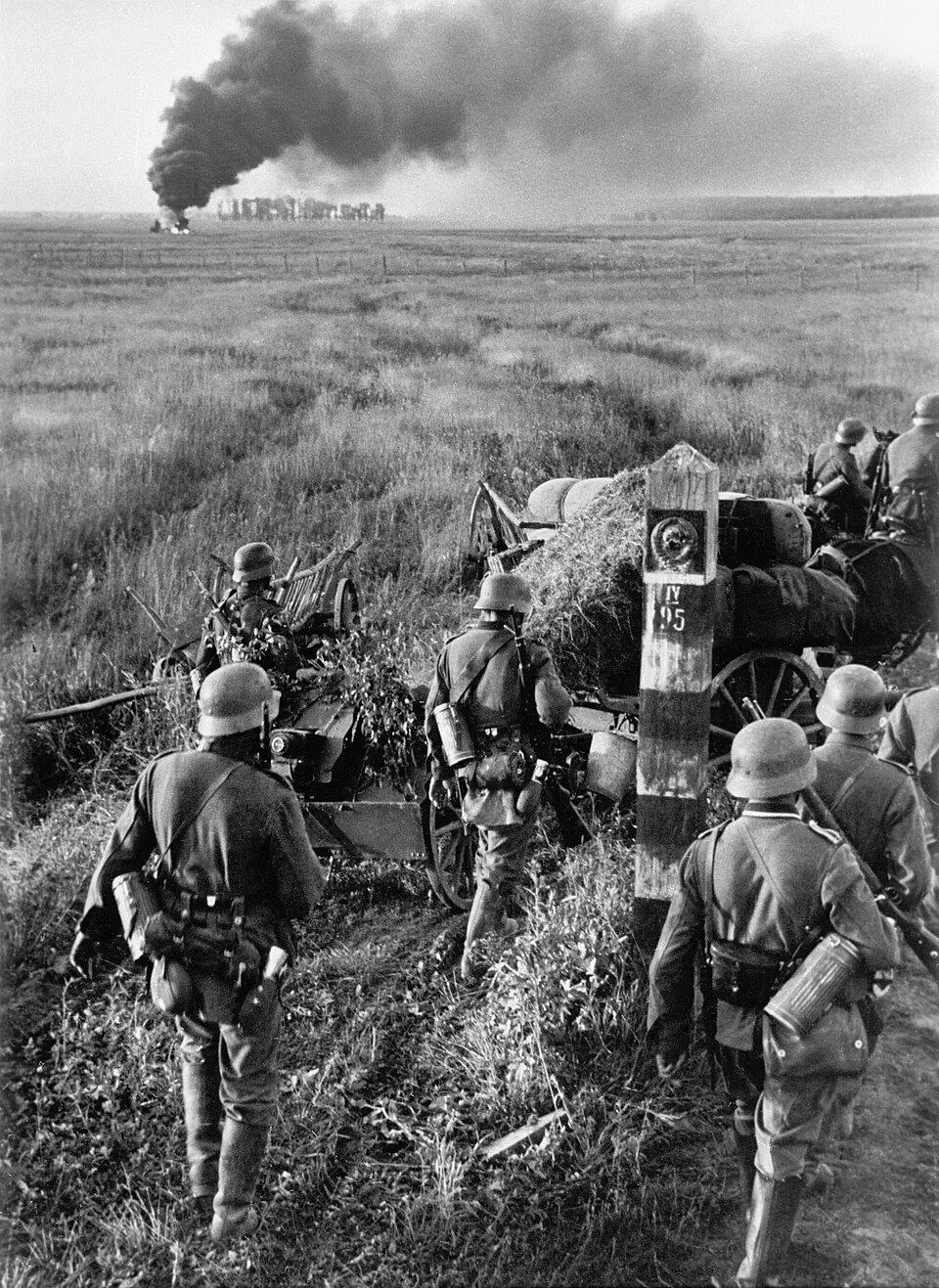
Today we mark the 85th anniversary of the start of Operation Barbarossa, which, on June 22, 1941, unleashed the largest and bloodiest military campaign in human history.
Ideological Opponents
Nazi Germany deployed more than 3.8 million soldiers to the Eastern Front with the aim of permanently redrawing the map of Europe and destroying its massive neighbor [6]. It was the beginning of a brutal clash between two totalitarian powers, whose lightning-fast advance was finally halted at the snow-covered gates of Moscow in December of that same year.
The primary strategic objectives of this massive invasion were not merely military, but above all deeply racial and ideological. Adolf Hitler planned to completely destroy the Soviet Union, eradicate communism, and thereby secure so-called “living space” (Lebensraum) for the German nation [6]. In addition to the genocide and enslavement of the indigenous population under the Generalplan Ost, a key objective was to seize control of economic resources, particularly the Ukrainian grain belt and Caucasian oil [13].
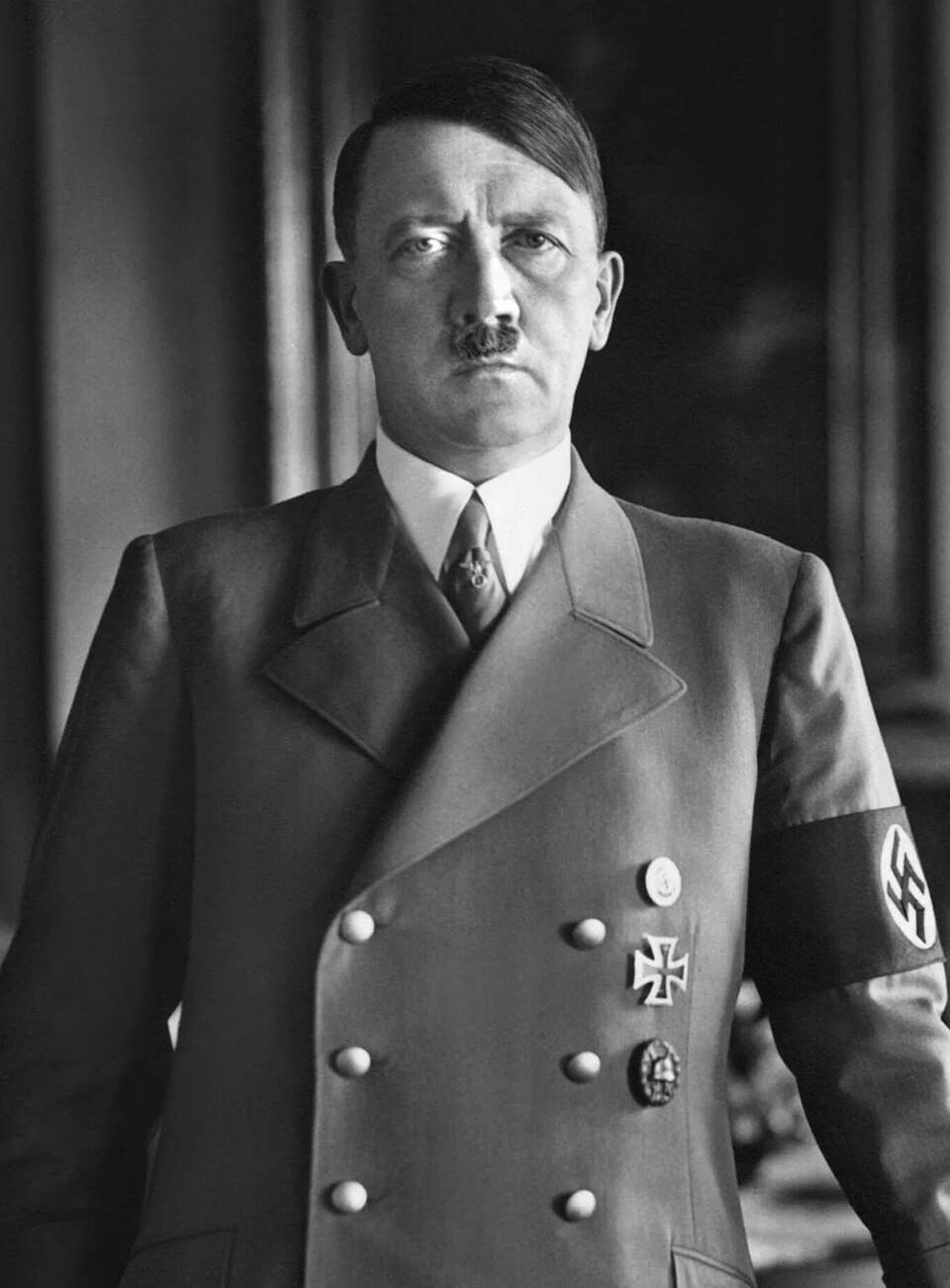
In terms of military tactics, the original plan called for the conquest of a vast territory extending as far as the so-called Arkhangelsk–Astrakhan line [6]. While for the General Staff and many generals, Moscow itself was the primary military objective, Hitler preferred first to capture Leningrad in the north and the fertile Ukraine in the south [6]. Hitler also believed that this economic victory would force the British Empire to agree to a peace treaty and secure resources for future conflicts with the United States [2].
Optimistic Plans
The German high command embarked on this colossal undertaking with almost fatal overconfidence and made catastrophic errors in military intelligence. Blinded by their own ideology, the Nazis believed that Stalin’s brutal purges in the 1930s had completely decimated the Red Army’s leadership [6]. Hitler famously declared that all one had to do was kick down the door to the Soviet Union, and the entire rotten structure would immediately collapse [15]. Their optimism was certainly fueled by their spectacular successes at the start of the war, such as when they overran France in six weeks.
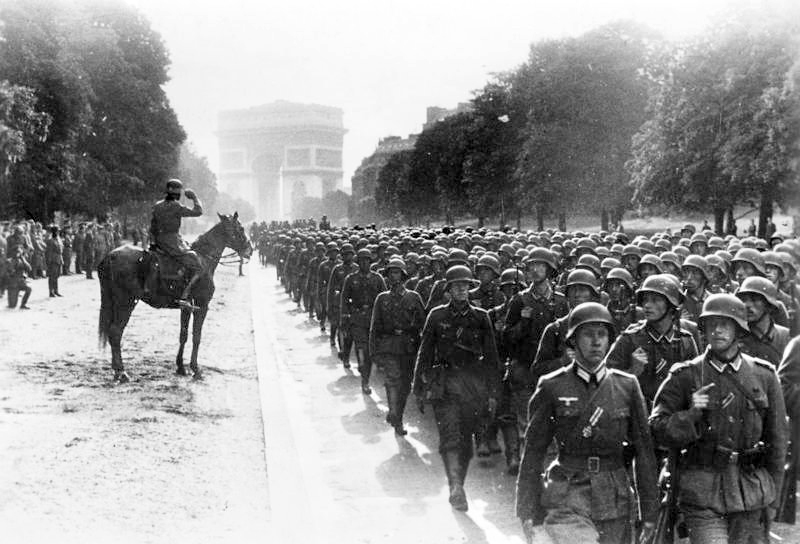
The German intelligence services tragically underestimated not only the fighting spirit of Soviet citizens but also the sheer numbers of enemy soldiers. The Wehrmacht’s initial estimates assumed that the Soviets would be able to field only about 150 to 200 divisions [15]. In reality, however, thanks to its enormous mobilization capacity, the Red Army was able to deploy more than 800 divisions into battle, which later came as a complete shock to the Germans [8].
Blitzkrieg
Despite these massive miscalculations, by December 1941 Germany had achieved a series of stunning military triumphs and occupied approximately 1.6 million square kilometers of territory [6]. German forces closed in on vast encirclements near Minsk, Smolensk, and Kyiv, capturing over three million Soviet soldiers during their advance [5]. In the north, German and Finnish forces also succeeded in cutting off Leningrad, marking the beginning of its devastating, nearly 900-day siege [5].
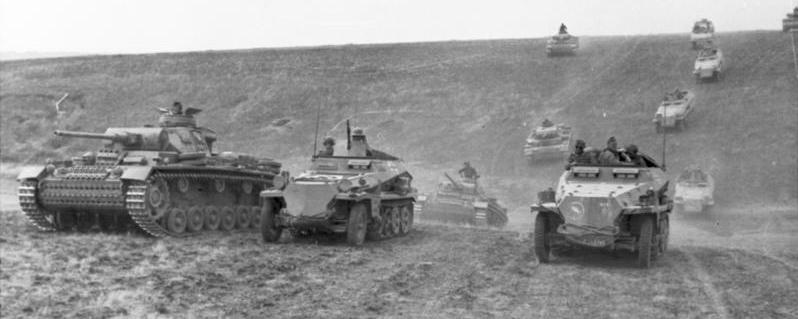
By late fall, after the conquest of all of Ukraine, the German army seemed unstoppable, as its advance units, as part of Operation Typhoon, had penetrated as far as the outskirts of Moscow. A motorcycle patrol from the German 2nd Panzer Division reached the town of Khimki, a mere 19 kilometers from the Kremlin itself [4]. German officers even boasted that they could see the golden domes of Moscow’s tallest cathedrals through their binoculars [1].
However, while German propaganda was celebrating, the Wehrmacht’s logistics on the endless Russian plains were irrevocably collapsing. The rapid advance of the blitzkrieg meant that tank wedges were constantly outpacing their own supply lines, which were desperately short of trains and trucks [7]. It remains a surprising fact that as much as 80 percent of German supplies were actually transported by draft horses, which slowed down the modern army [13].
The critical supply situation was further exacerbated by the fact that the Soviet railroads had a different track gauge [7]. German engineers thus had to laboriously rebuild thousands of kilometers of track, while the reconstructed routes were constantly being destroyed by partisans [14]. As a result, the exhausted frontline units desperately lacked the fuel needed to advance, and of the 120 supply trains required daily, barely a hundred usually reached their destination [14].
Mud and Cold
Even before the arrival of the harsh Russian winter, however, the invading forces were struck by another, typically local phenomenon known as rasputitsa. Heavy autumn rains turned the unpaved dirt roads into impassable seas of sticky mud, in which the German tanks’ offensive operations literally got bogged down [15]. By late October, the German high command was even forced to issue an order to halt all attacks until the terrain had at least partially dried out [4].
When frosts finally set in during November and the previously muddy roads hardened, the tanks once again advanced toward Moscow, but temperatures began to drop relentlessly. In early December, the mercury in thermometers around the capital dropped to an extreme -38 degrees Celsius [4]. The German soldiers’ weapons froze right in their hands, and they had to build fires under the oil pans of the tank engines just to get them started at all [15].
Moreover, Adolf Hitler’s army entered this frozen hell wearing tattered summer uniforms, because Hitler had counted on a lightning-fast victory before winter even arrived [12]. German commanders reported more than 130,000 serious cases of frostbite, and desperate soldiers were forced to strip winter coats from the frozen corpses of Soviet soldiers [4]. The attackers’ morale plummeted to freezing point, and their overall offensive capacity was practically exhausted.
Counterattack
Soviet General Georgy Zhukov masterfully exploited the Wehrmacht’s extreme weakness, launching a massive winter counteroffensive across the entire front on December 5 and 6, 1941 [4]. Thanks to his spy Richard Sorge, Stalin had learned that Japan would not attack, allowing him to safely redeploy rested divisions from the Far East and Siberia to Moscow [4]. These soldiers, often clad in white camouflage and equipped with special winter gear, launched a surprise attack on the frozen German positions [10].
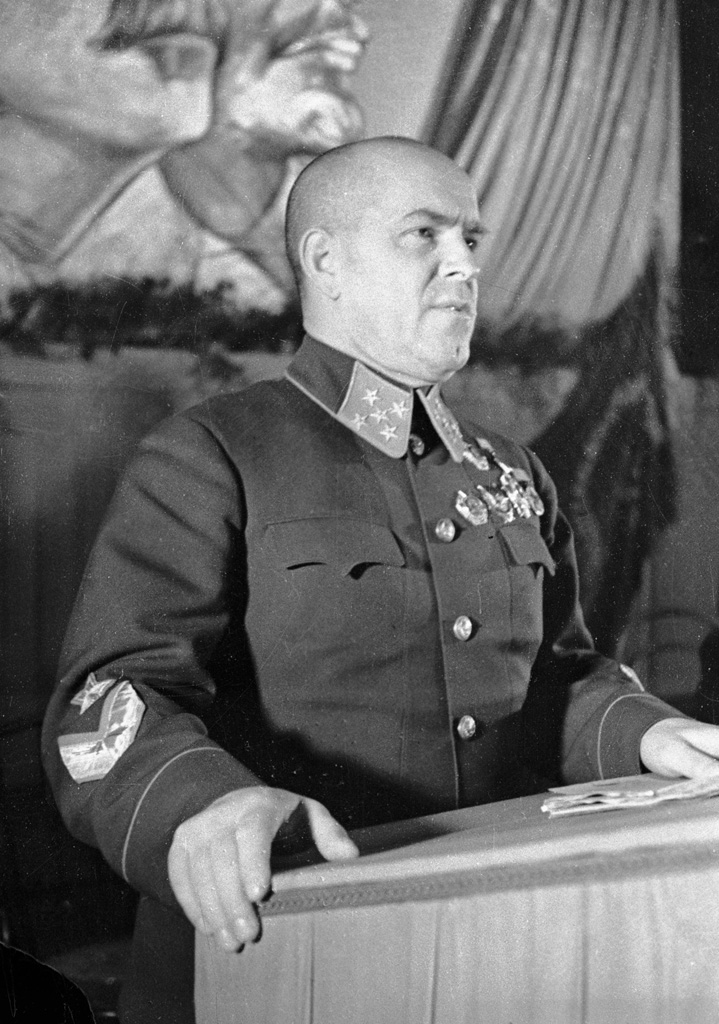
The assault by fresh Siberian units, supported by the legendary T-34 tanks, forced the Third Reich to retreat on a historic scale. By early January 1942, the German armies had been repelled by an overwhelming force, pushed back 100 to 250 kilometers away from Moscow [6]. Although Adolf Hitler, in a panic, issued a strict order to hold the positions at all costs, the immediate threat of the Soviet capital’s fall had been definitively averted [4].
Could Operation Barbarossa Have Succeeded?
Many military theorists and historians still wonder today whether Operation Barbarossa could have succeeded at all under different strategic circumstances. In fact, a significant number of German generals had wanted to advance directly on Moscow since the end of summer, but Hitler overruled them and diverted his key tank formations south to capture Kyiv [4]. Although this decision resulted in a tremendous tactical victory, it cost Germany precious time and delayed the attack on the capital until the deadly autumn slush season [11].
Analyses suggest, however, that the fall of Moscow alone would likely not have guaranteed overall victory in the war anyway. Logistically and strategically, the German armed forces simply lacked the capacity and physical resources to control the vast and inhospitable expanses of Russia over the long term [3]. When the Soviet regime did not fall and instead successfully mobilized its inexhaustible human reserves for a patriotic defense, the fate of Operation Barbarossa was sealed [5].
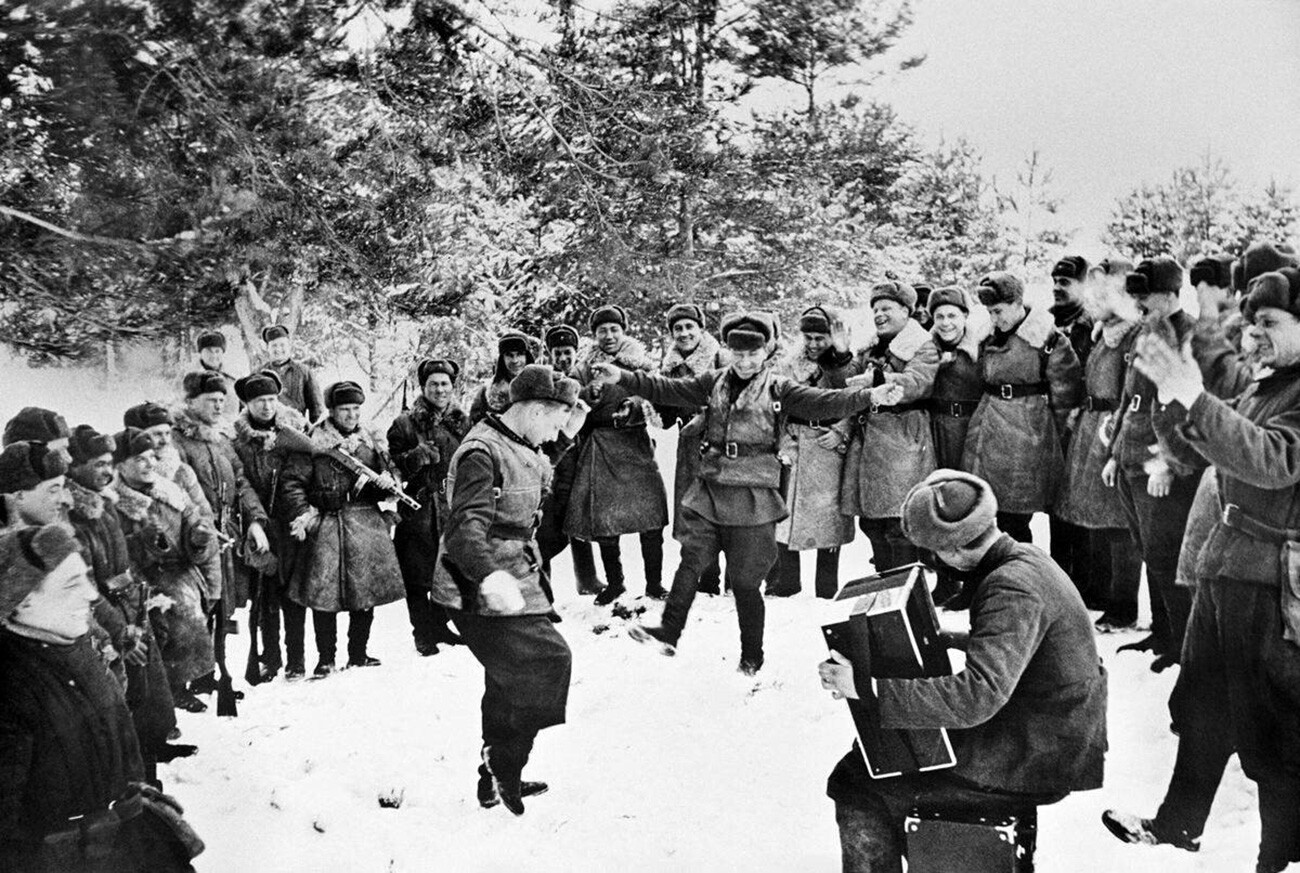
That is precisely why the defense of Moscow and the subsequent December counteroffensive are considered the most important turning point of the entire Second World War. It was the first major and decisive defeat of the German army, which forever shattered the myth of the invincibility of Hitler’s blitzkrieg [15]. From that day on, the war turned into an endless and brutal war of attrition in the cold and snow, in which Germany gradually began to lose on all fronts [9].
List of References:
[1] World War II (1939–1945): Operation Barbarossa: Germany’s Invasion of the Soviet Union — Passportshttps://www.passports.com/teachers/link/lesson-plan/world-war-ii-operation-barbarossa-germany-invasion-of-the-soviet-union
[2] McDonough, Frank. The Hitler Years. Vol. 2, St. Martin’s Press, 2020, chapter 2, page 117.
[3] Myths and Small Margins: Lessons of Command from Operation Barbarossa - Social Sciences | Birmingham City University https://www.bcu.ac.uk/blog/sociology-and-criminology/myths-and-small-margins
[4] Wikipedia: Battle of Moscow
[5] Germany Invades Russia | History | Research Starters | EBSCO Research https://www.ebsco.com/research-starters/history/germany-invades-russia
[6] Operation Barbarossa - Wikipedia https://en.wikipedia.org/wiki/Operation_Barbarossa
[7] Kreidler, Eugen: Railways in World War II. Studies and Documents on the History of World War II
[8] Glantz: The Soviet-German War 1941–1945: Myths and Realities: A Survey Essay
[9] What Was the Turning Point of World War II? https://historynet.com/turning-point-world-war-ii
[10] Battle of Moscow (1941–42) | Description & Facts | Britannica https://www.britannica.com/event/Battle-of-Moscow
[11] Albert Seaton, The Battle for Moscow 1941–1942 (New York, NY: Stein and Day Publishers, 1971), 77.
[12] The Battle of Moscow: WWII’s First Critical Turning Point https://warfarehistorynetwork.com/article/battle-of-moscow-wwiis-first-critical-turning-point
[13] What was the ultimate goal of the Nazi invasion of the Soviet Union (Barbarossa)? The Middle Eastern oil fields are very far from even Stalingrad, so was the whole point to capture Moscow? And then what? : r/WarCollege https://www.reddit.com/r/WarCollege/comments/1p62jnt/what_was_the_end_game_to_the_nazi_invasion_of_the
[14] Battle of Moscow | World War II Database https://ww2db.com/battle_spec.php?battle_id=37
[15] Operation Barbarossa: Hitler’s Great Blunder https://warfarehistorynetwork.com/article/operation-barbarossa-hitlers-great-blunder