The End of the Civilized World?
This year marks the 1,550th anniversary of the fall of the Western Roman Empire, an event that continues to fascinate both historians and the general public. The collapse of this vast civilization was not a sudden, one-time event, but rather a long-term process of gradual decline that spanned several centuries [2]. In fact, it was the inevitable result of a complex interplay between long-term structural weaknesses and immediate external military pressures [10].
Why did the empire fall?
As early as 1984, German historian Alexander Demandt compiled a list of more than two hundred different factors that actually contributed to the empire’s collapse [7]. The Roman economy began to stagnate as early as the third century AD, primarily due to excessive reliance on slave labor [7]. Another enormous burden was the ever-expanding bureaucracy and military, the maintenance of which stifled the imperial economy and led to a radical increase in taxes [7].
The empire’s decline was also caused by its sheer size, which made it a literal victim of its own immense scale. The empire’s constant territorial expansion forced the government to spend enormous sums on the military defense of its extremely long borders, which gradually ruined the state [4]. When new conquests ceased to be profitable—or rather, when they ceased entirely and the empire focused solely on defense—it lost its dynamism and ability to adapt to changing economic and political conditions [2].
Merciless natural phenomena, such as climate change and a series of devastating epidemics, also contributed significantly to the overall collapse. From the mid-third century onward, reduced solar activity caused a noticeable cooling and drought in the Mediterranean, which had an extremely negative impact on the empire’s agricultural production [7]. Moreover, the Roman world was struck by devastating epidemics, such as the Antonine Plague (which was likely an outbreak of smallpox) and the Cyprian Plague, which decimated the population and irreversibly exacerbated the ongoing economic crises [7].
The Migration Period
At the onset of the collapse were key political and military events that steadily eroded the central power of the state from within. The so-called Crisis of the Third Century brought long civil wars and a rapid succession of emperors, which tore the empire apart from within and severely damaged its functioning social structures [1]. In a desperate attempt to save the situation, Emperor Diocletian decided in 293 to administratively divide the vast empire into equal western and eastern halves so that it could be better governed [1].
Later came the first crushing military defeats at the hands of the united barbarians, such as the infamous bloody Battle of Adrianople in 378 [14]. The decisive turning point finally came in 395, when, following the death of Emperor Theodosius I, the empire was politically divided into East and West once and for all [1]. The East benefited significantly economically from this definitive division, while the poorer West quickly lost its real ability to sustain itself politically and financially [8].
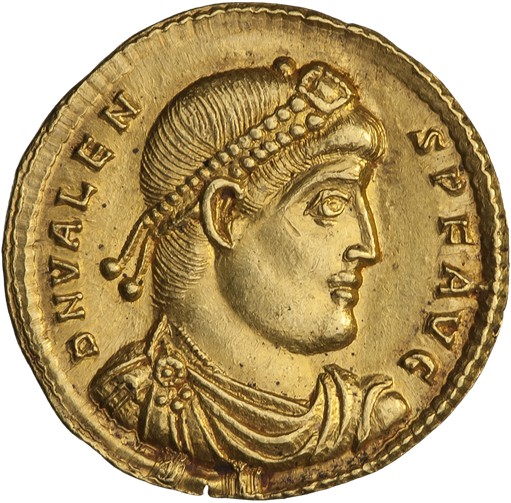
Enormous destructive pressure on the Roman borders was subsequently triggered by a prolonged drought in the Eurasian steppe, which drastically affected the lives of the feared nomadic herders. As a result of this environmental crisis, the nomadic Huns set out westward as climate refugees and began to ruthlessly push other Germanic tribes before them [7]. These massive migrations and the subsequent barbarian invasions weakened the West’s defenses, which suddenly found itself completely unable to adequately protect its own strategic territory [4].
Lazy citizens no longer want to serve in the army
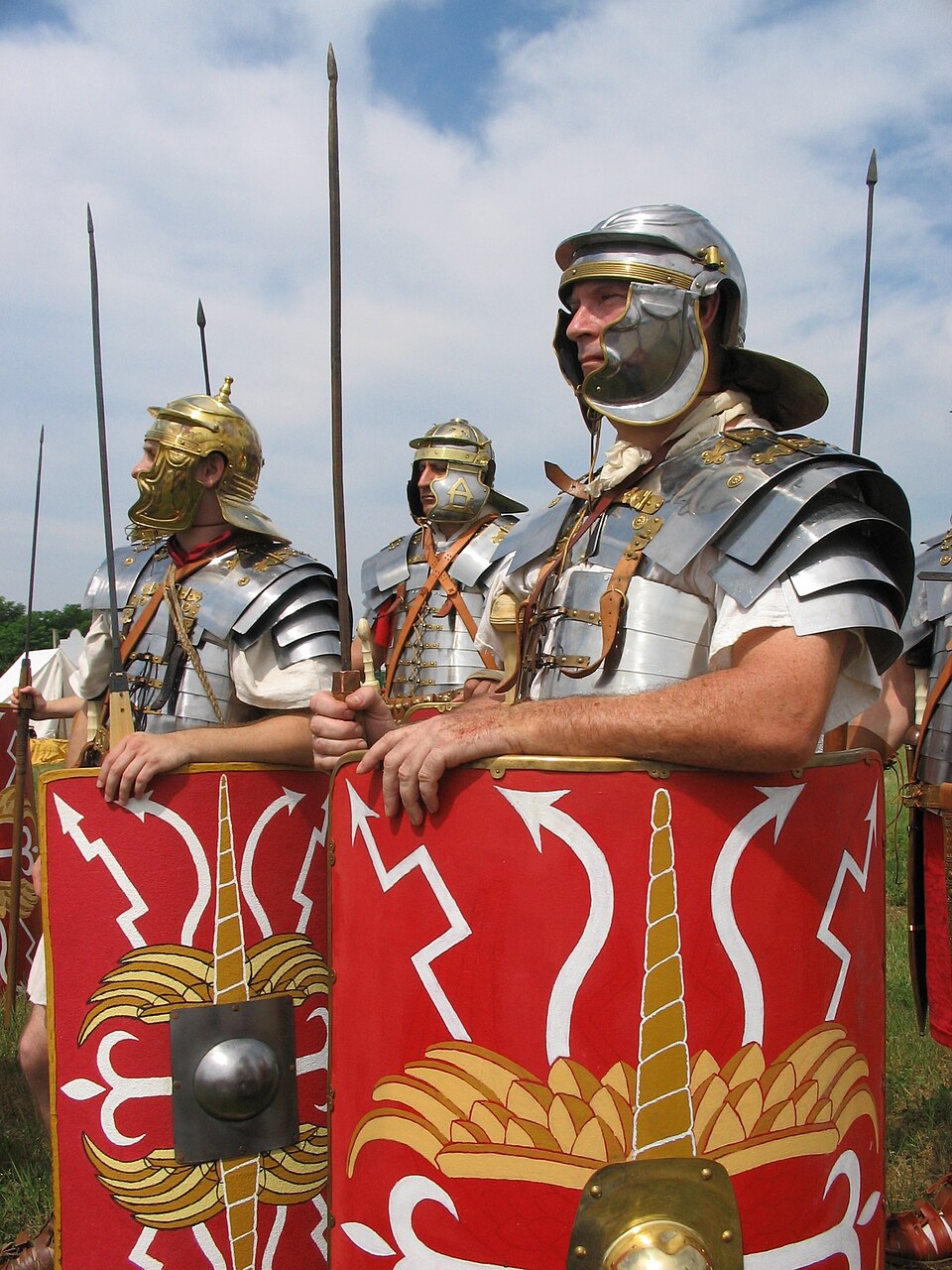
The gradual decline of the Western Roman Empire was manifested in the massive loss of once-important provinces and the army’s inability to maintain basic order along the borders. Since the Roman government lacked both the funds and domestic recruits for a standing army, it began to rely desperately on paid mercenaries from the barbarian tribes themselves [1]. Instead of regular pay, the emperors ceded vast territories of the empire to these dubious allies, from which, however, no necessary taxes subsequently flowed into the state treasury [8].
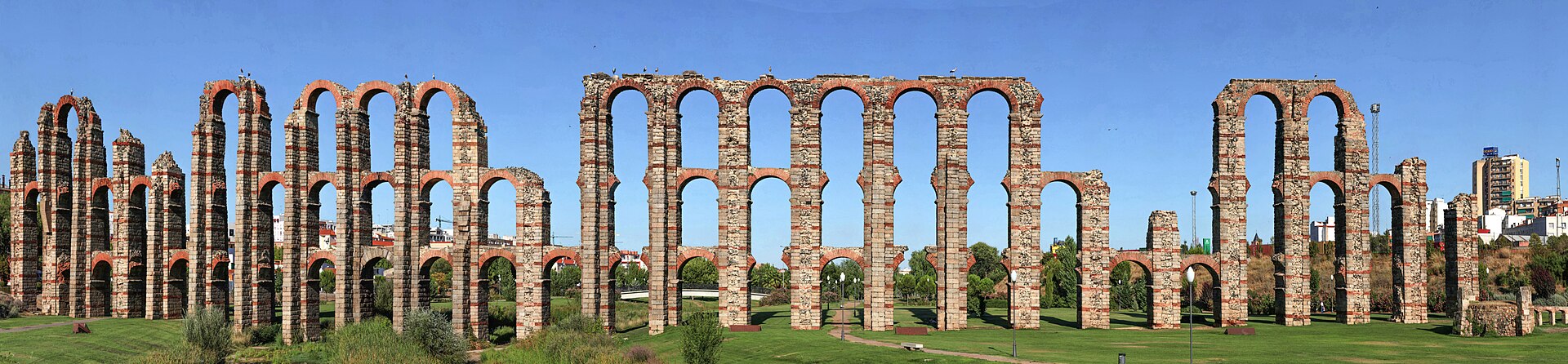
The extreme shortage of funds led to a drastic decline in the quality of life for the general population, as there were no resources to maintain basic water and road infrastructure. Cities began to shrink uncontrollably, lucrative trade routes fell into decline, and once-famous Roman public buildings began to deteriorate inexorably [9]. Ordinary peasants were burdened with unbearable taxes and, unlike in the past, were permanently tied to the land, which is why many residents preferred to welcome foreign rule by barbarians rather than continue to suffer Roman oppression [8].
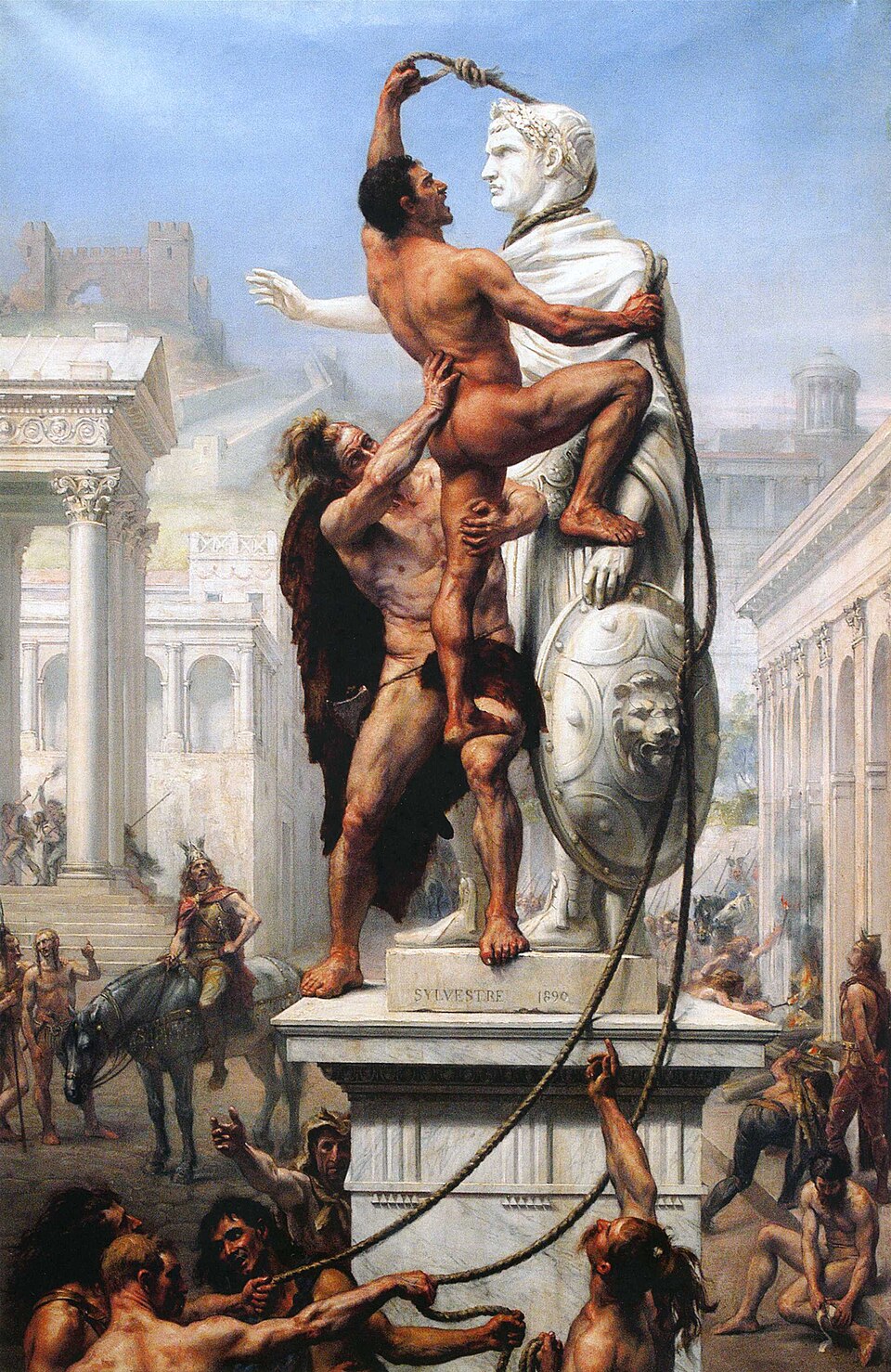
Direct and destructive attacks on the very heart of the empire dealt particularly harsh and indelible blows to imperial pride. In 410, the impregnable city of Rome was sacked for the first time in 800 years by foreign enemies: specifically, the Visigoths under King Alaric, which dealt a catastrophic psychological blow to the ancient world [12]. Further devastating and systematic looting occurred in 455 at the hands of the Vandals, who destroyed the Roman metropolis over the course of two weeks with unprecedented and immense brutality [16].
Could the fall have been prevented?
Even in these immensely dark times, there was a moment when the empire’s definitive collapse could likely have been prevented militarily. The failed military expedition of 468, whose ambitious goal was to recapture the wealthiest western province, North Africa, appears to be the absolute turning point [16]. Just a few years earlier, in 461, the shrewd Western Emperor Majorian had nevertheless managed to partially stabilize the empire and successfully subdue several barbarian tribes [16].
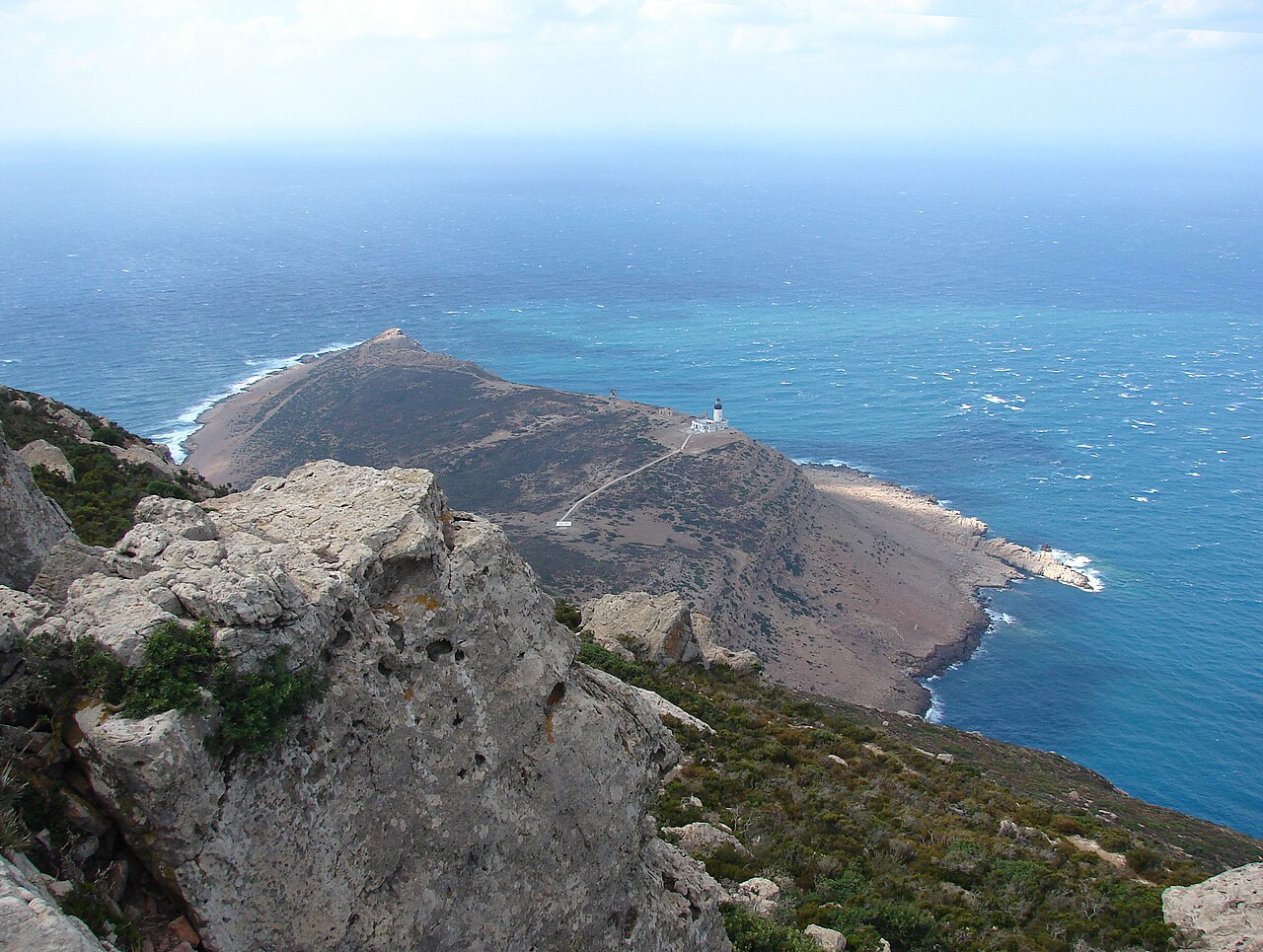
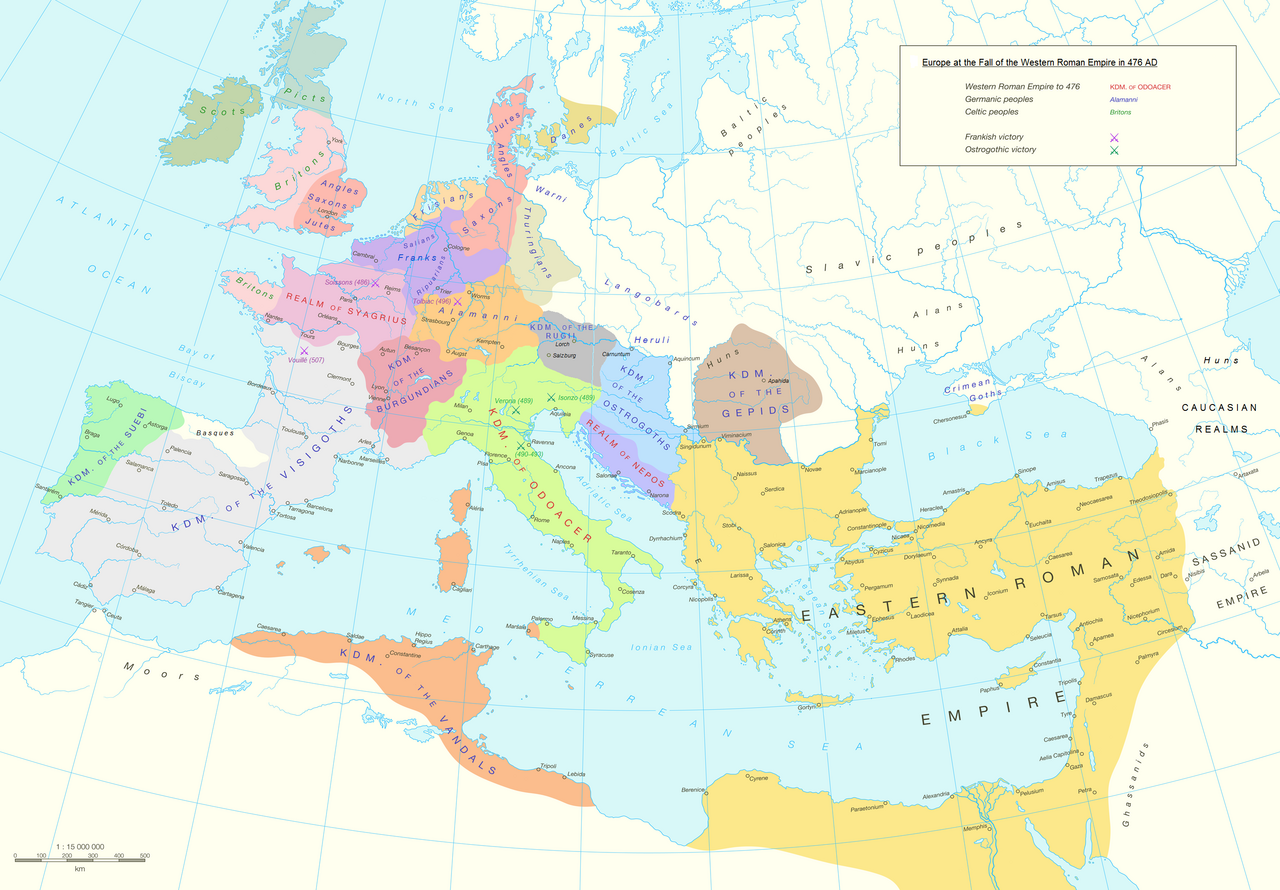
However, the joint expedition of the Eastern and Western Empires in 468 ended in a crushing disaster after the massive Roman fleet fell into a trap set by the cunning Vandal king Geiserich and was burned to the ground by fire ships [16]. This naval defeat effectively marked the end for the West, because without the rich African provinces and without control of the Mediterranean Sea, it was impossible to save the empire, as there was not enough money for the army [16]. A few years later, on September 4, 476, the Germanic chieftain Odoacer was thus able to depose Emperor Romulus Augustulus and permanently abolish the institution of the Western ruler [19].
How did the East fare?
While the West descended into the bloody chaos of the Dark Ages, the Eastern Roman Empire managed to survive and endure for another entire millennium. The fundamental reason for this success was its exceptionally advantageous geographical location and more favorable climate, which surprisingly well supported agriculture and livestock farming [6]. The capital, Constantinople, was excellently protected by the straits of the Bosporus and the Dardanelles, which, especially after the construction of a triple line of walls, made it a strategically nearly impregnable urban fortress [1].
Moreover, after the final division of the empire, the Eastern Empire retained the wealthiest Roman provinces of all, such as the agricultural powerhouses of Egypt and Syria [1]. Huge tax revenues flowed from these prosperous territories to the capital, reliably enabling the East to finance a powerful army without ruining the economy [1]. In the event of a real threat, the powerful Byzantine Empire was able to simply bribe dangerous barbarian raiders generously to redirect their destructive incursions elsewhere [1].
The completely different style of governance of the Eastern emperors and their exceptionally efficient bureaucracy also contributed significantly to the empire’s long-term survival. These mostly prudent rulers, among whom we would search in vain for madmen and villains of the Caligula or Nero type, usually remained in the relative safety of Constantinople, from where they wisely managed the entire state administration, while delegating combat tasks to capable generals [1]. The East did not rely exclusively on brute military force, but ingeniously perfected the art of diplomacy to skillfully manipulate its enemies [15].
Contrary to established modern notions, Byzantine society was by no means rigid, but was constantly characterized by a strong capacity for rapid social and military adaptation [17]. Although proud intellectuals tended to believe that civilization ended precisely at their borders, the empire was exceptionally willing to integrate barbarians, provided they obediently accepted baptism and loyalty [20]. Thanks to this pragmatic environment, even completely illiterate newcomers often became leading state officials or elite commanders of Roman military units [20].
While in the abandoned West, magnificent public buildings fell into disgraceful disrepair, the prosperous East actively developed and elevated ancient Roman building techniques to an entirely new level. Architects and master craftsmen in Byzantium enjoyed both continuous state protection and wealthy financial patrons, which allowed them to boldly undertake exceptionally complex construction projects [17]. A perfect manifestation of this technological heritage was, for example, the majestic Hagia Sophia or the breathtaking wall mosaics, which became a lasting symbol of Byzantine art [9].
Culture Endures
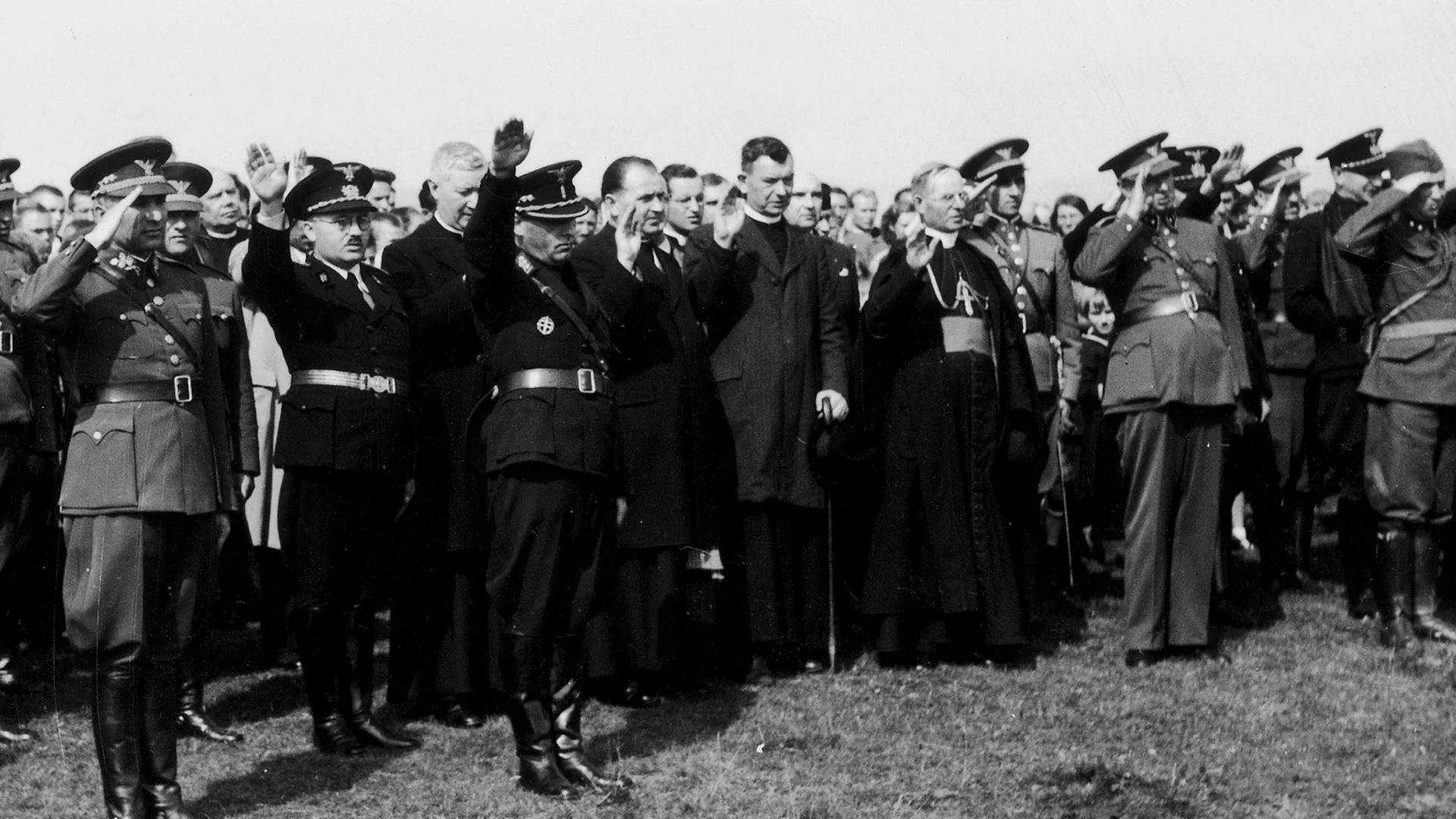
The final demise of the Western Roman Empire certainly did not mean the immediate eradication of Roman culture, as some key unifying institutions successfully survived the collapse of the political system. When imperial power completely collapsed and the bureaucracy gradually disappeared, the prepared Roman Catholic Church, with its clergy, immediately and confidently stepped into the resulting power vacuum [11]. Local clergy and bishops naturally assumed the missing civic leadership roles and willingly adopted the ancient Roman practices of precise bureaucratic organization and strict power hierarchies [13].
An equally essential role in preserving the precious treasures of classical learning was played by the isolated and peaceful monastic communities scattered throughout Europe. In the harsh post-Roman world of warriors, it was precisely these unassuming monks who, in their cells, manually transcribed old books and thus preserved the fragile flame of human knowledge [5]. Without the contribution of the powerful Church, written learning would have completely vanished in the chaos of the early Middle Ages, as the harsh daily struggle for mere survival made it a luxury for many [9].
The magnificent ancient heritage continued to be preserved and transmitted in post-classical Western Europe through the Latin language and a rich literary tradition. Vulgar Latin in everyday street conversations gradually and naturally evolved into the diverse modern Romance languages, which are still spoken today by millions of people, mainly in Southern Europe [3]. Classical Roman Latin, however, reliably maintained its highly privileged status throughout the “Dark” Middle Ages as the exclusive means of communication among the educated priestly classes [3].
A hidden yet still deeply rooted ancient legacy for the modern world consists primarily of highly precise systems for measuring and counting time. The modern Western calendar system is essentially just a minor and logical refinement of the well-known Julian calendar, which was introduced in 46 BCE by Gaius Julius Caesar (because he had to make up for lost time, as the precise measurement of time and the necessary insertion of extra days into the calendar had been neglected during the civil wars; consequently, the year 46 is the longest in human history—it had as many as 445 days)[3]. The current ubiquitous seven-day week, in turn, directly and seamlessly follows the Greco-Roman astrological system, in which each day was formally ruled by one of the known planets [3].
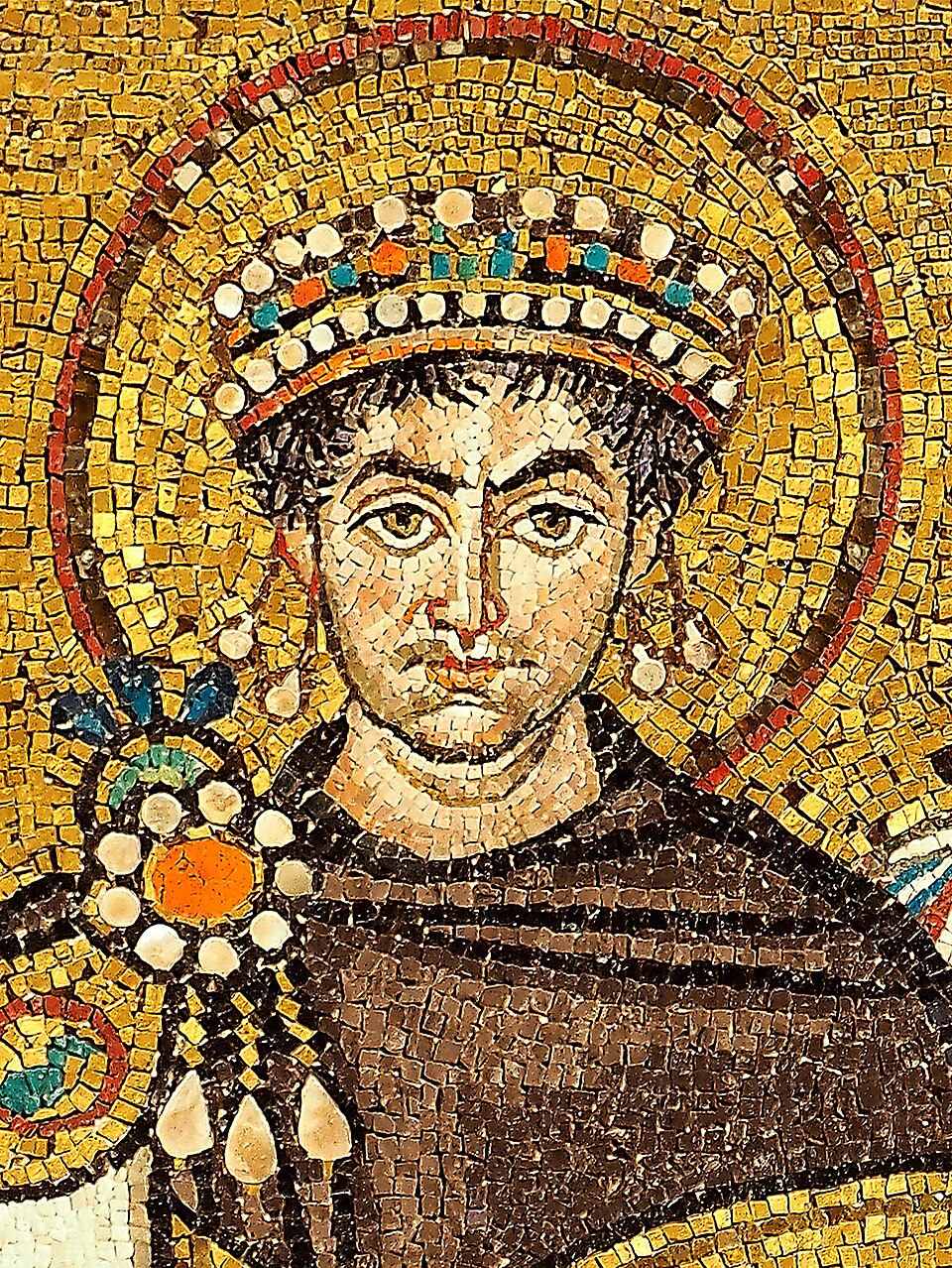
The revolutionary concept of law and republican politics also remained a lasting civilizational legacy of ancient Rome, directly inspiring medieval city-states and later shaping today’s modern democracies [3]. Moreover, the best-preserved literary texts of classical antiquity later flowed in large numbers to the West thanks to Byzantine scholars who fled from the conquered Constantinople, escaping the Turks, directly to Italy [18]. These educated intellectuals brought with them groundbreaking ancient writings, whose subsequent massive dissemination definitively launched the famous European intellectual Renaissance [18].
List of References
[1] How the Eastern Roman Empire Outlived Rome’s Fall by a Thousand Years | TheCollector https://www.thecollector.com/eastern-roman-empire
[2] alternate history - What could have prevented the decline of the Western Roman Empire, and its fall in AD 476? - Worldbuilding Stack Exchange https://worldbuilding.stackexchange.com/questions/136611/what-could-have-prevented-the-decline-of-the-western-roman-empire-and-its-fall
[3] Legacy of the Roman Empire - Wikipedia https://en.wikipedia.org/wiki/Legacy_of_the_Roman_Empire
[4] Causes of the “Fall of The Roman Empire” in the West | UKEssays.com https://www.ukessays.com/essays/history/causes-of-the-fall-of-the-roman-empire-in-the-west-4118.php
[5] 11.2: The Post-Roman West in the Early Middle Ages - Humanities LibreTexts https://human.libretexts.org/Courses/Arkansas_Tech_University/World_History_to_1500/11%3A_The_Post-Roman_West_and_the_Crusading_Movement/11.02%3A_The_Post-Roman_West_in_the_Early_Middle_Ages
[6] [PDF] Managing the Roman Empire for the Long Term - MPG.PuRe https://pure.mpg.de/rest/items/item_3395848/component/file_3395849/content
[7] Is this the real reason the Roman Empire collapsed? | National Geographic https://www.nationalgeographic.com/history/article/fall-of-ancient-roman-empire
[8] Tainter, Joseph A., The Collapse of Complex Societies. (Cambridge: Cambridge University Press, 1988), 129.
[9] The Triumph and Tragedy of the Byzantine Empire — How It Preserved the West and Devastated the East – David Labaree on Schooling, History, and Writing https://davidlabaree.com/2026/01/05/the-triumph-and-tragedy-of-the-byzantine-empire-how-it-preserved-the-west-and-devastated-the-east-2
[10] The Fall of the Roman Empire in 476 AD: Causes and Consequences | Schools-History.Com https://kenbaker.wordpress.com/2025/01/16/the-fall-of-the-roman-empire-in-476-ad-causes-and-consequences
[11] 476 and What Didn’t Happen: The Fall of Rome, Revisited https://hilarywhite.substack.com/p/476-and-what-didnt-happen-the-fall
[12] And that’s more or less where the story of the Visigoths and the sack of Rome ends, because, in the larger scheme of things, it didn’t really accomplish much. Alaric died just a few months later in southern Italy and his followers, rather than trying to hold Roman territory, moved on. Within a few decades, the Visigoths had settled in Gaul and then Hispania, where they actually did a respectable job of maintaining order, law, and the forms of Roman governance under their own rule… until that other thing happened.
[13] Ancient Rome Classical Curriculum — Heritage History — Revision 2 https://www.heritage-history.com/ssl/cds/ancient_rome/html/guide_overview.html
[14] Why Did Rome Fall? Inside The Empire’s Collapse https://allthatsinteresting.com/why-did-rome-fall
[15] Byzantine diplomacy: The elixir of longevity - Diplo https://www.diplomacy.edu/histories/byzantine-diplomacy-the-elixir-of-longevity
[16] When Did the Roman Empire Fall? – Antigone https://antigonejournal.com/2024/09/when-did-the-roman-empire-fall
[17] Tales of Byzantium: How Did the Byzantine Empire Last So Long? http://byzantium.filminspector.com/2019/12/how-did-byzantine-empire-last-so-long.html
[18] ancient rome - Where was the cultural heritage of the Greco-Roman world/antiquity preserved? - History Stack Exchange https://history.stackexchange.com/questions/22725/where-was-the-cultural-inheritance-of-the-greco-roman-world-antiquity-preserved
[19] Odoacer
[20] Byzantine Empire | History, Geography, Maps, & Facts | Britannica https://www.britannica.com/place/Byzantine-Empire