Impeachment as a Tool for Justice and Political Struggle
The highest political office in the United States carries enormous power, but the Founding Fathers wisely built a safeguard into the Constitution—a political process known as impeachment. In the unforgettable words of Benjamin Franklin, in the past, the removal of “inconvenient” heads of state was achieved through assassination, whereas impeachment offers a nice alternative [14]. This constitutional tool has come into the spotlight in recent years, largely thanks to Donald Trump, who holds a unique distinction—he became the only U.S. president to be impeached twice [22]. And although he was acquitted in both cases, the question arises: How did this phenomenon even come about, how many presidents have faced it, and is it possible that Trump could be subjected to this process a third time?
Historical Roots: From Ancient Greece to Philadelphia
The concept of impeachment has deep historical roots dating back to ancient Greece. There, a practice known as “eisangelia” existed, in which public officials were accused of misconduct and tried before a political assembly [22]. However, its current form, which was later incorporated into the U.S. Constitution, originated in England. The process developed in the 14th century as a means by which the emerging Parliament could hold the king’s ministers accountable [25]. While it fell out of use in England by the mid-15th century, the excesses of the Stuart kings in the early 17th century compelled Parliament to revive this power [15].
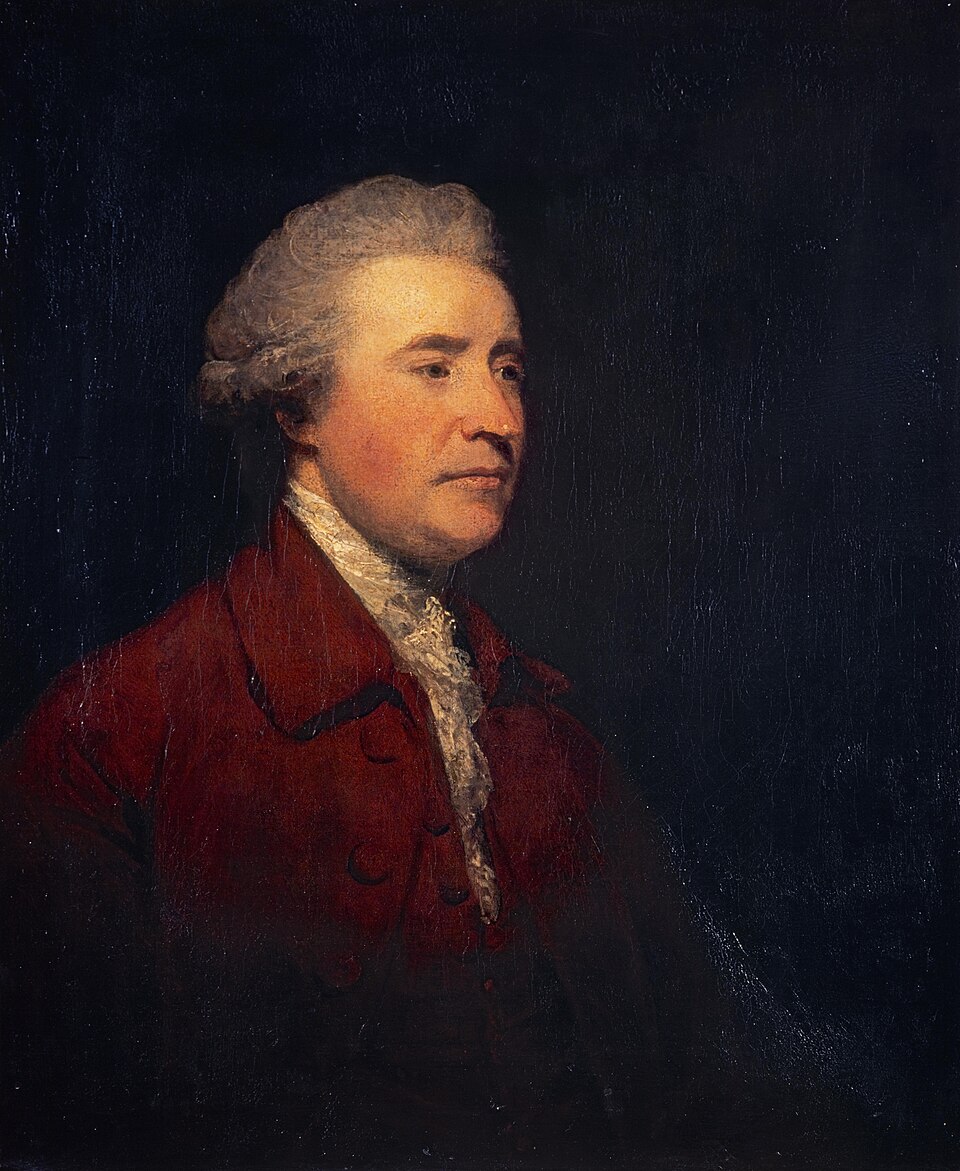
This English model—where the House of Commons brought charges and the House of Lords tried the accused—was also adopted by the American colonies and early state constitutions even before the federal Constitution was adopted [10], [11], [15]. Even as the framers of the Constitution were meeting in Philadelphia in 1787, the impeachment trial of British official Warren Hastings was underway in London, which the Americans followed with enthusiasm (not only because Hastings was being prosecuted by MP Edmund Burke, who had previously supported the American struggle for independence, but later condemned the French Revolution and became a founder of political conservatism). However, after a lengthy trial, the court acquitted Hastings [15].
During the Constitutional Convention, there were lengthy debates over the exact wording. The delegates voted twice to make the president removable for “dereliction of duty” [18]. Many delegates spoke of offenses outside the scope of ordinary criminal law and used terms such as “corruption” or “maladministration” [18]. In September 1787, George Mason proposed adding “maladministration” to the grounds for removal, but future President James Madison objected that such a vague term would mean the president would remain in office only at the whim of the Senate [18].
Mason therefore withdrew the term and replaced it with the phrase “other high crimes and misdemeanors” [18]. The word “crimes” in this phrase was not used in the sense of ordinary criminal offenses, but was a term borrowed from the British to denote offenses against the republic and the state [3]. A key finding of later legal analyses was that a criminal act on the part of the president is not at all necessary to justify impeachment [5], [6]. The framers of the Constitution intentionally did not write a fixed standard, but rather a flexible tool capable of adapting to unforeseeable events [5].
The Mechanics of Power: How Congress Removes a President
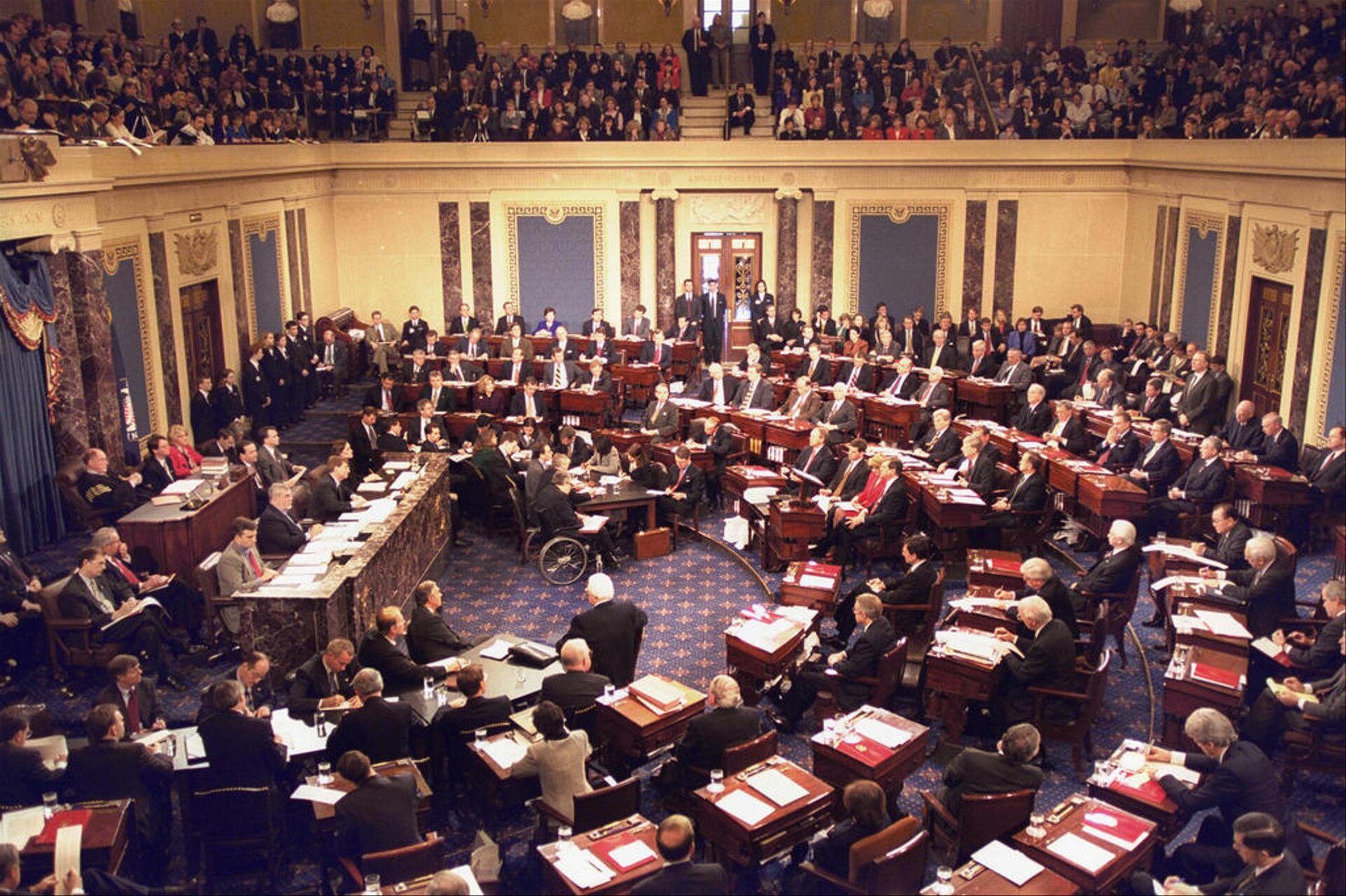
The removal of a U.S. president is a deliberately complex process [2]. The framers of the Constitution did not want impeachment to be used as a partisan political weapon or as Congress’s response to presidential policies with which they disagree [9]. Therefore, they divided the power to prevent the danger of persecution by the dominant political faction [12].
The process has two main phases and resembles the relationship between an indictment and the trial itself [14]. The first step is a formal investigation in the House of Representatives, which is usually led by the Judiciary Committee [2], [25]. If the committee finds sufficient grounds, it drafts the so-called articles of impeachment [2]. For the president to be formally “impeached,” a simple majority of the House members present is sufficient [2], [16]. It is important to note, however, that impeachment itself does not mean removal from office; it merely means that the House has brought charges and the process moves to the Senate [23].
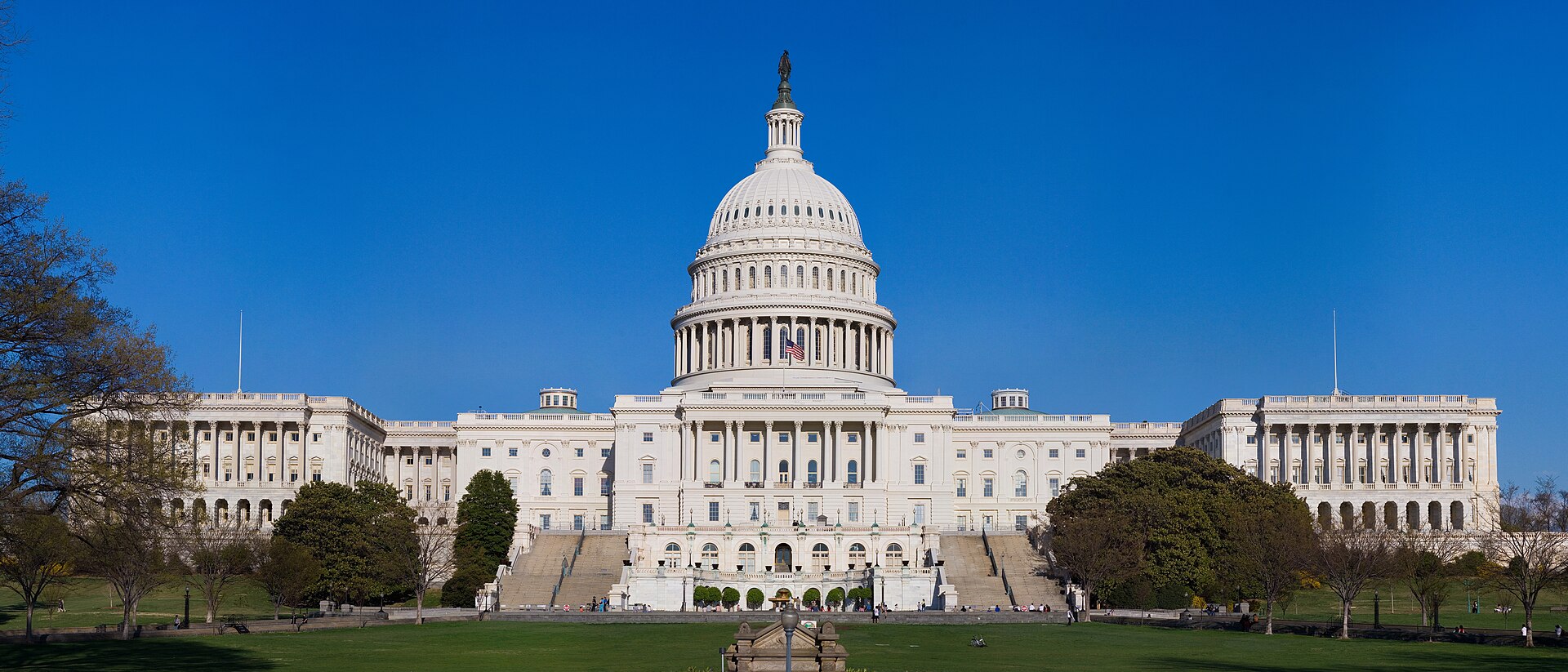
The Senate has exclusive authority to conduct the trial and render a verdict [9]. While the House acts as the prosecution, the 100 senators serve as the jury [7], [25]. If the sitting president is on trial, the trial is presided over not by the vice president, but by the Chief Justice of the U.S. Supreme Court [13]. For the president to be found guilty, the Constitution requires a strict two-thirds majority of the senators present (usually 67 votes) [1], [16]. There are no formal rules of evidence in this trial, and the determination of the burden of proof depends on the judgment of each individual senator [3].
If the Senate acquits the president, the process ends [2]. However, if it finds him guilty, a penalty follows. The Constitution permits only two types of punishment: automatic removal from office and, subsequently (in a separate vote requiring only a simple majority), a lifetime ban on holding any future federal office [2], [14], [16].
Presidents on Trial
Although the House of Representatives has launched investigations against several presidents, only three have been officially impeached to date—Andrew Johnson, Bill Clinton, and Donald Trump [2]. However, none of them was removed from office, as the necessary two-thirds majority was never reached in the Senate [1]. Throughout U.S. history, Congress has successfully removed only eight federal officials from office, all of whom were federal judges [2], [22].
Andrew Johnson (1868): The first presidential impeachment stemmed from President Johnson’s efforts to dismantle the Reconstruction process in the defeated South following the American Civil War. His political enemies set a trap for him when he violated the Tenure of Office Act by dismissing his Secretary of War, Edwin Stanton, who was an ally of Abraham Lincoln and supported Reconstruction [1], [3]. The House quickly approved 11 articles of impeachment, but after a nearly three-month trial in the Senate, Johnson escaped conviction and removal from office by a single vote (35 senators voted in favor, which was just below the two-thirds threshold) [1], [2], [22].
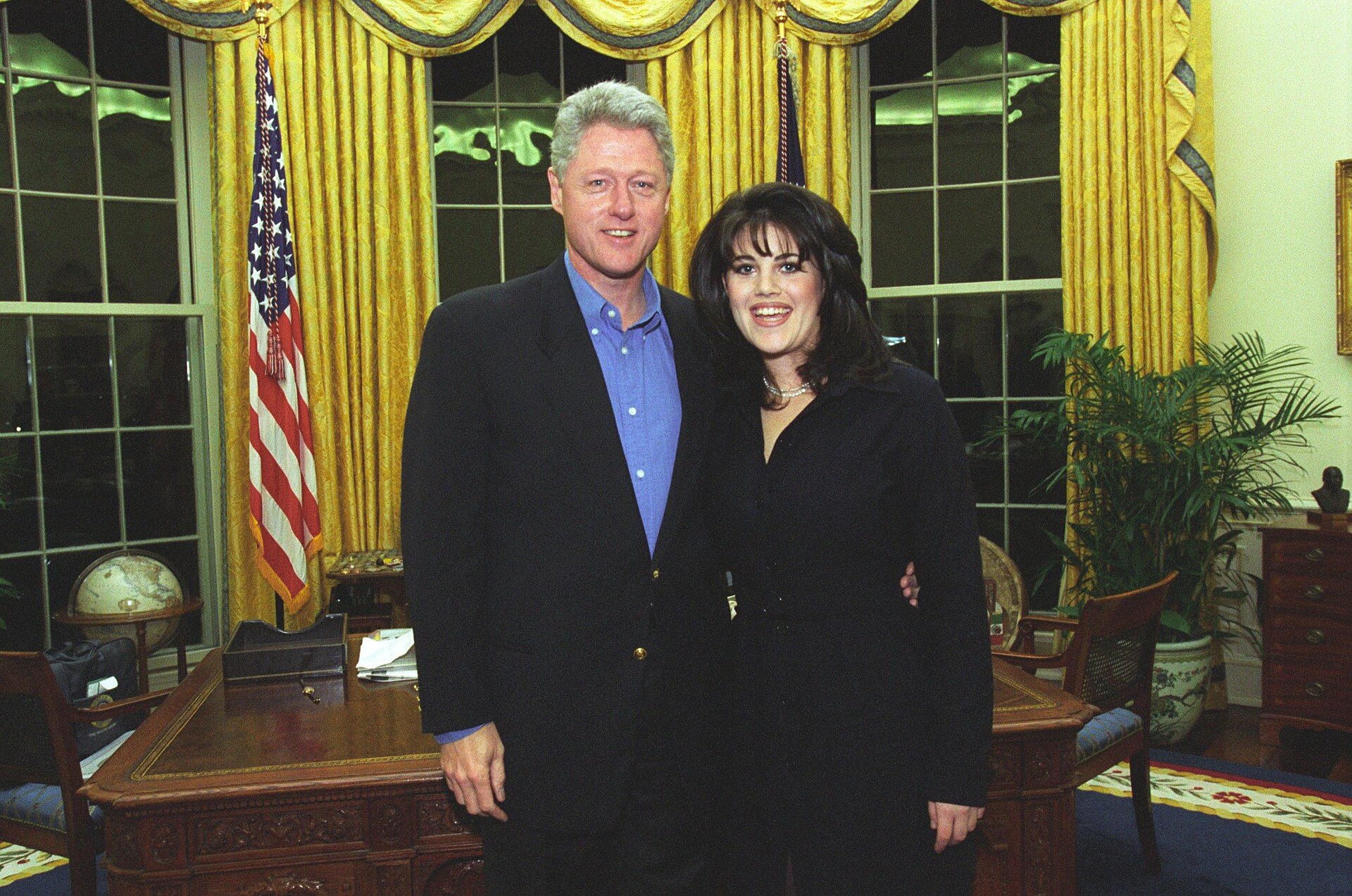
Bill Clinton (1998–1999): More than a century later, in December 1998, the House of Representatives impeached Bill Clinton. The two articles of impeachment approved (perjury and obstruction of justice) concerned his lies and attempts to cover up an extramarital affair with intern Monica Lewinsky [1], [2]. In the Senate, prosecutors failed to secure 67 votes, and so Clinton survived impeachment in February 1999 and successfully completed his second term [1], [22].
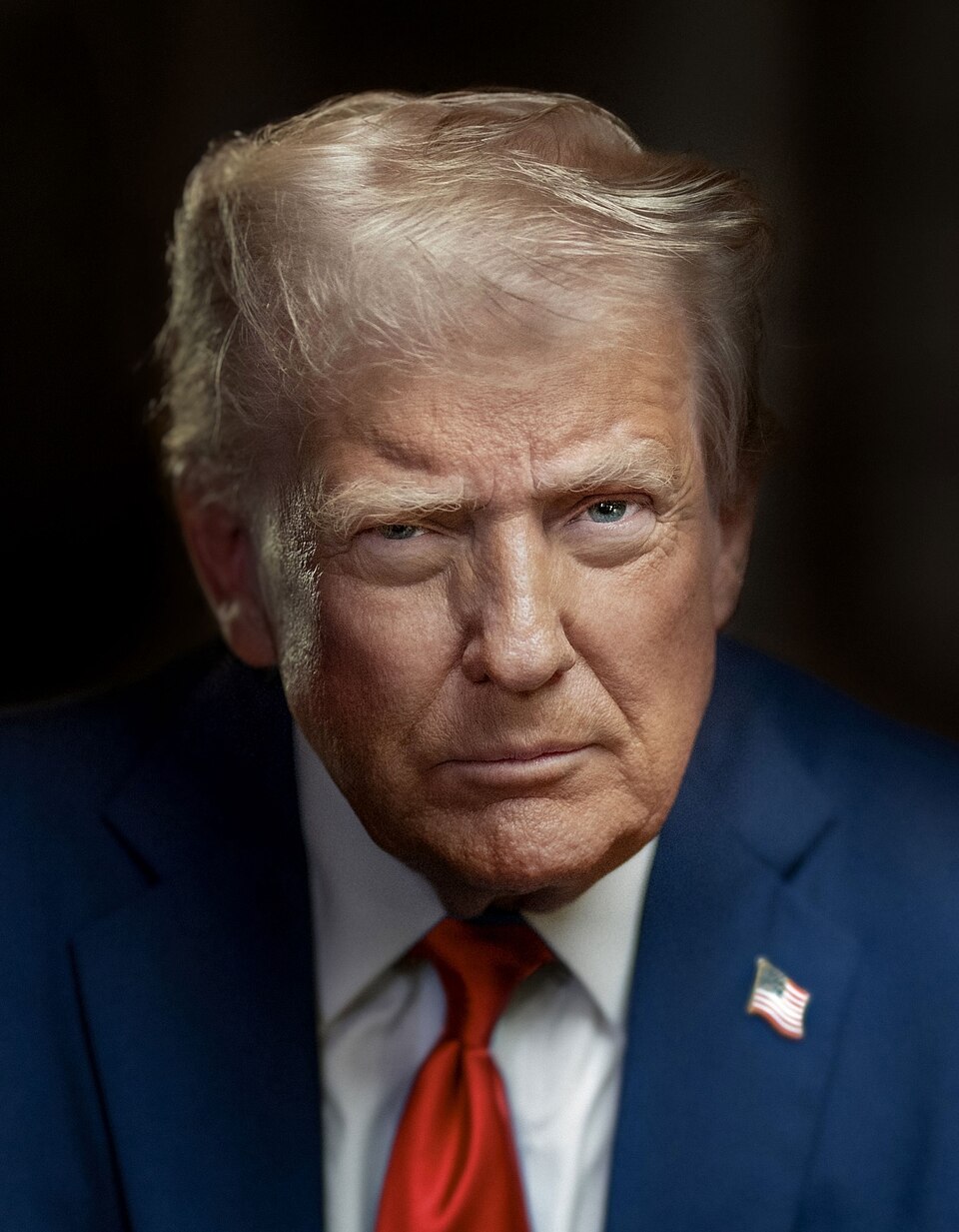
Donald Trump (2019 and 2021): Donald Trump holds the unique distinction of being the only federal official and president to have been indicted multiple times [17], [24]. Unlike Clinton’s cases, his cases resembled historical scandals involving the abuse of executive power and intolerance toward the political opposition [24].
The first impeachment began in 2019. Democrats in the House accused Trump of abusing presidential powers by allegedly attempting to condition significant government aid to Ukraine on the Ukrainian government publicly announcing an investigation aimed at discrediting his potential political rival, Joe Biden, and thereby interfering in the 2020 election [1]. The second article of impeachment was obstruction of Congress’s investigation into this phone call [1]. In February 2020, the Senate acquitted Trump; 48 senators voted guilty on the abuse of power charge (52 voted not guilty) and 47 on the obstruction of justice charge (53 voted not guilty) [1].
Trump was impeached a second time just days before the end of his term, in January 2021. He faced a single charge: incitement of insurrection [2], [22]. The indictment cited his speeches, phone calls, and Twitter posts, which it alleged incited the violent mob that attacked the Capitol on January 6, 2021 [2]. In this case as well, the Senate acquitted him in February 2021 [22]. Incidentally, the fact that the Senate trial itself did not begin until 20 days after Trump’s term had ended raised an important question about the admissibility of trying a former official [17].
Phantom Impeachment: Would Richard Nixon Have Been Removed?
When discussing the removal of presidents, there is one fundamental anomaly that resulted in an actual premature departure from office, even though, paradoxically, a vote in the full House or Senate never actually took place—the case of the 37th President of the United States, Richard Nixon. Following the break-in at the Democratic Party headquarters in the Watergate Hotel and the subsequent massive cover-up, it became clear that Nixon was directly involved in covering up the scandal. As evidence mounted, his impeachment became increasingly inevitable [4].
The House Judiciary Committee approved three articles of impeachment with strong bipartisan support:
Obstruction of justice (attempts to prevent the investigation into the Watergate break-in and the protection of those responsible, including the firing of the special prosecutor) [7], [19].
Abuse of power (using federal agencies such as the IRS and FBI against political enemies and citizens since 1969) [7].
Contempt of Congress (refusal to comply with committee subpoenas) [7].
The turning point came after the Supreme Court unanimously ordered the president to release White House audio recordings [9]. The release of the June 23, 1972, recording, known as the “Smoking Gun,” captured Nixon plotting to obstruct the investigation with the false claim that it would expose secret CIA operations [20].
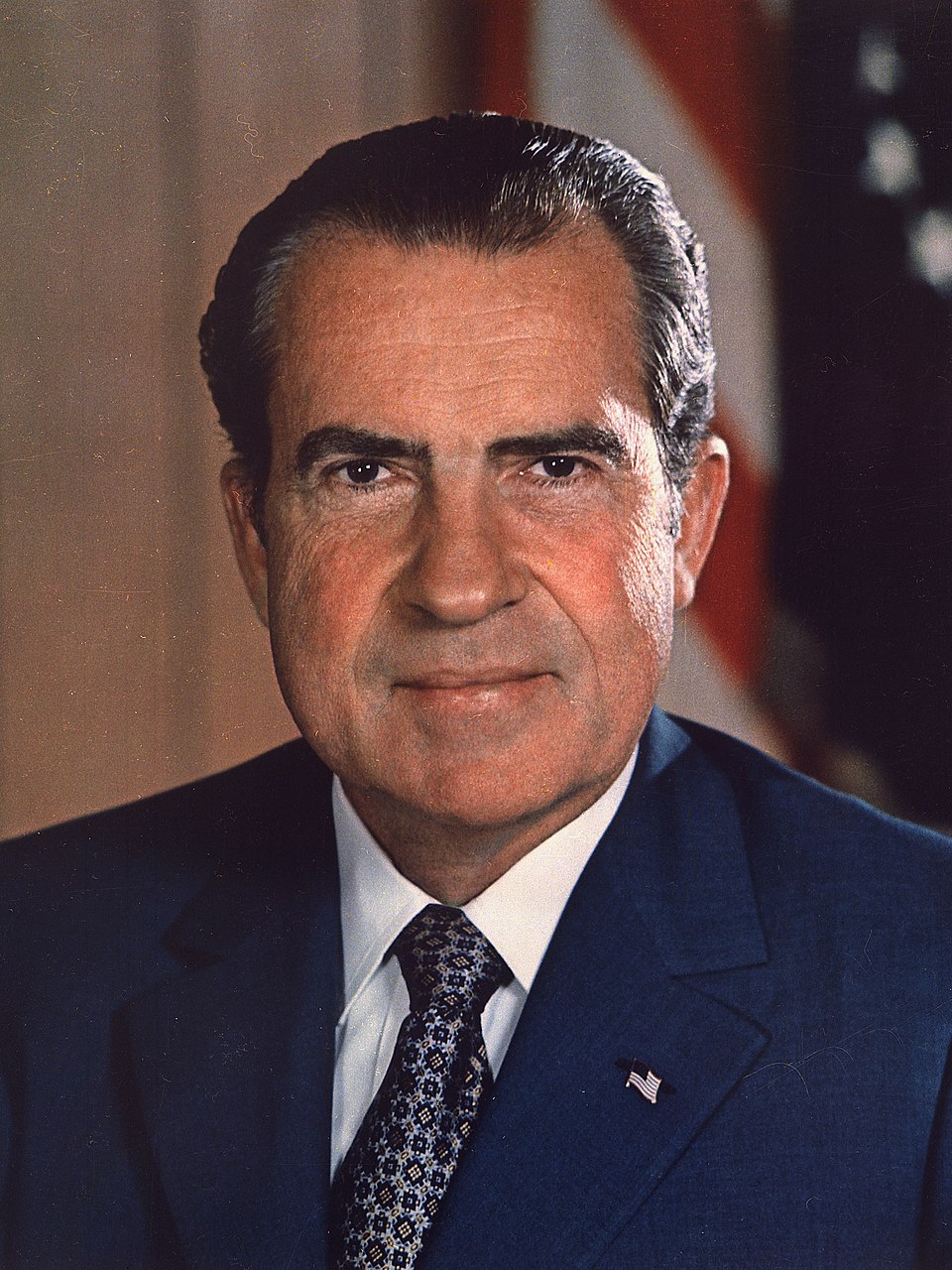
Would Nixon have been convicted and removed from office if he had not resigned? The historical facts are absolutely clear: Yes, almost certainly [1], [14], [20], [21]. Republican leaders in Congress informed him that they could no longer protect him from impeachment in the House or from conviction in the Senate [20]. He needed 34 senators’ votes to be saved.
However, a delegation led by Senator and former presidential candidate Barry Goldwater brought him the harsh truth at the White House—Goldwater told the president that he did not have enough votes; at most, 15 senators were willing to vote for his acquittal, and Goldwater himself would vote for his conviction [3], [8], [26]. Based on this evidence, it was certain that a two-thirds majority would be found in the Senate [26].
Nixon realized that his presidency was over, and to avoid certain removal from office and the permanent destruction of his legacy, he resigned on August 9, 1974 [1], [4], [21]. He thus became the first—and to this day the only—president to resign from office [4], [20]. Because he resigned, the impeachment process was terminated, and Nixon was later pardoned by his successor, Gerald Ford [14], [19].
Can Trump be impeached a third time?
Since Donald Trump has already been impeached twice and acquitted in both cases, a logical question arises: Does U.S. law prevent him from being impeached a third time for the same or different reasons?
The answer is: Yes, the president can legally be impeached a third time [23]. The U.S. Constitution does not set any limit on how many times an individual can be subjected to the impeachment process [17]. Many might argue based on the principle of “double jeopardy,” which in criminal law prohibits someone from being tried twice for the same crime. However, this principle does not apply to impeachment [23]. Impeachment is not a criminal prosecution (although removal from office may be followed by a regular criminal trial), but a purely political process aimed solely at removal from office [22], [23].
The rules of impeachment are the exclusive domain of Congress, and even if Congress were to indict the president based on new evidence in a case already under consideration, the Supreme Court would most likely not intervene in this political process at all [23]. At the same time, it is highly unlikely that Congress itself would pass rules that would limit its ability to remove a president whom many believe to be corrupt [23]. From this perspective, there is no definitive “legal” obstacle that would prevent a third impeachment in the future [23].
Conclusion
The phenomenon of impeachment is an excellent illustration of how the U.S. Constitution balances power and accountability. The fact that no president in history has been successfully removed by a Senate vote (though Richard Nixon avoided this fate only by resigning) does not prove that this tool is ineffective [2], [21]. On the contrary, it proves that the Founding Fathers’ intention to create a process requiring an exceptionally broad bipartisan consensus in the form of a two-thirds majority in the Senate has been fulfilled [12].
For Donald Trump, impeachment means he will forever go down in history as the first president to be impeached twice, yet history shows us that this powerful political mechanism remains a permanent, albeit difficult-to-use, weapon hanging over every future occupant of the White House.
List of References
[1] Impeachment in U.S. History | Andrew Johnson | Richard Nixon | Bill Clinton | Donald Trump | National Leader in Civic Education Resources | Bill of Rights Institute https://billofrightsinstitute.org/activities/impeachment-in-u-s-history/
[2] How Many US Presidents Have Faced Impeachment? | HISTORY https://www.history.com/articles/how-many-presidents-impeached
[3] The History of Impeachment | UW School of Law https://www.law.uw.edu/news-events/discovery/season-6/the-history-of-impeachment/
[4] Nixon's Shocking Exit: The First Presidential Resignation https://ftp.bills.com.au/lunar-tips/nixons-shocking-exit-the-first-presidential-resignation-1764797463
[5] Politico. September 16, 2019.
[6] Congressional Research Service. February 6, 1974.
[7] Congressional Research Service. December 19, 2019.
[8] Niven, David (2017). The Politics of Impeachment. Routledge.
[9] 50 Years After Nixon Resigned, Impeachment Has Become a Political Weapon | The Heritage Foundation https://www.heritage.org/political-process/commentary/50-years-after-nixon-resigned-impeachment-has-become-political-weapon
[10] For more on the historical background of the Constitution’s impeachment provisions, see ; ; .
[11] See Gordon S. Wood, The Creation of the American Republic 141 (1969); see, e.g., N.Y. Const. of 1777 arts. XXXII–XXXIII (providing that impeachments be tried before a court composed of state senators, judges of the New York Supreme Court, and the state chancellor).
[12] The Federalist No. 66 (Alexander Hamilton).
[13] U.S. Const. Art. I, § 3, cls. 6, 7. While it is clear that the Chief Justice must preside over the impeachment trial of a sitting President, the Chief Justice did not preside over the second impeachment trial of former President Trump. 167th Cong. Rec. S142 (daily ed. Jan. 26, 2021) (swearing in Patrick Leahy (D-VT), President pro tempore of the United States Senate, as presiding officer).
[14] United States - Did American leaders give any serious consideration to proceeding with Nixon's impeachment and trial after he resigned? - History Stack Exchange https://history.stackexchange.com/questions/35916/did-american-leaders-give-any-serious-consideration-to-proceeding-with-nixons-i
[15] "About Impeachment | Historical Overview". www.senate.gov. United States Senate. Retrieved June 14, 2023.
[16] "U.S. Senate: Constitution of the United States". U.S. Senate. March 4, 1789. Archived from the original on February 10, 2014.
[17] Impeachment in the United States - Wikipedia https://en.wikipedia.org/wiki/Impeachment_in_the_United_States
[18] The first vote took place on July 19, 1787, and the second on July 26, 1787. Max Ferrand, Records of the Federal Convention of 1787 (hereinafter Records), 2:61, 69, 116.
[19] UVA Expert: Supreme Court Immunity Ruling Would’ve Been a Gift to Nixon https://news.virginia.edu/content/uva-expert-supreme-court-immunity-ruling-wouldve-been-gift-nixon
[20] Watergate: The aftermath - Miller Center https://millercenter.org/the-presidency/educational-resources/watergate/watergate-aftermath
[21] Resignation was not the end | Miller Center https://millercenter.org/the-presidency/impeachment/resignation-was-not-end
[22] Law of Impeachment — Harris County Robert W. Hainsworth Law ... https://www.harriscountylawlibrary.org/law-of-impeachment
[23] United States - Can a US president be "re-impeached" by a new Congress on the same charges? Or would double jeopardy apply? - Politics Stack Exchange https://politics.stackexchange.com/questions/16554/can-a-us-president-be-re-impeached-by-a-new-congress-on-the-same-charges-or-w
[24] What would a third Trump impeachment look like? https://donmoynihan.substack.com/p/what-would-a-third-trump-impeachment
[25] Impeachment | US House of Representatives - History, Art & Archives https://history.house.gov/Institution/Origins-Development/Impeachment/
[26] Half a century ago, Nixon became the only president to resign - TPR: The Public's Radio https://thepublicsradio.org/npr/half-a-century-ago-nixon-became-the-only-president-to-resign/