The Voice of the People or Political Theater? The History of Referendums in the Slovak Republic and the Prospects for a Plebiscite in 2026
The Slovak Republic is preparing for its next—and tenth—nationwide referendum since its establishment in 1993 [9,11]. This instrument of direct democracy, which in an ideal world should serve as the highest expression of the will of the people, has, however, in the Slovak context become more of a symbol of political struggle, low turnout, and constitutional disputes. President Peter Pellegrini announced the latest referendum for July 4, 2026, based on a petition initiated by the Democrats party [1,13,17,27]. However, only a fragment of the original proposal remains, which once again reopens old wounds and draws historical parallels with how politicians in Slovakia approach referendums.
What are the remaining issues, and why did the president intervene?
The original petition by the Democrats party contained three questions. The public was to decide on the early termination of the parliamentary term, the abolition of lifetime pensions for selected constitutional officials (including the prime minister), and the reinstatement of the Special Prosecutor’s Office (ÚŠP) and the National Criminal Agency (NAKA), which were abolished by Robert Fico’s fourth government [1,2,27,28]. However, President Peter Pellegrini intervened decisively in the process and removed the first question regarding the demand to shorten the parliamentary term and call new elections from the referendum [2,11,25]. Thus, only two questions will remain on the referendum ballot—regarding the abolition of lifetime pensions and the reinstatement of the Special Prosecutor’s Office and NAKA [13,25]. The president saw no problem with these two questions and found them to be in accordance with the Constitution [17,28].
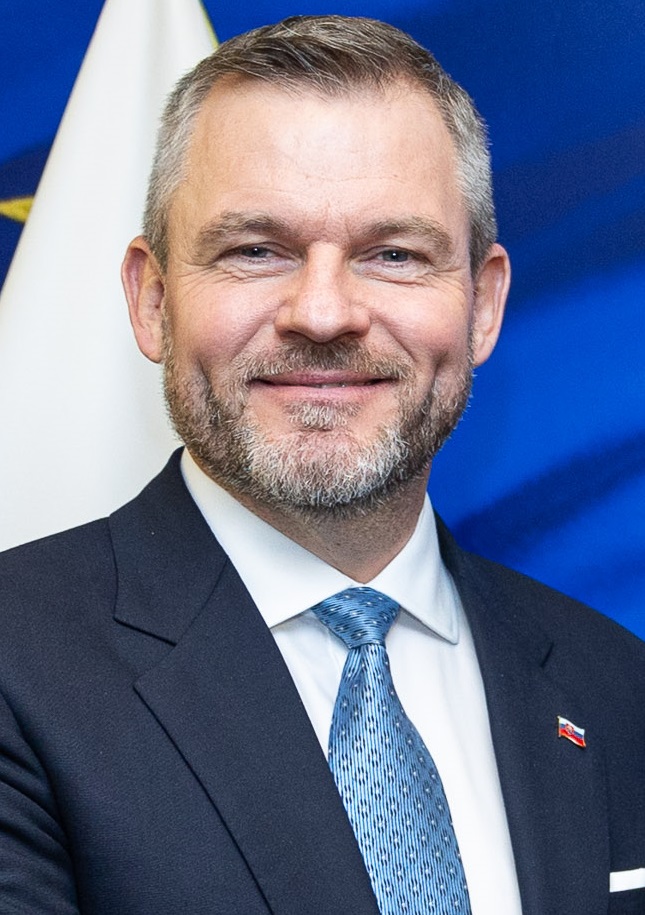
According to the head of state, the reason for removing the first question was its unconstitutionality [9,11,13]. Pellegrini cited the fact that this was an explicitly technical, not political, decision, citing several renowned constitutional lawyers and experts such as Ján Mazák, Marián Giba, and Vincent Bujňák [17,28]. The President emphasized that the Constitution clearly states today that the electoral term can only be shortened by a resolution of at least 90 members of Parliament, and the Constitution recognizes no other immediate means [17,28].
The Constitutional Court has already ruled unequivocally in the past, after being approached by then-President Zuzana Čaputová, that it is not possible to shorten the electoral term by referendum [3,17,28]. According to constitutional lawyer Vincent Bujňák, such a question violates the principle of the generality of law, because it would circumvent the rules through the force of a constitutional law in a single specific case—it would constitute a one-time breach of the Constitution that would order only one specific parliament to dissolve itself [3,17]. Another constitutional lawyer, Peter Kresák, added that such wording also runs afoul of the prohibition on an imperative mandate, since the Constitution guarantees that members of parliament are not bound by orders [25].
An interesting aspect of this case is that President Pellegrini did not refer this issue to the Constitutional Court at all, but, given previous unambiguous rulings, decided on his own that there would be no referendum on this issue [13,17]. Critics from the opposition condemned this move. There were even comparisons that the president’s arrogant stance was a “chill breeze of Mečiarism,” evoking the trauma of the thwarted 1997 referendum [28].
A genuine effort for change or expensive political PR?
Given that the key question regarding early elections has been dropped from the referendum, the question arises as to whether the Democrats’ initiative still makes any sense at all. Political scientists and politicians see it clearly. Interior Minister Matúš Šutaj Eštok suggested that if only the questions regarding NAKA and the prime minister’s pension remained on the table, such a referendum would have no fundamental significance and would amount to nothing more than an “expensive public opinion poll” [6]. Political scientist Jozef Lenč also pointed out that a referendum costing millions of euros could be nothing more than a PR stunt by the Democrats [24].
Constitutional law experts also point out another technical problem. While the questions that will ultimately appear on the referendum ballot do not contradict the Constitution, they do not constitute a specific legal norm. According to Peter Kresák, they rather express a certain opinion, the implementation of which would in any case require legislative action by the National Council of the Slovak Republic [25]. This means that even a valid result would clearly be nothing more than a public opinion poll [25]. Since the initiative comes from a political party, even though it is formally based on a popular petition, it is in reality a politically motivated action serving its own agenda [12,16].
The Curse of the Quorum: The Mathematics of Slovak Apathy
How many referendums have actually been held in Slovakia since 1993, and what are their chances of success? Since the establishment of the independent state, nine nationwide referendums have been held to date [1,9,25,26]. This year’s referendum will therefore be the milestone tenth [9,11].
Of the nine referendums held so far, only one was valid [4,7,9,10,11,25]. The reason for this historical failure is a strict legal and constitutional requirement. According to Article 98 of the Constitution of the Slovak Republic, a referendum is considered valid only if a majority of eligible voters participate and if the decision is adopted by a majority of the participants [4,8,9]. In practice, this means that more than 2.2 million voters would have to go to the polls [10].
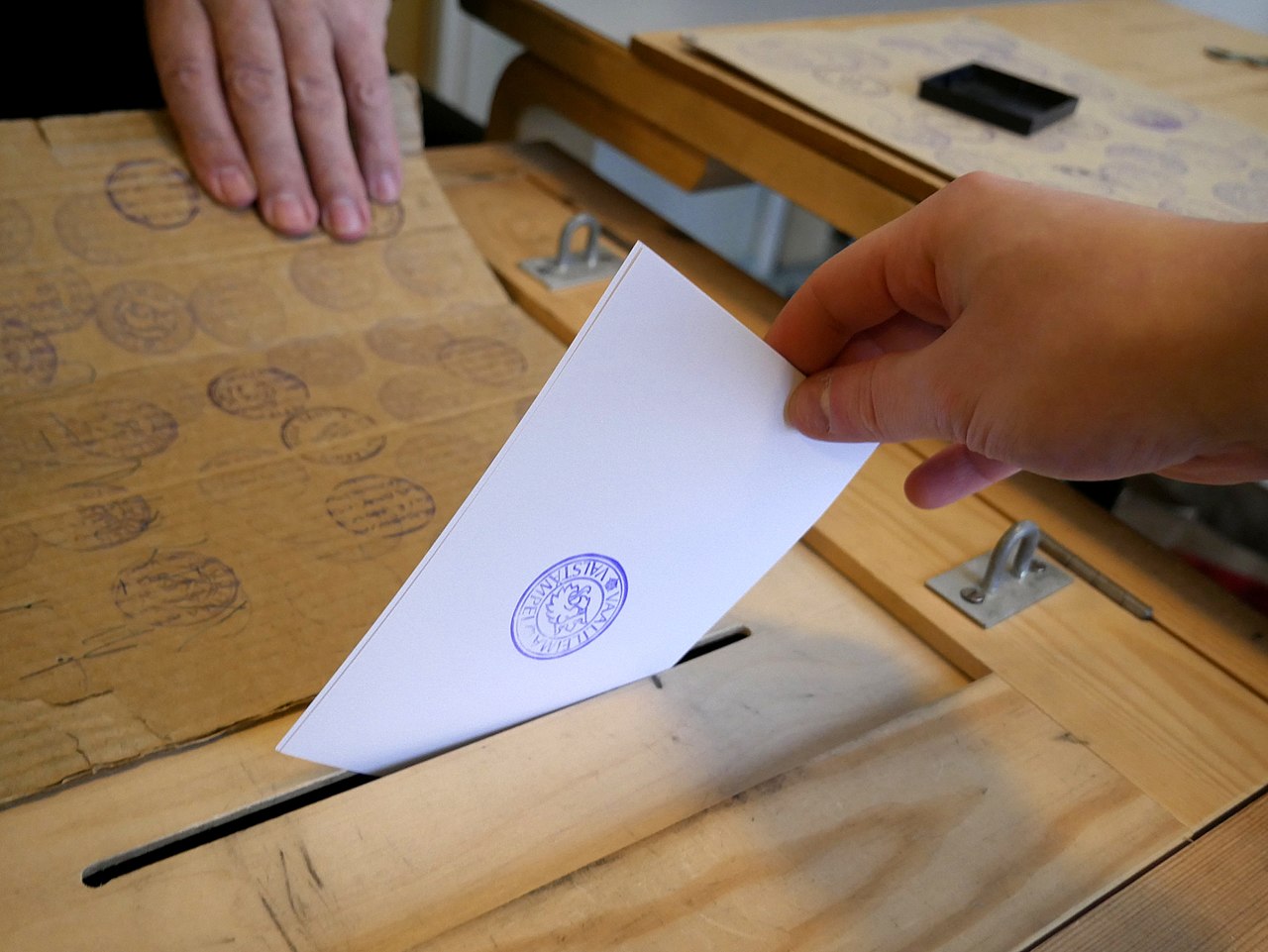
Given historical experience, it can be concluded that the strict requirement of a referendum quorum de facto weakens the use of this institution of direct democracy [4]. Slovaks participate in referendums sparingly [8]. In four cases, less than 40 percent of eligible voters turned out, and on two occasions, turnout was only around 20 percent [8]. For example, in the 2000 referendum on early elections, turnout exceeded only 20 percent [5,8]; in 2010, just under 23 percent voted [8]; and in January 2023, only 27.41 percent of citizens turned out [14].
In the Democratic referendum, the realistic chances of reaching 50 percent turnout are nearly zero. Not only because of the reduced appeal of the questions, but also because of the timing. The president set the date of the referendum for July 4, 2026. This marks the beginning of summer and the vacation season, which historically and logically tends to work against higher turnout [17].
Furthermore, a specific political culture of disregard has developed in Slovakia. Among the formal rules, the quorum has the most significant impact on referendums—the result is invalid referendums in which participation is almost exclusively limited to those who support the issue at hand [12]. If voters disagree with the referendum’s topic (for example, they do not want early elections), they simply stay home. Non-participation has thus become a tool of political struggle. If a referendum is invalidated due to low turnout, the political message is that voters have supported the government [16].
The Only Success: The Path to Europe
In the history of the Slovak Republic, only a single referendum has reached the quorum and been successful [4,7,8,10,11,25]. It stands apart from all other votes [12]. It was the fifth nationwide referendum held on May 16 and 17, 2003, called by President Rudolf Schuster [11,24,25]. It concerned a key question in our modern history: “Do you agree that the Slovak Republic should become a member state of the EU?” [1,11,24].
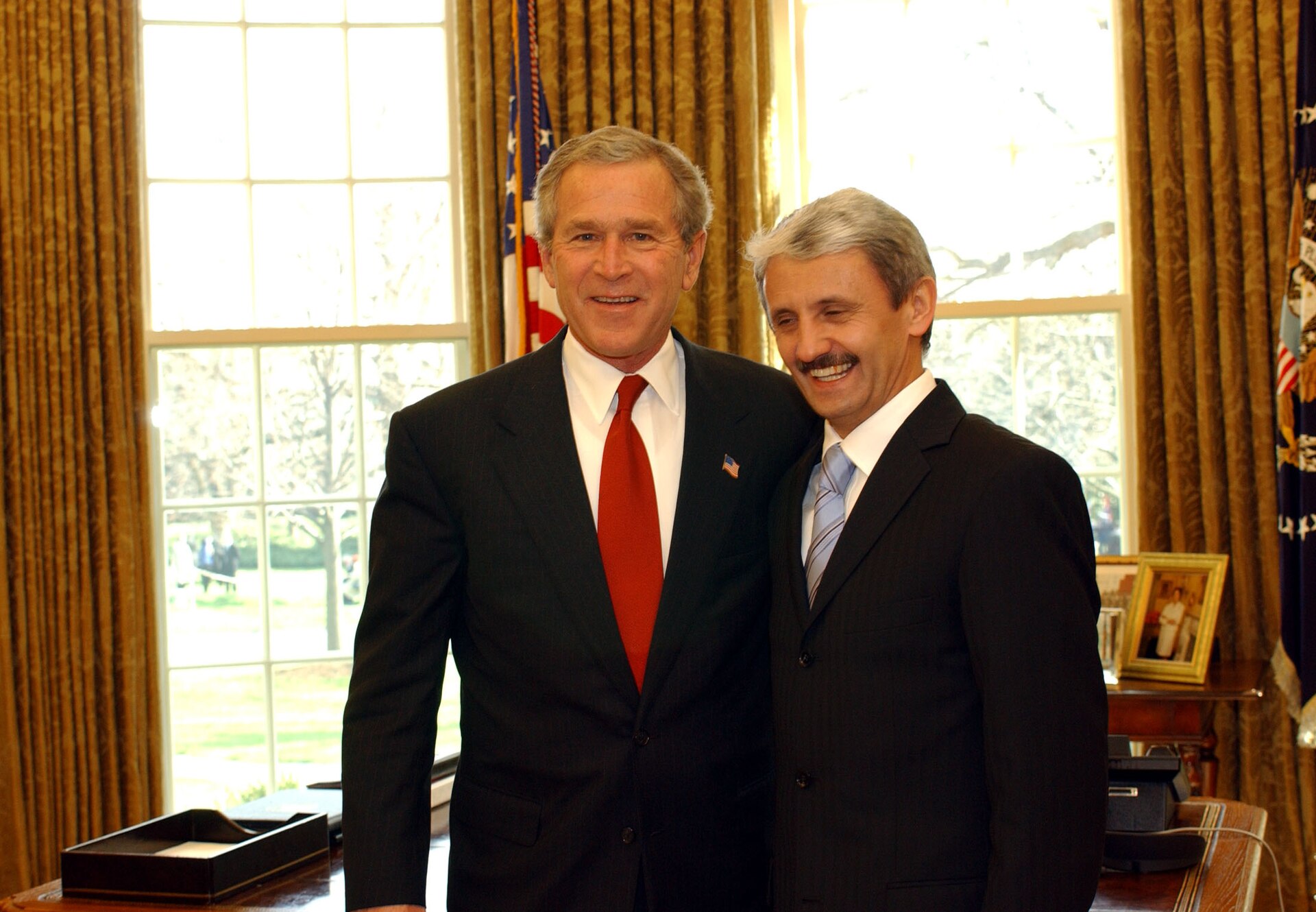
Even on this absolutely fundamental civilizational issue, turnout only slightly exceeded the required quorum—52.15% of eligible voters cast their ballots [1,4,8,11,12,18,25,29]. The result, however, was unequivocal. In the plebiscite, citizens approved the country’s accession to the EU, with 92.46% of participating voters voting in favor of membership and only 6.2% against [1,8,11,12,25,29]. The Slovak Republic thus became part of the EU on May 1, 2004.
A Black Mark on Slovak Democracy: The Failed 1997 Referendum
If the EU referendum was the greatest success, the 1997 referendum remains the darkest chapter, one that deeply influenced and polarized Slovak public debate for many years [3,8,12,19]. This referendum is a prime example illustrating how this institution functions as a tool for ruthless political struggle [12].
A referendum was scheduled to take place in May 1997; its story began with a petition by opposition parties for the direct election of the president, signed by more than 490,000 citizens [12,19]. In an effort to undermine the success of political opponents and manipulate public opinion, the ruling coalition (led by the HZDS and Vladimír Mečiar) initiated a parliamentary resolution to combine this referendum with a referendum on NATO accession [12,19]. They deliberately added two additional questions with negative connotations to the neutral question on joining the Alliance: whether citizens agreed to the deployment of nuclear weapons and military bases on Slovak territory [19]. The aim was to remind citizens of the “adverse consequences” of membership [19].
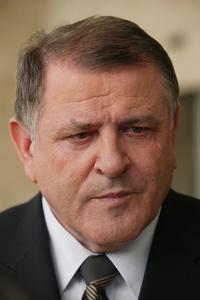
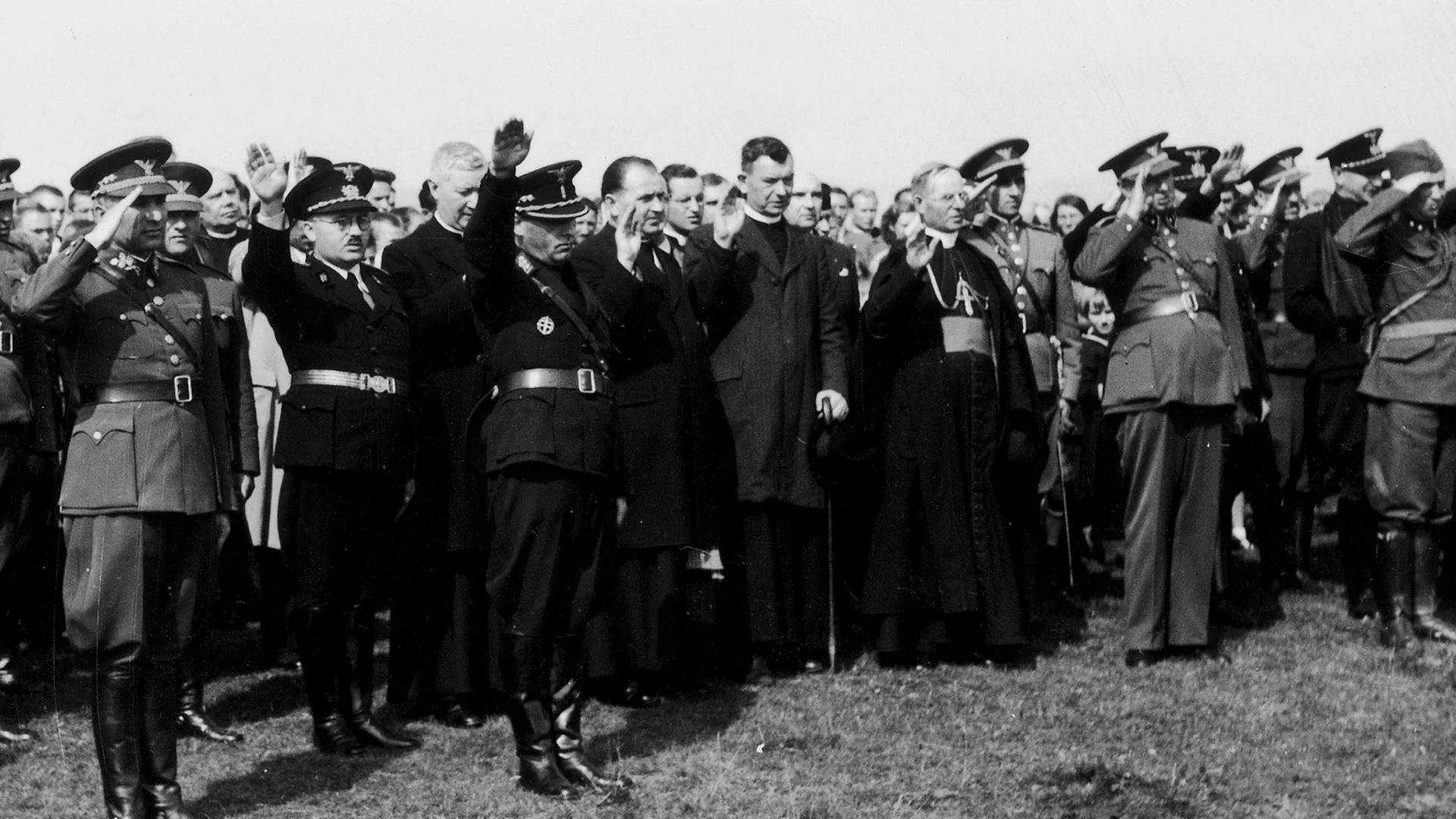
President Michal Kováč merged the initiatives and ordered all four questions to be placed on a single ballot [19]. Prime Minister Mečiar questioned the legality of the referendum on the presidential election, but both the Constitutional Court of the Slovak Republic and the Central Election Commission confirmed that it was legal and in accordance with the constitution [19]. At this point, however, brute state power intervened. Interior Minister Gustáv Krajči (HZDS) ignored the decisions of both the court and the commission, arbitrarily removed the question on the direct election of the president, and ordered the printing of ballots containing only three questions on NATO [19,20].
On the days of the referendum, May 23 and 24, 1997, chaos ensued. Ballots with four questions were distributed to some polling stations, while others had only three [3,19]. Independent media reported on this manipulation, and the opposition at the time called on its supporters to boycott the referendum [3,19]. As a result, disillusioned citizens boycotted the irregular proceedings, and the referendum saw the lowest turnout in Slovakia’s history—just 9.53% [3,19]. The day after voting ended, the Central Referendum Commission ruled that the referendum had been thwarted due to the failure to distribute ballots containing the four questions [3,8,11,24].
The Consequences of Mečiarism and Scars on the Rule of Law
The political and social consequences of the failed 1997 referendum were devastating and demonstrated that democracy in Slovakia was not yet consolidated and that Prime Minister Mečiar’s authoritarian practices were still present [19]. The failed referendum drastically deepened the conflict between the ruling coalition and the opposition [12].
Society became radicalized; demonstrations took place in June 1997, and the opposition demanded the resignation of Minister Krajči, which he refused [19,21]. However, the government’s failure and undemocratic practices led to the voluntary resignation of the foreign minister in Mečiar’s government, career diplomat Pavol Hamžík [12,19,22,23]. He told the media at the time that, as minister, he could not pursue foreign policy objectives when everything was subordinated to the domestic power struggle [19,23].
The final verdict was handed down by the Constitutional Court of the Slovak Republic on February 6, 1998, at the initiative of MP Ivan Šimko. The court found that Minister Krajči had violated the constitutional and fundamental rights of citizens through his actions [8,11,24]. However, the conflict among political actors and institutional instability culminated in March 1998. Since President Kováč’s term had ended and a new president had not been elected by parliament, presidential powers were assumed by Vladimír Mečiar’s government. It decided to grant amnesty to those who had participated in thwarting the referendum [8,12,19]. This act became a lasting legacy of the so-called Mečiar amnesties and led to long-standing disputes over where the boundaries of the rule of law and justice begin and end [12].
History makes it clear that Slovakia is not fond of referendums [8]. Since 1993, this institution has not become a tool for civic participation, but rather an arena for power struggles and party PR. In Slovakia, referendums are a way to reliably divide society (apart from the thwarted referendum, the so-called “family referendum” of February 7, 2015, was particularly notable in this regard) and create an opportunity for demagogues in both camps [15].
The upcoming July referendum by the Democrats party, with its two limited questions, scheduled for the summer, and burdened by an insurmountable 50-percent threshold, will most likely not change this historical paradigm. Rather, it will simply add another failed attempt to the historical record and confirm that real power in Slovakia is not decided at the ballot box in referendums, but in parliamentary elections.
List of References
[1] List of referendums in Slovakia – Wikipedia https://cs.wikipedia.org/wiki/Seznam_referend_na_Slovensku
[2] However, despite the petition, Pellegrini refused to call a referendum on the issue of prematurely ending the parliamentary term and calling new elections, stating that, according to his understanding of the legal interpretation, such a question would be in conflict with the Constitution of the Slovak Republic.
[3] The question was to read: “Do you agree that the 8th term of the National Council of the Slovak Republic should be shortened so that elections to the National Council of the Slovak Republic are held within 180 days of the announcement of the results of this referendum?”
[4] Explanatory memorandum https://www.nrsr.sk/web/Dynamic/DocumentPreview.aspx?DocID=410838
[5] P. Pellegrini will become the sixth President of the Slovak Republic - STVR News https://spravy.stvr.sk/2024/06/p-pellegrini-sa-stane-v-poradi-siestym-prezidentom-sr-ako-sa-vo-vykone-funkcie-darilo-jeho-predchodcom/
[6] “You got into politics as a troll,” Korčok snapped. According to Šutaj Eštok, a referendum would be nothing more than an “expensive poll” | ta3 https://www.ta3.com/clanok/1044959/do-politiky-ste-sa-dostali-ako-troll-udrel-korcok-podla-sutaja-estoka-by-referendum-bolo-len-drahym-prieskumom
[7] COMPREHENSIVE OVERVIEW: There have been eight referendums in Slovakia since 1993 https://www.teraz.sk/referendum-2023/velky-prehlad-na-slovensku-bolo-od-r/688302-clanok.html
[8] Slovakia is not fond of referendums; only one has succeeded so far - SME https://www.sme.sk/domov/c/slovensko-referendam-nepraje-dosial-uspelo-len-jedno
[9] Referendum 2026 | Plus ONE DAY https://www1.pluska.sk/tag/referendum-2026
[10] The 2023 referendum is invalid; see the results https://volby.sme.sk/referendum/2023/vysledky
[11] Slovakia is awaiting its tenth anniversary referendum. So far, only one has been successful - Domestic - News - Pravda https://spravy.pravda.sk/domace/clanok/801091-slovensko-caka-jubilejne-desiate-referendum-doteraz-bolo-uspesne-iba-jedno/
[12] untitled https://fphil.uniba.sk/fileadmin/fif/veda/centra_ex_akad_siete/cesiuk/politicka_dimenzia/Monografie_Lastic_Referendum.pdf
[13] The 2026 referendum in Slovakia will not be about early elections https://www.novinky.cz/clanek/zahranicni-evropa-slovaci-pujdou-k-referendu-rozhodl-pellegrini-otazka-o-predcasnych-volbach-ale-nebude-40574433
[14] According to unofficial results, the referendum is invalid https://www.noviny.sk/slovensko/740406-podla-neoficialnych-vysledkov-je-referendum-neplatne
[15] Tomáš Halík: I see referendums as a dangerous tool of populism | Aktuality.sk https://www.aktuality.sk/clanok/269753/tomas-halik-rozhovor-referendum/
[16] A referendum on early elections or the erosion of popular sovereignty under the pretext of exercising it — Denník N https://dennikn.sk/2287699/referendum-o-predcasnych-volbach-alebo-rozklad-suverenity-ludu-pod-zamienkou-jej-vykonu/
[17] Peter Pellegrini halted the referendum on the end of Fico’s government. He decided on his own, without even consulting the Constitutional Court | Aktuality.sk https://www.aktuality.sk/clanok/LdGzmlf/peter-pellegrini-stopol-referendum-o-konci-ficovej-vlady-rozhodol-sam-neobracia-sa-ani-na-ustavny-sud/
[18] [PDF] OK Campaign '98 in Slovakia - Theses https://theses.cz/id/j2y67g/LUCIA_FERENCEI_DP_S_PRILOHAMI.pdf?lang=en;stahnout=1;dk=LGZe31IU
[19] MICHALIČ, Sergej: Referendum: From the Petition, through its Invalidation to the Prosecutor’s Decision. In: MESEŽNIKOV, Grigorij – BÚTORA, Martin: Slovak Referendum ’97. IVO, Bratislava 1997, p. 52.
[20] (Foundation for Civil Society – Open Society Foundation). 1998. I can’t affect the political situation as an individual citizen but we can as citizens. Bratislava: Foundation for Civil Society, p. 4.
[21] MESEŽNIKOV, Grigorij: Domestic Political Developments and the Political Party System. In: IVANTYŠYN, Michal – MESEŽNIKOV, Grigorij (eds.): Slovakia 1998–1999. Comprehensive Report on the State of Society. IVO, Bratislava 1999, p. 22.
[22] TASR: Changes in Constitutional Office Holders Over the Past 10 Years. SME, Nov. 23, 2007, (online). (cited April 9, 2019) Available from: <www.sme.sk/c/3601769/Zmeny-na-postoch-ustavnych-cinitelov-za-ostatnych-10-rokov.html+Pavol+Ham%C5%BE%C3%ADk+odstupenie&hl=cs&ct=clnk&cd=4>
[23] Sme. Pavol Hamžík resigned yesterday from his position as minister in Mečiar’s government. May 27, 1997 (online). (cited June 24, 2019) Available from: http://www.sme.sk/c/2075639/pavol-hamzik-vcera-odstupil-z-funkcie-ministra-zahranicia-v-meciarovej-vlade.html#ixzz1vxvYwOEM
[24] This is Slovakia’s calling card. Thwarted and invalid referendums https://hnonline.sk/slovensko/571711-toto-je-vizitka-slovenska-zmarene-a-neplatne-referenda
[25] Lawyers: The President Did Not Have to Address the Referendum Issue at the Constitutional Court https://www1.pluska.sk/spravy/spor-o-referendum-eskaluje-referendove-otazky-mozu-byt-problem-prezident-sa-obratil-na-sud
[26] TASR. The referendum on constitutional amendment has ended. teraz.sk (Bratislava: TASR), 2023-01-21. Available online [accessed 2023-01-21].
[27] Pellegrini announced the Democrats’ referendum without a question on early elections for Saturday, July 4 — Denník N https://dennikn.sk/5286845/pellegrini-vyhlasil-referendum-demokratov-bez-otazky-na-predcasne-volby-na-4-jula/
[28] There will be a referendum, but Pellegrini rejected the question on early elections | Trenčínak.sk https://www.trencinak.sk/clanky/12012/pellegrini-rozhodol-o-referende-o-ficovej-rente-a-zrusenej-naka-sa-bude-hlasovat-zaciatkom-jula-jednu-otazku-stopol
[29] Referendums in Slovakia - News - Pravda https://spravy.pravda.sk/domace/stranka/8408-referenda-na-slovensku/