The Summer Vacation Phenomenon
Today, summer is inextricably linked with a time of relaxation, when people happily set out on journeys in search of new experiences. However, this phenomenon of summer vacations is not merely a product of the modern era; it has deep historical roots.
Ancient Roots
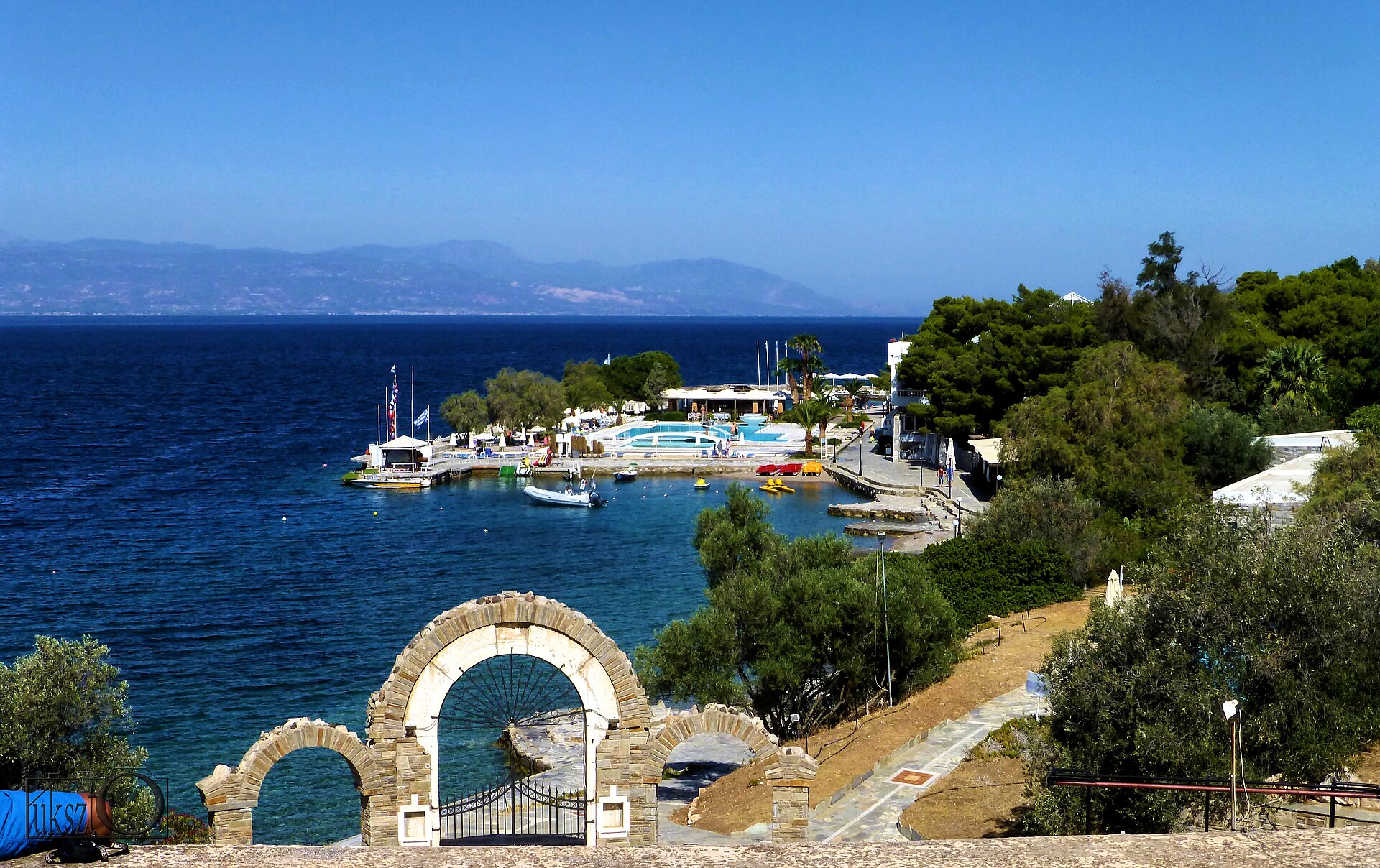
Even the ancient Romans enjoyed traveling to the spas in Greece, to the Egyptian pyramids, or to enjoy themselves in the Bay of Naples [21]. The wealthy elite regularly traveled for rest and relaxation, which was a celebrated part of their social life [7]. During the hottest summer months, aristocratic families fled the noise, heat, and poor air of Rome to their country or seaside estates [7].
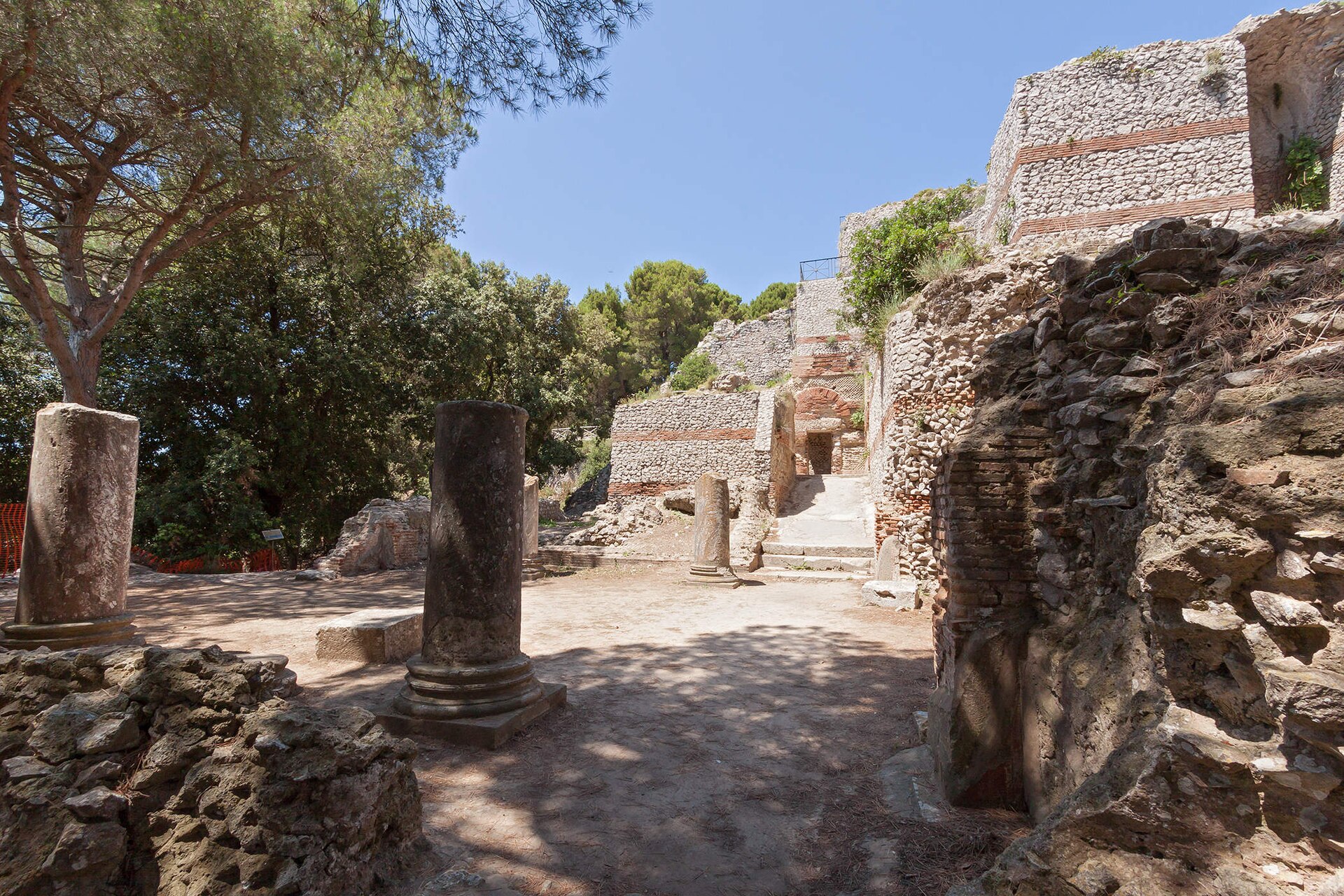
The coast thus became a popular destination and a hub of social life for the wealthy, who sought leisure and relaxation during their annual vacations [14]. These summer residences reflected the growing luxury and wealth of the Roman elite, who were among the few to enjoy this immense privilege [7,20]. The common people, however, could not afford such luxury or travel purely for pleasure, either financially or in terms of time [2,7].
However, the inhabitants of ancient Rome did not only go to the seaside; they also enjoyed visiting quiet country estates. In these places, the wealthy elite indulged in reading, hospitality, and intellectual debates, and enjoyed a much slower pace of life [7].
Aristocratic Leisure
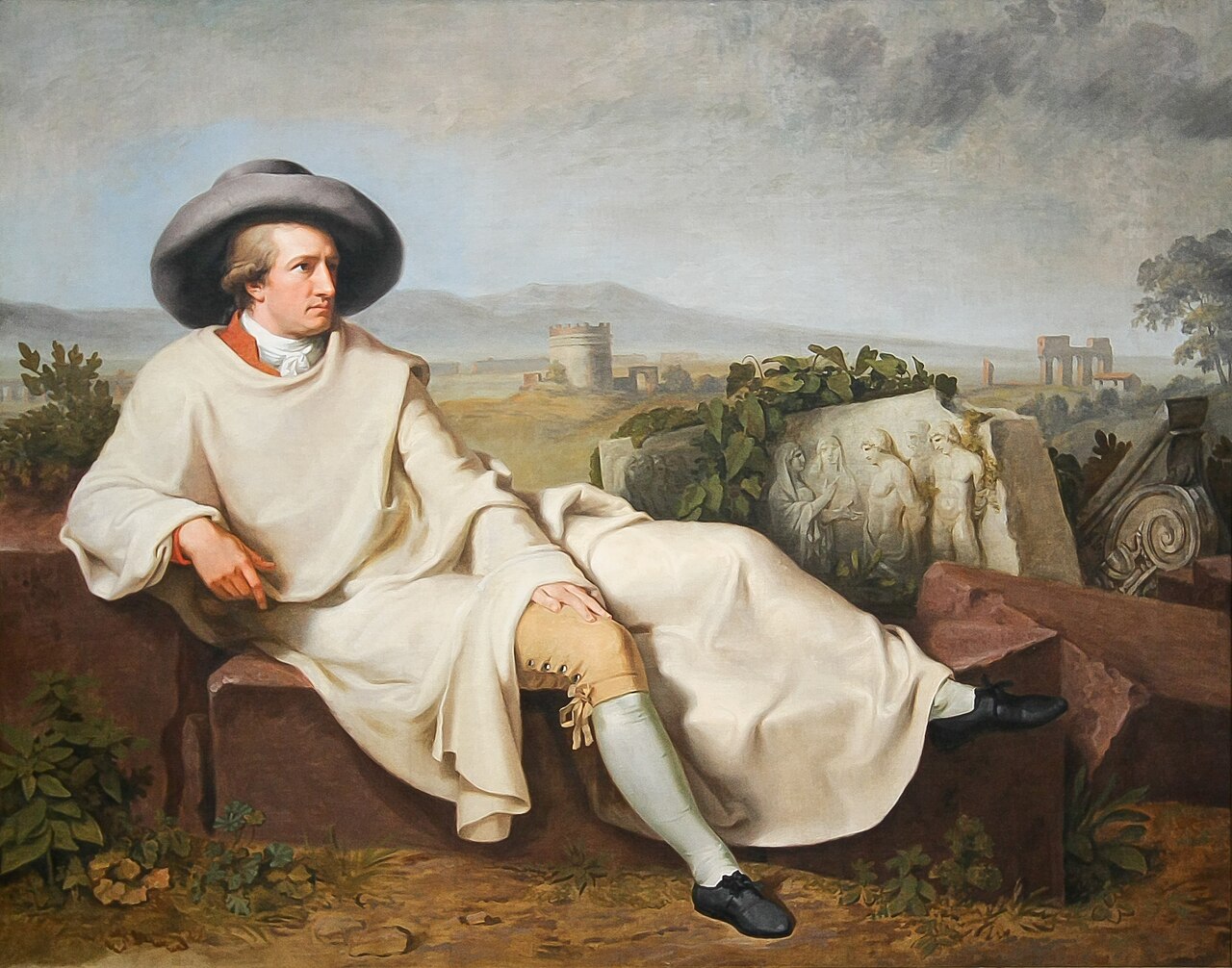
The origins of the modern concept of tourism can be traced back to the seventeenth century, when young nobles undertook the so-called Grand Tour of Europe. Their main goal was to explore history and art in France, Italy, or Greece, which was considered the perfect form of education at the time [17].
In the nineteenth and twentieth centuries, factories would close across the board for a period during the summer for maintenance, allowing workers to take time off. These periods were known, for example, in Great Britain as “Wake Weeks” and allowed the working class to leave their homes, at least for a while [4]. The real turning point, however, did not come until after World War II, when people had more money and new legislation definitively guaranteed them paid vacation [19].
Escaping the Factory by Train
The key technological phenomenon that fundamentally changed summer travel in the nineteenth century was the massive expansion of railways. Whereas people had previously traveled slowly and uncomfortably on foot or by carriage, trains provided an exceptionally fast, affordable, and comfortable mode of transportation [2,3]. Railways seamlessly connected urban centers with picturesque rural areas, making distant destinations accessible to the general public [3].
Another major advantage of railways in the nineteenth century was that they enabled a groundbreaking mixing of social classes in one place. The 1844 Railways Act directly mandated that companies sell inexpensive tickets, allowing the working class to move freely and mingle with people from diverse backgrounds [6]. Weekend trips to the coast thus rapidly became a firmly established tradition throughout society [8].
In the United States, trains managed to shorten the arduous journey from New York to the West Coast from several months to four days in 1910 [11]. In Europe, thanks to the expansion of the railway network, the continent began to open up massively to tourists, with legendary routes like the Orient Express offering truly luxurious experiences [3]. City dwellers could suddenly escape to the fresh country air, and seaside resorts began to be built, growing rapidly [6,8].

Railways in North America were no exception, and the completion of the historic transcontinental railroad in 1869 opened the door to entirely new destinations. Tourists could suddenly safely explore natural wonders such as the rugged Rocky Mountains, the Grand Canyon, or the famous Yellowstone National Park [3]. Trains had long since ceased to be merely machines for transporting coal; they had become important instruments of tremendous social change and personal freedom [12].
The history of mass tourism itself began as early as 1851, when the enterprising Thomas Cook took a large group of tourists to the famous Great Exhibition in London [19]. He took full advantage of the newly built railways and the expanding network of hotels to organize his first group tours [2]. Cook was also an absolute pioneer in selling packages that cleverly included transportation tickets, accommodation, and meals, which significantly reduced costs for people [17].
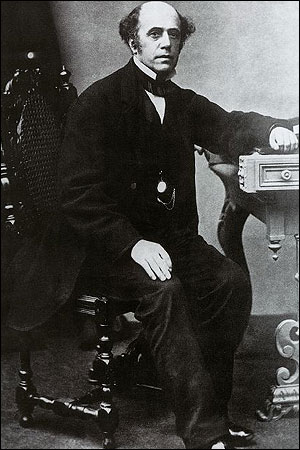
It was precisely this idea of his that was the direct seed of what we now safely recognize as the classic vacation package. Later, his company even developed special programs that provided British vacationers with the quintessential and sought-after experience of sun, sea, and sand [19]. These first organized trips laid a solid foundation for an industry that subsequently flourished in Western society from the 1950s and 1960s onward [2,19].
The Aviation Revolution
After World War II, air travel took the possibilities of global travel to a whole new level. The development of commercial aviation, particularly the introduction of massive wide-body aircraft such as the Boeing 747, connected all continents and rapidly reduced the cost of airfare [2,18]. Air travel thus transformed from an unattainable luxury into a completely ordinary and fast mode of transportation for the middle class [9,18].
In addition to the introduction of better aircraft, the gradual development of ground infrastructure was also of enormous importance for the growth of air travel. With the emergence of modern airports and sophisticated navigation systems, long-distance flying definitively ceased to be just a crazy dream [18]. Thanks to aviation, today a huge number of people can easily relax on tropical beaches or embark on incredible adventures in unknown countries [5].
The massive boom in mass tourism subsequently spurred and accelerated the arrival of modern low-cost airlines. Extremely cheap tickets put entirely new destinations on the map and allowed ordinary people to fly on summer vacations much more frequently [19]. Thanks to this development, more than half of all international tourists now travel to their desired destinations by air [5,10].
Global tourism simply could not thrive without exceptionally strong and reliable air networks. Aviation currently supports more than 37 million tourism jobs worldwide and contributes significantly to global economic growth [10,13]. This seamlessly interconnected system not only facilitates the exploration of other cultures but also actively helps reduce poverty in many developing regions [9,10].
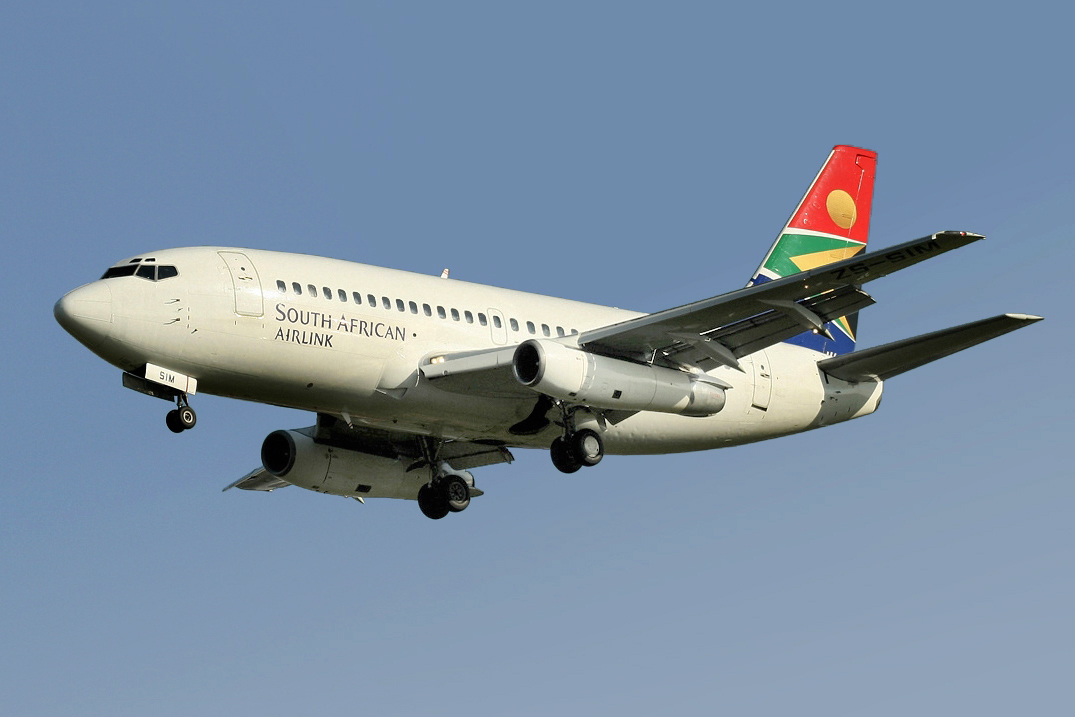
Despite its undeniable economic benefits, modern mass tourism faces critical challenges, chief among them the dangerous phenomenon of overtourism. Cheap flights have unfortunately led to many tourist areas becoming overcrowded and completely unable to cope with such a massive influx of visitors [2,19]. This overcrowding places unsustainable pressure on the environment in the form of air and water pollution, erosion, and the fatal destruction of precious natural resources [19].
Freedom of travel versus the climate crisis
Mass tourism also negatively impacts the fragile social structures, culture, and natural way of life of local residents. Residents of popular coastal destinations often suffer from gentrification, rising crime rates, or the irreversible loss of their home’s cultural authenticity [17,19]. Another major and frustrating problem is so-called economic leakage, where money spent by tourists does not remain in the local economy but flows out entirely [19].
A critical challenge for modern aviation and tourism is also the urgent need for climate protection and the necessary reduction of greenhouse gas emissions. The growing demand for passenger air travel represents a major obstacle to controlling emissions from commercial aviation, which could triple by 2050 [22]. Airlines and manufacturers are therefore facing increasing global pressure to develop sustainable aviation fuels and to reduce their massive carbon footprint overall [18].
Looking to the near future, demand for air travel is expected to continue to grow rapidly despite these obstacles. It is even projected that global passenger and cargo air traffic will more than double over the next two decades [15,22]. As global economic growth strengthens and the middle class in developing countries continues to expand, the demand for air travel will grow accordingly [22].
Various analyses clearly predict that by 2030, our world could welcome up to 1.8 billion international tourists. This massive increase in passenger numbers will be a direct result of the post-pandemic economic recovery and a tremendous desire to discover new cultures [15]. However, the cornerstone of this strong growth remains the urgent need for continued liberalization of the air transport market and the ongoing improvement of global connectivity [16].
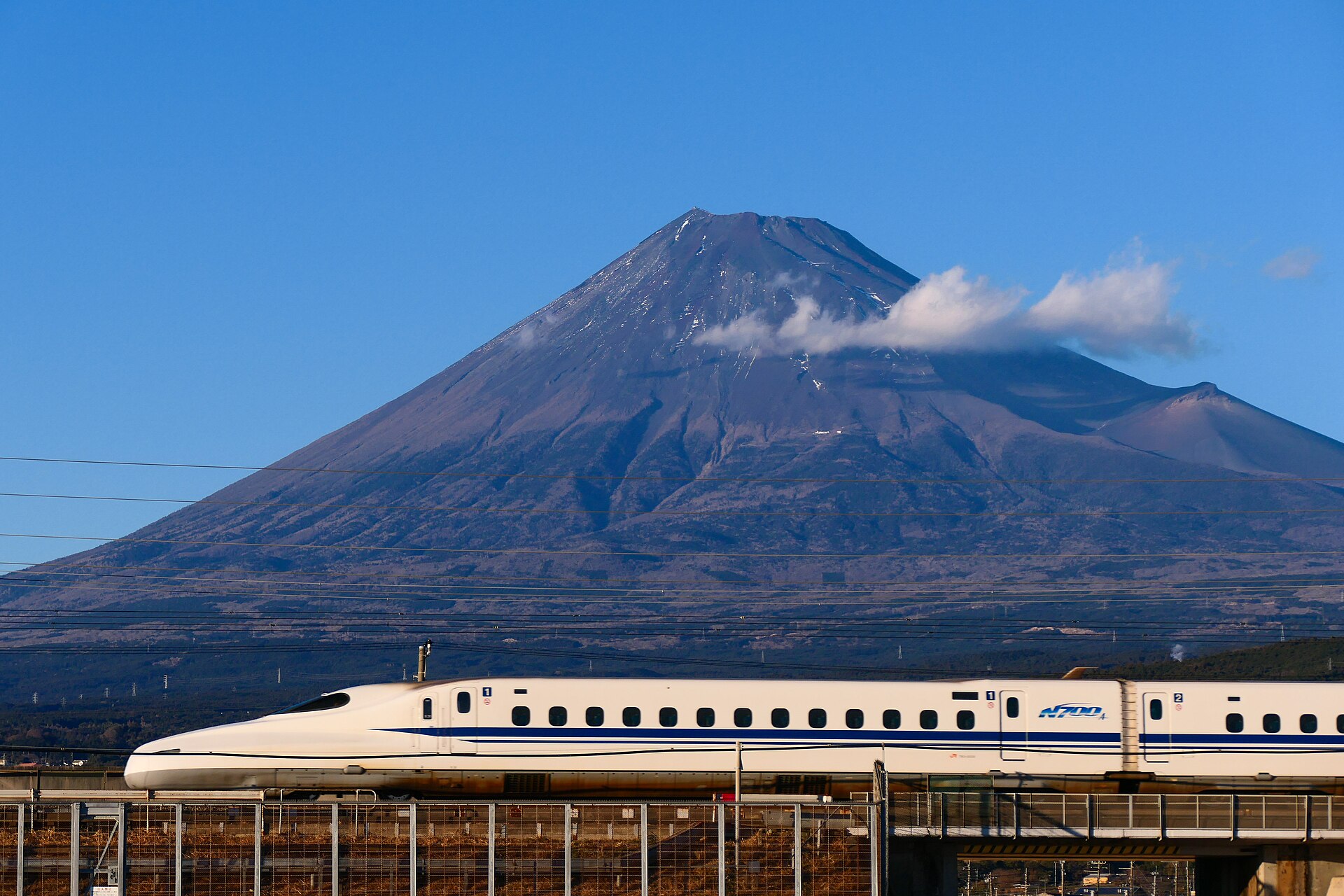
Many travelers and researchers, however, are already calling for more eco-friendly alternatives, with modern high-speed trains once again coming to the forefront. In Europe, for example, these state-of-the-art trains offer not only tremendous comfort but also significant environmental benefits, which strongly appeal to eco-conscious travelers [3]. Railways in the United Kingdom are even boldly planning to achieve complete carbon neutrality by 2050, clearly steering toward a greener future for summer travel [4].
Great hopes for the future are also being placed on entirely new technological innovations that could once again change the way we spend our free time. Electric aircraft with vertical takeoff and landing, high-speed drones, and even quiet supersonic jets are gradually becoming key trends for the next era of transportation [1,18]. Commercial space tourism is also on the distant horizon, clearly demonstrating that humanity’s curiosity and desire for constant discovery know absolutely no bounds [18].
List of References
[1] [PDF] The Economic Impact of US Civil Aviation 2024 https://www.faa.gov/2024-economic-impact-report.pdf
[2] History of Travel: How People Started to Travel - Culture Tourist https://culturetourist.com/cultural-tourism/history-of-travelling-how-people-started-to-travel
[3] Railroads and the Growth of Tourism - Model Railroad Ballast https://www.armballast.com/growth-tourism
[4] History of rail – Railway 200 https://railway200.co.uk/timeline
[5] Supporting economic & social development | ATAG https://atag.org/industry-topics/supporting-economic-social-development
[6] The impact of the railways - BBC Bitesize https://www.bbc.co.uk/bitesize/articles/z88jmbk
[7] Did the Ancient Romans Go on Vacation? https://www.unrv.com/articles/did-the-ancient-romans-go-on-vacation.php
[8] Scots on the Move: Railways and Tourism in Victorian Scotland - National Records of Scotland (NRS) https://www.nrscotland.gov.uk/learning-and-events/all-features-and-articles/scots-on-the-move-railways-and-tourism-in-victorian-scotland
[9] The Sky's the Limit: Exploring the Economic and Social Impact of Air Transport https://blog.sourceonespares.com/the-skys-the-limit-exploring-the-economic-and-social-impact-of-air-transport
[10] Aviation's global impact on trade and jobs https://www.asd-europe.org/news-media/news-events/get-inspired/aviations-global-impact-on-trade-and-jobs
[11] How 19th century canals and railroads transformed America | George W. Bush Presidential Center https://www.bushcenter.org/publications/how-19th-century-canals-and-railroads-transformed-america
[12] History of rail transport - Wikipedia https://en.wikipedia.org/wiki/History_of_rail_transport
[13] [PDF] Aviation supporting the global economy: vital role connecting the world https://www.iata.org/en/iata-repository/pressroom/fact-sheets/fact-sheet-benefits-aviation-statistics
[14] A trip to the coast, a dip in the pool, and a snow-chilled drink: how ancient Romans kept cool in summer https://theconversation.com/a-trip-to-the-coast-a-dip-in-the-pool-and-a-snow-chilled-drink-how-ancient-romans-kept-cool-in-summer-214461
[15] International tourists to hit 1.8 billion by 2030 (unwto.org )
[16] [PDF] Tourism and Air Transport Policies 20th Session of UNWTO General ... https://webunwto.s3.eu-west-1.amazonaws.com/imported_images/38146/background_paper_tourism_air_transport_policies_unwto_ga20_rev1.pdf
[17] Travelling for pleasure - a brief history of tourism | Europeana https://www.europeana.eu/en/stories/travelling-for-pleasure-a-brief-history-of-tourism
[18] The Business of Aviation and the Evolution of Air Travel https://www.blueconic.com/resources/the-business-of-aviation-and-the-evolution-of-air-travel
[19] The Mass Tourism Industry EXPLAINED - Tourism Teacher https://tourismteacher.com/mass-tourism
[20] How Ancient Romans Kept Cool in Summer https://blogs.unimelb.edu.au/shaps-research/2024/03/21/how-ancient-romans-kept-cool-in-summer
[21] Roman Holiday: How the ancients vacationed https://www.dw.com/en/roman-holiday-how-the-ancients-vacationed/a-66415051
[22] Issue Brief | The Growth in Greenhouse Gas Emissions from ... https://www.eesi.org/papers/view/fact-sheet-the-growth-in-greenhouse-gas-emissions-from-commercial-aviation