
China Instead of Russia? The Space Race in the 20th Century and Today
After more than half a century of lunar silence, the Moon is once again taking center stage for the world’s major powers [14]. The current U.S. Artemis space program and the efforts of other nations raise a legitimate question: are we witnessing a new space race?
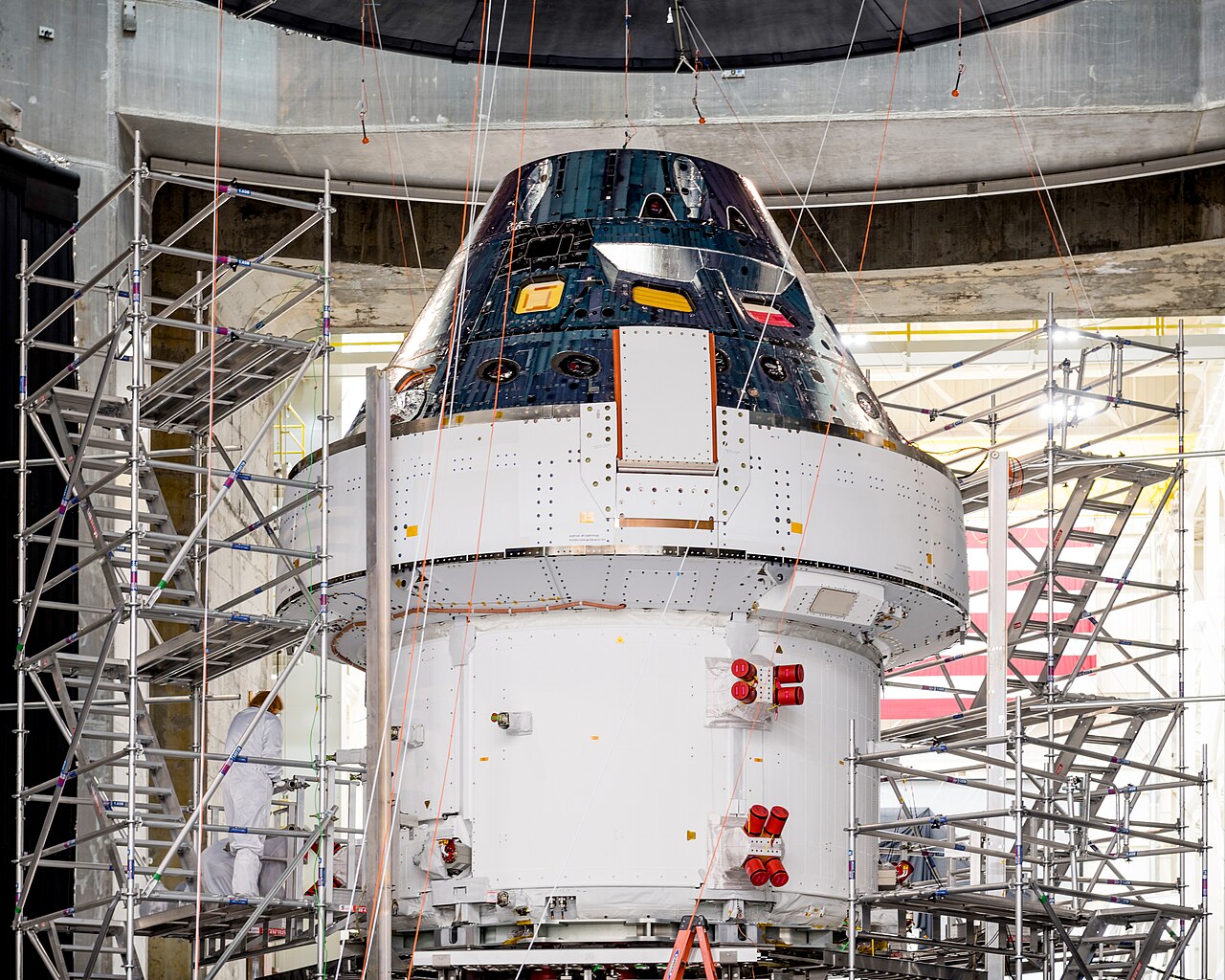
The answer is clear: a new space race is indeed underway, with the United States and China vying for lunar dominance [1]. While the Artemis program represents the most ambitious mission to the Moon since the Apollo era [2], a serious rivalry between the superpowers is already unfolding behind the scenes.
The return to the Moon reflects dramatic shifts in global priorities, technologies, and geopolitics, raising complex questions about scientific collaboration, commercial opportunities, and strategic competition [3].
Geopolitical parallels and echoes of the Cold War
In searching for parallels between the first space race of the 1960s and today’s race, we encounter striking similarities. The very concept of a “space race” began with the launch of the Soviet Sputnik 1 in 1957 [1]. When the Soviet Union launched Sputnik, it exposed gaps in American scientific and industrial capabilities and shook the nation’s confidence, with the U.S. regaining its dominance only after landing on the Moon [4].
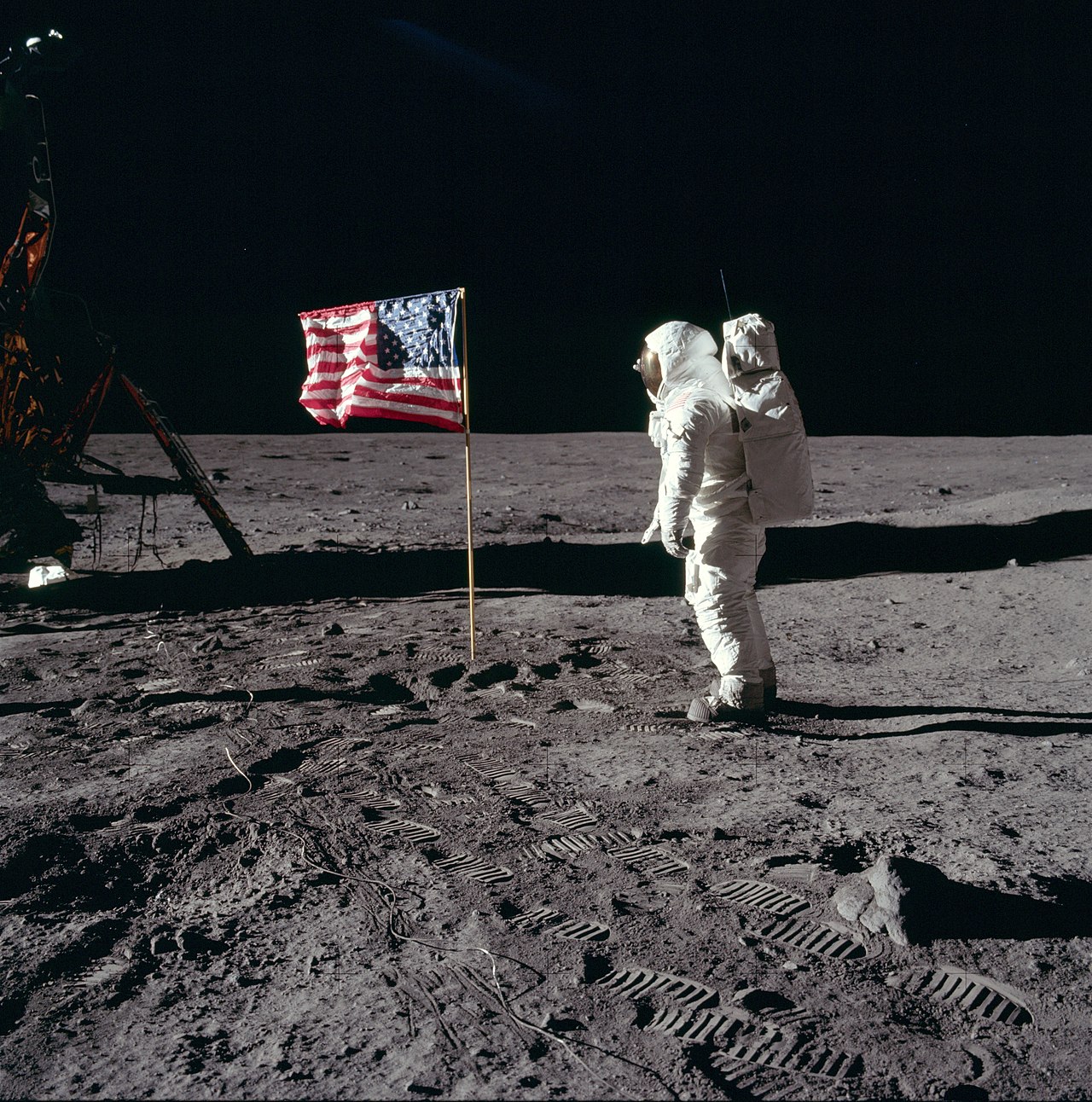
The reason for the race at the time was primarily geopolitical—the Soviets and Americans were competing to see who would plant a flag on the Moon and demonstrate superior technology, economy, and ideology [5]. As historians note, the decision to launch the Apollo program was not driven by massive public popularity, but by hard political reasons related to the crises of the Cold War, where space flights served as a substitute for direct military confrontation [6].
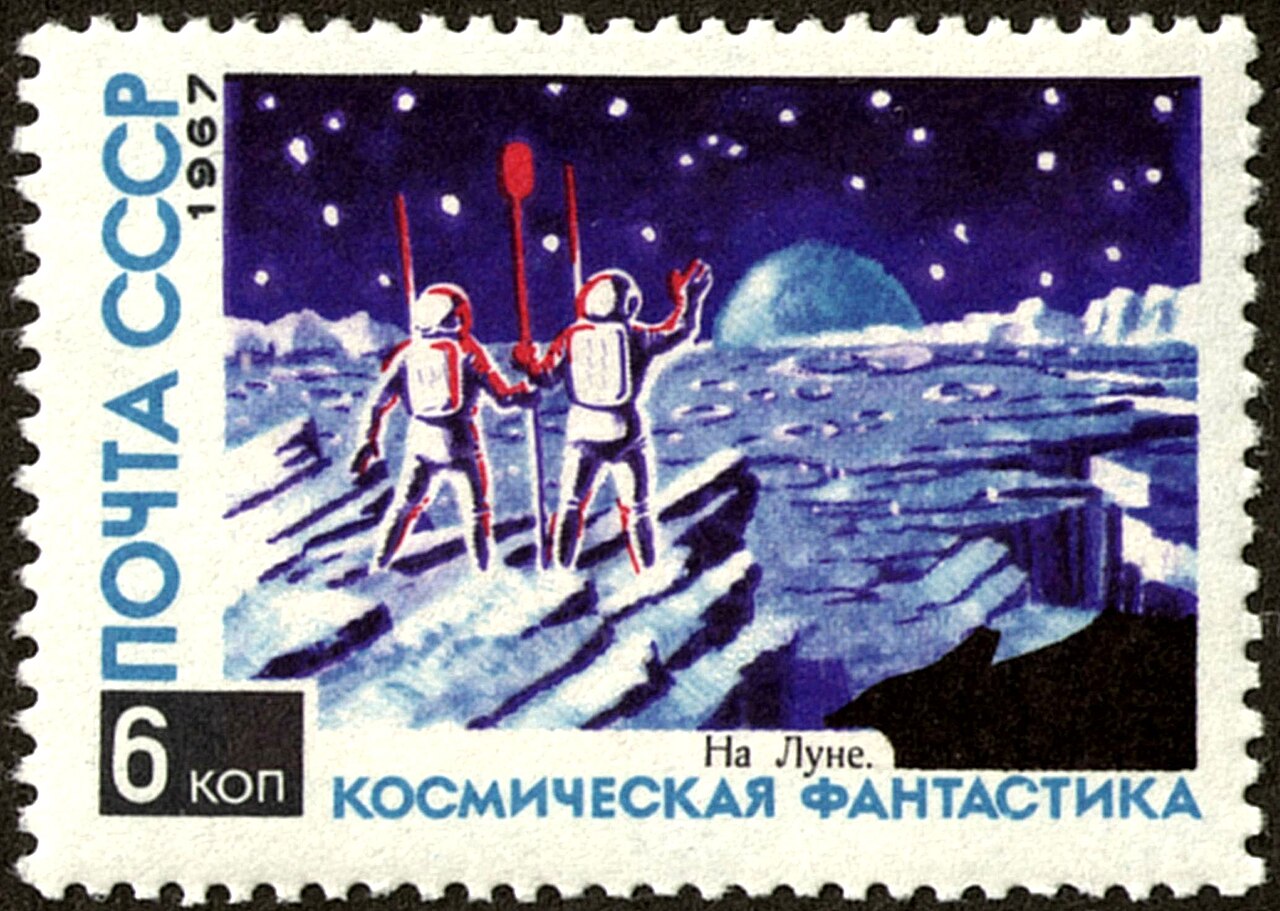
Today we are witnessing a similar situation, albeit with multiple players [5]. While during the Apollo era the Soviet Union was the United States’ main rival, today China has become the new challenger [1]. Space is now just another arena where geopolitics plays out, much like the race in artificial intelligence or the struggle for oil [5].
While Washington and Beijing compete in trade, technology, and military power, the Moon has quietly become the latest arena of geopolitical rivalry [1]. Concerns in Washington are growing: if the United States does not act decisively, it could be heading toward a new “Sputnik moment,” in which Beijing gains lunar dominance and control over a frontier that may define great-power competition in this century [4].
An interesting parallel can also be found in the domestic political context. When NASA first sent humans to the Moon in December 1968, the U.S. was a deeply divided nation torn by unrest and an unpopular war. Today, with the Artemis program, history is repeating itself, and astronauts are once again setting out on a journey amid a turbulent and divided world [7].
Continuity and Discontinuity: How Is Today Different?
Despite geopolitical similarities, the modern lunar race differs fundamentally from that of the 1960s. Apollo was a rapid-fire program that achieved half a dozen landings in four years [8]. It was primarily a U.S. government program [9,10].
Artemis, on the other hand, has no endpoint; it is the beginning of a process to expand humanity’s presence back to the Moon, to Mars, and beyond [9]. While Apollo was about short-term visits, Artemis is developing systems for a sustainable human presence, long-term research, and the utilization of resources [11].
One of the most striking differences is the role of the commercial sector and reduced funding. During the Apollo era, NASA’s budget accounted for about 4 percent of the federal budget; today, it is only about one-third of a percent [12]. A repeat of Apollo has been off the table for decades, so NASA had to find a new path—engaging commercial partners such as SpaceX, Blue Origin, and Astrobotic [3,7].
The shift from exclusively government-run programs to commercialization means that private companies are now rewriting the rules, developing lunar logistics, and reducing costs through reusable rockets [2,3,11].
The approach to risk and safety has also changed. While during the Cold War it was acceptable to take enormous risks [13], today safety standards are much higher, making missions more complex and expensive [13,14].
Orion, the spacecraft of the Artemis program, is designed with the absolute priority of astronaut safety, including advanced life support and radiation shielding [14]. Social attitudes toward race and gender have also changed. While the Apollo crews consisted exclusively of white men, the Artemis III mission to the Moon carried the first woman and the first person of color [9,14].
Another departure from the past is strong internationalization. The Artemis program is based on the Artemis Accords, signed by more than 30 (according to other sources, more than 60) countries, creating a multilateral framework for peaceful space exploration. On the other hand, China and Russia, which rejected these agreements, are building their own International Lunar Research Station (ILRS) and recruiting countries such as Venezuela, Pakistan, Belarus, and South Africa to join it [1,15,16].
New Goals: Why Are We Returning, and Why Mine?
The goals of reaching the Moon today go far beyond symbolic victories. The fundamental and shared goal of the U.S. and China is to build a sustainable, permanent, and inhabited lunar base, with a primary focus on the lunar south pole [17].
The reasons for this renewed interest can be divided into three categories: science, commerce, and strategy [3]. Science and research play an important role, but resources are the real driving force today. Earth’s resources are being depleted, and a shift to lunar mining is seen as a potential solution for sustaining our economies without further environmental destruction [10,12].
The Moon’s south pole, though harsh and difficult to access, contains vast reserves of water ice in permanently shadowed craters [3,17]. Water is more valuable in space than oil is on Earth [15]. If we can extract water ice and use electrolysis to convert it into oxygen and hydrogen, we will gain not only life support but, above all, rocket fuel [3,10]. Using the Moon as a “space refueling station” would allow rockets to carry only a fraction of the fuel needed to escape Earth’s atmosphere, thereby opening the door to long-term missions to Mars and deeper into the solar system [4].
Rare elements and the isotope Helium-3 are also a huge draw. This isotope is rare on Earth but abundant on the Moon and represents a potential source of clean energy for nuclear fusion; according to the European Space Agency, one ton of helium-3 could theoretically power a city for an entire year [1,3,10]. The Moon also harbors reserves of rare earth elements (such as neodymium and europium) that are a thousand times greater than those on Earth, which are critical for the production of smartphones, electric vehicles, and wind turbines [12].
All of this creates unprecedented strategic and geopolitical pressure. While the 1967 Outer Space Treaty prohibits the national appropriation of the Moon, it also prohibits interfering with the activities of other parties. In practice, this means that the country that first establishes operations near water deposits could, under international law, exercise effective control over these resources [4,17]. “Whoever leads in space leads on Earth,” emphasize U.S. officials [16].
Current Capabilities: The U.S., China, and Russia
The balance of power in this new race is extremely tense. The United States, through NASA and its partners, plans to return astronauts to the lunar surface as part of the Artemis III mission, currently scheduled for 2028 [2,17].
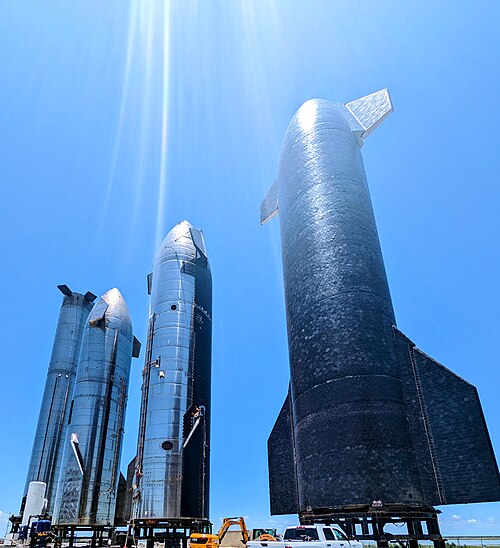
The American system relies on the super-heavy Space Launch System (SLS) rocket, the Orion spacecraft, and SpaceX’s revolutionary, fully reusable Starship, which will serve as the lunar lander (HLS) [10,14,15,17]. Starship can transport a massive amount of cargo to the Moon (more than 100 metric tons), enabling the construction of massive habitats [15]. However, the system requires the as-yet-untested transfer of cryogenic fuel in Earth orbit [15,16].
China is advancing at an incredible pace, and its space program is growing hand in hand with its military and economic power [1]. The China Manned Space Agency (CMSA), which, unlike NASA, is part of the military, is aiming for a crewed landing by 2030 [16,17]. Their strategy leans toward the Apollo style, with an emphasis on safety. They plan to use two Long March 10 rockets—one to launch the Mengzhou crew capsule, the other the Lanyue lunar module.
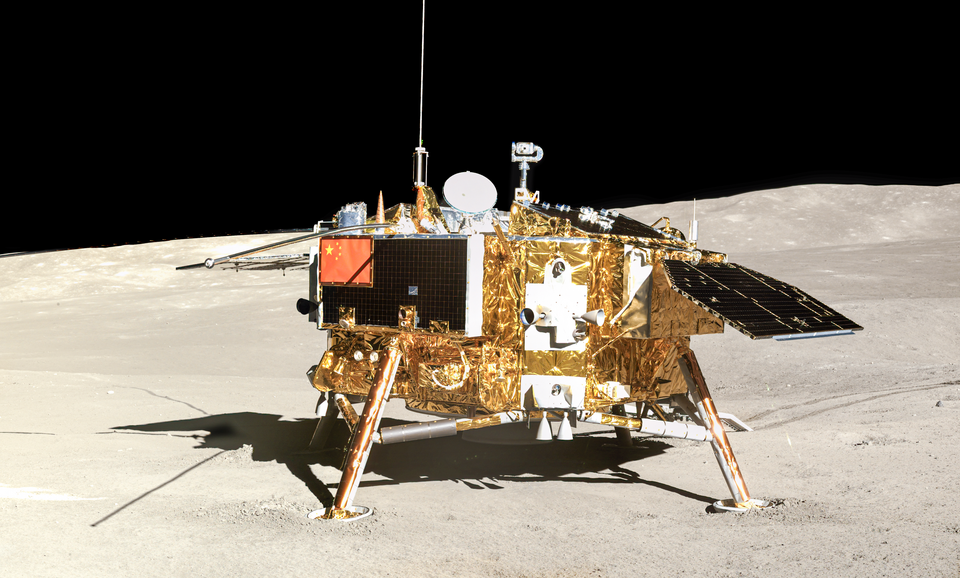
These will dock in lunar orbit, allowing China to avoid complex in-orbit refueling [1,17]. China has already achieved tremendous success with its Chang’e robotic missions, becoming the first to land on the far side of the Moon and bring back samples from there [5,18,19]. It plans the Chang’e-7 mission for 2026 to explore water ice at the south pole, and in 2028, Chang’e-8 will test technologies for building a base from lunar soil [17,18].
Russia, a historic space giant, faces challenges today. Its Luna-25 mission in 2023 failed during an attempt to land at the south pole [2]. Nevertheless, they are planning the Luna-26 (2027) and Luna-27 (2028) missions and are deepening their cooperation with China on the ILRS project, while distancing themselves from Western lunar projects [1,2,15,16,17,18,19,20].
Who is leading the race for a lunar base?
The question of who is currently leading the race to build a lunar base is the subject of heated debate. Chronologically, the U.S. appears to have the lead with a planned landing in 2028 compared to China’s target of 2030 [4]. The United States also has a huge advantage in the innovative commercial sector (SpaceX, Blue Origin) [12].
However, an increasing number of experts are sounding the alarm. The extreme complexity of the American system, combined with budget cuts, internal unrest in the U.S., and delays, is raising concerns that China could win this race [5,15,16]. Former NASA Administrator Jim Bridenstine acknowledged that the U.S. landing system is “extremely complex” and that it is unlikely the U.S. will land before China [15].
China has an undisturbed internal management system, central planning, a clear vision, and a less stringent approach to safety and the environment, allowing it to move faster [5,21]. Even if the U.S. were to technically land first, scientists warn that if Beijing manages to build its base in a better location—closer to the lucrative water deposits at the South Pole—it could gain an absolute advantage for an entire century [4].
Public Interest: Myth and Reality
It is fascinating to compare public interest in the Artemis program with the nostalgia-shrouded Apollo missions. There is a widespread belief that the Apollo project was extremely popular in the 1960s and enjoyed enthusiastic support. However, facts and public opinion polls debunk this myth [6].
Consistently throughout the 1960s, a majority of Americans (45–60%) believed that the government was spending too much money on space and did not consider the Apollo program to be worth the cost [6]. The only exception was July 1969, the time of the Apollo 11 landing, when a mere 53% agreed that the result justified the cost [6]. Apollo thus never had the massive support that is romantically attributed to it today [6].
Nevertheless, the impact of Apollo was enormous—in 1968, out of roughly 3.5 billion people on the planet, about a quarter of humanity watched the broadcast from the Moon [7]. The Apollo experience was passive; people consumed what the three major television networks served them [9].

Today’s situation surrounding the Artemis program is different. The world is media-fragmented, with thousands of channels and social networks [7]. During the successful Artemis II mission, the number of viewers of NASA’s official livestream was estimated at 16 million people, which certainly kept many glued to their screens, but by no means constituted a global event comparable to Apollo [5,7].
Most surveys show that up to 90 percent of Americans are indifferent to a return to the Moon [7]. The difference, however, lies in interactivity. While the public merely watched passively during the Apollo era, the Artemis generation will be able to access information in real time, use artificial intelligence tools, and directly interact with scientific data [9].
In conclusion, it can be said that a return to the Moon is not merely nostalgia for a bygone era. It is a pragmatic, resource-driven, and strategic race. It is a battle over infrastructure, the rules of future space governance, and whose vision—whether the democratic approach of the Artemis Accords or the Sino-Russian ILRS model—will shape our expansion into deep space [1,3].
The ongoing space race will thus determine not only the fate of the Moon, but most likely also geopolitical dominance here on Earth [5].
List of References
[1] Race to the Moon: Power, politics and the new space order - The Economic Times https://m.economictimes.com/news/science/race-to-the-moon-us-vs-china-space-race-2026-nasa-artemis-china-moon-mission-geopolitics-lunar-exploration-helium-3-space-rivalry-explained/articleshow/130323951.cms
[2] Moon Mission Updates: How Many Countries Are Planning Lunar Landings? (New Stats) https://patentpc.com/blog/moon-mission-updates-how-many-countries-are-planning-lunar-landings-new-stats
[3] The Second Moon Race: US, China, India, and South Korea Plan Moon Bases by 2045 https://www.linkedin.com/pulse/second-moon-race-us-china-india-south-korea-plan-bases-faisal-khan-27edc
[4] The Hitchhiker’s Guide to the New Space Race https://www.fddaction.org/longview/2026/04/16/the-hitchhikers-guide-to-the-new-space-race/
[5] After Artemis II, the real lunar race is just getting started | Lowy Institute https://www.lowyinstitute.org/the-interpreter/after-artemis-ii-real-lunar-race-just-getting-started
[6] [PDF] Public opinion polls and perceptions of US human spaceflight https://site.nhd.org/73136591/uploaded/Public_Opinion_Polls_and_Perceptions_of.pdf
[7] Artemis II is unlikely to be the cultural touchstone Apollo 8 was, and that's OK - Ars Technica https://arstechnica.com/space/2026/04/artemis-ii-is-unlikely-to-be-the-cultural-touchstone-apollo-8-was-and-thats-ok/
[8] https://www.nasa.gov/johnson/HWHAP/apollo-vs-artemis
[9] Opinion - The world of Artemis II is very different than that of the Apollo moon landings https://www.yahoo.com/news/articles/opinion-world-artemis-ii-very-150000286.html
[10] Lunar Mining Rights https://www.meegle.com/en_us/topics/space-commercial/lunar-mining-rights
[11] The Artemis Program - Foundation Testing and Consulting https://ftandc.com/the-artemis-program/
[12] Why going to the Moon still matters | Princeton University Press https://press.princeton.edu/ideas/why-going-to-the-moon-still-matters?srsltid=AfmBOooZLNl6DRRPbMiG2WELBp_dnpYVYDIdHo_NkPtxqs9m7dk7jJko
[13] Launius RD. Apollo 11 at twenty-five. Space Times: Magazine of the American Astronautical Society 1994;33:12–5.
[14] Artemis 1 Vs. SpaceX: The Ultimate Space Race https://ftp.bills.com.au/lunar-tips/artemis-1-vs-spacex-the-ultimate-space-race-1764801176
[15] Artemis, and the New Space Race: Mission delays underscore technical challenges as the United States and China compete to establish long-term dominance at the lunar south pole. https://www.aapg.org/news-and-media/details/explorer/articleid/69490/artemis-new-space-race?srsltid=AfmBOop6Mw0OXNdsb4LsvJfIVuL3uIJwOxbAL6sEgXlMq_4bXy-1ts2_
[16] U.S., China Still Racing to Return to the Moon https://www.govtech.com/products/u-s-china-still-racing-to-return-to-the-moon
[17] How to build a moon base https://www.scientificamerican.com/article/how-to-build-a-moon-base/
[18] Global Exploration Roadmap 2024 https://www.globalspaceexploration.org/wp-content/isecg/GER2024.pdf
[19] “Artemis Accords & International Lunar Research Station (ILRS) Signatories Tracking Sheet,” accessed April 2025, https://docs.google. com/spreadsheets/d/1dFNVSQeTto4DiDH9u2ds4ZAjzGje2Z0-XSiWyiPc8lo/edit?gid=557541040#gid=557541040.
[20] Kevin Pollpeter et al., “China-Russia Space Cooperation: The Strategic, Military, Diplomatic, and Economic Implications of a Growing Relationship,” Center for Naval Analyses, May 2023, https://www.cna.org/reports/2023/06/china-russia-space-cooperation-may-2023.
[21] Robert Z. Pearlman, “NASA Names New Moon Landing Program Artemis After Apollo’s Sister,” Space.com , May 14, 2019, https://www. space.com/nasa-names-moon-landing-program-artemis.html.